Novak Djokovic Has Already Locked Up 'Player of the Decade'
Novak Djokovic has already locked up his status as "Player of the Decade." There are three years remaining until 2020, but it's simply a matter of how many more major titles and weeks at world No. 1 he will add to his reign of this decade.
The Serbian has 11 major titles and 223 weeks at No. 1, and he’s the only player since 1969 to hold the Grand Slam of all four major titles, something legendary rivals Roger Federer and Rafael Nadal were unable to accomplish.
How does Djokovic’s decade compare to the best players of past decades?
TOP NEWS
.png?w=2560)
Ranking the Best Shooters of All Time 🎯

Ranking Best Trash-Talkers of All Time 🗣️
Ranking Most Overrated Players 📊
What would he need to do over the next three years to establish the most dominant decade of all time?
Player of the Decade
The "Player of the Decade" rests mostly on major titles but gives a respectable nod to how long he held the No. 1 ranking. These were the most dominant superstars for each decade:
1970s: Bjorn Borg (8 majors)
The first decade of professionalism began with aging Australian stars and a young Jimmy Connors providing most of the fireworks by 1975. But Bjorn Borg took over and became a global icon with four titles at each of Roland Garros and Wimbledon in the 1970s.
Never mind that Connors had 251 weeks at No. 1 compared to Borg’s 33 weeks. The American benefited greatly from the rankings system at the time that doled out a lot more points for his participation on selected tournaments.
Borg’s body of tournament work was not always computed or rewarded the same with a tour still experimenting with its formats.

1980s: Ivan Lendl (7 majors)
Ivan Lendl had to fight his way through bigger superstars like Borg, Connors and John McEnroe for the first half of the decade, but they were all burned out or gone by the mid-1980s. He won his first major at the 1984 French Open but was almost always the No. 1 player from late 1985 into 1990.
Mats Wilander won a sneaky seven majors as well, but he was nowhere near as dominant as Lendl.
The Swede had a career year in 1988 with three major titles; he went on to hold the No. 1 ranking for 20 weeks and capture 32 titles in the 1980s. Lendl held No. 1 for 238 weeks and won 83 titles in the decade.
1990s: Pete Sampras (12 majors)
Pete Sampras lapped fellow American and sometime rival, Andre Agassi, who finished second with five majors in the 1990s.
Sampras also held the No. 1 ranking for 276 weeks (more than Federer’s total in the next decade). Six straight years to end No. 1 (1993-98) might never be matched.
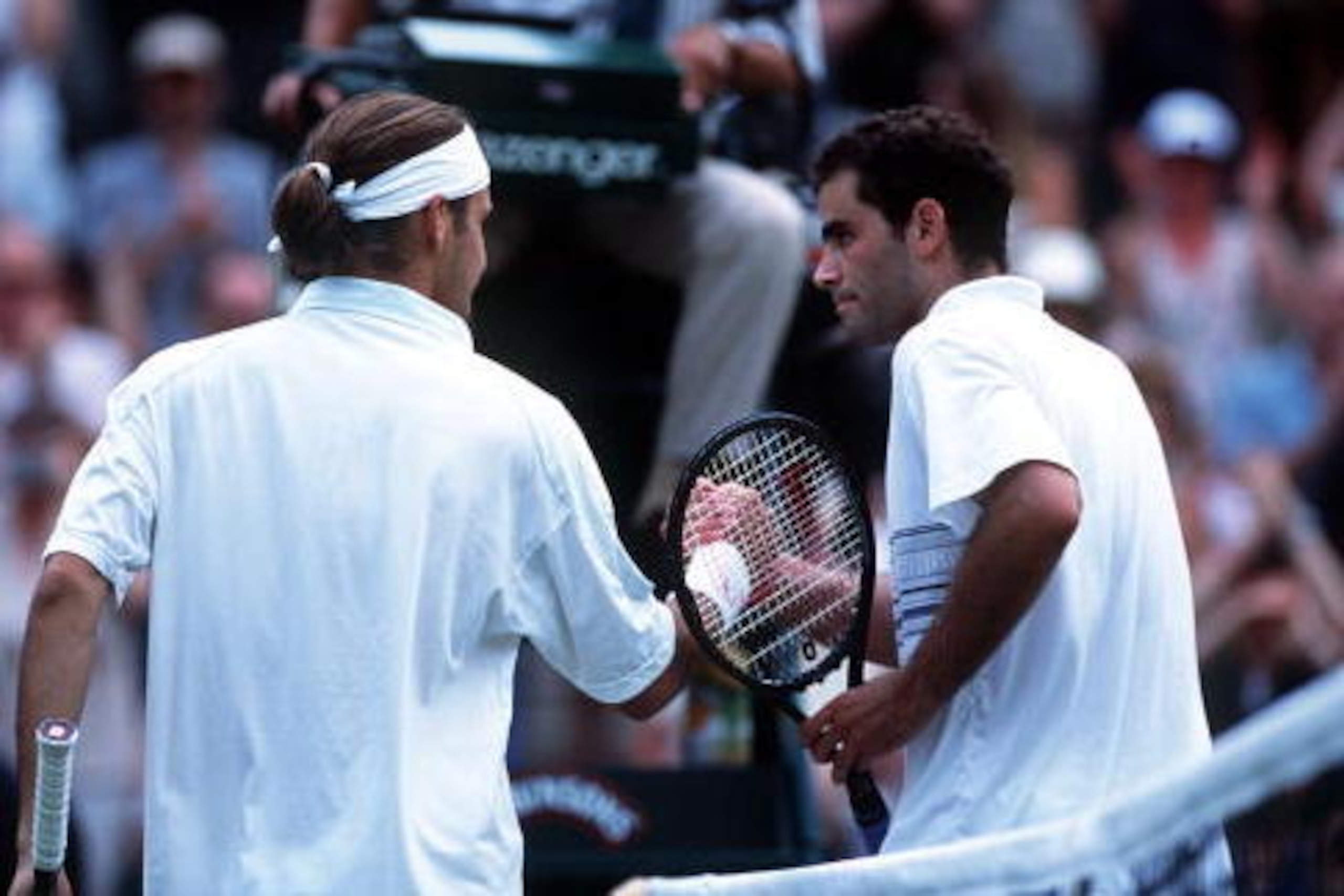
2000s: Roger Federer (15 majors)
While rising rival Nadal won six majors, Federer was busy racking up 263 weeks at No. 1 and produced a burst of dominance from Wimbledon 2003 to the 2010 Australian Open that is the all-time standard for many tennis observers.
2010s: Novak Djokovic (11 majors)
Djokovic actually trailed Nadal at the mid-decade point for this race, but it was clear that the Serb had a lot more in the tank.
At the end of 2014, Nadal had the advantage in major titles (8-6) including two multi-major seasons in 2010 and 2013, while Djokovic had one dominant masterpiece in 2011 and only a 6-6 record in major finals.
Since then, Nadal has not been a major contender and Djokovic clocked in with five more major championships and only recently had over two consecutive years at No. 1 snapped by Andy Murray. Add in his dominance at Masters 1000 tournaments, the World Tour Finals and his well-rounded conquests on all surfaces—and against all rivals—and it’s not even close.
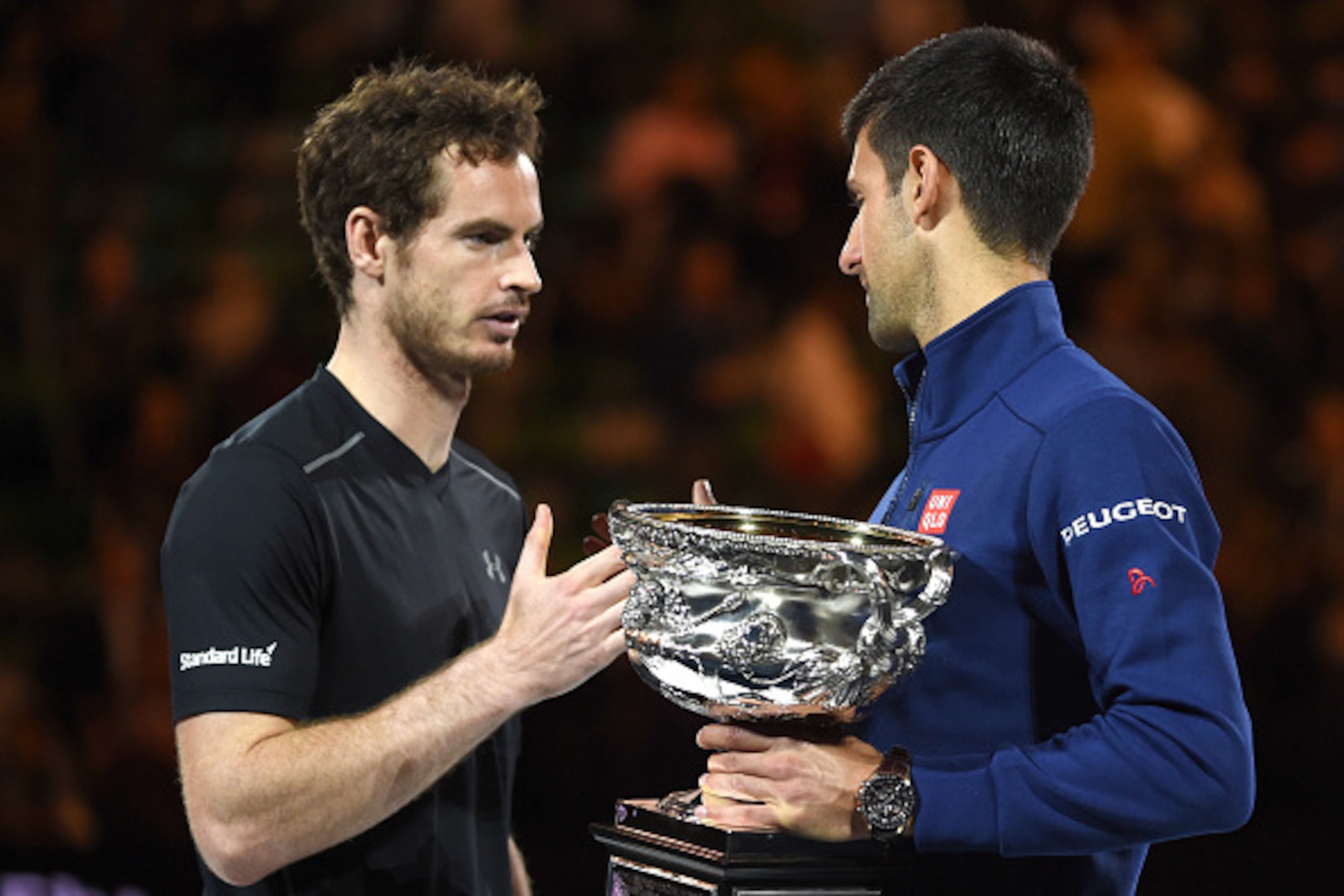
Even if Djokovic is unable to win another match, there’s almost no chance that either Stan Wawrinka or Murray will pile up eight more majors in three years. And don't expect Nadal to net a resurgence of three or four majors while the Serb gets blanked.
Another young player could rise up for a few major titles, but he’s not catching Djokovic in this decade.
It’s conceivable that Djokovic becomes the greatest winner for one decade. He has three more years to get four more majors and 40 more weeks at No. 1 to tie him with Federer’s previous decade. While it’s a tall order, there’s at least a reasonable chance. This will be clearer after 2017.
Overlap Player of the Decade
Suppose we look at 10-year periods from the midway points of each decade. This "overlap" from the second half of one decade to the first half of the next gives another interesting look at the legends of the game.
1975-1984: Bjorn Borg (10)
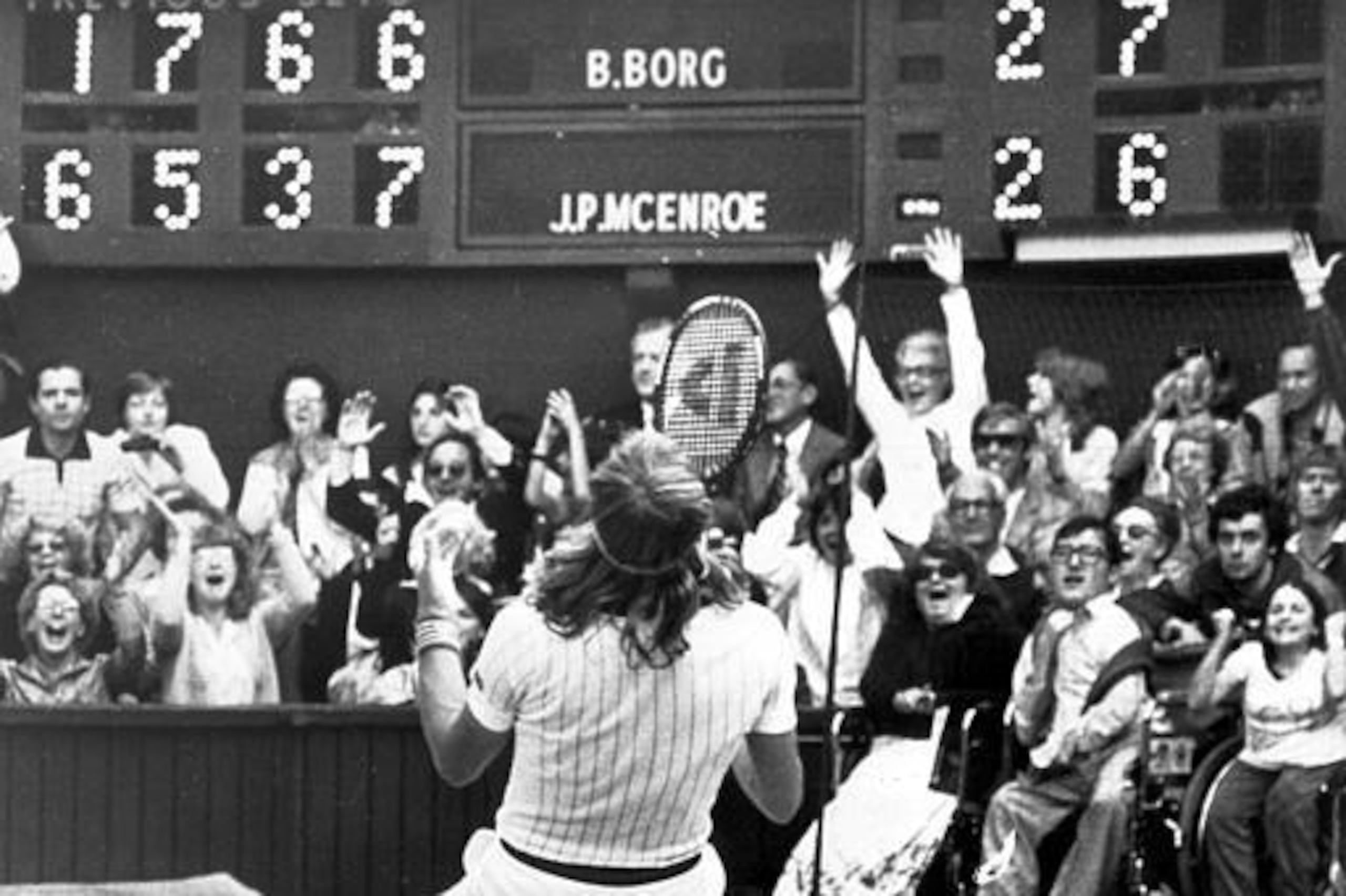
Borg is even more dominant in the "overlap" that splits the late 1970s and early 1980s. He’s far ahead of McEnroe (seven majors) and Connors (five).
1985-1994: Ivan Lendl (7)
Although this was a competitive era of stars, Lendl had the best longevity of dominance. He edges out Stefan Edberg’s six majors and outperforms the Swede with weeks at No. 1, 238-72.
Boris Becker and Sampras each picked up five majors during this period, getting 12 and 87 weeks respectively at No. 1.
1995-2004: Pete Sampras (9)
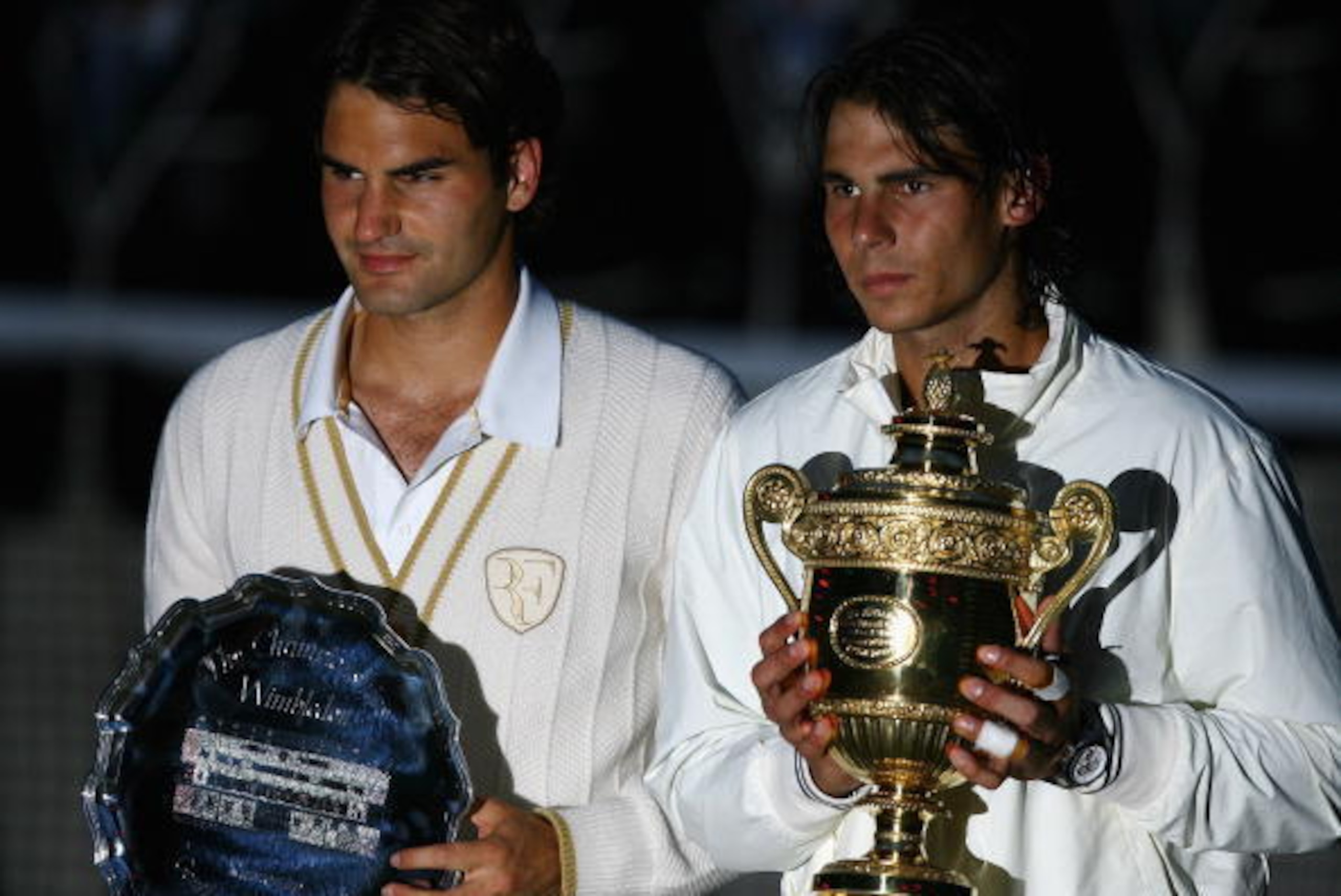
Agassi had a nice late-career surge, good for five majors since 1999 and six overall when combined with the 1995 Australian Open that was really part of his first great peak. Sampras was through after winning the 2002 U.S. Open and Federer won the 2003 Wimbledon, so that was really the gap where two very different eras can be separated.
2005-2014: Rafael Nadal (14)
The Spaniard’s entire legacy falls neatly into this overlapping period. Federer is just a whit behind at 13 major titles and ahead of Nadal at No. 1, 254-141.
Nadal’s dominance includes at least one major title in each year, while Federer had only two major titles in the last five years. Of course, the Swiss star's big burst from 2004-09 was unmatched, so it’s another classic "Fedal" argument with this cutoff.
But Nadal did defeat Federer in most of these head-to-head matches, so he gets the slight edge.

2015-2024: Novak Djokovic (5)
If Djokovic adds two to four major titles in the next few years, it’s possible he will win this "overlap" period. That is if the ATP tour sees more competitive parity and more varieties of champions than has often occurred in tennis.
Djokovic has a great start out of the blocks, but eight more years is enough time for a whole new era from a dominant superstar like Alexander Zverev or Nick Kyrgios. We’ll see.



.jpg?w=2560 "UDFA's with Best Chance to Make Rosters")