Andy Murray and the 2015 September Davis Cup Winners and Losers
In the week after the U.S. Open, Davis Cup tennis featured two excellent semifinal pairings, both of which provided plenty of drama in determining November’s final. Great Britain and Belgium will compete in a rare final appearance by either country, and the journey to victory is worth a second look at some of the heroes and goats.
The other World Group playoffs were to decide which of the eight first-round losers in March 2015 could play their way back to the World Group playoffs for March 2016. Roger Federer, Kei Nishikori and other stars were instrumental in powering their countries to next year, showing once again that stars bring results and fan interest to these competitions.
This Davis Cup edition of our “Winners and Losers” column rounds out an exciting summer of tennis as autumn braces for the Asian swing and the WTF year-end final in London.
Winners: Andy Murray and Great Britain
1 of 7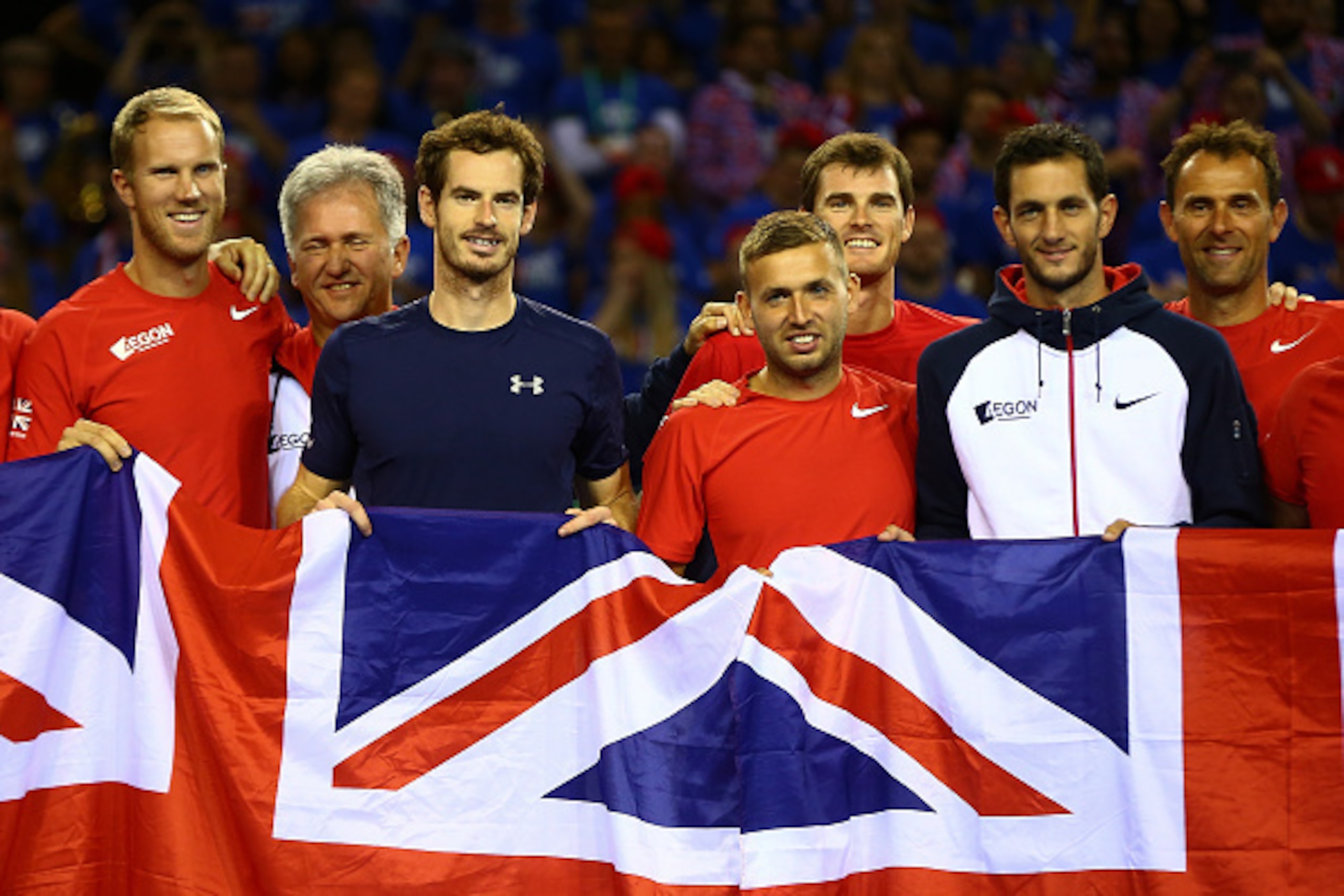
Andy Murray has continued to insist that this is a team effort, but truth be told he is a one-man wrecking crew. He demolished a deep, young Australian team despite problems with his chronic back.
Murray may as well have strung his team’s rackets and carried all the equipment. Team Australia no doubt saw enough of the Scottish superstar and heard enough of Glasgow’s rabid fans. Murray won both singles matches in straight sets over Thanasi Kokkinakis and Bernard Tomic, and he paired up with brother Jamie for a thrilling five-set victory on Saturday. (More on that in the next slide.)
Stop and think about this new golden period of British men’s tennis. Murray won the gold medal in 2012 against Roger Federer on Wimbledon grass. He won Wimbledon in 2013, breaking the 77-year drought since Fred Perry’s last British Wimbledon men’s singles championship.
Now he has Great Britain in the November final, and they will be favored to cross the channel and defeat another Cinderella story in Belgium.
One great star and a little help from his friends can go a long way in powering Davis Cup championships. Can you believe that Great Britain is near the finish line?
(Tough Luck) Losers:
2 of 7
They fought like lions, so their valiance is not in question. Somebody had to lose this match, and after they had won the first set the doubles team of Lleyton Hewitt and Sam Groth could feel it slipping away by the end of the fourth set.
Meanwhile, it was brothers Andy and Jamie Murray who lost their 6-5 lead as Andy could not close it out on his serve. They couldn’t cash in on a fourth-set match point either. Had the fifth set turned out differently, the British press would have lambasted their heroic team.
We also can’t blame Groth for a couple of errors in the 10th and final game of the fifth set. Team Australia had pushed the Brits for nearly four hours of tennis, and team captain Wally Masur believed they had softened up Andy Murray with more fatigue and emotional emptiness after their thriller, per Darren Walton of the Sunday Morning Herald.
It turned out that this doubles match was the key to everything, and maybe had it gone another few hours without the fifth-set tiebreaker in place, then perhaps Murray would not have been able to walk to his match the next day.
It’s cruel that there had to be a loser. Although they played like winners, Hewitt’s final Davis Cup match (well, possibly his final match) ended with epic bitterness.
Winners: David Goffin and Belgium
3 of 7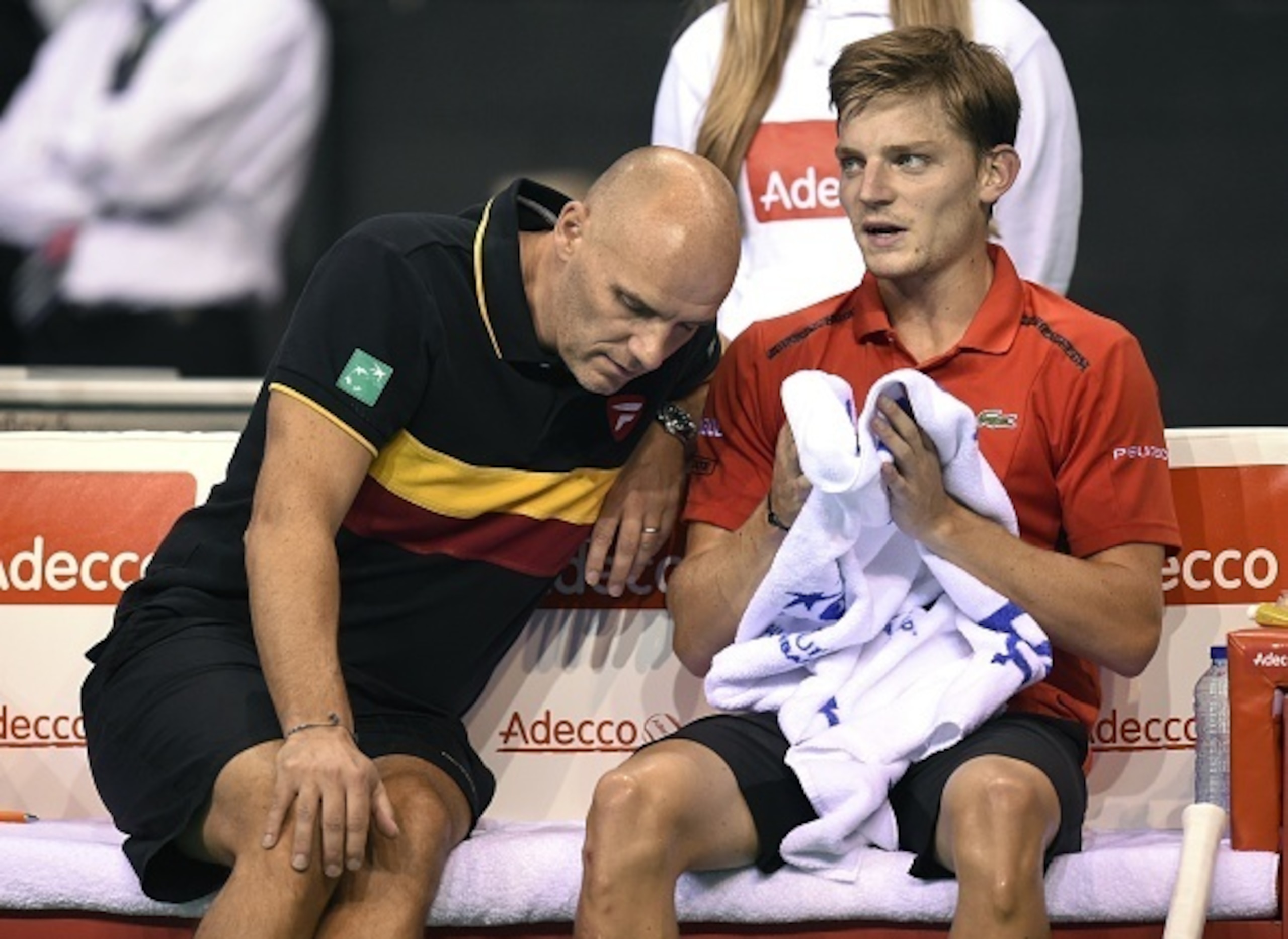
Since summer 2014, David Goffin has been a top-20 player from qualifying to major matches. Chalk up Davis Cup hero as well. The pint-sized Belgian powered his team past Argentina behind two straight-sets victories, but even that was not quite enough.
Enter Steve Darcis, most famed for his 2013 first-round Wimbledon victory over superstar Rafael Nadal. Darcis had lost his first singles match to Leonardo Mayer, and he was half of the team that lost Saturday’s doubles.
But Darcis picked himself up with a grueling four-set victory in the fifth rubber to send his team to the final. Of course none of this would have been possible without Goffin’s pair of wins, but kudos to Darcis for his resilience.
The amazing thing is that the Davis Cup final will be played by neighbors who have not had any championship success since Great Britain’s last title in 1936. Belgium has never won it, and now they will host it in chilly November at a time when tea and waffles will warm the hearts and bodies of tennis lovers in that historic region of the world.
.png?w=2560)


Loser: Leonardo Mayer
4 of 7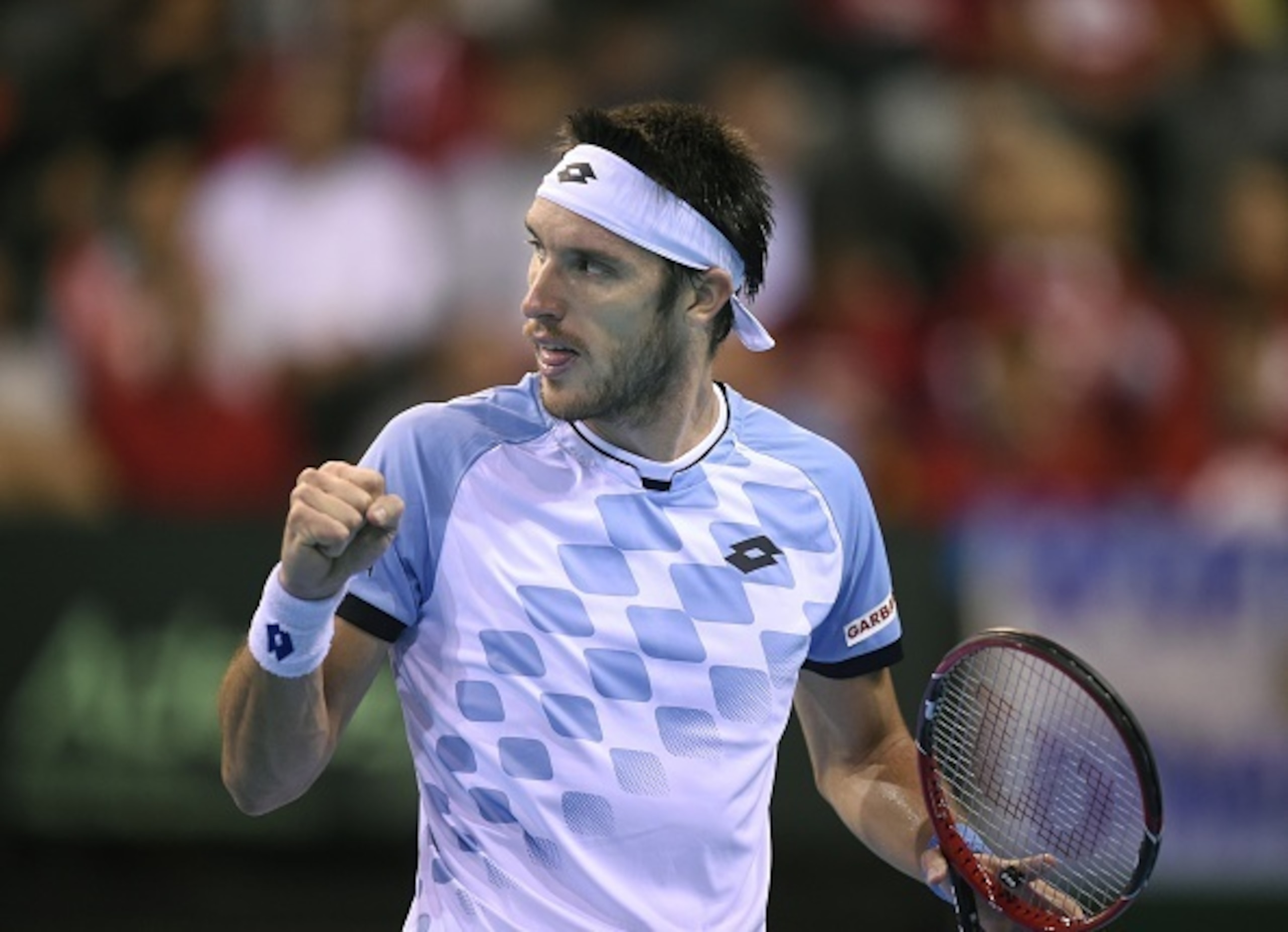
Granted, Federico Delbonis was the one who lost two matches in Argentina’s fall to Belgium, while Leonardo Mayer won his singles match against Steve Darcis and was on Saturday’s winning doubles team for their four-set victory.
Argentina was on the brink of the final with the two singles matches to play. World No. 39 Mayer had stated in Daviscup.com (h/t ATP World Tour) following the doubles that, “It’s been four hours, two days, long matches but I have energy. Davis Cup is like this, and I love playing in Davis Cup.”
The next day, Mayer did not play against No. 15 David Goffin, who swept his way past Diego Schwartzman to set up the fifth and deciding match where Darcis performed his heroics. No doubt the air was punctured out of the Argentine balloon, and later it was reported that Mayer did not play because he was too tired.
It’s hard for outsiders to make this judgment, but a little perspective is needed to wrap our brains around what Mayer should have done, or whether we should castigate him for withdrawing from the match.
First, Mayer proved last March that he is a gamer, pushing himself through a five-set singles victory against Brazil’s Joao Souza in a match that was six hours and 42 minutes, the longest Davis Cup singles match ever. That’s longer than Novak Djokovic’s Australian Open marathon against Rafael Nadal in 2012.
But Mayer may not get this opportunity again. His team may or may not be back in the semifinals anytime soon. Shouldn't he have pushed through the fatigue to battle Goffin unless he had a notable injury? Will he regret this now and for the years to come?
Only Mayer knows the answer.
Three-Rubbers Winners
5 of 7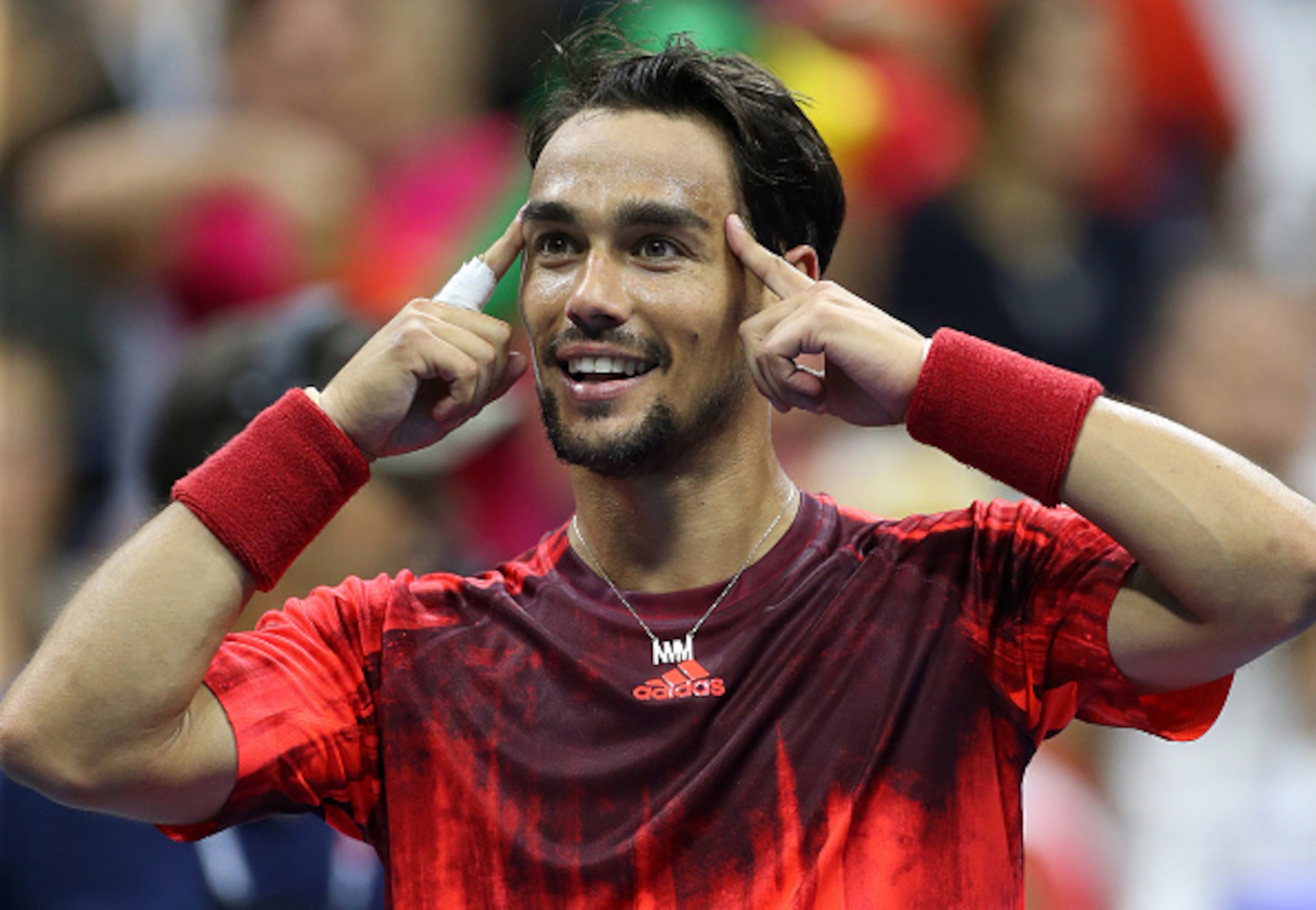
Give it up for Italy’s Fabio Fognini, who is carving out more clutch Davis Cup victories. In 2014, Fognini defeated Great Britain and Andy Murray on clay in the fifth and deciding match in the spring. This year, Fognini has notched three big wins against Rafael Nadal (non-Davis Cup matches) and now has Team Italy back in the 2016 opening draw.
Fognini won both singles matches and was on the doubles team that defeated Russia.
Not to be outdone, Philipp Kohlshreiber was Germany’s hero as he performed this identical hat trick.
Of course, Murray’s three victories will be the most important for history as his team fights on to the final, but top-20 caliber stars like Fognini and Kohlschreiber are the leaders of their countries' efforts to perhaps one year make a run like Great Britain or Belgium. It takes a little luck with the draw in who does or does not show up, but steady stars are still always needed for four rounds.
Two-Rubbers Losers
6 of 7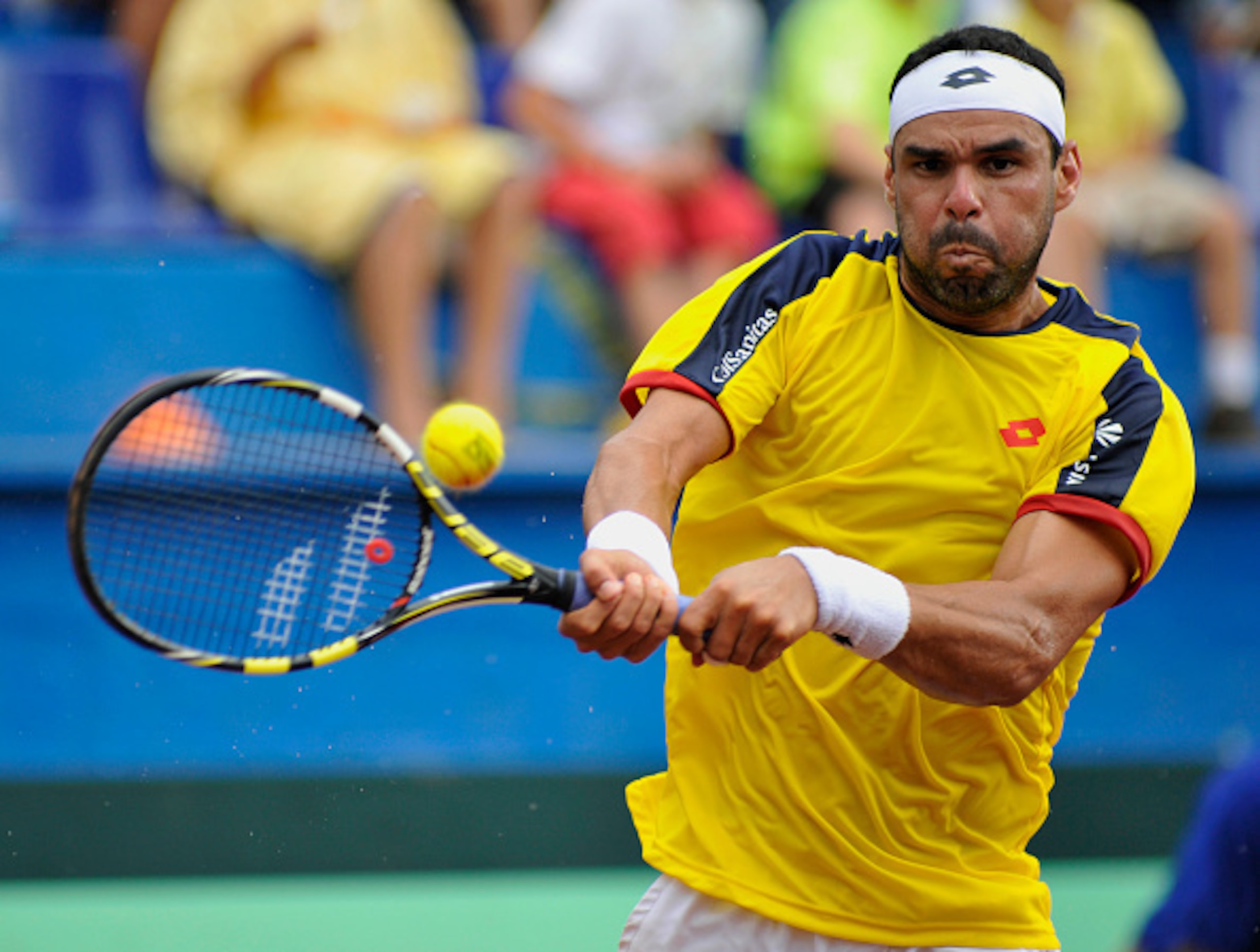
Nobody is going to spend much time blaming the efforts of India’s Yuki Bhambri or Colombia’s Alejandro Falla. After all, the former had to take on the Czech Republic and the latter lost one match to Japan’s Kei Nishikori.
Falla also lost the crucial fifth rubber to Taro Daniel, a 22-year-old who does not have Falla’s veteran experience but who possesses a Spanish-like game. Both players are ranked just outside the top 100, but this match sent Japan in 2016’s main draw.
Two-Rubbers Winners
7 of 7
We didn’t learn anything new about Roger Federer, but give the 34-year-old another round of applause for playing Swiss Davis Cup tennis a few days after losing the U.S. Open final, one of the most disappointing losses of his career.
Instead of sulking or resting, Federer won two singles matches and was part of the doubles loss as Team Switzerland ultimately won four matches against the Netherlands.
Kei Nishikori and Jack Sock had two victories apiece for Japan and the United States, respectively. Ditto for Croatia’s Borna Coric and Slovakia’s Martin Klizan. Unfortunately for Klizan, it was not enough to get his country into the winning group.


.png?w=2560 "Dame Calls Out Fan for Diss 😳")