With 29th Birthday Looming, Rafael Nadal Trying to Defy French Open History
There are no shortages of superlatives in looking at Rafael Nadal’s career dominance at the French Open. Maybe the biggest change would be visible by taking the Spanish superstar’s photos and creating a classic animated flipbook. He’s morphed from his thinner, long-haired, youthful physique and Capri pants of 2005 to his thicker body, runner’s shorts and worn countenance of 2015.
The critically acclaimed King of Clay has hardly rested from his ironfisted rule at Roland Garros, so it almost comes as a shock that he is closing in on his 29th birthday—June 3.
In French Open terms, this is highly significant. Roland Garros is a young man’s arena, built for ebullient grinders who can shrug aside the hot sun. It is a proving field for tireless legs to scamper beyond the outer regions of baseline purgatory to track down yet another ball. Aging gladiators come in to conserve their strength but leave sapped of their resolve.
.jpg?w=2560 "Titans Giants Football")

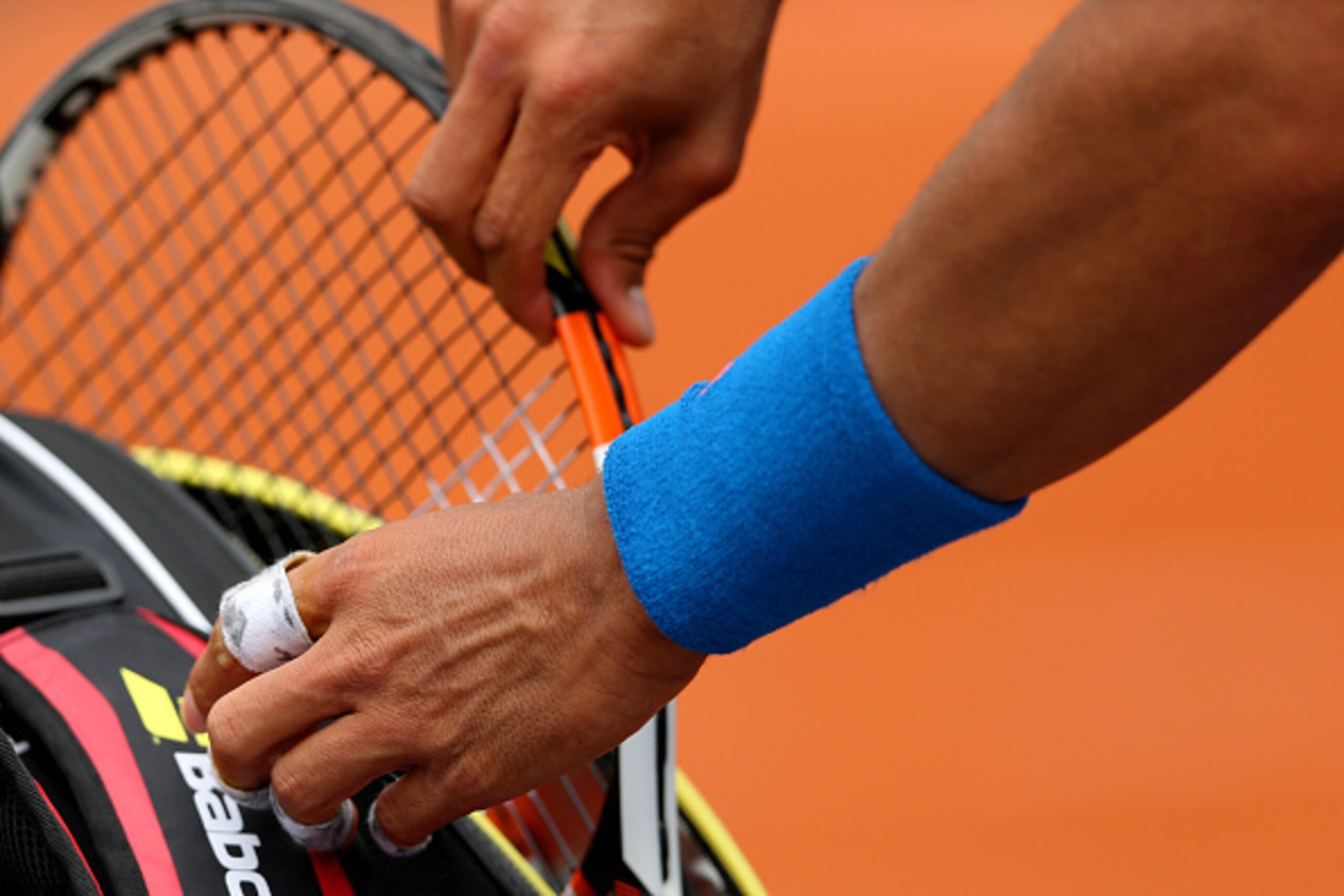
The miraculous part of Nadal’s reign is that he has physically endured 10 championship years and a career of sliding, twisting, torquing, spinning, grunting and painfully resetting.
Fighting Father Time
The Open era of professional tennis officially began in 1968. A few aging holdovers snatched French Open titles in 1968 (Ken Rosewall, age 33), 1969 (Rod Laver, age 30) and 1972 (Andres Gimeno, age 34). Since then, 42 years of the French Open have produced exactly two champions who had passed their 29th birthdays, per Tennis28.com:
- Andres Gomez, age 30, won the 1990 French Open. The title came during a career spring that saw him get to the Rome semifinals and win titles at Barcelona and Madrid. The great Ivan Lendl (17-2 record against Gomez) also sat out that French Open.
- Andre Agassi, age 29, won the 1999 French Open. This was a career renaissance and surprise title that saw the American bounce back with fresh legs and energy after three years of irrelevance in the ATP. He had to summon the resolve to come back from a two-set deficit against a fine clay-court player, Andriy Medvedev.
These two are the exceptions, and they needed career-defining fortnights and some luck along the way. Nobody named them as favorites coming into Roland Garros, and they would never again challenge for a title there.
The difficulties for an aging player run the gamut from energy to injuries. There are always other clay-court specialists patiently biding their time and surviving from one match to the next. In the course of the tournament, lesser clay-court players who will not win the tournament can nonetheless be important factors in softening up and tiring out the favorite stars. They can turn matches into marathons—and perhaps indirectly turn the title winds in another direction.
In Nadal’s reign, he has been so dominant that he has rarely been tested by lesser players. Robin Soderling famously knocked him out in 2009, John Isner took him to five sets in 2011 and rival superstar Novak Djokovic stretched him through five classic sets in 2013. That’s it.
Nadal’s attempt to win in 2015 will need to summon his energetic spirit and beat back the aging suggestions that have normally shoveled dirt on elderly competitors at Roland Garros. (Interestingly enough, 33-year-old Roger Federer is the No. 2 seed and a contender for the title. Many would dismiss him because of age and the presence of superior favorites in Nadal and Djokovic, but Federer might be the one catching the breaks with a softer draw.)

Still Dominant or Aging Underdog?
With most experts tapping Djokovic to win his first French Open title, Nadal could now be considered the underdog. It’s a different kind of role, more akin to his younger years, when he was perceived as the challenger to some of King Federer’s best seasons in 2006 and 2007.
In a way, this could be exactly what Nadal needs. He has often thrived as an underdog superstar, showing the energy and fight that are revered parts of his legend. Those who count him out do so at their peril. Nadal has always played with a champion’s heart, even if it means proving to himself one more time that he will compete to the end.
It won’t be long until Nadal’s 2015 French Open canvas is painted with its final scene. Whether he wins or loses, it will be an epic story. It’s just another remarkable anecdote in the Spaniard’s legacy that will either see him renew his Roland Garros dynasty for one more year or watch the sun set over his beloved kingdom.