Why the Indian Wells Winner Will Be the Best Bet for 2015 ATP Player of the Year
Sports fans might not put ATP tournament Indian Wells on par with grand-slam venues like Roland Garros and Wimbledon, but it’s the king of Masters 1000 venues. Billionaire owner Larry Ellison has invested in its curious history, creating a jewel in the Palm Springs desert, the modern-day Hanging Gardens of Babylon where tennis dilettantes make pilgrimages to watch the sport’s biggest superstars.
But there’s more than entertaining tennis competition, great food and excitement for the spring’s ensemble of terrific tournaments. It’s a reasonable microcosm for who is the best in tennis, the player most likely to be the ATP Player of the Year.
TOP NEWS
.jpg?w=2560 "Antonio Brown Shooting")
Breaking News
.jpg?w=2560 "Seahawks Cardinals Football")
Buzz: Teams Monitoring MHJ Trade

Ranking the Most NFL Pro-Ready College Football Athletes 🔢
Indian Wells: The Neutral Masters 1000 Surface?
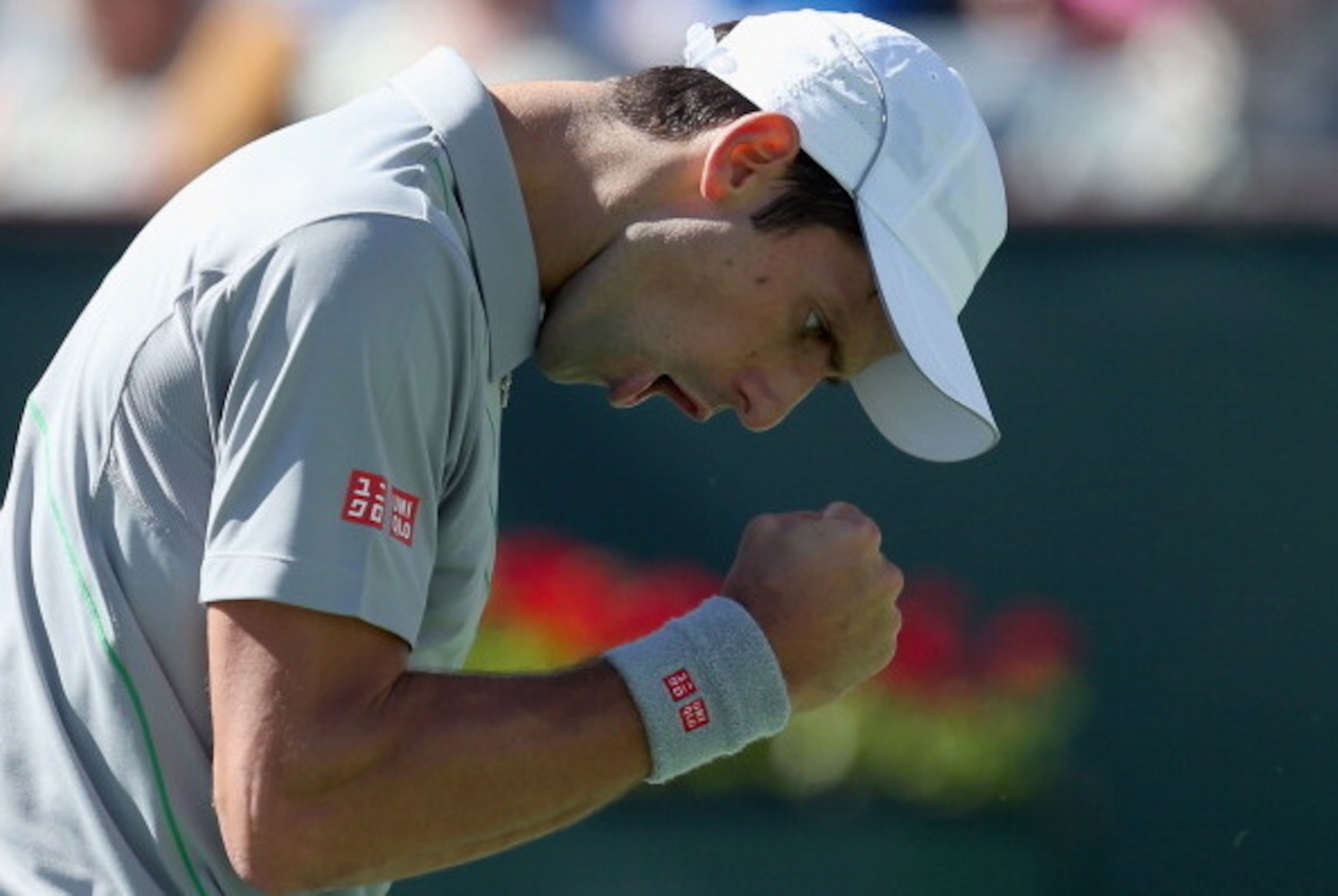
Indian Wells is a fairly slow hard-court surface. The plexipave surface is similar to the composition used at the Australian Open. Its grittier court chews up the tennis ball, rather than let the ball slide across it, producing slower speeds and higher bounces. Usually the weather is hot and dry, but there are other variables. Nights become cool and windy gusts can play tricks on created spins and speeds. A player's versatility is important.
It’s a neutral surface that allows for several playing styles to succeed. There’s enough speed for the hard court players and big servers to win quick points. For staunch baseliners, the higher bounce allows for more vertical topspin and lengthy rallies, though hardly comparable to the sliding and more languid pace on Europe’s red clay.
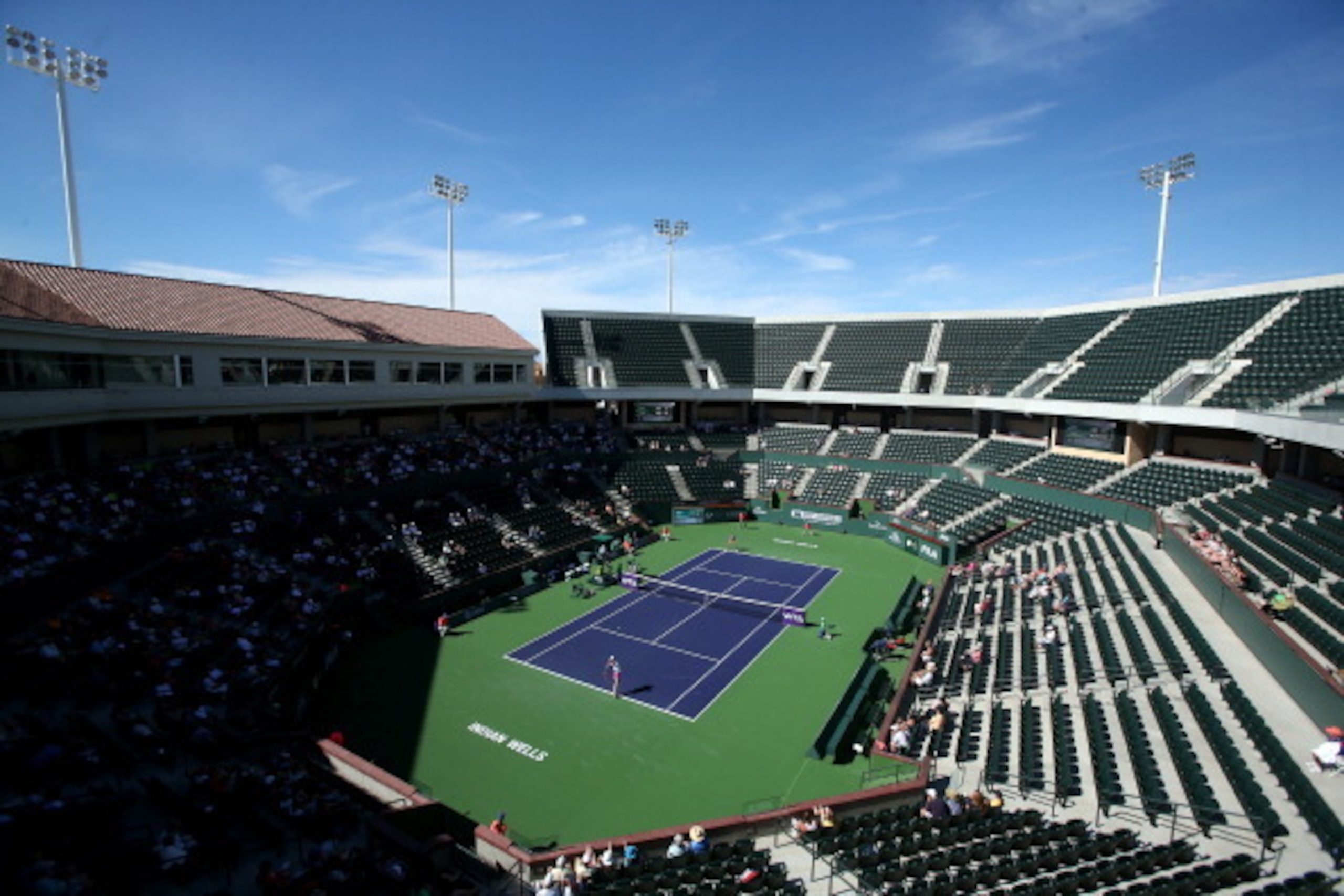
If we compare tennis’s Big Three over the past decade, it’s easy to point out which venues favor more lopsided domination.
Rafael Nadal has won eight and seven titles respectively at Monte Carlo and Rome. Novak Djokovic has picked up one at Monte Carlo and three at Rome. Roger Federer has never won at either venue. These slow courts are hardly neutral in conclusively determining the best ATP player.
On the other hand, Federer has six titles at speedy Cincinnati, while Nadal has one title and Djokovic zero. Shanghai (relatively new to the Masters scene) and Paris have fast surfaces as well, and the WTF in London is hardly textbook Swiss neutrality for clay-court geniuses like Nadal.
More neutral surfaces include the Canada Open, with Nadal, Federer and Djokovic winning three, two and two titles, respectively. Andy Murray, Jo-Wilfried Tsonga and Andy Roddick have also been winners here since 2003, providing a little more parity at the top. The Miami Masters in all its humidity is generally considered a slow court, but there has been parity with second-tier stars winning. Nadal has fallen short in all four of his final appearances.
But Indian Wells has been particularly selective in crowning its champions. It has produced four, three and three titles for Federer, Nadal and Djokovic, respectively. More important, it has almost always been the 21st-Century indicator of the year’s best player. The winner will usually be linked with grand slam success and time at or near the No. 1 ranking.

Player of the Year?
Andre Agassi was the last of the great American champions that held a monopoly at Indian Wells in the 1990s. After Jim Courier, Pete Sampras and Michael Chang finished claiming their crowns, Agassi capped off his great 1999-2001 run with four majors and his 2001 Indian Wells title.
Lleyton Hewitt had his best years and No. 1 run from 2001-2003, winning two majors and 80 weeks at No. 1, a streak which continued into June 2003. Hewitt’s back-to-back titles at Indian Wells 2002-03 illuminate the pinnacle of his career.
Federer’s major domination is well chronicled, and his three-peat (the only player to win three consecutive titles) at Indian Wells from 2004-06 confirms that he was the world's most dominant player.
In 2007, Nadal got his first Indian Wells title. Federer still remained the year’s best player with three majors, but Nadal was getting closer with the Indian Wells result, evidenced by a five-set loss to Federer at Wimbledon. The gap between the two champions was shrinking.
In 2008, Novak Djokovic won the Australian Open, so it is fitting that he also won Indian Wells. He wouldn’t win it again until 2011, which is when he took over tennis as the No. 1 player. Nadal would fulfill his promise to become the best player in the world in 2008, proving worthy of his Indian Wells crown the year before.

In 2009, Nadal’s Indian Wells title capped off one of his great stretches (Monte Carlo 2008 through Rome 2009) winning his only Australian Open title. He was the undisputed best player in tennis at the moment he was winning Indian Wells. His fall at the French Open and knee tendonitis opened up Player of the Year honors for Federer who sprinted ahead despite not winning Indian Wells.
The only real anomaly was 2010. Ivan Ljubicic is the exception to the data and discussion of identifying the best player in tennis, but he deserves his line of praise. He took out Nadal in the semifinals (which was curiously the best performance from the Big Three at Indian Wells 2010), but of course Nadal would steamroll for most of the rest of the year.
After 2011’s noted Djokovic victory and subsequent dominance, Federer took back Indian Wells in 2012. In many ways, this was one more poetic triumph. Federer turned back Nadal in the semifinals (his last victory against his Spanish rival), and it foreshadowed his Wimbledon victory and return to the No. 1 ranking for 17 weeks in mid-summer. It was a special stretch for the Swiss Maestro in a year that had four different major winners.
Nadal’s Indian Wells victory in 2013 certainly boomed into a tremendous year. Ten titles, two majors and the return to the No. 1 ranking cleaned out about half of the big hardware.
In 2014, Djokovic edged out Federer at Indian Wells (which he would do at Wimbledon) and went on to reclaim his status as the best player in tennis.
Indian Wells 2015: What it Might Mean
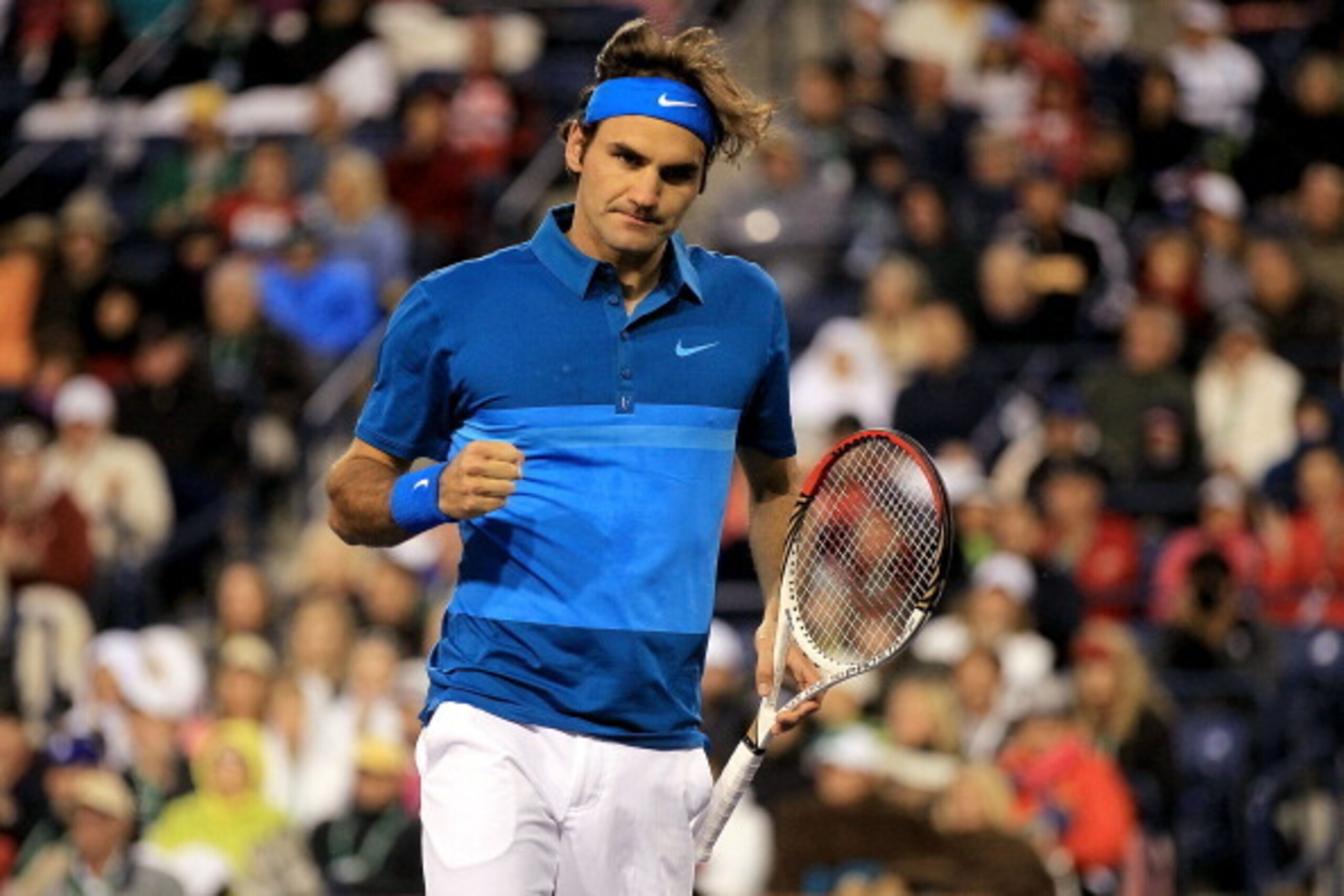
Of course, Indian Wells does not decide who will be the ATP Player of the Year in 2015, but it’s a great indicator of who is the best right now or who could be poised to win other special tournaments and majors. It’s certainly a more accurate measurement than most of the other venues that are more slanted to favor a particular style or that do not showcase all of the superstars.
Indian Wells is not a formula but it is a prominent piece of a classic portrait.
There will be a lot of takeaways from Indian Wells. Can Djokovic streak to the title and continue to rule as the man to beat? Will Federer build on Dubai’s terrific success, setting himself up for Wimbledon or the U.S. Open? Will Nadal launch one more great comeback? Can Andy Murray scrap his way to the top and perhaps one day touch hands with the No. 1 ranking?
How will some of the second-tier stars do? Is there another Ljubicic ready for his magnum opus? Who will put together an impressive run to the semifinals the way Alexandr Dolgopolov did a year ago?
Indian Wells might be the best non-major tournament in all of tennis. The field is strong, competitive and a true test to determine the best player with best-of-three tennis matches. There’s a great chance that next week’s winner will win more big titles on his way to the WTF in November.


.jpg?w=2560 "Report: Dart Out For Season")