Which Unrestricted Free-Agent Goalie Is Best Equipped to Help an NHL Team?
Most teams don’t need a great goaltender. In the last decade, middling starters like Corey Crawford, Antti Niemi, Marc-Andre Fleury and Chris Osgood have backstopped their teams to championships. An average goalie getting hot at the right time can do wonders, while an average goalie behind a strong enough team often isn’t required to provide more than basic competence.
That’s not to say great goaltending doesn’t have value; it certainly does. But it’s far more important for a team to avoid bad goaltending than it is to get great goaltending.
TOP NEWS
NHL Star Booed Amid Trade Request
Mark Scheifele Landing Spots 📍

Every Team's Odds to Win the Cup 🏆
The funny thing about the position, though, is how quickly things can change. Take Arizona Coyotes backup Devan Dubnyk as an example. For three straight seasons as a 1A/1B goalie in Edmonton he played 30-plus games while posting save percentages between 0.914 and 0.920 on the season. Last year, he imploded out of the gate, bounced to Nashville where he was wretched and ultimately ended up in the minors.
Goaltending tends to be a game of musical chairs in the offseason, where free agents want to be sure to find a home before the music stops. There are only 60 jobs available and only 30 starting gigs, and there are generally more than 30 plausible starters and 60 plausible NHLers available. That makes it hard for all of the available talent to find work.
However, the potential for a quick change in circumstance somewhere, as well as the dire consequences if bad goaltending goes uncorrected, generally means that jobs open up early for any decent veterans still on the market. This means there’s a tendency for unsigned veterans to stay available a few months into the year, and so teams that have troubles in the crease generally have some options.
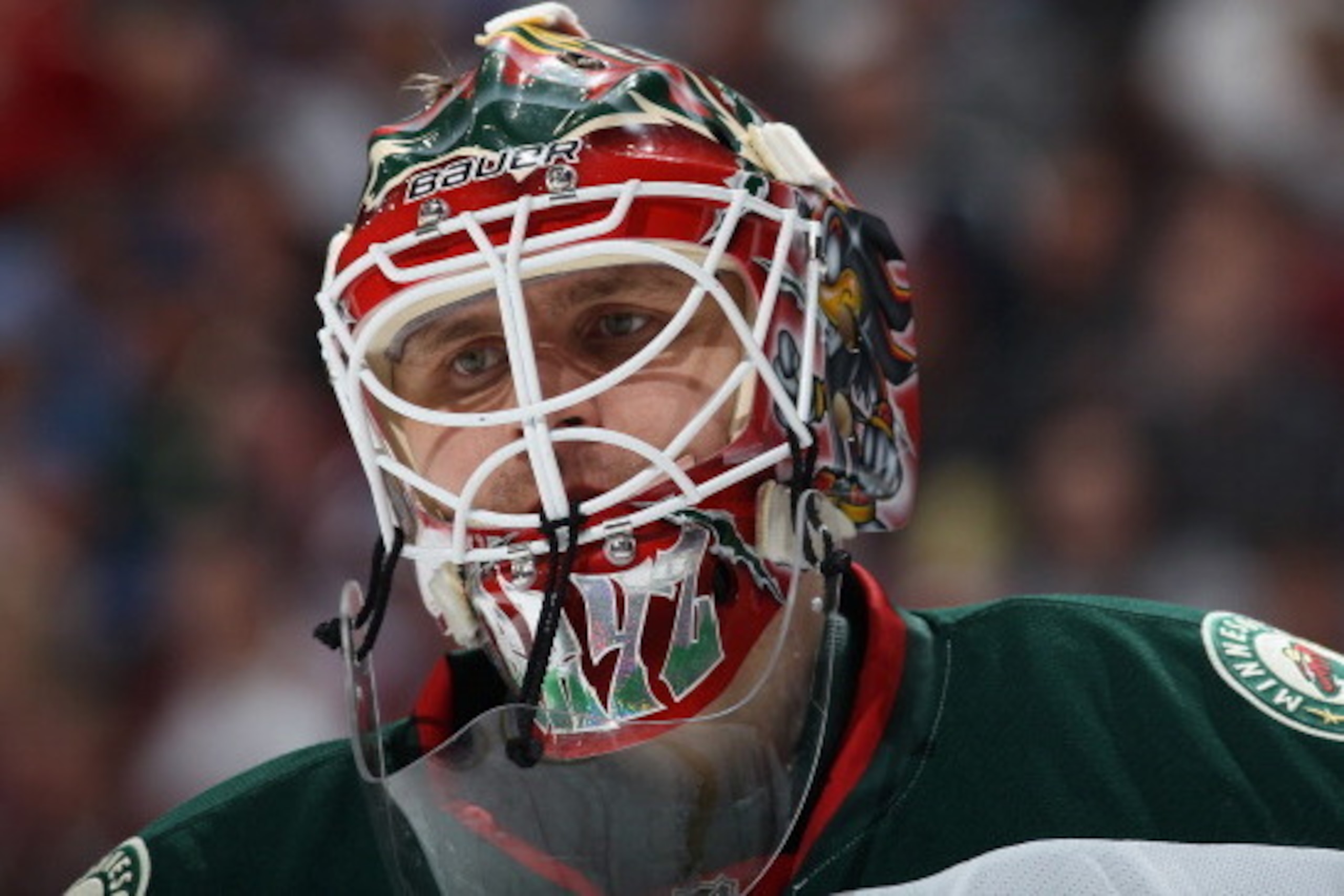
Ilya Bryzgalov, currently looking for a new NHL home, knows this firsthand. When the Oilers’ goaltending collapsed last year, the team signed him to a one-year deal. Bryzgalov was pretty good, posting a 0.908 save percentage with the team over 20 games despite some rust early.
He was good enough that the Minnesota Wild took him on as a safety net at the trade deadline and got a 0.911 save percentage performance over 12 games. A team that gets into trouble early in 2014-15 could turn to the veteran with a fair amount of confidence that he’d provide a decent performance.
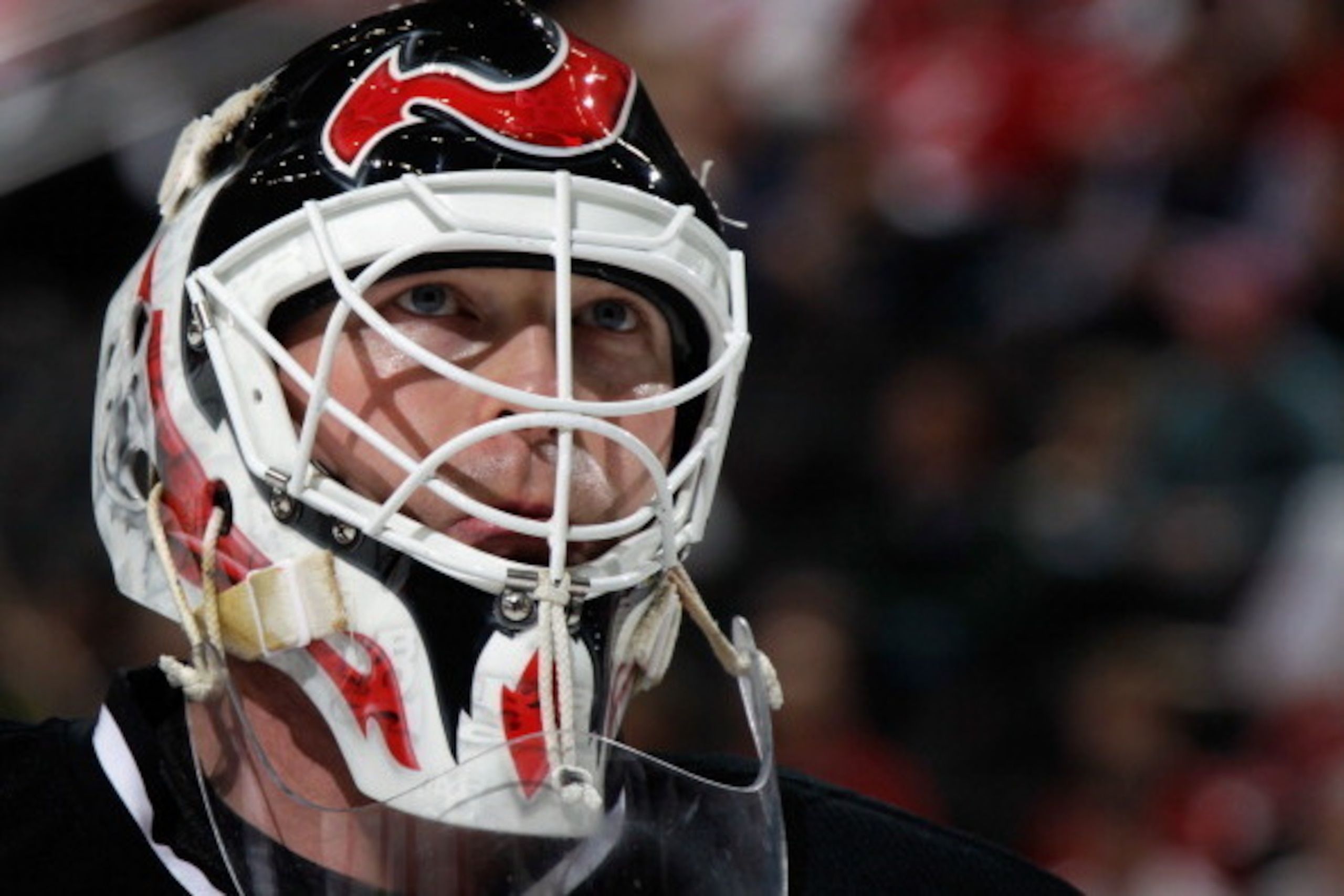
Bryzgalov, whose screwball tendencies make him unappealing to some teams, isn’t the only veteran looking for work. Martin Brodeur, widely regarded as one of the best goalies ever to play the game, is also still on the market after being displaced by Cory Schneider in New Jersey.
Of course, his game has been slipping for years; he hasn’t posted a league-average save percentage since 2009-10. A team interested in bringing aboard a winner might be nonplussed by his recent track record.
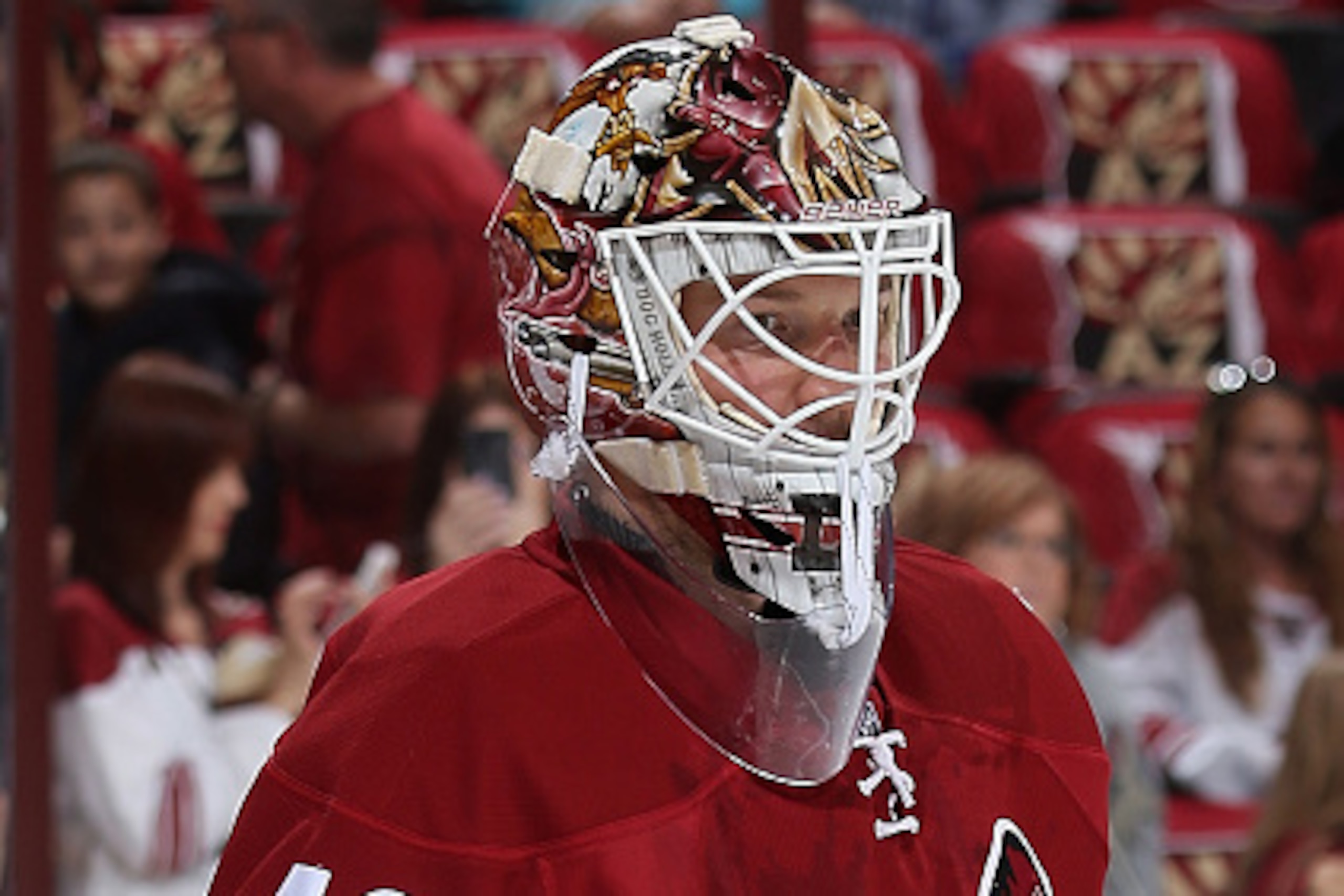
That isn’t the sum total of the UFA market, though. There’s an option out there who perhaps carries a little more risk than a Brodeur or a Bryzgalov but who also offers a correspondingly higher upside: Tomas Vokoun.
Vokoun is on the older side (38), and he missed last season with a blood clots issue. But he was good enough to post a 0.919 save percentage in Pittsburgh as recently as 2012-13 and supplanted Fleury as the team’s No. 1 in the postseason. According to his agent, his presence on the market isn’t due to a lack of interest:
Which of the three best suits the needs of an NHL team? It all depends on what said team is looking for.

For a team out there that suddenly finds itself in need of a starting goalie, there’s no question that Vokoun is the most worthwhile gamble. At his best, he can be very, very good, and he’s the only guy on this list with a recent track record of outperforming the league average.
As noted above, though, sometimes it’s more important to ensure a reasonable amount of competence than it is to take a risky swing for the fences.
In that case, Bryzgalov has already shown himself capable of stepping into the breach and performing well. Concerns about his character are probably overblown; the Wild certainly were happy enough with his work to invite him to their camp this year (though with a crowded situation in net they didn’t end up signing him).
As for Brodeur? Unfortunately, he’s not the player he once was. He might be a fit on a team well out of things just looking for a warm body in net, but as long as Vokoun and Bryzgalov are still on the market he’s the third-best option out there.
Jonathan Willis covers the NHL for Bleacher Report. Follow him on Twitter for more of his work. Statistics via NHL.com.


.jpg?w=2560 "Every Trade's Best Trade Asset 🔁")
.jpg?w=2560 "Insiders: Cowboys Overpaid for Porter")

.jpg?w=2560 "Top NFL Trade Targets")