

Is 2014 Men's Tennis Weaker or Stronger Than Recent Golden Era?
Now that 2014 has completed all four majors in men’s tennis, it’s clear that the sport is in a transitional period. The recent Golden era (2007-13) that saw total domination from legendary champions Roger Federer, Rafael Nadal and Novak Djokovic did indeed end last year.
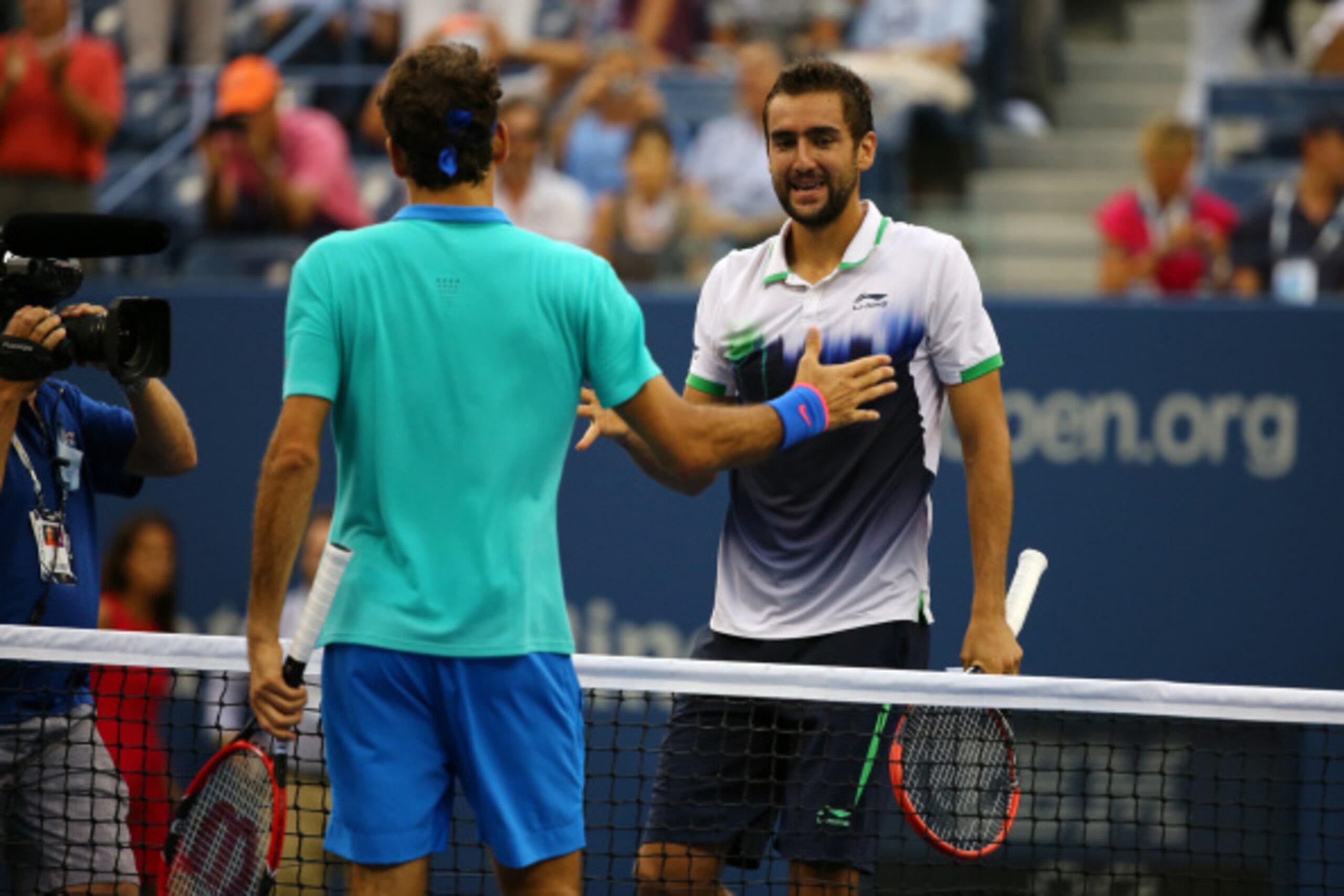
Yes, these revered legends are still in the mix for more majors in the future, but half of the Grand Slam titles in 2014 were won by Stanislas Wawrinka and Marin Cilic.
Does this mean tennis is now stronger, filling out its draws with more champions and deeper fields?

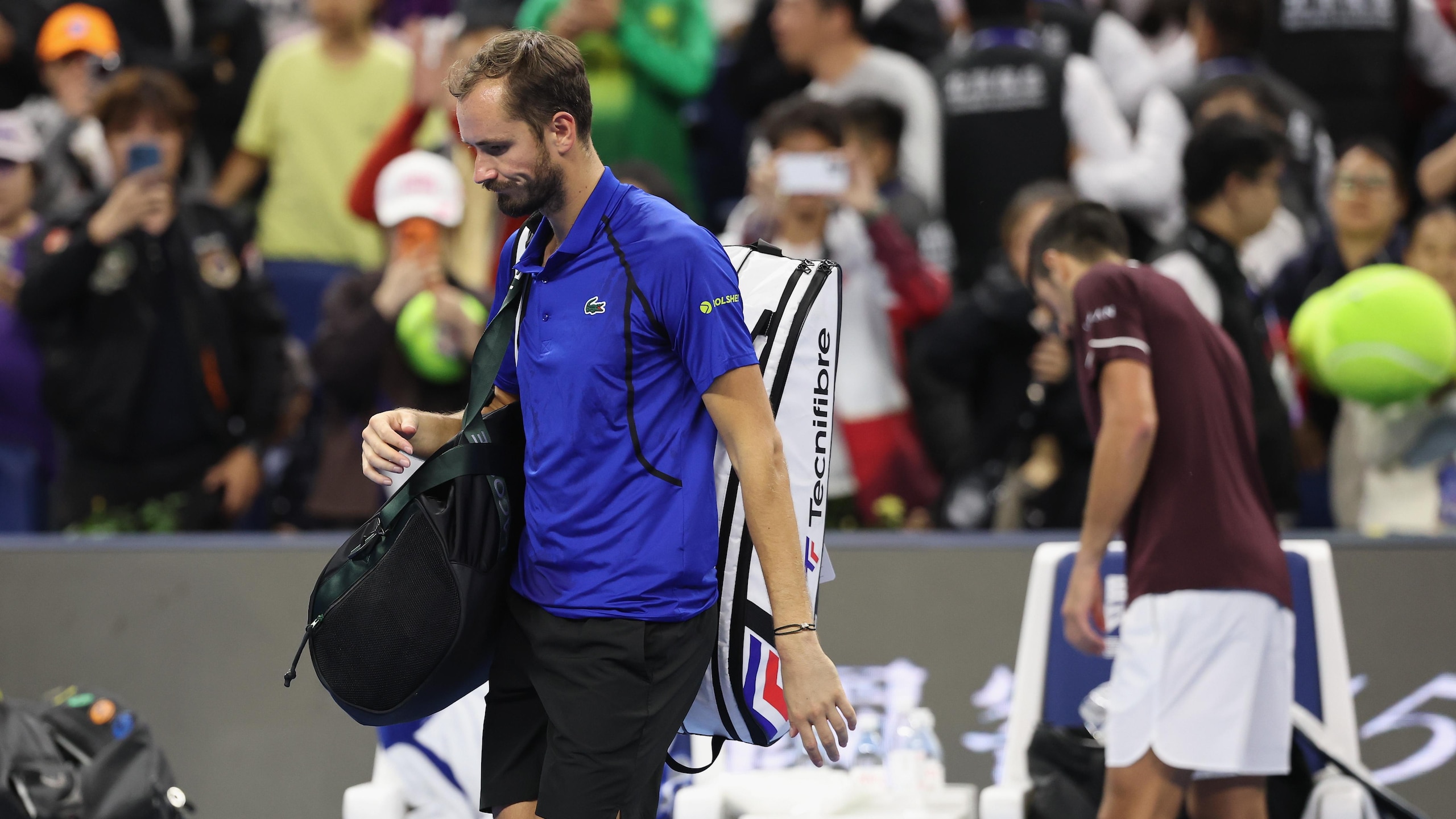

Does this mean tennis is now weaker, new champions emerging because the old guard is breaking down with age and injuries?
Third Golden Age is History
In the article link above, we referenced three golden eras of men’s tennis, of which can be summarized as follows:
- 1978-84 Bjorn Borg, Jimmy Connors and John McEnroe led the sport to unprecedented popularity and with superstar appeal. Epic matches and rivalries created time-honored memories.
- 1990-95 New superstars Pete Sampras, Andre Agassi and Jim Courier emerged at a time that still had seasoned greats such as Boris Becker, Stefan Edberg and other graying legends.
- 2007-13 Following Federer’s thorough domination from 2004-07, Nadal and Djokovic added rivalries and increased interest in the global sport.
The common denominator in shaping a golden era is the interest and excitement it creates for fans. Multiple dominant legends and rivalries means that fans will discuss and compare stories and records. They enjoy following flamboyant champions, characters who transcend the sport with drama and heroics. This is usually more meaningful for more people than a period of parity.
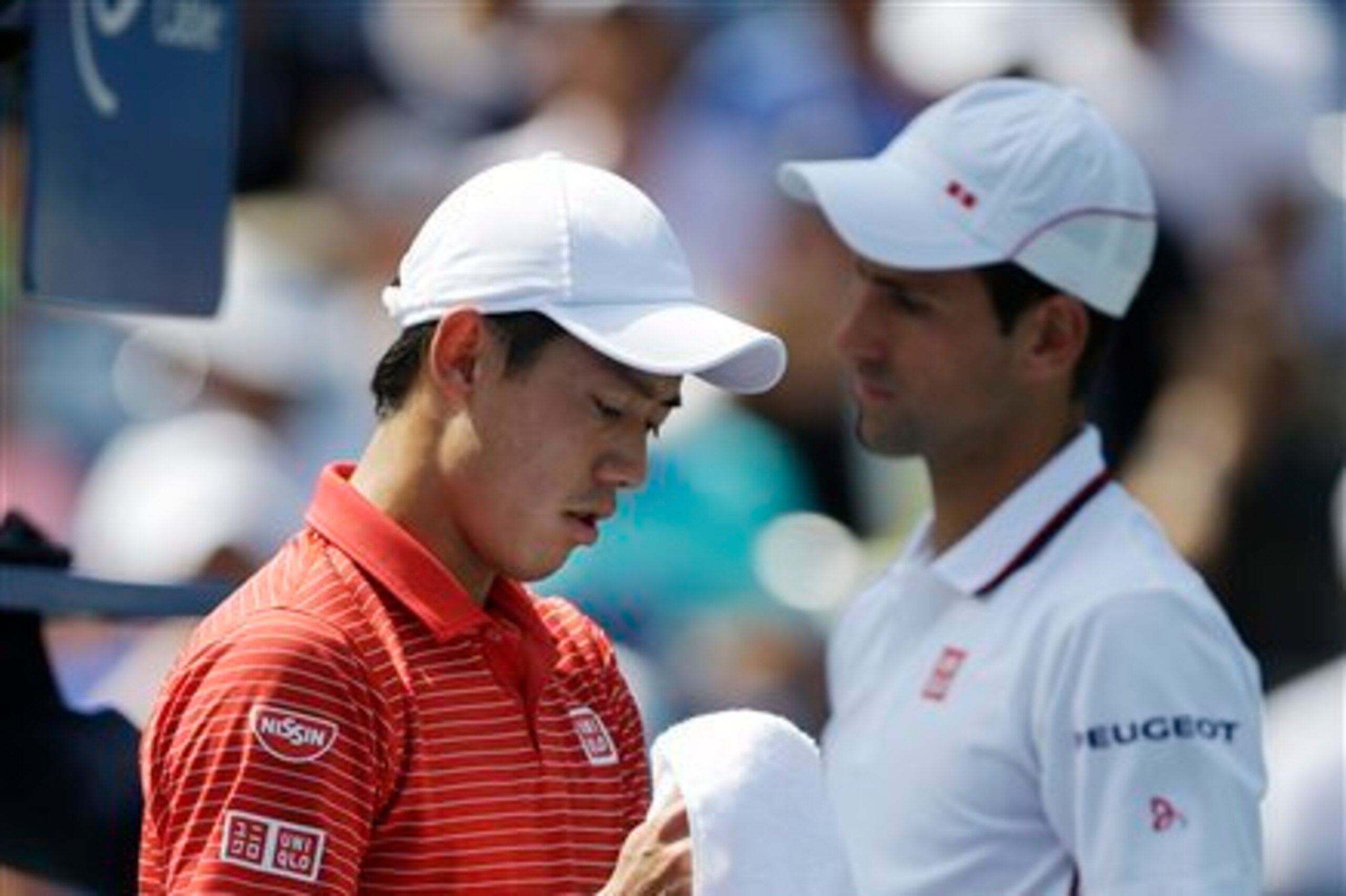
Tennis will always capture the diehard tennis fans, but as Art Spander wrote in evaluating the ratings of Marin Cilic vs. Kei Nishikori in the U.S. Open final, the casual tennis fan and sports enthusiast will not tune in. Translation: Tennis fans are reluctant to see the Federer-Nadal-Djokovic era suddenly replaced.
This is not as much an indictment on the quality of tennis itself as opposed to the diminished interest for tennis fans when parity occurs. But we do have to ask if Wawrinka and Cilic are weaker champions that have recently benefited from the decline of Federer-Nadal-Djokovic.
Transitional Period is Here
History records that Alexander the Great spread Greek Culture throughout the known world. It might have seemed that the achievements of Classic Greece would flourish as before. Then his death produced a succession crisis and fragmentation of the empire.
Tennis has entered its own kind of anarchy. Second-tier veteran stars like Wawrinka, Tomas Berdych and Jo-Wilfried Tsonga have more hope and belief that they can win Grand Slam titles.
Young veterans like Cilic and Nishikori think they can win big tournaments or compete for the No. 1 ranking. Cilic cited Wawrinka’s 2014 Australian Open win in helping him believe more and work harder, as reported in Tennis.com:
"“For all those other players who are working hard, this is a big sign and big hope that if you are working hard things are going to pay off.”
"
Young, potential stars like Grigor Dimitrov and Milos Raonic were Wimbledon semifinalists in 2014, and they will be ready to go after a land-grab of conquests, perhaps with greater effort and confidence.
Following Wawrinka’s victory in January, we posed questions about a new era or transitional period, noting prior historical interim periods, times of flux when aging rulers try to hang on and new powers push harder to take over. It’s an expansive-transitional time when second-tier players can pick off a major or two.
It might not be a seismic shift, but there is plenty of competitive battling for the top rewards until a prime, dominant champion or two arrives to take over the sport once again.

Weaker or Stronger?
Tennis’ prior six years were the top of a rich, delectable muffin, all golden goodness and taste visible to the consumer. Fan interest was highest with all of its followers, digital conversations and storytelling comparisons. Underneath, the stump struggled to hold it up, crumbling and unable to compete with the top. Second-tier players had no shot to share in the glory.
Now there are more contenders for tennis’ top prizes and the context has changed. Players will train with greater dreams, more belief and purpose and be able to succeed. This is not proof that the sport is deeper, but it is wider. There is more variety in tennis, but less consistency from one tournament and champion to the next.
There will be the inevitable comparisons from fans who will play judge and jury to compare the relative strengths and weaknesses of the current period and past eras.
Federer, Nadal and Djokovic fans will by and large circle around the accomplishments of the past as a historical standard that cannot be topped for many years, if for no other reason in that it will take years for anyone to pile up legendary numbers and results that are comparable.
There will be a tone of skepticism as new players come forward to claim their turn at the top. It’s going to take time, effort, consistency, patience and a lot of winning for anyone to gain the kind of fan acceptance of heroes past. Even Djokovic has found it exceedingly difficult to fill the shoes of Federer and Nadal, and they have not merely stepped aside.
Eventually another fascinating rivalry will capture tennis fans and create a fourth Golden era, but it’s going to take time. Until then, the perception will be that tennis has perhaps weakened in 2014, whether it’s true or not.
.jpg?w=2560)



.jpg?w=2560 "Viral Rams Coach Vid 🖕")

.jpg?w=2560 "Injury-stricken Seahawks signing veteran RB")
