
Reign In Spain: Or What GB Tennis Can Learn From The Davis Cup
The achievement of Spain’s Davis Cup team last weekend deserved attention and praise, yet it went almost unremarked in the UK media. The British Press become very parochial when there is no "home" interest and, where the Davis Cup is concerned, the 'home' interest is too embarrassing a story to bring up.
The Spanish squad's third title this century (add 2000 and 2004 to this year’s triumph) is in itself exceptional. If you add to the equation that they were without their top player (who happens also to be No 1 in the world), were playing at one of the most vociferous away crowds imaginable, and on a fast surface designed to disadvantage their style of play, the Spanish result deserves to be marked as one of the best team performances this year.
In addition to Nadal, Robredo was also missing from action due to an injury. To make matters worse, their second ranked player – Ferrer – has been seriously off-form for weeks. With 15 men in the world’s top 100, however, there is such depth to draw on, and such variety of talent, that the Argentines’ challenge was always going to be formidable.
After the first match, with Nalbandian in such stunning form, the host nation certainly threw down the gauntlet and we were not disappointed. As is so often the case with the Davis Cup, national pride drew exceptional performances from each individual but it was Lopez’s resilience in the face of del Potro that really turned the tide in Spain’s favour.

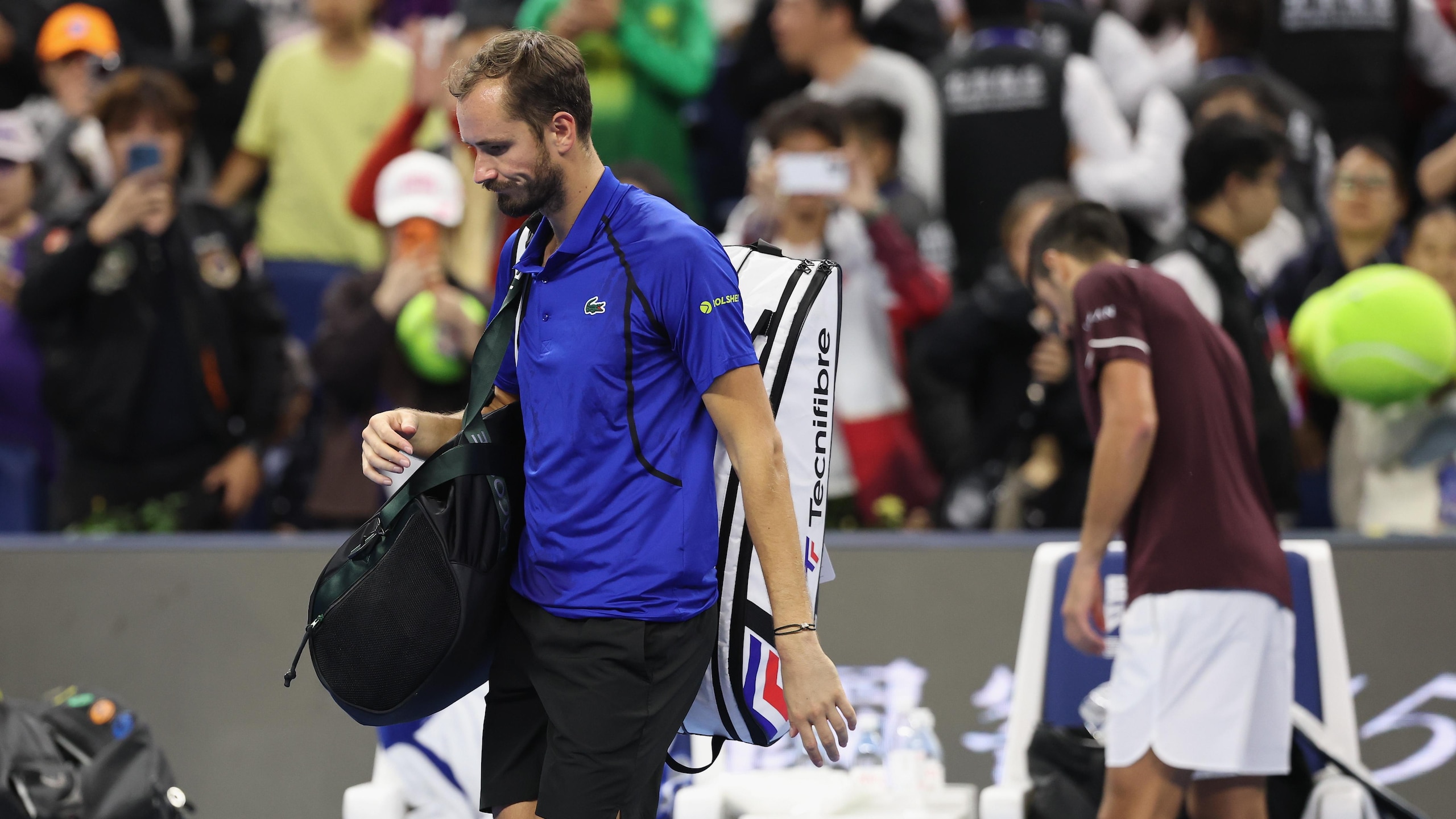

A left-hander with a dynamic all-court game, he was able to bring a variety of shot to the two-dimensional Argentine that broke the traditional image of clay-court Spanish tennis. Even without a pulled muscle, del Potro would not have been able to respond to the fizzing angles, terrier-like retrieval and intense energy that he faced.
Of course such a performance inspires compatriots to achieve the same. Nalbandian’s talent with doubles partner Calleri could not counter the passionate pairing of Verdasco and a still-stunning Lopez. Verdasco, clearly infected with his partner’s win-at-all-costs virus, went on to defeat Acasuso in an arduous fourth rubber and that, as they say, was that.
Several things stand out from this result.
That Verdasco and Lopez could play long and gruelling matches, and at such a high standard, on consecutive days, says a lot about their training regimes, fitness and focus. The Argentines were, in the end, no match in stamina (though I wouldn’t question their focus or desire to win). Nalbandian, for all his talent, often struggles to keep pace with some of his less charismatic opponents as tournaments proceed through the annual calendar. And Acasuso – resilient as he was in his long match – tired against a man who had already played for several hours on the previous day.
Second, there is no substitute for sheer numbers of talented players. Once del Potro – the highest ranked player in the tie – became injured, Argentina simply did not have the variety and quality of resource on which to draw, despite having nine men in the top 100.
Third, that old chestnut. How has Spain developed such depth of talent? To be fair, neither country is a slouch in tennis nor in that most internationally competitive of all sports, football. Both have a population of around 40 million compared with the UK’s 60 million.
You can add France to the list of top tennis countries – boasting 14 in the top 100 – and even the relatively cash-poor middle-European countries are clawing their way into the elite groups.
So it is with a heavy heart that I draw a comparison with GB’s efforts in the Cup this year.
We see glimmers of talent shine through the annual gloom on a regular basis. This year we had an exceptional break-through for the young Laura Robson at Wimbledon. But where are all the other youngsters who should be forming the base of this development pyramid?
Why isn’t the British system working, after what seem to be years of reviews, investment and strategies? I don’t know the answer, but clearly the governing bodies in Spain, France, Argentina and Serbia do. So let’s swallow our pride and learn some lessons from those countries who are trouncing us at our own game.
British prospects in future Davis Cup ties are already poor but, further ahead, they are not much better for the London Olympics. We have only one serious contender. And poor Andy Murray has to look all the way down the rankings to 190 to find another Brit!
.jpg?w=2560)


.jpg?w=2560 "Viral Rams Coach Vid 🖕")

.jpg?w=2560 "Injury-stricken Seahawks signing veteran RB")
