
Luka Modrić and How Top Footballers Keep Their Cake and Eat It Too
As we approach the close of the 2011 Summer Transfer Window, I find myself quite frustrated.
No, I'm not an Arsenal fan, and no, my team has not experienced any difficulties acquiring top-flight recruits.
In fact, I'm a Red Devil who could not be happier with manager Sir Alex Ferguson's decision to add David De Gea, Phil Jones and Ashley Young to an already outstanding squad.

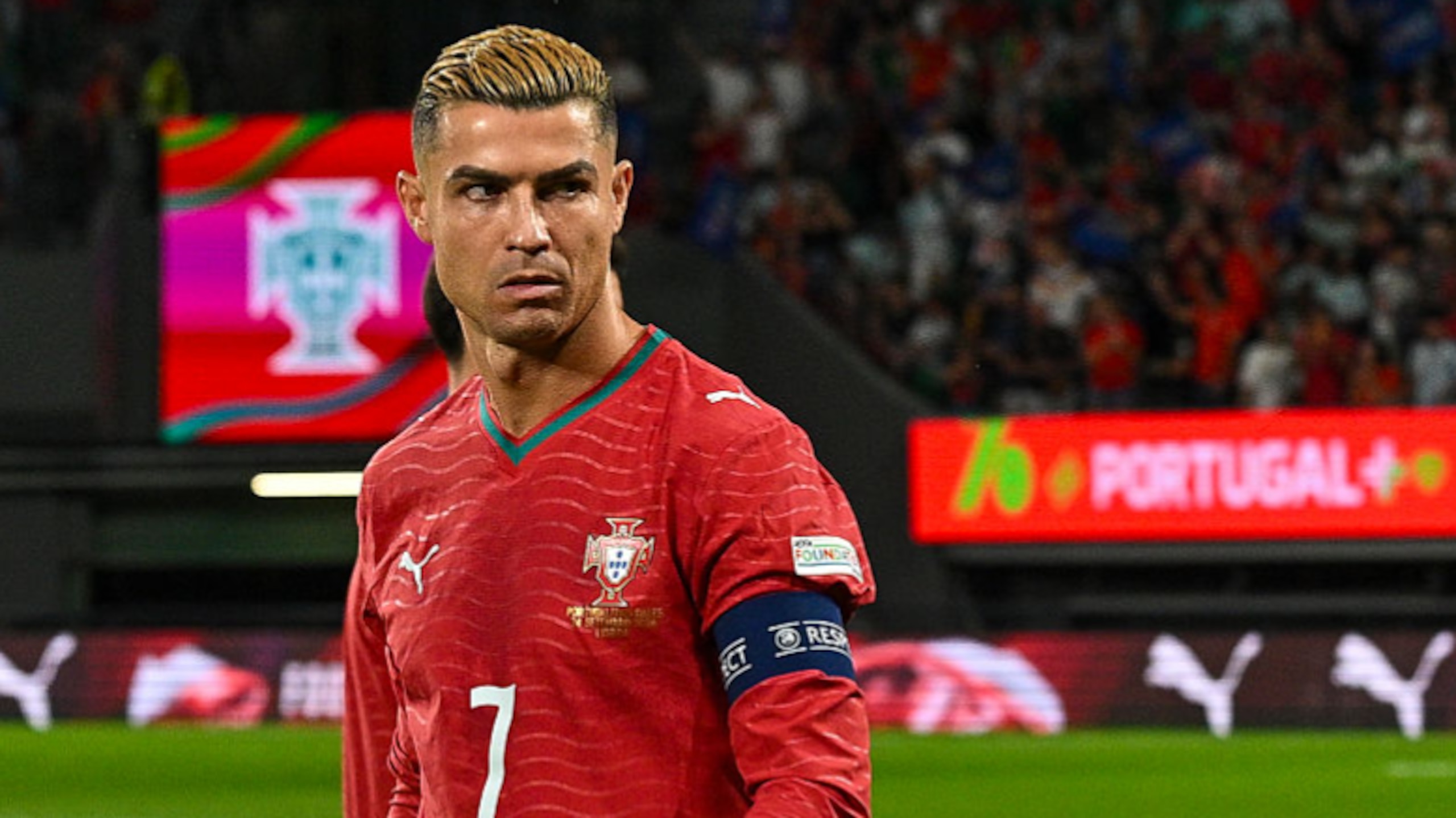

However, as a general supporter of world football, I find myself increasingly troubled by the lack of personal accountability which has allowed want-away star players to cripple the fortunes of their current squads.
If you suspect, I'm referencing a certain Tottenham midfielder who has spent the entire summer campaigning for a move to Chelsea, you would be correct.
At first glance, my comments probably appear rather harsh. Twenty-five-year-old Luka Modrić has reached the prime form of his career and desires only to continue playing Champions League football.
Why should he waste the best years of his career laboring for a Tottenham side that is simply not good enough to earn a place in the top four of the English Premier League (EPL)?
The answer if simple—he just signed a six-year contract extension following the 2009-10 season.
In his words, "Tottenham Hotspur gave me my chance in the Premier League and I want to go on to achieve great success here with them. Yes, there have been enquiries from other big clubs, but I have no interest in going anywhere. Last season's top-four finish was an indication of where we are as a Club and I feel I can continue to improve and go on to achieve everything I want to at Spurs."
What changed? Was the Croatian actually delusional enough to think that Tottenham would continue to regularly qualify for the Champions League over the likes of Chelsea, Arsenal, and the two Manchester powerhouses?
I doubt it.
Instead, Modrić realized he could both have his cake and eat it too.
By penning the new deal with Tottenham, the playmaker acquired a nice pay raise and the financial security that all professional athletes so desperately crave. Assuming that Tottenham developed into a world-class side and continued to qualify for Champions League play, Modrić would have happily cashed in on the sweet deal and continued plying his trade at White Hart Lane.
However, in the event that Tottenham failed to reach his lofty expectations, he figured he could refuse to play and bully chairman Daniel Levy into selling him to a wealthy, more successful side.
Either way, blondie would earn the right amount of money and play Champions League football.
Naturally, when manager Harry Redknapp failed to return his side to the Champions League for the 2011-12 season, the clever lad activated Plan B, and began his quest to find a more consistently successful club.
While you once again might find these comments harsh and unfair, would any sane world-class player actually commit his future to Tottenham without a way out?
Once again, I doubt it.
Rather, Modrić is one of an increasing number of players who has benefited from a football culture which continuously rewards greed and narcissism. Along with the likes of Cesc Fàbregas and Sergio Agüero, the Croatian realizes that his club simply cannot afford to insist that he fulfill the obligations of his contract.
By publicly revealing that he wanted to leave, Modrić immediately destabilized his team. Realizing Spurs would have no real chance of qualifying for the Champions League without their top playmaker, teammates such as star winger Gareth Bale began contemplating their own futures.
In an attempt to avoid a repeat performance of Liverpool's miserable 2009-10 season, Levy and Redknapp have scrambled to restore confidence in their club. Their two options consist of either convincing Modric to willingly stay or replacing him with another world-class talent.
With the long-haired playmaker remaining hellbent on a move to a bigger club, Levy and Redknapp seem poised to grudging sell their prized asset to raise the funds for his replacement. While Redknapp could presumably acquire several excellent players with the Modrić funds, he would inherit the risk that they don't pan out to be as good as their predecessor.
A firm advocate of personal accountability, I can only hope that Levy rejects this logical solution and insists that Modric honor his contract. Sure, Modrić could ruin Tottenham's season by refusing to play, but Levy could ruin his career by refusing to sell the lad.
While this suggestion may seem preposterous, I should note that general managers in most major American sports have generally responded to this problem by taking a hardline approach toward their players.
As a result, players assume responsibility for their business decisions. Realizing they can't simply renege on a bad deal, top stars patiently consider their options before making an informed decision.
For instance, take the case of basketball superstar LeBron James. Easily the most talented player in the National Basketball Association (and thus the world), James captured his first Most Valuable Player (MVP) award while leading his hometown Cleveland Cavaliers to an astonishing 66 wins in 82 games during the 2008-09 season.
With only one year remaining on his contract, LeBron could have insured his future against any uncertainty by signing a long-term deal with the Cavaliers paying the maximum allowable salary in the NBA.
However, realizing such a move would keep him in Cleveland even if the Cavs proved unable to match his ambition, James patiently waited for free agency. After failing to win the NBA championship in the 2008-09 or the 2009-10 season, James decided to join the Miami Heat where he would form an elite partnership with fellow superstar Dwyane Wade.
Why couldn't Modric have taken the same course of action? Is it too terribly unreasonable to treat professional footballers like other American athletes and hold them responsible for their actions?
I guess so.





.jpg?w=2560 "Terrell Owens Being Sued for Defamation")

.jpg?w=2560 "CJGJ Shares Cryptic Post 🤔")