
Rafael Nadal: 10 Reasons the French Open 2011 Is a Must for His Legacy
As we move into the French Open 2011 at the end of this month one name would invariably be on the lips of many a tennis fan—Rafael Nadal.
As the five-time champion, and defending champion in 2011, much is at stake for the wily clay-king Spaniard, who has been touted already as the greatest clay-court player ever to play this sport.
Nadal, who turns 25 at this year's tournament, stands to win a sixth French Open crown this year, a win which would tie him with Bjorn Borg for the most tournament wins at Roland Garros in the Open Era. Long has been such a moment in the waiting—will he fulfil his destiny and inscribe his name in history?
A win in 2011, many pundits have suggested, is of utmost importance. Nadal is facing increasing opposition. Roger Federer is always there, however much he has played the punching bag to Rafael in Paris.
And he may also face Novak Djokovic, who is on a career-best run this year, and has already beaten the Spaniard on his beloved dirt—and to overcome his challengers is of utmost interest.
Without doubt, how Nadal does at this years French—we all know he is a heavy favourite—may determine his tennis legacy, and indeed, his "greatness," as a tennis player. Here are 10 reasons why.
Sixth Roland Garros Crown
1 of 10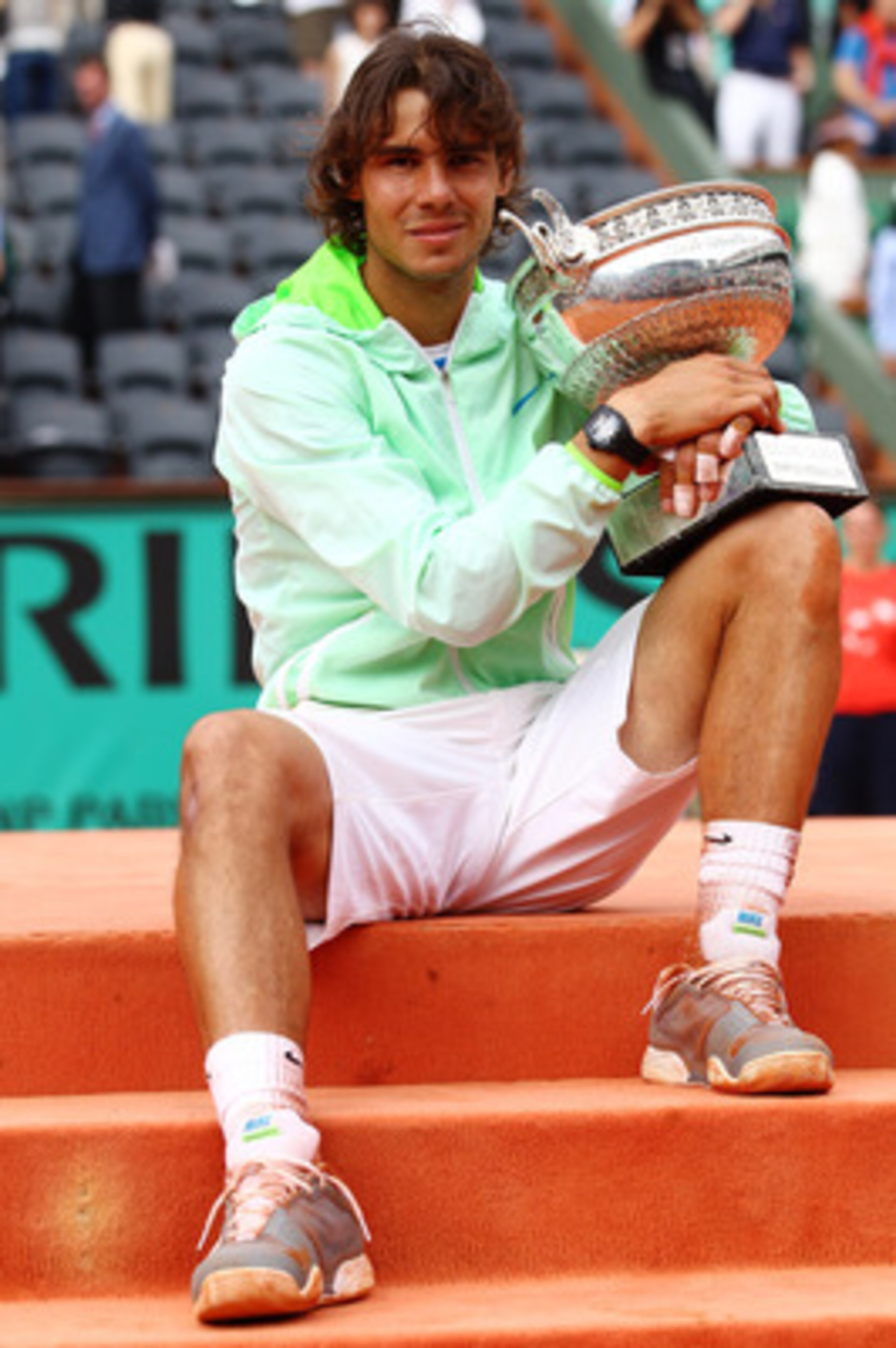
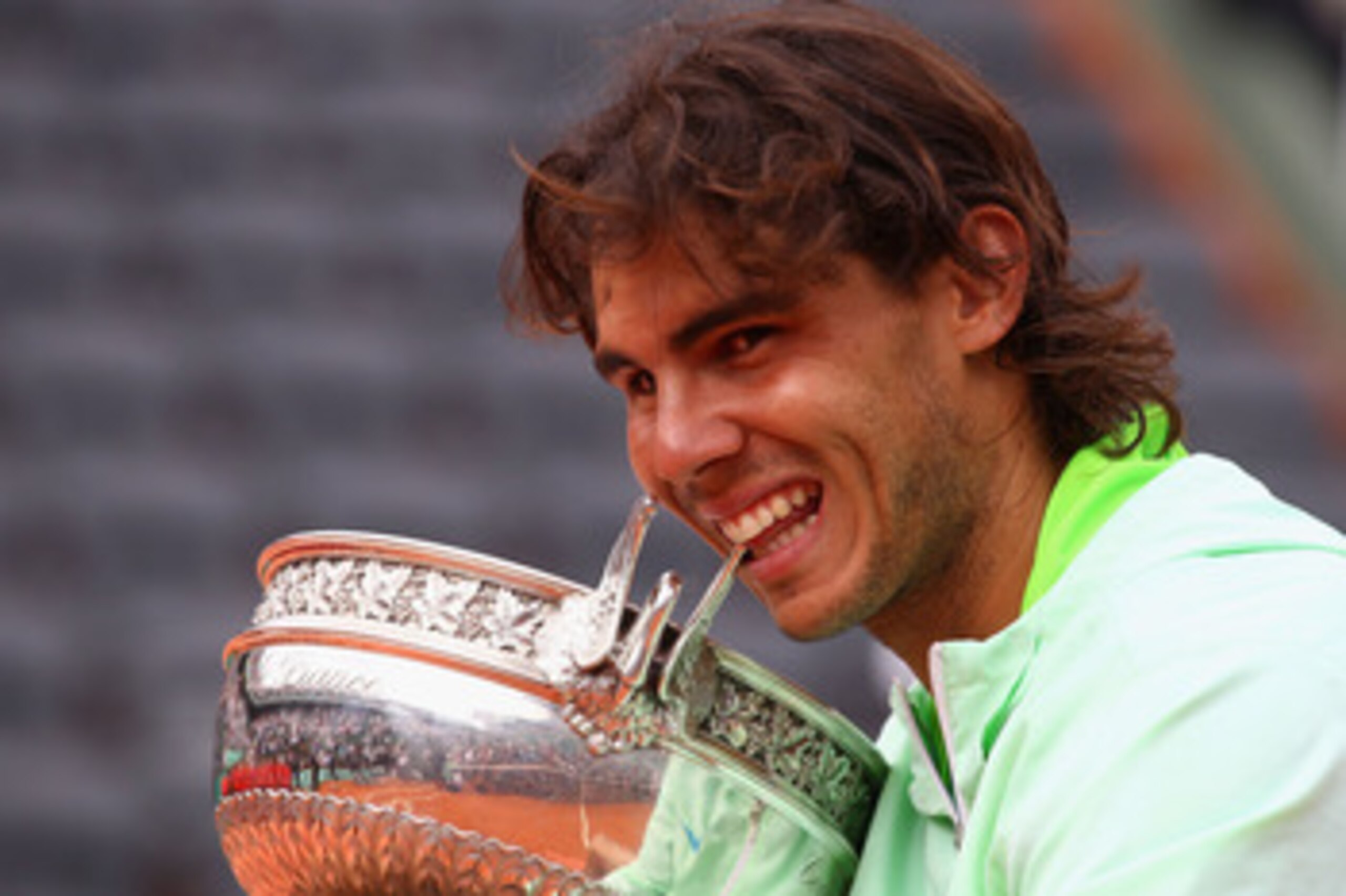
Firstly, there is the obvious reason. A win at Roland Garros this year would hand Rafael Nadal a sixth crown at the prestigious parisian tournament.
He is already a five-time champion, having won in 2005, 2006, 2007, 2008, and 2010, with the only aberration having been 2009, when his unbeaten four-year run was ended by big-hitting Robin Soderling in what was widely recognised as the greatest upset in the 2000-2010 grand slam decade.
Winning a grand slam six times is a rare feat, not only in the Open Era, but in tennis history in general. Few men have accomplished this at any single event—Roy Emerson, Bill Tilden, and Pete Sampras have won seven at the Australian, US, and Wimbledon respectively.
At the French, however, it was Max Decugis who won eight in the early 1900s, while the main record Nadal is chasing is that of Borg, who won six from 1974-1981. Should he manage it he would well and truly entrench himself in the company of an elite few.
Chance to Win Roland Garros-Wimbledon Double
2 of 10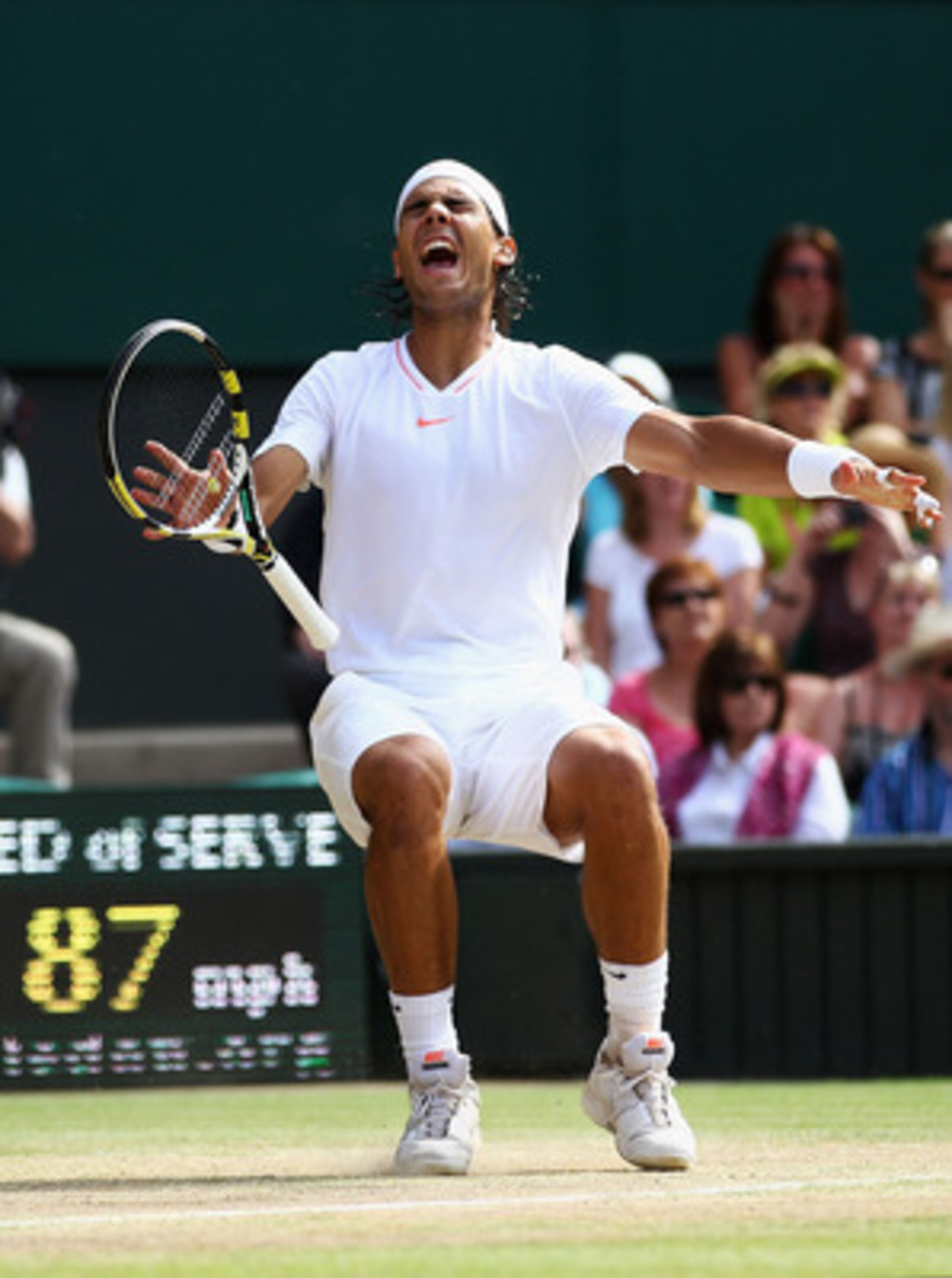
Winning the French has for Nadal often been the opening prequel to a fabulous European summer, crowned a month later by an appearance, if not a win, at a Wimbledon final.
Make no doubt about it, winning the Roland Garros-Wimbledon is one of the rarest and most enviable feats in tennis. Only Borg had done it multiple times before Nadal, thrice in a row from 1978-1980. Nadal has only done it twice before, in 2008 and 2010.
Most significantly, however, a win at Paris has led to a Wimbledon final four times out of five, in 2006, 2007, 2008, and 2010. It would go without saying, then, that winning this year again in 2011 would considerably increase his chances of more history at Wimbledon.
Its something about the air, or maybe just the wonderful feeling of winning in Paris—twice already it has propelled Nadal to a legendary Channel double. A third, and second consecutive, would enshrine his name.
1 Slam a Year for 7 Straight Years
3 of 10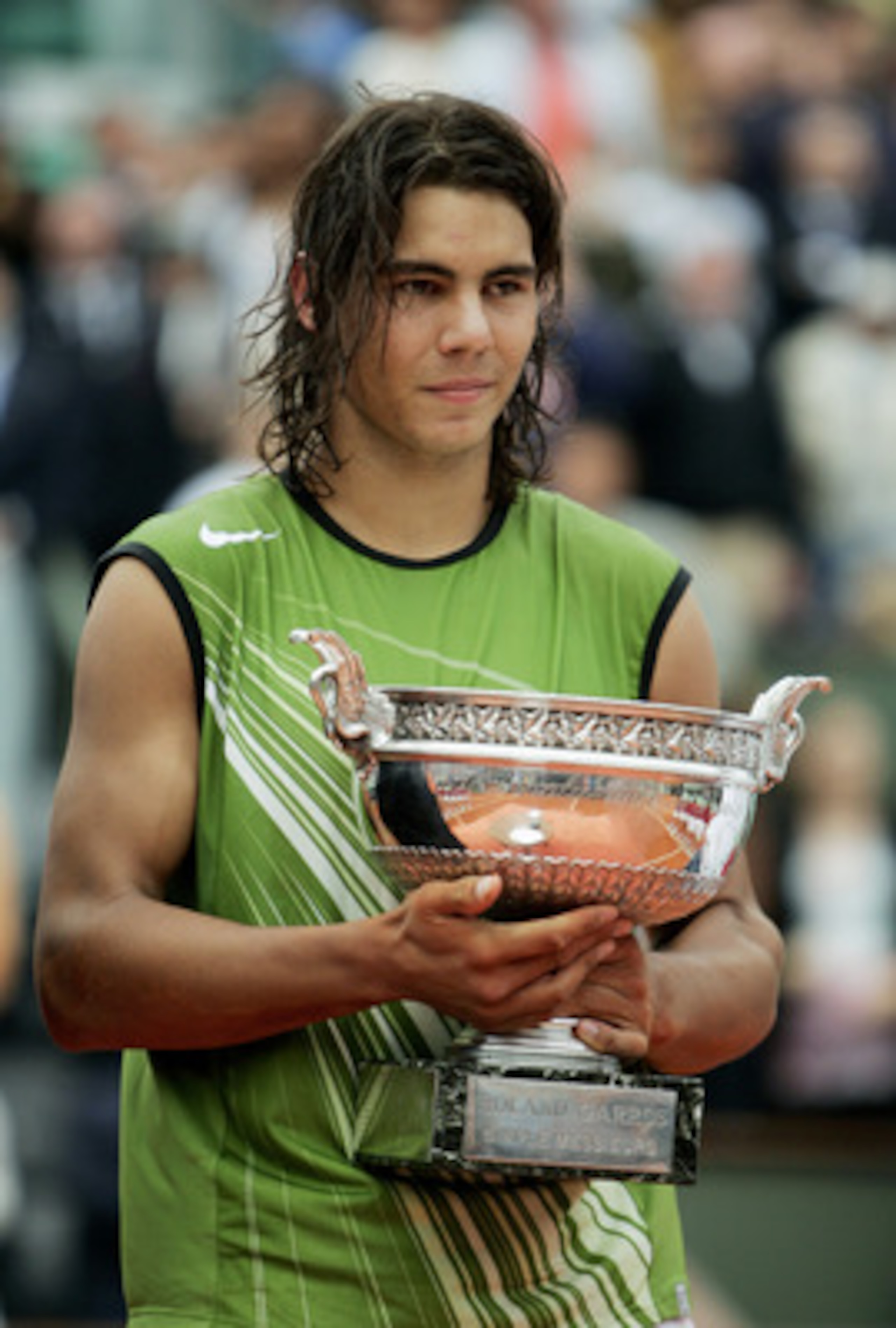
On a more mundane level, how Nadal performs in Paris, if not the possibility that he might win it, would contribute some way to his reputation for consistency.
It goes without saying—every year, except for 2009, in which he has won a grand slam has seen him win Roland Garros. In 2006, 2007, 2008, and 2010, winning in Paris has acted as a catalyst for even greater success.
A win in 2011, then, without having won the Australian, as he did in 2009, might be his only chance to jump start his grand slam winnings this year.
Should he win, he would instantly join the elite and scarce company of Borg, Sampras, and Federer, to have won at least one grand slam a year for seven years. The three managed eight successive years with a slam win; a win for Nadal this year would no doubt at least increase his chances of equalling this feat.
Seven years, at any rate, would be a remarkable testimony to his consistency in this sport, and Roland Garros might well enter him in the company of greats.

Roland Garros Champion Six of Seven Years
4 of 10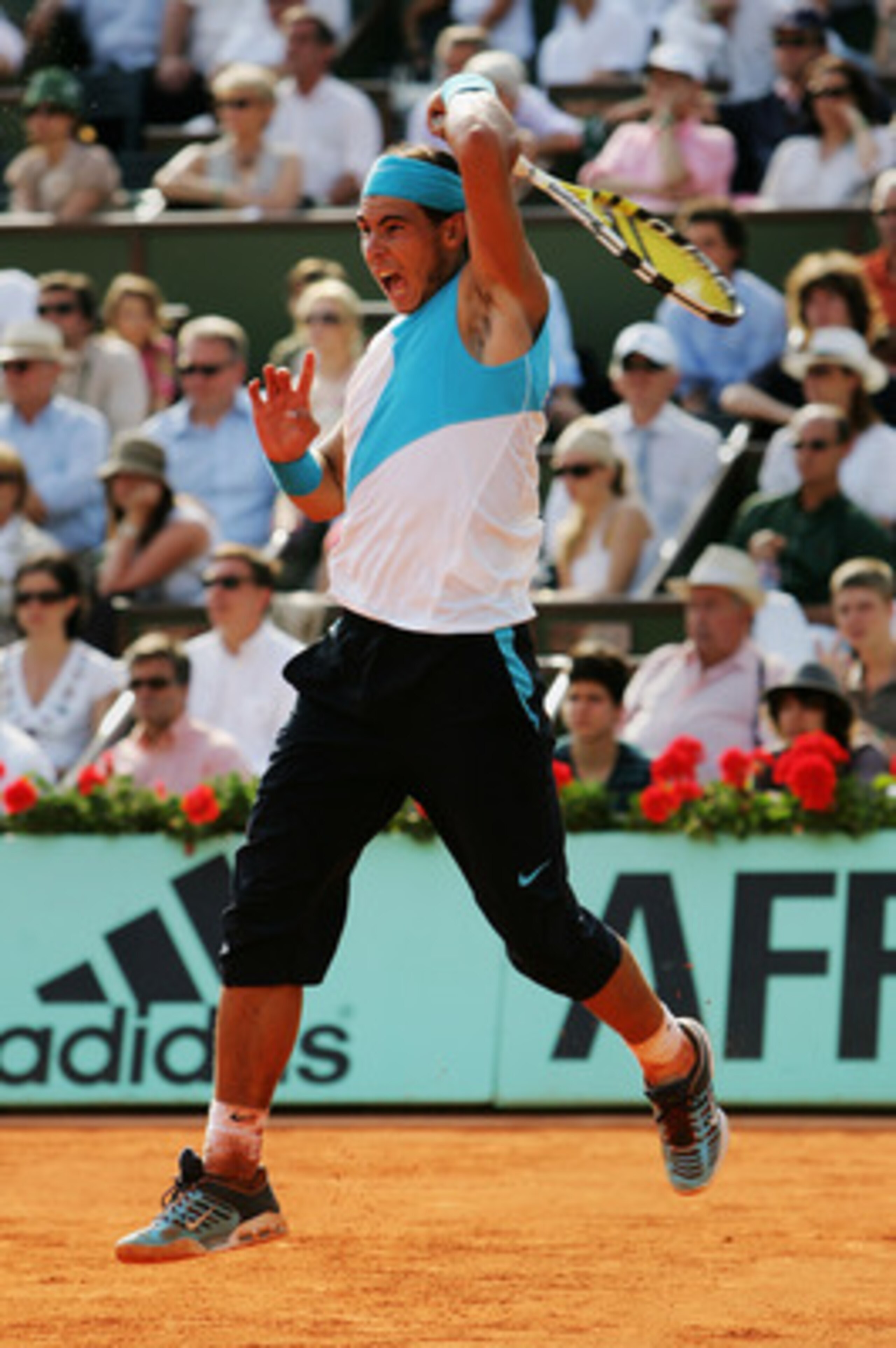
The 2011 French Open could also reveal another aspect of Nadal's dominance of the sport. Or more particularly, of clay court tennis. It may be a sixth win, in an incredible seven years.
Borg managed his six tournament wins over a period of only eight years, which was, and still is, an unbelievably fertile period of winnings at Paris. It is a combination of consistency and the ability to continually return fresh and ready to defend last year's hard-earned glory, that served him so well.
Nadal, no doubt, is in the same league from the psychological perspective - but Borg's feat remains unequalled. Should Nadal fail this year, he would only be able to tie, but not surpass, the feat of six in eight.
A win this year would mean six victories in seven years, and if it were to happen we would all know just how close it might have been seven in seven—had it not been for Soderling's titanic upset in 2009.
First Title as No.1 in Paris
5 of 10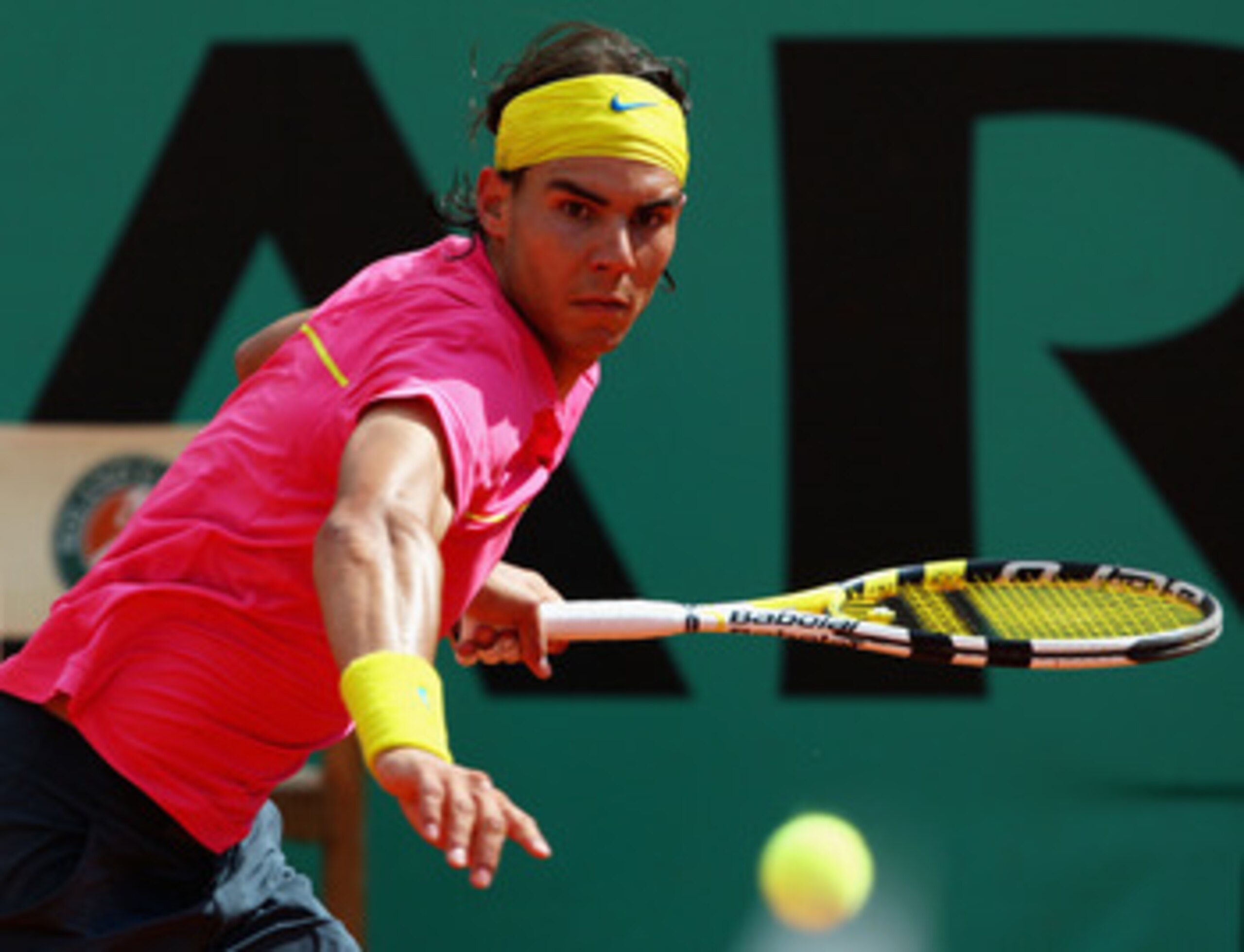
This may be the most unbelievable stat that Nadal chases. A win in Paris this year may be the first time he has ever won there as the world No. 1.
His reaching the Rome final last week secured his number one ranking for at least until the end of Roland Garros, and thus his top seeding at the tournament. The last time he was world number one entering the French, of course, was in 2009, when he was fatefully dethroned by Robin Soderling.
It has been the eerie trend of the French Open that the top seed has failed to win the tournament for ten years—in fact, since Gustavo Kuerten in 2001. A win for Nadal here would resoundingly subdue the influence of superstition.
For one thing, it would assure his legitimacy as the world number one, to win at the tournament that effectively made him the world number one back in 2008. Nothing would be more important than for Nadal to wipe away the ghosts of 2009 and beat the trends of history.
Stopping Novak Djokovic
6 of 10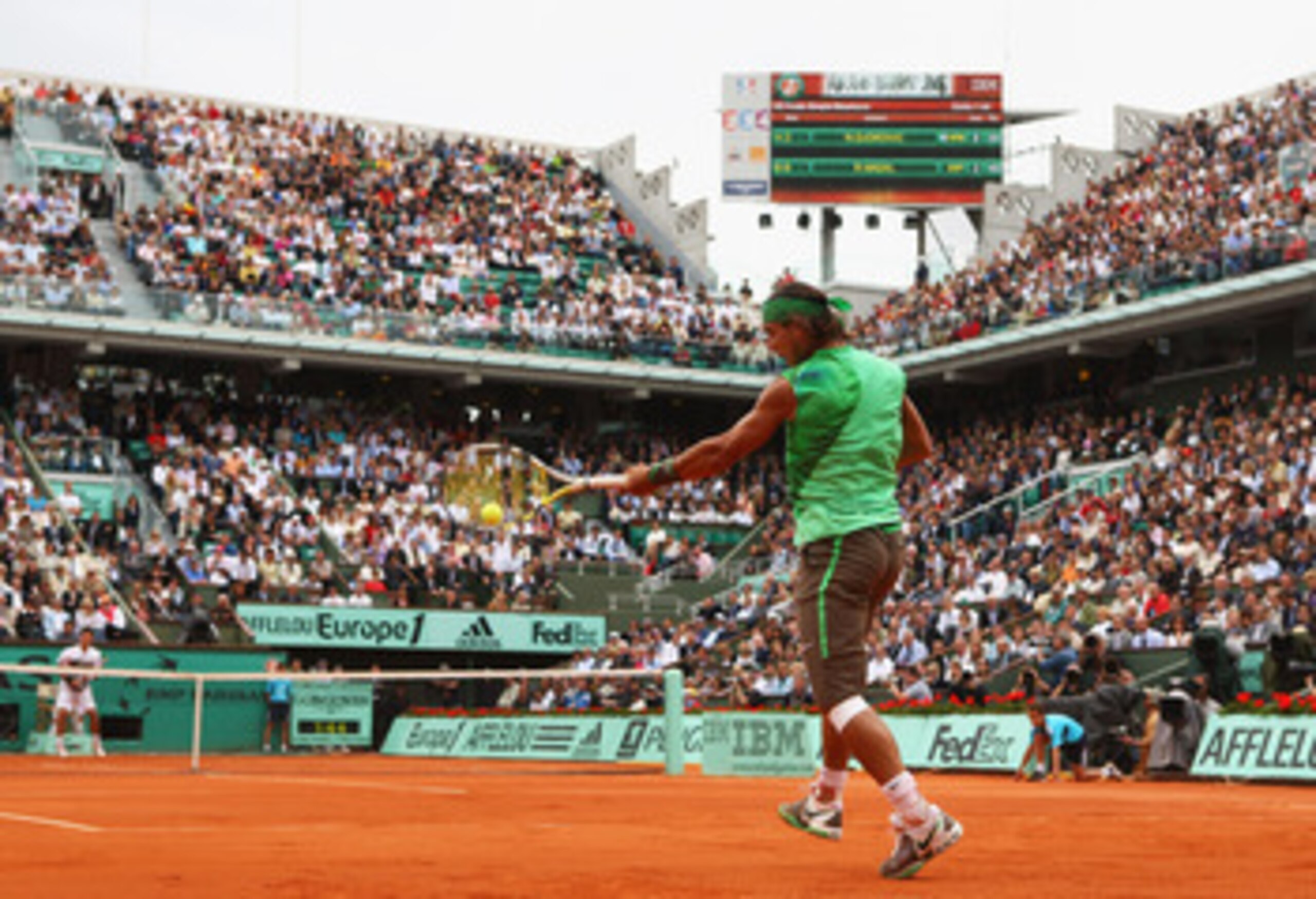
With Novak Djokovic the star player of 2011 by a large margin, Nadal faces considerable opposition at this year's French Open.
It may seem like a minor interlude in the span of a player's legacy, but there is little doubt Djokovic's challenge to Nadal may prove a turning point in the power balance at the top of the sport.
As Nadal was to Federer, so may Djokovic now prove to Nadal. This French Open promises to be the first genuine challenge to Nadal on clay, at clay tennis' greatest battleground.
How the Spaniard might react to the Serb's challenge would prove an interesting test. So often a player's legacy has been shaped by the rivals and obstacles to his greatness, and Djokovic seems just such a one.
How Nadal deals with this seemingly unstoppable Serbian surge that his Novak Djokovic at this year's French Open, which might well host a mouth-watering final between the two, might well shape his tennis legacy.
Stopping Roger Federer
7 of 10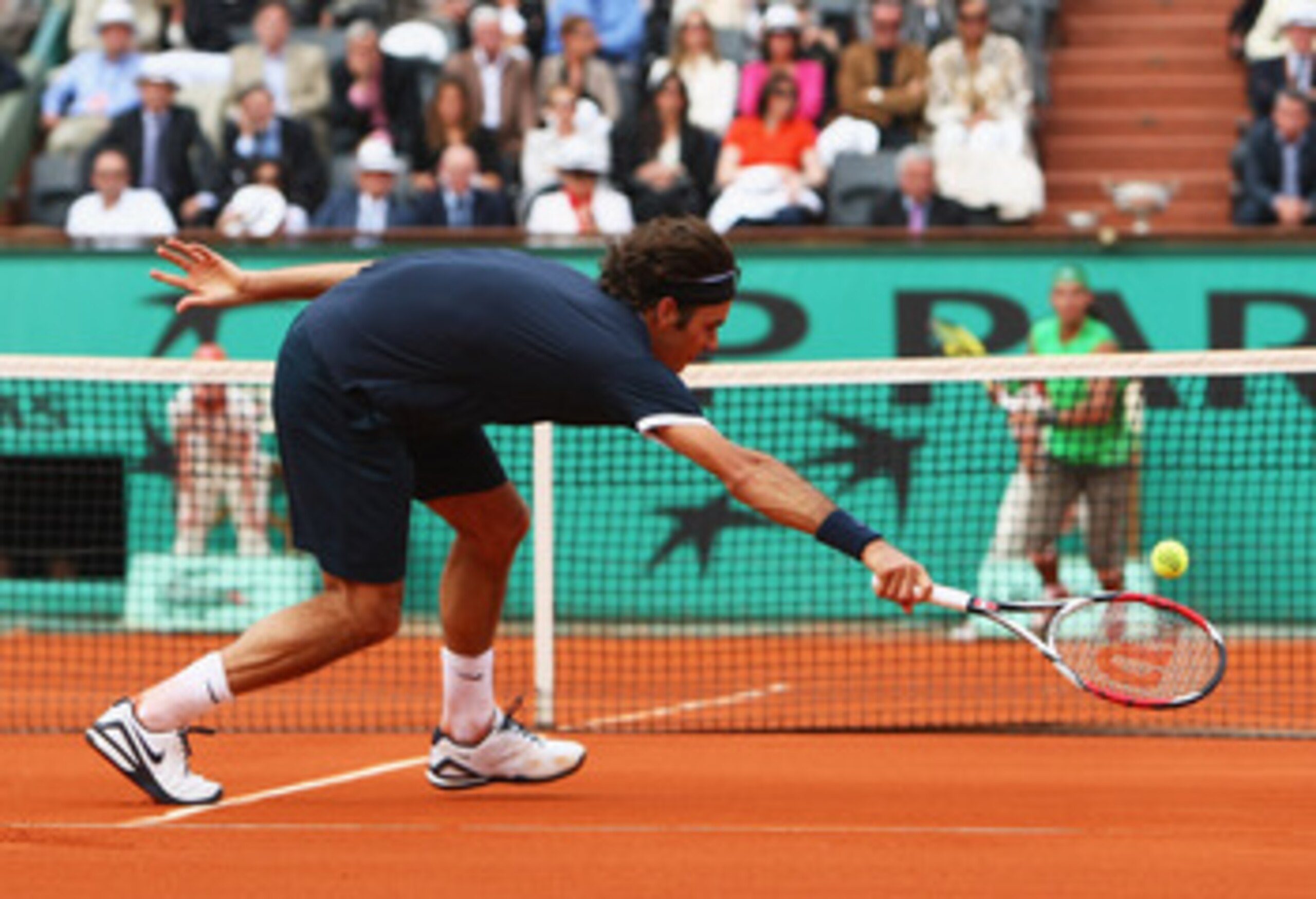
The other loser, should Nadal win a the French again, would obviously be Roger Federer. Especially so, should he lose to the Spaniard enroute to the latter's title.
Its no surprise that the Swiss master has struggled against Nadal, never having ever defeated him in Paris, with an awfully disadvantageous mathup of lefty topspin against his classical one handed backhand. In four matches against the Spaniard, he has only won three sets.
Federer's only win came in 2009, when the Spaniard was defeated before the final; but this year, the Swiss has a one in two chance of being up against either Nadal or Djokovic in the semifinals, as the world No. 3.
Whatever the result, another victory for Nadal over his arch-rival would only cement his dominance over the Swiss.
Another win for Nadal, too, would mean one more for him, and one less for Federer, bringing the Spaniard closer to the Swiss' record of 16 slams. However things might go, a victory for Nadal over so historic a player as Federer, especially in the steamy competition of 2011, can only do good for his legacy as a player.
10th Grand Slam
8 of 10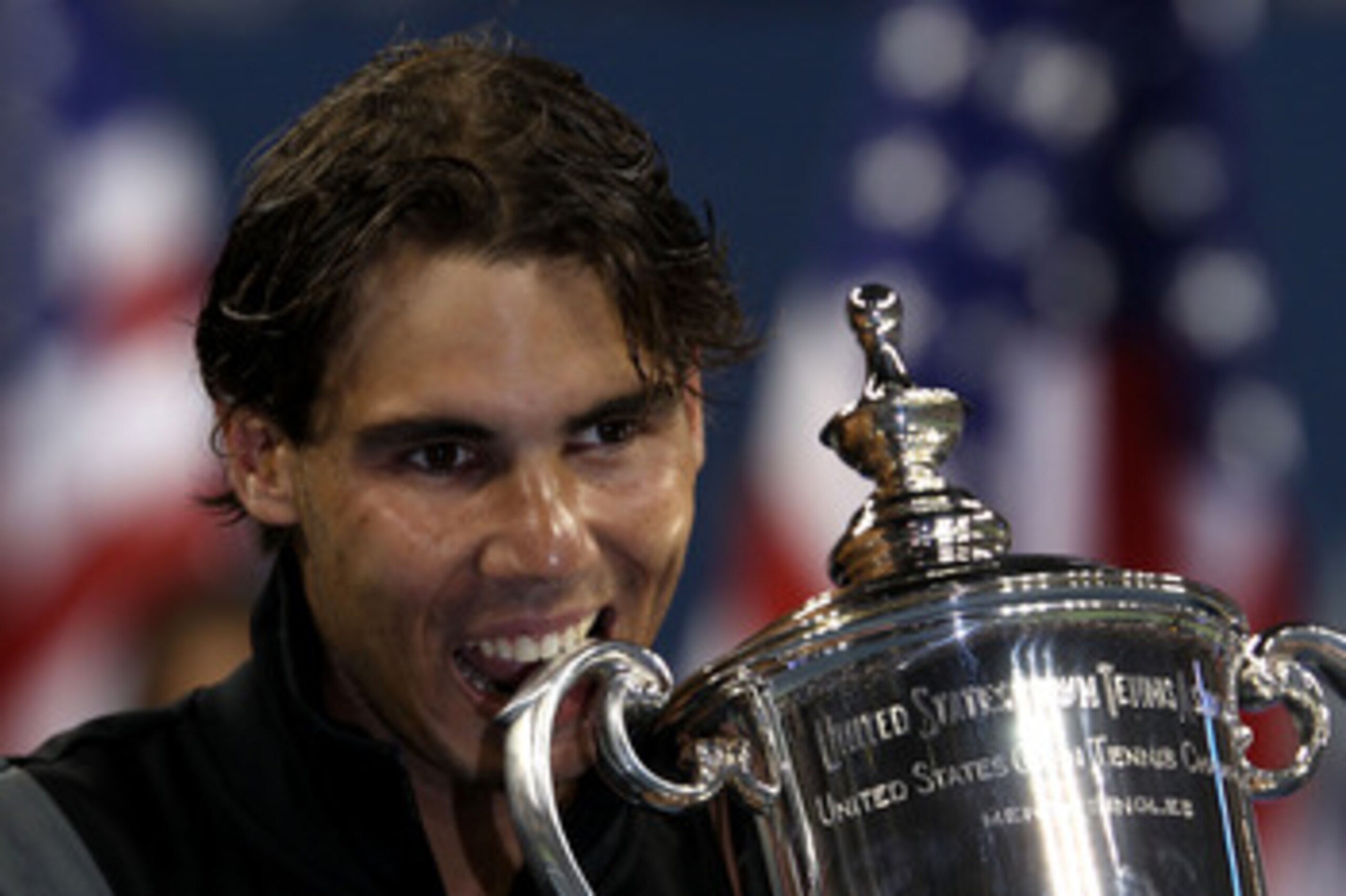
Most of all, Nadal's victory at Roland Garros would see him seal a tenth grand slam victory.
Few in the history of tennis have won grand slams, and fewer more multiple titles at this level. But only the rarest few have ever won ten grand slams. Borg, Sampras, Emerson, and Federer are the only ones in the Open Era to have done so.
To put things in perspective, the player of 2011, Novak Djokovic, has only managed two slams, but plays like someone deserving ten more. Such, indeed, are the heights that only a select few have climbed.
Nadal stands only at the brink of achieving this landmark number, which would surely seal his name in tennis history books. Whether he will go on to win in Paris, and reach the threshold of the gods, is yet to be seen.
The pressure will be immense, but the history for the taking. A 10th title, along with a sixth Roland Garros crown, would surely be a coincidence too sweet to take lightly.
Surpassing Borg
9 of 10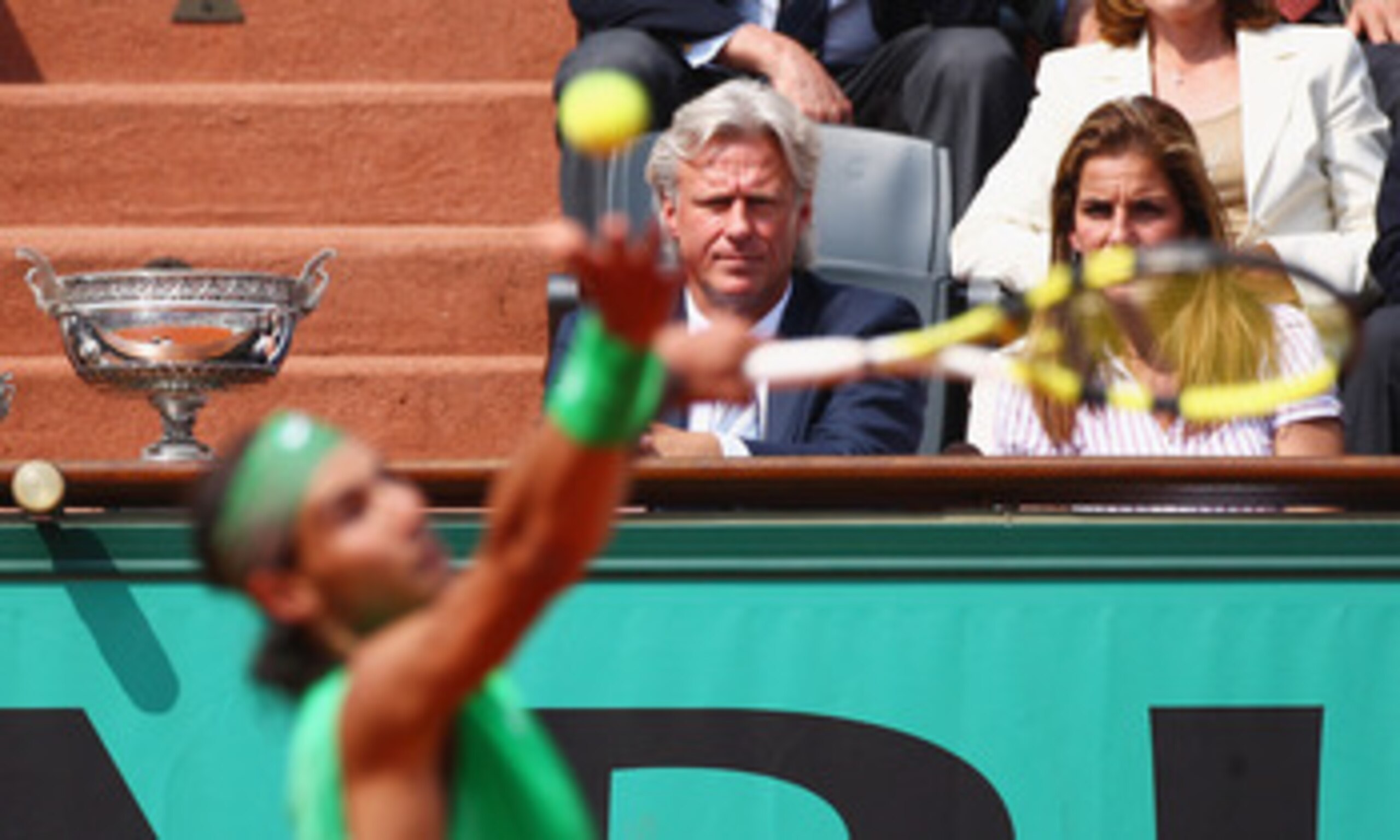
While many of the statistics here would suggest that Nadal would only be equalling Borg in winning at Paris this year, there is some reason to believe that he might actually be able to surpass Borg in winning.
For one thing, while he would only be drawing even with a sixth title, it would actually bring him a better winning percentage overall at Roland Garros. As it stands Nadal is 115-10 (91.3 percent) in sets won, while Borg is 143-25 (82.52 percent).
It isn't to say that Borg's stats aren't crazy good, which they are, only that Nadal is already surpassing Borg in this regard. Even the worst possible winning percentage, winning the 2011 Open playing a five setter every round would only yield a 136-24 win-loss in sets (82.36 percent), scarcely worse than Borg.
Borg won the French twice without the loss of the set (1978, 1980), but so has Nadal (2008, 2010). Were one to judge dominance from sets alone, Nadal would surpass Borg with a win this year.
Moreover, a sixth win this year would bring Nadal to an almost inimitable 45-1 in play at Roland Garros, while Borg won his sixth with a 49-2 mark, a 96.08 winning percentage. 45-1 would equate to an almost unreal 97.8 percent. Of course it is unreal as of this point, and may remain unreal, should Nadal fall in Paris.
In all, win number six at Roland Garros would go some way to legitimising the dominance that Nadal has exercised on this surface.
Greatest Clay Courter Ever?
10 of 10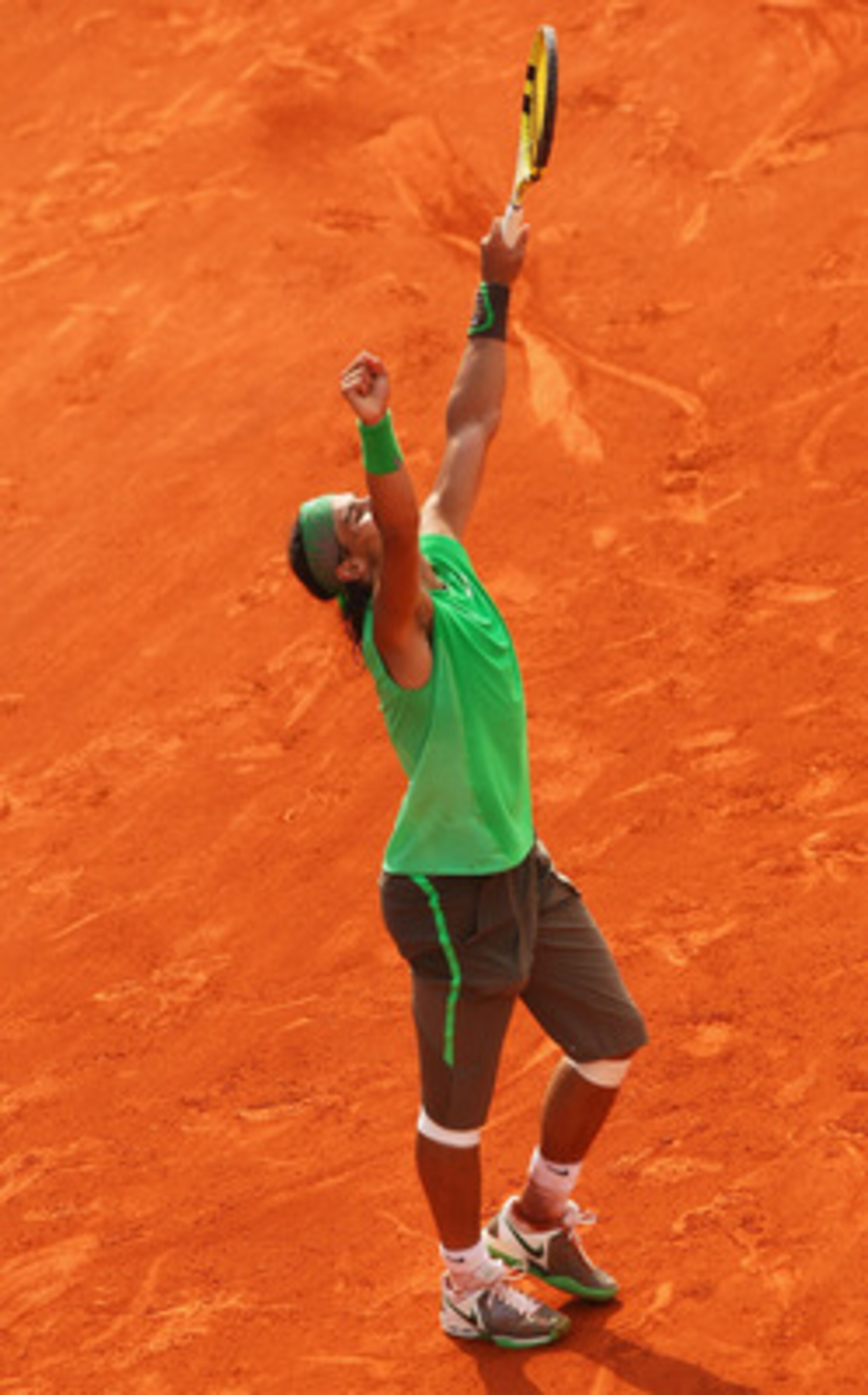
If one were to suspend the statistics for a moment, and just look at the magnificent player that is Rafael Nadal, there would be little doubt about the significance that a win here in Paris would have, overall, on his legacy and impression as a clay-court player.
It would need little reminding that Roger Federer won his 15th slam at Wimbledon in 2009, and only then by the thinnest margins, 16-14 in the fifth. But who cares? Federer won, and the glory that day was his. number 15 was his, immortality, his.
Nadal faces a similar situation at this year's French Open. Title Number Six looms heavily on the horizon, perhaps a distant, unattainable orb, glorious to behold, but ultimately untouchable; or, maybe, an orb waiting only to have someone to bask under it, in a short time to come. Will Nadal be there, when the moment of glory comes?
He would not need to blitzkrieg his opposition, as in 2008, or even endure an eternally gruelling two weeks of hard fought battles, or perhaps even the most magnificent final ever played at Roland Garros (possibly, one against Novak Djokovic).
All he needs badly to do, is win this 2011 tournament. Just to get to Borg would be enough for us to speak legitimately alongside the Swede, and finally, for all time. He would well deserve it. Nadal, after all, is on the road to becoming the greatest clay court player of all time.

.jpg?w=2560 "Latest Peyton-Colts Rumors")