
2011 Triple Crown Trail: 10 Changes to Make Horse Racing Better
After the doom and gloom for the industry that permeated out of the Kentucky Derby the past few years, it was nice for once to hear some optimism.
The downturn in the economy led to drastic declines in median and average sale prices at almost every sale, yearling or otherwise, across the country. The only increase it seemed was in the buy-back rate, as horse after horse seemed to fall shy of its reserve price.
Purses fell across the country almost as quickly as race dates were slashed.
And, of course, there was the PR fiasco that followed the destruction of Eight Belles past the wire in the 2008 Kentucky Derby.
Horse racing has come a long way in the three following years.
Almost every jurisdiction has banned steroids.
The sport has taken a hard-line stance against owners such as Ernie Paragallo, who criminally neglect their horses.
A comprehensive study into equine safety has been launched with the ultimate goal to improve the health of horses at every track around the country.
It is a great start.
But it is only a start.
I have come up with 10 changes that I feel need to be implemented, some for safety, and others for entertainment. All contain the ultimate goal of improving the sport both in the public's eye and in the public's interest, as well as making sure safety remains the ultimate goal.
This is not meant to be an all-inclusive list by any stretch of the imagination. Think of it more as a starting point.
1. Universal Suspensions
1 of 10
No more of this “you can't race in New York for six months but go anywhere else and you're fine” garbage. If you are suspended in Kentucky, you are also suspended in Texas. And California. And Idaho. And every other state or Canadian province in this great continent of ours. Same rules for trainers, jockeys, owners, anyone.
I know there is reciprocity between jurisdictions in some cases, but not in all cases.
While Patrick Valenzuela was serving a lifetime ban from riding in California, he was racking up riding titles and purse money in New Mexico and Louisiana. Some sort of lifetime suspension.
If you are suspended somewhere, you are suspended everywhere. No questions asked.
2. 3 Strikes You Are out for a Year, 4th Strike You Are Gone Forever
2 of 10
On the same line of thought as the first point, but much stricter.
Every time a trainer is found to have used illegal medication in a horse, whether steroids or cobra venom, milkshaking or whatever, he or she gets suspended. The third time he or she gets suspended, it's a year-long ban.
If the trainer applies for a license after serving a one-year suspension, he or she should be required to sign a waiver understanding that if he or she is ever convicted again of violating a medication rule, no matter how minor, he or she will be suspended for life and will not have the right to appeal the suspension. Refusal to sign the waiver will result in a rejection of the application.
And as far as owners go, it is one strike and your out.
If there is conclusive evidence that an owner has told or asked a trainer to use illegal medication on a horse, all of his or her thoroughbreds will be confiscated and liquidated at an auction and he or she will not be allowed to purchase or claim a horse ever again.
There shall be no exceptions whatsoever.
3. Dismantling of the Stable During Suspension
3 of 10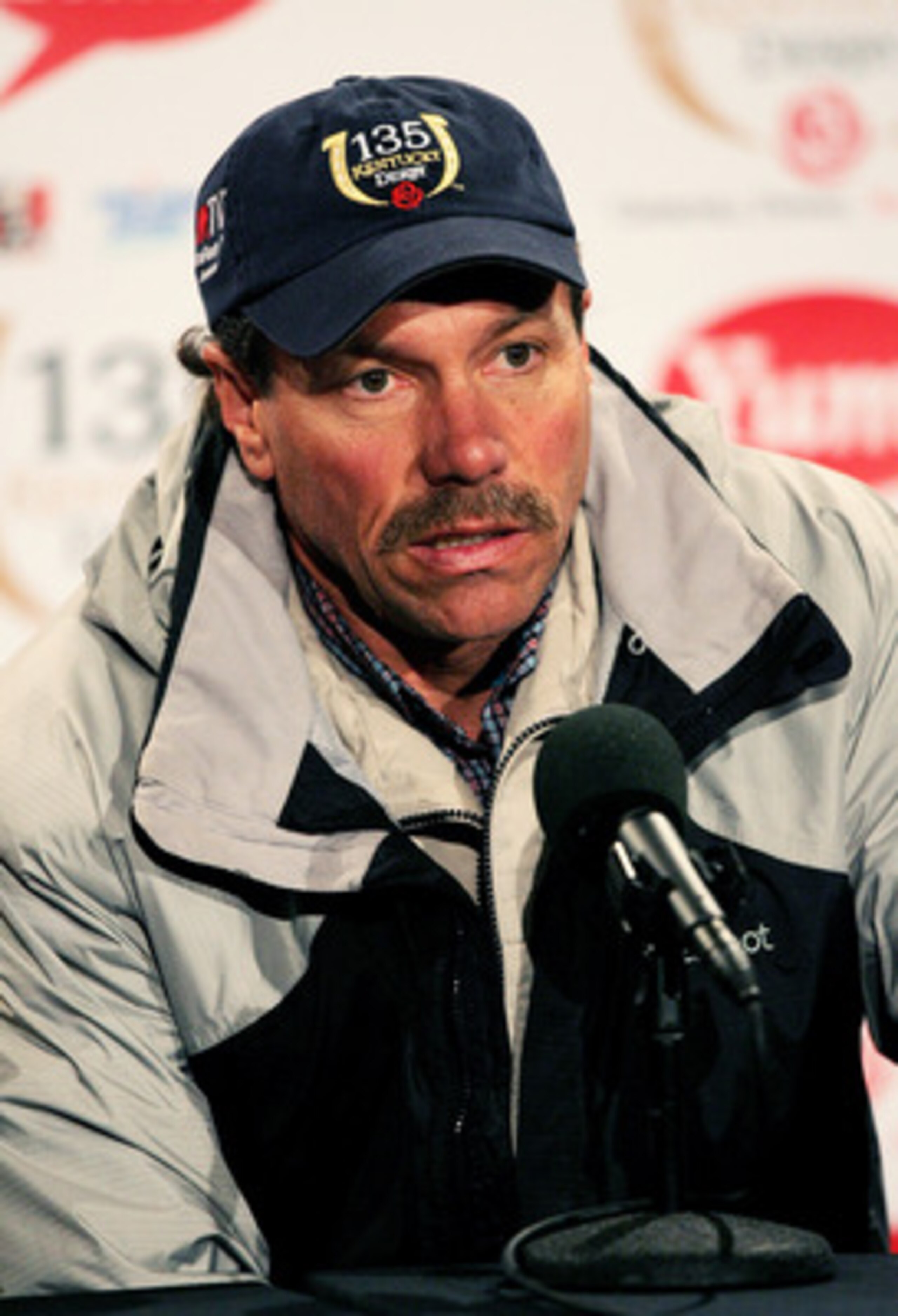
The California Horse Racing Board recently ordered that Jeff Mullins's stable be dismantled while he serves a 70-day suspension, the first time the state has ever gone so far.
Generally speaking, a trainer turns over his horses to one of his or her assistants while he or she is suspended, and in reality, he or she continues to run the operation, even if from afar.
This ruling will revoke any and all stalls previously allocated to Mullins at every California racetrack for the duration of the suspension, which in reality prevents his assistants from taking over.
This should be the norm, not the exception.
When a trainer is suspended, he or she should lose all stall privileges continent-wide for the duration of the suspension and the horses should not be allowed to run in either the trainer's name or any of his or her assistants' names.


.jpg?w=2560 "Seahawks Chiefs Football")
4. Ban All Race-Day Medication
4 of 10
No more Lasix, no more anything. Ever. You know why horses bleed when they race? It's because something is wrong. Giving a horse furosemide does not help the horse, it masks other problems.
The rest of the world bans it. Time that we do the same.
5. 1-Year Breeders' Cup Ban for Any Suspended Trainer
5 of 10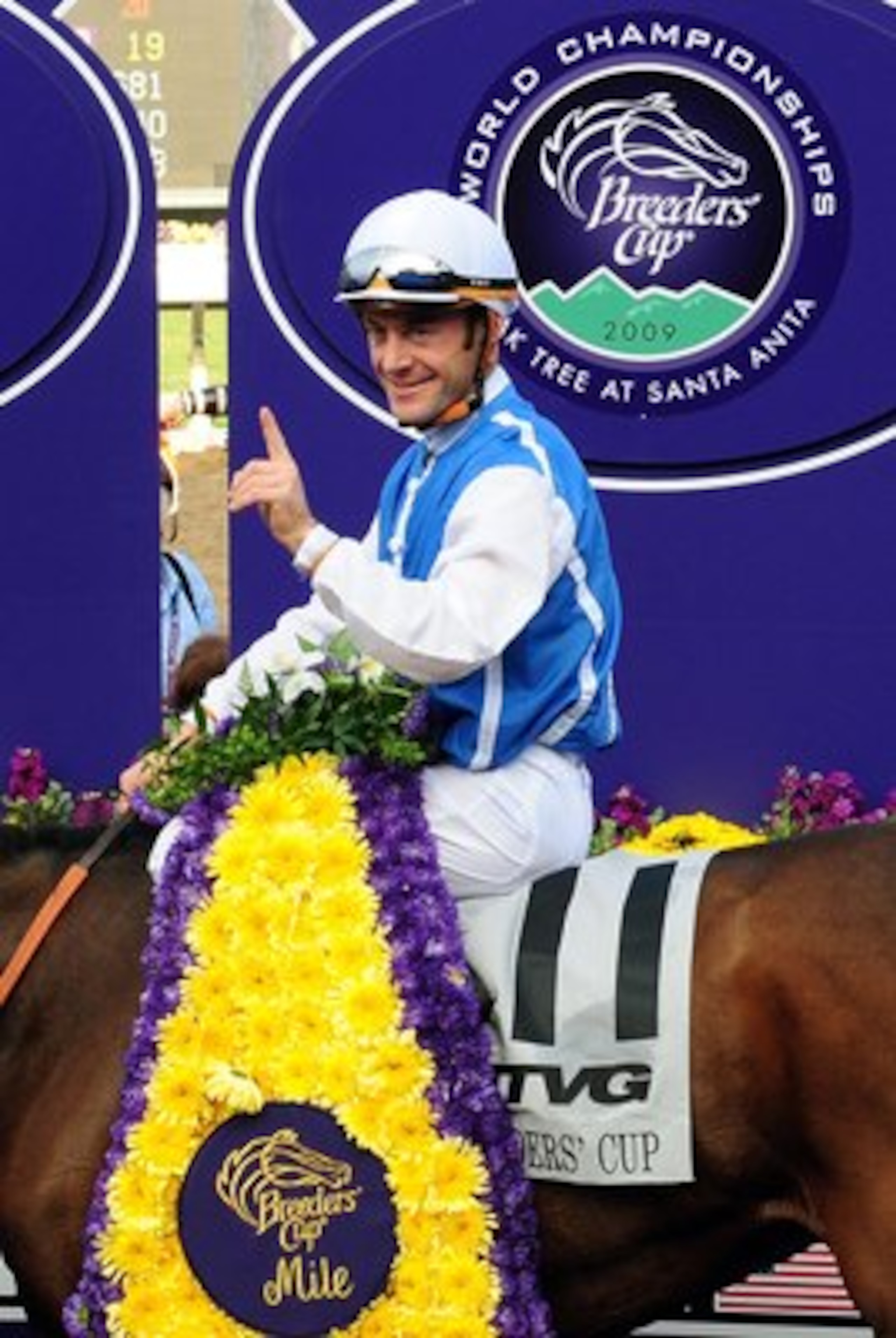
On line with the past couple of rules, if a trainer is convicted of any violation between any two consecutive runs of the Breeders' Cup, no matter how minor, none of the horses in his charge can run in his name or the name of any of his assistant trainers during the following Breeders' Cup.
We need serious punishments that have the same consequence no matter when in the year they occur.
If a trainer gets a 30-day suspension in January of a year, then come October or November, he's also barred from entering horses in the Breeders' Cup.
The punishment should also extend to any Breeders' Cup Win and Your In Challenge races.
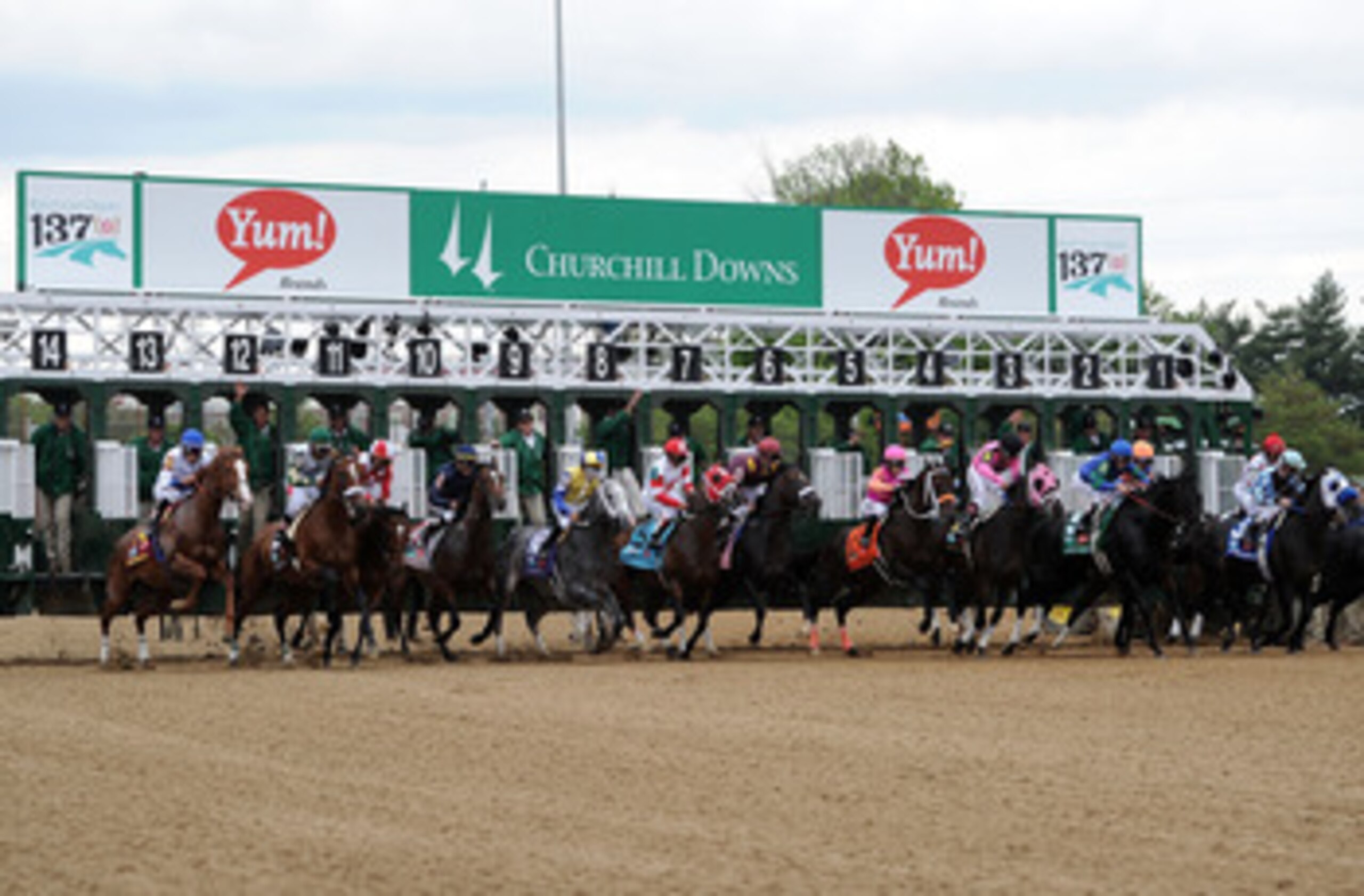
6. Gate Scratches of Horses Who Don't Load.
6 of 10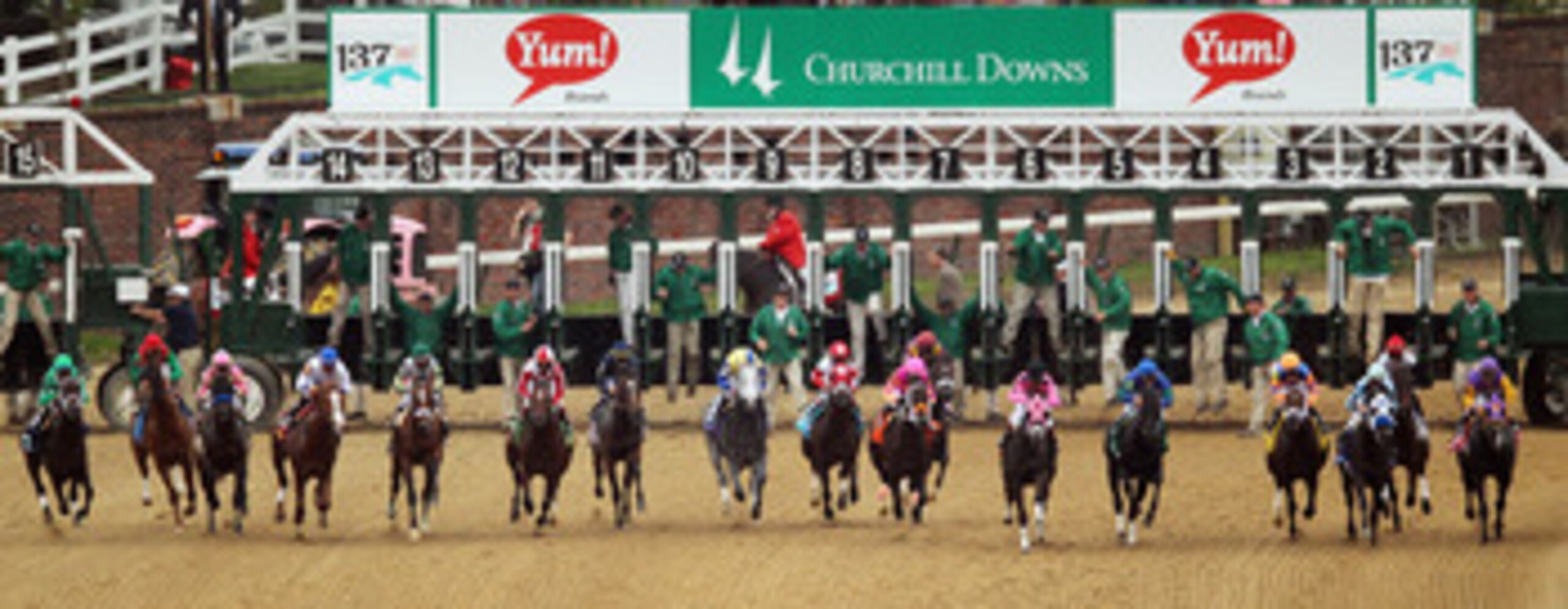
It's not fair to anyone to give a horse minutes on end to load, and especially not to the horses already in the gate awaiting the start of the race.
In New Mexico, all races have a timer on the simulcast feed that shows how long it has taken to load the field. The majority of races take in the vicinity of one minute. That's how it should be.
No horse should ever take more than 30 seconds to load. Ever. If you can't get a horse into the gate in under 30 seconds, he or she is scratched immediately, no questions asked.
No consultation with the vet, nothing.
First time starters can get an extra 15 seconds, but only first time starters. And once those extra 15 seconds are gone, if the horse isn't in the gate, scratch him or her.
7. Automatic Scratch of Horses That Buck in the Gate
7 of 10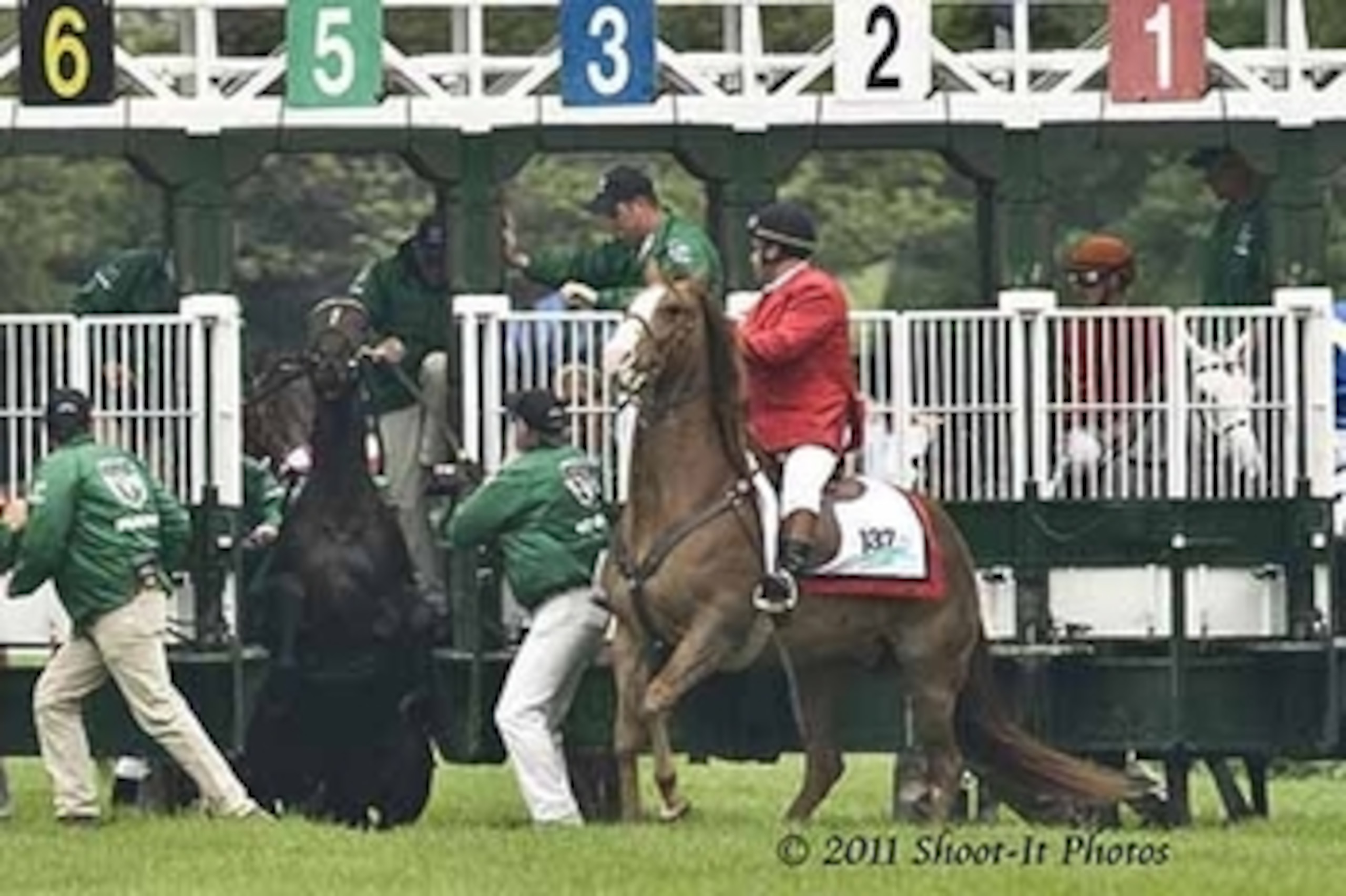
No matter how thorough a veterinarian inspection is after a horse bucks in the gate, it cannot be thorough enough. There's no way to fully inspect the animal while he's out on the track to make sure he is still fit to race.
If a horse bucks in a gate, or does anything else potentially dangerous while in the gate, he should automatically be scratched, even if the veterinarian cannot determine anything wrong with him at the time.
The same should apply if a horse runs through the front of the gate.
It is much better to be safe than sorry.
8. Coordination of Big-Race Post Times
8 of 10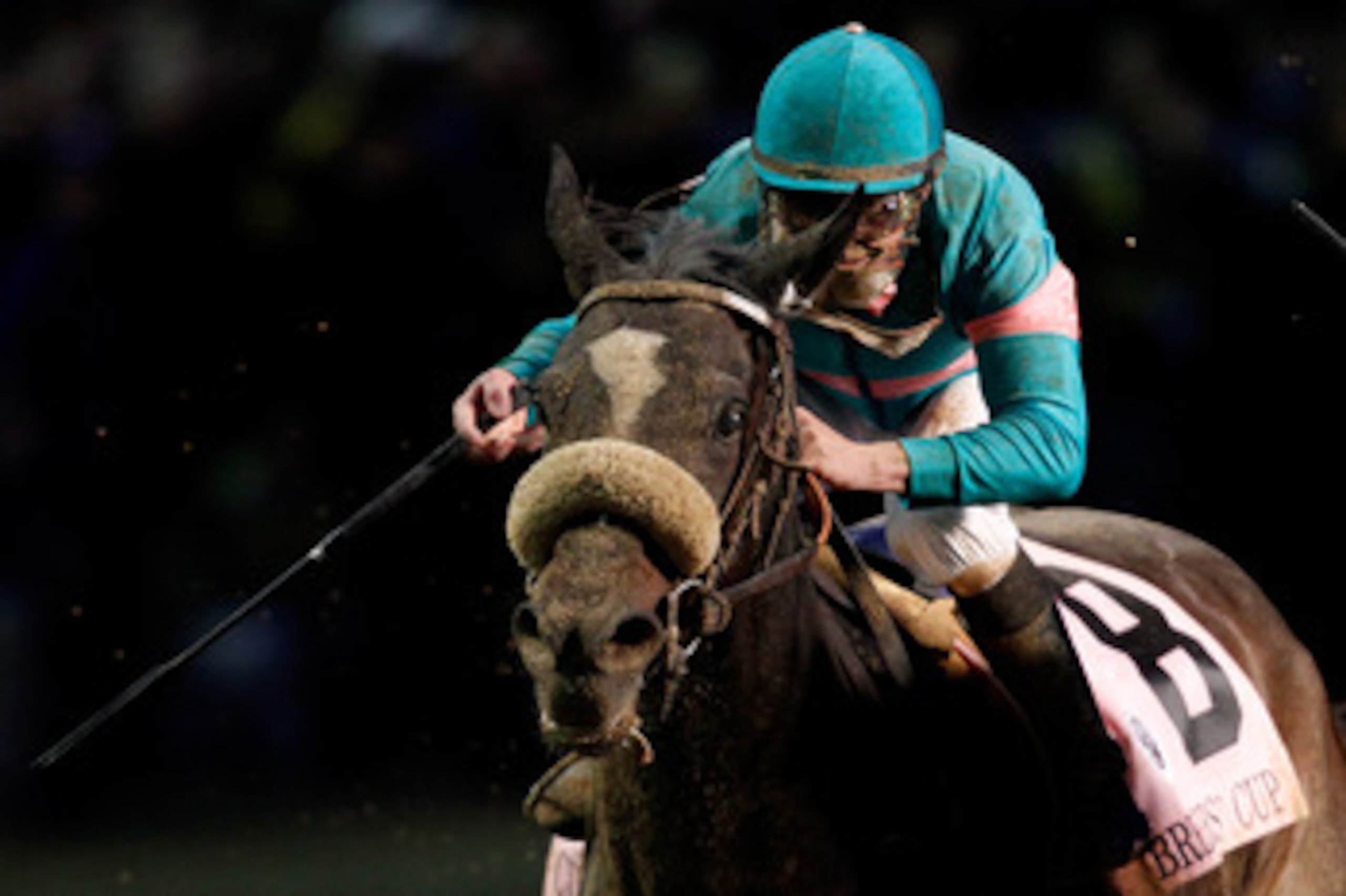
I'm not part of the camp that believes every track should coordinate every post time. Sure, it would be nice, but it isn't necessary.
What is necessary is that big races don't go off simultaneously or almost-simultaneously.
In 2009, Rachel Alexandra and Zenyatta had races go to the post within five minutes of each other on the same Saturday in June. Why?
These were the two biggest races of the month.
Coordinate stakes post times. It's just silly that this hasn't been done yet.
9. Public Posting of All Inquiry Reports
9 of 10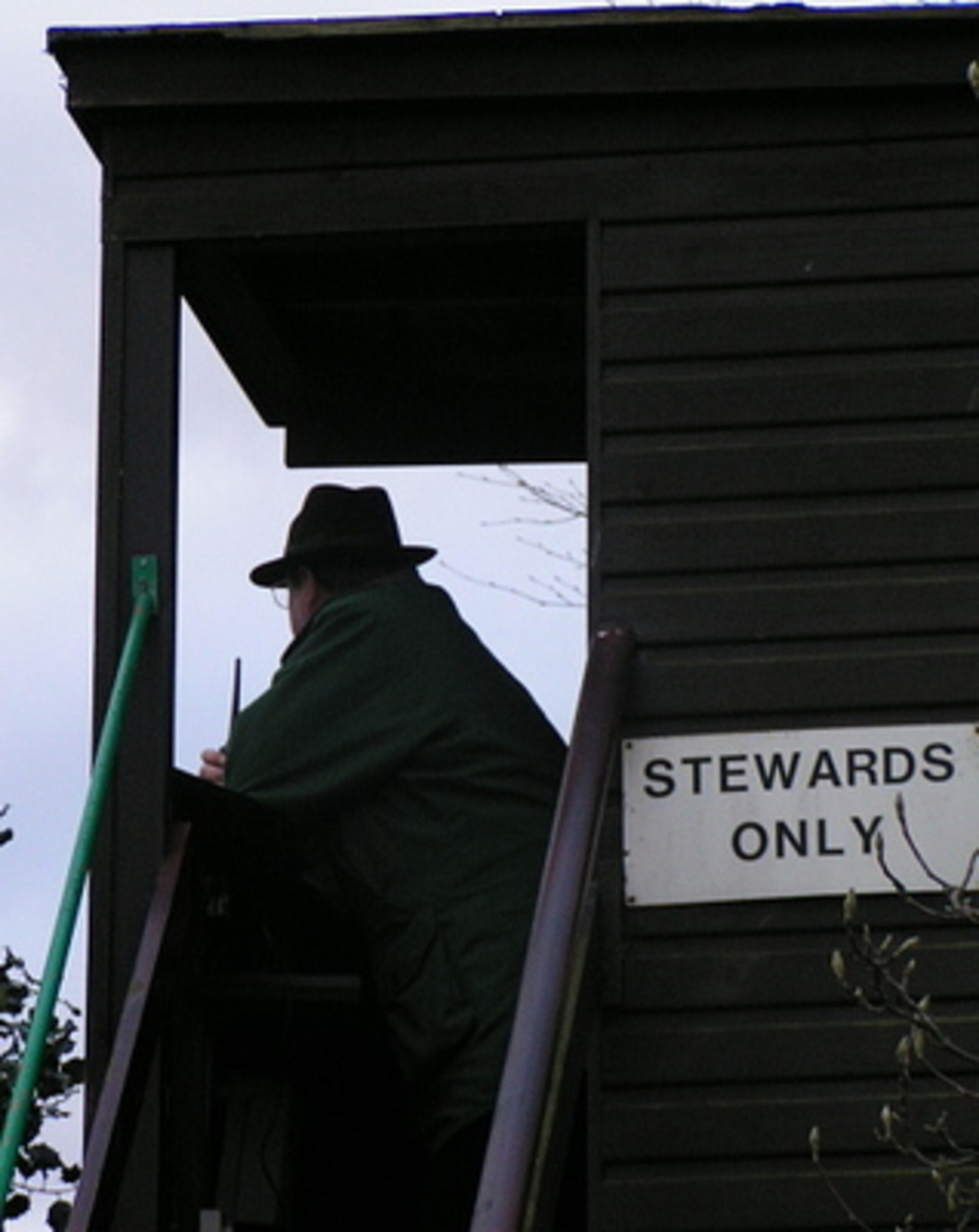
The result of any stewards' inquiry or race objection should be posted within 24 hours of the final race on every card with a complete reasoning behind the steward's verdict.
The wagering public deserves a full and complete report as to why and how the stewards came to their decision. Why did they disqualify X horse but not Y horse? What was their complete determination.
These reports should be posted in a link from the main page of every track's website.
10. Expand the Field for the Kentucky Derby
10 of 10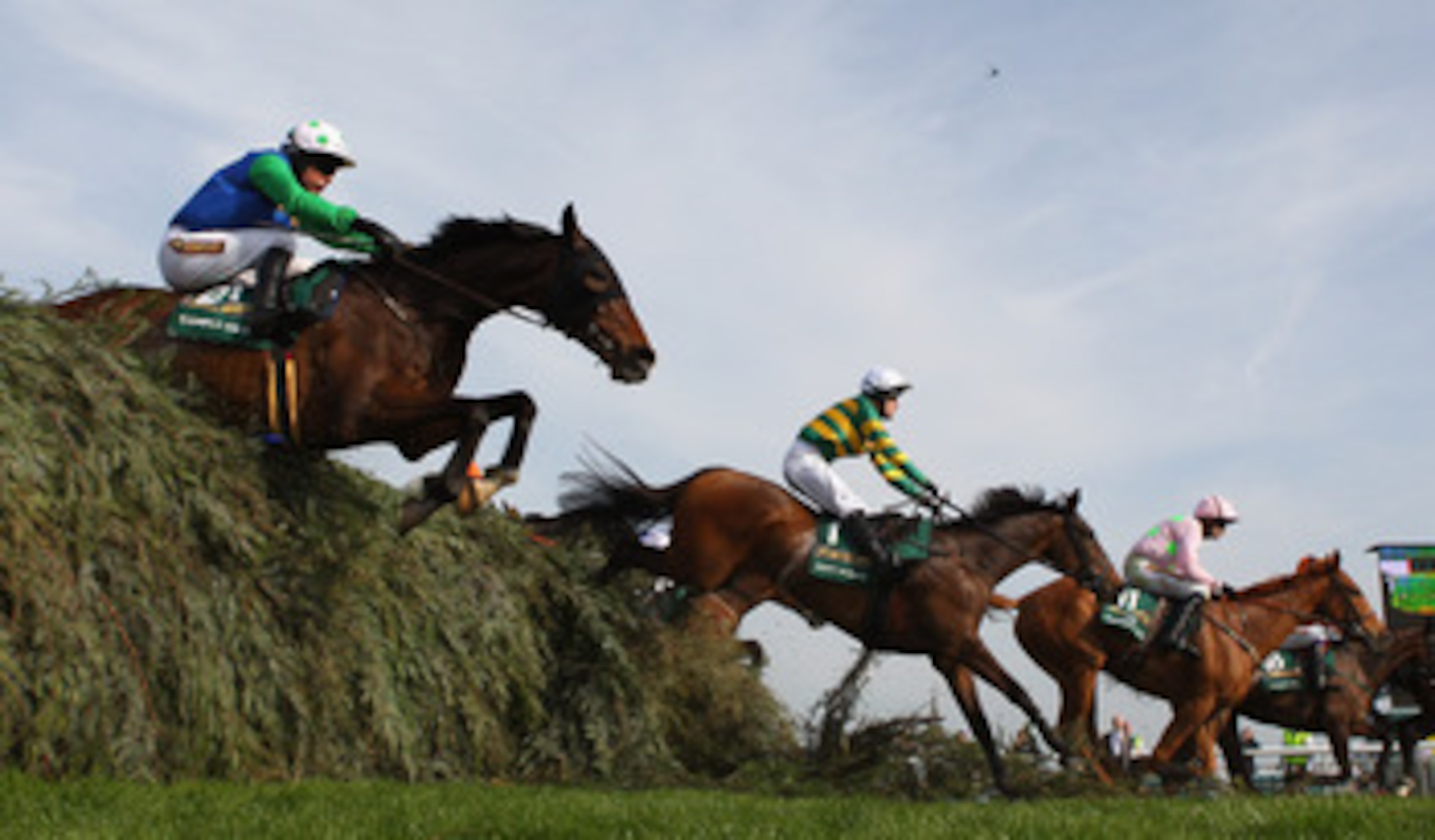
What do the Kentucky Derby, Melbourne Cup, and (Aintree) Grand National all have in common?
Besides being the biggest and most important horse races in their respective countries, they all have extraordinarily large fields that make them a betting spectacular and just a treat to watch.
The Derby is maxed out at 20 starters, while the Cup can attract up to 24 and the National has 40. To see a score or two of horses thundering past you is just beautiful and one of the greatest aspects of our sport.
The discussion and support to lower the size of the field of the Derby down to a more normal 14 is beyond stupid. It would destroy the unique aspect of the Derby and take away a lot the fun of handicapping it.
Instead of contracting it to 14, how about add four more gates to make it a nice, round two dozen starters.
Increase the fun, don't destroy it.
Oh, and widen the track. It can't fit 20 as is, let alone 24.



.jpg?w=2560 "Latest Peyton-Colts Rumors")