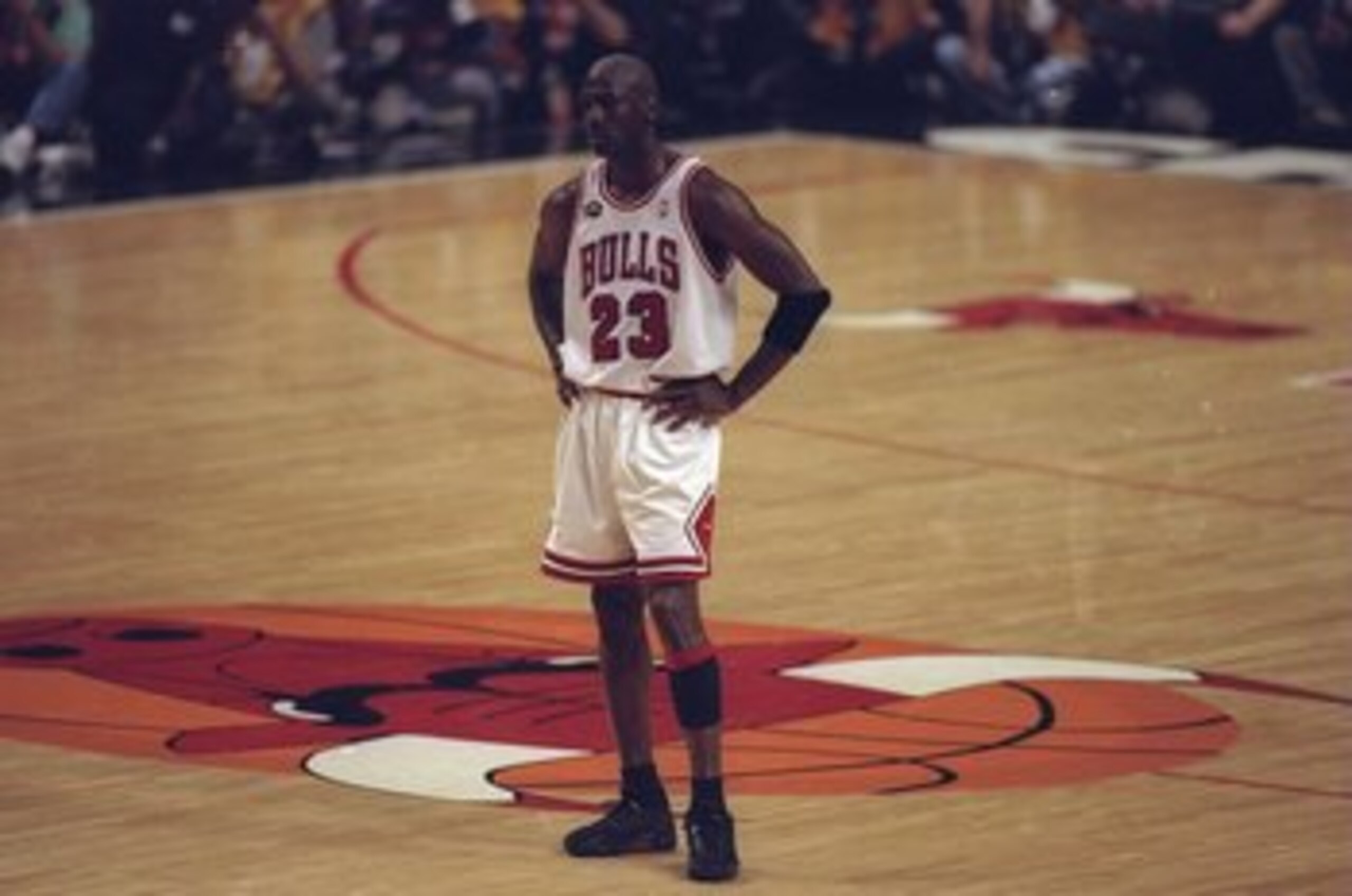

NBA Power Rankings: Michael Jordan and 25 Most Courageous Players in NBA History
We all watched Michael Jordan because of the amazing things that he could do with a basketball, and how he could make us feel just by flying through the air and dunking on an unsuspecting defender.
The reason we love sports so much is for the simple competition of the whole thing, but every once in a while, something else gets thrown in.
There are times during some sporting events that will fill us with emotion, and even put us on the brink of tears.
Does that means I have cried because of something that has happened during the course of a game? Maybe, but if I did I can assure you they weren't Adam Morrison tears.
Some things just go beyond the athletic event itself, and touch us in ways that we never really thought possible, and that is one of the good things about sports, when something transcends the simpleness of contest.
With that, I have put together a list of the most courageous players and performances in the history of the NBA.
25. Bob Love
1 of 25
Bob Love was one of the earliest stars for the Chicago Bulls, making the All-Star team from 1971 to 1973. His was the second jersey retired by Chicago after Jerry Sloan.
Unfortunately, the money he made in the NBA didn't last him long and he was forced to look for a job after he retired.
Love had such a stuttering problem that he was nearly unable to communicate. At one point after his retirement he was working as a busboy making less than $5 an hour.
He went through speech therapy classes and began working for the Bulls in 1993 as their director of community relations.
Since, he has worked as a motivational speaker and regularly speaks to school children.
24. Allen Iverson
2 of 25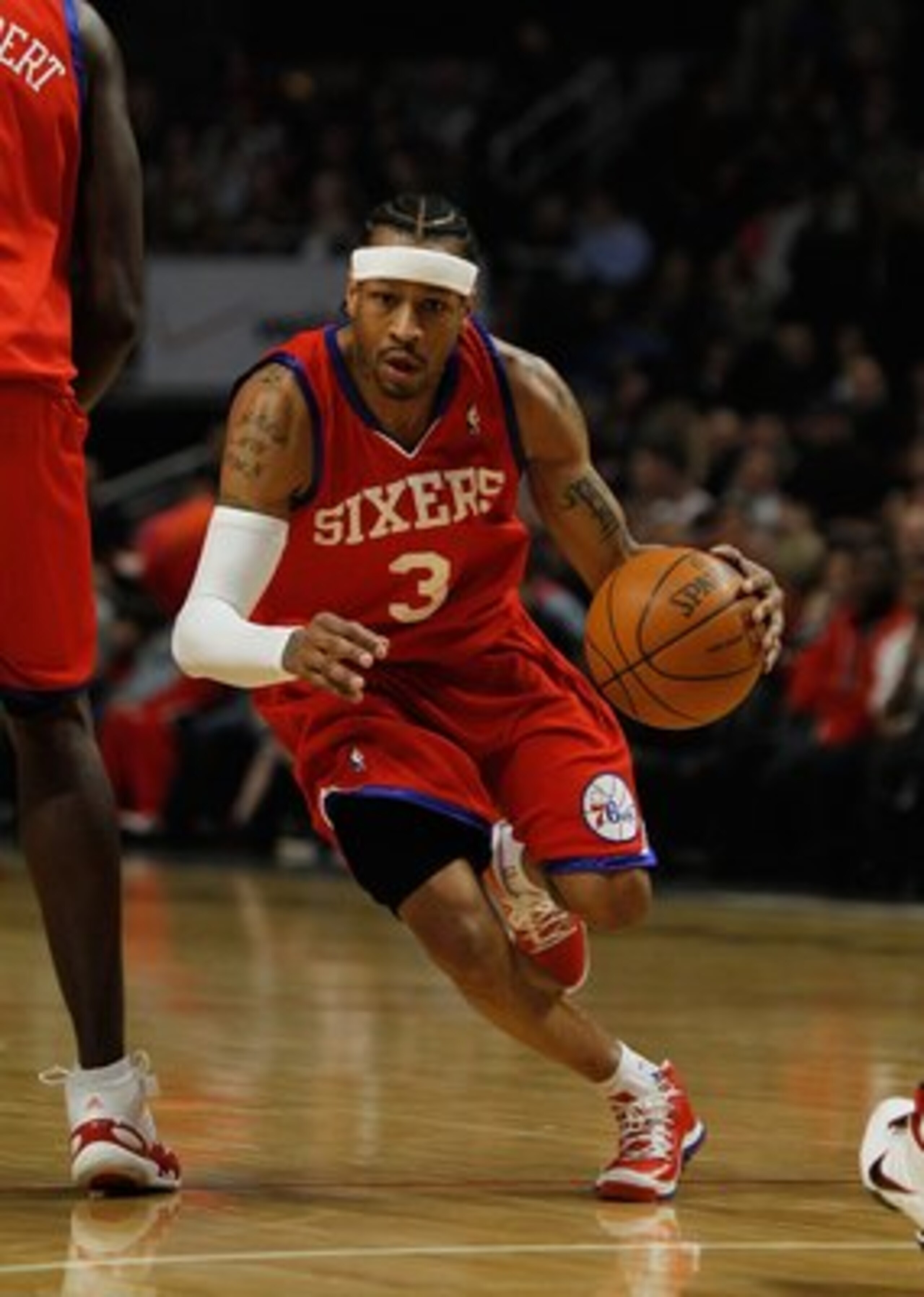
It's weird to think about Allen Iverson as an inspiring or courageous player, but some of the things he has done are overshadowed by his image.
Iverson went through a rough childhood, he was born to a 15-year-old girl with no father, faced a 15-year prison sentence at 17 (he was eventually granted clemency due to lack of evidence) and went through one of the most tumultuous NBA careers of the past decade.
You either hated Iverson a lot or you hated him a little.
In early 2010, reports were coming in that Iverson was broke and hanging around the league to make money.
In January, however, he left the team indefinitely to be closer to his daughter, Messiah, who was extremely ill.
23. Muggsy Bogues
3 of 25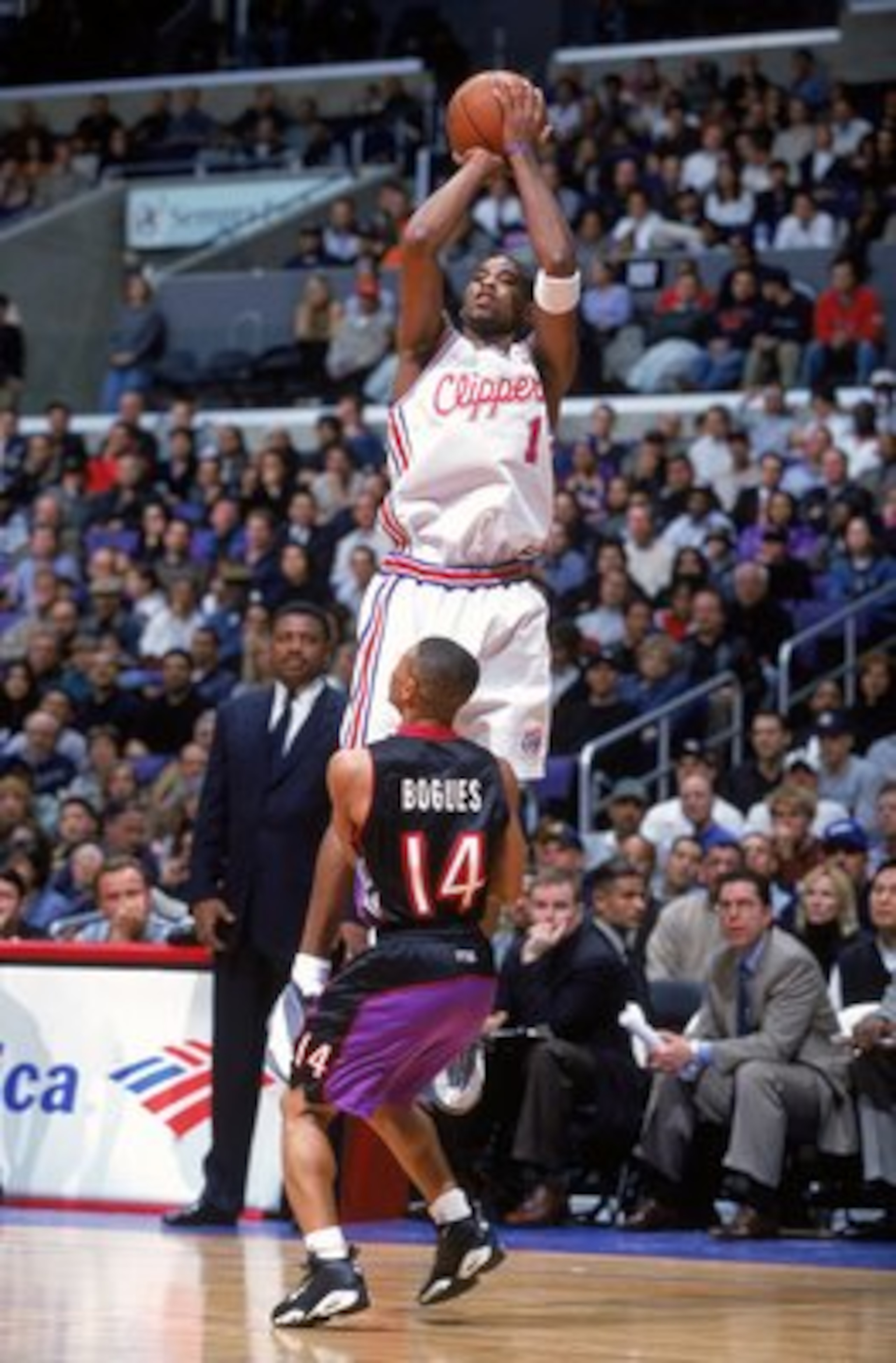
Every once in a while you will see a player who is just ridiculously short. Like Nate Robinson or JJ Barea right now, Bogues was once the little guy in the league.
Unlike many of the others, however, Bouges barely cracked five feet tall.
He was a mere 5'3", yet he played for over a decade and started in over 60 percent of the games that he played in.


22. Tracy McGrady
4 of 25
Tracy McGrady was really only inspirational to me in one situation, but it was one of the most memorable things I have ever seen on an NBA court.
In a game on December 9th, 2004 T-Mac pulled out a basketball miracle with the Rockets down to the Spurs 74-64.
McGrady scored 13 points in the final 33 seconds of the game with four consecutive three-pointers to beat the Spurs 81-80.
That just goes to show you, never give up—no matter how bleak things look.
21. Etan Thomas
5 of 25
An NBA player is always on the alert with what he is saying to the media, so anytime a player speaks out for something that he believes in, you have to respect him, regardless of what he says.
Everything they say is always repeated the next day, so most players censor themselves in fear of hurting their image.
Etan Thomas spoke out in a radio interview against the policies of the Bush Administration, which he believed was perpetuating the meager existence of the poor in this country.
It was at an anti-war protest that he went on his tirade condemning the way the rich get richer and the poor get poorer in this country.
20. Bill Walton
6 of 25
The NBA player that most often comes to mind when talking about political activists is Bill Walton.
Walton was a huge political activist when at UCLA, once even going as far as to deliver a letter to Richard Nixon, asking him to resign.
Walton was also courageous on the court, fighting through some debilitating injuries to work his way back to being the sixth man on the Boston Celtics in the mid-80s.
Oh, and someone please get this man back into broadcasting. I miss this man doing color commentary during the playoffs.
19. George Mikan
7 of 25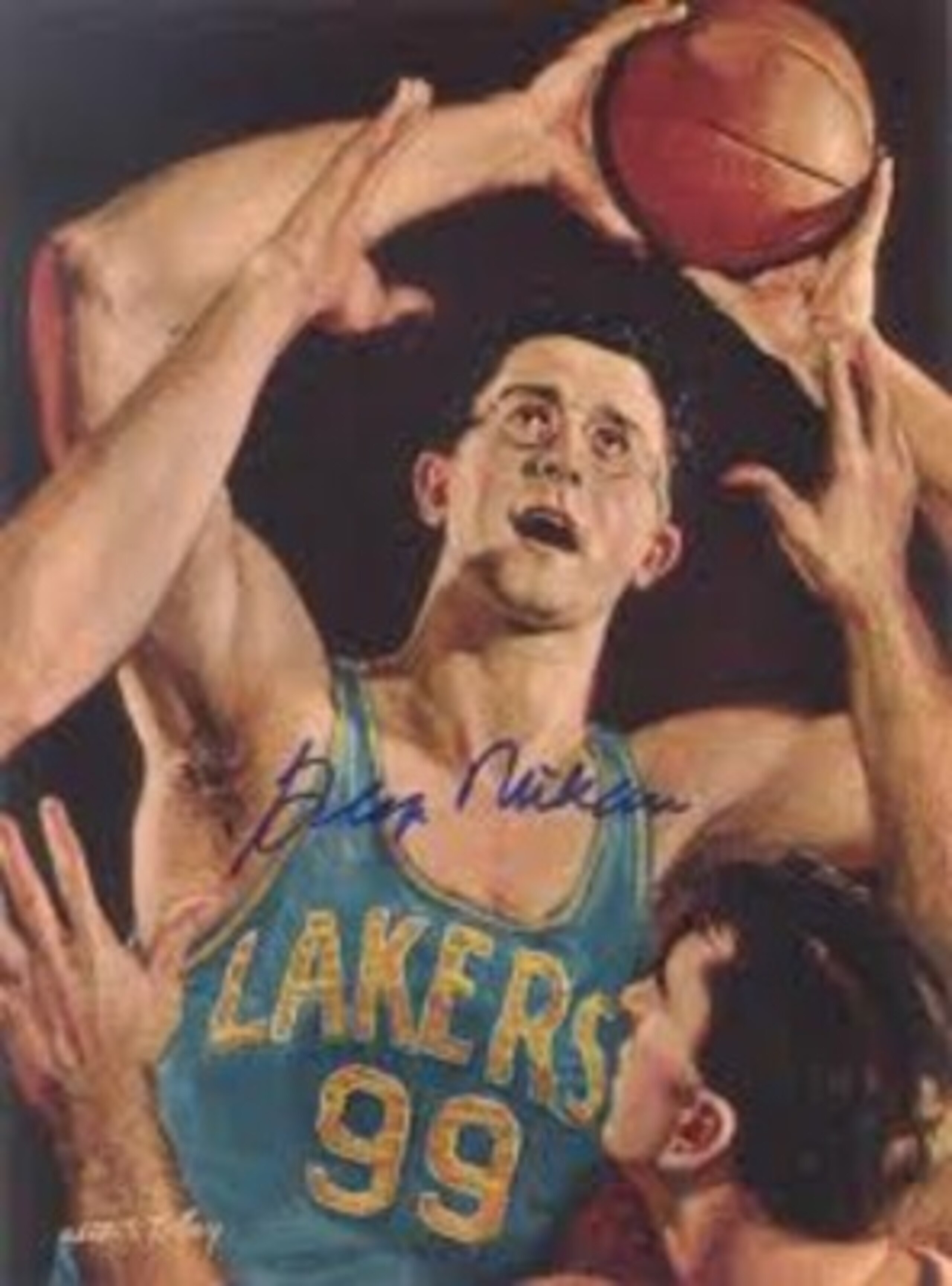
Reports say that George Mikan played through 10 broken bones through his career, the worst of which coming in the 1949 BAA Finals.
Mikan and the Lakers stormed to the Finals, but broke his hand in game four.
Despite playing two and a half games in the series with a broken hand, Mikan averaged 30 points a game in the series.
18. Larry Bird
8 of 25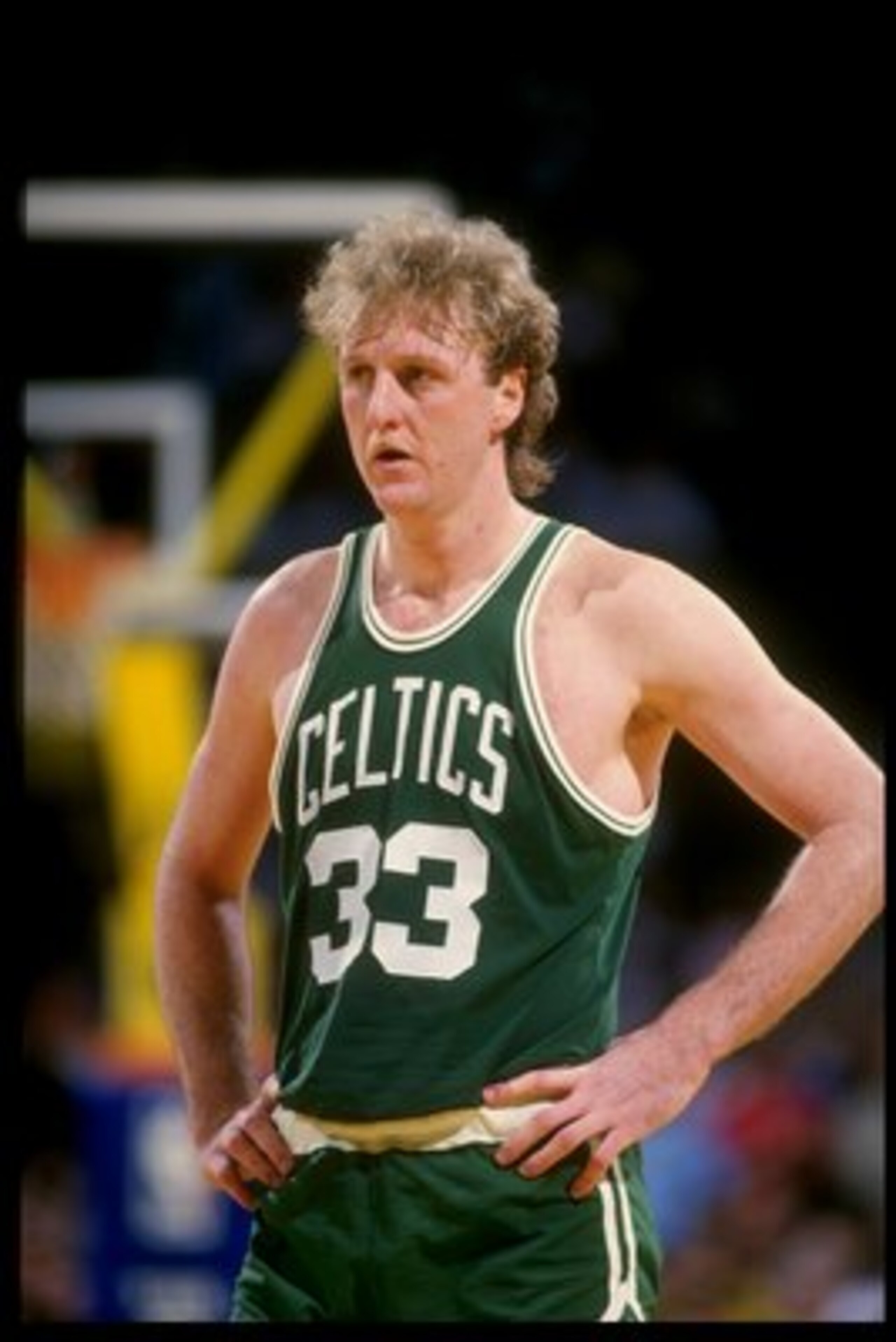
Larry Bird retired from basketball in 1992 due to debilitating back problems that would leave a normal man in traction for days.
As crazy as Bird is, he played with these back problems since 1989.
Bird played in 180 games from 1990-92, usually in terrible pain, but he still averaged at least 20 points a game in those years and led his team to the playoffs in each season.
17. Isiah Thomas
9 of 25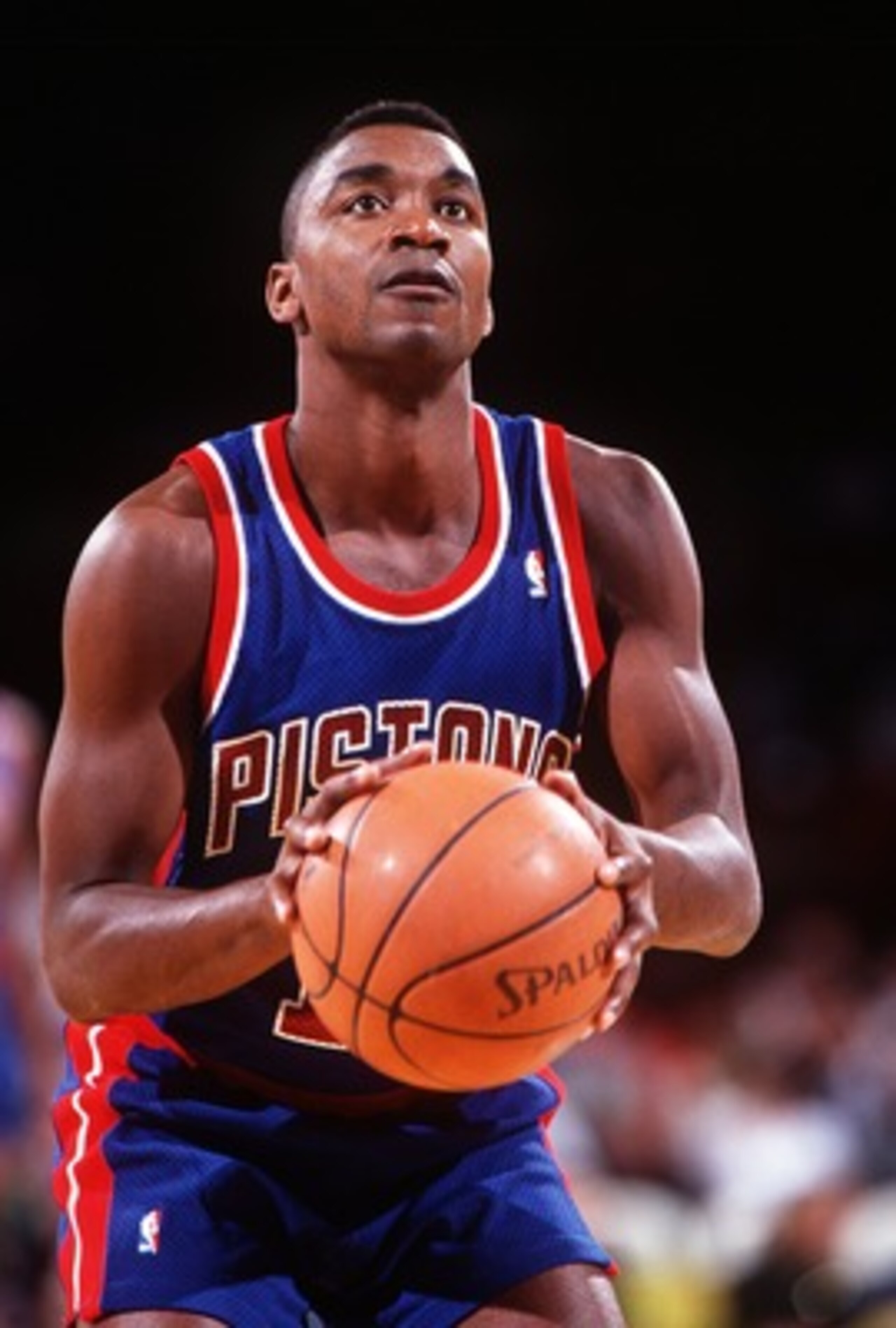
The defining moment of Isiah Thomas' career came in game six of the 1988 NBA Finals.
Late in the game, Thomas severely sprained his ankle, and could barely stand on both legs without grimacing in absolute pain, let alone run up and down the court for another half of basketball.
Still, Thomas finished the game, scoring 25 points in the third quarter.
Unfortunately for Thomas, Kareem Abdul-Jabbar hit two free throws in the waning seconds of the game after a controversial foul was called on Bill Laimbeer.
16. Kareem Abdul-Jabbar
10 of 25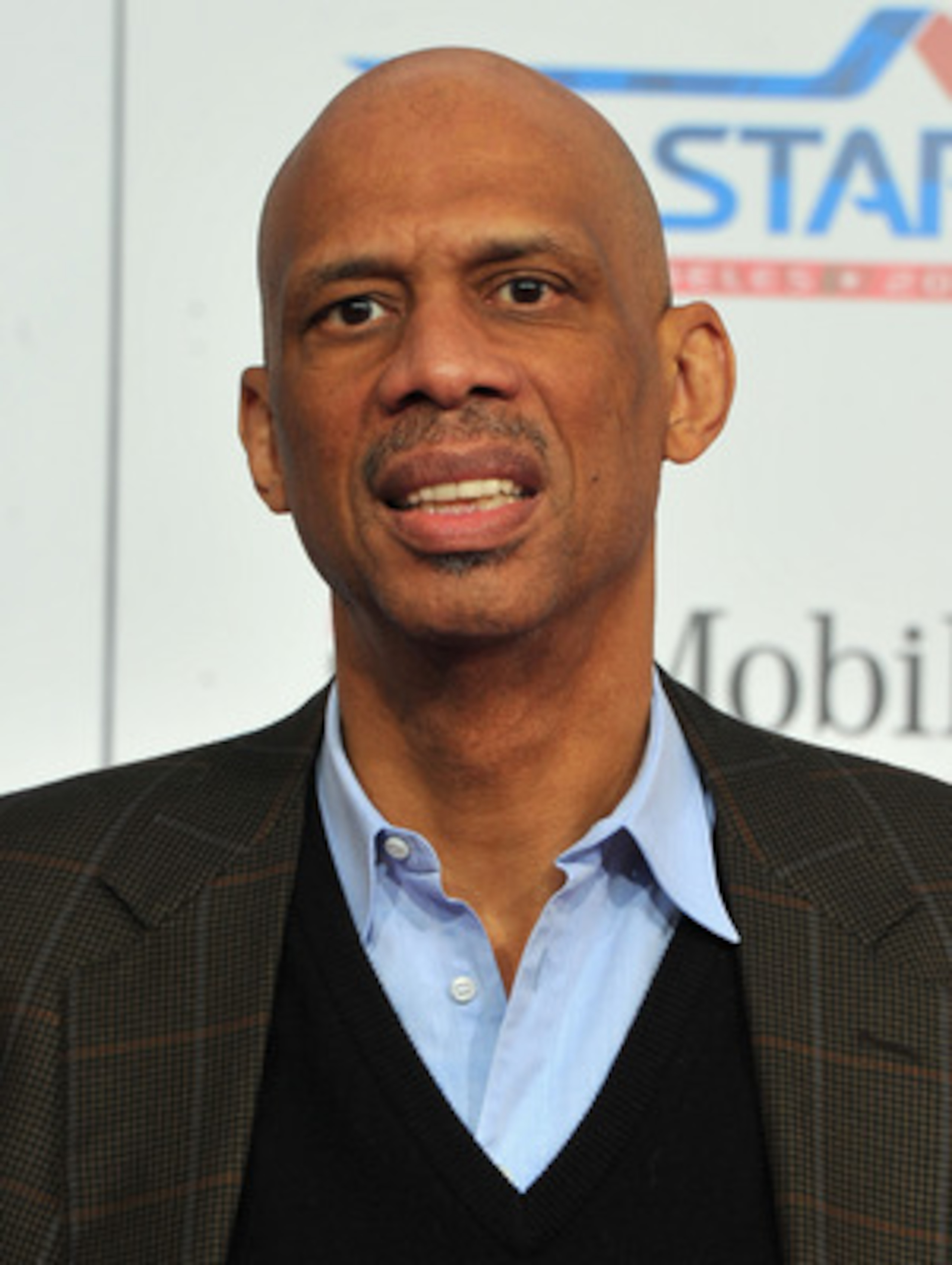
On May first, 1971, the day after his Milwaukee Bucks won the NBA Championship, Lew Alcindor changed his name to Kareem Abdul-Jabbar after converting to Islam.
Kareem put his religion and his beliefs ahead of what the public would want to hear and did what he believed in.
He was continuing the trend in the late 60s and early 70s of black athletes adopting Islam in the rejection of their "slave culture" that had brought them to this country.
15. Francisco Elson
11 of 25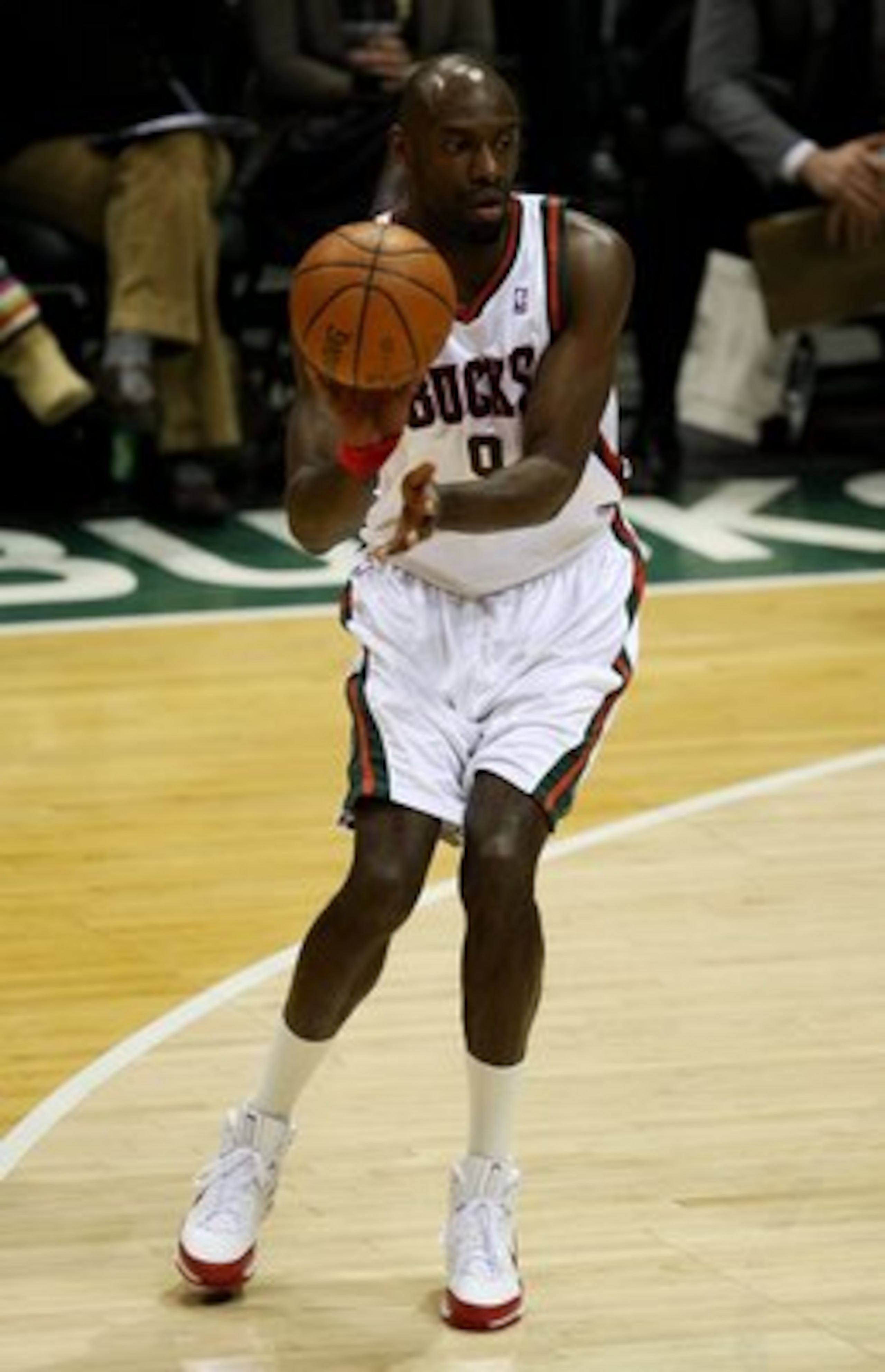
Francisco Elson may not be one of the most well-known NBA players out there, but he did go through a lot in his young life.
At 13 years old, Elson lived with his family in the Netherlands, Elson's 21-year-old brother was playing basketball for a club team.
His brother suffered a heart attack and died later that year, at which point Elson gave up basketball in the fear that he would suffer the same fate as his brother.
Then, at 18 he began playing relentlessly in honor of his brother's memory.
He learned English, came to the United States, went to college and finally made his debut with the Denver Nuggets in 2003.
14. Shaun Livingston
12 of 25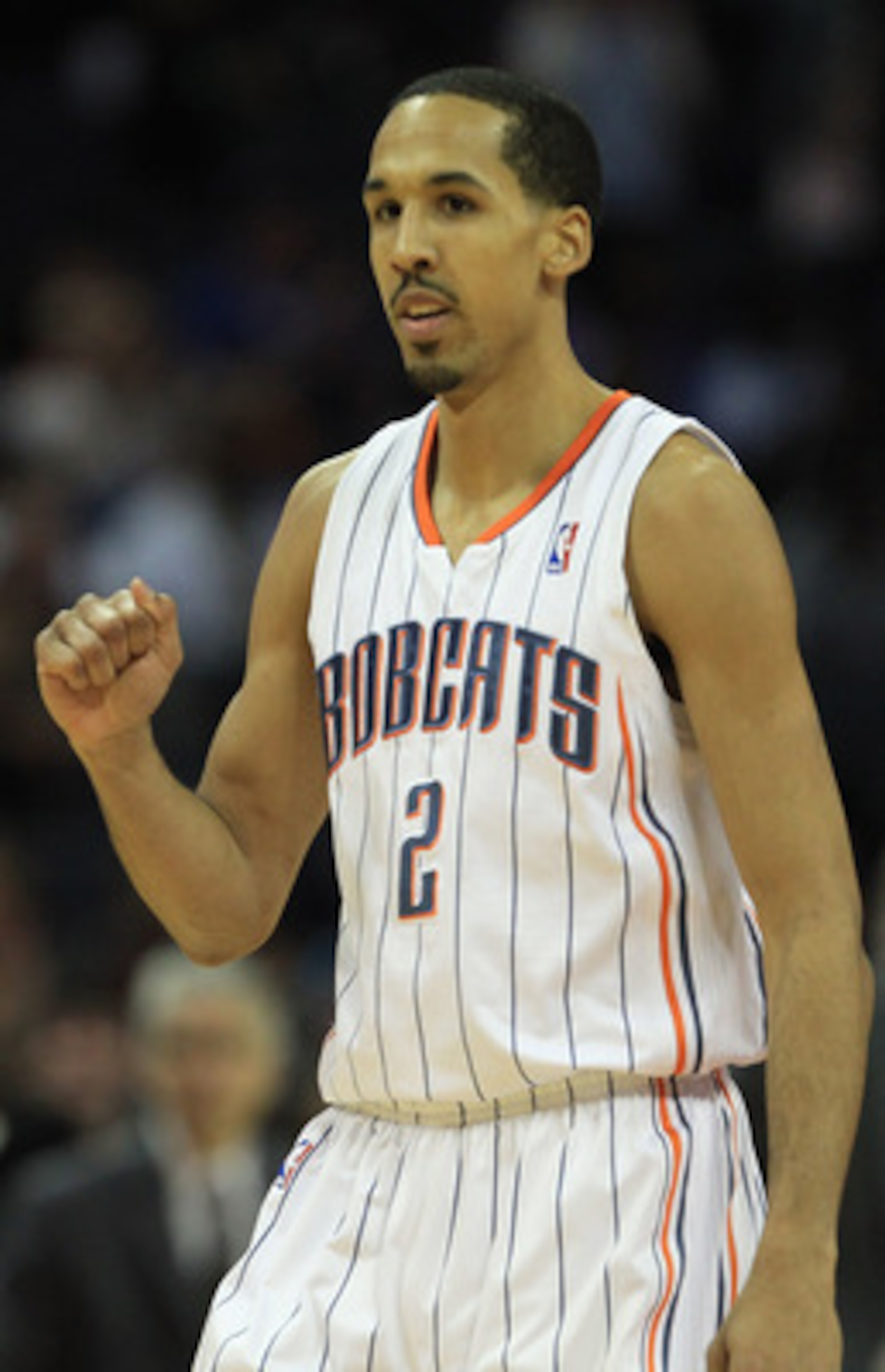
Back in 2007, Shaun Livingston suffered one of the ugliest knee injuries that I have ever seen in all of my days.
Livingston landed awkwardly, injuring nearly every part of his knee, tearing his ACL, PCL and lateral meniscus, spraining his MCL and dislocating his patella and tibia-femeral joint.
Basically his knee exploded.
He made his official return in October 2008, playing four games for the Heat, and finally played a full season this year after signing a two-year contract with the Charlotte Bobcats.
13. Nene
13 of 25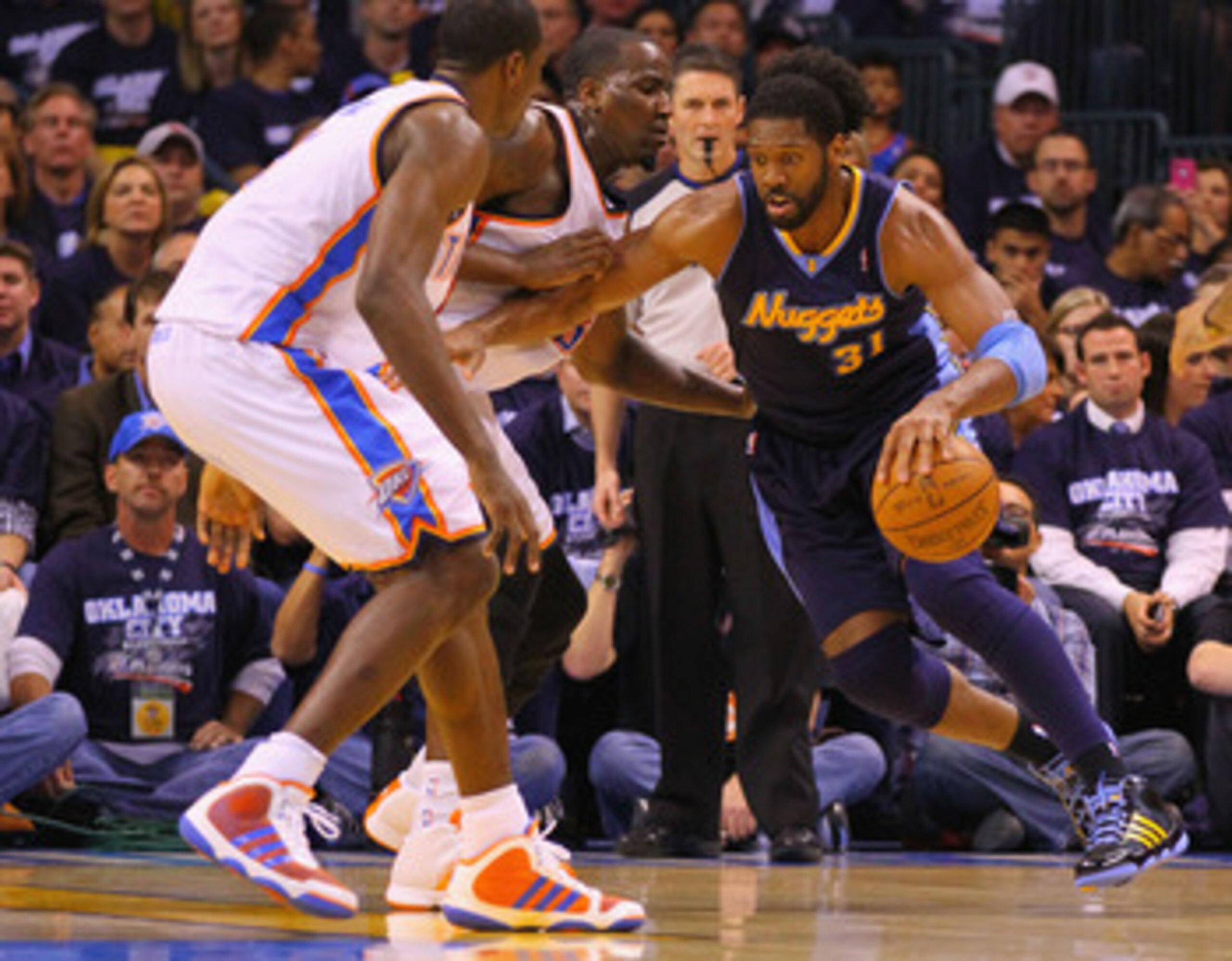
In January of 2008, Nene took an indefinite leave of absence from the Denver Nuggets, announcing that he had a malignant tumor on his testicles.
He had it removed near the end of the month, even returning later that season in a game in March.
Nene came into a game against the Dallas Mavericks with just over a minute left to a standing ovation. The Nuggets won that game 118-105.
12. Alonzo Mourning
14 of 25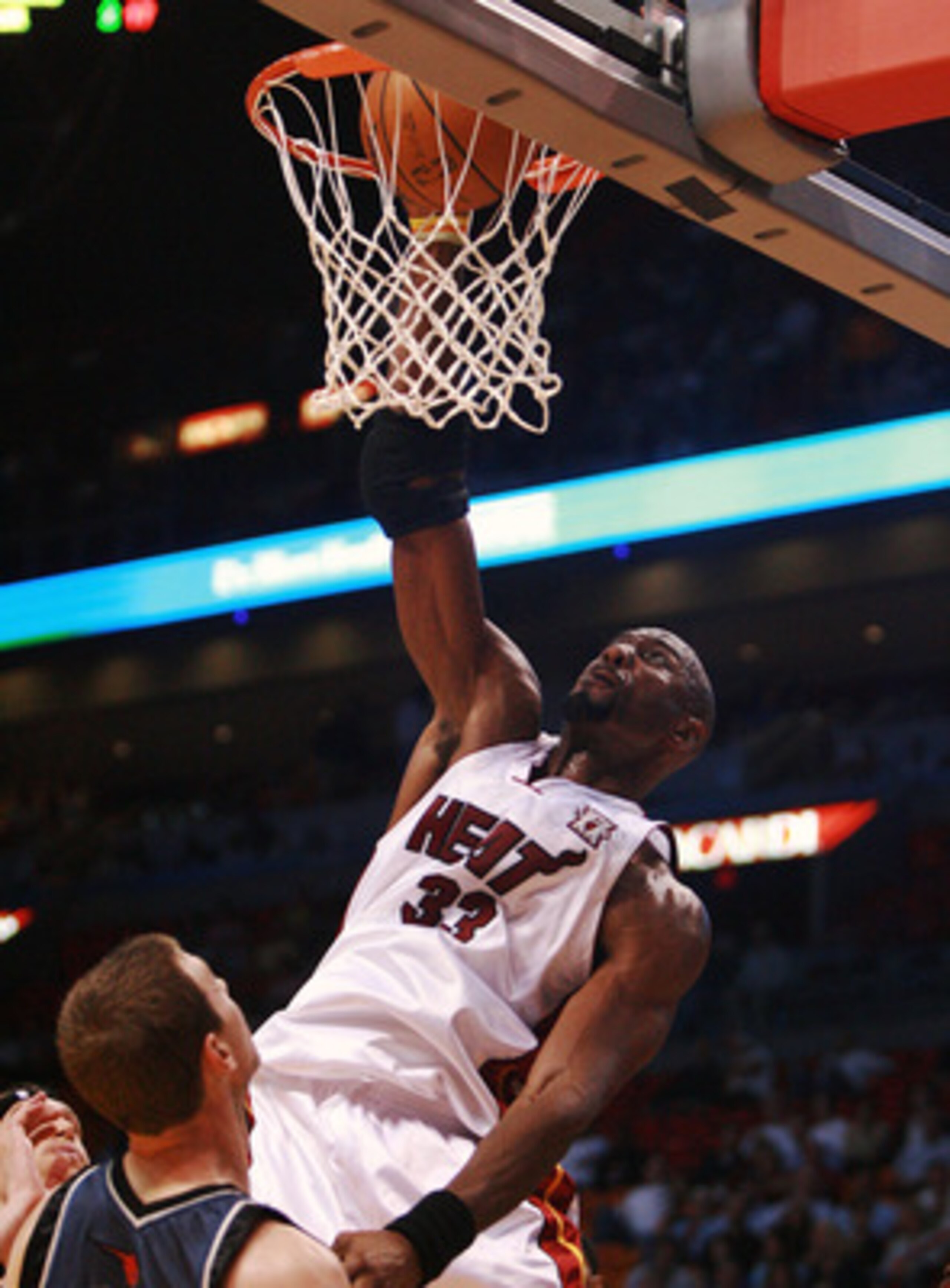
Alonzo Mourning retired from the NBA at the end of November in 2003, announcing that he was suffering from focal segmental glomerulosclerosis, a life-threatening kidney disease.
Mourning received a transplant from Jason Cooper, a cousin that he hadn't seen in 25 years and former U.S Marine.
He started practicing with the team again in 2004 and made the Nets roster in the 2004-05 season.
11. John Amaechi
15 of 25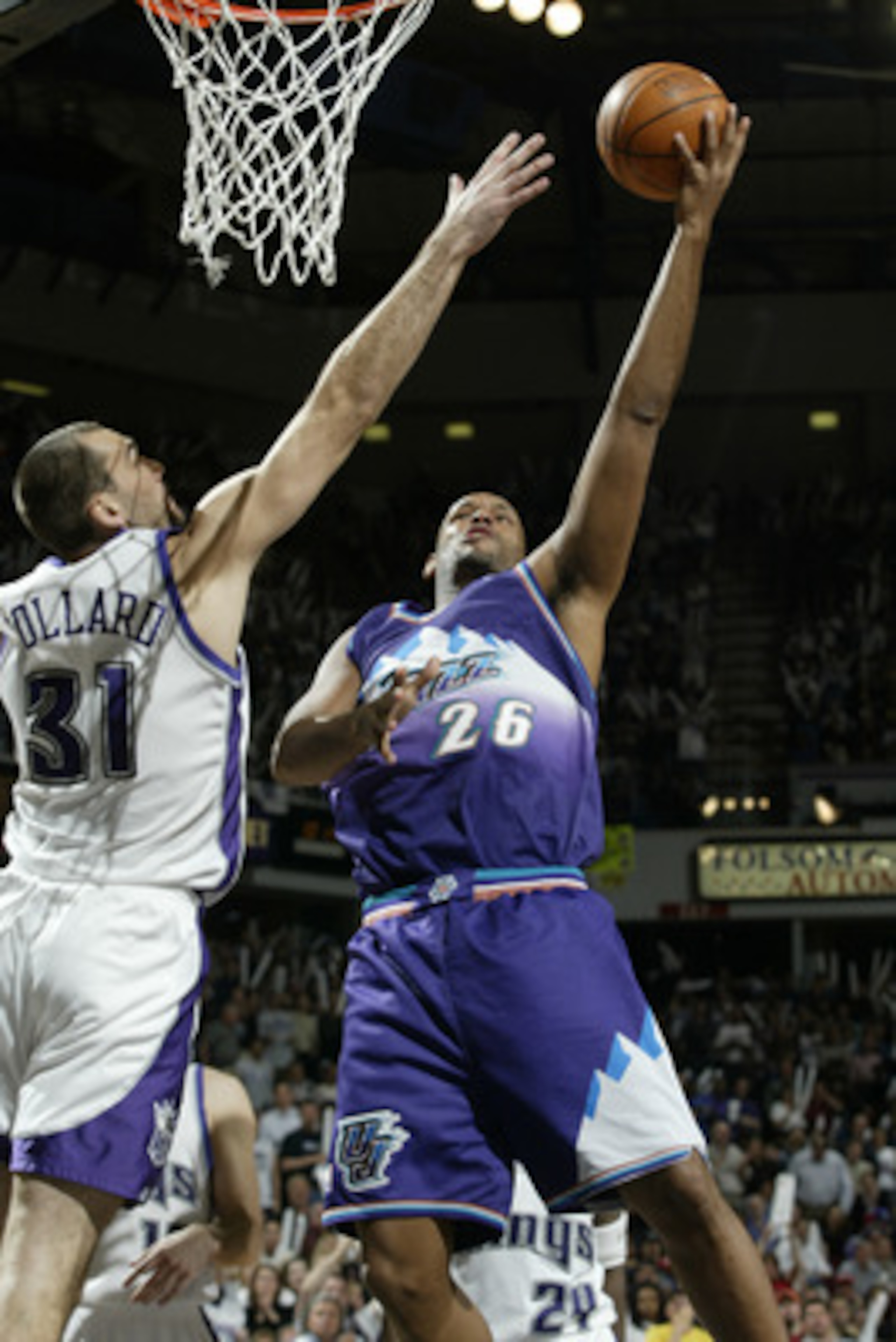
Back in February 2007, the biggest news around the NBA world was the coming out of John Amaechi.
Amaechi was never much of a player in his five years with the Jazz, Cavaliers and Magic, so when the news came out that he was gay, it didn't seem like much of a news story.
However, he was the first openly gay player to have ever played in the NBA.
He detailed how he had to keep his sexuality a secret since college, fearing huge negative repercussions in a sport where those involved are both closely knit and masculine guys.
10. 1966 Texas Western Basketball Team
16 of 25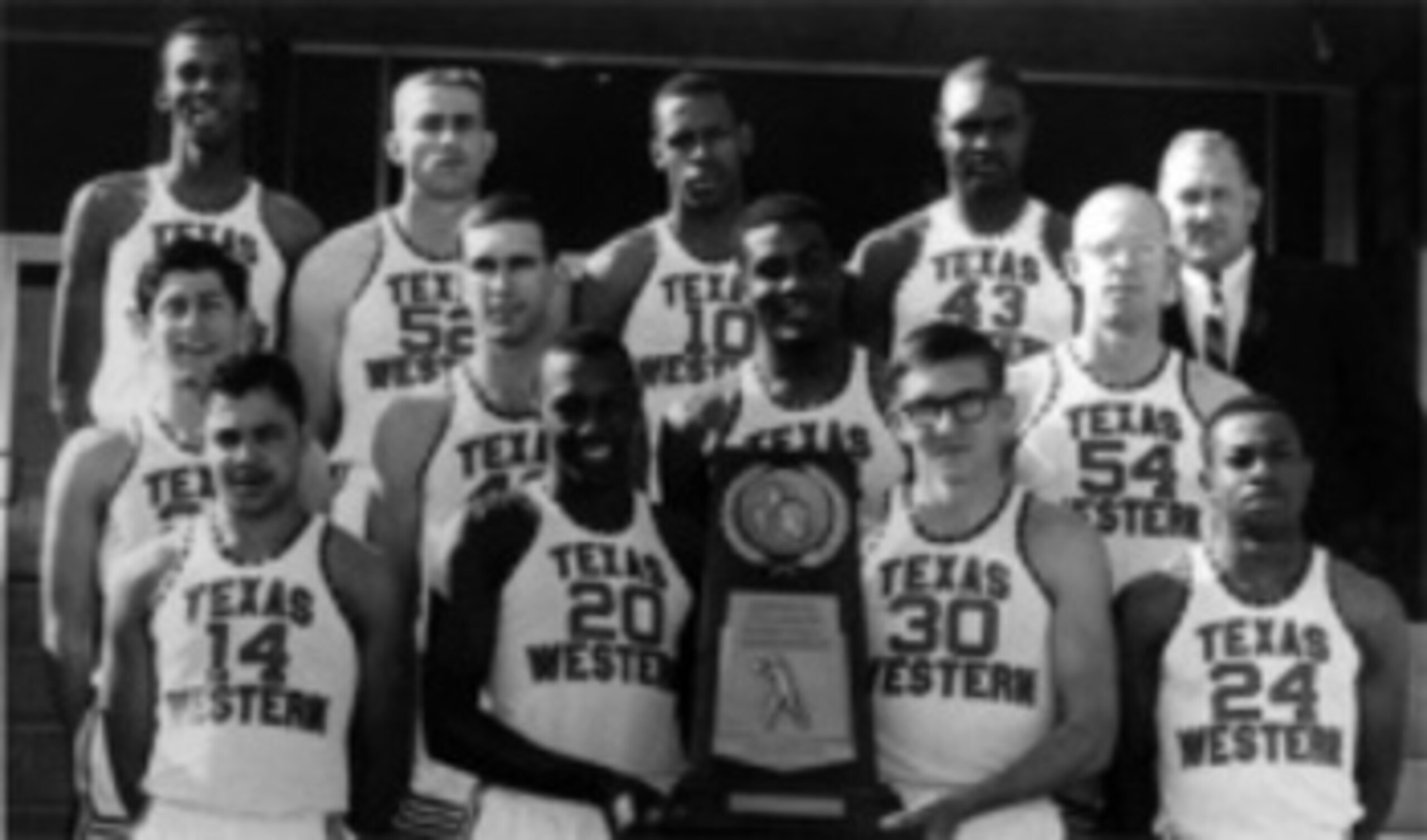
So they aren't part of the NBA. Sue me. The 1966 Texas Western basketball team is far to important to the history of basketball and the US in general to leave out.
The Miners defeated Kentucky 72-65 to become the first NCAA team with an all-black starting lineup to win the NCAA Championship.
In fact, that Texas Western team lost only one game all season long, completely obliterating much of the competition.
9. Dikembe Mutumbo
17 of 25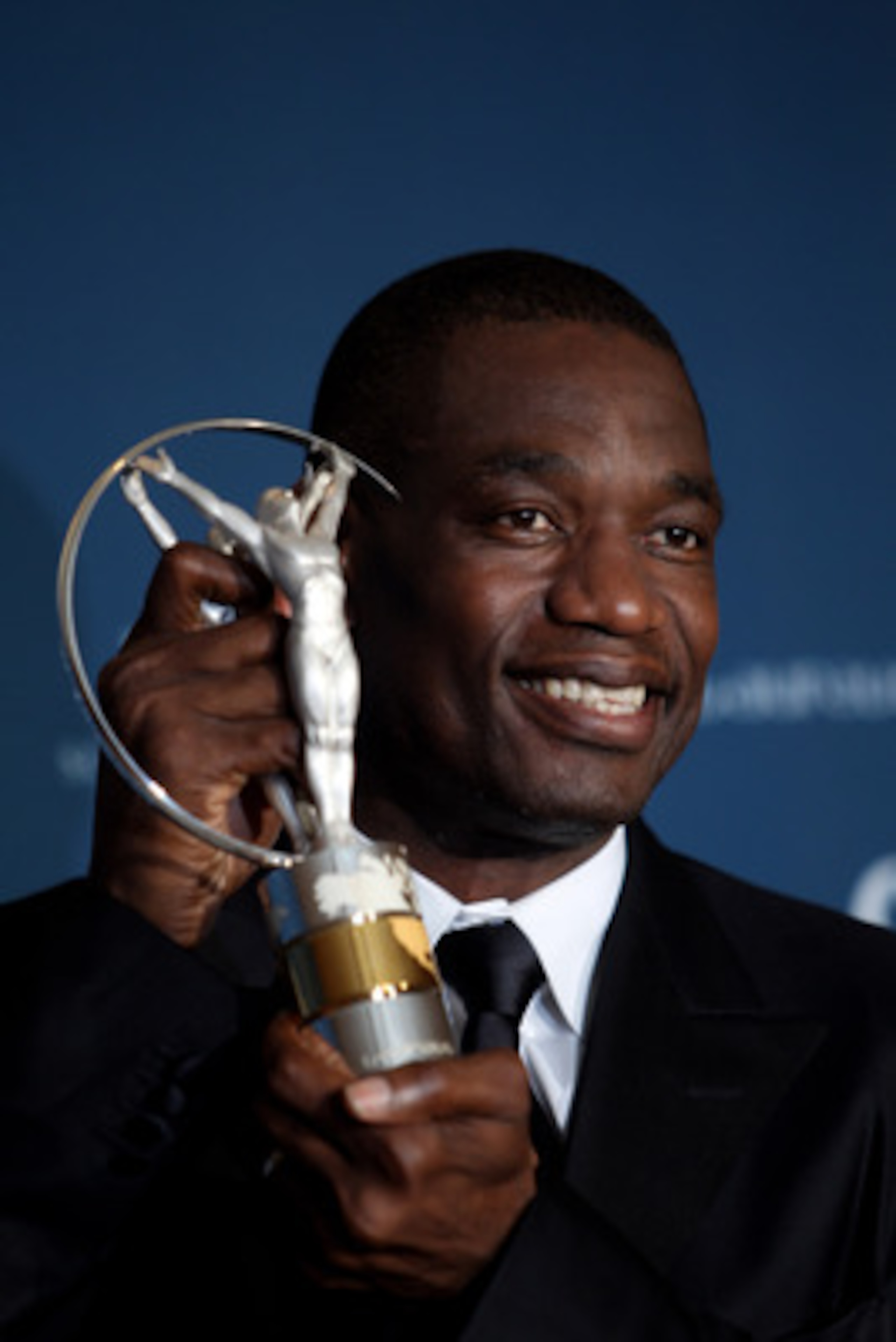
Dikembe Mutombo is one of the biggest humanitarians in the history of the NBA.
He has worked tirelessly to improve the living conditions in his native Congo, winning multiple humanitarian awards, even being invited to President Bush's 2007 State of the Union Address.
Whoever it was that created the seating arrangement for that address must have had no clue who Mutombo was, by the way, as he was sitting next to the tiniest Asian lady in the history of the world.
Mutombo has donated millions of his own money to the Congo, including $15 million to the creation of the Biamba Marie Mutombo Hospital.
8. Willis Reed
18 of 25
7. The Trail Blazers
19 of 25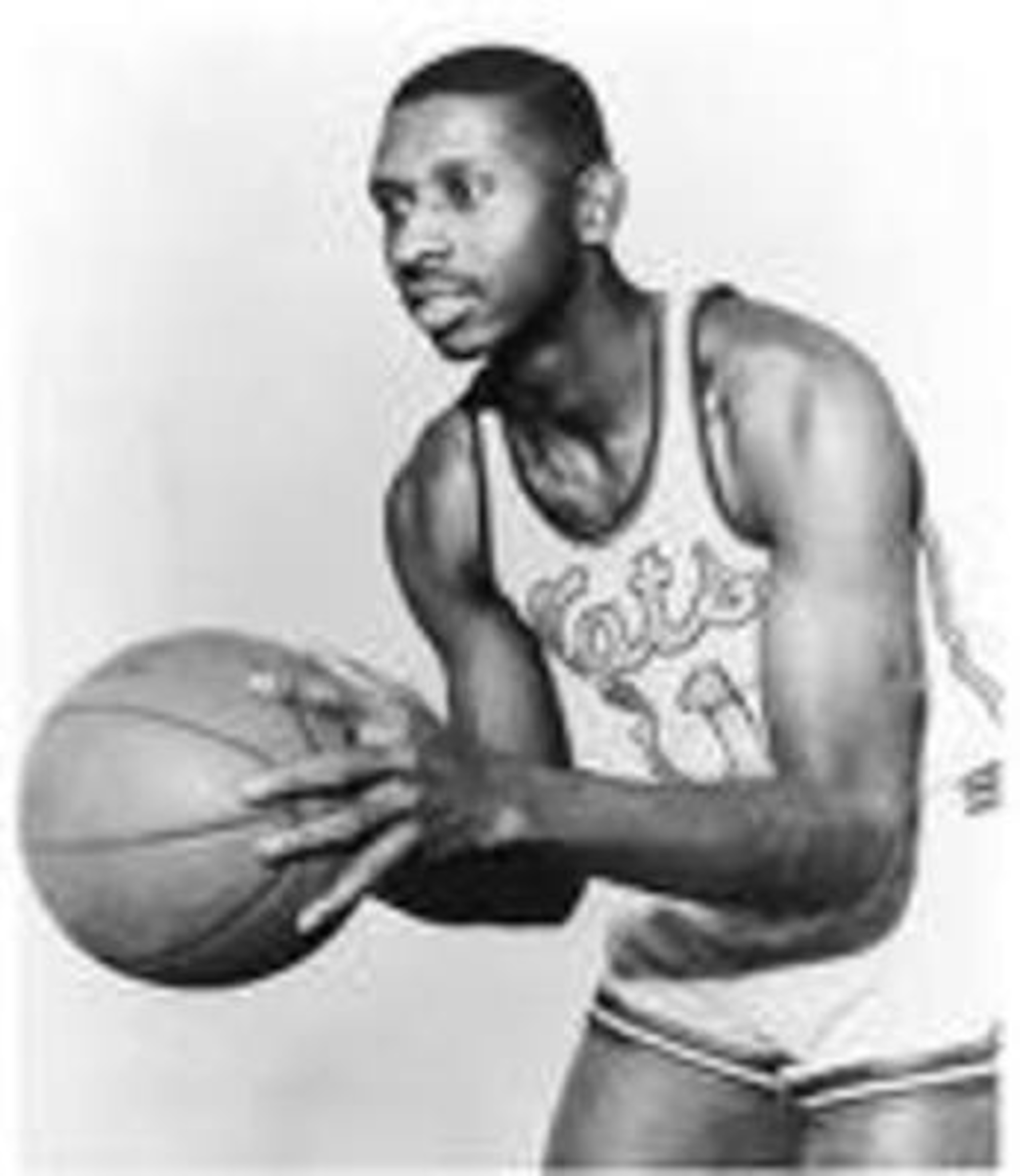
The real Trail Blazers when it comes to NBA history were Earl Lloyd, Chuck Cooper and Nat "Sweetwater" Clifton.
Cooper was the first black man to be drafted by an NBA team and Clifton was the first to be signed by an NBA team.
Finally, Earl Lloyd was the first black man to play in an NBA game on October 31st as a member of the Washington Capitols.
6. Michael Jordan
20 of 25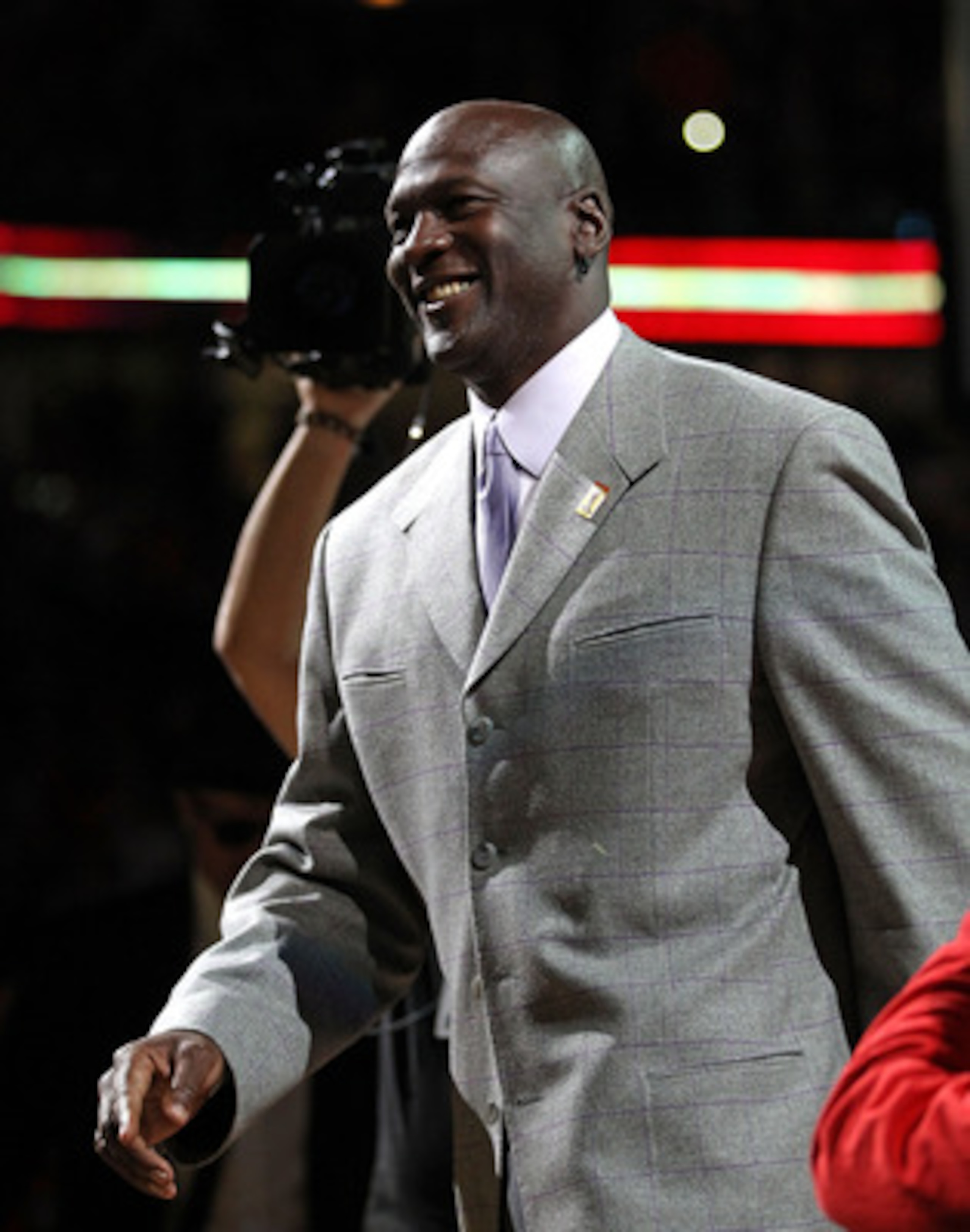
There are many things dotting Michael Jordan's career that point to his courage.
He was deemed too short to play for his varsity high school team as a sophomore, so he became the star of the JV team, making the varsity team his junior and senior years.
His most courageous moment on the court came in the famous "Flu Game", where he thrashed the Jazz for 38 points in game five of the 1997 NBA Finals.
The most courageous thing he did off the court was, of course, go and play baseball.
Already established as the biggest NBA star since Magic Johnson, Jordan decided that he wanted to prove his merit in another sport.
It takes bravery to put yourself on the line like that.
5. Derek Fisher
21 of 25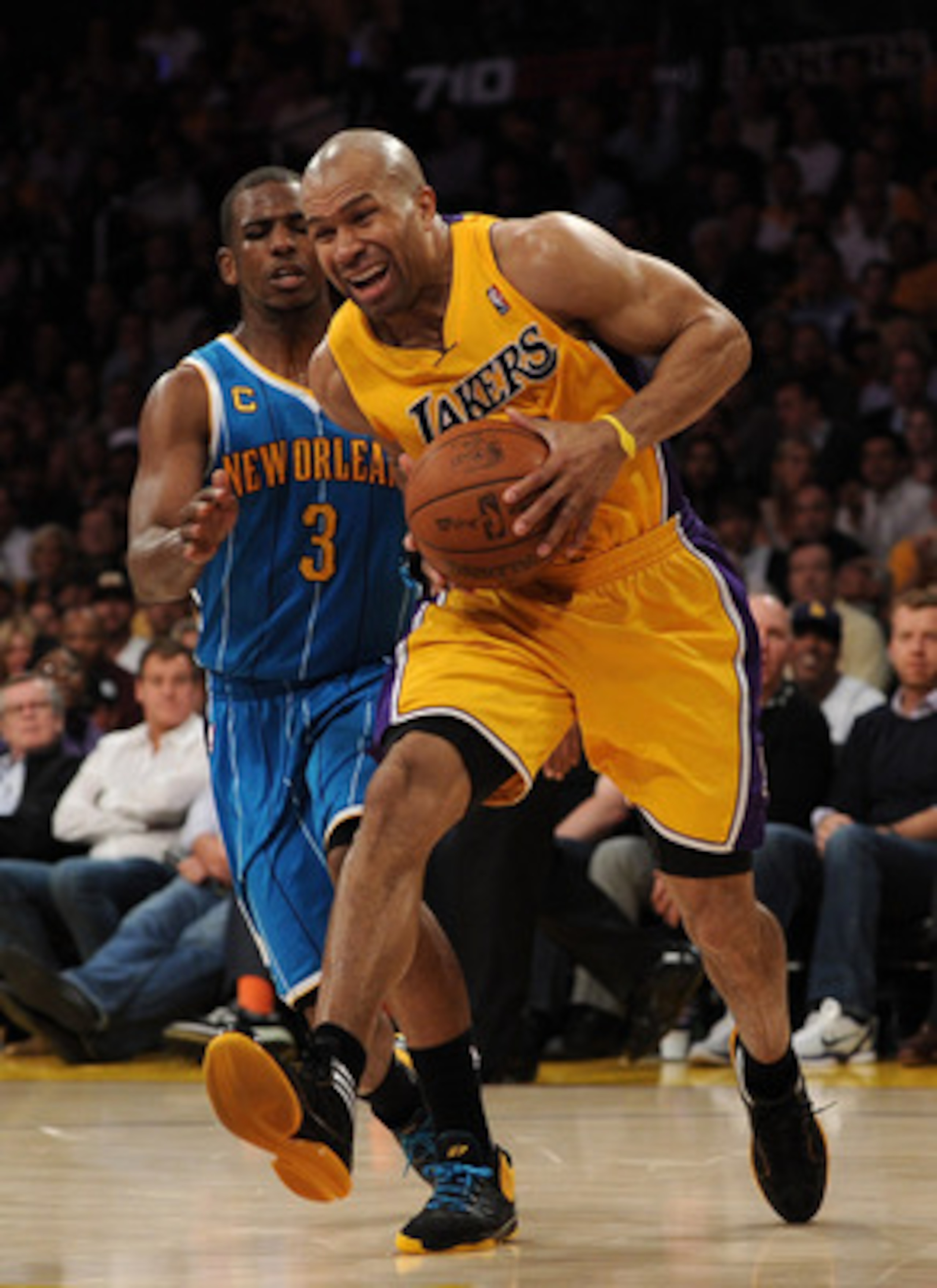
As a member of the Utah Jazz in the 2006-07 season, Derek Fisher helped lead the team to the Western Conference Finals.
Then, at the end of that season, he requested to be released so he could live in a city that would cater more to his daughter's medical needs, as she had retinoblastoma, a rare form of eye cancer.
Utah let Fisher go and he went to sign with the Lakers, giving up $8 million in the process.
Choosing family over career is the ultimate show of courage.
4. Oscar Robertson
22 of 25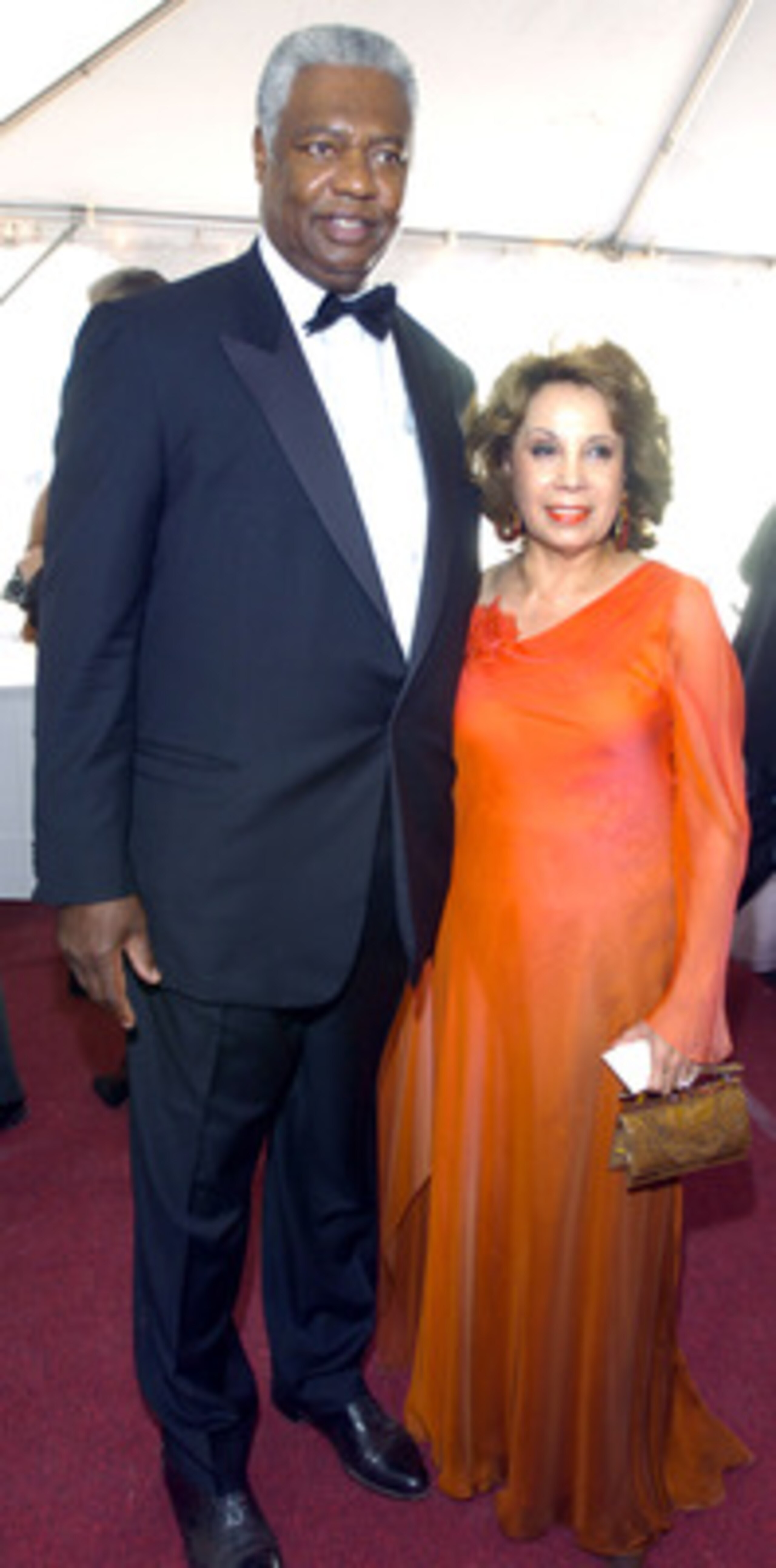
The early years of the NBA were wrought with difficult times for the league's black stars, and many players handled the racism that accompanied them from city to city differently.
While playing at the University of Cincinnati, the Bearcats were in Houston and his team checked in at a hotel with a sign posted that read "No Blacks Allowed" and as his team checked in he was forced to stay at a Texas Southern dorm room.
Later, in North Carolina someone delivered a letter to Robertson from the Grand Wizard of the Klu Klux Klan that said, "Don't ever come to the South."
Rather than lashing out, Oscar shut himself off from the public, channeling all of his anger and rage into basketball.
3. Elgin Baylor
23 of 25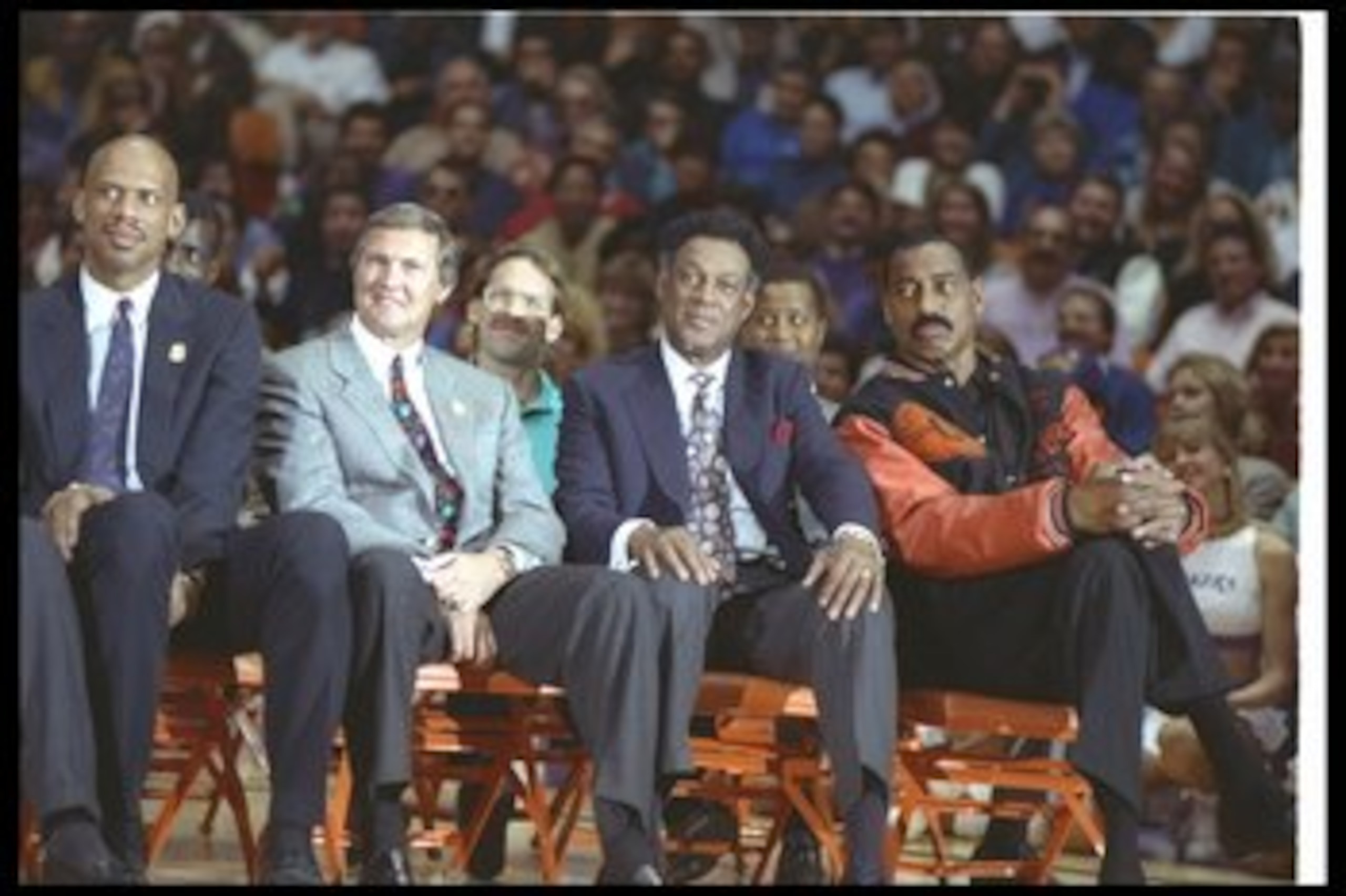
Elgin Baylor is another player greatly effected by racism during his time in the NBA.
While with the Lakers in the late 50s they were playing an exhibition game in Charleston, Baylor and two black teammates were not allowed to stay at the team's hotel or eat anywhere in town.
The people were horrible to Baylor, but he still played.
The mayor of Charleston apologized a few days later and a few years later he was invited to an All-Star game, which he went to as they treated him like a king.
Baylor didn't voice his concerns publicly often, but he worked through it and took it all on the chin, looking like a professional the whole time.
2. Bill Russell
24 of 25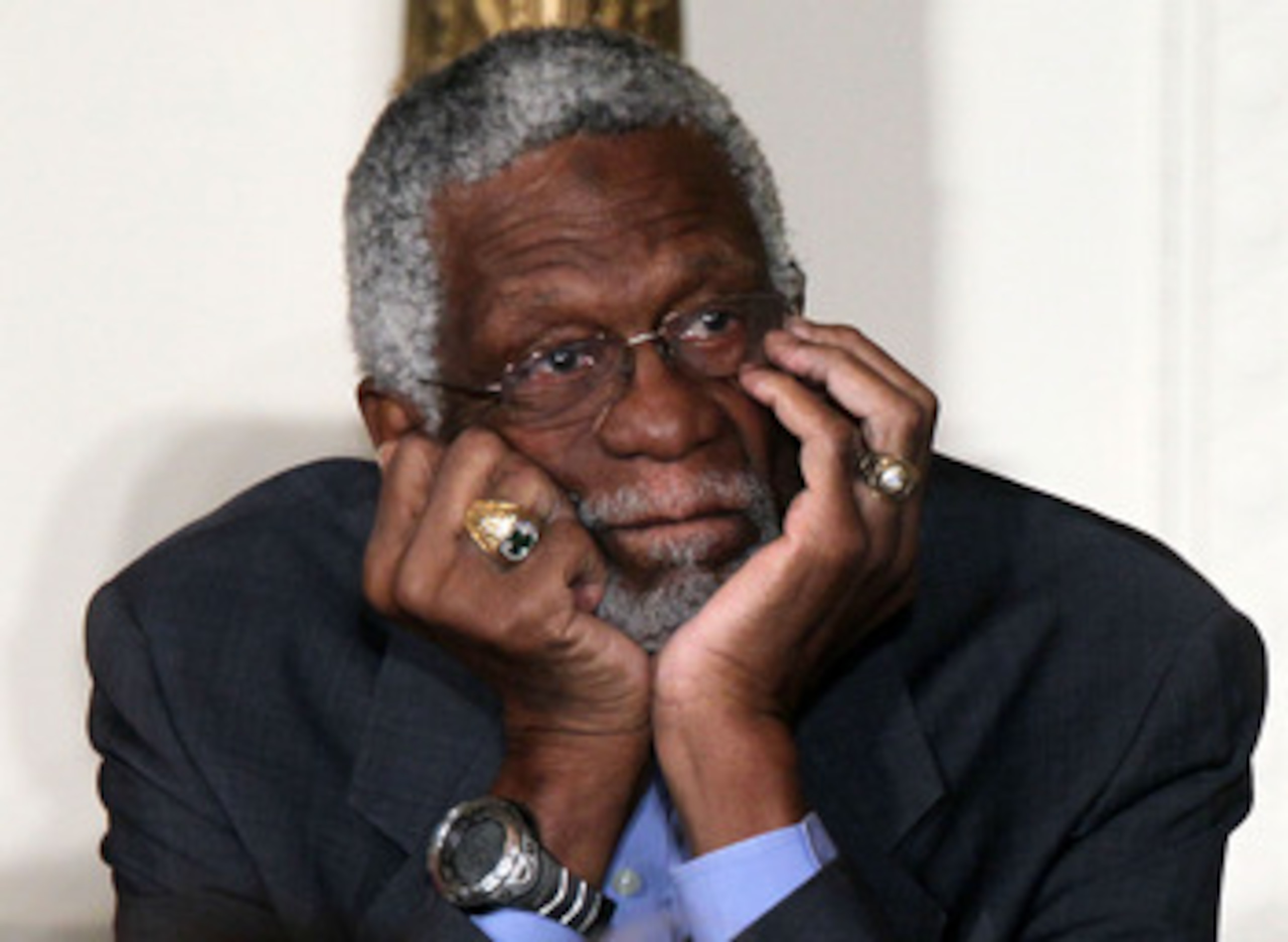
Bill Russell, at the very least was shockingly public about his complaints over racism.
The public was used to its black sports stars taking whatever racism that was thrown at them on the chin, and letting it roll off their backs.
Russell was one of the first to speak out against what he was dealing with on a day-to-day basis, and quite frankly, white people didn't like it.
He did more than any other basketball player in the history of the NBA for the advancement of african-americans in this country.
1. Magic Johnson
25 of 25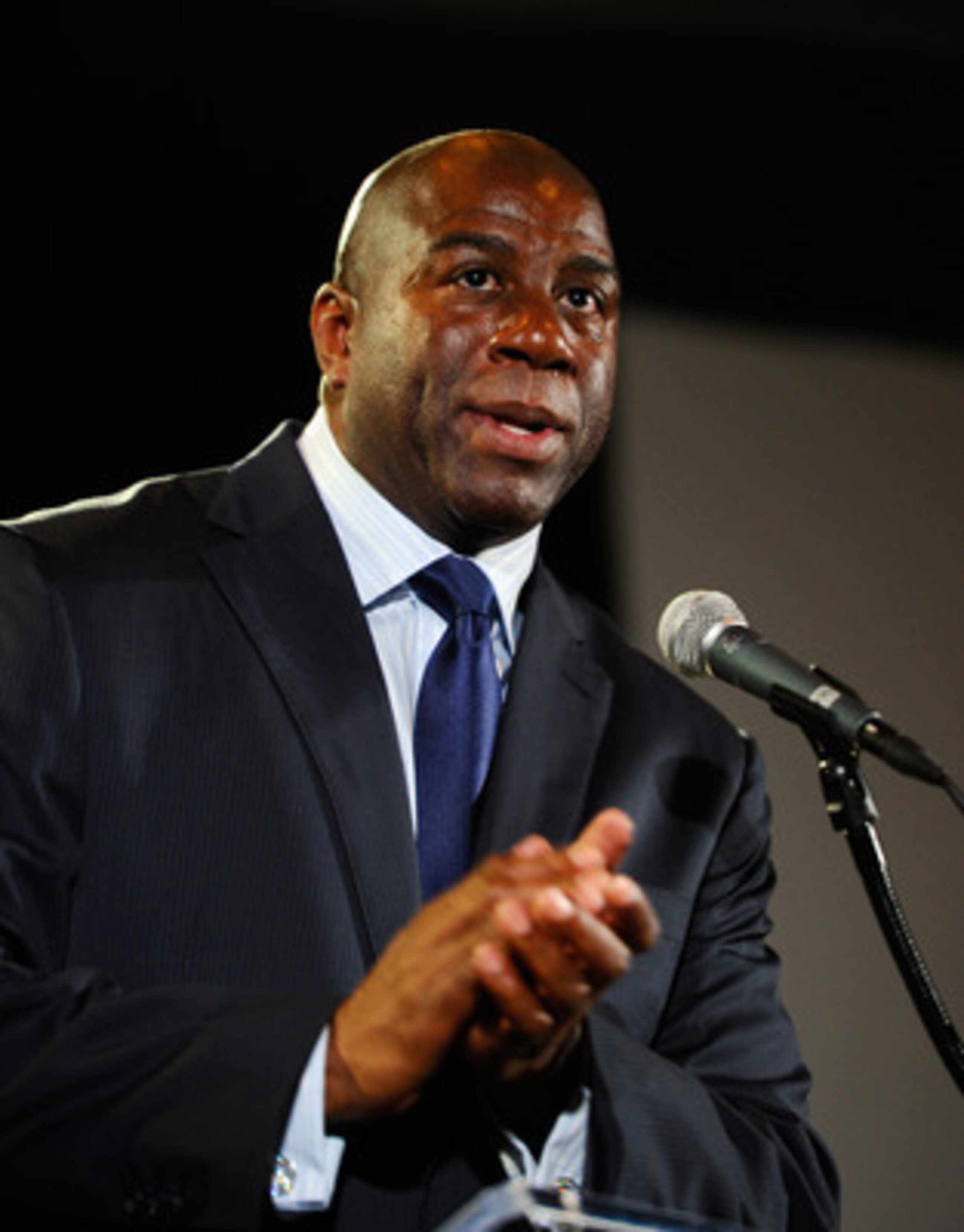
On November 7th, 1991, Magic Johnson announced that a physical had revealed that he tested positive for HIV, and would retire immediately.
Johnson attempted a comeback during the 1994-95 season at 36, which lasted only one season. He said he just wanted to retire on his own terms.
The mere fact that such a public figure had contracted a disease that at the time was just emerging to prominence as a disease that heterosexuals could get increased awareness exponentially.

.jpg?w=2560)


.jpg?w=2560 "Latest Peyton-Colts Rumors")

.jpg?w=2560 "Landing Spots for Trade Candidates 📍")
.jpg?w=2560 "Ugly Jets Scoring Stat 😳")