
2011 NBA Draft: 10 Players Who Made a Mistake Entering the Draft
With all the excitement surrounding the 2011 NBA Playoffs, it's easy to forget that the 2011 NBA Draft is practically just around the corner.
Now that the deadline for early declaration has passed, the field of potential draftees won't get any bigger, though it figures to shrink by the time the withdrawal deadline rolls around on June 13th as some underclassmen find that their draft stock just isn't what they thought it would be while others simply get cold feet.
When all is said and done, there will still likely be plenty of prospects left with their names in the proverbial hat for the June 23rd draft who, frankly, should never have even tested the waters in the first place.
Here are 10 such players.
Tyler Honeycutt, Sophomore, UCLA
1 of 10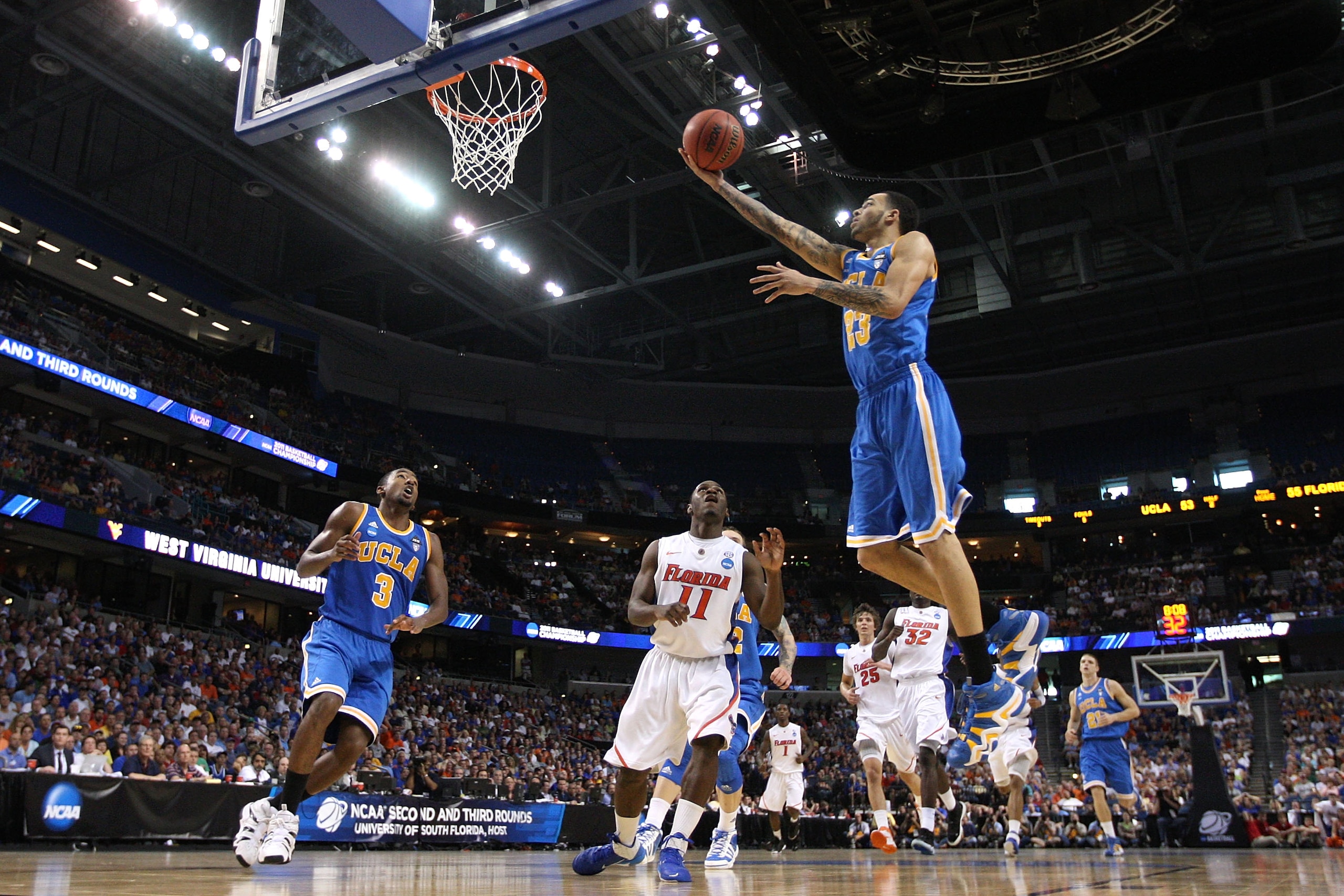
Kicking off the list is UCLA's Tyler Honeycutt.
The sophomore wing blew up nationally after posting 33 points, nine rebounds, four assists, two steals and a block in the Bruins' heartbreaking loss to Kansas at Allen Fieldhouse this past season.
Despite being plagued by injuries and inconsistency through the rest of the campaign, to UCLA's second-round loss to Florida in the NCAA Tournament, Honeycutt decided to jump headfirst into the NBA Draft by signing with an agent, thereby forfeiting the remainder of his college eligibility.
The slender 6'8", 188-pounder will likely go at some point in the mid-to-late first round thanks to his bouncy athleticism, versatility and nose for the basketball.
However, any attentive Bruin fan will tell you that Honeycutt, who averaged 12.8 points, 7.2 rebounds, 2.8 assists and 2.1 blocks per game, underperformed considerably as a sophomore and could easily be a top-10 pick in the 2012 NBA Draft if he decided to stick around for his junior year.
Malcolm Lee, Junior, UCLA
2 of 10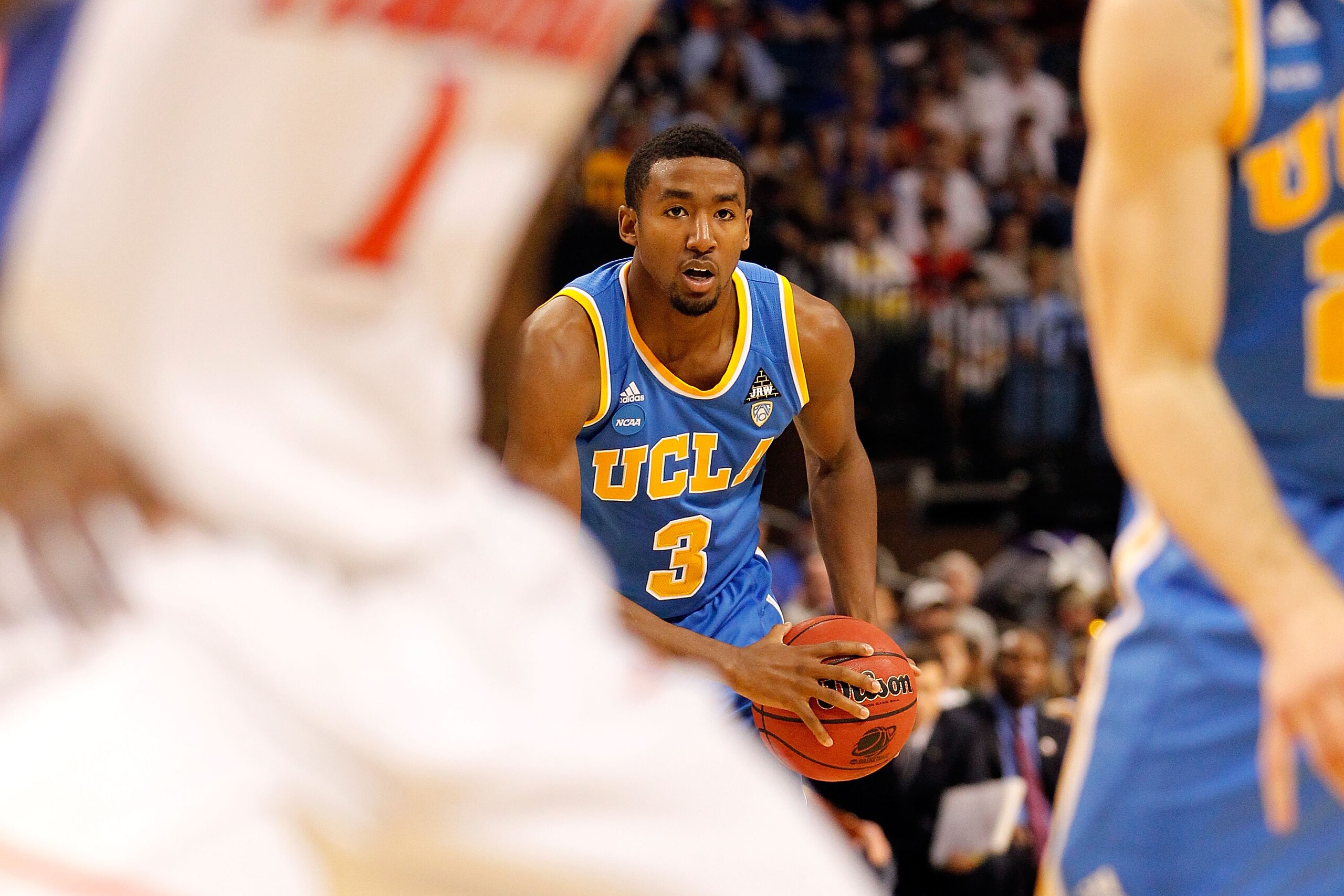
Honeycutt isn't the only Bruin who probably shouldn't be in the 2011 NBA Draft pool.
Malcolm Lee arguably wouldn't have that much to gain from another year in college as far as his draft stock is concerned, particularly with the way that seniors tend to be stigmatized for staying all four years.
Then again, it's not as though Lee would have much to lose were he to come back to Westwood for his senior season. As it stands, the 6'5" guard from Moreno Valley is a mid-second rounder who would be lucky to get even a sniff of the first round after putting up 13.1 points and 3.1 assists per game in 2010-11.
Lee is highly regarded for his prowess as a perimeter defender but lacks a consistent offensive arsenal and the leadership ability to assert himself in a game.
Had Lee remained in school for another year, he would've had a golden opportunity to prove that he's worthy of a guaranteed contract.
Now, he'll likely have to sing for his supper in some team's preseason camp.
Isaiah Thomas, Junior, Washington
3 of 10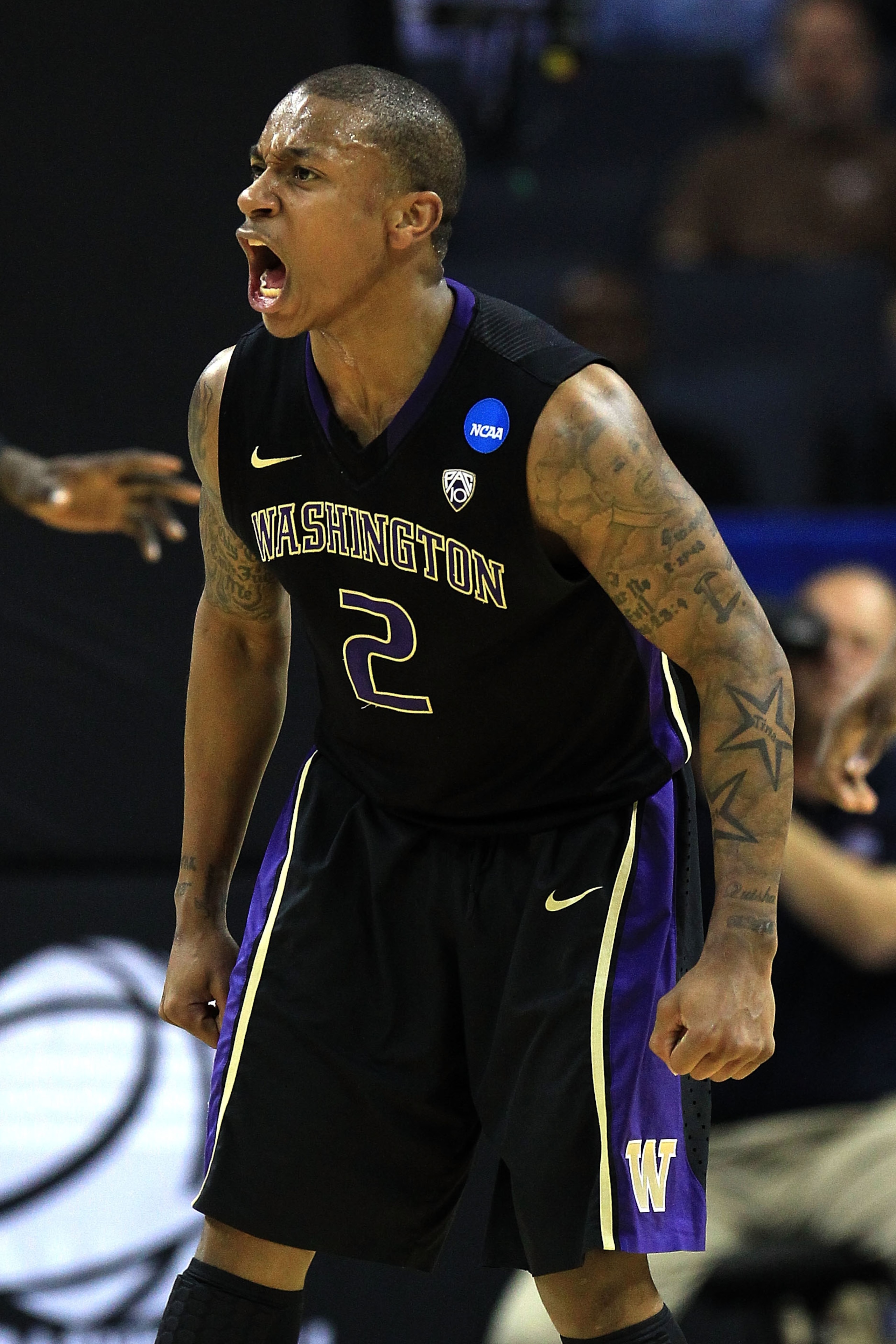
The Pac-12 talent drain continues with the early defection of Isaiah Thomas from the University of Washington.
The two-time Pac-10 Tournament Most Outstanding Player and former conference Freshman of the Year had a solid junior season for Lorenzo Romar's Huskies during which he averaged 16.8 points and 6.1 assists per game while leading his team back to the NCAA Tournament.
As good as Thomas was in college, though, he figures to have a tough time sticking in the NBA.
Thomas is undersized at 5'9", to say the least, and is a bit of a streaky shooter at this point, all of which makes him solidly second-round material.
Not that a little lead guard like himself can't have some success in the pros; one need look no further than fellow UW alum Nate Robinson for proof.
Perhaps another year in school would've encouraged another late growth spurt for Thomas.
Or not.



DeAngelo Casto, Junior, Washington State
4 of 10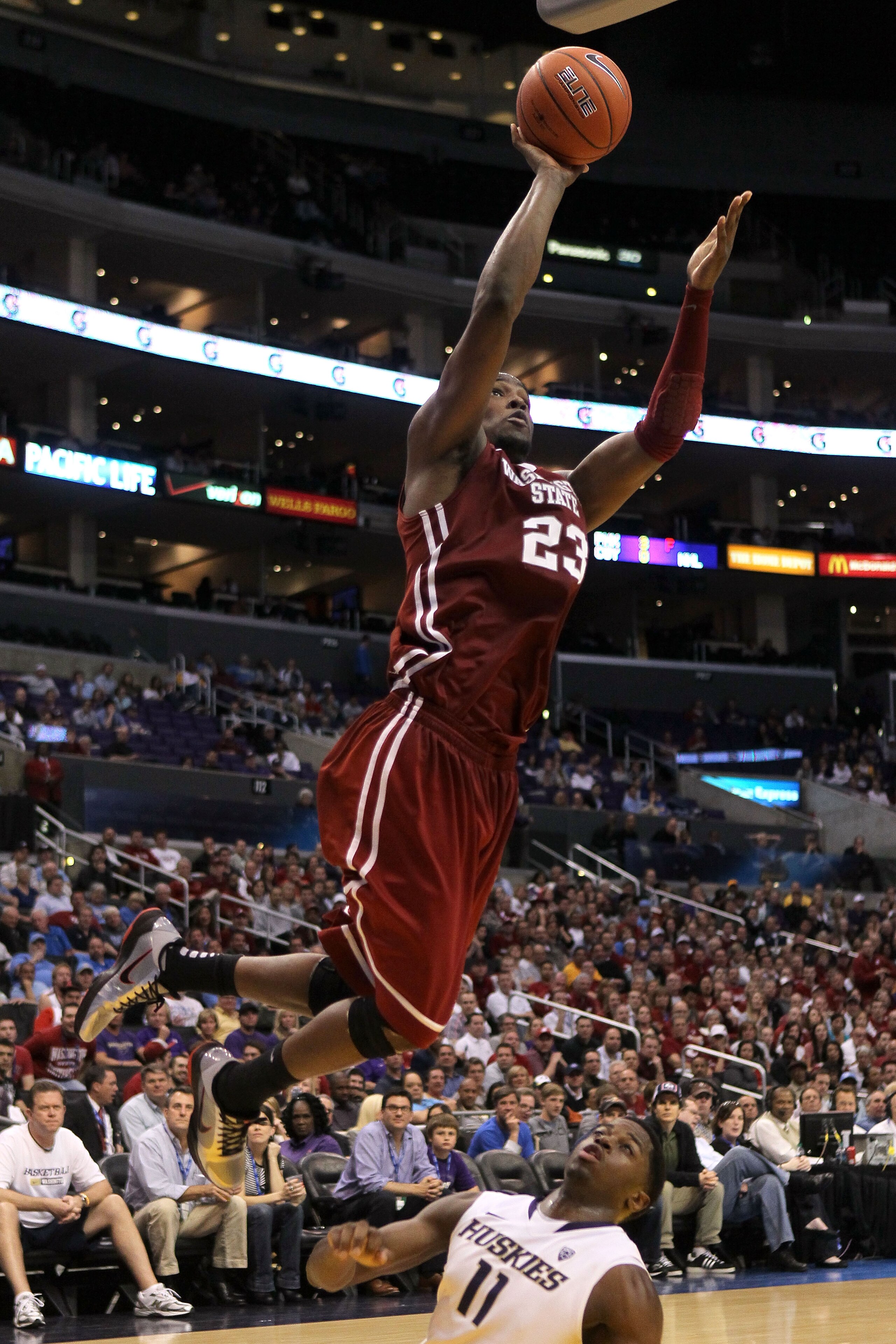
Perhaps the most head scratching of any early draft decision has been that of DeAngelo Casto.
Casto was the third leading scorer on a Washington State team that failed to reach the NCAA Tournament with averages of 12.0 points, 6.8 rebounds and 1.8 blocks.
Something about those numbers encouraged the 6'8" forward to forgo his fourth year of eligibility and hire an agent for the NBA Draft.
Wait, what?
So what are the odds that anyone takes a chance on an undersized power forward with minimal national exposure at any point in the draft?
Greg Smith, Sophomore, Fresno State
5 of 10
If Casto's decision leaves some room for doubt, then the early entry of Fresno State's Greg Smith is a downright head-scratcher.
At 6'10" and 250 pounds, Smith is clearly a gifted prospect on whom at least one NBA scout would willingly take a chance on with a draft pick, if not for Smith's poor attitude and lack of productivity in relation to his physical talents.
Smith's numbers—11.7 points and 8.1 rebounds per game—are respectable but far from exciting for a guy capable of so much better.
Which is why Smith might very well find himself playing in Europe next year.
Jereme Richmond, Freshman, Illinois
6 of 10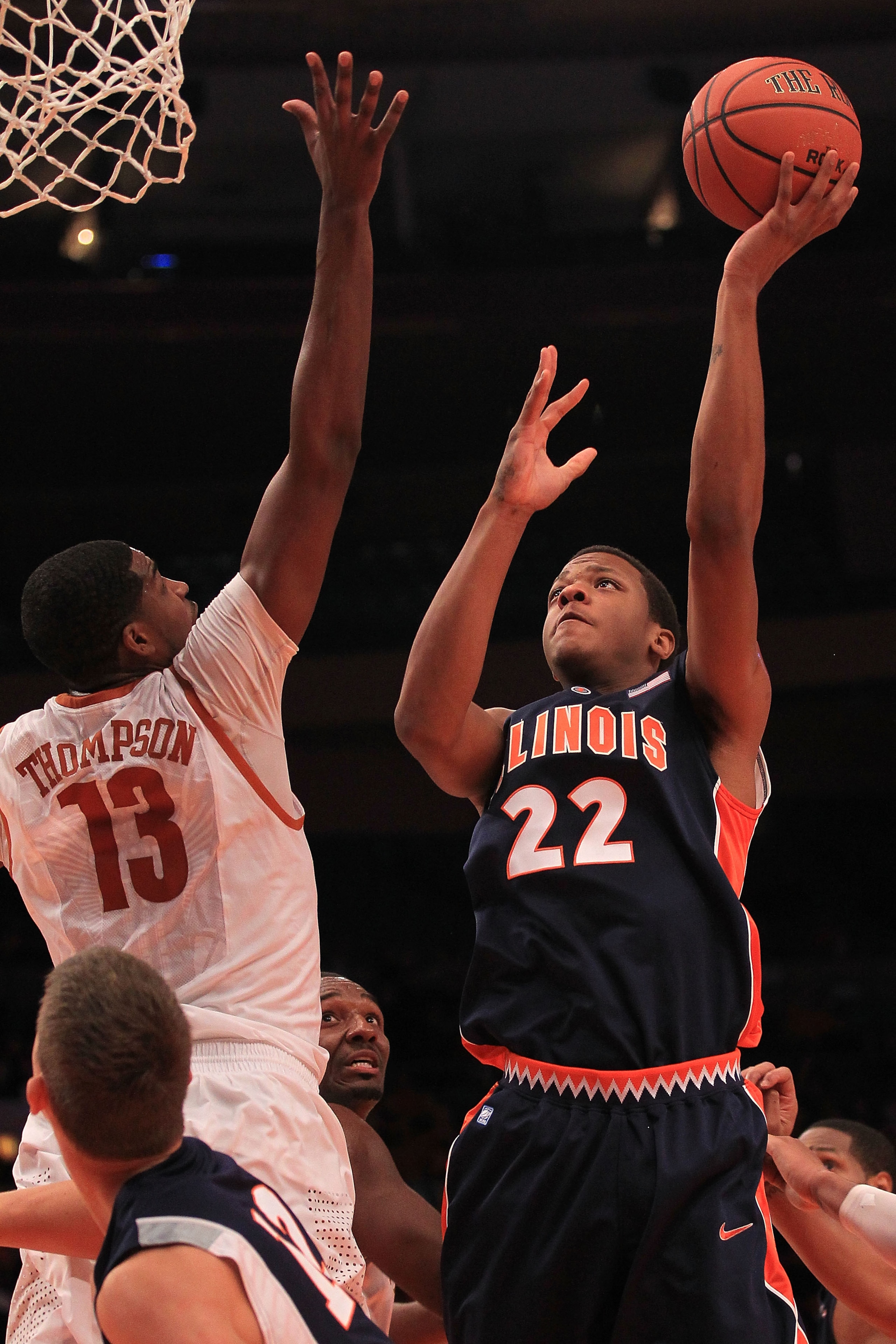
Speaking of talented prospects who really could have done so much more in college, Illinois' Jereme Richmond may find himself penciled in as yet another egregious abuser of the NBA's "one-and-done" rule by the time the draft rolls around in late June.
Don't get me wrong; Richmond is a tremendously talented basketball player with the potential to be a star in the NBA. The real question, though, is whether he really did enough as a freshman to merit jumping into the draft pool, much less as one of the first underclassmen to do so this year.
The 6'7" swingman didn't exactly set the Big Ten on fire with 7.6 points and five rebounds per game for Bruce Weber's Fighting Illini, though given the dearth of talent in the 2011 draft, particularly at small forward—Richmond's likely position in the pros—it's somewhat difficult to blame him too much for making the leap.
Josh Selby, Freshman, Kansas
7 of 10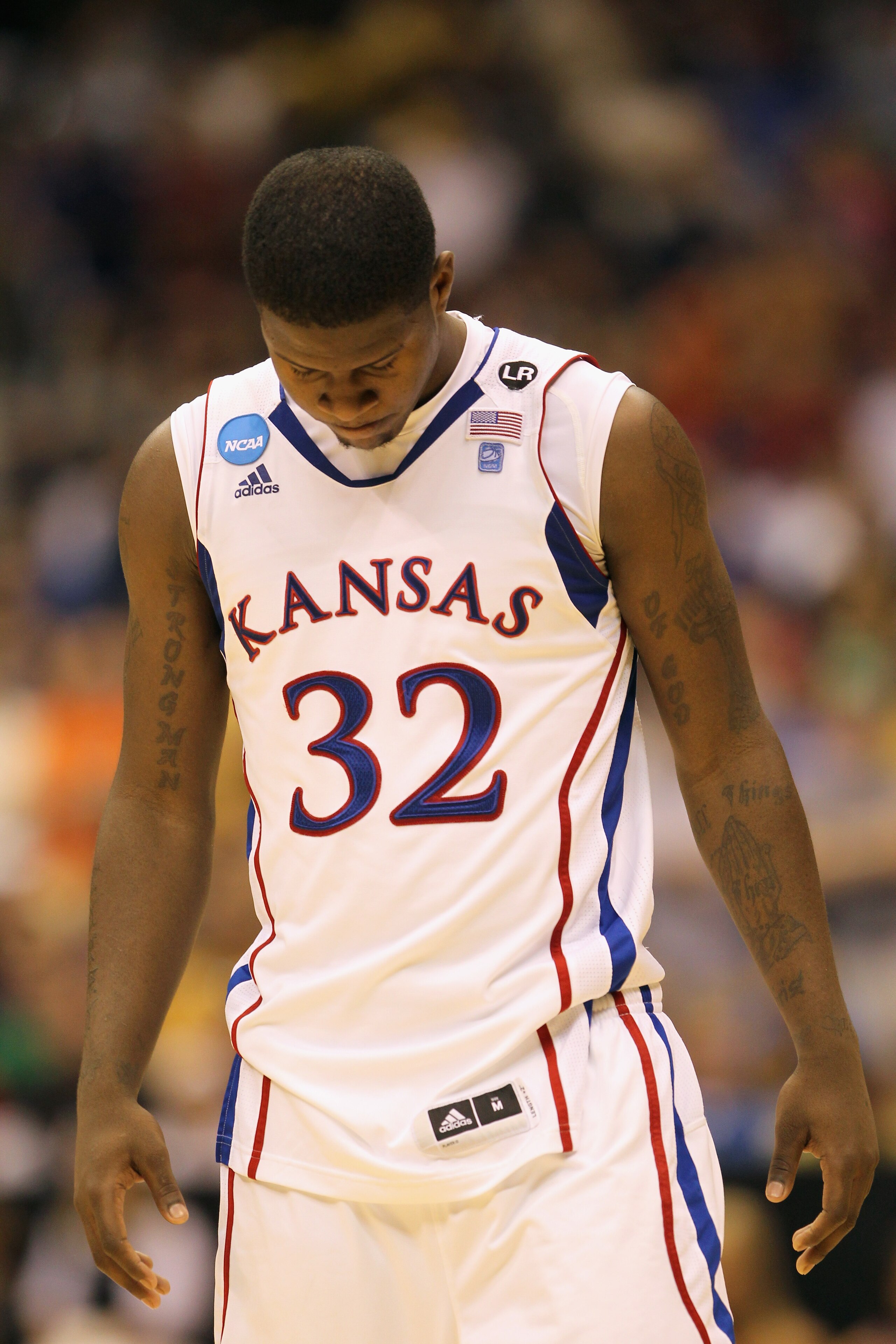
To Richmond's credit, at least he played a full season in college before entering the draft without hiring an agent.
Josh Selby, on the other hand, made no mystery of his intentions when he left Kansas with professional representation in tow.
Selby came to the Jayhawks saddled with all kinds of hype after a much-ballyhooed high school career, but didn't do much to live up to the expectations after sitting out the early portion of the season under an NCAA-sanctioned suspension.
Once he got on the floor, the 6'2" guard from Baltimore contributed 7.9 points and 2.2 assists in 20.4 minutes per game—solid, but not exactly NBA Draft material.
Especially for a kid who is essentially an undersized scoring guard with only a small sample to judge on whether or not he is actually worth taking a chance on.
Ashton Gibbs, Junior, Pittsburgh
8 of 10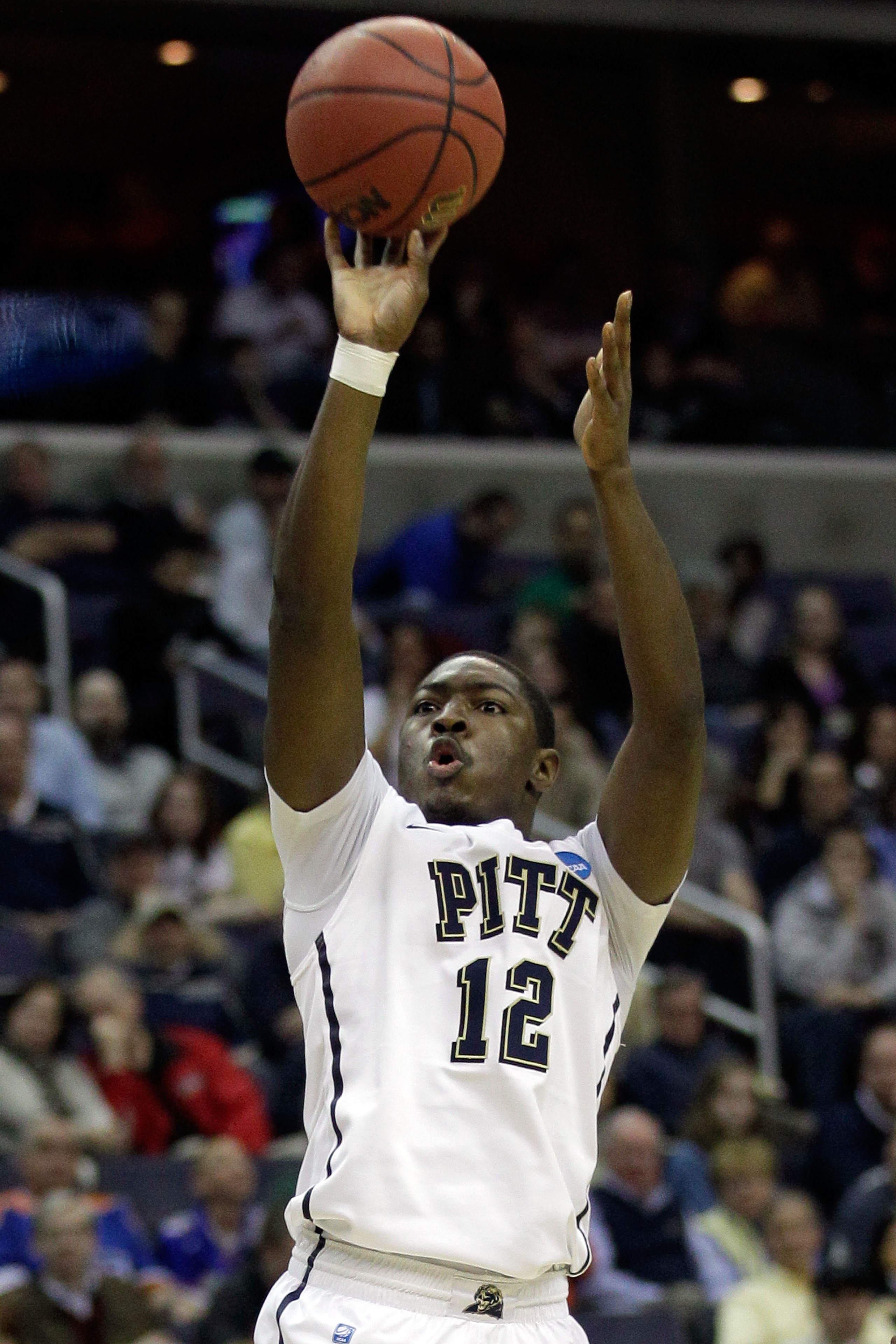
Ashton Gibbs is very much in the same boat as Josh Selby, even though Gibbs has yet to hire an agent.
Gibbs was the leading scorer on the past season's top-seeded Pitt team at 16.8 points per game.
That being said, Gibbs won't likely cut it in the NBA as a scoring guard at just 6'2" without a bundle of athleticism. To his credit, Gibbs is a terrific shooter, having shot 49 percent from deep and 88.9 percent from the free-throw line as a junior.
All told, Gibbs would be well served to return to the Panthers for his senior year to develop his skills as a passer so as to merit consideration as a point guard in the NBA.
Travis Leslie, Junior, Georgia
9 of 10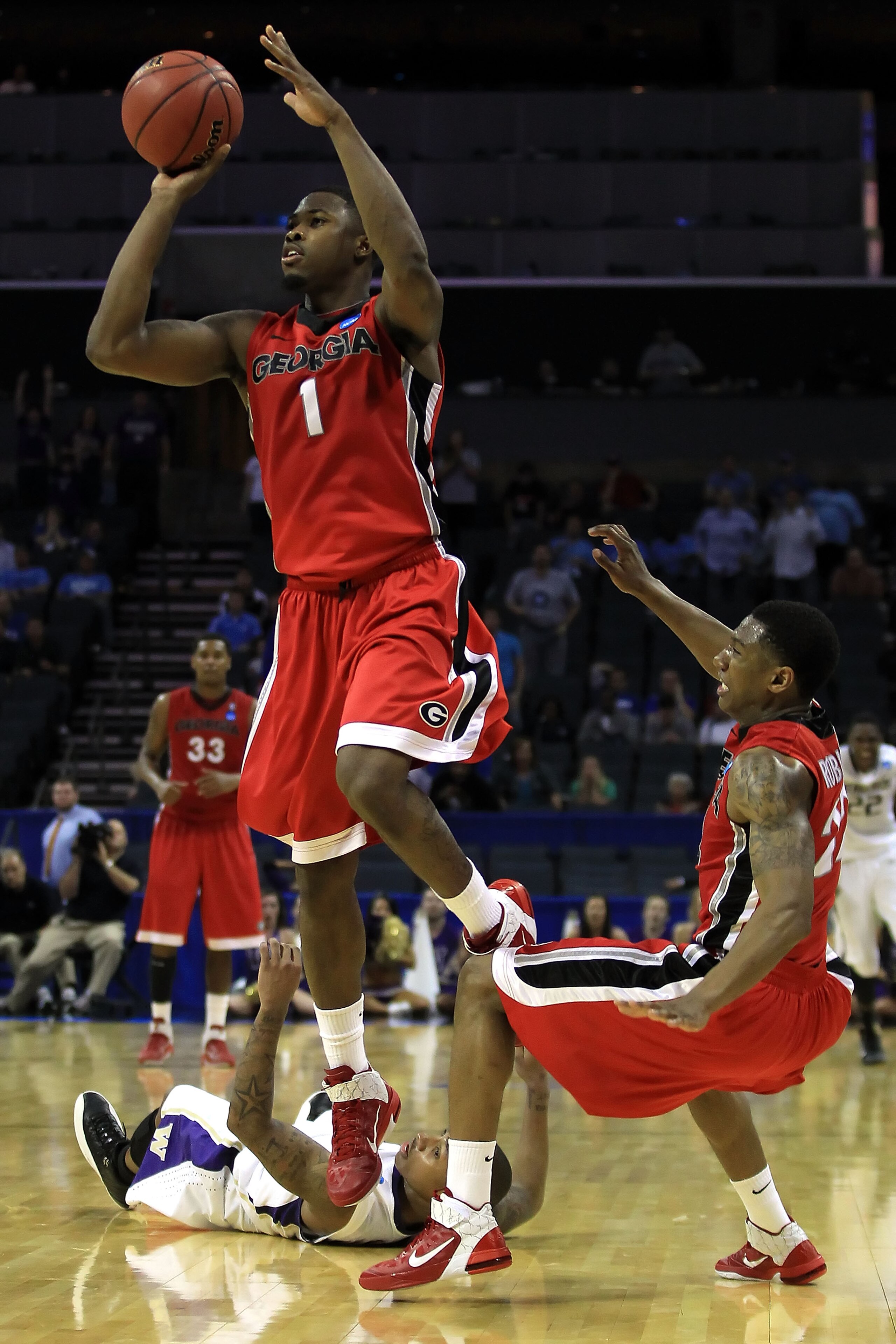
There's no doubt about Travis Leslie's athleticism and ability to attack the rim as an off guard.
Leslie averaged 14.4 points, 7.2 rebounds and 1.2 steals per game for a Georgia squad that finally snuck its way into the NCAA Tournament.
What bothers NBA scouts is the fact that, at 6'4" without consistent shooting stroke from beyond the arc, Leslie is far from a sure thing to make it as a pro-level shooting guard.
Still, Leslie is projected as a late first-rounder, thanks to the dearth of talent available in the 2011 NBA Draft, so at least he'll probably get a guaranteed contract out of it.
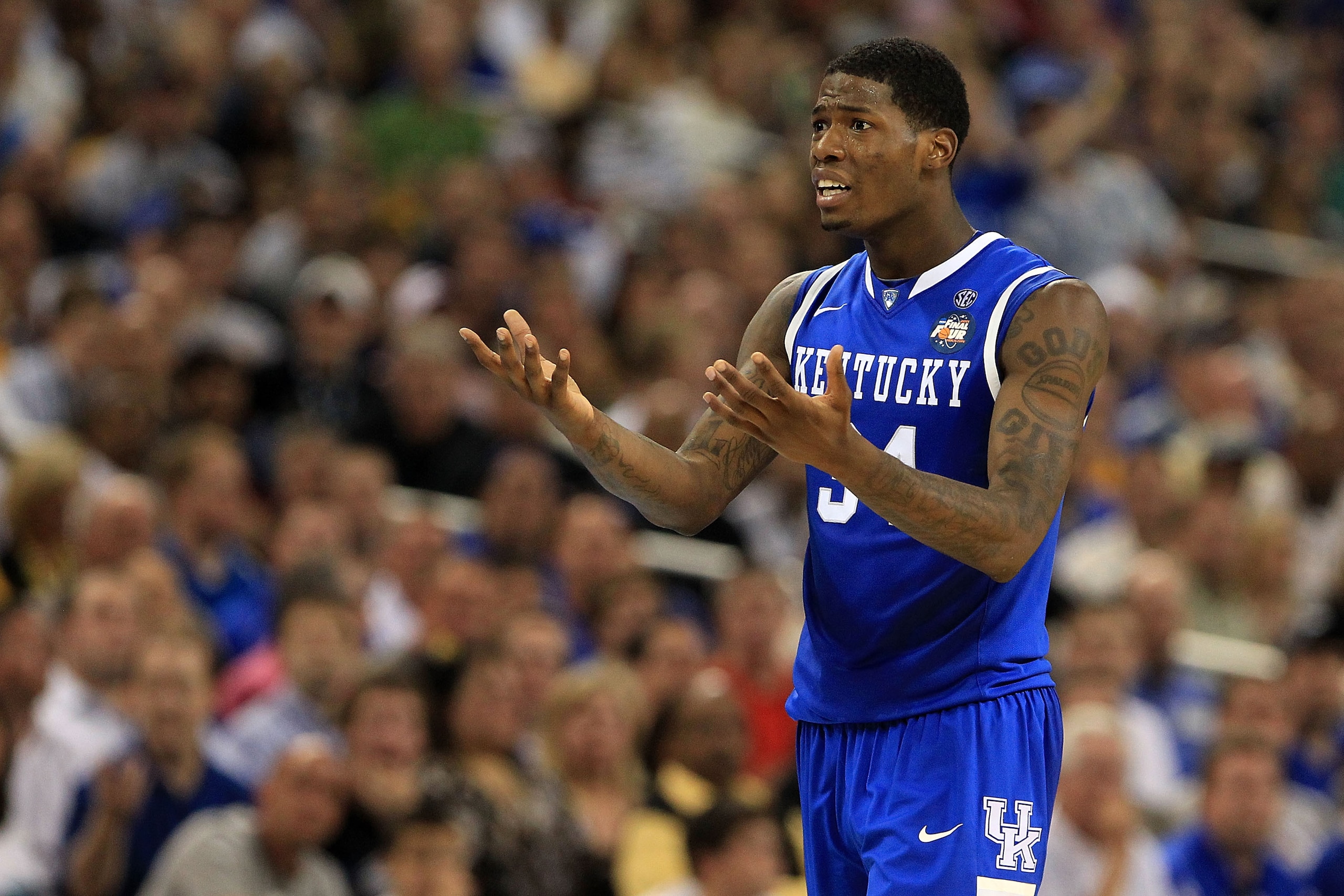
DeAndre Liggins, Junior, Kentucky
10 of 10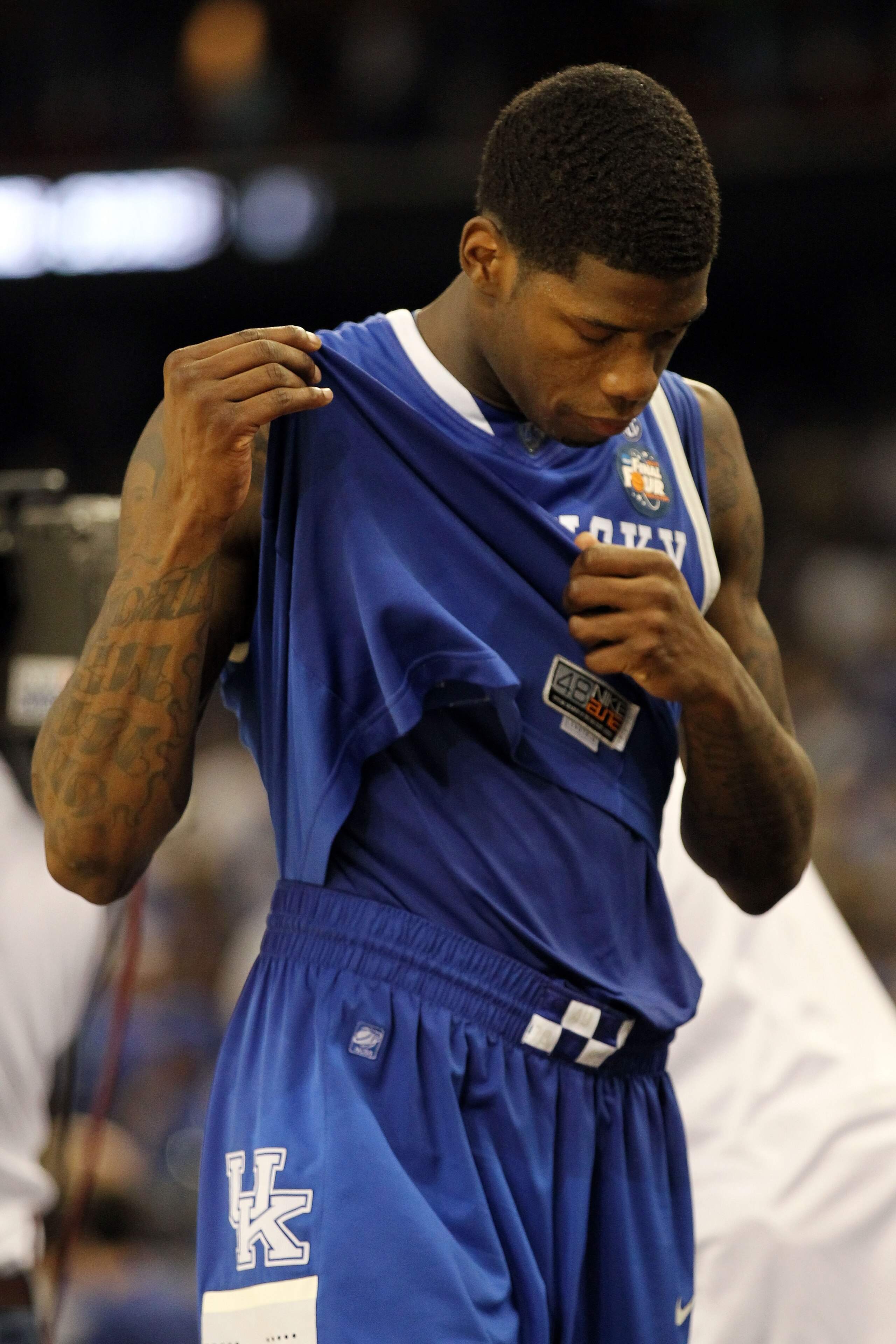
There's one school of thought that suggests DeAndre Liggins' decision to go pro as a junior is a sound one. Though he still has the option to return to school, Liggins doesn't have all that much incentive to do so, as he would be competing against another unbelievable crop of freshmen for playing time at Kentucky in the fall.
However, as far as his own merits are concerned, Liggins is significantly less than a draftnik's dream.
Liggins' draft profile reads much like that of fellow junior entrant Malcolm Lee: good size and athleticism, terrific defensive ability but leaves much to be desired on offense.
As such, Liggins is a surefire second-round pick at the very least, unless he somehow manages to wow scouts with a newfound ability to score the ball at the NBA Combine in New Jersey.
.jpg?w=2560 "NFL investigating 2 referees for separate viral exchanges")
.jpg?w=2560 "OBJ Calls Out Giants After Release")
.jpg?w=2560 "Tyreek makes another cryptic post amid Chiefs rumors")
.jpg?w=2560 "Report: Chiefs Contact Hill's Agent")