College Basketball: Bob Knight vs. Kentucky's John Calipari, Who Is Right?
 Bob Knight took some very obvious shots recently at the University of Kentucky's men's basketball program and the way John Calipari has twisted the rules to bring in freshmen stars that leave after one season.
If you haven't seen the clip, I have posted it below to the right (fast forward to four minutes in for the comments), and have posted Calipari's response in the third video spot. If you want a brief fly over of what was said, here are some key bullet points:
-Bob Knight claimed that all five of Calipari's starters did not attend class all semester long

.jpg?w=2560 "NCAA Eligibility Basketball")
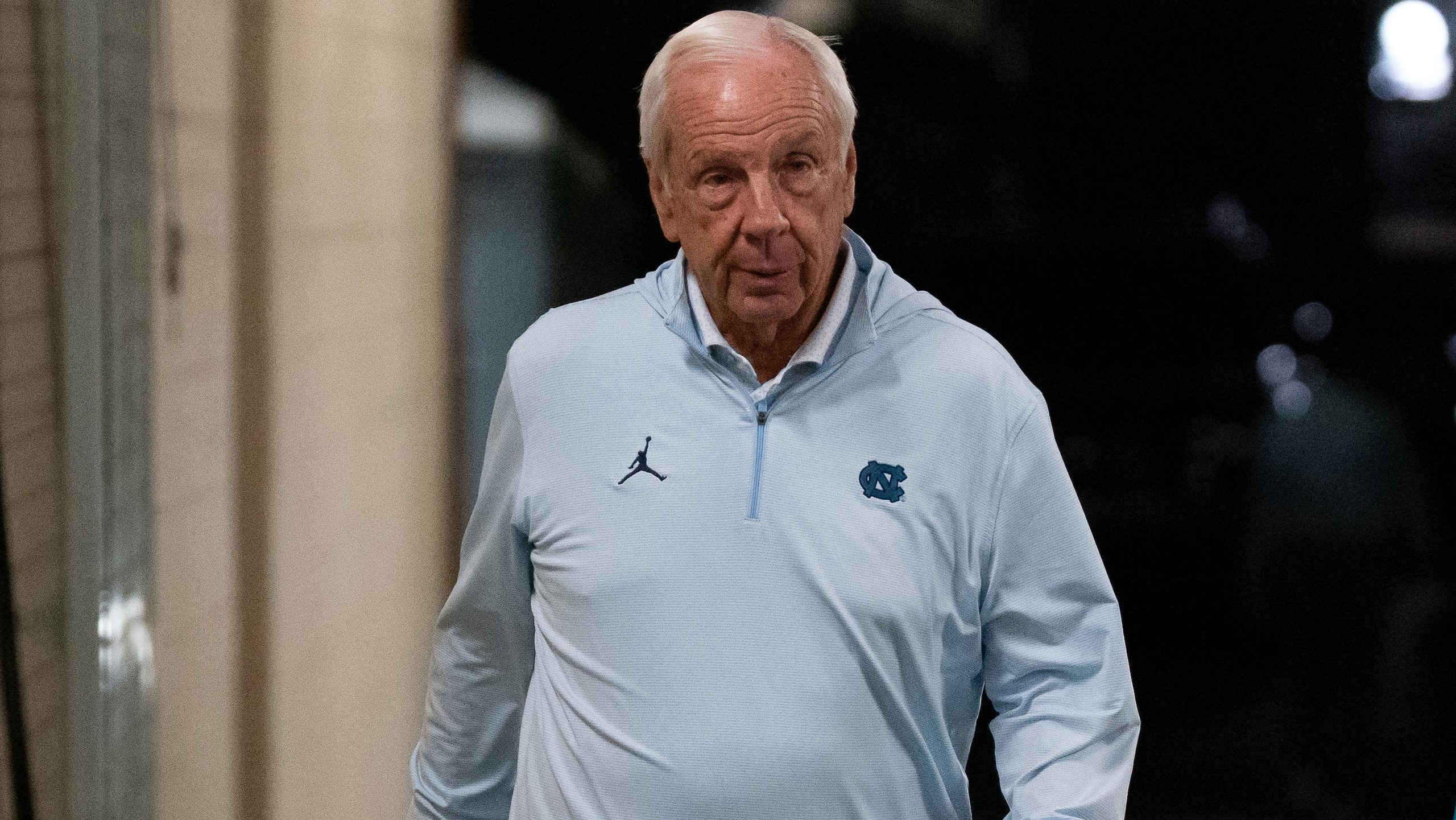
-Bob Knight wants the NBA to have a minor league system and have college players be forced to stay in school for three years
-Bob Knight does not feel that it is acceptable for Calipari, who has put two schools on probation (UMass and Memphis), to be allowed to still coach college basketball.
The statements Knight made were hardly true. Reports have come out to support that Daniel Orton may have not attended his second semester of classes, but all four of the other starters, including John Wall and DeMarcus Cousins, have the GPA to prove that they were in fact true student athletes.
The issue with the statements Knight made is not simply how factual they were. The whole situation reminded me of what we see in political elections when one candidate points out a flaw in his opponent then throws some outrageous statement out there that is usually proven false weeks later. The candidate who used the false allegation is guilty of lying, but the other candidate, even though the allegation may not be 100 percent accurate, could still be guilty of the offense.
Knight had an axe to grind with the way Calipari builds his team and he knew that saying, "All five starters didn't attend class" would make a larger impact than, "I don't think it's right that these freshmen don't take school seriously and don't get their degrees." He had the podium, he had the microphone and now he has the Youtube clips and hundreds of articles debating his essential complaint.
Bob Knight got the attention that he was seeking to get.
I am not here to argue about the facts of Knight's claims, but instead discuss the problems he brought up.
Is it OK to recruit freshmen by saying, "Come play for me for a year, I'll get you to the NBA?"
Calipari's new system is simple, find the best possible high school seniors and recruit them in with a no strings attached philosophy. Calipari doesn't expect them to stay for more than a year, all he wants is them to compete as hard as they can for one year and try to win the National Championship.
Has it worked? Sort of. In his two years at Kentucky, Calipari took his teams to the Elite Eight and the Final Four. The year before at Memphis, which was a team built around freshman phenom Derrick Rose, he came seconds away from winning the championship. Even though his players are inexperienced, they are extreme talents that belong in the NBA rather than in college basketball. The amount of talent Calipari can throw on the floor will keep his team, and this system, near the top of the country year after year.
But is it right? For all that we know, Calipari is not violating any of the NCAA rules. If we find out later that money was going under the table or Calipari was linking these kids to agents and partial teams owners like Jay-Z, then yes, by all means this has all been a big-time violation. However, until that point happens, Calipari is simply dealing with the rule put in place by the NBA that forces basketball players to play a year in college or overseas before entering the NBA Draft.
Here's the situation that the NBA's rule creates. A college coach can either bring in guys he thinks will help his team for several years or do what Calipari is doing—bring in the best possible talent and produce teams that can contend for a championship every single year. In this age of, "What have you done for me lately?" Calipari's approach actually makes a lot of sense.
Take for example, Bill Self. The man won a National Championship only three years ago and has built three teams since that have won over 30 games. The last two seasons, he built teams that were the favorites or near favorites to win the National Championship. However, because the Jayhawks have had upsetting losses the last two years against Northern Iowa and VCU, there are already plenty of people calling for his head and claiming Self can't win the big games.
And he won a championship in 2008. It's only 2011...
But for Bill Self, he has now lost both Morris twins to the draft, Selby to the draft and Tyrel Reed and Brady Morningstar to graduation. He has to completely rebuild his team. In the normal process, this can take several years.
In the Calipari system, no sweat, just bring in another group of stars and try it again. Fans can expect a title contender every year, the team is fun to watch, the players get to the NBA and everyone is happy.
But it's college basketball, aren't these supposed to be student athletes?
Yes, but what exactly do you expect them to study? For a player like John Wall or Kevin Durant or Derrick Rose, their future is 10 plus years in the NBA, not 30 years in a cubicle.
The problem is not that these players are not being student athletes, but instead what are they supposed to study?
Look at it this way, becoming a professional writer, singer, dancer or even a more conventional path like doctor, engineer or lawyer are very tough things to accomplish. It's even harder to become extremely successful in these fields.
Becoming a professional athlete is no different. The odds are against these players. But this is a career choice, and what other career has a minimum salary for those who make it to the NBA, with zero years of experience, at $473,604?
Granted, not all the players get drafted to the NBA and instead find themselves playing overseas or in the Developmental League for $20,000 a year, but this is something they should be taught in a classroom not in a nightclub by a greasy agent.
Here's my proposal—since the NBA and NFL have imposed their age limit rule and forced these kids to go to college, they should also fund a degree program for all Division One schools called: Professional Athlete.
The classes would teach students about managing money, what they actually make, what endorsements are out there, what endorsement money looks like, how to deal with the media, how to conduct an interview, how to deal with friends once you have money and now they want your money, drug awareness, how to maintain your personal life while always being on the road, length of career and insurance policies for injuries. Just to name a few.
There would be 10 courses to take, just like other degrees, and players could complete it in two or three years. If they leave after freshmen year, then they at least have learned some information about their field rather than pretending to be interested in general education courses.
The flaw is not that these players aren't student athletes, the problem is they have nothing to study in their field. We don't tell writers to go study chemistry and we don't tell pre-medicine students to obtain a communications degree. Why do we insist that these young men, who want to become professional athletes, study something else while they are at college?
If they fail at making it to the NBA, then they join the millions of people who failed to reach their dream job. If they were talented enough to go to a major college program, then they probably have a chance to continue playing basketball for tens of thousands of dollars a year, which is what most people make coming out of college—if they can find a job.
It's destroying the college basketball game...
Who have been the most exciting college basketball players to watch in recent years? Yes, there was Jimmer Fredette this year and Stephon Curry a few years before, but ever since the NBA imposed their rule, we have seen Kevin Durant, Greg Oden, Derrick Rose, John Wall, Michael Beasley and Blake Griffin (would have left after one year had it not been for injuries) electrify the country and make every game they played in must see television.
Imagine if this rule had come in earlier and we had gotten to see Amare Stoudemire, LeBron James and Dwight Howard for a year. Earlier than that, imagine seeing Kobe Bryant, Kevin Garnett and Tracy McGrady in college uniform. It would have been incredible.
While the rule is not fair for the players, it is great for the college basketball fan. Keeping the top tier high school seniors from going to the NBA, funnels more talent into the college domain.
Final Thoughts
Bob Knight used false information to attack John Calipari. His points made sense, but at their core were flawed.
A student athlete who knows he is not going to make a living playing basketball stays in college and obtains a degree in a field that he can make a living in. That is perfectly fine.
For the players that can make a living playing basketball, their school credit should be playing for the basketball team and learning about life off the court for professional athletes. Even after only spending a year in school, they will be better equipped for the world of the NBA than someone who has stayed in college for four years, but had never learned how to manage his money, fame or success.
Since the NBA and NFL have put these rules on the NCAA, they should fund the program. This means pay for the professors, pay for the materials and pay for speakers to come in.
Maybe if the players had something interesting and in their field to learn about, then they would find reason to attend class.

.jpg?w=2560 "Vikings HC Talks Kyler Injury")
.jpg?w=2560 "Landon Dickerson Placed on IR")
.jpg?w=2560 "Nabers' Recent IG Post 👀")
.jpg?w=2560 "Follow WWE Raw 🇲🇽")