
Exclusive with UFC's TJ Grant: "I Fight for the People!"
 One of Canada’s most promising mixed martial artists, in 2011 TJ Grant will be looking to get back to the winning ways that first brought the Cole Harbour, Nova Scotia native to the UFC in early 2009.
After becoming a professional mixed martial artist in April of 2006, Grant, en route to compiling an impressive record of 13 and two in bouts across Canada, established himself as one of the country’s preeminent welterweight contenders.
In his UFC debut, Grant upset former DEEP middleweight champion Ryo Chonan at UFC 97.
TOP NEWS
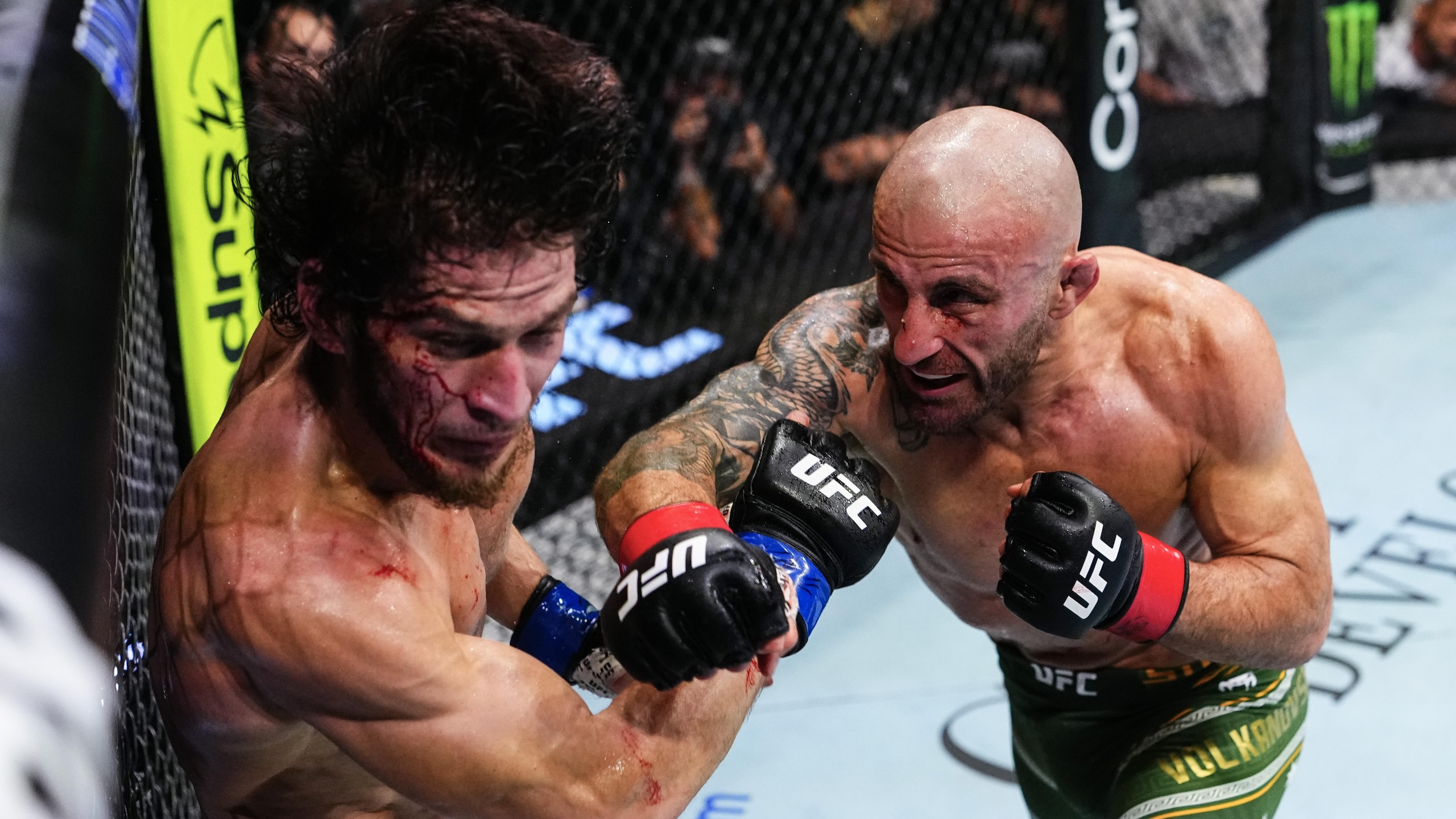
Volkanovski Retains UFC Title
🚨 UFC 336 Fights Announced
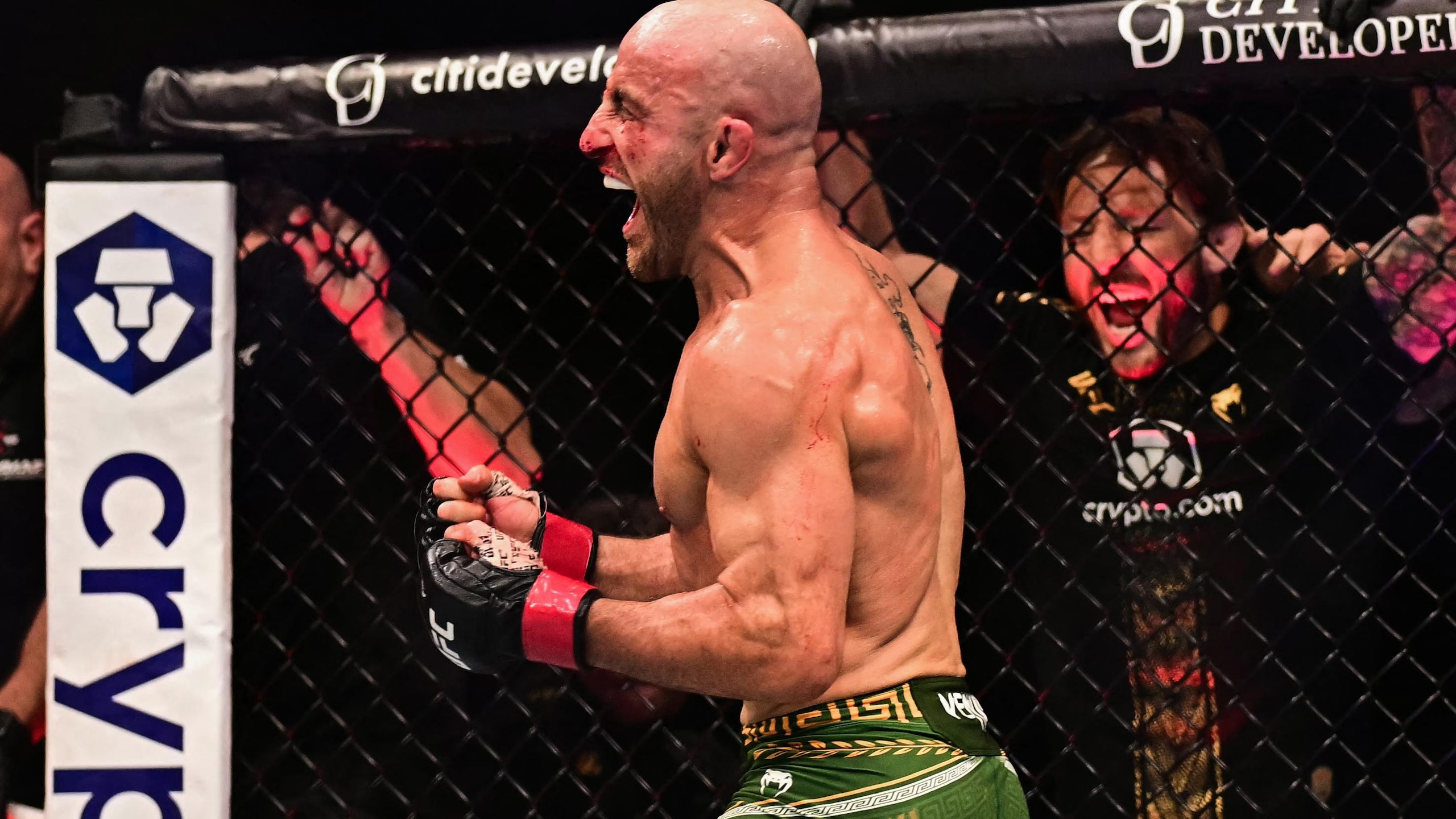
Volkanovski breaks record after title win at UFC 333
Since his bout with Chonan in April of 2009, Grant has racked up a pair of victories over Kevin Burns and Julio Paulino and has dropped decision losses to Dong Hyun Kim, Johny Hendricks, and, most recently, Ricardo Almeida at UFC 124 in Montreal, Quebec.
At this point in time, Grant is waiting to hear from the UFC about when he will be making his seventh appearance inside the Octagon.
I recently had the opportunity to speak with TJ Grant about, among other topics, his most recent business-trip to Thailand, his time in the UFC, and, of course, the Canadian Football League.
How was your trip to Thailand?
It was wicked; we spent three weeks in Bangkok at the Kaewsamrit gym—I’ve been there before and had a great experience. This is probably the best trip I’ve had; I got in a lot of hard training this year and I’m looking forward to showcasing that in my next fight.
What inspired you to travel to Thailand?
Scott MacLean did the trip before and it’s just a great way for a mixed martial artist to submerge in one aspect of the game. There are so many aspects that you have to train and stay on top of; wrestling, Jiu-Jitsu, boxing, Muay Thai, and strength and conditioning.
It gave me three weeks where I could just do Muay Thai and try to get the most out of it. The training over there is done at such a high-level and it just worked out.
Did you view your trip as a vacation at all?
No, definitely not. I was up at six every morning training and then again in the afternoon. Trust me; I didn’t even come back with as much as a sun-tan. When the sun is at its hottest is when everyone is lying down napping.
I’d pretty much just hide from the sun, because a little ginger kid like me doesn’t want to be sitting out in the sun all day.
What would a typical day of training in Thailand look like for you?
There’s a run in the morning—I didn’t always do the run, I won’t lie—but they do a long run in the morning and then they come back and they do pads and they kick the bag; focusing on technique.
You do a lot of time in the ring, focusing on pad-work, but the morning training is a little less intense.
The afternoon training is about two-and-a-half to three hours and that’s where you spar, do the pad-work, clinching. It’s a long grind and it’s tough over there and it’s a little different than what we do back home, but it’s definitely good.
How would you compare it to your regular regimen?
It’s different. I think that they could change some things—as far as they do their strength and conditioning, but they’re in great shape doing what they do. I just love the technical aspect, as well.
Did it take you a while to get acclimated to the intense training?
This is actually kind of funny; it was cloudy for the first few days that we were there so the temperature wasn’t too hot.
Then we got hit with brutal, brutal heat. I thought I was in great shape, but on the day with the brutal heat, I could hardly do a round. Getting used to the heat is huge.
After that, you get used to it. You’ve got to get used to your pad-holder, but I’ve been there before.
How long is the flight? I’ve heard 26 hours.
I’m not even sure; sometimes it’s 30 hours and sometimes its 24. This year, we missed the flight and we had to spend a bit of extra time in Hong Kong, but that’s not bad.
One year we were coming back and we were stuck in Vancouver for nine hours—that was pretty brutal.
How long does it take to get used to everything—the time difference, the climate, the training—all together?
When you get there, I think it’s important to take the first few days and don’t try to jump right in. I jumped right in and I tried to push myself—which is fine—but then I got food-poisoning, of all things, and that screwed me up for a few days.
Food-poisoning?
Yeah, I got food-poisoning on the side of the road eating chicken. I shouldn’t have eaten it where I ate it, but I just got done a workout and I needed protein, so I grabbed the first chicken that I saw. 12 hours later it was coming out both ends.
How long did that put you out of commission for?
Like three workouts; the morning, the afternoon, the morning and then I was back to it.
How much of an impact did the guys at Kaewsamrit have on you?
A lot. It’s a phenomenal gym; they have a great history of producing great fighters. It’s one of the top gyms in Thailand—especially if you’re a foreigner and you want to go and train.
The pad-holders don’t speak much English, but they have somewhat comfortable living arraignments—it’s not too bad.
Do you intend on going back?
Absolutely.
When would you like to compete next?
Pretty soon, I think. Honestly, I’m in pretty good shape right now, so I don’t think three weeks would be a problem.
What inspired you to try your hand at mixed martial arts to begin with?
I was just a big fan. I had an older brother that was into boxing and he got into Jiu-Jitsu. He was in the military and every time that he would come home on leave, we would look at each other and give each other a hug, then the hug would turn into a clinching match and we’d be trying to take each other down.
A half an hour would go by and dogs would be barking and mom would be yelling. Finally enough was enough and it was time for him to take me to Jiu-Jitsu. He took me to Jiu-Jitsu and I fell in love with it. I did wrestling in high school and started picking away at the stand up.
I got laid off from my job and there was an opportunity in the local show here in the Maritimes and I was a part of that card. I was training as long as anybody in Nova Scotia, really, and it was good to be able to get a chance to compete.
Was there any hesitation on your behalf in signing the contract?
Not too much. I went from working construction and smoking cigarettes and drinking beer all the time to getting laid off and, basically, deciding enough of that.
That was one of my biggest hesitations; would I be able to get myself in shape, because I punished my body quite a bit. No, after that; no. I just jumped right in.
Did you think, right away, that this was something you could make a career out of?
At that point I really didn’t know; I just knew that I was going to give it a good, solid effort and try to get the best out of it. That’s what I did.
What do you think you’d be doing had you not taken that opportunity to get involved with the sport at a professional level?
I don’t know—I haven’t really put too much thought into that, you know? I think I put all of my eggs in one basket and this is the sport that I’m going to be involved in for the rest of my life. I want to get into teaching later on and developing fighters is something that I want to do.
Are you a lot happier doing this than construction?
Yeah, I would say so. I’m pretty much happier doing this than anything else. There are times when it gets a little stressful; it’s a job that’s not for everybody, but, clearly I can handle it. It’s a dream job.
The only job better would be if I got paid to play X-Box or poker—even though I suck at it—that would be fun.
You’re a big videogame-guy?
I try to be, but I’ve, kind of, retired the X-Box for a little while; I’ve picked it up twice in the last three months. I do like to play, but I like it a little too much, so I’m trying to stay focused. I don’t know when my next fight is, so the last thing I want to do is miss sleep because I’m up playing X-BOX.
You’re an NFL fan, too?
Yeah; big-time.
Well if there’s no NFL football, then that’s one distraction off your plate.
I know. That’s going to be brutal. We’ll be alright; hopefully there will be football—there’s still some time left.
Are you a big CFL fan?
I used to be. I used to be a Stampeders fan growing up—I was born in Calgary. Then Doug Flutie left and they got Jeff Garcia and that was great and then he left for the NFL and I just, kind of, realized that the NFL is, overall, a better product.
It’s different.
It’s different, for sure, but I do love the CFL. I’ll watch it; I’ll always watch the Grey Cup.
There are talks that the Maritimes might get a CFL franchise. What would that mean to you?
I think it’s cool. I love going to watch sports live; it’s so much fun. Football is definitely a fun experience—there’s a lot more than the game that goes on—and it would be cool to see. I think they’re talking about Moncton.
Do you think Moncton could support a professional football squad?
They talk about Moncton because it’s, kind of, central to the rest of the Maritimes; you can come from PEI and Nova Scotia—it’s pretty much two hours from everything. That’s what they’re talking about, but I’m not too up-to-date on the talks, so I’m not sure.
Are you a fan of any other sports?
I’m just pretty big into mixed martial arts. I do watch hockey; I’ll watch the play-offs, but that’s pretty much it...I don’t hate hockey; I just think there are too many games and it’s hard to keep track of, so I don’t follow it.
How about baseball? They play almost 200 games a season.
Yeah, I don’t even...no [laughs].
[Laughs] You don’t consider baseball to be a sport?
No; it’s a sport, but it’s right up there with my favourites—like golf.
[Laughs] Hey, don’t knock golf—you might get into that later. Did you play a lot of other sports growing up?
[Laughs] Not really; I played a little basketball when I was a kid, but I was horrible—I was terrible. And I played road-hockey and the typical things you do as a kid.
Were you surprised at how quickly you made it to the UFC?
I stayed busy; I know a lot of guys that take longer, but I jumped right into this thing—I fought a lot and I got a lot of experience and I never took time off. I think that helped to propel me to where I got to.
Did you honestly ever think that you would make it to this point in your career?
You know, after I started I realized that I was going to be in the UFC at some point; it was just how I perform in the UFC. I knew that I would get there. I’ve seen a lot of fighters make it that I don’t think should have—now it’s getting really tough; there are so many talented fighters.
I’m talking back in ’06, ’06—you see fighters and, it’s like, “Oh, wow; he’s in the UFC. I could beat that guy right now.” I always had the feeling that I would get there.
Did you ever consider "The Ultimate Fighter"?
That was brought up, but I don’t think that would be my style; I’m not a big shit-talker. If that was the only way that I could make it to the UFC, I would do it, but I always thought that I could make it to the UFC by winning fights. So, that’s what I did.
Did you ever have a timetable on how long it might take?
No, but I knew I was on the cusp when I was fighting Chad Reiner and Forrest Petz. A couple of guys that just beat Chad Reiner had been signed, so I was like, “Well, you know what? He’s a good name to beat.” When I beat those two and put together another win, I knew it was just a matter of time. It wasn’t for another two months after that that I found out.
How did you find out that you were going to be in the UFC?
Actually, I was in Thailand and someone woke me up and said, “Hey, you’re fighting Ryo Chonan at UFC 97 in Montreal.” I thought he was bullshitting and I said, “Yeah.” So I went to go lay back down because I didn’t want to get up and he said, “No; I’m serious.” I’m like, “Wow. Cool.” I had a bit of trouble sleeping after that.
How did you feel about having Ryo Chonan as a first opponent in the UFC?
It was good; he’s a tough competitor and he’s super-tough—mentally and physically—he’s just a good first win. I made a lot of mistakes in the fight, but that’s cool; I still got the win and I learned from them.
Did you feel like the underdog going into that fight?
Yeah; I think I was a three-to-one underdog. I remember betting on him against Karo Parisyan in the UFC once and it was the stupidest thing I’ve ever done.
[Laughs] So you were trying to take some of that anger out on him, maybe?
Yeah; exactly.
How much money did you lose on that?
I think it was like 20 bucks or something like that. It was nothing big, but it was enough. I make pretty realistic decisions when I make my picks and I usually do pretty well.
Do you bet a lot?
No. I’m just talking about friendly-bets with friends. I think I put money on Sportsbook or something like that once and I just got destroyed.
That’s not an easy way to make a living.
No; that’s not my style.
How do you feel about what you’ve done in the UFC so far?
You know, I feel good and bad. Obviously you’re happy to get wins any time you can, but I feel like I have a lot to improve on and a lot to get better at. Mentally and physically, right now, I’m a much better fighter than I was—even in December.
I think that’s really important; I’m learning a lot. I think in the last six months or a year, I’ve improved technically. Sometimes you get stagnant, but I’ve really changed my game up a lot.
How would you compare the current-day TJ Grant to the TJ Grant that came into the UFC a couple of years ago?
I think I’m a lot better. One thing that I do look back at is, maybe I fought more on auto-pilot and I think that’s a good thing and it’s something that’s kind of part of me and I should embrace it. My last fight I thought too much and when your mind goes too much in a fight, I think you’re thinking too much about that. I like to just get in there and fight.
How do you feel about your last performance?
I didn’t really think very much of it. I look back at it and I think I maybe respected him too much as a fighter. He’s a great fighter and he’s great at Jiu-Jitsu, but I didn’t give my Jiu-Jitsu any credit. Hindsight is 20/20 and you learn from your mistakes. I’d like to say that I’d like to fight him again, but he’s retired and that’s that.
Do you feel that you can take away more from a loss than a victory?
Definitely. I’m pretty realistic in assessing my skills—win or loss; I know where I make mistakes and I know what to improve on. You’ve got to be your own biggest critic in this sport and that’s what I’m trying to do.
What did you take away from your bout with Ricardo?
I’ve got to continuously improve and I’ve got to be patient. When I hit the ground, maybe Jiu-Jitsu isn’t the best idea. I’ve said this in the past, but I’ve got to be willing to take more chances and get out and get back to my feet. He kept trying to take my back when I tried to get to my feet, but maybe it’s something I’ve got to do.
How confident are you going into your next fight?
I feel good, man; I feel really good. Physically, I’m in great shape and it’s going to be good—whoever it is.
How far do you think you can go in this sport?
Well, you know, I’d like to go all the way, but right now I’d like to take it one fight at a time. I’m in the UFC and I lost my last fight, so I’ve got to be realistic. I’ve got to win. You know what I mean? Right now, that’s my main-focus; win.
Aside from winning, do you have any other goals in the sport at this point in your career?
Get rich [laughs].
[Laughs] Where do you see yourself in five years?
In five years I’d like to be retired or close to it and starting to get back to training fighters.
Do you think when it’s time to retire, you’ll have a tough time calling it a career?
I don’t know. I was at fights last Saturday and I had a tough time just watching fights and not being in there myself. Even if you’re stressed out and you don’t like the grind and all that—which I do like—you look at it, and I’m always like, “I wish I could get in there.” Sometimes you want to get in there and fight for somebody or you just want to get in there and fight.
Is that why you enjoy coaching?
Yeah, definitely. I do like coaching a lot; it’s a lot of fun and it’s great to see people win. I know the feeling when you win and it’s great to share that feeling.
How about when you lose?
You know, it’s tough, but we all lose. Some people have a harder time with it than others and I think you should have a hard time with it.
I don’t think it should be something that you just shake off, but at the same time, you’ve got to give yourself a bit of slack; mope around for a few days, go drink some beers, and eat some shitty food and then get back on the horse—because it’s time to get back to work.
After a loss, are there ever any thought that you don’t want to do this?
Not really; I’ve never really had a devastating loss [laughs] or anything to really judge it on, but I’ve just got to keep improving. Like I said; you’re down. I’m not happy losing—period—but the thought never crosses my mind. It’s just not in the books right now.
Why do you fight?
I fight for the people! [Laughs] No—it’s something that I’m good at and it’s something that I enjoy doing. Not everyone is blessed with the ability to fight; even if they have all of the physical skills in the world, some people just can’t fight and it’s something that I’m good at. I have to do it and I love it.
Do you think that you were born to fight?
Maybe; I was the youngest of five boys and I was always kind of scrappy. I’m not a street-fighter or anything like that—I never got in any real tussles like that—but I was always wrestling around. Parents didn’t want me at their house because I was always the kid that was wrecking shit and wrestling all the time.
[Laughs] Is that still the case?
Not anymore. I’ve learned my lesson; fist-fight at work and you realize you can’t horse around with grown-ups because they don’t like that.
[Laughs] Do you look at what you’re doing as more of a career or a passion?
To me, it’s like both. I’m lucky to have a career that is a passion. How many college football players get to go on and play in the NFL? It’s just one of those things and I’m super-happy that I’m in this position.
Would you fight if you weren’t compensated for your performance?
Yeah. I’d be fighting or competing in some martial art.
What do people generally say when you tell them what you do for a living?
Now, everybody that knows me is pretty used to it. People act a little shocked but they always remember that I was into this when I was younger and it’s always been a part of me.
Do you feel that there are still a lot of misconceptions about the sport?
They’re getting weeded out. It’s a bit of a savage-sport, but at the same time; we all signed waivers and are ready to go. It’s as safe as it could possibly be, but it’s still very dangerous.
Do you ever intend on hurting your opponents?
Yeah. Before the fight, I’m not saying, “I want to make this guy live in a wheelchair,” but a common reference is; “I want to beat the shit out of this guy,” or “I want to beat the ‘F’ out of this guy.” You know? That’s what you want to do.
You hit a guy and you break his nose, obviously you want to unload on him and put him away. I have no problem with that; I could shake their hand and have a beer with them. Honestly, I could go and have a beer with them before the fight—I wouldn’t have a beer before a fight—but you know what I mean.
How would you like to be remembered when it’s all said and done?
Hard-working, tough fighter—a good fighter [laughs]. I want to be remembered for my fighting ability and the way I carried myself inside and outside of the ring.
Is there anything that you’d like to say to your fans while you have this opportunity?
Thank you for your support and I’m going to be back—soon, hopefully—and I’m going to put on a good show.



.png?w=2560 "Week 8 Winners & Losers 📊")
.jpg?w=2560 "Malik Beasley Negotiating Plea Deal (AP)")
.jpg?w=2560 "Jonathan Taylor Landing Spots")
