
NBA Playoffs 2011: New York Knicks vs. Boston Celtics Postseason History Guide

The storied postseason history between New York and Boston professional sports teams starts another chapter this weekend as the Knicks and Celtics face each other in the playoffs for the first time in 21 seasons. Entering the 14th postseason series between the two teams, the Celtics have a 7-6 advantage. Only the Philadelphia 76ers and Celtics have played each other more times (18) in the NBA playoffs.
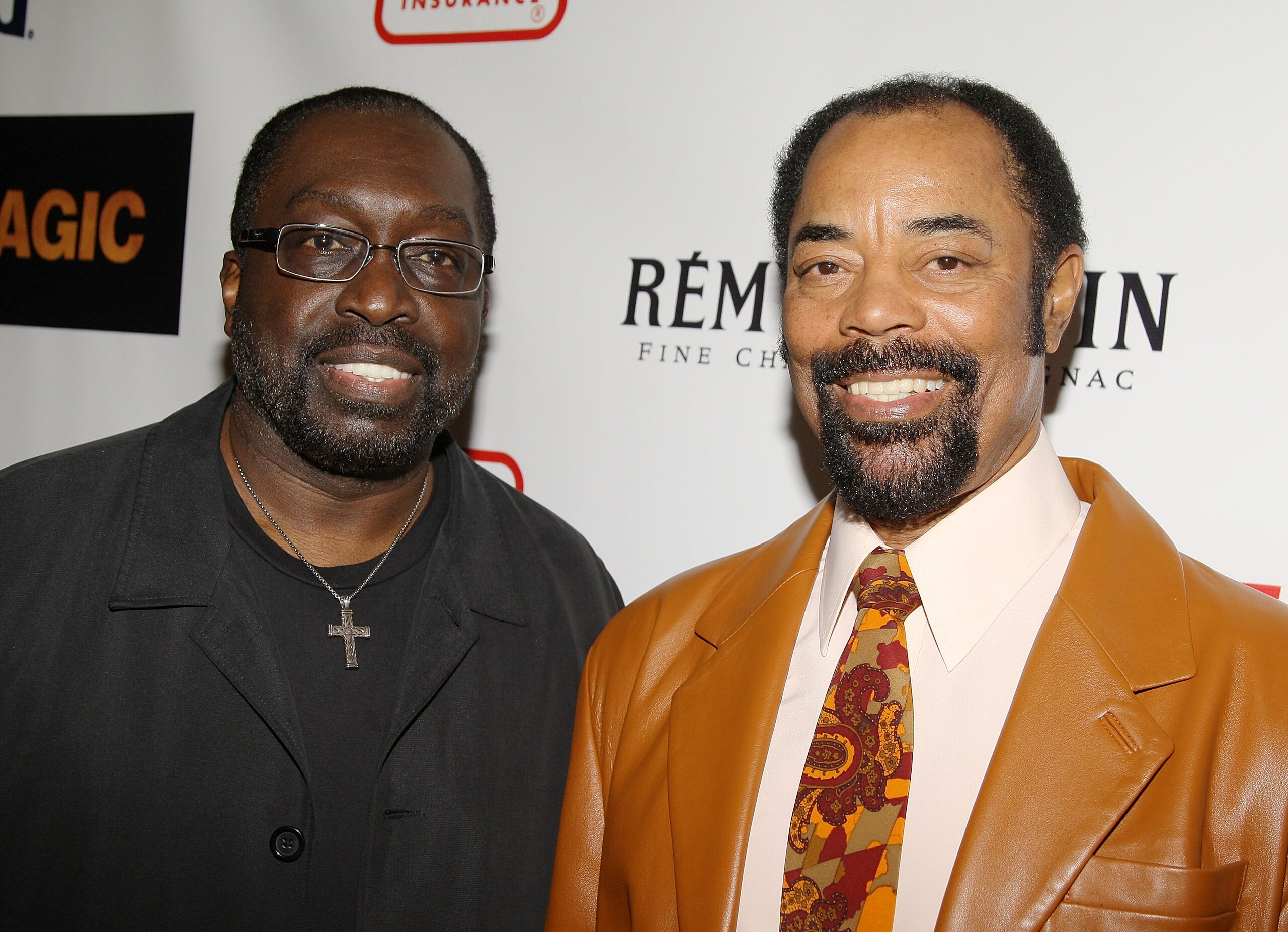
From Chuck Cooper and Harry Gallatin, to Bill Russell and Clyde Frazier, to Larry Bird and Patrick Ewing, to now Paul Pierce and Carmelo Anthony, here is a look back at each of the 13 postseason series the Celtics and Knicks have played.
Note: Periodically, I'll list some articles for basketball fans to read if they want to brush up on history via the New York Times or Sports Illustrated. This New York Times article about the Knicks-Celtics playoff series history is exceptional. Give it a read to learn more.
1950-51 Eastern Division Semifinals: Knicks 2, Celtics 0
1 of 14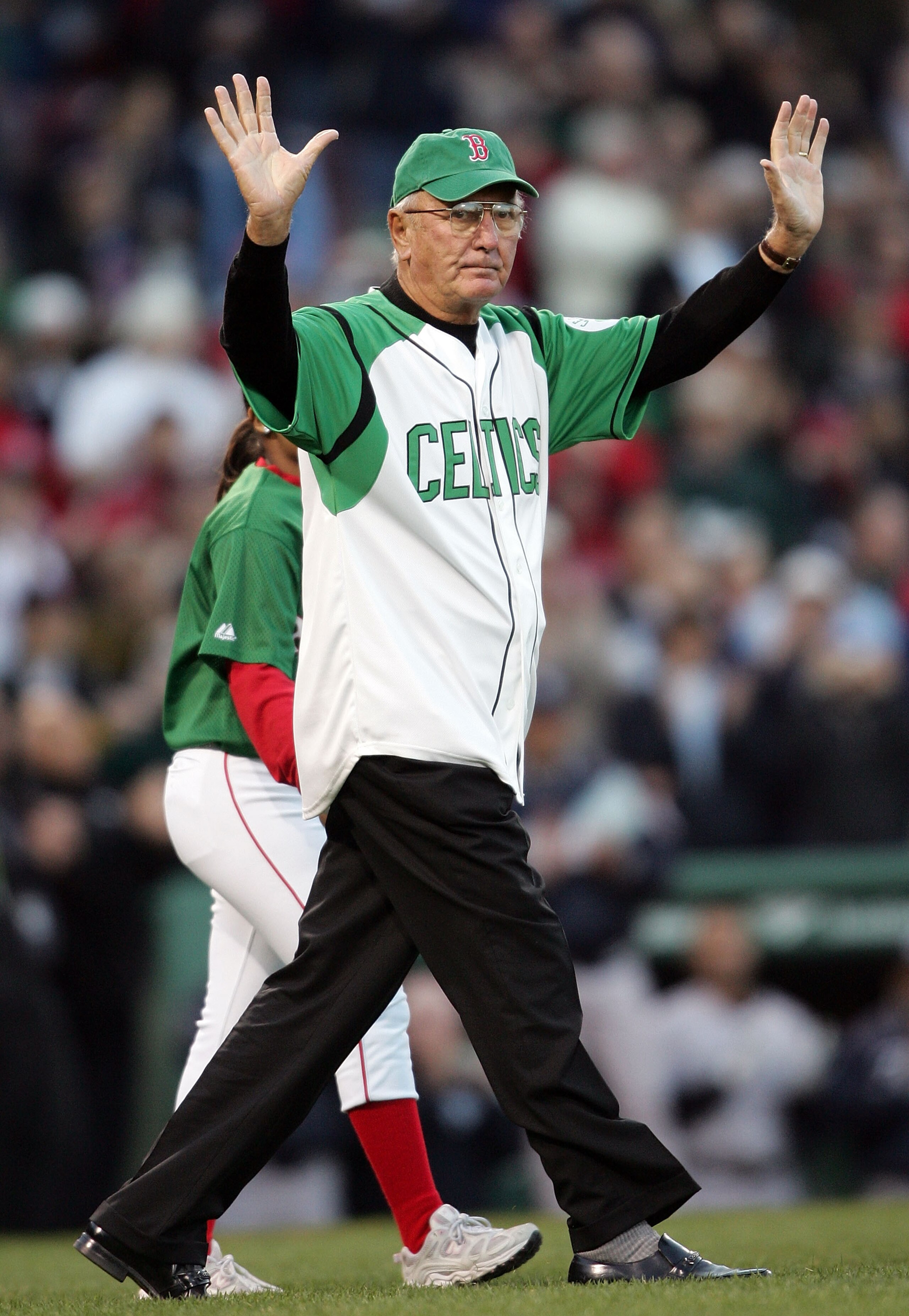
No. 3 seed New York Knicks (36-30) vs. No. 2 seed Boston Celtics (39-30)
Game 1: Knicks 83, Celtics 69
Game 2: Knicks 92, Celtics 78
The domination was surprising considering the two teams were evenly matched during the season, splitting their eight-game regular-season series.
Four players under the age of 25 (Vince Boryla, Harry Gallatin, Max Zalofsky, Connie Simmons) led the Knicks to their first-ever postseason series win over the Celtics, who featured a young rookie named Bob Cousy and Chuck Cooper.
The Knicks went on to lose their infamous NBA Finals series to the Rochester Royals, coming back from a 3-0 deficit only to lose in Game 7.
1951-52 Eastern Division Semifinals: Knicks 2, Celtics 1
2 of 14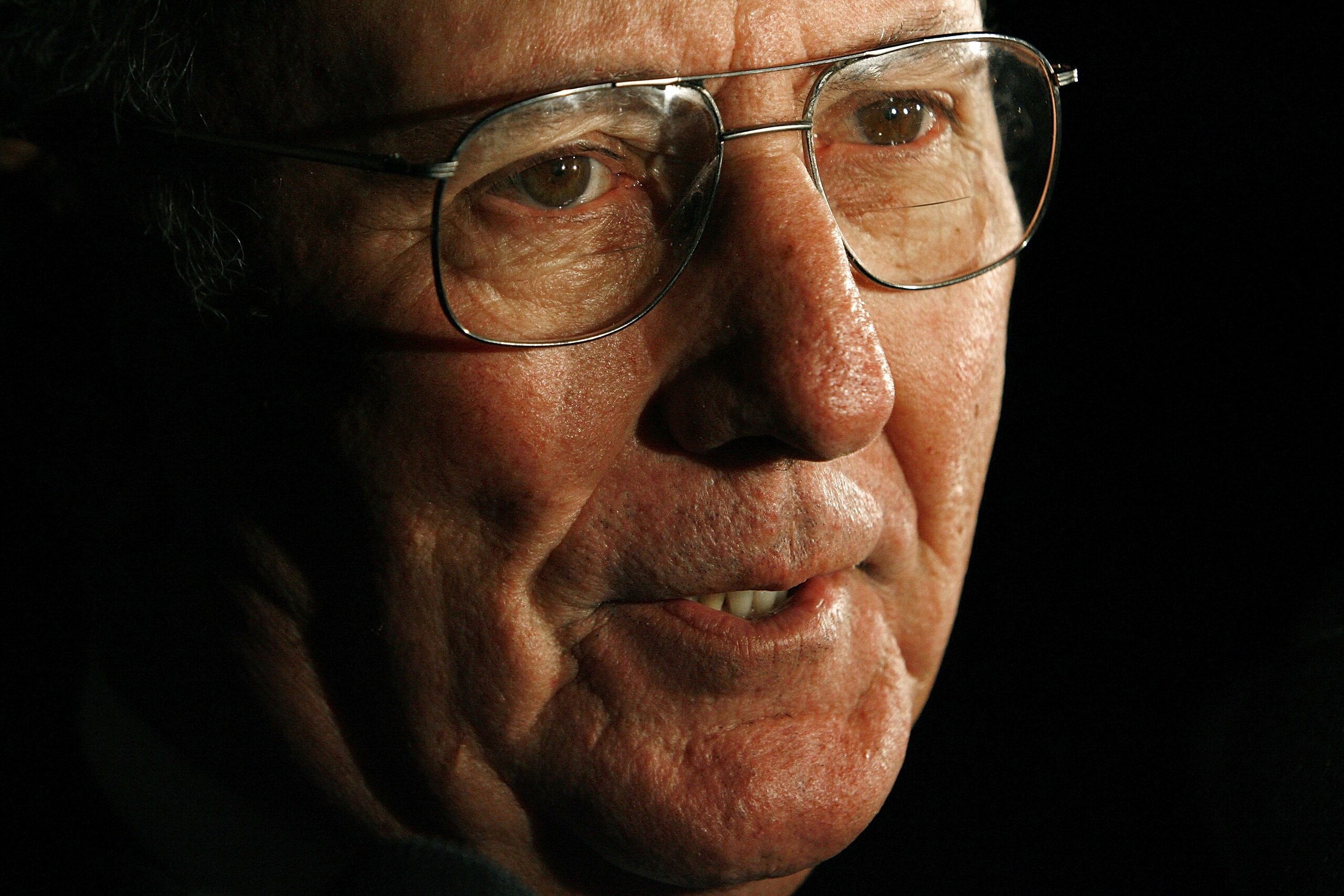
No. 3 seed New York Knicks (37-29) vs. No. 2 seed Boston Celtics (39-27)
Game 1: Celtics 105, Knicks 94
Game 2: Knicks 101, Celtics 97
Game 3: Knicks 88, Celtics 87 (Double Overtime)
The Celtics and Knicks were once again evenly matched, with New York winning the regular-season series, 5-4. Nat "Sweetwater" Clifton played a bigger role on the Knicks this season, averaging a double-double. Bob Cousy solidified the Celtics as his team going forward in just his second season.
The Knicks beat the Syracuse Nationals in the Eastern Division Finals but lost to the Minneapolis Lakers, alternating losses and wins through Games 1 to 7.
1952-53 Eastern Division Finals: Knicks 3, Celtics 1
3 of 14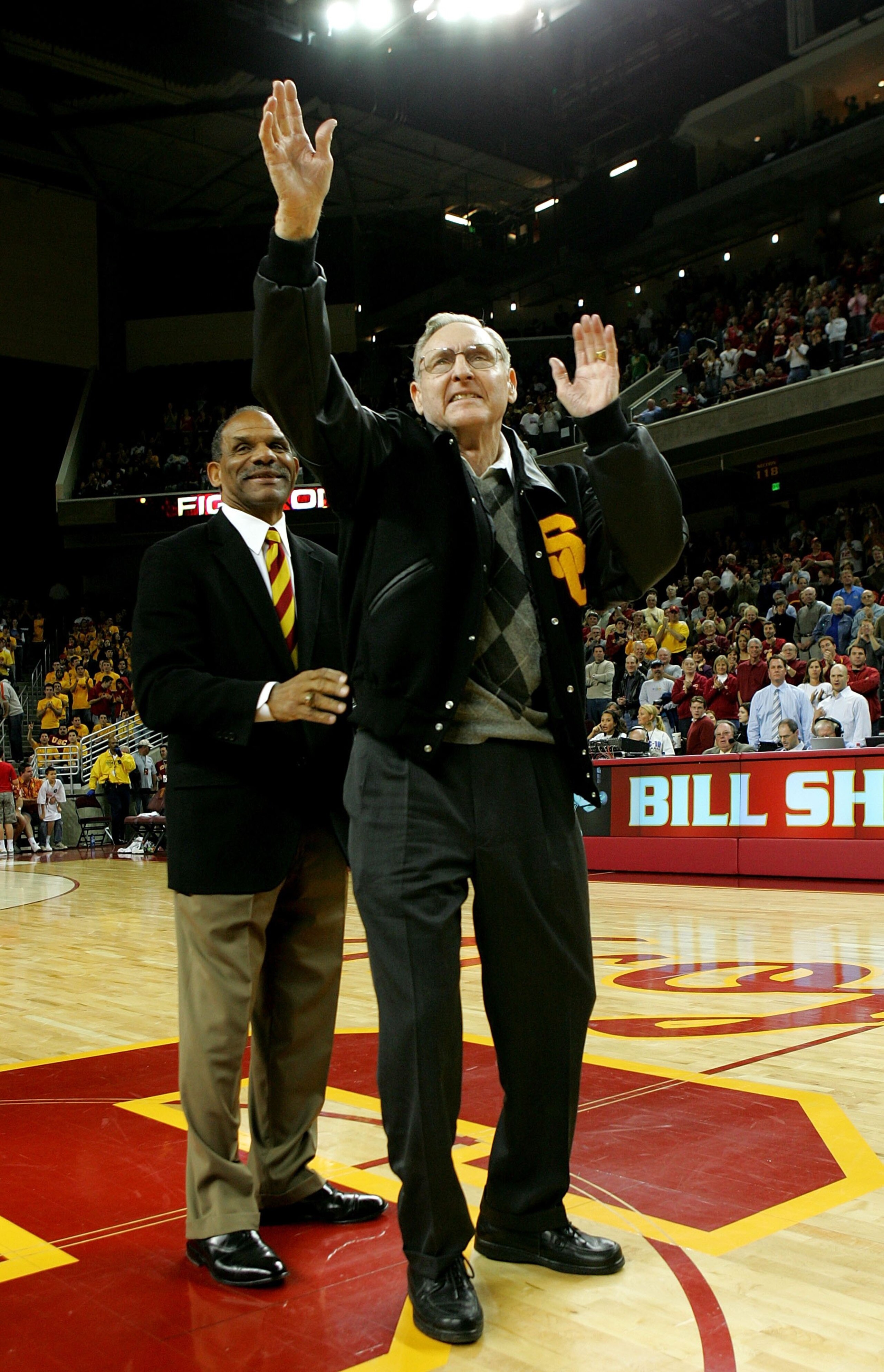
No. 1 seed New York Knicks (47-23) vs. No. 3 seed Boston Celtics (46-25)
Game 1: Knicks 95, Celtics 91
Game 2: Celtics 86, Knicks 70
Game 3: Knicks 101, Celtics 82
Game 4: Knicks 82, Celtics 75
Carl Braun, the pride of Colgate University, returned home from the Korean War and led the Knicks to their third straight series win over the Celtics and their third straight finals appearance (five-game loss to Minneapolis Lakers). Seven Knicks averaged double digits on the season, and the eighth-leading scorer, Dick McGuire, was a pass-first point guard considered one of the best five Knick floor generals in team history.
On the flip side, Cousy, McCauley and Bill Sharman each averaged over 16 points per game for a Celtics team that led the league in offense but was third-worst in defense (sound like another team you know?).
The Knicks went 4-6 against Boston in the regular season and had lost their last four regular-season games to them entering the playoffs.



1953-54 Eastern Conference Round Robin: Nationals 4, Celtics 2, Knicks 0
4 of 14No. 1 seed New York Knicks (44-28) vs. No. 2 seed Syracuse Nationals (42-30) vs. No. 3 seed Boston Celtics (42-30)
Game 1: Celtics 93, Knicks 71
Game 2: Nationals 75, Knicks 68
Game 3: Celtics 79, Knicks 78
Game 4: Nationals 103, Knicks 99
A three-team round robin? Yes, a three-team round robin. Let me write you a small essay on the topic.
In the midst of a social media age, where people now have the right to express any poorly-formed thought to the world, there was much hand-wringing and complaining over two playoff-related issues over the past year: The Seattle Seahawks getting in the NFL playoffs at 7-9, and the audacity that the NCAA would have a 96-team Division I men's basketball tournament and allow mediocre teams in the Big Dance.
Well, if social media existed in 1953, what would have happened when the 16-54 Baltimore Bullets and 28-43 Indianapolis Olympians made the playoffs? The top four teams in each five-team division made the playoffs in 1953, so the Bullets held off a fierce charge from the scrappy 12-57 Philadelphia Warriors to make the postseason.
To amend the situation (partially because the Olympians disbanded, turning the West into a four-team league), the NBA adopted a three-team round robin scenario to determine the Division Finals participants. Essentially, each team played a home-and-away series against the two other teams in their league.
In this season, the Knicks got the No. 1 seed but lost all four round-robin games. Season over. The Celtics lost to Syracuse in the Eastern Division Finals.
Photo courtesy of nbahoopsonline.com
1954-55 Eastern Division Semifinals: Celtics 2, Knicks 1
5 of 14No. 2 seed New York Knicks (38-34) vs. No. 3 seed Boston Celtics (36-36)
Game 1: Celtics 122, Knicks 101
Game 2: Knicks 102, Celtics 95
Game 3: Celtics 116, Knicks 109
The round robin was scrapped this season in favor of a play-in series between the second- and third-best teams from each division.
The Celtics employed the league's best offense and worst defense in the second-to-last season before the Bill Russell era, perfectly personifying their .500 record against both the league and the New York Knicks (6-6). In the postseason, their offense was simply too much for New York. Boston would lose to Syracuse again in the Eastern Division Finals.
Photo courtesy of bestcigarprices.com
1966-67 Eastern Division Semifinals: Celtics 3, Knicks 1
6 of 14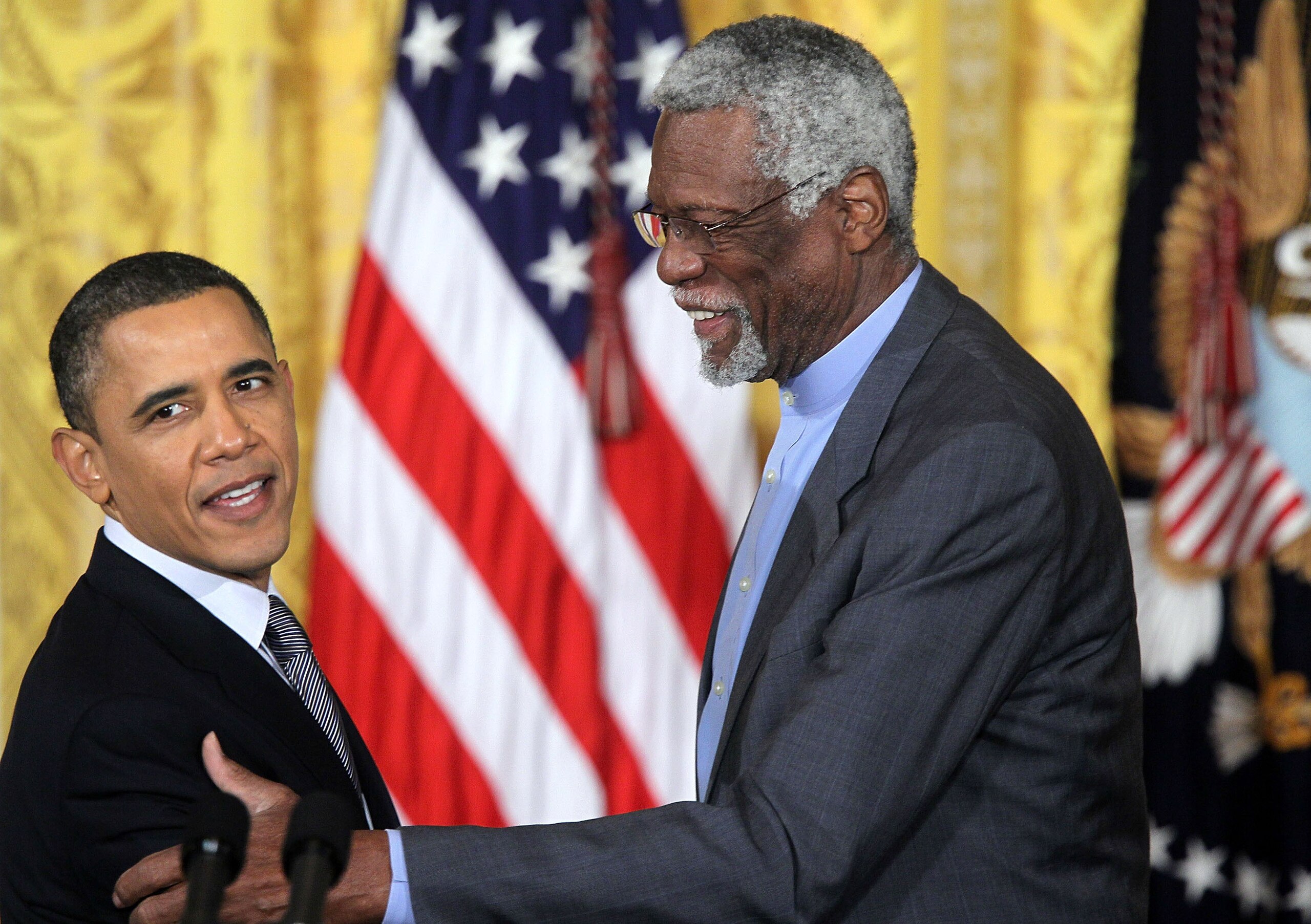
No. 3 seed New York Knicks (36-45) vs. No. 2 seed Boston Celtics (60-21)
Game 1: Celtics 140, Knicks 110
Game 2: Celtics 115, Knicks 108
Game 3: Knicks 123, Celtics 112
Game 4: Celtics 118, Knicks 109
The Knicks made the playoffs only twice between 1955-1966, losing both series. Meanwhile, the Celtics won nine NBA titles and made a 10th finals appearance behind the combined powers of Bill Russell, Bob Cousy, Red Auerbach, Sam Jones and a host of others the Knicks couldn't compete with in the post-Harry Gallatin era.
In this series, the Knicks did not have a snowball's chance in hell of defeating the mighty Celtics, as they lost all nine games to them during the season. It was a shock that New York even won one postseason game.
In case you're wondering, the 60-win Celtics only managed a No. 2 seed because the No. 1 seed Philadelphia 76ers went 68-13 behind Wilt Chamberlain, Hal Greer and Billy Cunningham, all future Hall of Famers. Boston lost to Philadelphia in the Eastern Division Finals.
1968-69 Eastern Division Finals: Celtics 4, Knicks 2
7 of 14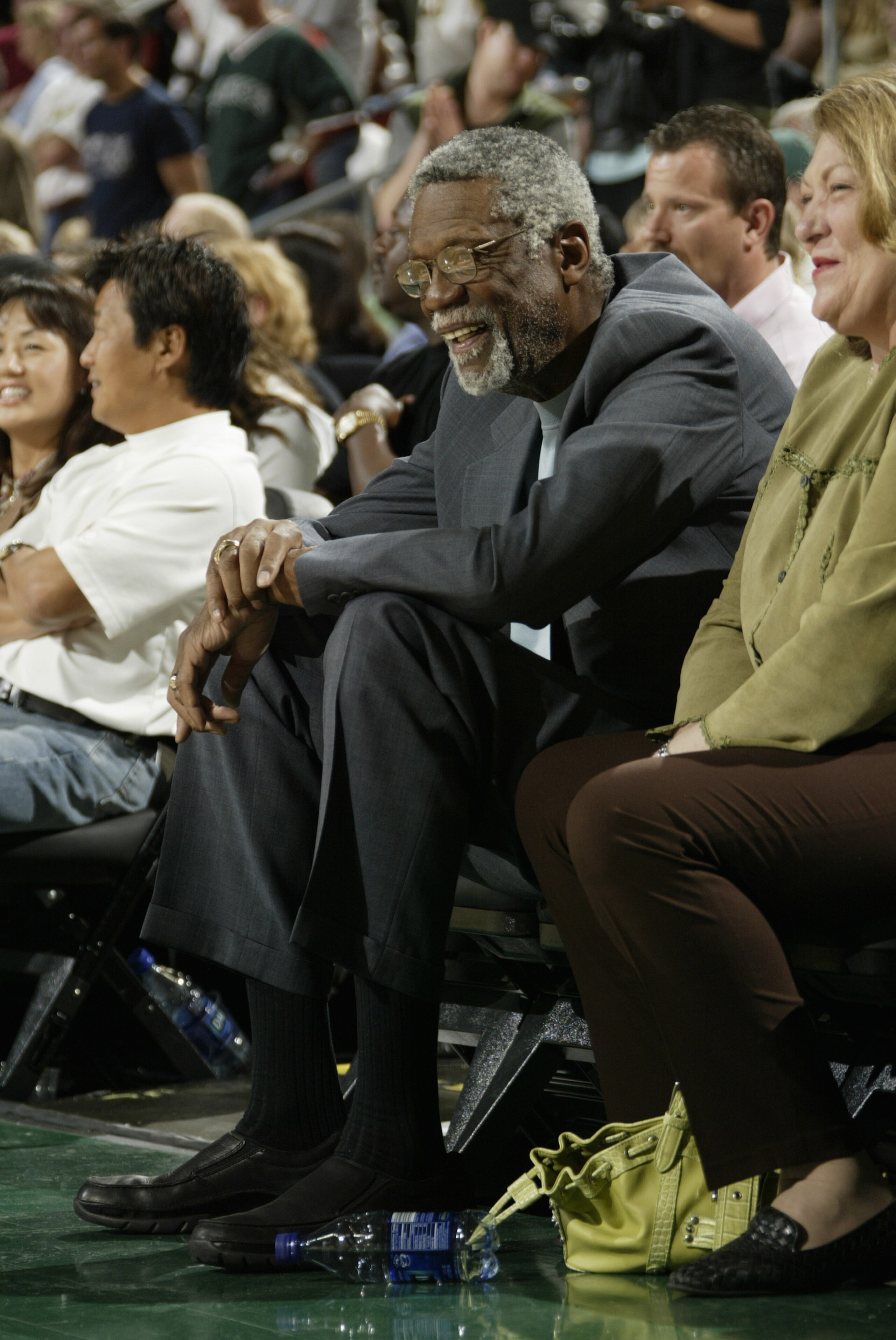
No. 3 seed New York Knicks (54-28) vs. No. 4 seed Boston Celtics (48-34)
Game 1: Celtics 108, Knicks 100
Game 2: Celtics 112, Knicks 97
Game 3: Knicks 101, Celtics 91
Game 4: Celtics 97, Knicks 96
Game 5: Knicks 112, Celtics 104
Game 6: Celtics 118, Knicks 109
The outgoing dynasty vs. the incoming dynasty. The old guard vs. the new guard.
Six Hall of Famers took part in this series. The Celtics and Knicks easily handled the Bullets and 76ers in the first round of the playoffs, but they were only underdogs in the standings.
The Celtics, despite their record, had the second-best point differential and two men (Bill Russell and Sam Jones) who had 19 championships. Both retired after the season.
The Knicks were buoyed by the midseason Dave DeBusschere trade, which gave the Knicks a 38-11 record to close the regular season. A coach named Red Holzman would help as well.
New York had won six of seven but could not match the Celtics' experience and playoff savvy. Of note, Bill Russell had 29 boards in Game 2. In Game 4, Willis Reed missed a shot to give the Knicks a 96-95 lead, and Emmette Bryant made two free throws to ice the game. That was the dagger. Two wins at Boston Garden would be too tough a task to ask for New York, but its time would come one season later.
“We felt we were on par with them,” Frazier said of the Celtics team that beat them in 1969. “We felt we were ready to be the champions. I remember that like yesterday.”
Note: Read here for a great recap of the Celtics' 1968-69 season in comparison to last season.
1971-72 Eastern Conference Finals: Knicks 4, Celtics 1
8 of 14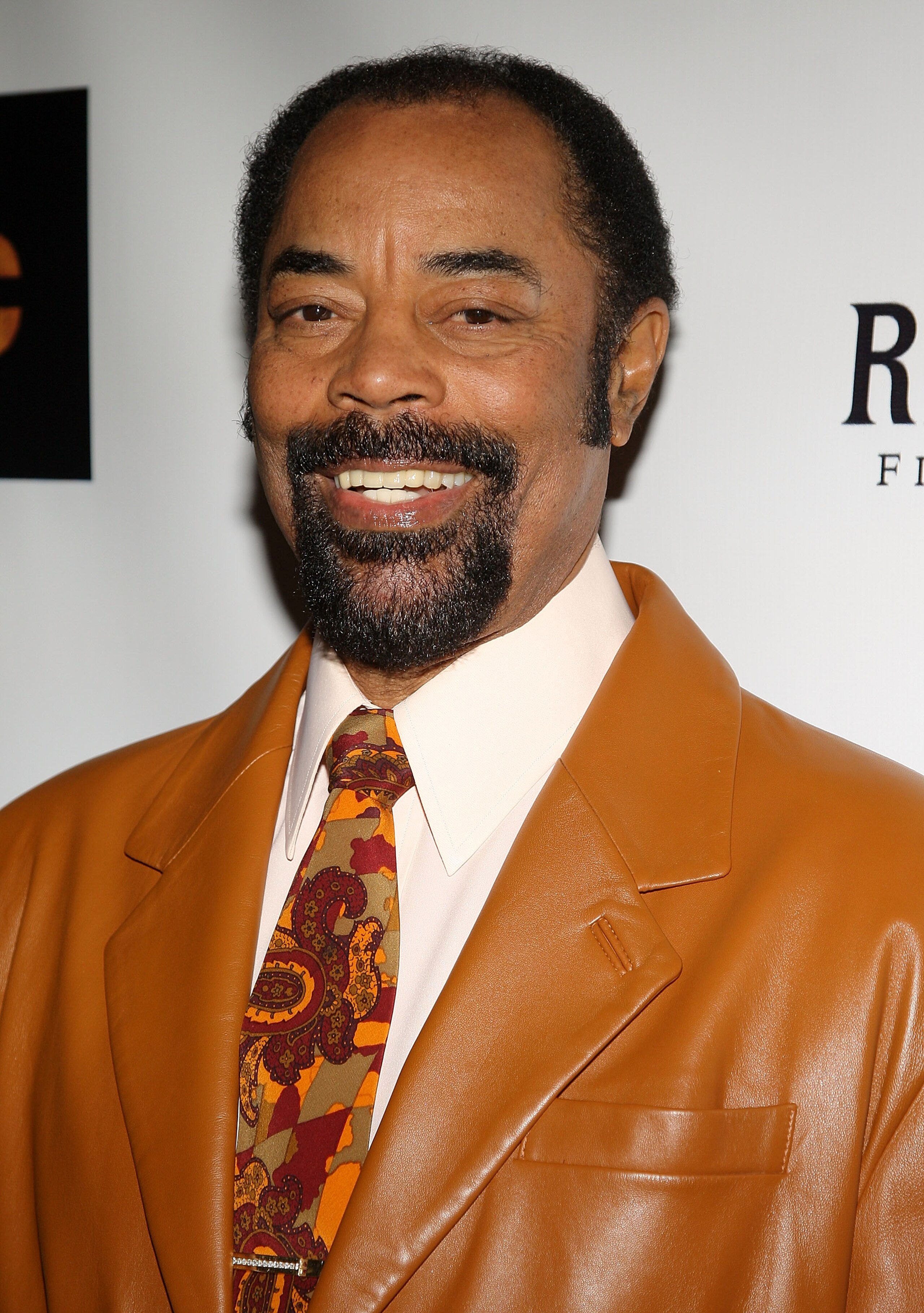
No. 3 seed New York Knicks (48-34) vs. No. 1 seed Boston Celtics (56-26)
Game 1: Knicks 116, Celtics 94
Game 2: Knicks 106, Celtics 105
Game 3: Celtics 115, Knicks 109
Game 4: Knicks 116, Celtics 98
Game 5: Knicks 111, Celtics 103
Just like this season, the Knicks had to make some adjustments to welcome new personnel, as Baltimore Bullets point guard Earl Monroe stepped in for shooting guard Dick Barnett in the starting lineup. The two point guard lineup worked for the Knicks despite the team going 4-7 immediately following the trade.
The Knicks did not have Willis Reed for 71 regular-season games and the postseason as well. In stepped the cerebral Jerry Lucas, who averaged over 16 points and 13 rebounds for the season. The rest of the Knicks' core was largely intact.
Meanwhile, the Celtics were a brand-new team since 1969, with Bill Russell, Sam Jones and Bailey Howell no longer in Boston. The team was led by John Havilcek's 27-plus PPG, Jo-Jo White, the rugged double-double maniac Dave Cowens (like Kevin Garnett in terms of his intensity) and future coaches Don Nelson and Don Chaney. Tom Heinsohn was the coach.
The key difference between the two teams, and the catalyst for the Knicks' win, was defense. Boston's ranked ninth of 17 in the NBA, while the Knicks' defense was still stellar, ranked third. New York would lose in the 1972 NBA Finals to the Jerry West-Wilt Chamberlain Lakers, owners of a 69-13 record, in five games.
1972-73 Eastern Conference Finals: Knicks 4, Celtics 3
9 of 14No. 3 seed New York Knicks (57-25) vs. No. 1 seed Boston Celtics (68-14)
Game 1: Celtics 134, Knicks 108
Game 2: Knicks 129, Celtics 96
Game 3: Knicks 98, Celtics 91
Game 4: Knicks 117, Celtics 110 (Double Overtime)
Game 5: Celtics 98, Knicks 97
Game 6: Celtics 110, Knicks 100
Game 7: Knicks 94, Celtics 78
Both of their records were inflated by playing in the same division as the 21-61 Baltimore Bullets (think they missed Earl Monroe?) and the 9-73 Philadelphia 76ers. To this day, the 76ers' record is the worst in NBA history, while the 1973 Celtics are the best team to never make an NBA Finals.
The 1973 Knicks' big regular-season moment was an 87-86 win over Milwaukee in 1972 after being down 86-68 with under six minutes left (most impressive when you consider the three-point line would not come into existence in the NBA until 1979).
A John Havlicek shoulder injury following a Dave DeBusschere pick in Game 3 hindered him for the rest of the series. That was the defining factor in the Knicks' eventual win.
In this postseason, the Knicks pulled out a great Game 4 victory but could not pull out Game 5 after Paul Silas made two clutch free throws in the waning seconds after being hacked following an offensive rebound.
The Celtics used a 28-18 fourth-quarter advantage to win Game 6, but in Game 7, the Knicks made history by becoming the only team to ever defeat the Celtics in a Game 7 at Boston Garden. That feat still stands today.
Note: SI's summary of the series for your viewing pleasure.
1973-74 Eastern Conference Finals: Celtics 4, Knicks 1
10 of 14No. 3 seed New York Knicks (49-33) vs. No. 1 seed Boston Celtics (56-26)
Game 1: Celtics 113, Knicks 88
Game 2: Celtics 111, Knicks 99
Game 3: Knicks 103, Celtics 100
Game 4: Celtics 98, Knicks 91
Game 5: Celtics 105, Knicks 94
For the fourth time in six years, the Knicks and Celtics met in the Eastern Conference Finals. This was easily the most boring and least competitive series between the two squads, as Boston was entering its mini-dynasty of the mid-1970s while the Knicks were about to become largely irrelevant until the Patrick Ewing era.
After defeating the Knicks by an average of 14 points in their four wins, the Celtics ended up winning the finals over the Milwaukee Bucks in seven games.
1983-84 Eastern Conference Semifinals: Celtics 4, Knicks 3
11 of 14No. 5 seed New York Knicks (47-35) vs. No. 1 seed Boston Celtics (62-20)
Game 1: Celtics 110, Knicks 92
Game 2: Celtics 116, Knicks 102
Game 3: Knicks 100, Celtics 92
Game 4: Knicks 118, Celtics 113
Game 5: Celtics 121, Knicks 99
Game 6: Knicks 106, Celtics 104
Game 7: Celtics 121, Knicks 104
"[Knicks forward Bernard King] has scored his last 40 points. We've got somebody who can stop him," Celtics guard/forward M.L. Carr.
That someone would be Cedric Maxwell. See below.
"He ain't getting 40 on us. We're going to stop the bitch," Celtics forward Cedric Maxwell.
If Boston's goal was to stop King from scoring 50 in a game, then yes, one-man Knicks wrecking crew Bernard King was stopped. He willed the Knicks to seven games, scoring 43 points in Game 4 and 44 in Game 6. Overall he averaged 34.8 PPG (42.6 PPG vs. Detroit; 29.1 PPG vs. Boston) in 12 postseason games in 1984.
However, NBA MVP Larry Bird was the difference, getting over 30 PPG and 10 RPG.
Meanwhile, Danny Ainge and Darrell Walker got into a fight that started a bench-clearing brawl in Game 5. This symbolized the rough play in the series, which featured 10 technicals, three ejections and the aforementioned fight. Larry Bird went for 39 points, 12 rebounds and 10 assists in Game 7 but almost closed it out in Game 6 when New York nearly blew a 104-91 lead.
Still, the King-led Knicks were incredibly impressive to take a 62-20 Celtics team that had Bird, Kevin McHale, Robert Parrish, Dennis Johnson and Danny Ainge to seven games. That team ended up beating Magic Johnson's Lakers in a seven-game Finals series.
Note: This excellent SI article sums up the series quite well.
1987-88 Eastern Conference First Round: Celtics 3, Knicks 1
12 of 14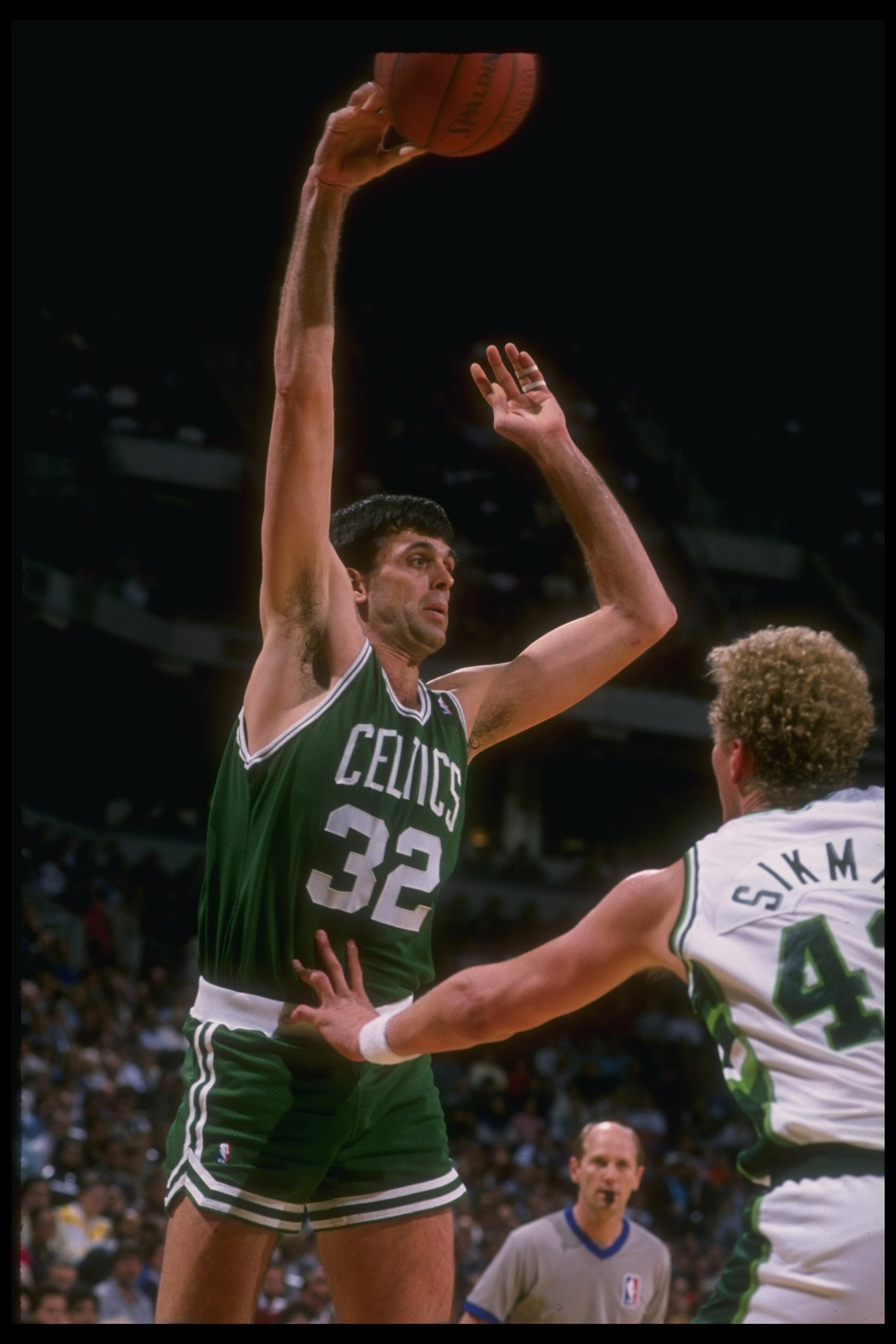
No. 8 seed New York Knicks (38-44) vs. No. 1 seed Boston Celtics (57-25)
Game 1: Celtics 112, Knicks 92
Game 2: Celtics 128, Knicks 102
Game 3: Knicks 109, Celtics 100
Game 4: Celtics 102, Knicks 94
As you can see in this New York Times article, the Knicks were largely overmatched heading into this series. The Celtics had just made their last NBA Finals appearance for the next 22 seasons, but they still has the old guard from their last playoff series against the Knicks in 1984.
Meanwhile, the Knicks had a whole new team. Out went Bernard King and Hubie Brown and in came Patrick Ewing, Mark Jackson and Gerald Wilkins, led by new coach Rick Pitino.
The Knicks were awful in the first half of the season (14-28) but "stormed" back to get to 38-44, beating the 38-44 Indiana Pacers on the last day, 88-86 to get into the playoffs over Indiana due to a tiebreaker.
New York was a babe in the woods in the playoffs, having been out for the past three seasons. As the preview article implied, the Knicks would not—and did not—put up much of a fight.
The Celtics lost in six games to Detroit in the Eastern Conference Finals.
1989-90 Eastern Conference First Round: Knicks 3, Celtics 2
13 of 14No. 5 seed New York Knicks (45-37) vs. No. 1 seed Boston Celtics (52-30)
Game 1: Celtics 116, Knicks 105
Game 2: Celtics 157, Knicks 128
Game 3: Knicks 102, Celtics 99
Game 4: Knicks 135, Celtics 108
Game 5: Knicks 121, Celtics 114
Patrick Ewing scored 51 points (20-of-29 FG, 11-of-13 FT) and grabbed 18 rebounds in a loss to the Celtics during the 1989-90 season in which he averaged roughly 28 points, 11 rebounds and four blocks per game. No doubt he was taking out his anger on the Celtics for being in the midst of a 26-game winning streak over the Knicks at Boston Garden, a streak that lasted until Game 5 this series.
Ewing found another gear in the playoffs. He had 33 points in Game 3, 44 points and 13 rebounds in Game 4 and nailed the dagger shot in Game 5, hitting a fallaway three-pointer as time expired to put the Knicks up 113-101 with 2:03 remaining. Ewing (31 points, 10 assists), Charles Oakley (26 points, 17 rebounds) and Mo Cheeks (21 points and seven assists) led the team in Game 5, with Cheeks playing every second of the contest.
"This is low as it gets since I've been here," Bird said after the game. We're in shock. This is unbelievable."
Kevin McHale noted years later that he wanted to double-team Ewing in Game 3, but Celtics head coach Johnny Rodgers disagreed.
They were both wrong. Ewing should have received a quadruple team.
Note: If you want to watch the Patrick Ewing tribute video, feel free. If not, fast-forward to about 4:45 to watch the infamous three-pointer. Also check this SI article out.
2010-11 Eastern Conference First Round: No. 3 Celtics vs. No. 6 Knicks
14 of 14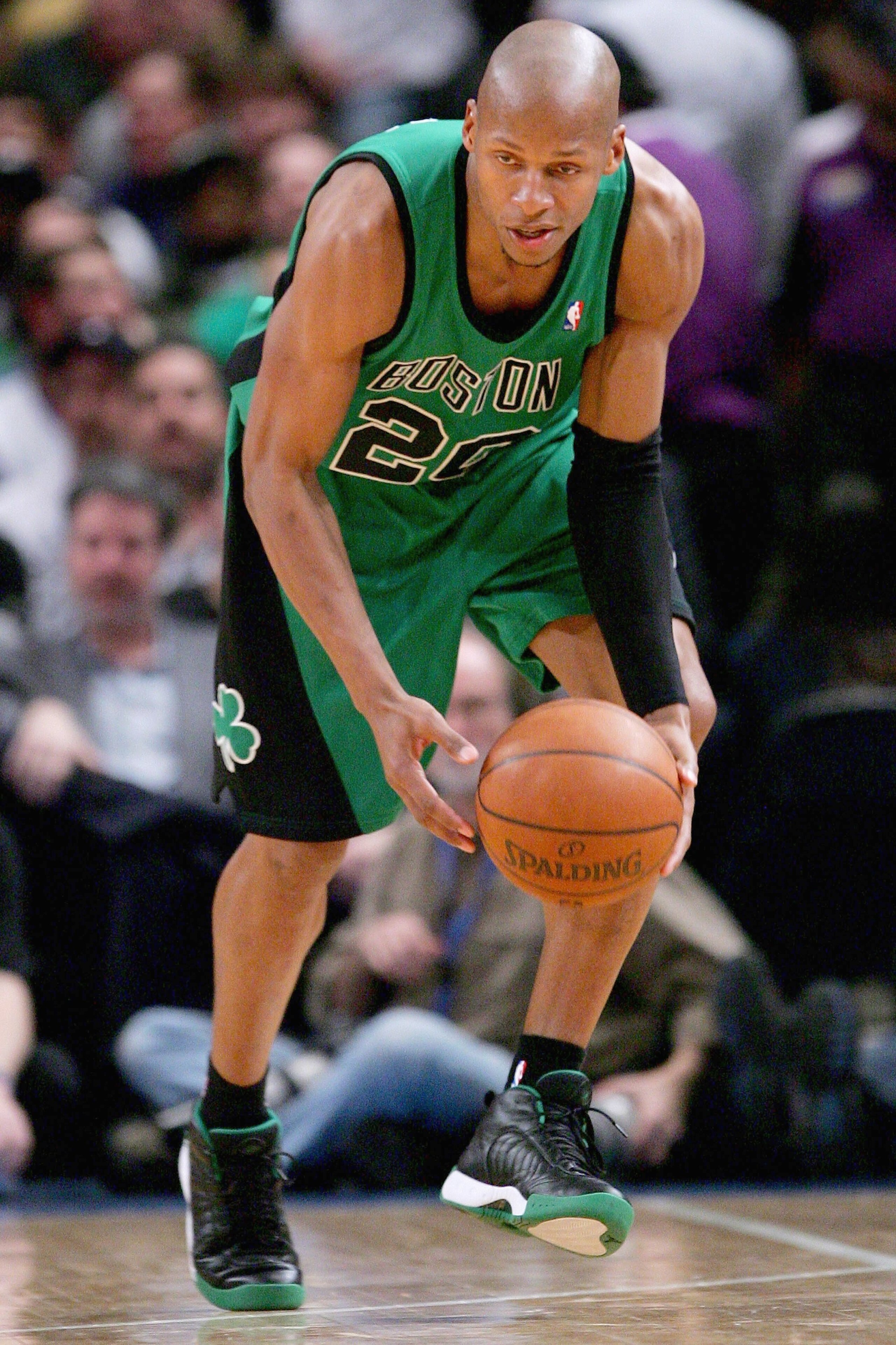
No. 6 New York Knicks (42-40) vs. No. 3 Boston Celtics (56-26)
Game 1: Sunday, April 17, New York at Boston, 7 p.m. on TNT
Game 2: Tuesday, April 19, New York at Boston, 7 p.m. on TNT
Game 3: Friday, April 22, Boston at New York, TBD on ESPN
Game 4: Sunday, April 24, Boston at New York, 3:30 p.m. ABC
Game 5: Tuesday, April 26, New York at Boston, TBD
Game 6: Friday, April 29, Boston at New York, TBD
Game 7: Sunday, May 1, New York at Boston, TBD
Let's get it on.
.jpg?w=2560 "NBA Gambling Charges")


.png?w=2560 "Week 8 Winners & Losers 📊")

.jpg?w=2560 "Jonathan Taylor Landing Spots")