
March Madness: 5 Reasons Texas (Not Kansas) Is Big 12's Top Tourney Team
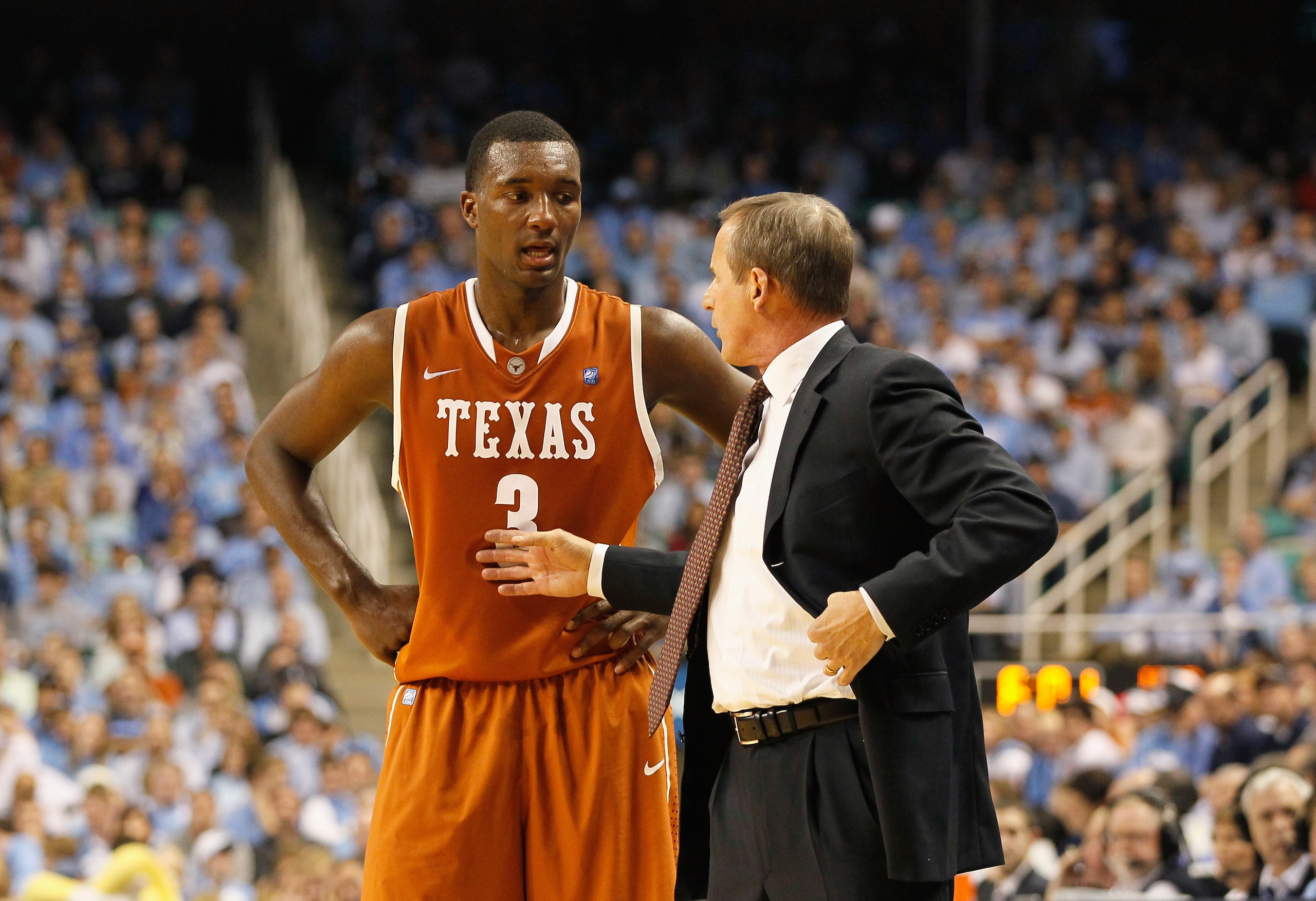
To the extent that it's possible for a top 10, 27-win team to fly under the radar, the Texas Longhorns are doing it.
Adding insult to insult, more than a few talking heads are picking Texas, the fourth seed in the tournament's West Region, as a Cinderella casualty in their opening matchup with Oakland.
Meanwhile, Big 12 Conference-rival Kansas is a popular pick to be the team holding its final news conference with pieces of the net in the players' hats.
And make no mistake, the Jayhawks are stacked and poised for a deep run. But a case can be made that Texas, not Kansas, is the most dangerous Big 12 team in the 2011 tournament field. Here are five reasons why.
5. Rebounding
1 of 5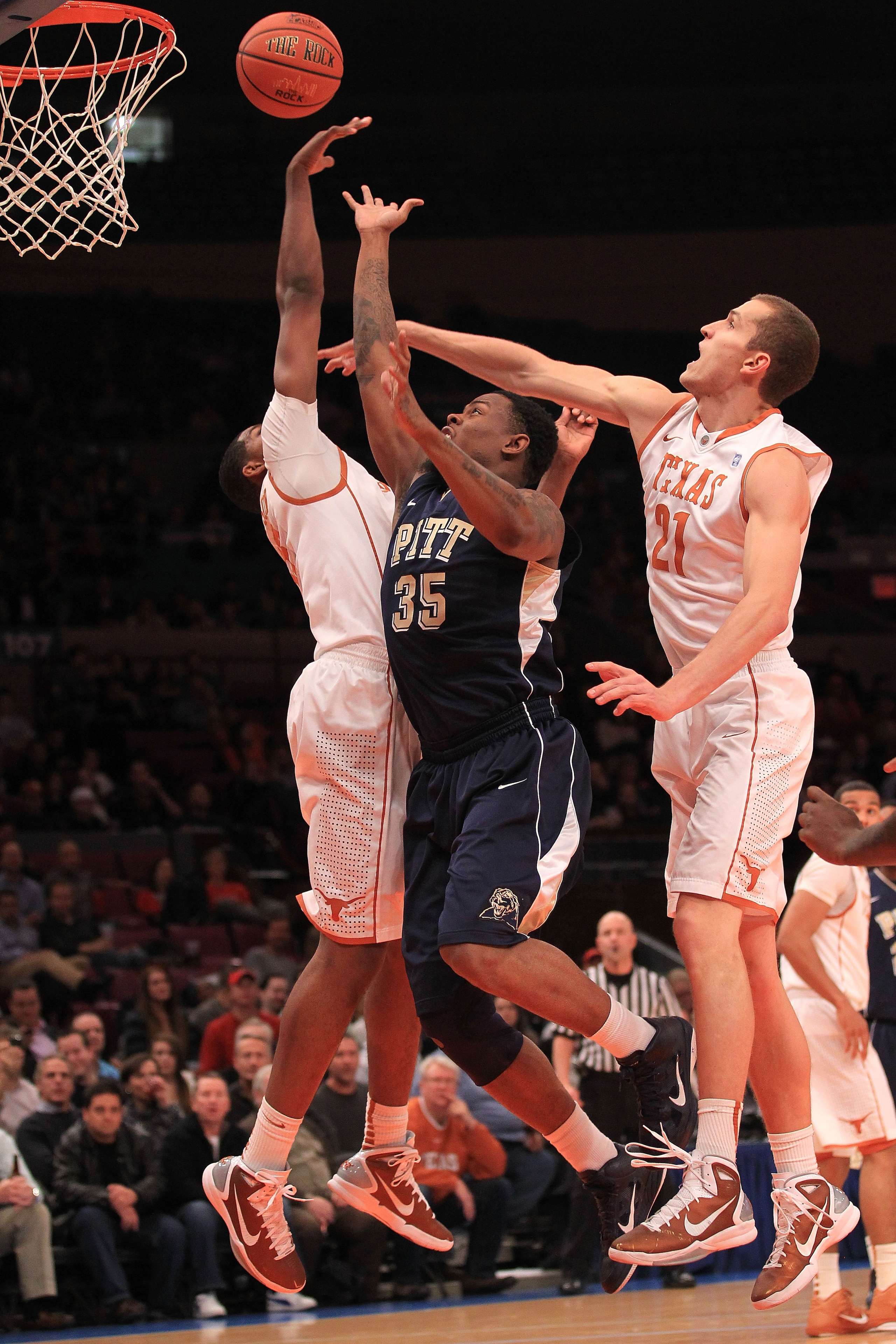
Once the tournament starts, it's all about ball control.
That's why it's important that Texas led the Big 12 in both offensive and defensive rebounding (and finished fifth in the nation overall). Three players—Tristan Thompson, Jordan Hamilton and Gary Johnson—average seven rebounds or more for the Longhorns.
4. Jordan Hamilton
2 of 5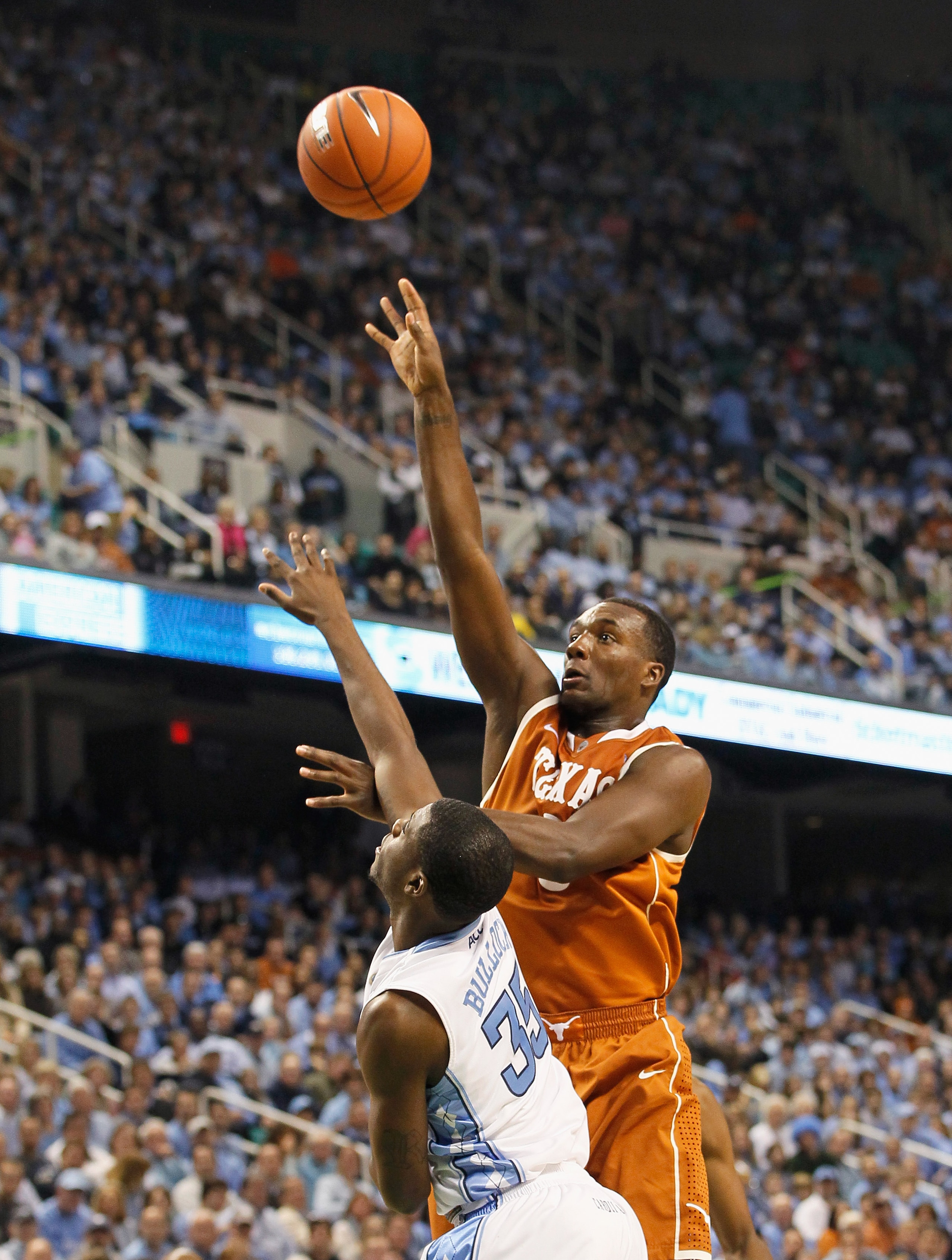
Marcus Morris may have won Big 12 Player of the Year, but if I'm starting my own team and I have first pick out of everyone in the conference, I'm picking Jordan Hamilton.
Don't get me wrong, Morris is terrific. No one's saying he isn't. But when Hamilton is dialed in, he has an inside-out game that is very difficult to defend. He is so versatile, in fact, that at first glance it can be hard to tell what position he is playing.
At first glance, these two are balanced. Morris averaged about 19 points per game, while Hamilton averaged 17.5. Hamilton led the conference in rebounding with eight per contest, with Morris right behind at 7.6.
But here's where the real separation occurs. Morris shot an incredible 58.7 percent from the field, but that was largely a function of his interior game. Hamilton shot 44-percent overall, but that included shooting 39 percent from three on 224 attempts. And to boot, he had a full half an assist more per game than Morris, 2.1 to 1.6.
In short, Hamilton gets more rebounds than Morris while simultaneously posing a far more serious threat, both as a shooter and a ball handler. Hamilton can do it all. Sometimes it seems that the only person who can stop him is himself. Speaking of which...
3. Tournament Performance
3 of 5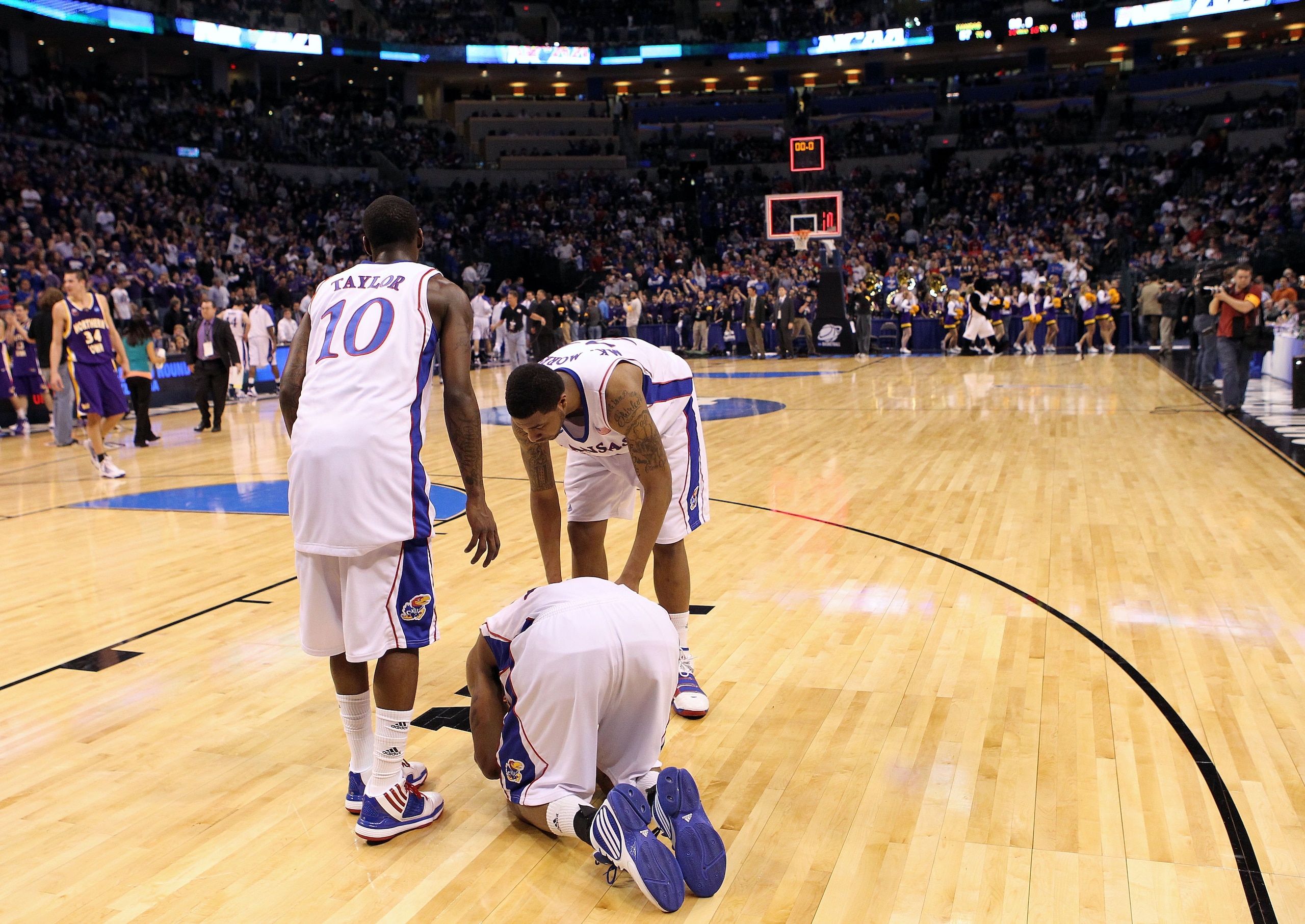
As you know, the Longhorns won in Lawrence but lost in Lincoln. In their two meetings with bitter rival and fellow top-25 dweller Texas A&M, the Longhorns manhandled the Aggies by 20 and 21 points. But against struggling Baylor, they won the two meetings by an average of 7.5.
In other words, the Longhorns seem to play better when they have something to play for. They need the bulletin-board material. That may be why their pick as an upset victim on opening weekend, not to mention their receipt of a four seed despite finishing second in the Big 12 and eighth in the country, could be the best thing that happened to this team and its tournament prospects.
On the other hand, even though Kansas won it all in 2008 and reached the final game in 2003, the Jayhawks are one of the most upset-prone teams in the nation. This terrific analysis shows that, when you compare the seedings of the upsetter and the upsettee (or whatever terms you want to use there), only Florida suffers from as virulent a strain of the upset bug as the Jayhawks.
In summary, one team seems to need a chip on its shoulder to play well, and seems to be entering the tournament with a chip on its shoulder. The other team doesn't always seem to perform well under pressure in the postseason and is entering this postseason under a lot of pressure.
Which team would you lean toward?

2. Scoring Margin
4 of 5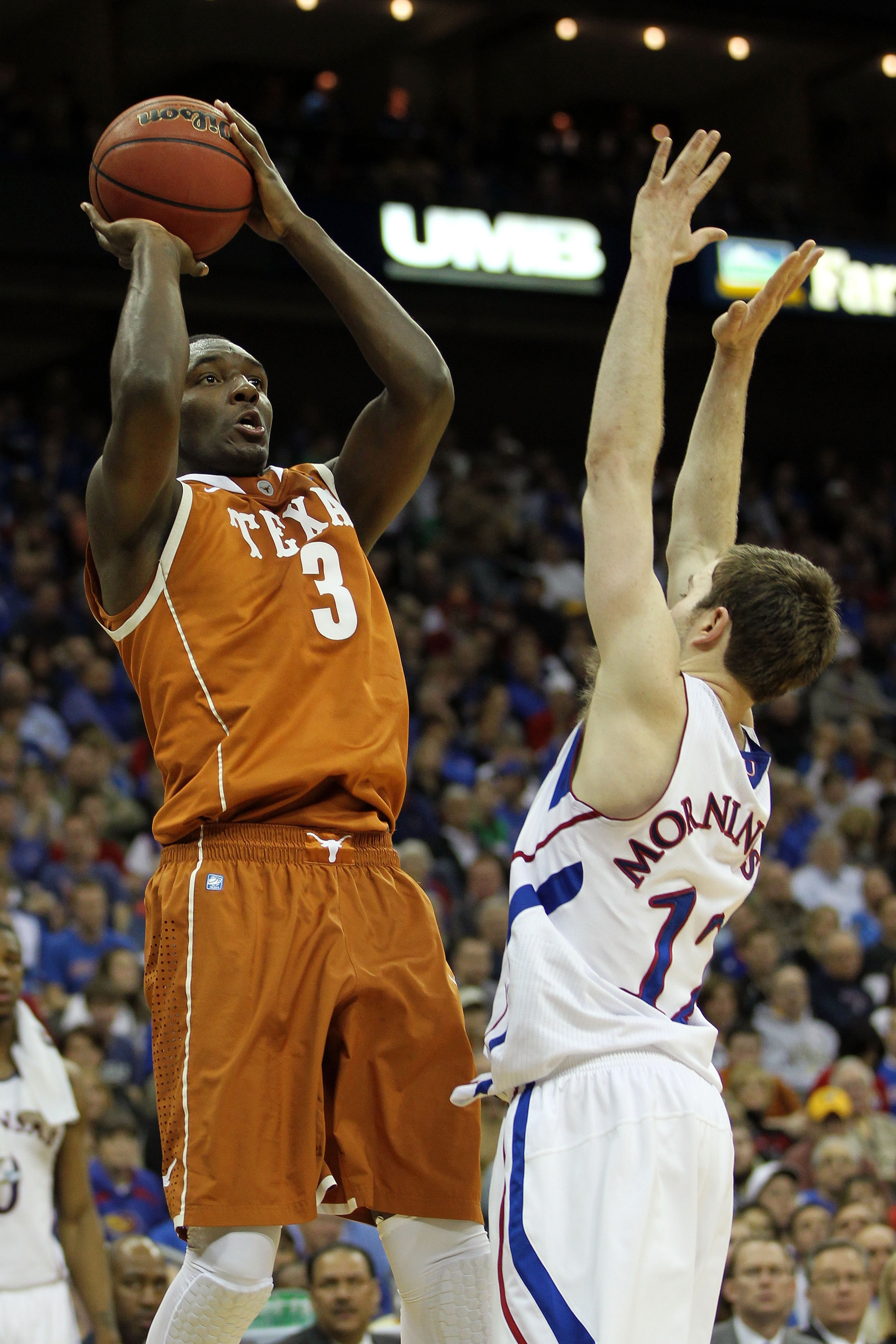
Every year, it seems someone tries to find the secret ingredient to a successful tournament team. This year, scoring margin is one of the trendy favorites. And certainly, that's hard to argue with, as, from what I understand, the amount of points you score in relation to your opponent is a fairly solid indicator of success.
Texas led the Big 12 in scoring margin this year with a 13.1 average margin of victory. Kansas, which finished second in the category, finished a full point back.
1. Defense
5 of 5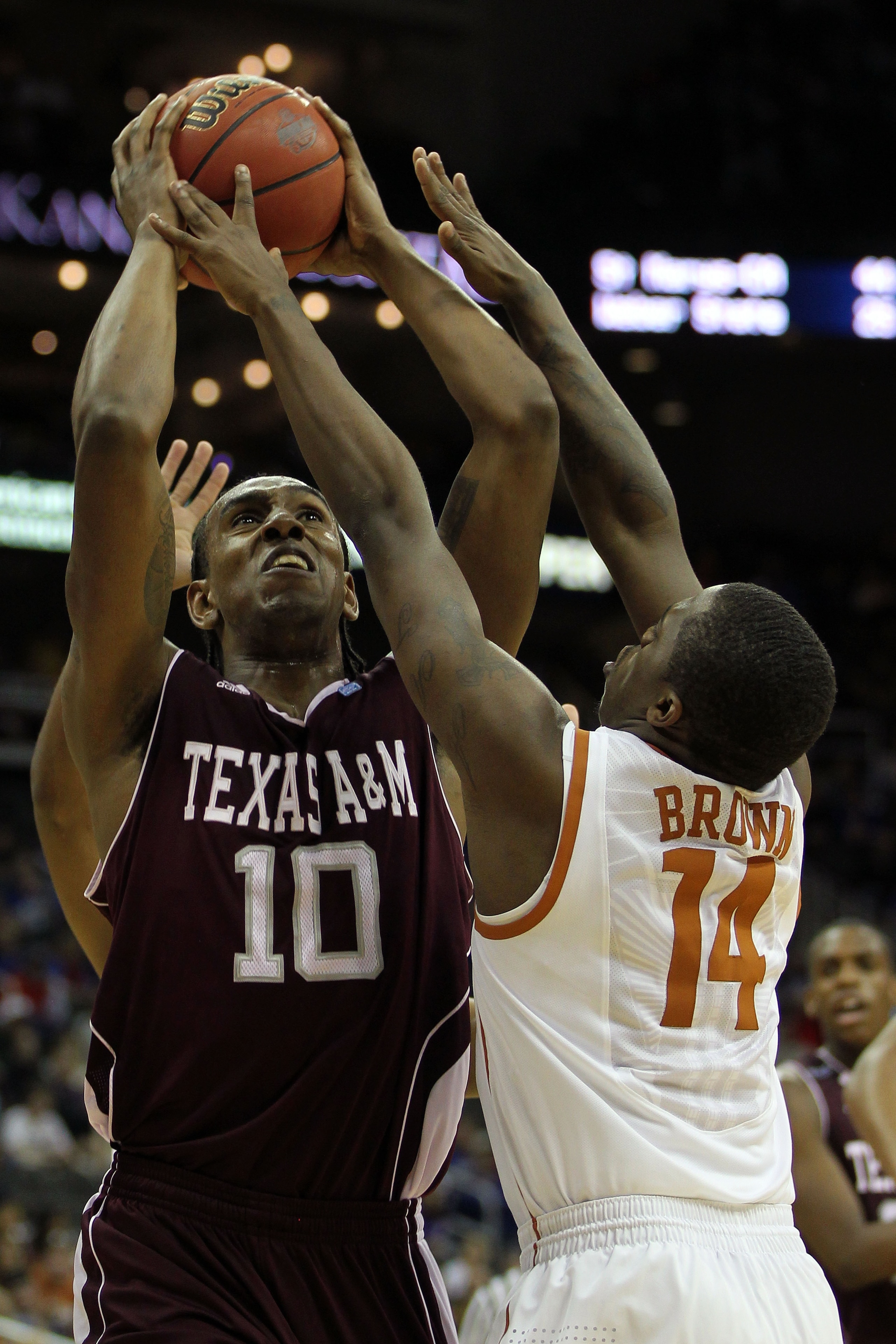
Despite their scoring prowess, the Longhorns have quietly become nasty on the defensive end.
This season, Texas led the Big 12 in field-goal percentage defense, three-point percentage defense and blocked shots. They're not overwhelming, but they work hard and are tenacious. Sophomore guard J'Covan Brown is a great example. At 6'1", he's not a paragon of physical charisma, but he goes out there and he prevents his man from scoring.
Defense may or may not win championships, but it definitely helps earn Texas a nod in this intra-conference battle. Just as with the rebounding edge they hold over Kansas and almost everyone else, this advantage will allow Texas to control the tone and tempo of every contest the Longhorns play in.

.jpg?w=2560 "Terrell Owens Being Sued for Defamation")
.jpg?w=2560 "CJGJ Shares Cryptic Post 🤔")
.jpg?w=2560 "Buyers or Sellers for NFL's Most Surprising Teams 🏈")