
College Football: Historic Powerhouses That Aren't Attractive Anymore
Sometimes we see a college football program make a short run, but we know that it is not a traditional powerhouse that has done it year in and year out.
Other times, we see traditional powerhouses fall to the wayside and we scratch our heads as to why they are not dominating like in years past.
Whatever the case may be, in today's college football, we have some powerhouses who just aren't quite what they used to be anymore.
I'm not saying they are finished or can't return to the glory days, but as it stands right now, these programs are not where they once were in the past. Some schools may even surprise you for making it on this list.
Come check it out.
Southern Methodist
1 of 7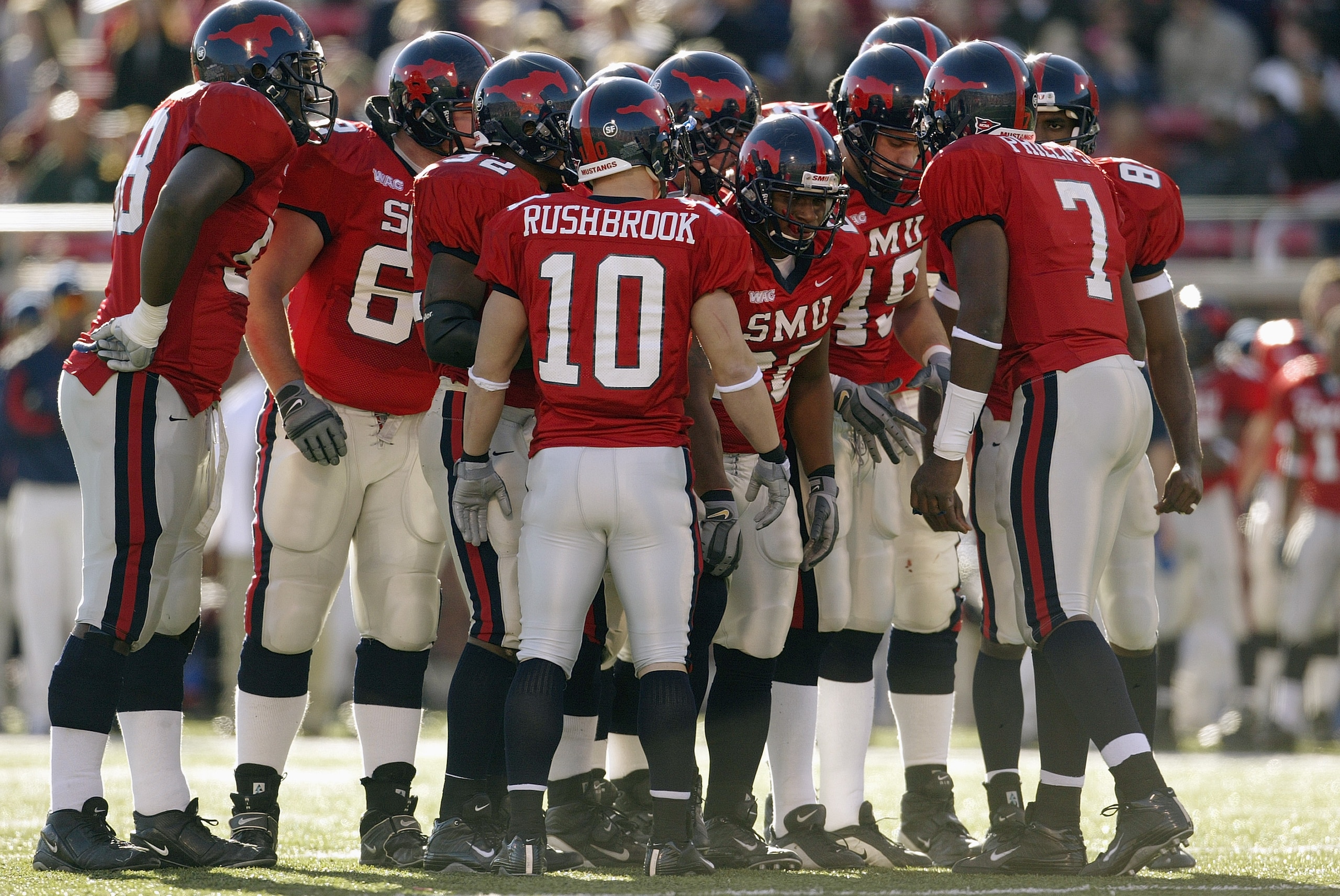
SMU was the first and last college football team to receive the "Death Penalty," and it pretty much still has not been able to recover from it.
The NCAA handed down the execution in February of 1987 and SMU as we knew it fell.
The Mustangs endured a tremendous run from the '70s and '80s, including an undefeated season in 1982 and a 52-19-1 record from 1980-1986. Toss in 10 Southwestern Conference titles before the "Death Penalty," and you see that SMU was a powerhouse. They were not scared of the big boys like Texas, Oklahoma or Arkansas and were a recruiting juggernaut.
The "Death Penalty" has been too severe to overcome, as Mustang football has not been relevant since the mid '80s and the program has gone 64-158-3 with just two winning seasons.
June Jones has been hired to turn things around, and hopefully he can.
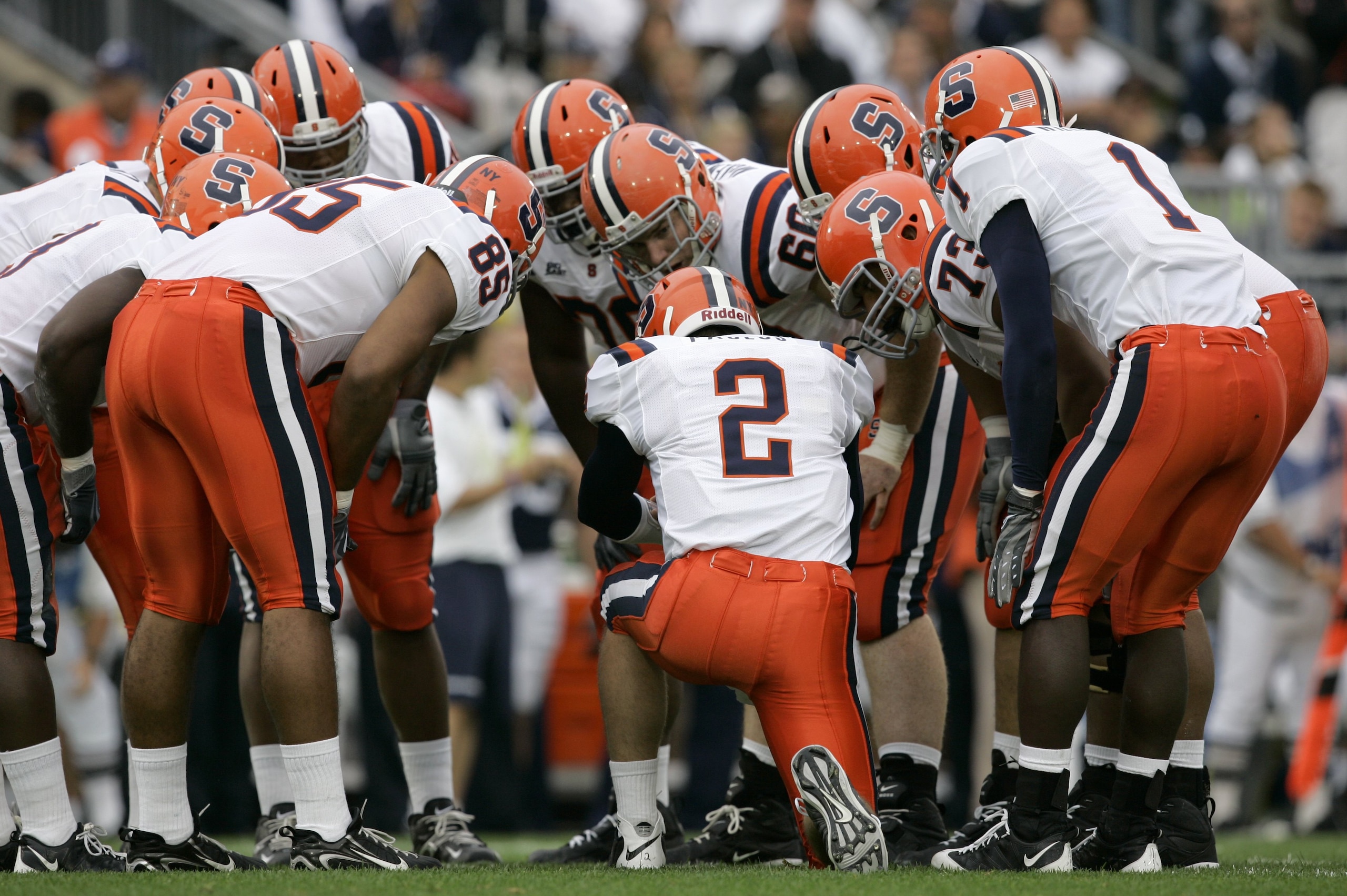
Syracuse
2 of 7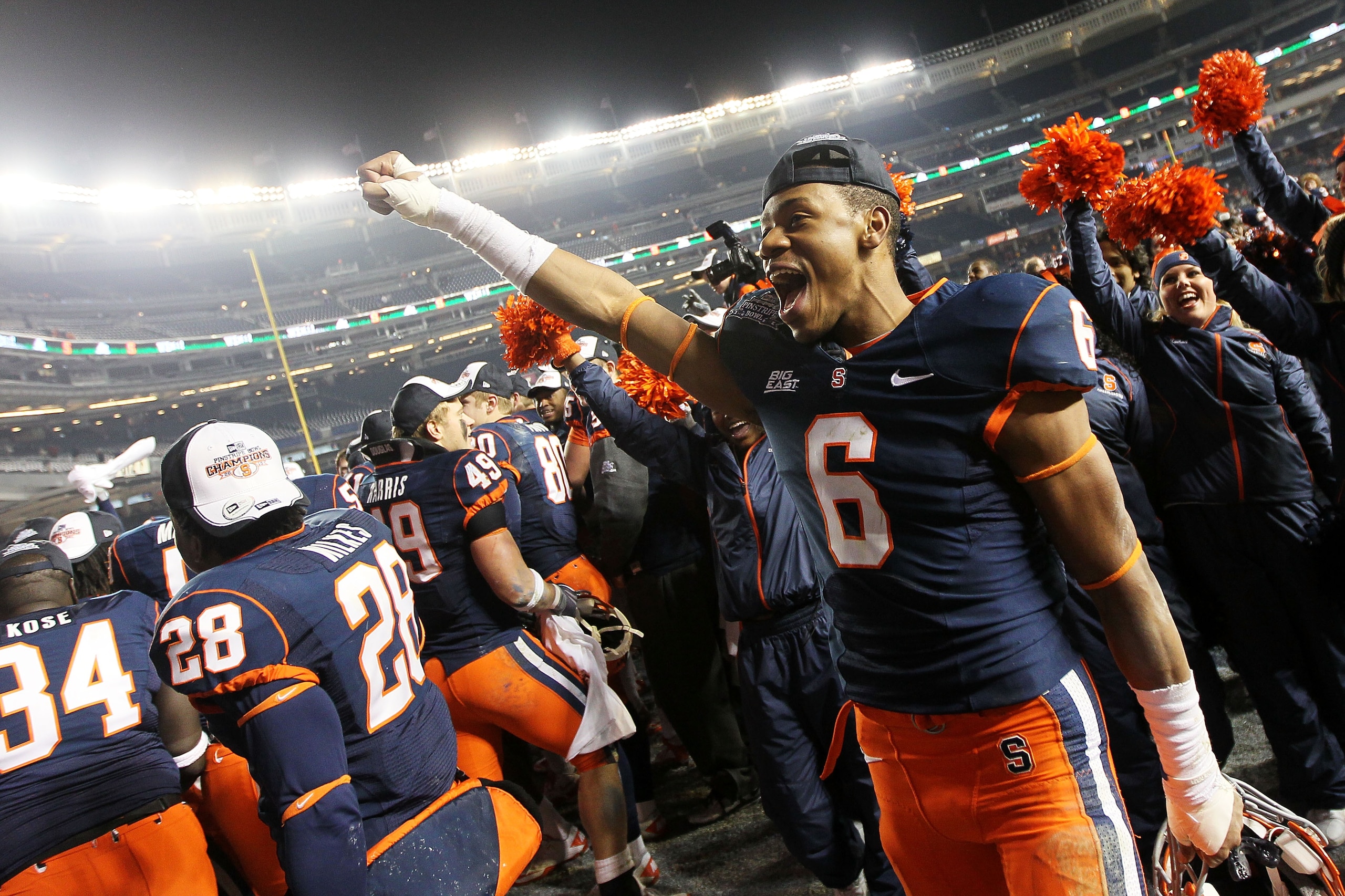
The 'Cuse started playing college football in the late 1800s and immediately became an elite power under legendary head coach Buck O'Neil. Then came the Buck Schwartzwalder Era that saw Jim Brown and Ernie Davis come in, dominate and win a title in 1959.
The Carrier Dome was built in 1980 and after a few subpar years and the introduction of the "Sack Mac" phrase, the Orange went perfect in 1987 at 11-0.
From 1988-2001, Syracuse was a traditional power out of Upstate New York and endured much success. Nine bowl wins in 11 appearances and three Big East titles later, the Orange were a program to stay.
Since 2002, however, the Orange have not been the same. Paul Pasqualoni was fired after 14 years, and Greg Robinson won only 10 games in his four years at the helm.
Today the program is led by Syracuse alum Doug Marrone.
Colorado
3 of 7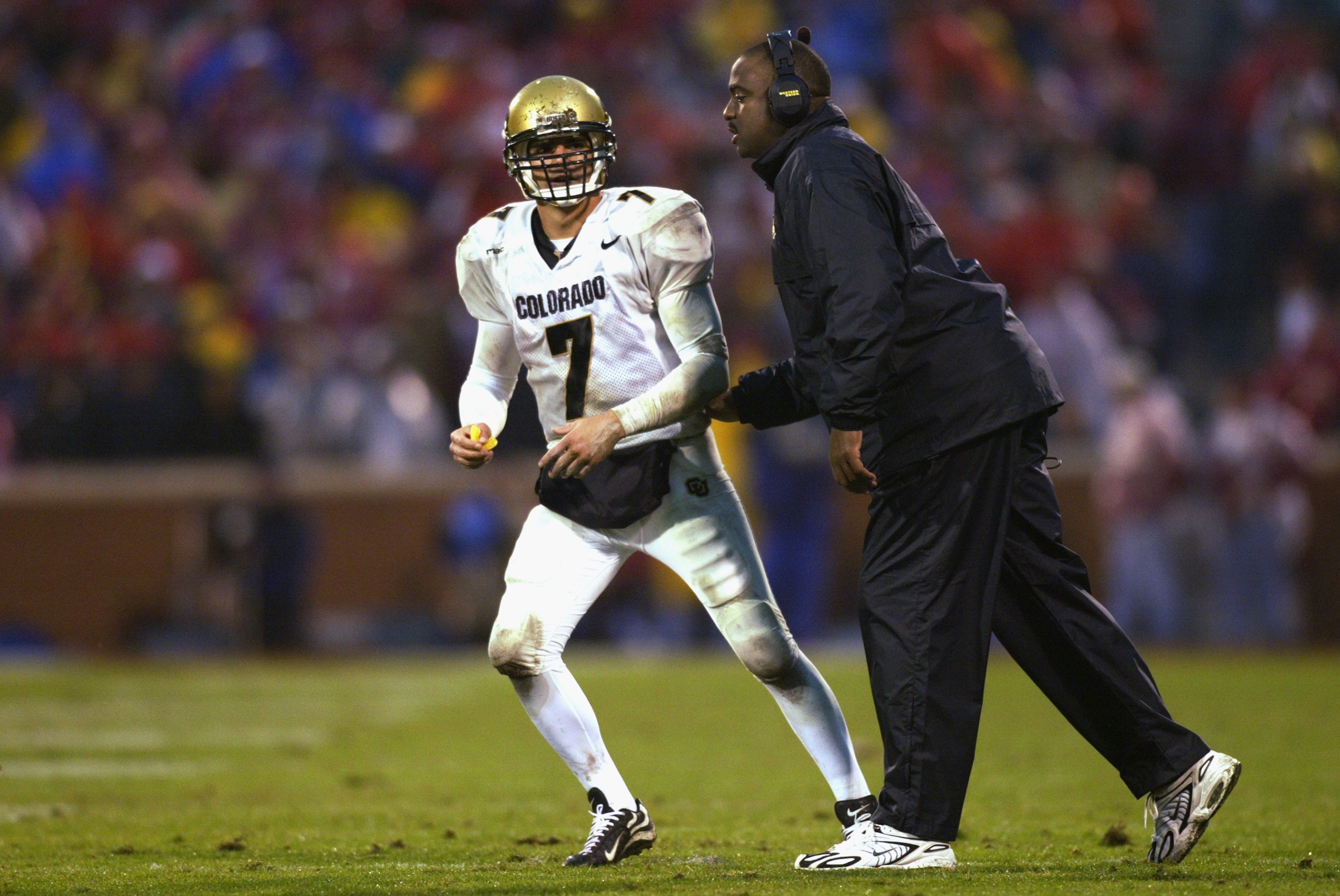
The Buffs haven't been right for a few years now, many say since the 1990 National Championship team, but they do hold four Big 12 North Division titles in the last decade.
But many observers are used to seeing Colorado compete on the national level and they have not been able to do that.
They finished in the Top 10 in the polls in 1996 under Rick Neuheisel and went to two bowl games within his three-year reign. Gary Barnett took them to five bowl games in seven years after "Slick" Rick left, but was fired for various comments and occurrences.
Dan Hawkins just couldn't get it done and went only 19-39 in five years with just one bowl appearance. Each year was a losing season for Hawkins, including a 2-10 first year.
The Buffs' glory days have faded to distant memories, but new (or should I say old) blood is back in the program, as Jon Embree is back to restore Colorado football.

Notre Dame
4 of 7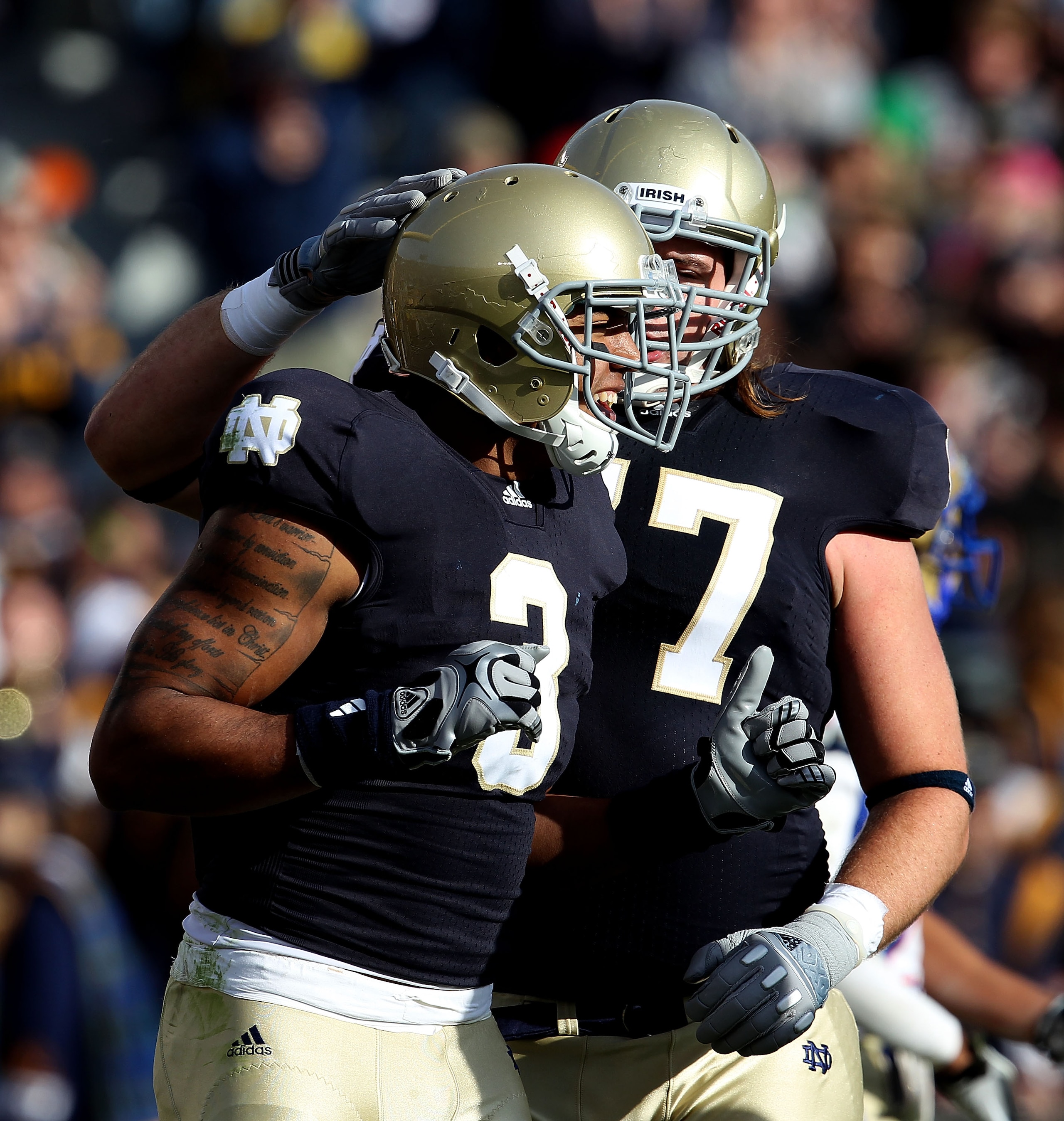
Pretty much when you want to talk tradition in college football, hate them or love them, you have to start and end with Notre Dame.
I don't know what it is, but there is a mystique that is and always has been around the program, especially when you think from a historical perspective.
The Irish have won countless national titles and have an array of Heisman Trophies, All-Americans and legendary coaches.
But really, it's all been in the past.
They haven't won a national title since the '80s, and are not the top school recruits look to anymore.
Many say it is because of their academic requirements, others say it is because recruits today did not grow up when the Irish were winning and some even say nobody wants to live in South Bend, Indiana anymore.
Whatever it is, Notre Dame is not "Notre Dame" anymore.
The tradition is still there, but results on the field aren't.
Miami
5 of 7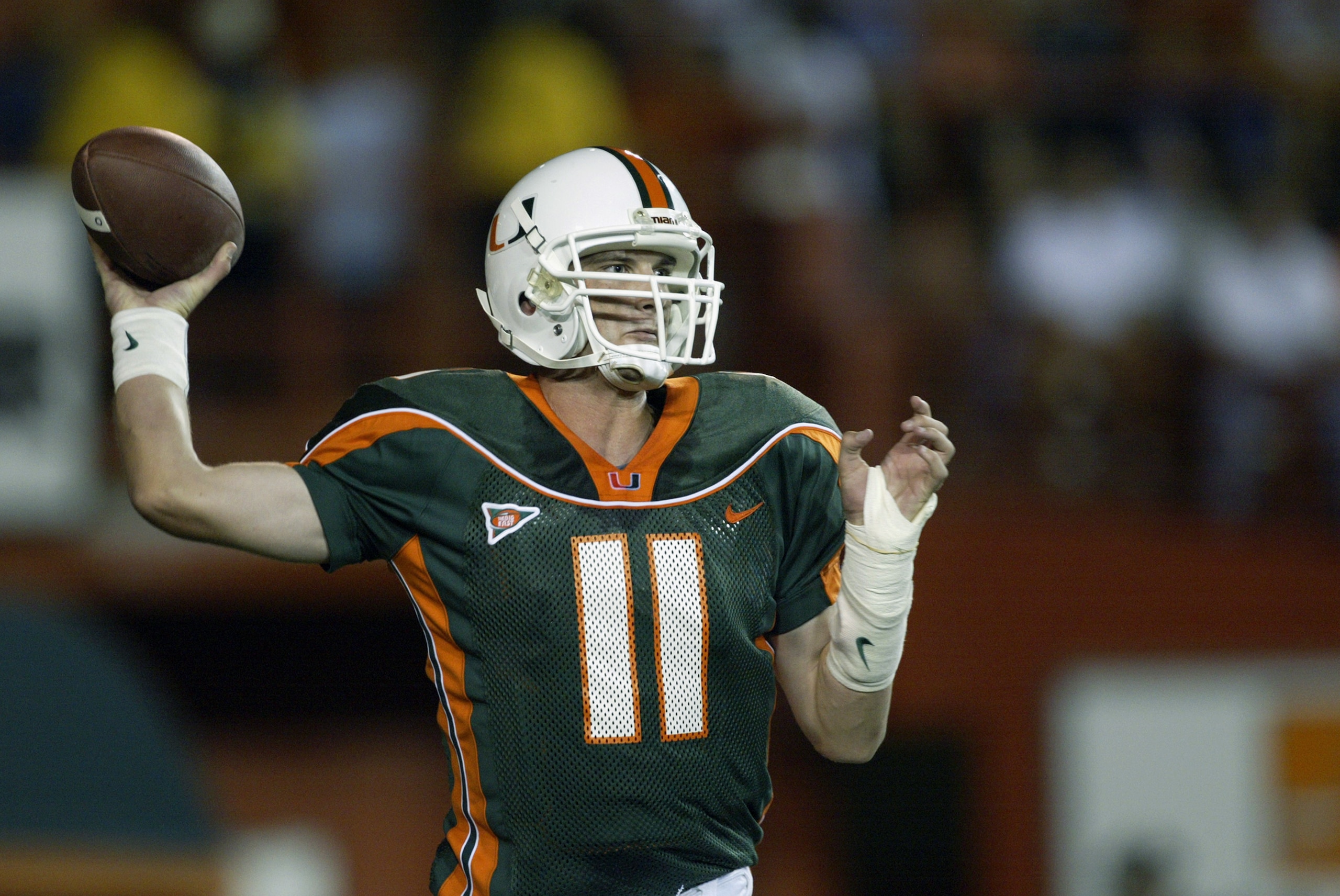
Miami has two of the greatest dynasties in college football. From being a dominant team in the 1980s, to being an all-time juggernaut in the late '90s and early 2000s, the Hurricanes are a staple part of college football.
But since losing to Ohio State in the National Title Game in 2003, "The U" hasn't been right.
Randy Shannon took over the program from Larry Coker, had one solid year in recruiting and got the Canes to a top 15 ranking a few years back. But as became the staple under Shannon's eye, Miami faltered and finished with subpar seasons, year after year.
Shannon was fired last year, and replaced by former Temple head coach Al Golden. Supporters are banking on Golden's energy and drive to bring "The U" back.
Michigan
6 of 7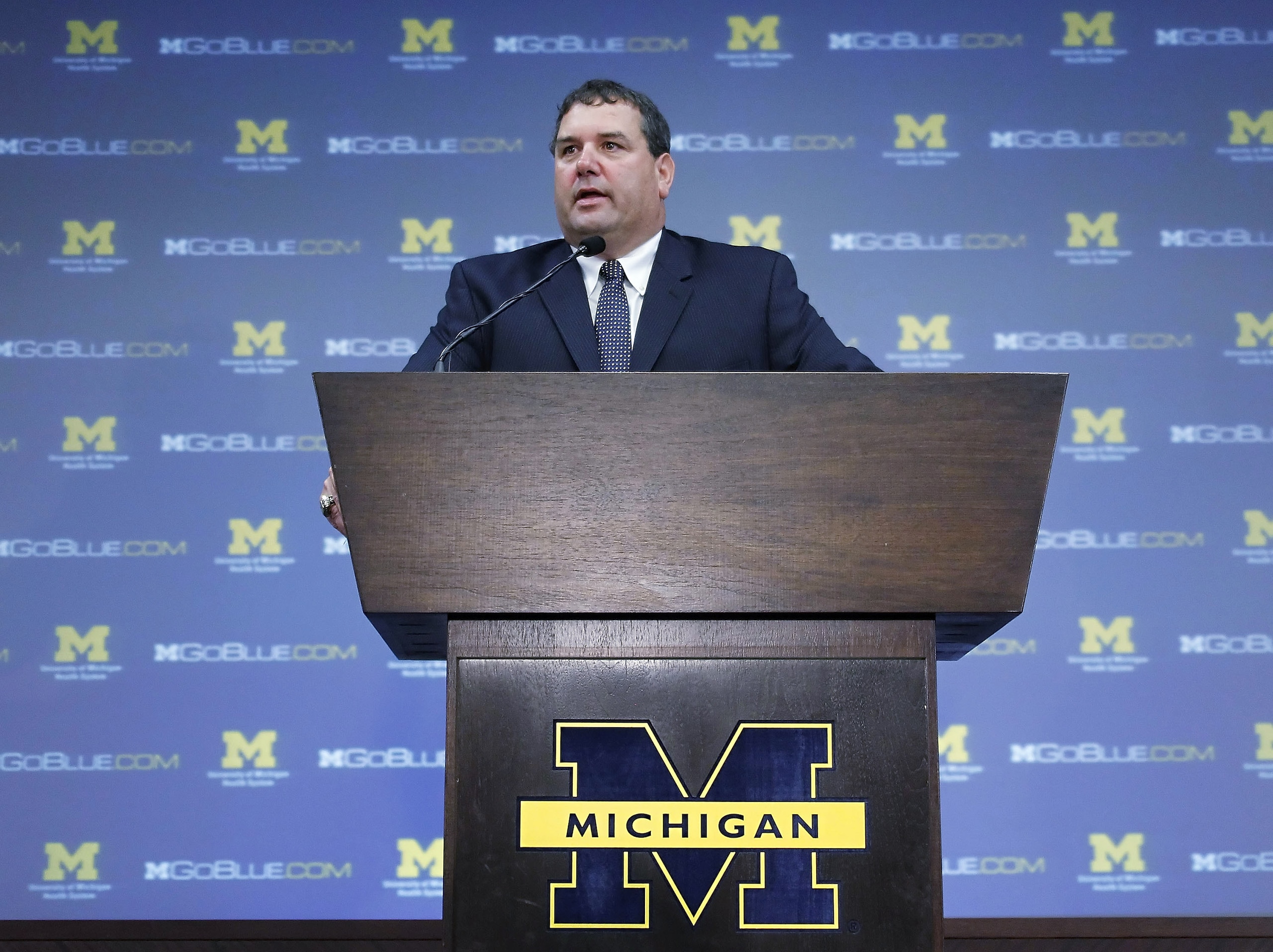
Oh Big Blue, how we await your return.
The winningest program in college football history, Michigan is one of the big-time allures of college football. The 100,000-plus fans that pack the Big House, the wings on the helmets, the Maize and Blue—Michigan has been a traditional power since it started competing.
But recent times have seen the Wolverines in a downward spiral. I actually think Rich Rodriguez deserved one more season to see what he could do in Ann Arbor, but Big Blue pulled the plug on the "Rich-Rod" Era after just three years and a 15-22 record.
Fans have wanted a "Michigan man" at the job, and Rodriguez never was fully accepted by the Wolverine faithful. Now Brady Hoke, a former assistant at Michigan under Lloyd Carr, is back and will look to bring Big Blue back to the forefront.
Army and Navy
7 of 7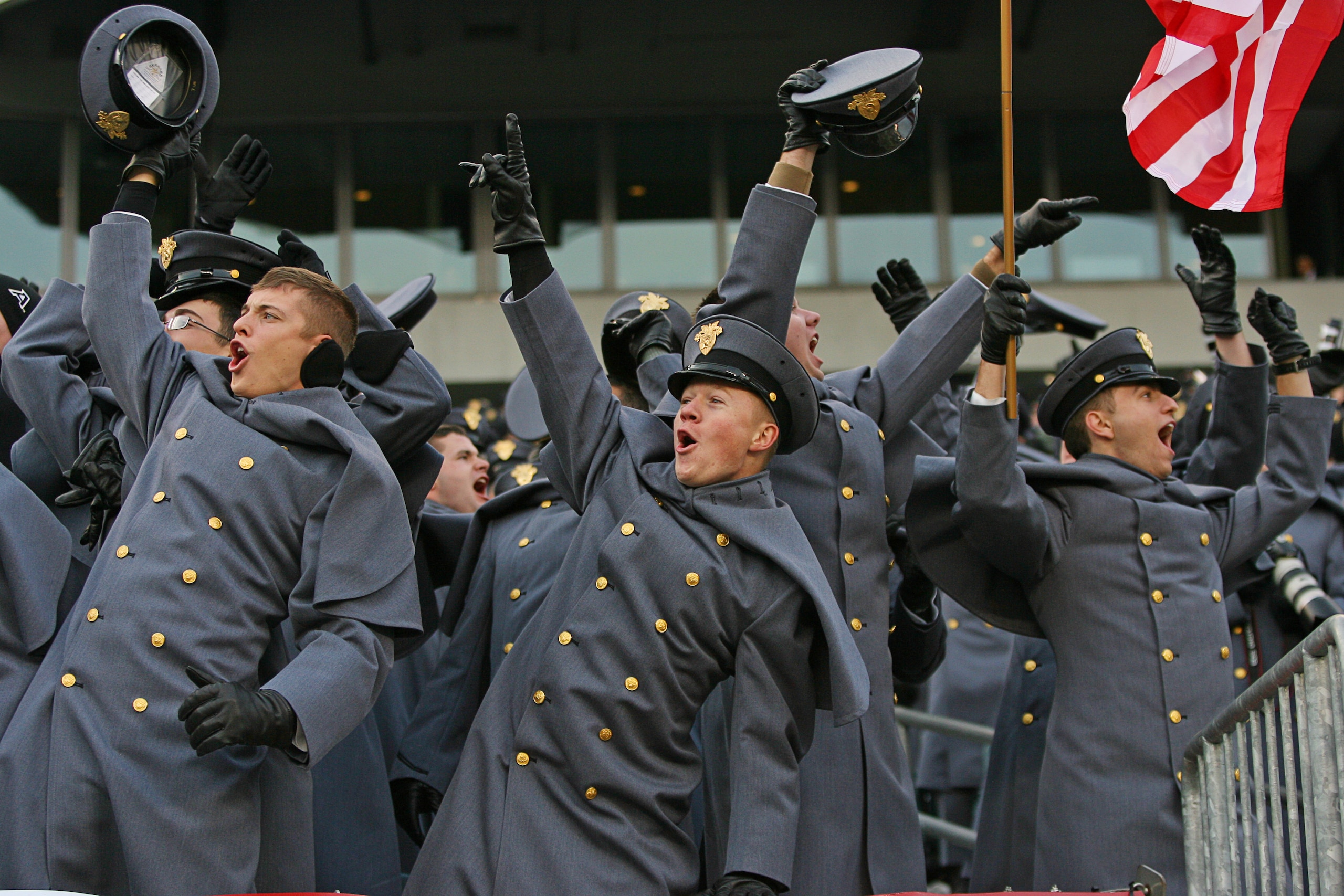
I group these two together, even though they are obviously two separate programs. But they both have not been the powerhouses they were in years past.
The Cadets and Midshipmen have almost as much tradition and acclaim as Notre Dame does.
Army has three national titles and three Heisman Trophies, while Navy boasts two Heisman Trophies and a national title of its own. The programs have fallen due to recruits shying away from military service, because the privilege to play football and go to school without serving is much more enticing then serving in today's society.
It saddens me to say this, but I just don't see either program ever enduring the same success as it had in the early-to-middle parts of the 20th century due to social circumstances.
.png?w=2560)
.jpg?w=2560 "Colts Texans Football")


.jpg?w=2560 "Chiefs, Steelers Eye WR Trades")


.jpg?w=2560 "Latest Peyton-Colts Rumors")