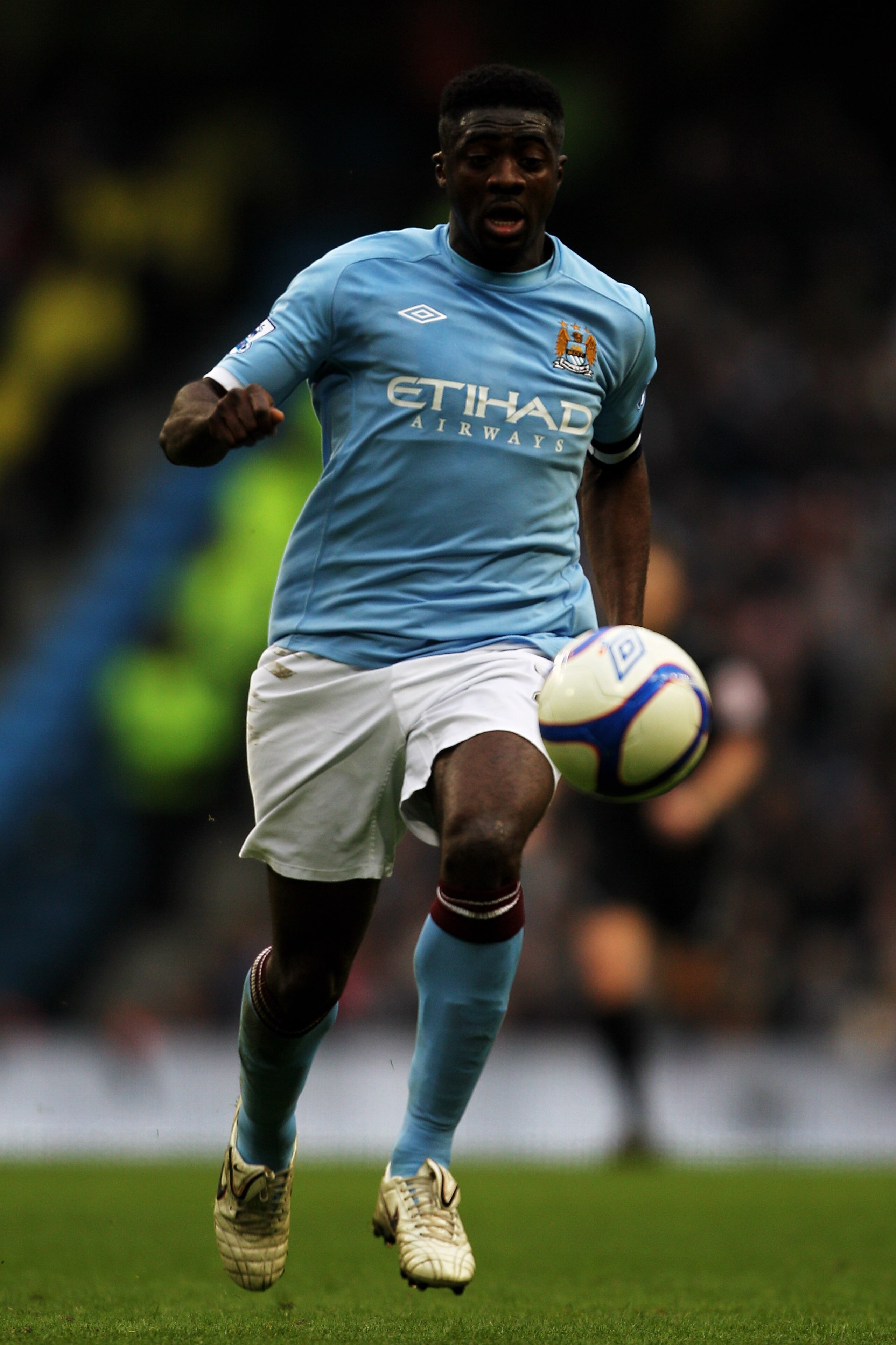

Kolo Toure Fails Drug Test and Other Failed Tests
Earlier today, Manchester City and Ivory Coast defender Kolo Touré was suspended after having failed a drugs test. Touré, who joined City from Arsenal in the 2009 transfer window, will find his case subject to legal process.
An official statement on the Manchester City website reads, "Manchester City confirm that the FA has informed Kolo Toure that an 'A-sample' provided by him has tested positive for a specified substance. As result of this, he has been suspended from participating in all first-team and non-first-team matches pending the outcome of the legal process."
What this means is he will definitely miss Saturday's match against Wigan in the Premier League. Whether or not he appeals and requests a new sample be taken is unclear.
With drugs being easily available—and even some prescription drugs containing banned substances—I will provide some slides about other football players who failed drugs tests.
Rio Ferdinand
1 of 5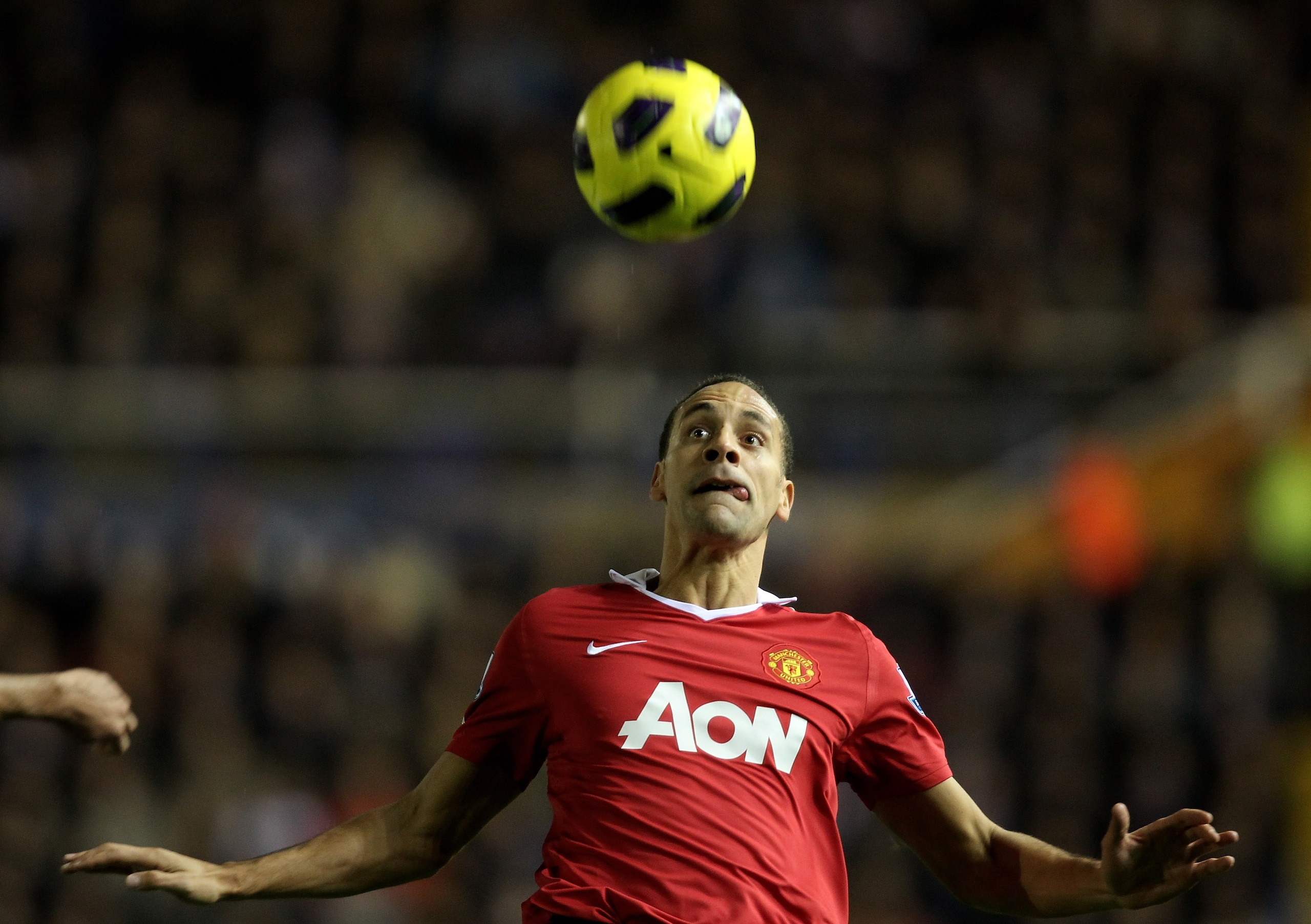
Whilst Ferdinand never failed a drugs test, it was his failure to even take the test that resulted in his ban.
Having only joined the club in 2002 for a British record, he failed to turn up for a drugs test a year later. Rio claimed to have been preoccupied with moving houses and instead went shopping. Rather than having him take the test again, it was decided to inflict a ban upon him.
He was given an eight-month ban and fined £50,000. The resulting ban meant he missed the rest of the season as well as Euro 2004. In this time, both the FA and FIFA wished to extend the ban by a further four months, but the original eight was upheld.
Once the ban was over, Rio went straight back to his position in the team and has remained there ever since, winning numerous trophies and medals along the way.
Edgar Davids
2 of 5
Arguably one of the greatest midfielders football has seen, Davids is most notable for his protective goggles and dreadlocks.
Having had a successful career with Ajax, Milan and Juventus, Davids failed his drugs test in 2001 whilst playing for Juventus. Davids was found to have taken Nandrolene, a banned anabolic steroid. He was initially banned for five months but this was reduced to four on appeal.
He claimed that he had not taken the drug and that homeopathic medicines could have been the cause of the high levels in his system. However, he did not show up at the hearing and his ban remained.
Once the ban was over he would go on to play for Juventus for three more seasons. Once that was over he would have stints with Barcelona, Tottenham Hotspur and Ajax once more.
After two years out of the game he would come back and join Crystal Palace. He only played six games and left after little over two months.
Adrian Mutu
3 of 5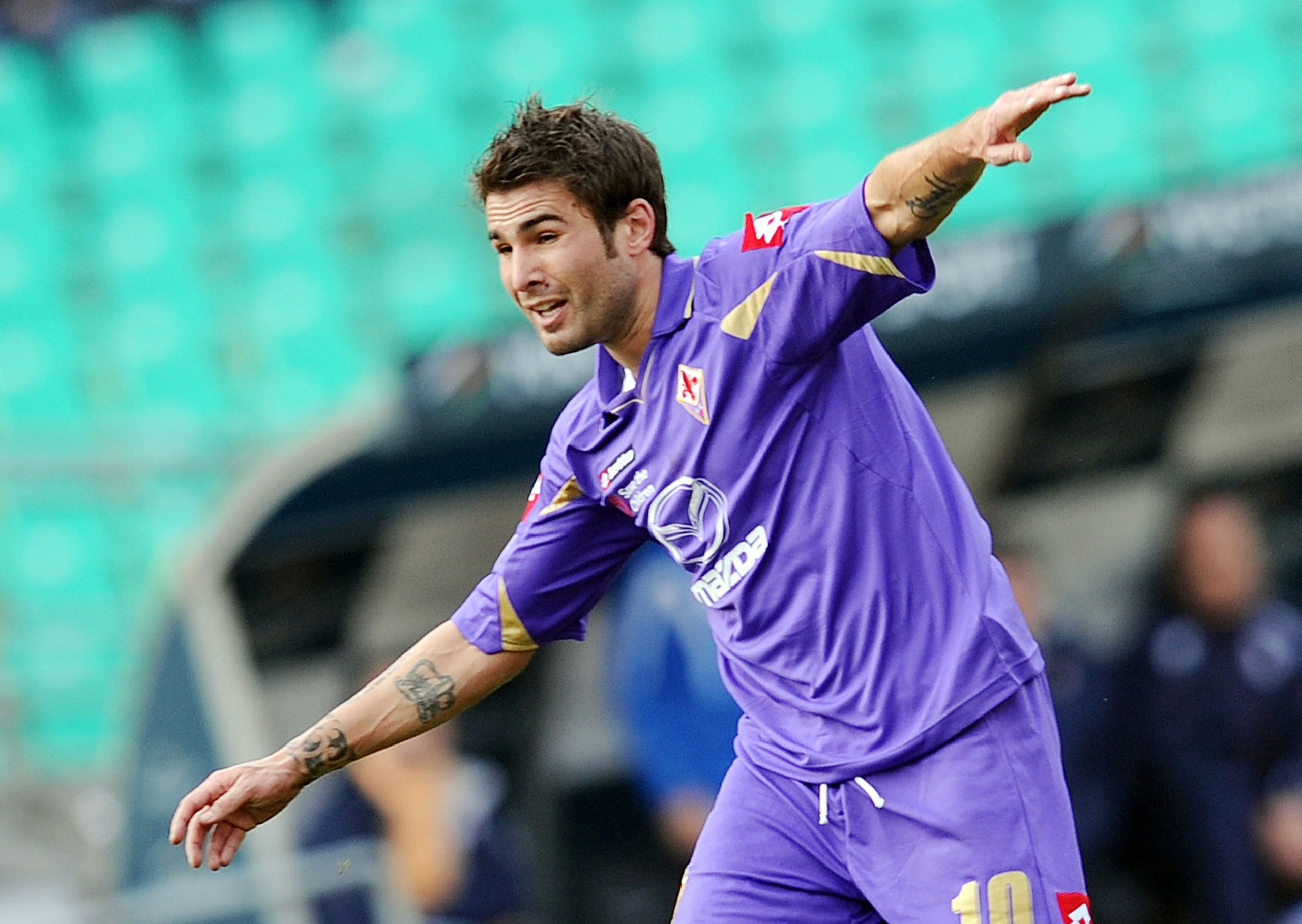
Adrian Mutu was one of the first new players brought in as part of the Abramovich-era at Chelsea. Having been bought for just over £15 million from Parma, he quickly started scoring for the club.
Merely thirteen months after joining Chelsea, he tested positive for cocaine and was sacked by the club one month later. He was handed a seven-month ban and a £20,000 fine.
This led to a lengthy breach of contract disputes with Chelsea. Chelsea filed a compensation claim due to Mutu breaching the contract he signed. After two-and-a-half years, the player was ordered to pay £22 million to Chelsea, which he has disputed on numerous occasions.
Months before his ban was over, he was signed by Juventus but spent only a season with the club.
At the beginning of the 06/07 season he was bought by Fiorentina, where he has remained ever since. Whilst at the club he has scored 51 goals in 100 appearances.
In January of 2010, he once again failed a drugs test. The Italian National Olympic Committee were initially requested to give him a year-long ban, but he was given just nine months. This was later reduced to six.
A year later he was suspended by Fiorentina for breach of contract, but was reinstated just one month later. He has remained with the club.


Mark Bosnich
4 of 5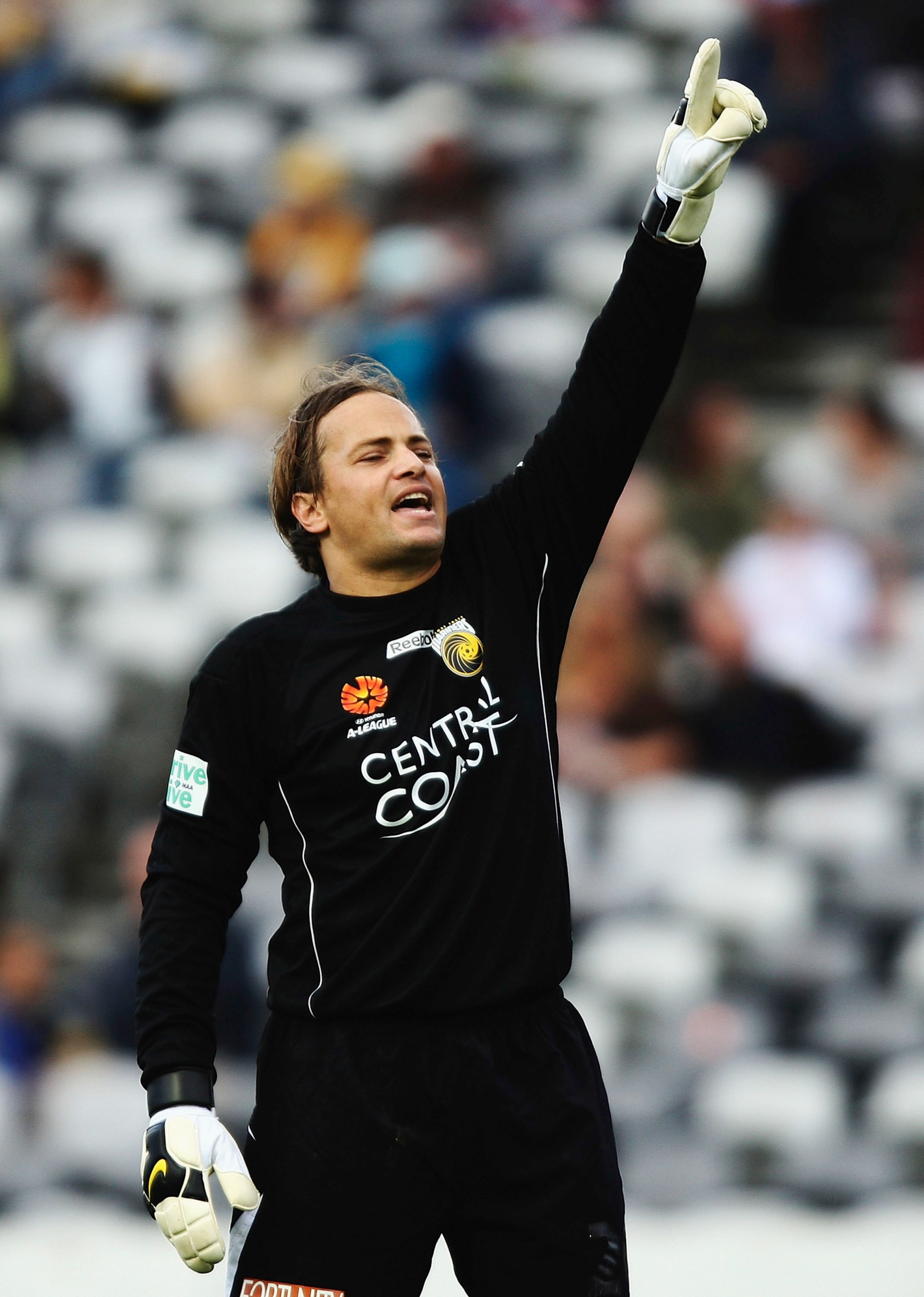
Mark Bosnich spent seven years of his career playing for Aston Villa, during which he was lauded as one of the best goalkeepers in English football.
This mantle eventually led to him being signed by Manchester United as the successor to the retired Peter Schmeichel.
During his first season he won the Premier League with the club, as well as helping them be the first English team to win the Toyota World Club Championship. The signing of Fabien Barthez pushed him down the pecking order to third choice and he never played a first-team game again for the club.
He was signed on a free transfer by Chelsea in January 2001. A year-and-a-half later he tested positive for cocaine and was immediately sacked. He was also given a nine-month-long ban, the longest a player in English football has received.
Bosnich later developed a costly drug habit whilst staying out of football. He had retired for five years until persuaded to come back.
Since his ban he has done nothing of importance—a sad fall for a great goalkeeper.
Diego Maradona
5 of 5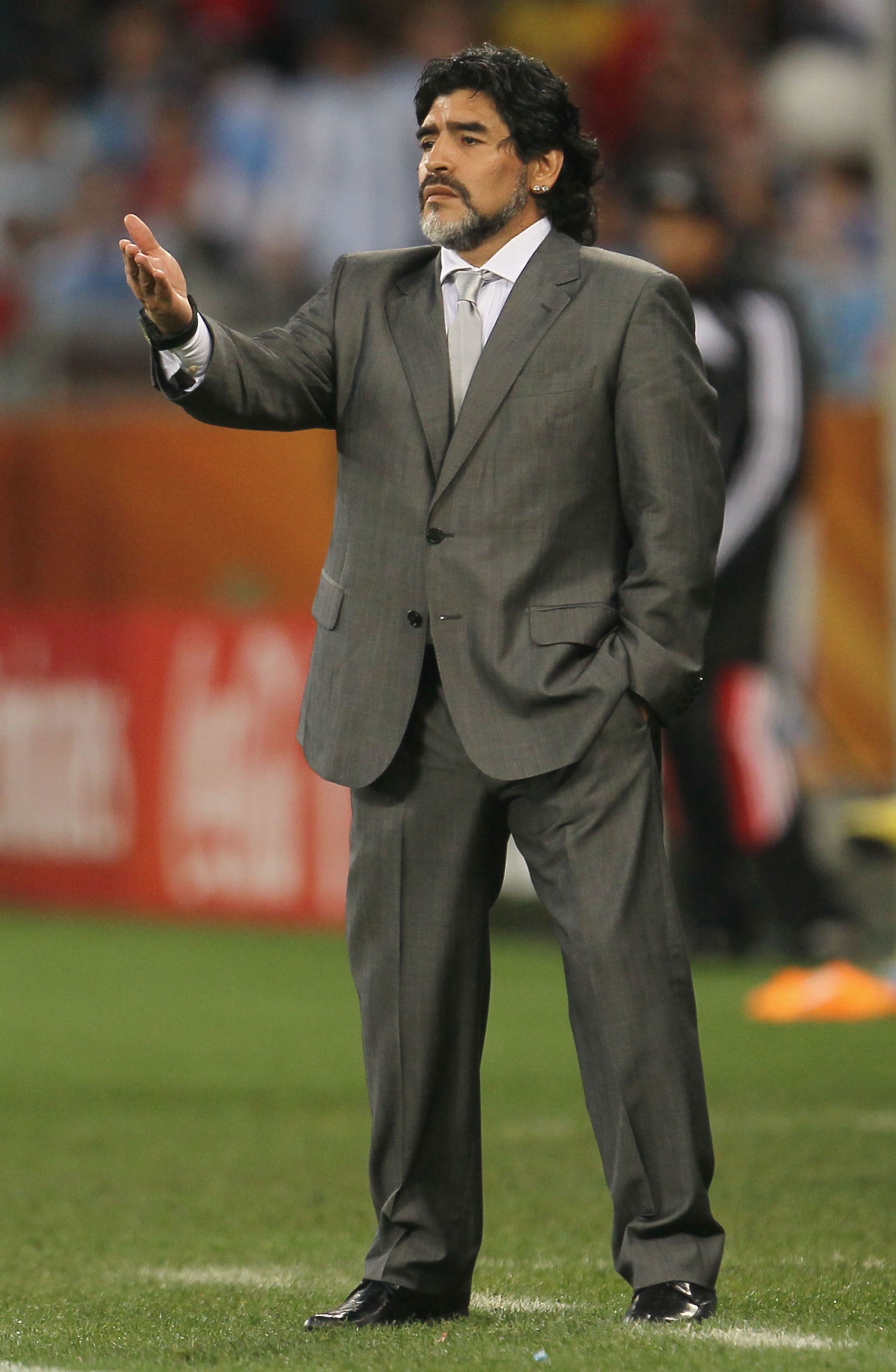
Widely considered one of the greatest football players of all time, and most notable for his "hand of god" goal against England.
In 1991, he was handed a fifteen-month ban after testing positive for cocaine whilst playing in Italy. He returned to Argentina where he was arrested for cocaine use and ordered by a judge to quite the drug under medical supervision. He wouldn't play for another two years.
After starting well in the 1994 World Cup, he once again tested positive for a banned substance. He claimed the drug was found in an American power drink that he had after running out of the Argentinian one. He also claimed he was given permission to use the drug for weight loss purposes by FIFA—an allegation which has never been proven.
He was banned for a further fifteen months and fined about £10,000. The World Cup would be the last time he played for his country.
Once the ban was over, he played for one more season with Boca Juniors. Once again, he failed a drugs test and chose to retire aged 37.
Over the next few years, he would suffer ill health and weight gain due to his abuse of cocaine. He eventually overcame his cocaine addiction and returned to football once more in 2008.
He managed the Argentinian national team for eighteen months and left after the 2010 World Cup.
That's all for this article. I hope you enjoyed reading it.
All comments appreciated and I will try and reply to all.


.jpg?w=2560 "Latest Peyton-Colts Rumors")