

Duke’s Nolan Smith and Seth Curry and the NCAA's 20 Most Electric Backcourts
Anyone who has watched college basketball over the past 20 years can tell you that the game has become increasingly more defined by the play of guards.
A dynamic backcourt can be the difference between a good and great season.
Duke's Nolan Smith, a National Player of the Year candidate, and his running mate Seth Curry are the type of duo that can light up the stat sheet and help the Blue Devils to a deep run in this year's NCAA Tournament.
Smith owns the ability to score and create and Curry can shoot and is a good defender as he fills in for probably Duke's best guard, Kyrie Irving.
This combination has Duke poised to make a run, but the Blue Devils aren't the only team to boast a great backcourt. Here is a look at 20 other teams that have good guards of their own.
Pitt
1 of 20
The Panthers' duo of Brad Wanamaker and Ashton Gibbs has Pitt contending for a No. 1 seed in the NCAA Tournament and a potential Big East title.
Neither feat is minor considering how tough the Big East is as a whole and how many teams are vying for a coveted top seed in the tournament.
Gibb's 16.7 points per game and three assists and Wanamaker's 12 points and nearly five assists per game have them as one of the top guard combinations in the country.
Ohio State
2 of 20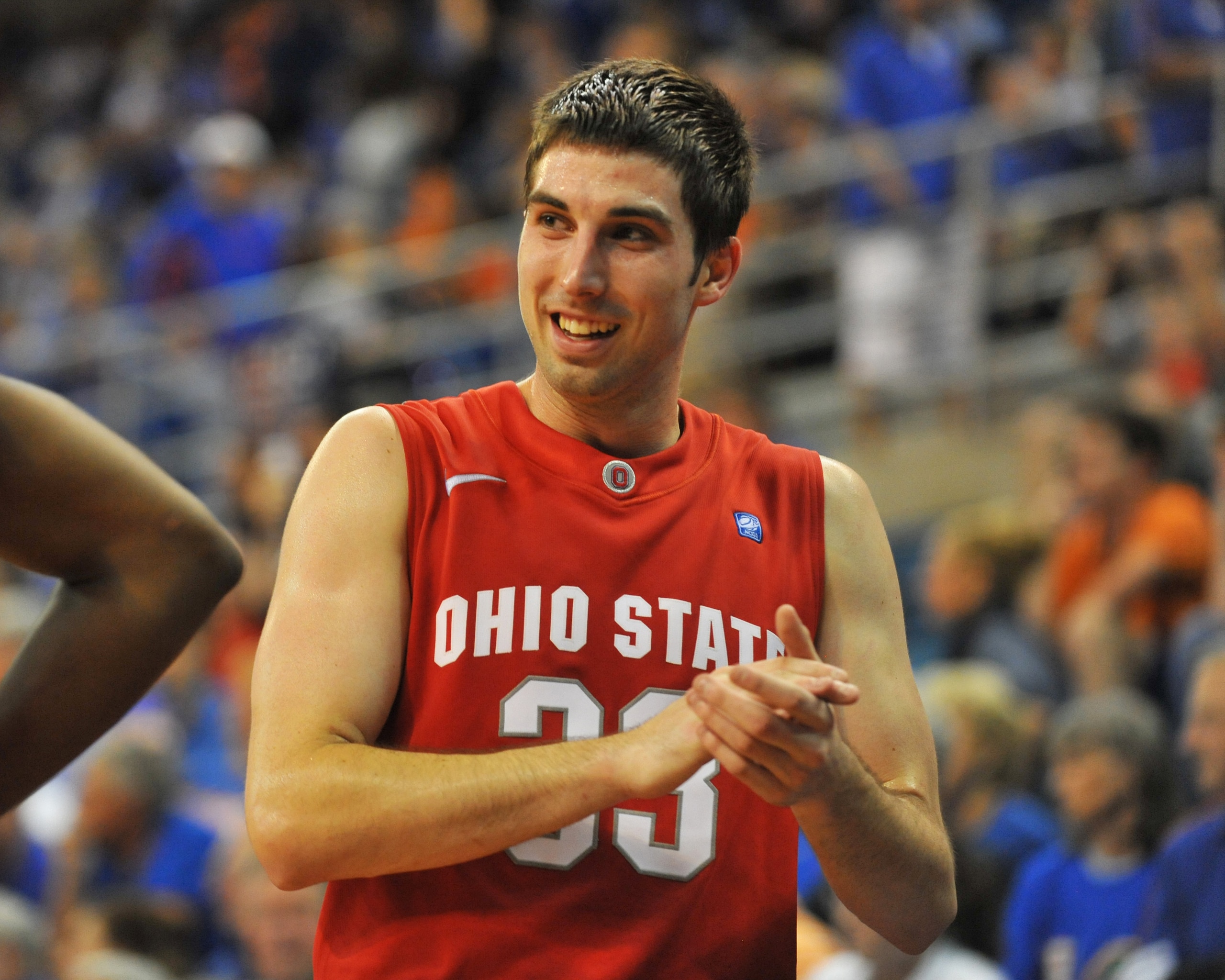
The combination of Jon Diebler and William Buford might be overshadowed by superstar Jared Sullinger, but the veteran tandem has Ohio State playing as well as any team in the country.
Diebler is the sharpshooter of the two and averages 11 points per game while averaging 47 percent from three-point range.
Buford is a scorer and distributor. His 14 points and three assists per game are impressive numbers on a starting lineup that averages double figures in scoring.
Notre Dame
3 of 20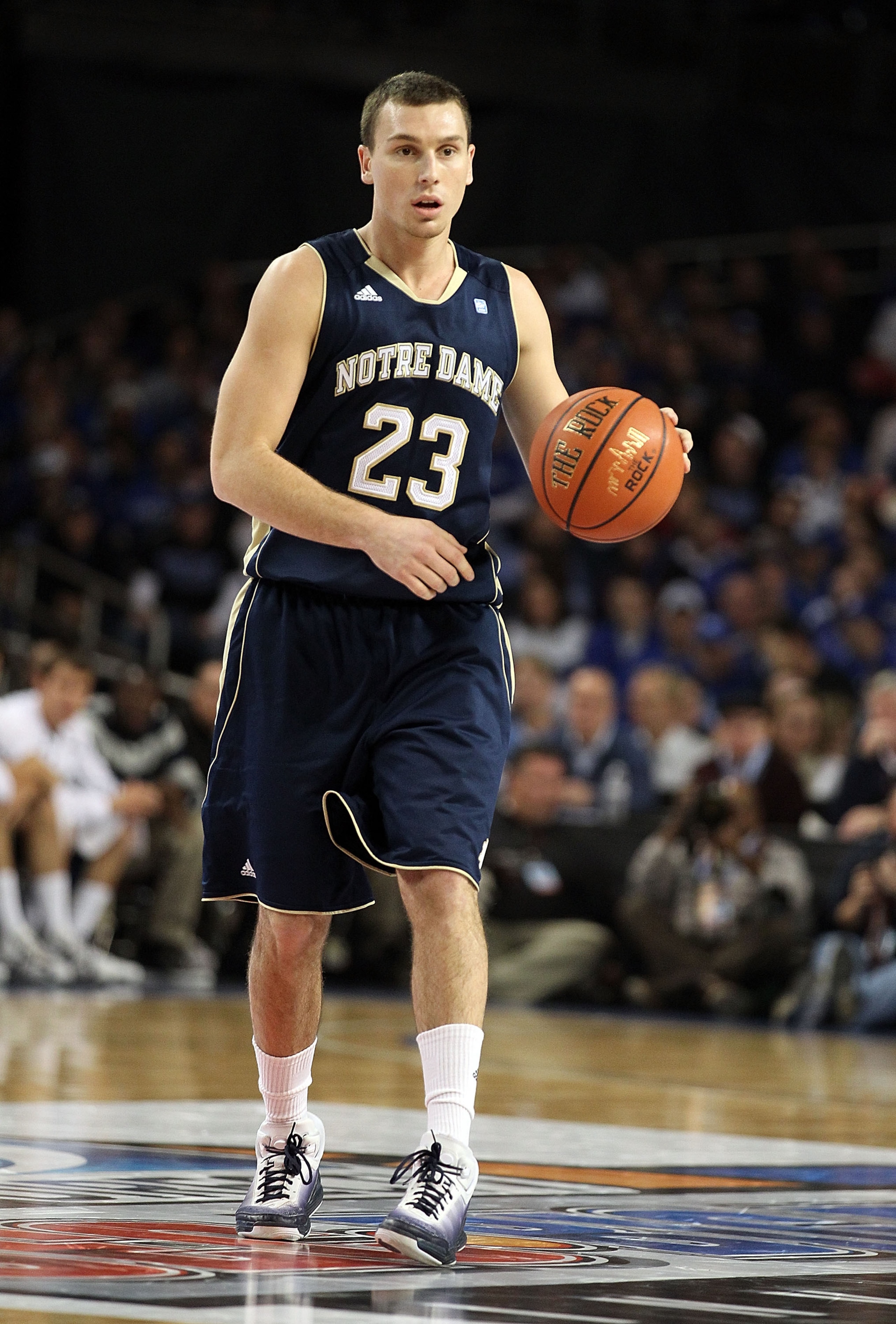
While Ben Hansbrough may lack the national recognition for which his big brother was noted, he has come in to his own as the Fighting Irish's go-to guard.
At 17 points per game and four assists, he does it all for Notre Dame and he is clearly the heart and soul of this team.
Add in running mate Scott Martin, whose numbers aren't Earth shattering but they are solid enough to make this backcourt duo worthy of recognition.


Florida
4 of 20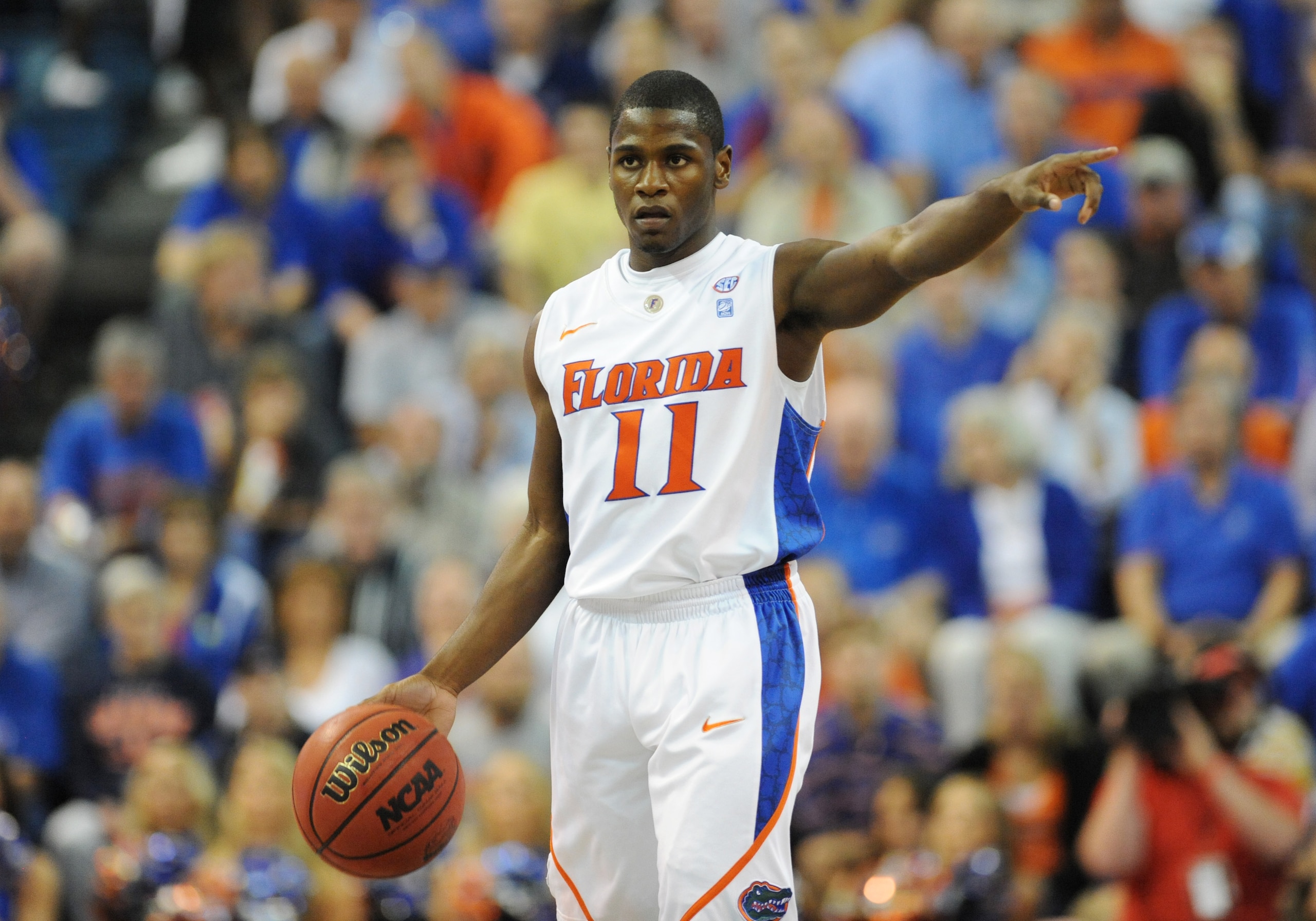
Erving Walker and Kenny Boynton have Florida once again thinking NCAA Tournament after a two-year absence.
The Gators are possibly the best team in the SEC East, if not the entire SEC, this season and the play of these two guards has made that possible.
Walker's 14 points and three assists per game combined with Boynton's 12 points and two assists make this duo one of the nation's most potent backcourts.
Texas
5 of 20
Texas' backcourt of Cory Joseph and Dogus Balbay may not be the best statistically, but they make the players around them better and help distribute the ball to the best players.
Joseph, only a freshman, is averaging 11 points and nearly three assists per game. His running mate Balbay may not be anything special statistically speaking, but his defense and experience has Texas running on all cylinders.
Kansas
6 of 20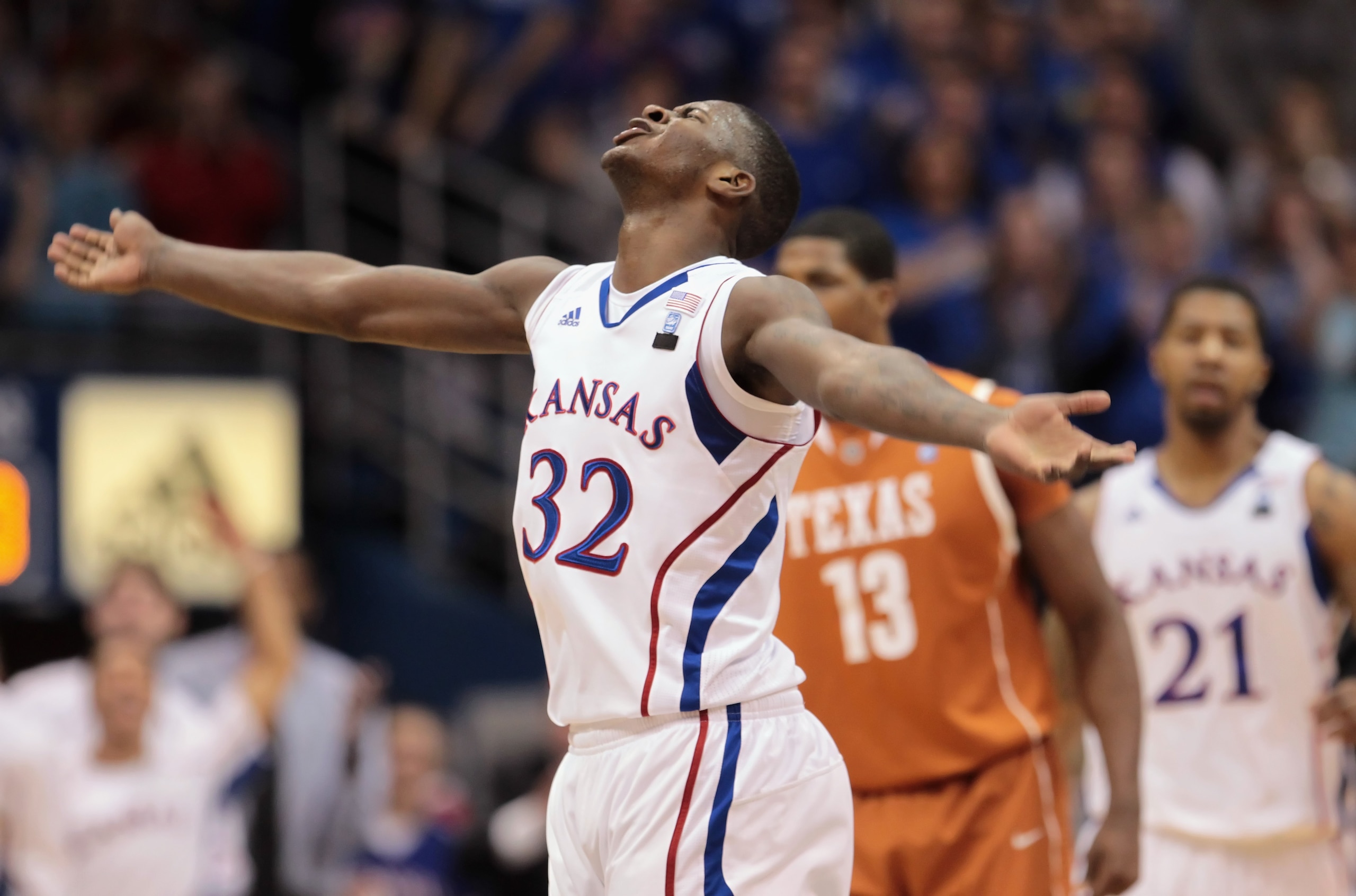
The Jayhawks have the ability to boast a deep and diverse array of guards. They typically start a three guard lineup and can bring one of the better freshman guards, Josh Selby, off the bench.
Brady Morningstar, Tyshawn Taylor and Tyrel Reed might not have the same scoring punch as Selby, but their experience can only help the young freshman.
It also follows an increasing trend for teams that play more three-guard lineups, which can present match up difficulties for many teams.
BYU
7 of 20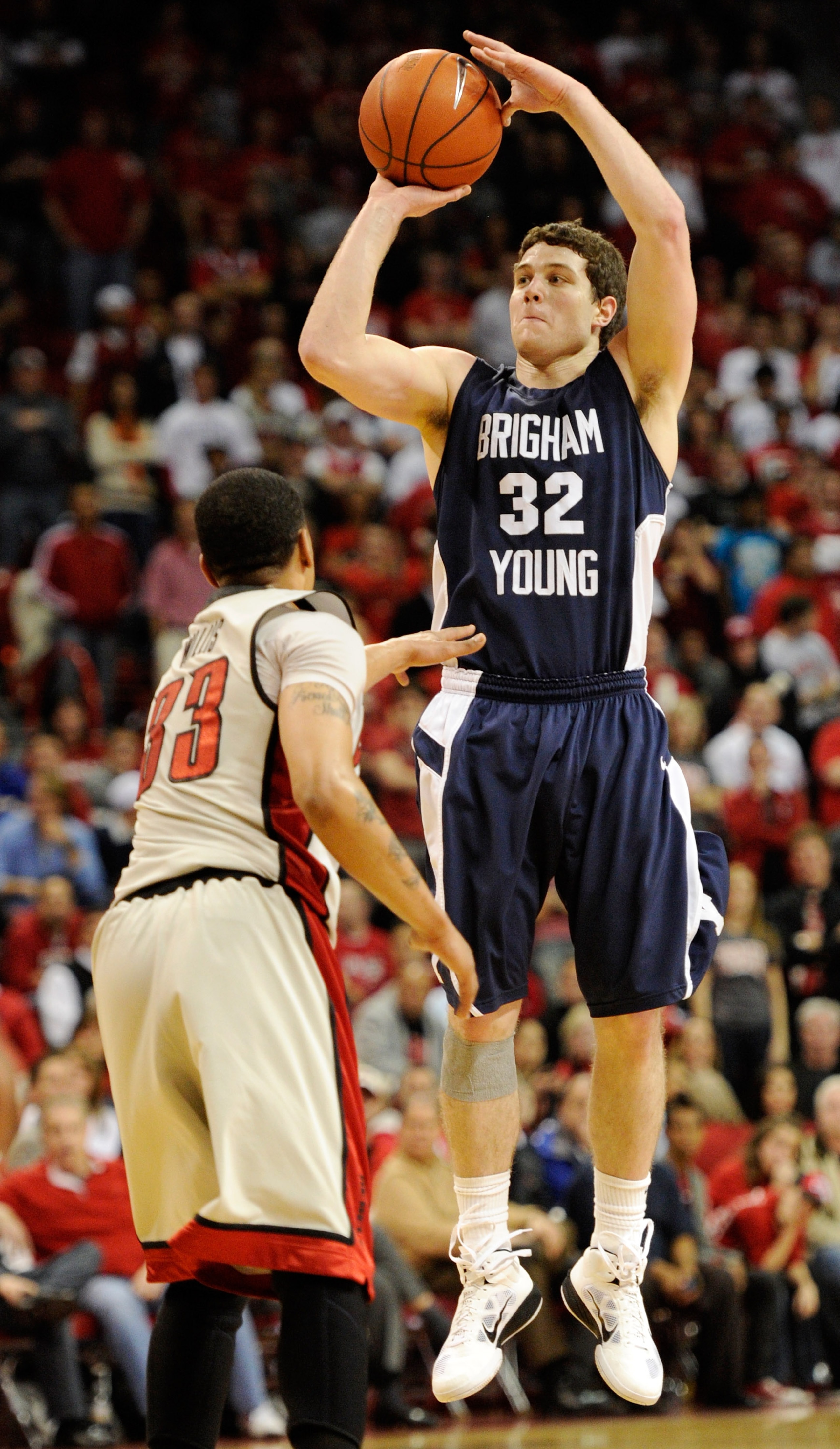
Everyone knows about Jimmer Fredette, but not a lot of people know about his backcourt mate Jackson Emery.
Emery averages a modest 12 points per game when compared to Fredette's eye-popping 27.2 points per contest, but together they have BYU poised to take the Mountain West Conference and make a run in the NCAA Tournament.
Kentucky
8 of 20
While Brandon Knight isn't John Wall, he is still a very good freshman point guard.
He is aided by fellow freshman Doron Lamb and a rare veteran in Darius Miller. The trio has had its growing pains, but Kentucky is in the mix in the SEC and should be a relatively high seed in the NCAA Tournament.
All three average in or close to double figures in scoring which is a necessity given Kentucky's limited depth in the post.
Butler
9 of 20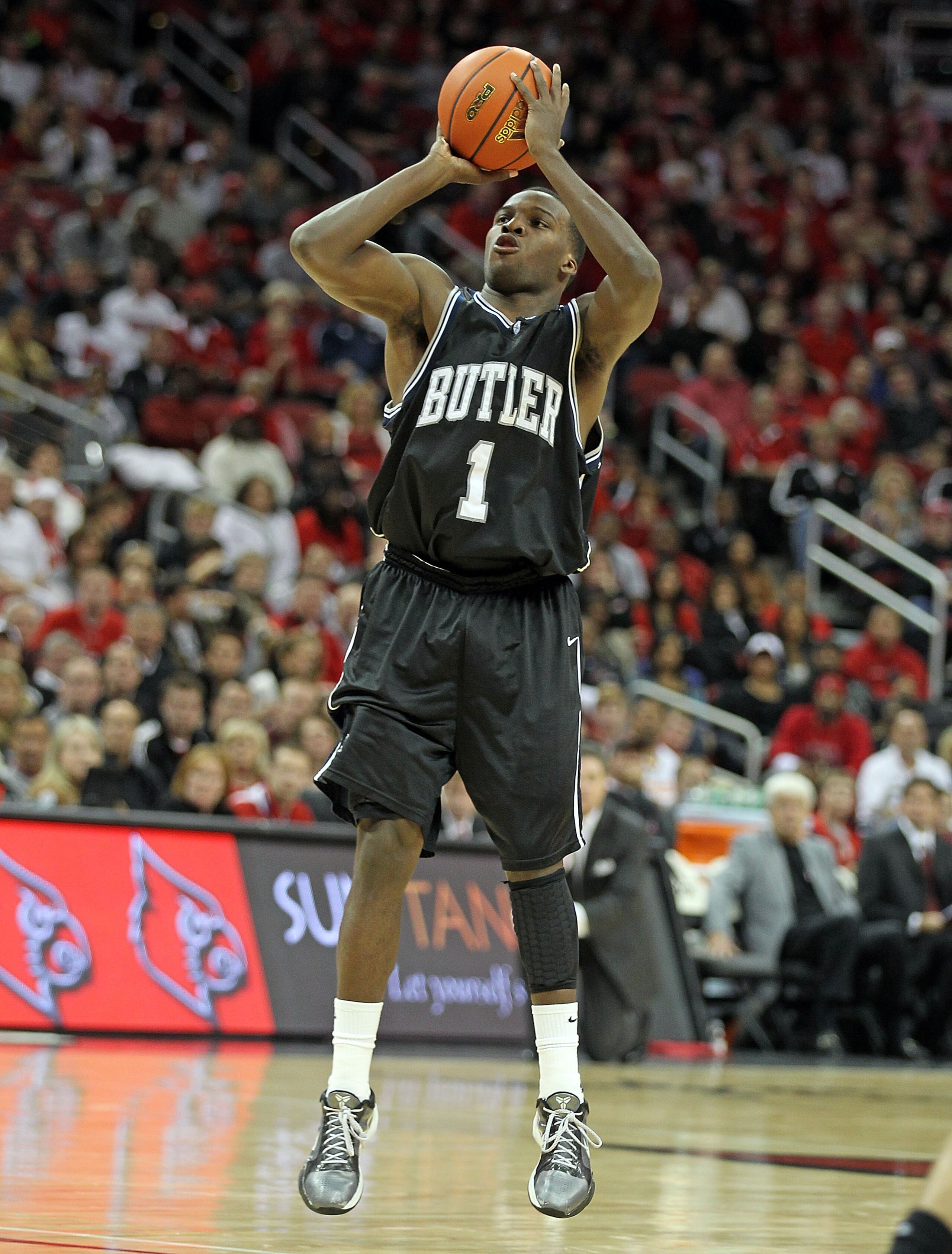
While it doesn't appear that Butler will be able to recapture the magic of the 2010 season, that isn't due to the lack of effort from its backcourt tandem.
Shelden Mack and Ronald Nored together are still one of the more impressive backcourts no one pays attention too.
Mack's known for his offensive punch and Nored for the defense and leadership he brings; together they can be very good. If the Bulldogs can make the tournament, who knows what could happen if these two are on.
Villanova
10 of 20
The two Coreys are the heart of this Villanova squad.
Jay Wright has made it a habit of getting good guards, and he has two dandies in Corey Fisher and Corey Stokes.
Fisher averages 16 points and five assists per game and Stokes chips in 15 a contest. The scoring punch plus the senior leadership is what makes this 'Nova squad so good and gives them the potential to make a deep run in the NCAA Tournament.
Georgetown
11 of 20
Georgetown may be known more for big men, but it has had a good history with guards as well.
The current tandem of Jason Clark and Chris Wright give the Hoyas and the Big East another set of elite guards capable of leading the team to a lot of wins.
Wright is a complete player, averaging just over 13 points and five assists per game. Clark averages 12 points, but he isn't quite the distributor Wright is.
Together they give the Hoyas a nice one-two punch on a very talented team.
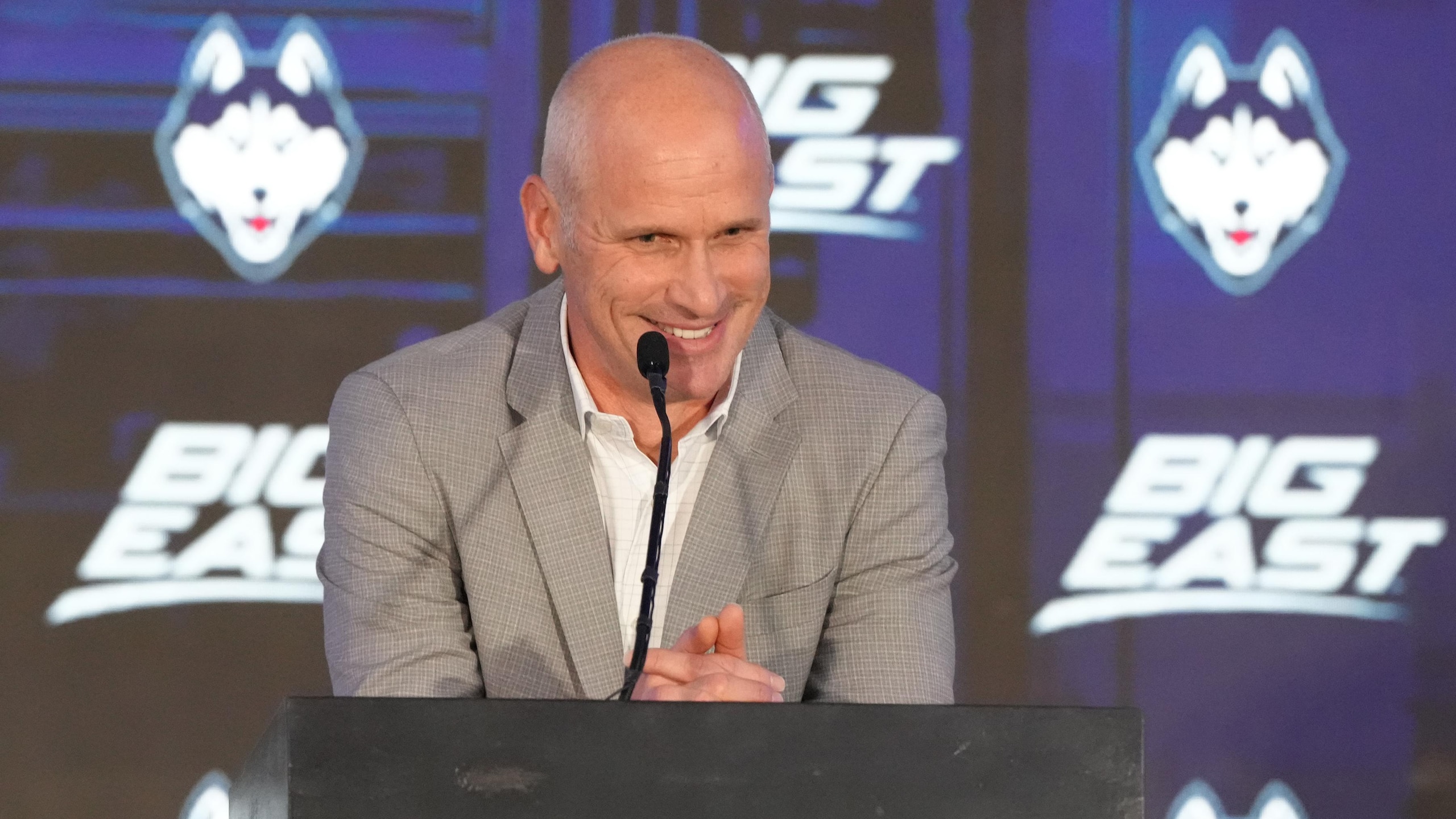
UConn
12 of 20
It is hard to imagine a player who is carrying his team more than Kemba Walker currently is right now.
Walker, who was an early favorite for National Player of the Year and is still in the mix, is averaging 22 points, four assists and five rebounds per game.
He gets a little help from fellow guard Jeremy Lamb, who averages just under 10 points per contest. But it is clear that if the Huskies are to go very far, it will be on the shoulders of Walker.
North Carolina
13 of 20
It is easy to lose track of North Carolina. They do not have a great guard like they had in Ty Lawson, but freshman Kendall Marshall is proving himself more and more.
He is definitely not a scorer as he only averages five points per game, but his five assists per game is near the top in the ACC.
He knows how to get the ball to his playmakers and he has shown the kind of court vision and potential that could see him develop into a very good point guard down the road. Backcourt mate Dexter Strickland is more of a defensive stopper and when he isn't in the game the Tar Heels perimeter defense is just not as good.
Arizona
14 of 20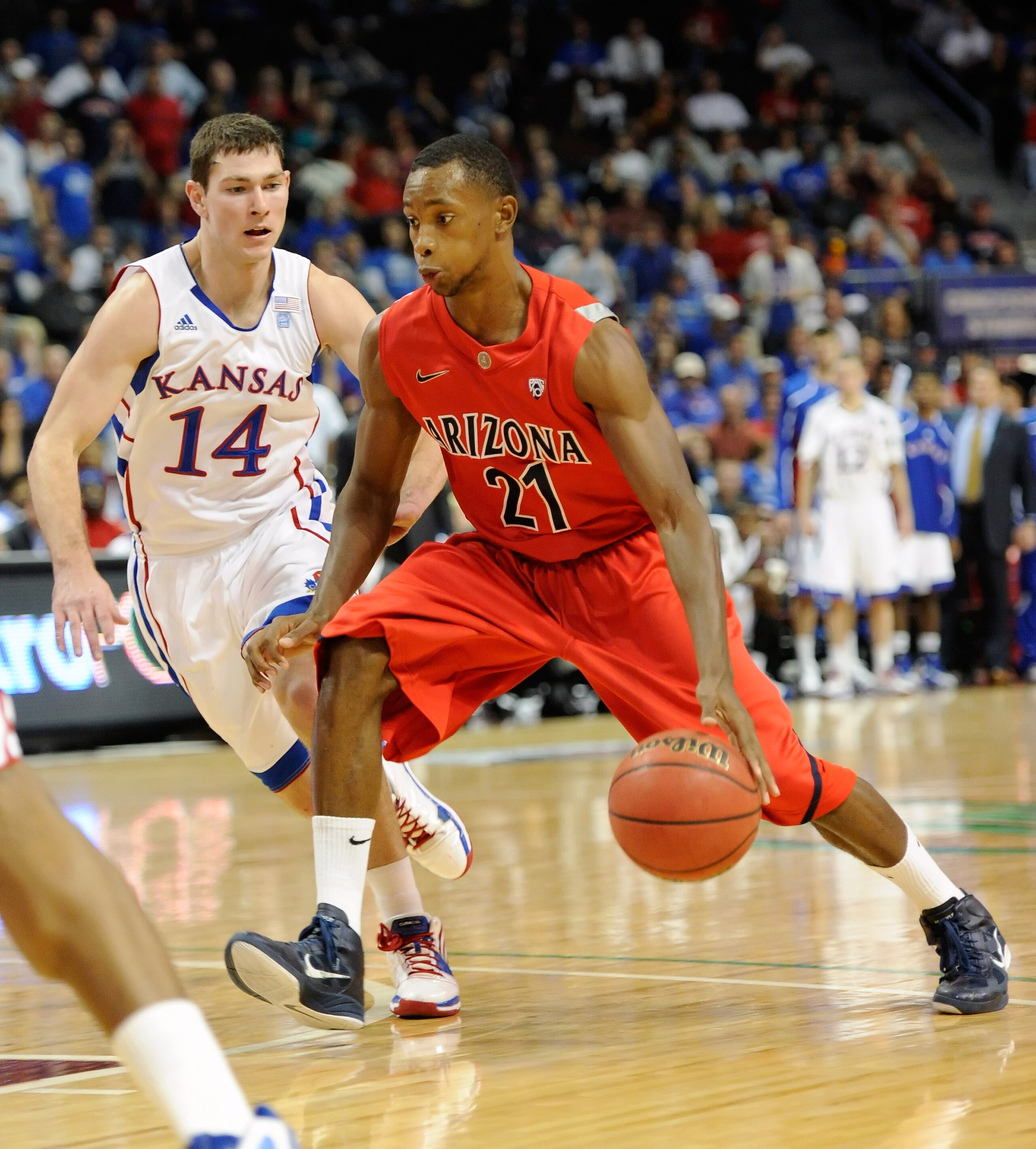
Kyle Fogg and Lamont Jones don't blow you away with stats, but they are helping the Wildcats become relevant again.
They know their best player is Derrick Williams, but they take advantage of open opportunities. If they continue to do so, Arizona could end up the champions of the Pac-10 and make some noise in the NCAA Tournament.
George Mason
15 of 20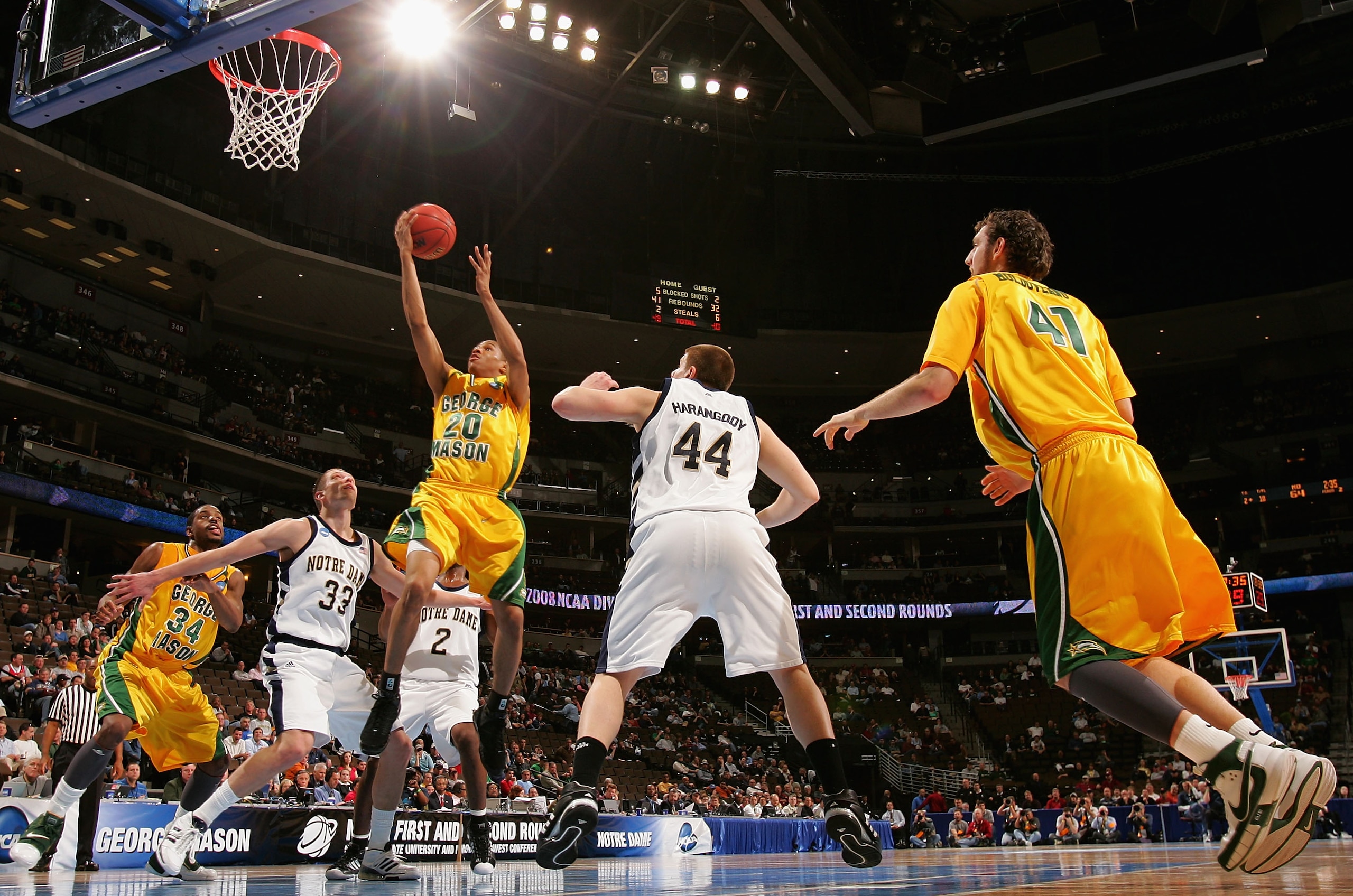
It would not be wise to overlook George Mason in this year's NCAA bracket, and they will be in the tournament.
Part of their success has been the play of guard Cam Long, who averages 15 points and three assists per game, and his backcourt mate Andre Cornelius, who scores just over 10 points per game.
They, together with a few other important parts, could help the Patriots bust some brackets come March.
Cleveland State
16 of 20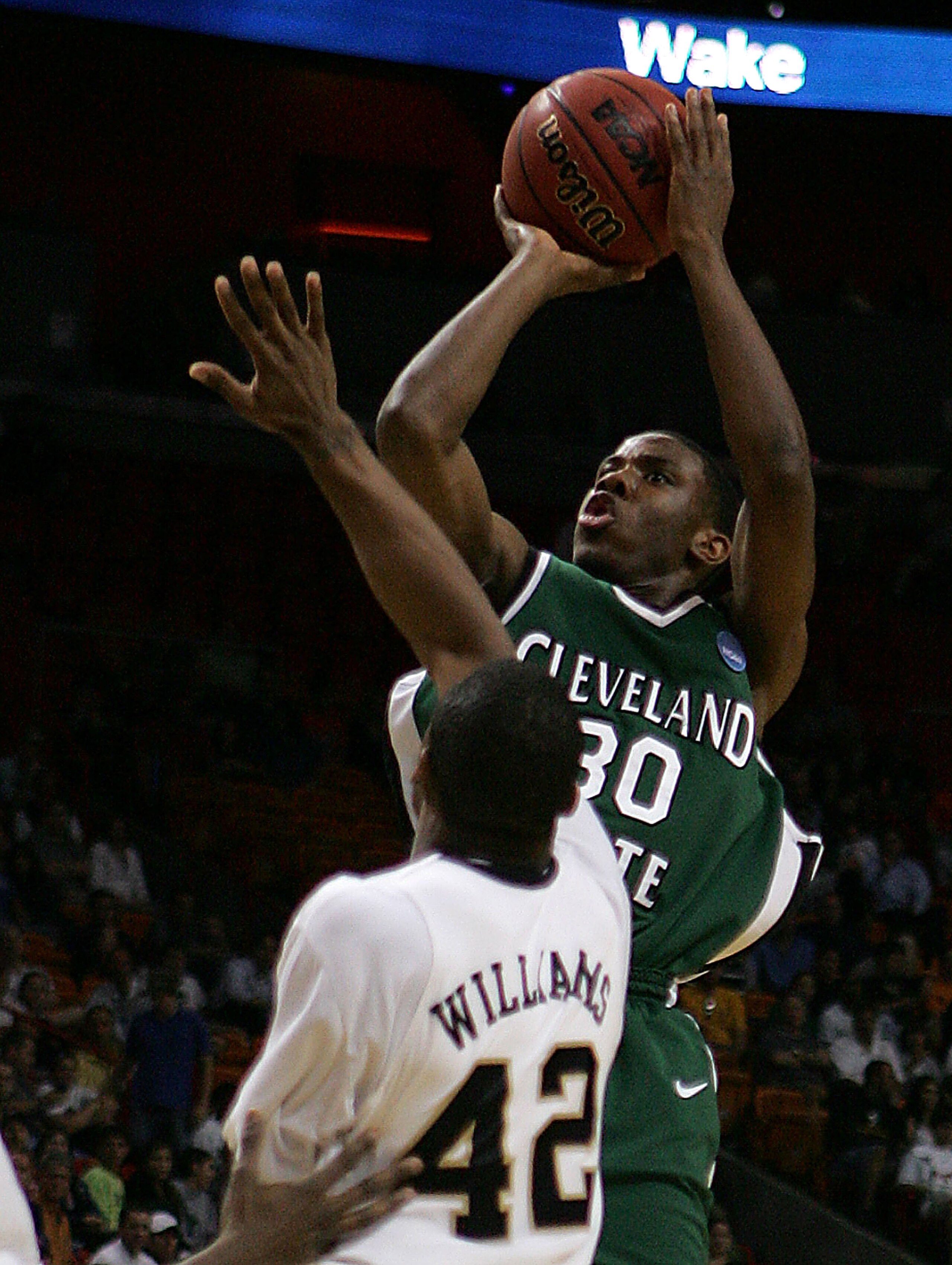
Cleveland State has the potential to be the second team from the Horizon League to make some tournament noise in as many years.
You may remember Butler from last year.
The combination of guards Norris Cole (21 points and five assists per game), Trevon Harmon (13 points per game) and Jeremy Montgomery (12 points per game) could make the Vikings a dangerous team come NCAA Tournament time.
Washington
17 of 20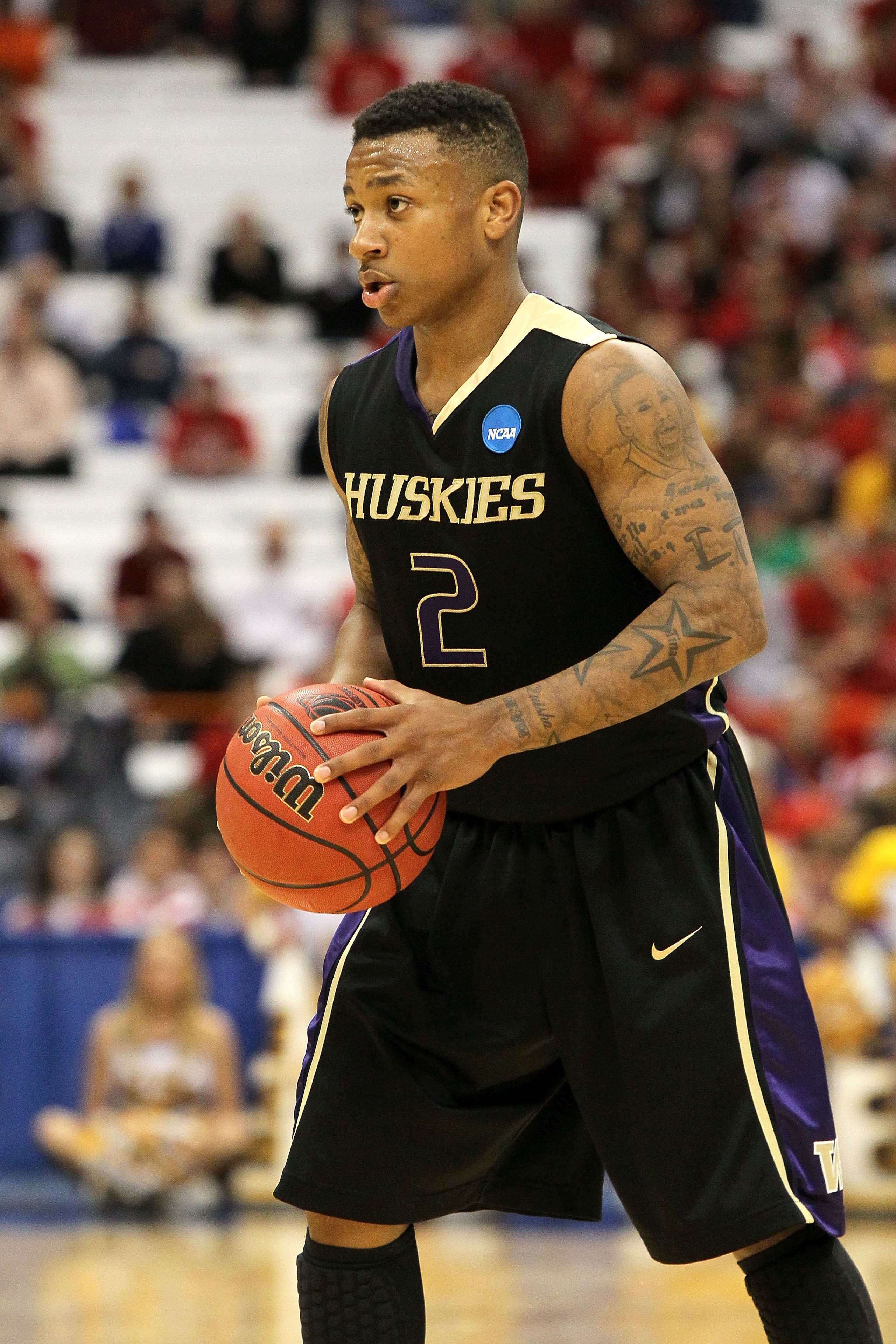
The Huskies have had a bit of an up-and-down year in 2011, but the ups have been large in part due to the play of Isaiah Thomas.
Thomas, who averages 15 points and nearly six assists per game, teams up with backcourt mates C.J. Wilcox and Venoy Overton to give Washington a potent guard combination.
San Diego State
18 of 20
While the Aztecs combination of D.J. Gay and James Rahon may not be their best players, they are extremely important to San Diego State's success.
No team can compete in Division I men's basketball without a pair of steady guards and that is what Steve Fisher gets from his two starters.
From Gay, you get a consistent double figure scorer and distributor. From Rahon, you get a defender and another ball handler who can score in occasional bursts.
Both will be needed for the Aztecs to make any noise come March.
Purdue
19 of 20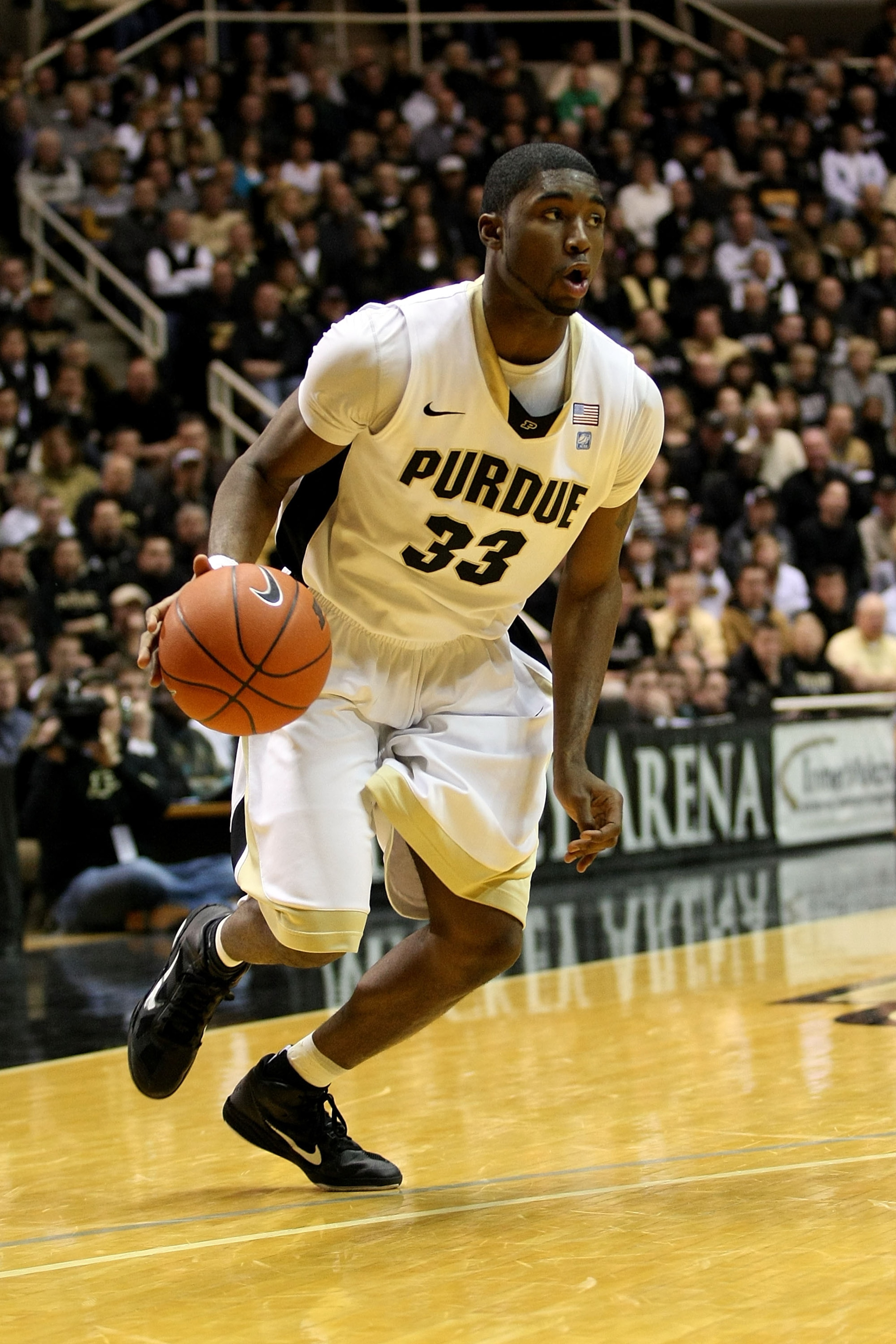
When Purdue lost Robbie Hummel prior to the season, many counted the Boilermakers out. That would have been a mistake.
E'Twaun Moore and his fellow backcourt-mate Lewis Jackson have given the Boilermakers a steady hand on the perimeter.
Moore provides the scoring punch, averaging 18 points per game, and Jackson helps distribute and run the offense, averaging nearly four assists per game.
Wisconsin
20 of 20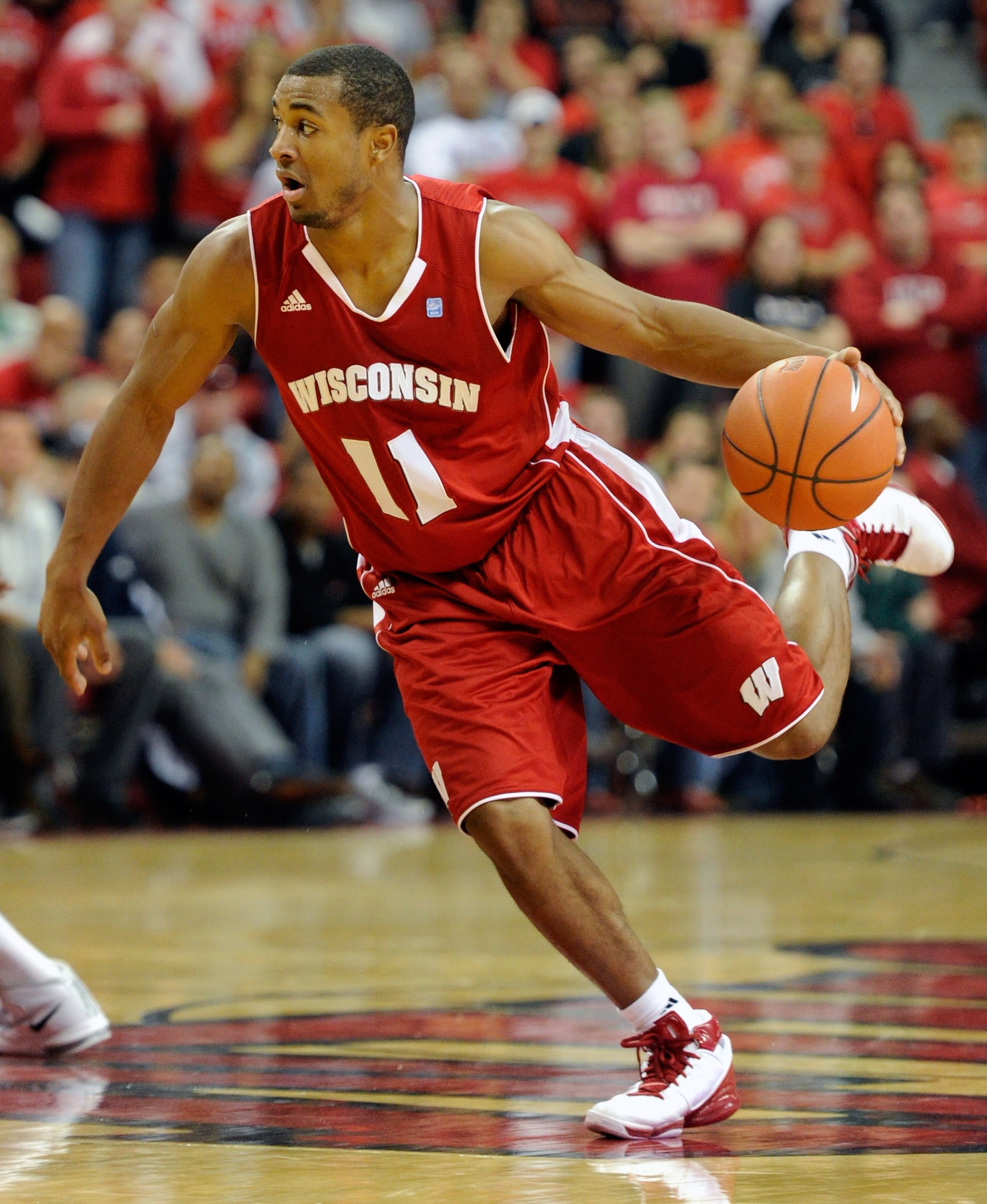
Wisconsin is not a team that many will want to face in the postseason and for a good reason. They are tough and they have a couple solid guards.
Jordan Taylor is the best of the bunch, averaging nearly 18 points and five assists per game. Given those numbers, the Badgers don't really require much from their other guards.
Still, sleep on this team and you are likely to pay in March.
.jpg?w=2560)
.jpg?w=2560 "Rams Eagles Football")
.jpg?w=2560 "Injury-stricken Seahawks signing veteran RB")

.jpg?w=2560 "2 NFL Officials Suspended")

.jpg?w=2560 "Mahomes' Wife Trolls Kubiak 💀")
