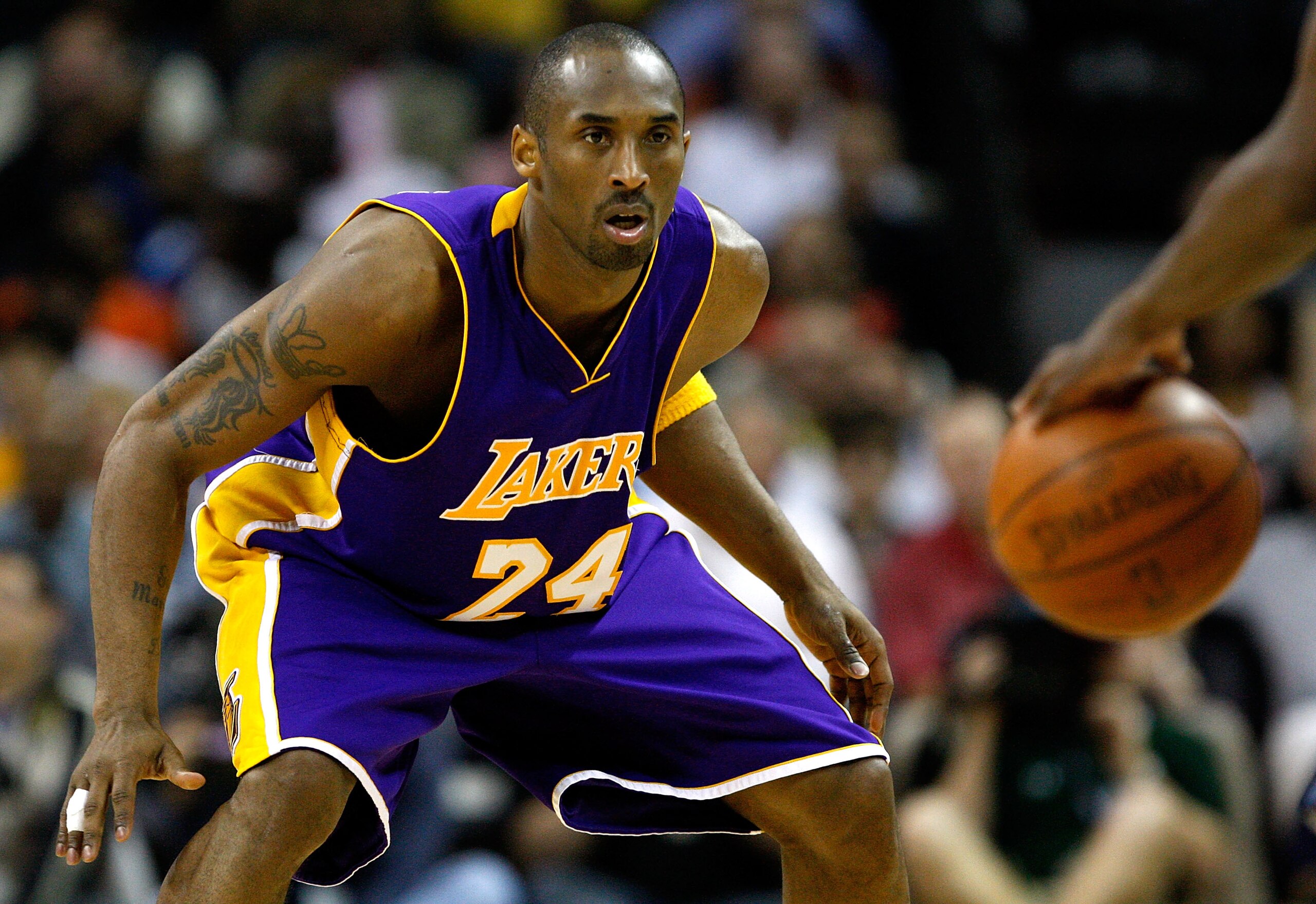

Kobe Bryant and the Top Perimeter Defender From Every NBA Team
The guys in the paint are supposed to wear you down as the game progresses.
However, the perimeter players can immediately change the momentum with a steal for some fast-break points.
Not that the big men can't, but think about about how excited you get when your team forces a turnover and then quickly slams one down.
Or, when the opposing team is forced to shoot nothing but threes or long jumpers because the perimeter D is virtually impenetrable.
Also, what about when your team is down and they go into a full-court press, cause some quick turnovers and regain the lead?
This list of juggernauts from the perimeter puts the best from each team against one another. Enjoy.
30. DeMar DeRozan: SG, Toronto Raptors
1 of 30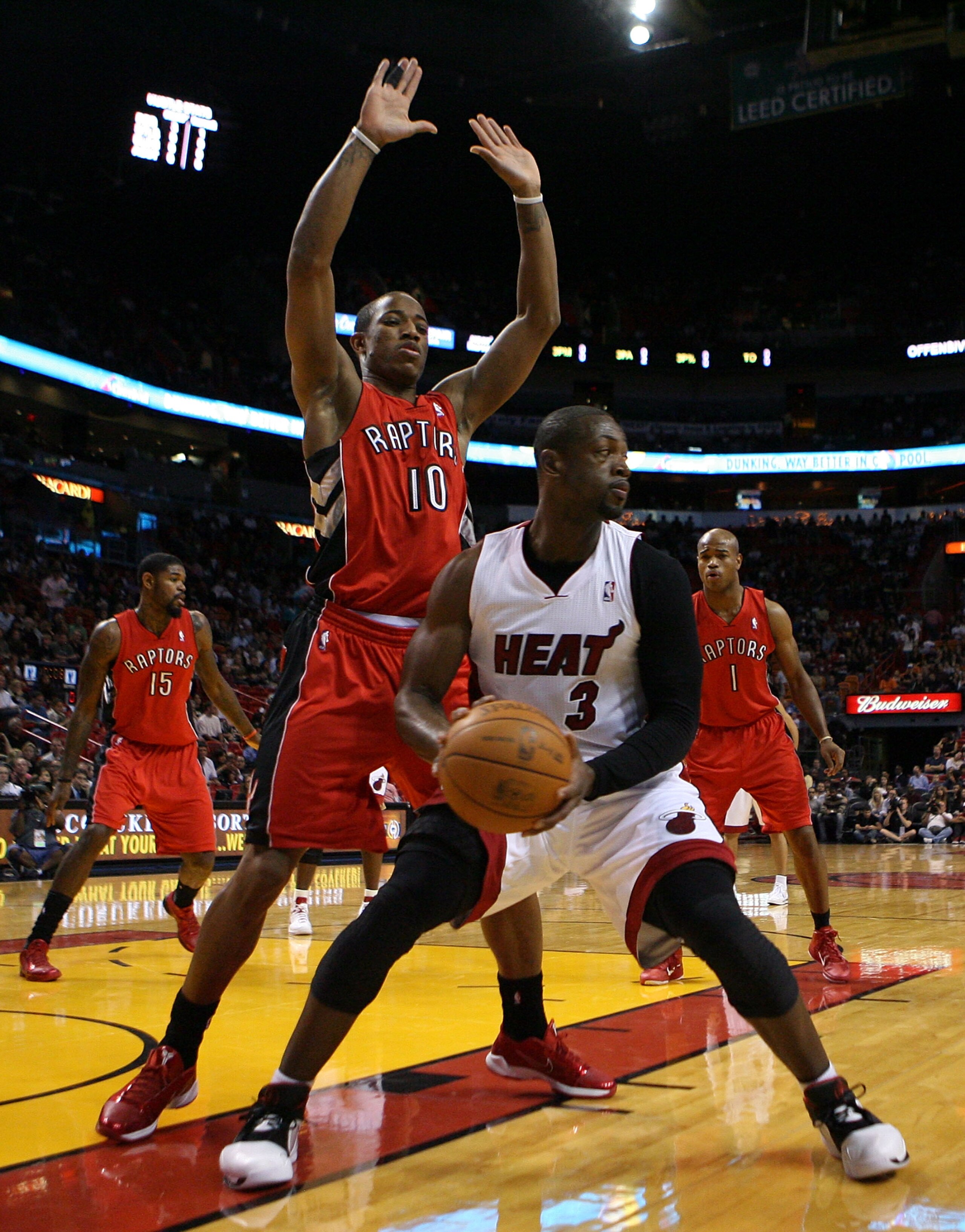
In only his second year DeRozan has shown signs of significant improvement.
Offensively, he has improved in points, assists, and free-throw percentage.
However, this is a focus on defense and with that being said, he has already increased his averages in rebounds (3.8), blocks (.4), and steals (one) per game.
The numbers are nowhere near where they need to be yet, but that's expected when he's on one of the worst teams in the NBA.
29. Marvin Williams: SF, Atlanta Hawks
2 of 30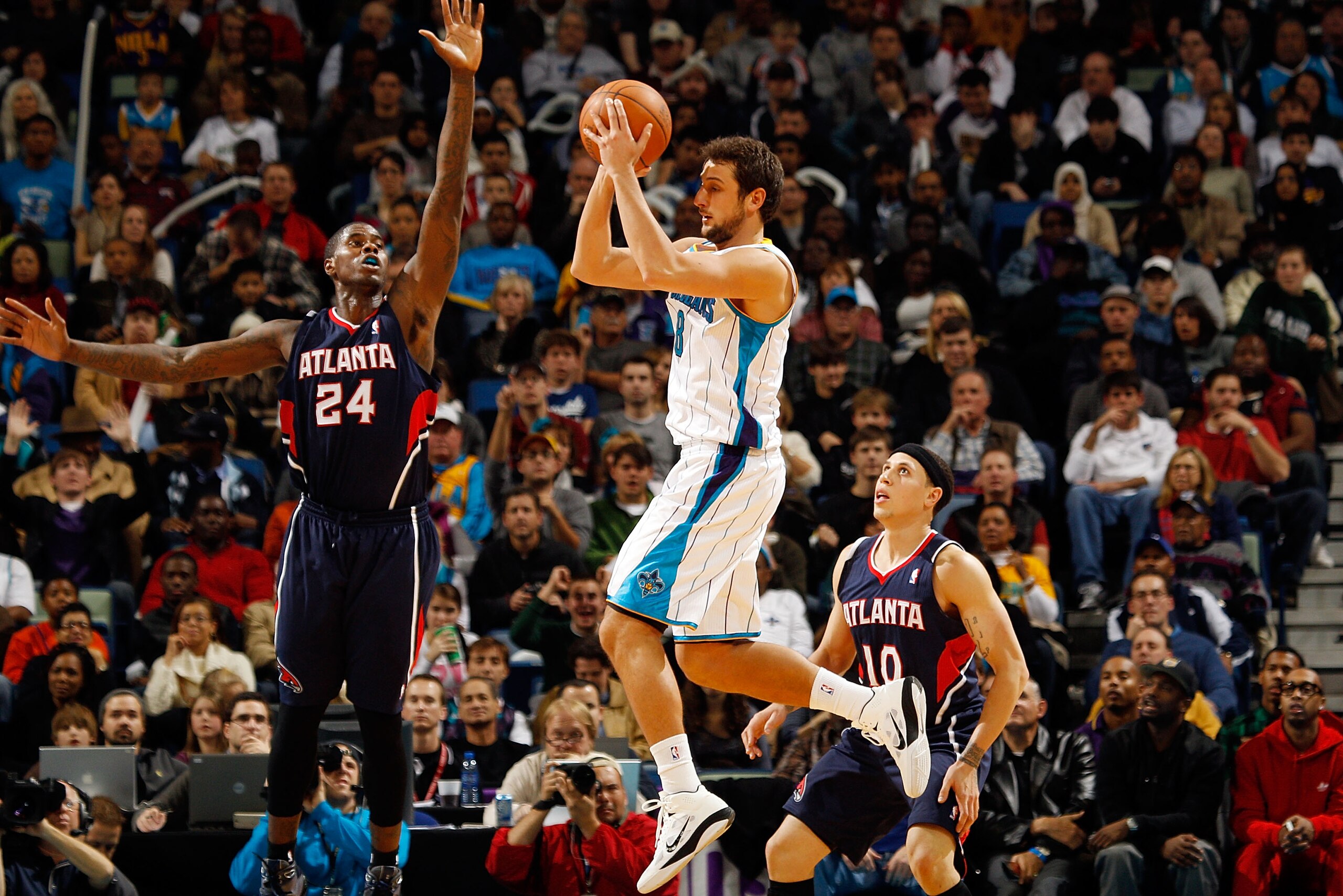
With PF Josh Smith and C Al Horford taking all the defensive glory down low, the perimeter D has not been as recognizable.
But on the perimeter, SF Marvin Williams has shown good signs from time to time.
His stats may not be up to par with the other perimeter defenders throughout the association, but then again, he only puts in just under 30 minutes per game.
He does average 5.2 rebounds (4.1 coming on D) and .6 steals per game.
If he can get his minutes logged up to around 35 or 37, then he could potentially increase that by one or even two.
28. Shawn Marion: SF, Dallas Mavericks
3 of 30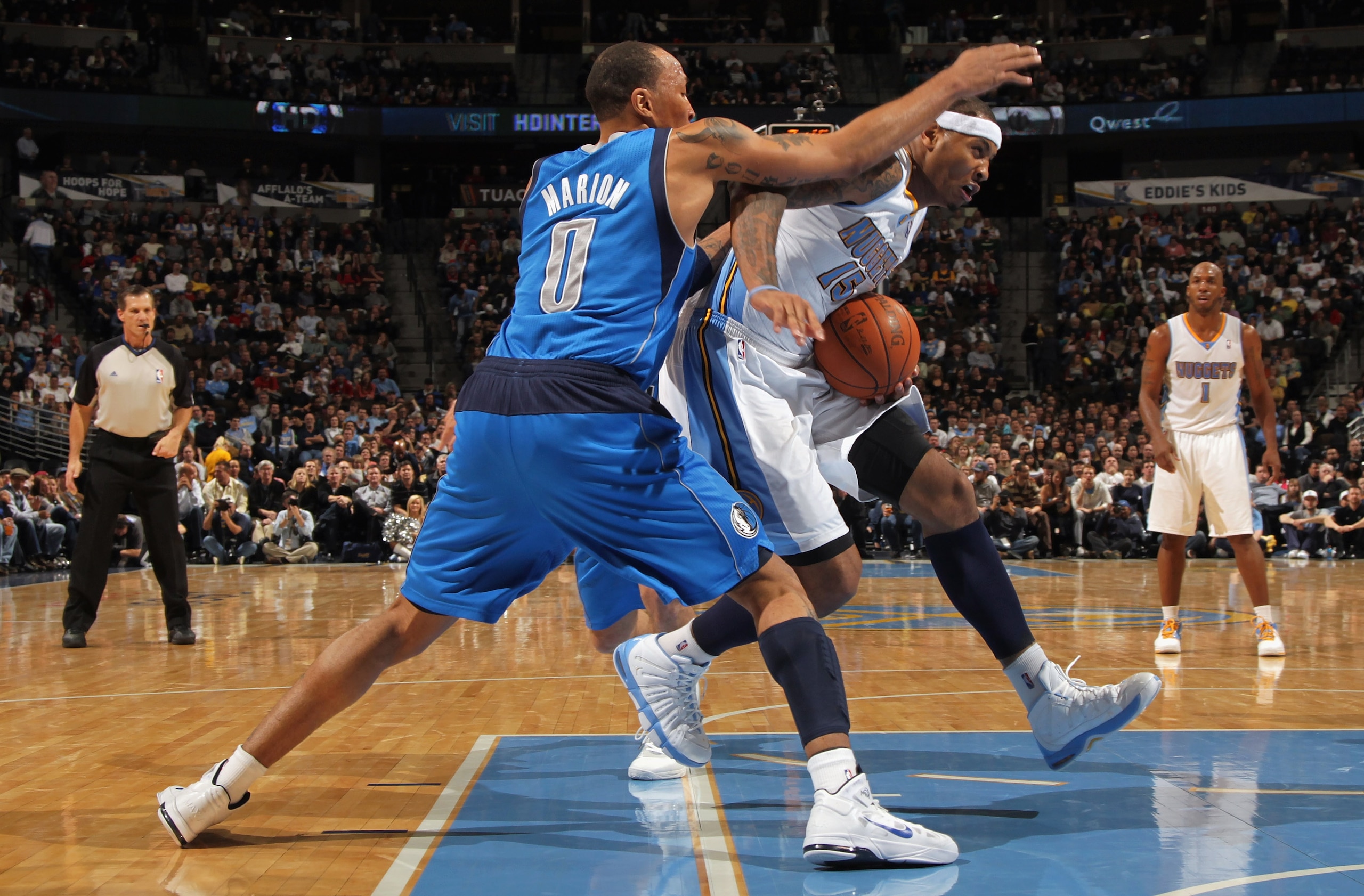
Defensively, the Mavs have players that are consistent and versatile across the board. But other than Dirk, there is no real offensive threat since Jason Kidd has been gradually slowing down.
However, if defense is suppose to win championships, Dallas is near the top.
As for seasoned vet Shawn Marion, he leads all the Mavs' perimeter players with 6.5 rebounds, and .6 blocks per game.
He most likely would have more, but with Tyson Chandler down low you really can't blame him.
Plus, being in the same division as San Antonio, the Mavs are posed to regain Texas come playoff time.


27. Grant Hill: SF, Phoenix Suns
4 of 30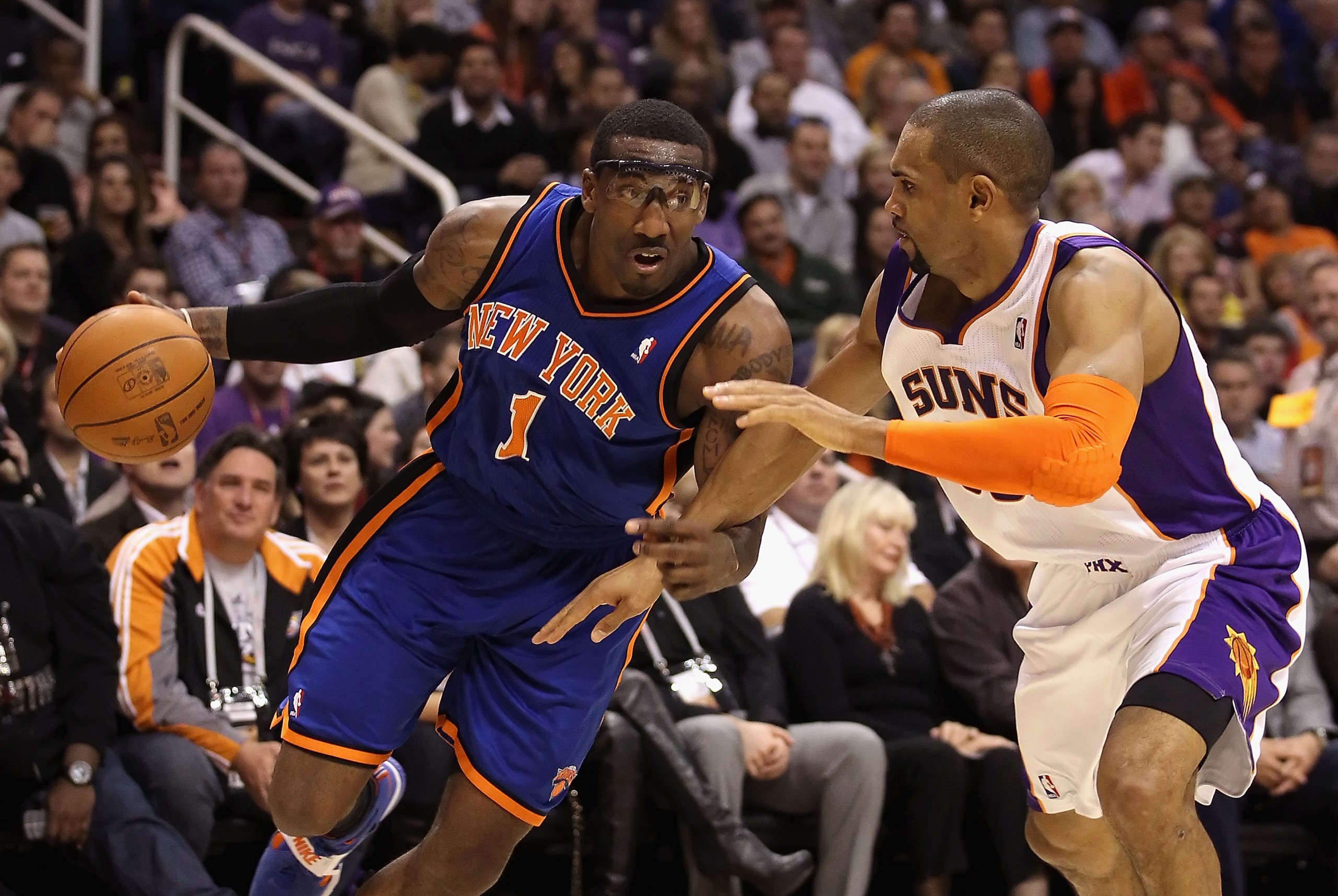
You know a team has bad defense when a player who isn't even on their team anymore (Jason Richardson) leads them in steals per game.
Not to mention the Suns rank 26th in points allowed per game (105.4), which leaves little room for a standout defensive player.
Well, Grant Hill is that guy merely because of veteran leadership and his presence.
His stats are a bit lackluster from previous years, but with the loss of A'mare Stoudemire that's to be expected.
Also, for being 38 years old he averages almost one steal and 4.5 rebounds per game while on the floor for 30 minutes.
26. Devin Harris: PG, New Jersey Nets
5 of 30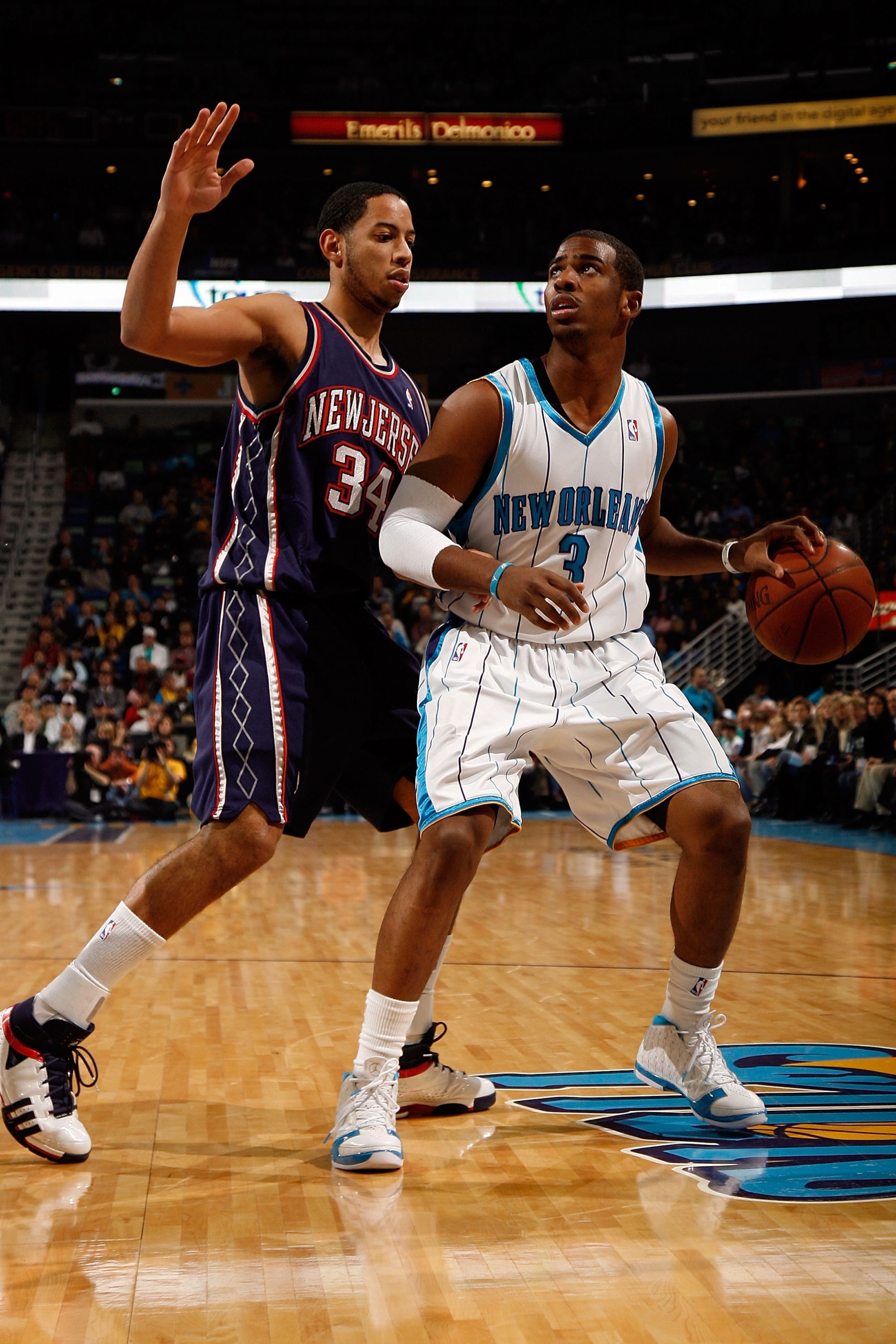
After the 12-win season in 2009-2010, the only place to go was up in 2010-2011.
Having already surpassed that total this season, the Nets are very young and have potential for the future.
This leads us to Devin Harris, who is the eldest of the starters and must act as an influence on the younger players.
On the year he averages one steal and only 2.4 fouls per game.
What's tricky here is that in his second NBA season—playing for the Dallas Mavericks—he only averaged 2.2 fouls per game.
But back then he only received 23 minutes per game, whereas now he receives 32.
Also, the Nets only allow 98.7 points per game, ranking them 15th in the league.
Not bad for a team with their kind of record, which is why Harris' numbers may not seem impressive since everyone across the board plays fairly good D in New Jersey.
25. Rodney Stuckey: PG/SG, Detroit Pistons
6 of 30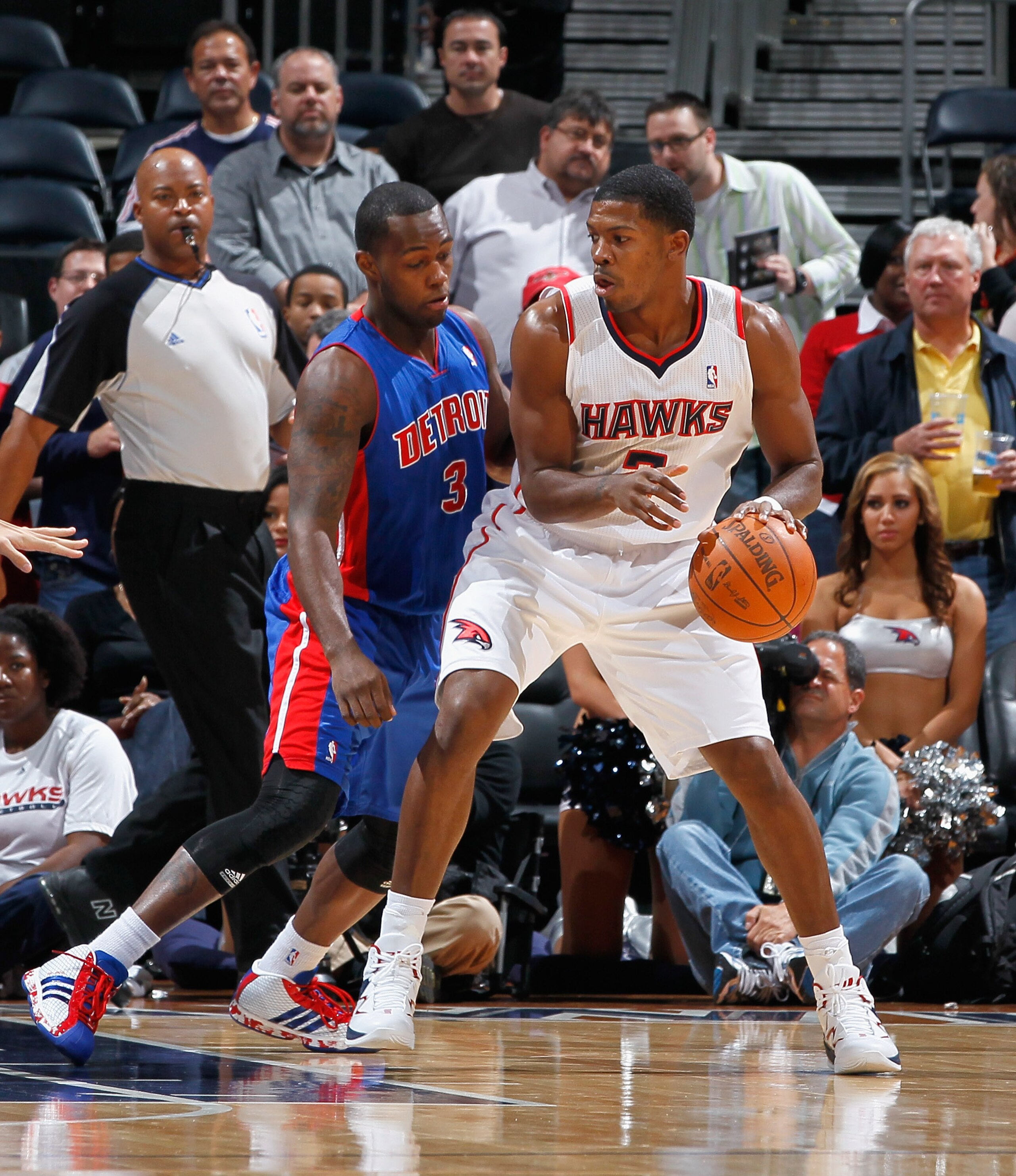
Want to talk about a guy who needs some help?
Rodney Stuckey is that guy.
He currently leads the Pistons in points (14.8), assists (4.4), and steals (1.1) per game.
The injury to Richard Hamilton hasn't helped Detroit, but neither has the down year that Tayshaun Prince is currently having.
Also, as consistent as Tracy McGrady used to be, it seems age is catching up to him even though he's only 31.
However, Stuckey should not go overlooked since he is somewhat of a "one man band" in the Motor City.
His only weakness? Almost three personal fouls per game.
If he trades one or two of those in for some more steals or blocks, Stuckey could become a household name.
24. Jason Richardson: SG, Orlando Magic
7 of 30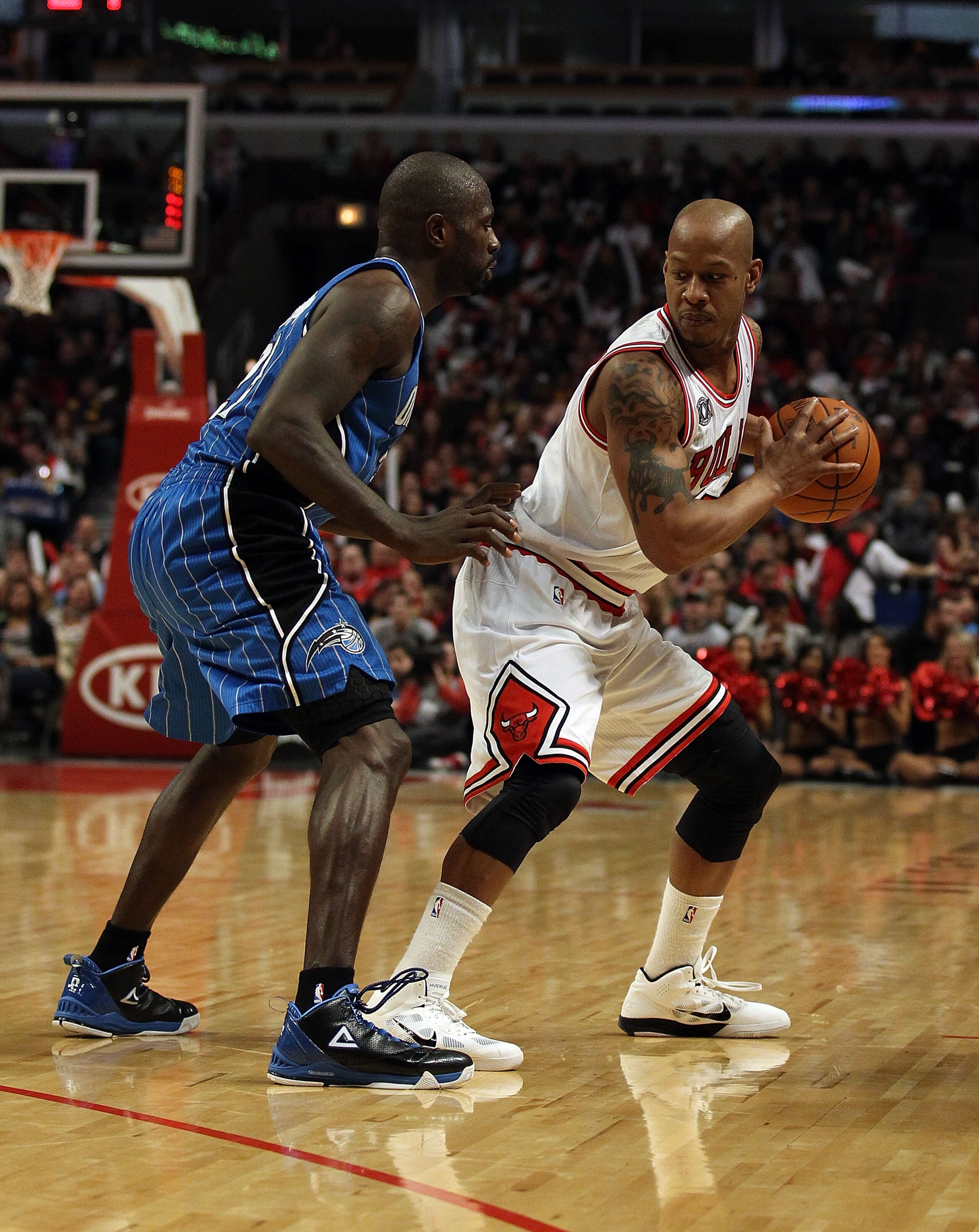
We all know the man in the middle, Dwight Howard.
He's known for his D on the Magic, but it also causes other player's efforts to go under the radar.
Jason Richardson is one of those players.
He currently averages one steal, and four rebounds per game.
A big reason why these stats are great is because of his move from the desert to the beach midseason.
It can't be easy going from a well-established point guard like Steve Nash to an up-and-coming star in Jameer Nelson.
And whether it's offense or defense, team chemistry is a must, and it takes time to build. You can't just flip a switch and expect results.
23. Eric Gordon: SG, Los Angeles Clippers
8 of 30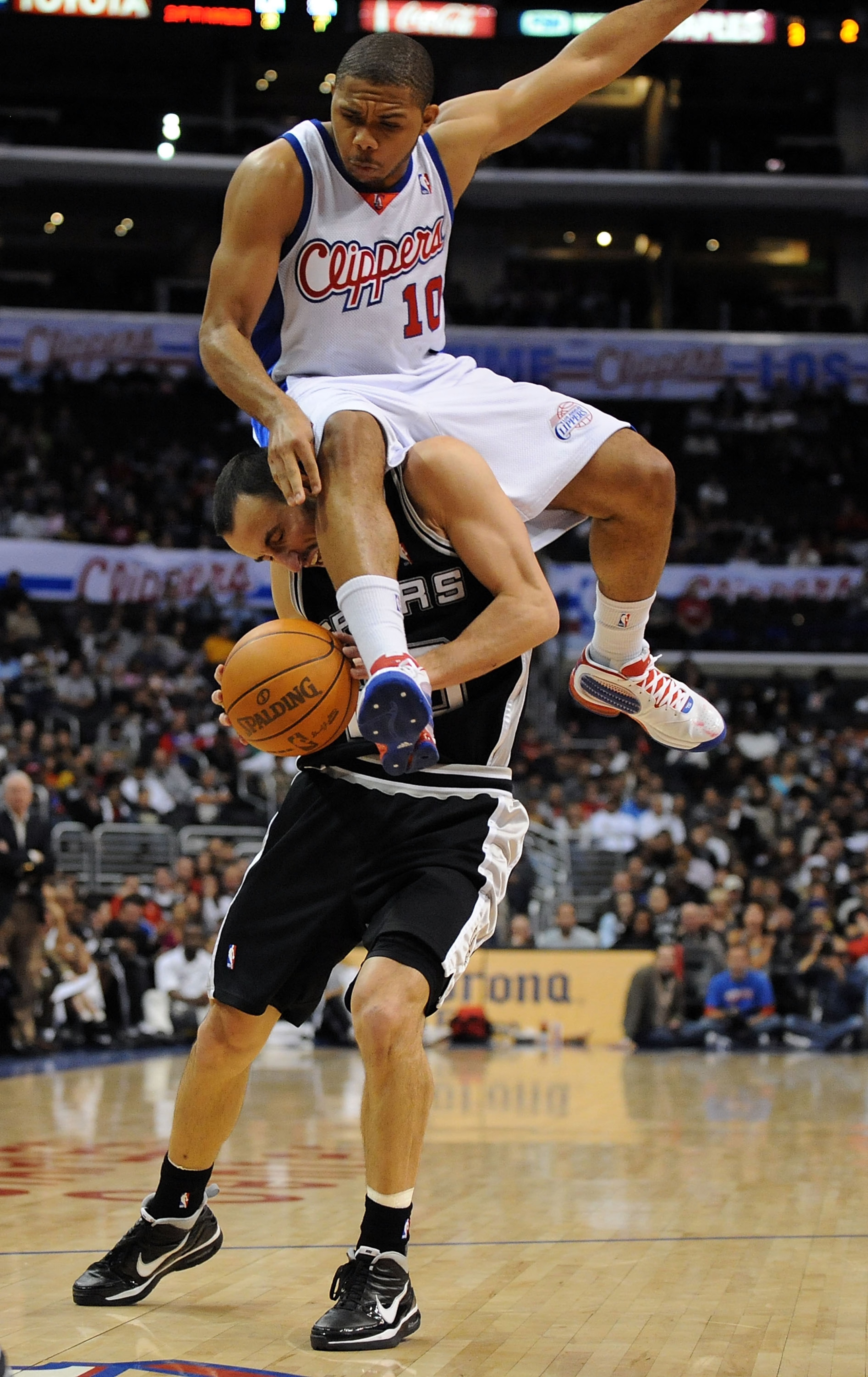
Okay, so it's the Clippers, but at least give them a chance before you move on.
This was a tossup between Eric Gordon and Baron Davis, but with Gordon's—and Blake Griffin's—youth, we're thinking long-term.
"Hey did I mention that the Clippers have a lot a young great talent?" (An overly used cliche to make up for the Clippers being, well, the Clippers).
Plus, when a guy like Eric Gordon decides to take a seat on the neck/shoulder area of Manu Ginobili, you know he's giving some effort.
On the year Gordon averages over one steal and three rebounds per game. So with Blake down low, it's tough for anyone else to get rebounds.
He's also averaging over 24 points per game, so he can be versatile on offense, and comes in handy whenever a fast break occurs.
22. Christian Eyenga: G/F, Cleveland Cavaliers
9 of 30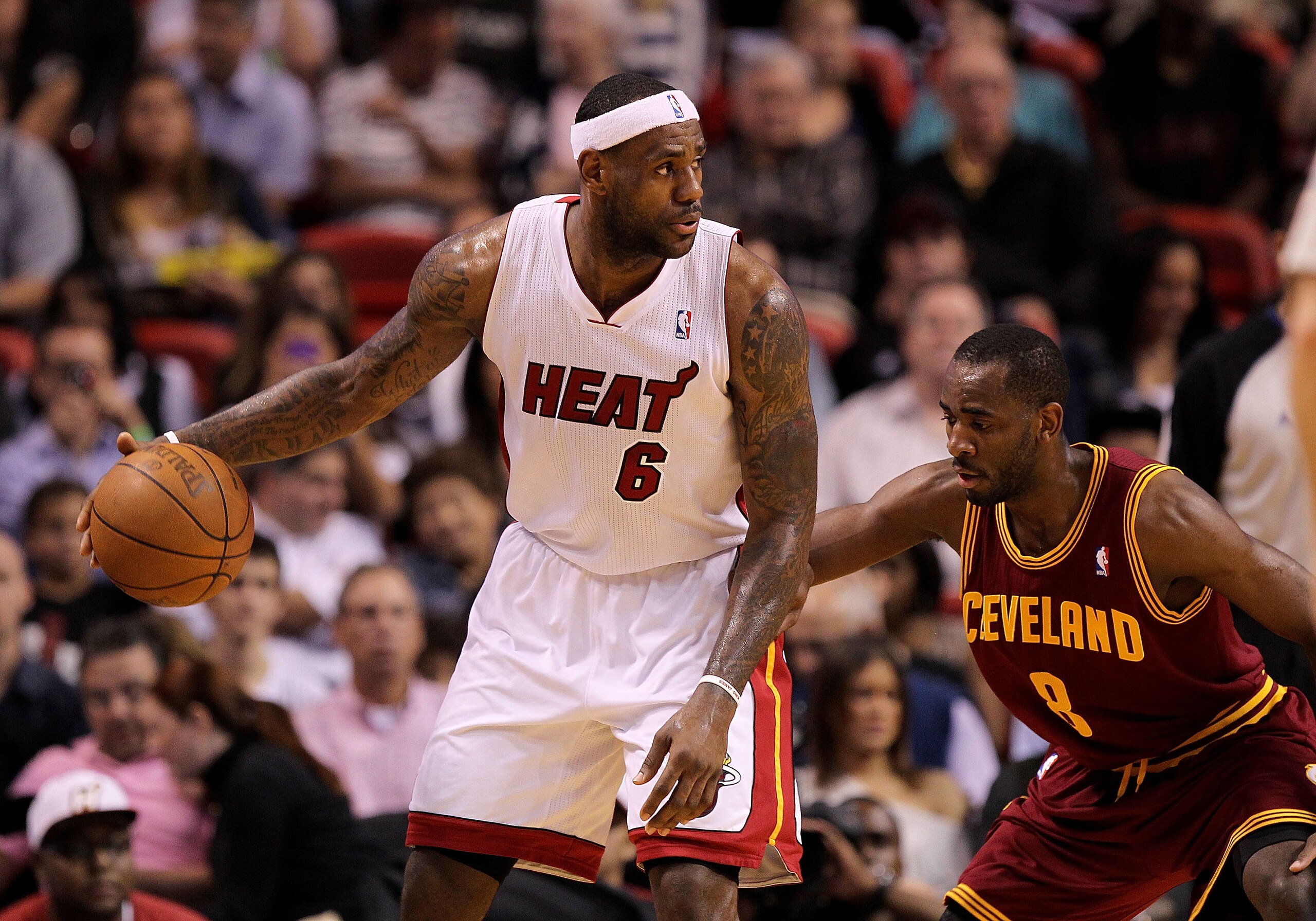
The Cavs may have gotten more than they paid for with Christian Eyenga.
He still has a long way to go, but he has proven to be a legitimate defender in the NBA.
Although he has only played in 19 games thus far, he didn't log any game time until after the new year.
With that being said, he has come out of the gate strong by averaging one block and almost one steal per game.
All he needs to do now before receiving an increase in playing time (currently averages over 25 minutes per game) is to decrease his personal fouls.
Eyenga gets called for about 2.5 fouls per game and still has a lot to learn.
He's only going to get better and since he's a rookie, there is no ceiling.
21. Andre Iguodala: SG/SF, Philadelphia 76ers
10 of 30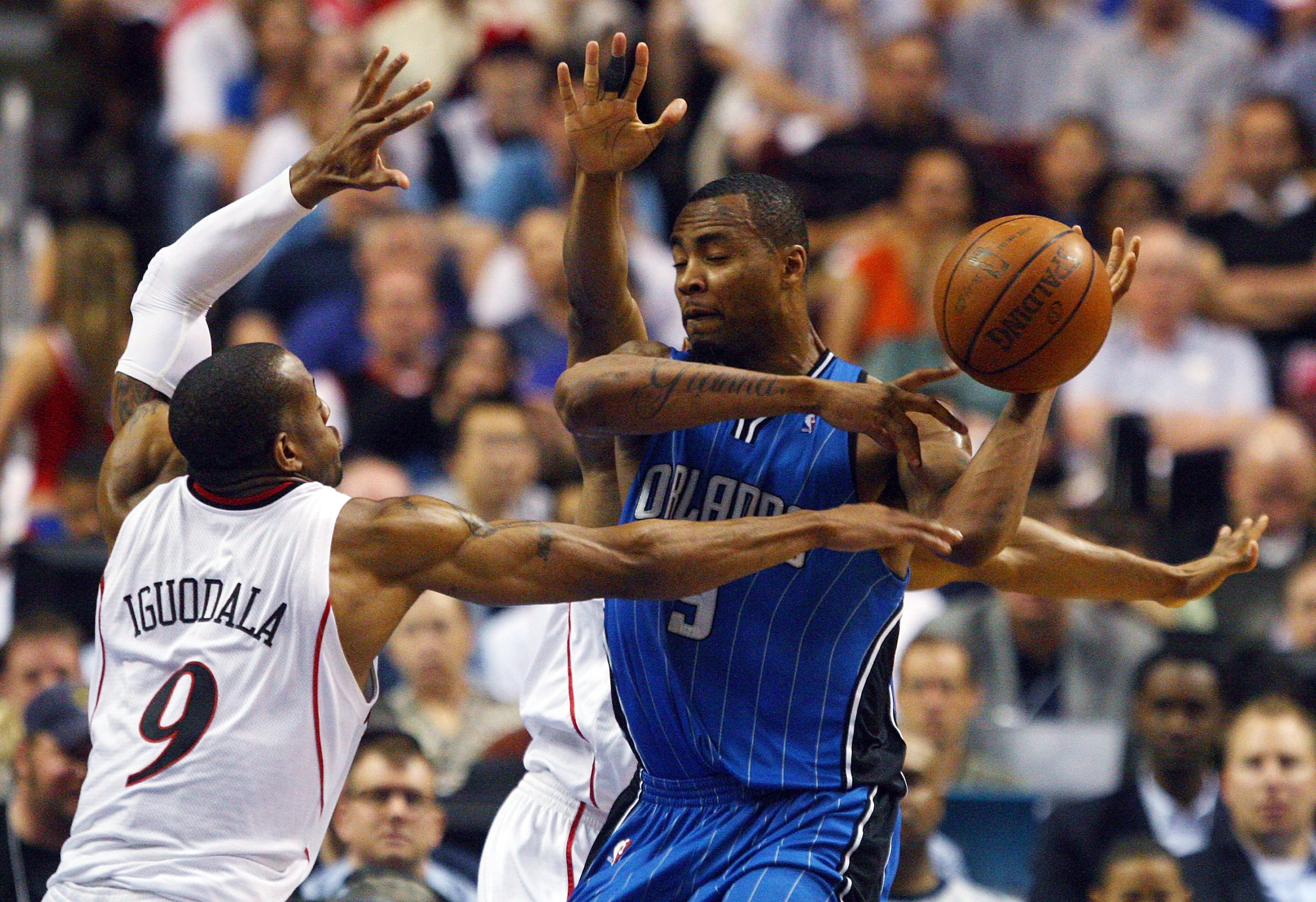
Along with PF Elton Brand, Iguodala adds some of that star power and veteran leadership in Philadelphia.
What's also impressive is that with A'mare Stoudemire in New York, the 76ers are only two games back of the Knicks.
And with new head coach Doug Collins, Philly will easily surpass their 27-win total from 2010.
As for Iguodala, he averages 1.5 steals and almost six rebounds per game.
But like any great defender, he averages less than two fouls per game, which helps his team late in the game.
20. Landry Fields: SG, New York Knicks
11 of 30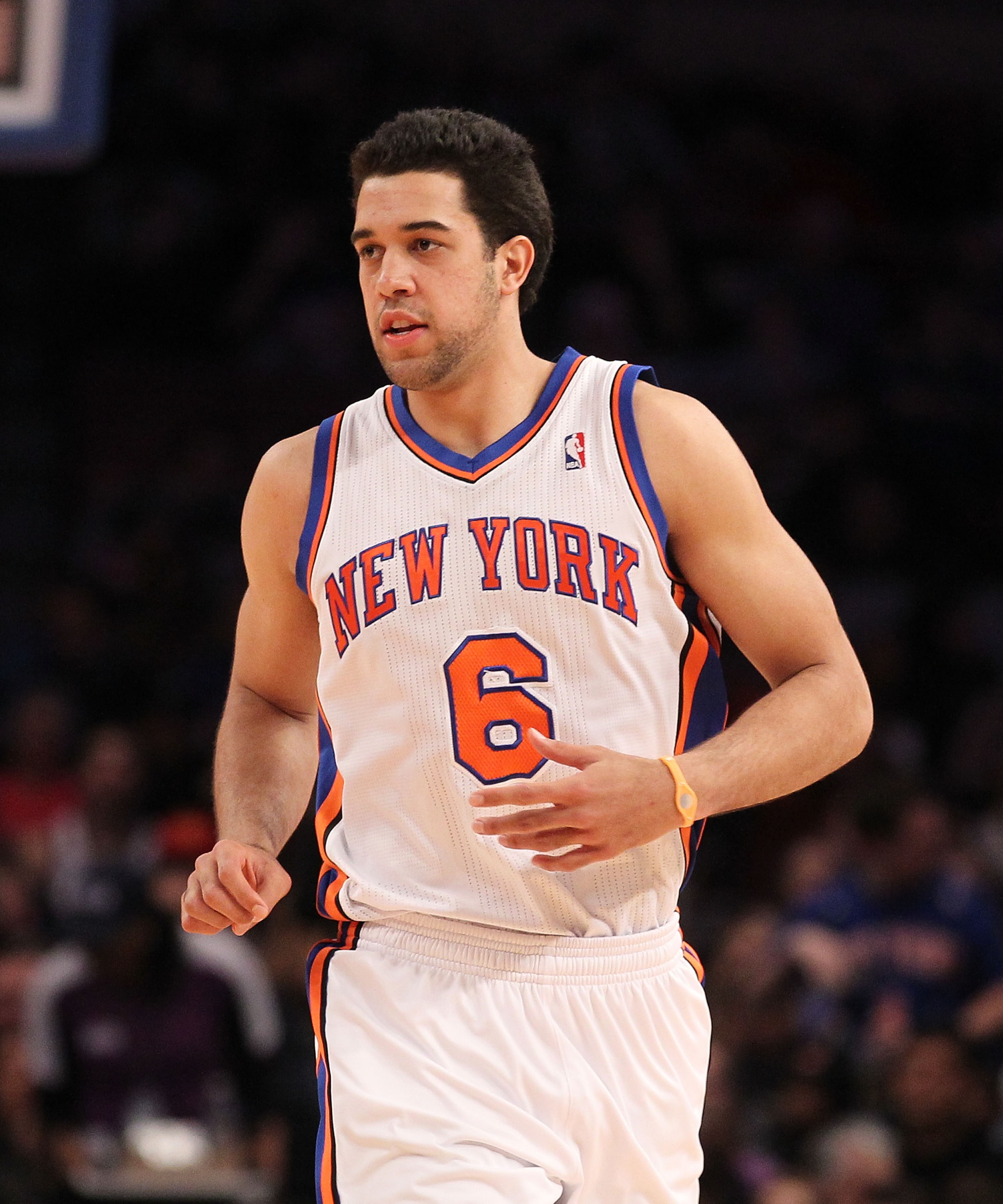
Landry has a lot of potential given that he's a rookie.
He currently averages over one steal, seven rebounds (5.5 defensive), and only 1.5 fouls per game.
Not to mention he plays an average of 32.5 minutes.
Drafted in the second round in 2010, he plays with a bit of a chip on his shoulder for not going in the first round.
But then again, playing with that kind of tenacity and effort is what New Yorkers want to see.
19. Carlos Delfino: SG/SF, Milwaukee Bucks
12 of 30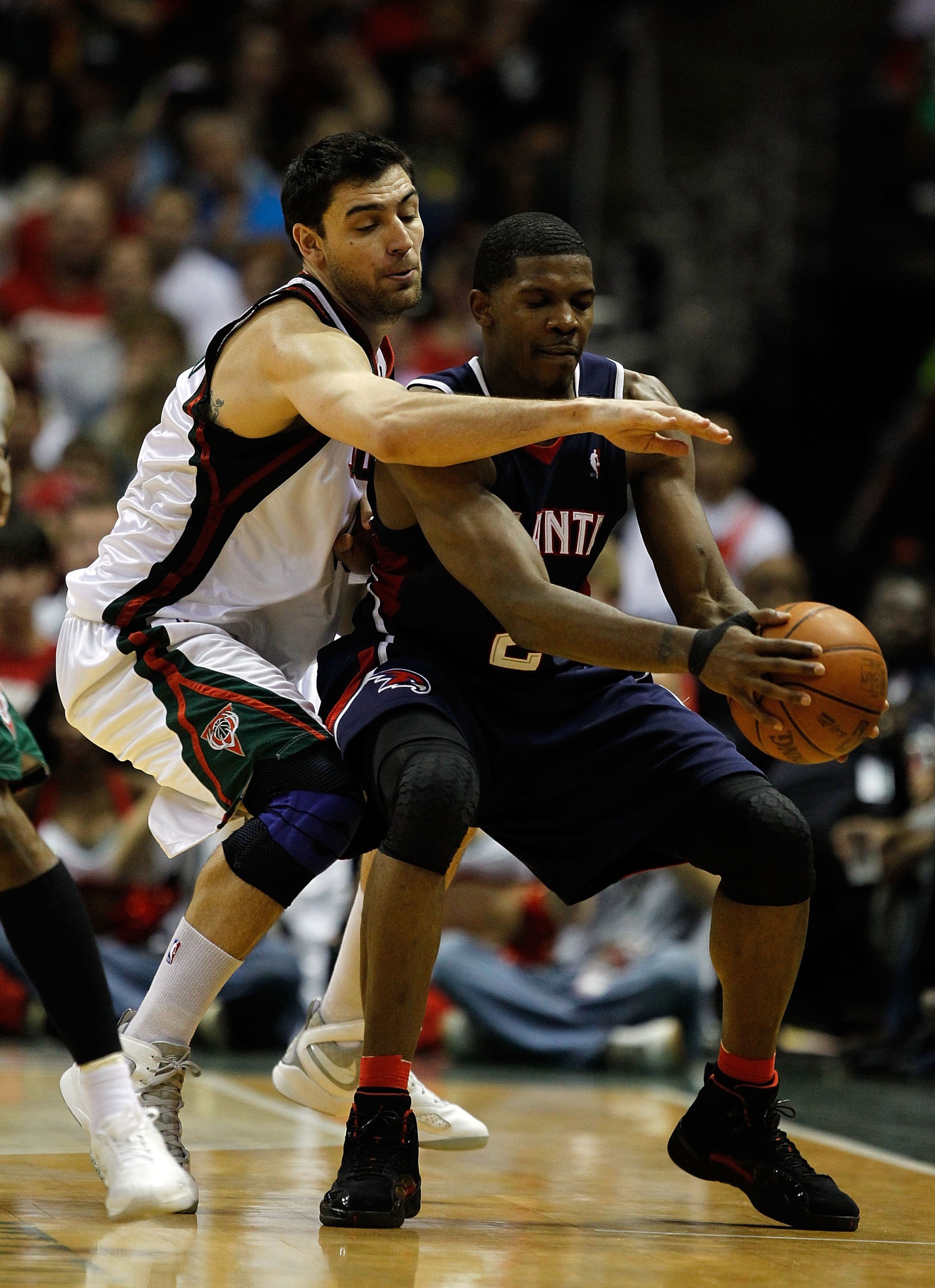
If the Milwaukee Bucks only had some offense they may be near the top of the Eastern Conference.
They rank dead last in points scored per game (91.4). However, they rank fourth in points allowed per game (92.7).
Part of this is due to Andrew Bogut's three blocks per game average, but Carlos Delfino literally steals the show with 1.5 per contest.
Also, with John Salmons as the more offense-oriented shooting guard, Carlos must shine on D in order to keep his 33 minute per game average.
He also averages just over 12 points per game along with just over one personal foul.
Steals and fast break points? Yes.
Getting into foul trouble? No.
18. Danny Granger: SF, Indiana Pacers
13 of 30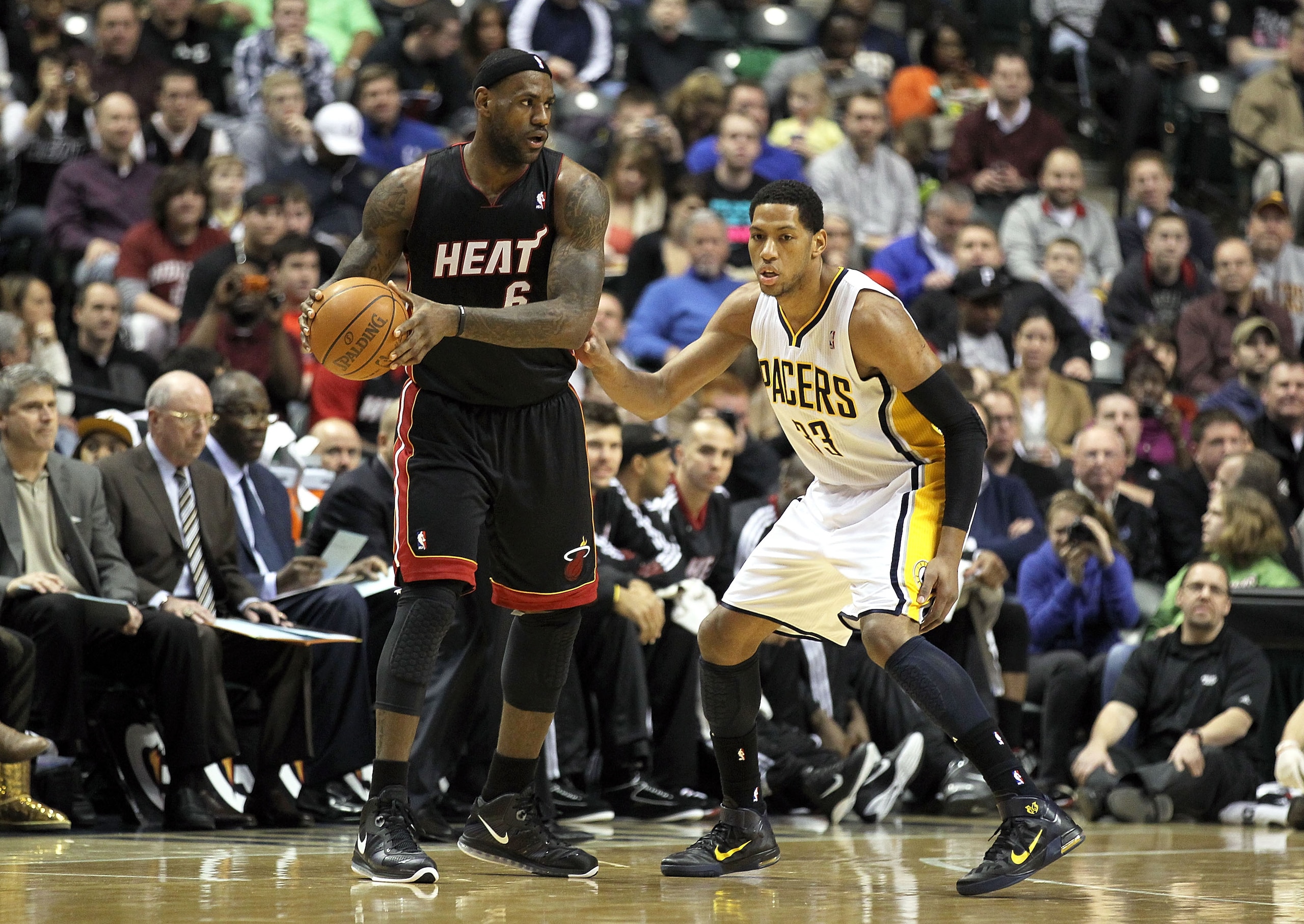
Despite having a losing record, the Pacers are currently in the playoff picture as the eighth seed in the Eastern Conference.
But as of now, they're playing like it's the postseason; part of that success can be attributed to the play of Danny Granger.
He's tied for the team lead with Darren Collison in steals per game (1.2), but also gets over five rebounds and almost one block per game.
Not to mention he does lead the team with 20.9 points per game, which could be correlated to his number of steals.
But once the younger guys like Roy Hibbert, Tyler Hansborough, and Darren Collison start to mature, it will make Granger's duties that much easier.
17. John Wall: PG, Washington Wizards
14 of 30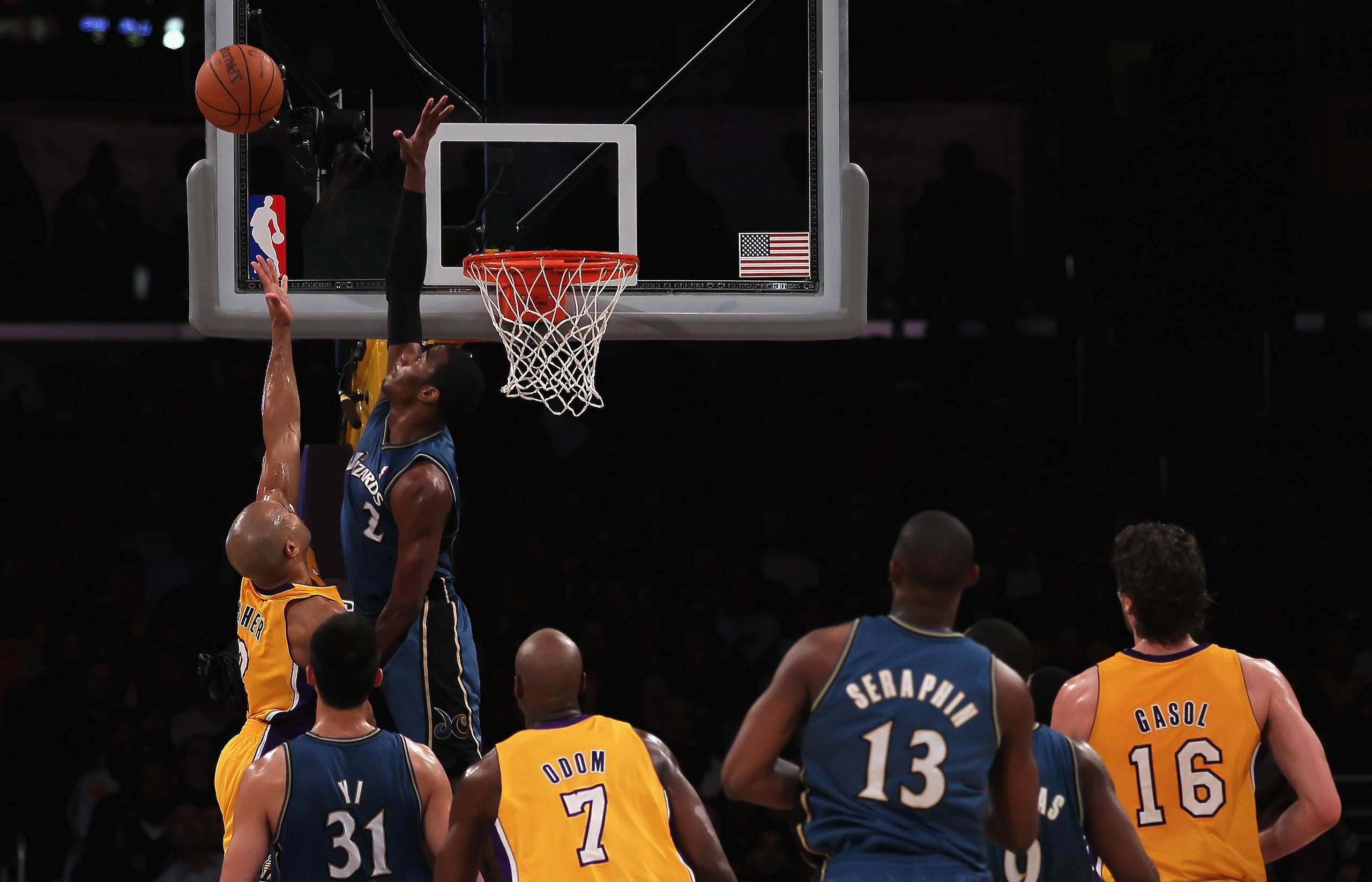
It must be fun going from an NCAA All-American to arguably the worst team in the Eastern Conference.
But then again, he gets paid a lot more money that the average American.
Regardless, John Wall has established himself as a one of the most exciting rookies in the NBA. He averages almost two steals per game, and just over nine assists with four rebounds.
So once he gets on D, his thought process must be:
1. Get a steal
2. Assist it on the fast break
3. Repeat.
One other sick stat is that he's on the court for 37 minutes. That seems excessive with him being a rookie, but then again, he does play for the Wizards.
16. Andre Miller: PG, Portland Trail Blazers
15 of 30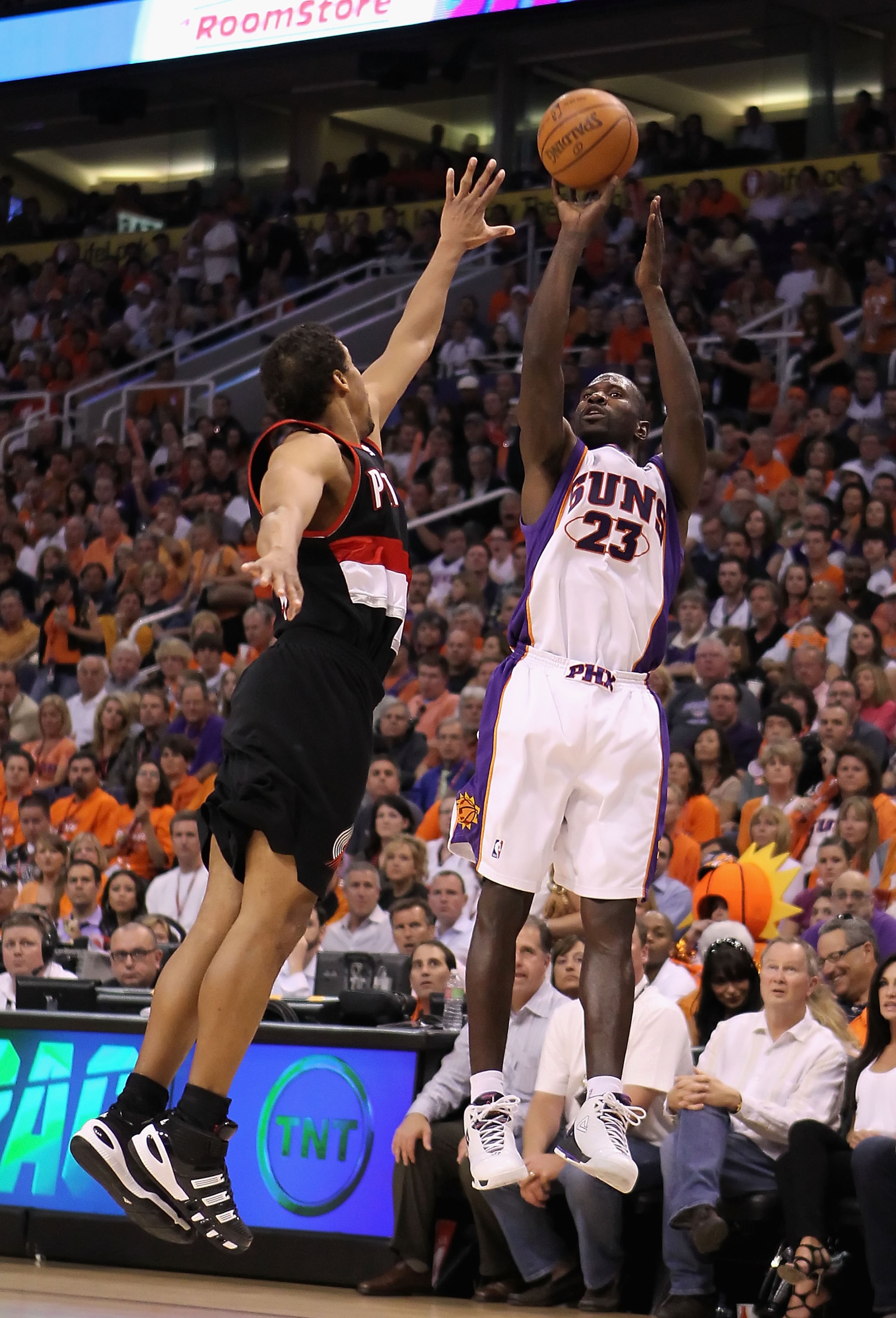
The Trail Blazers currently rank ninth in points allowed per game (95.4), and much of this can be attributed to the two big men in the paint—LaMarcus Aldridge and Marcus Camby.
Both average over one block and eight rebounds per game. Not to mention, they combine to average more than one steal per game as well.
So where does that leave room for Andre Miller?
Well, he does lead the team with 1.6 steals per game and brings in almost four rebounds.
However, he does get called for two personal fouls per game, which isn't that high, but it could be preventing him from another steal or two.
But he's having a career year in that area this season, so he's definitely been improving.
15. Carmelo Anthony: SF, Denver Nuggets
16 of 30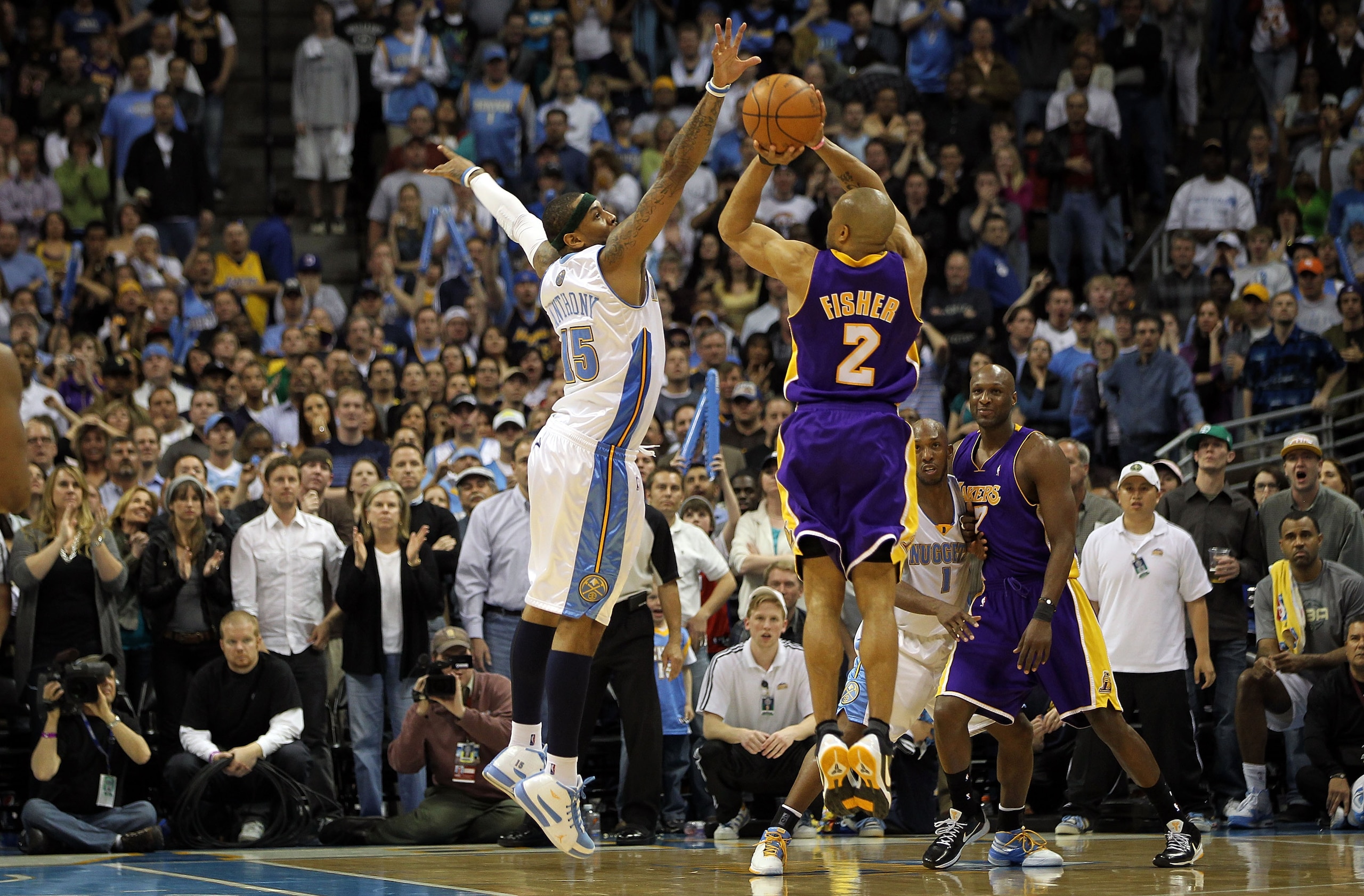
As much as you would have wanted to, could you see this being anyone else on the perimeter in Denver?
Also, as much as critics don't want to admit it, Carmelo does play some solid defense.
He averages one steal and almost one block per game, but also leads the team with 7.6 rebounds (six on defense).
Other players such as J.R. Smith and Chauncey Billups have a slightly better average per game in steals, but are not positioned as well for rebounds or blocks.
But the bigger problem here is the defense as a unit. Ranking 25th in points allowed per game (105.2) shows that everyone is lacking and needs to step it up.
14. Corey Brewer: SG, Minnesota Timberwolves
17 of 30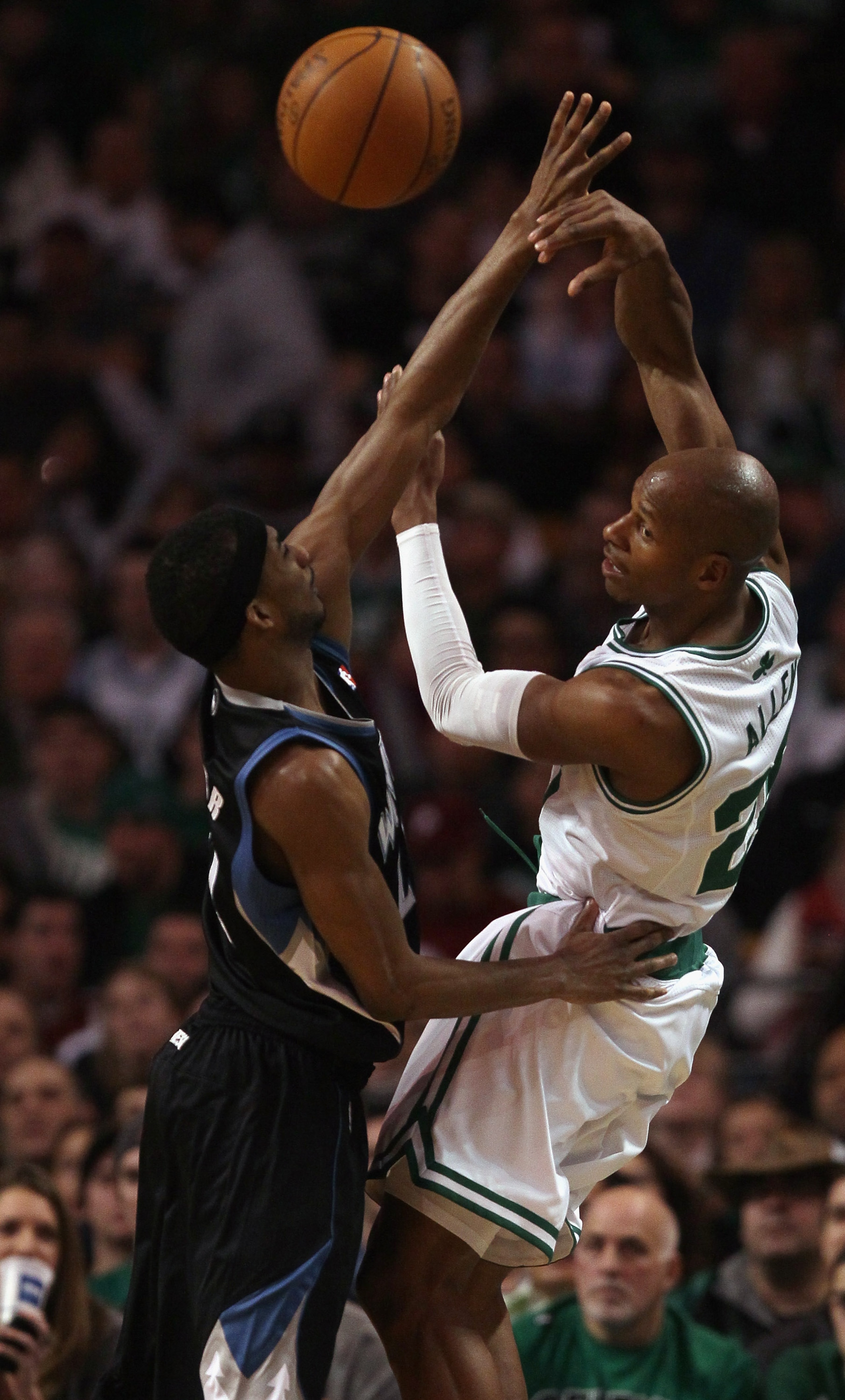
Playing on a team with Kevin Love makes it difficult for anyone to come down with any rebounds.
Add in Darko Milicic who averages two blocks per game, and the D inside the paint is taken care of.
So that leaves the perimeter players with the leftover category of steals.
Well, Corey Brewer is the one who stepped it up by averaging a career-high 1.6 steals per game.
There are two deceiving stats here—one for the team, and one for Brewer:
1. The T-Wolves rank last in points allowed per game (107.9).
2. Brewer only plays a little over 24 minutes, but also gets called for 2.4 fouls per game.
Therefore, as a unit the T-Wolves can only get better on D and Brewer still has time to mature.
Patience is virtue. Is it not?
13. Derrick Rose: PG, Chicago Bulls
18 of 30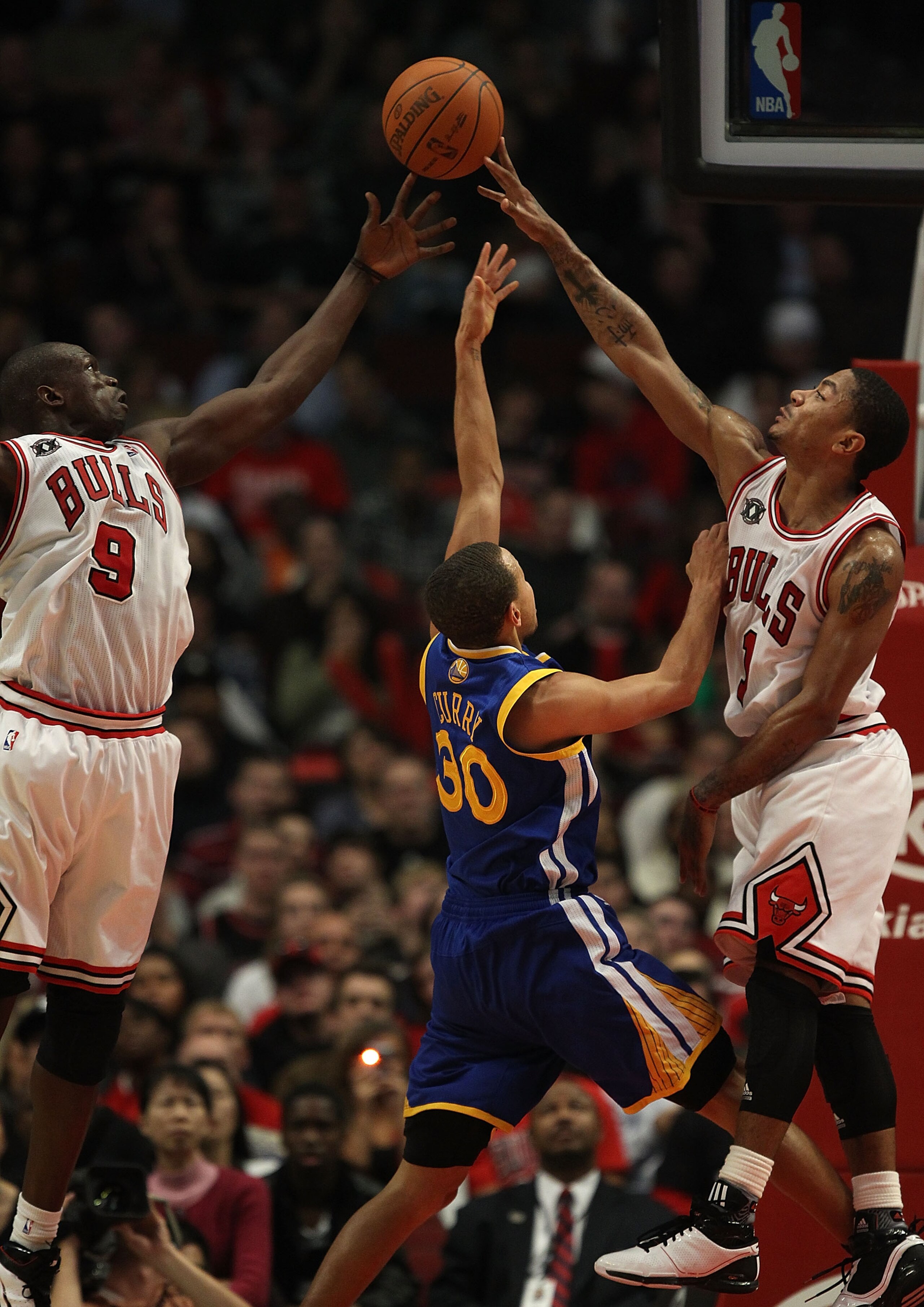
Easily the best player the Bulls have had since MJ.
The best part is that he's only 22 and has a lot of room to grow.
The Bulls made the playoffs in his first two years and this season they have the potential to win the Eastern Conference.
As of now, he's about a half-step behind Rajon Rondo of the Celtics, but once Chicago gets to 100 percent that could change.
This year he has increased his per game averages in steals (one), blocks (.7), and rebounds (4.4).
He also only gets called for less than two personal fouls per game, although his average in that category has increased each year.
However, watch him every opportunity you get because electric play like his hasn't been in the windy city for a while.
12. Tyreke Evans: PG/SG, Sacramento Kings
19 of 30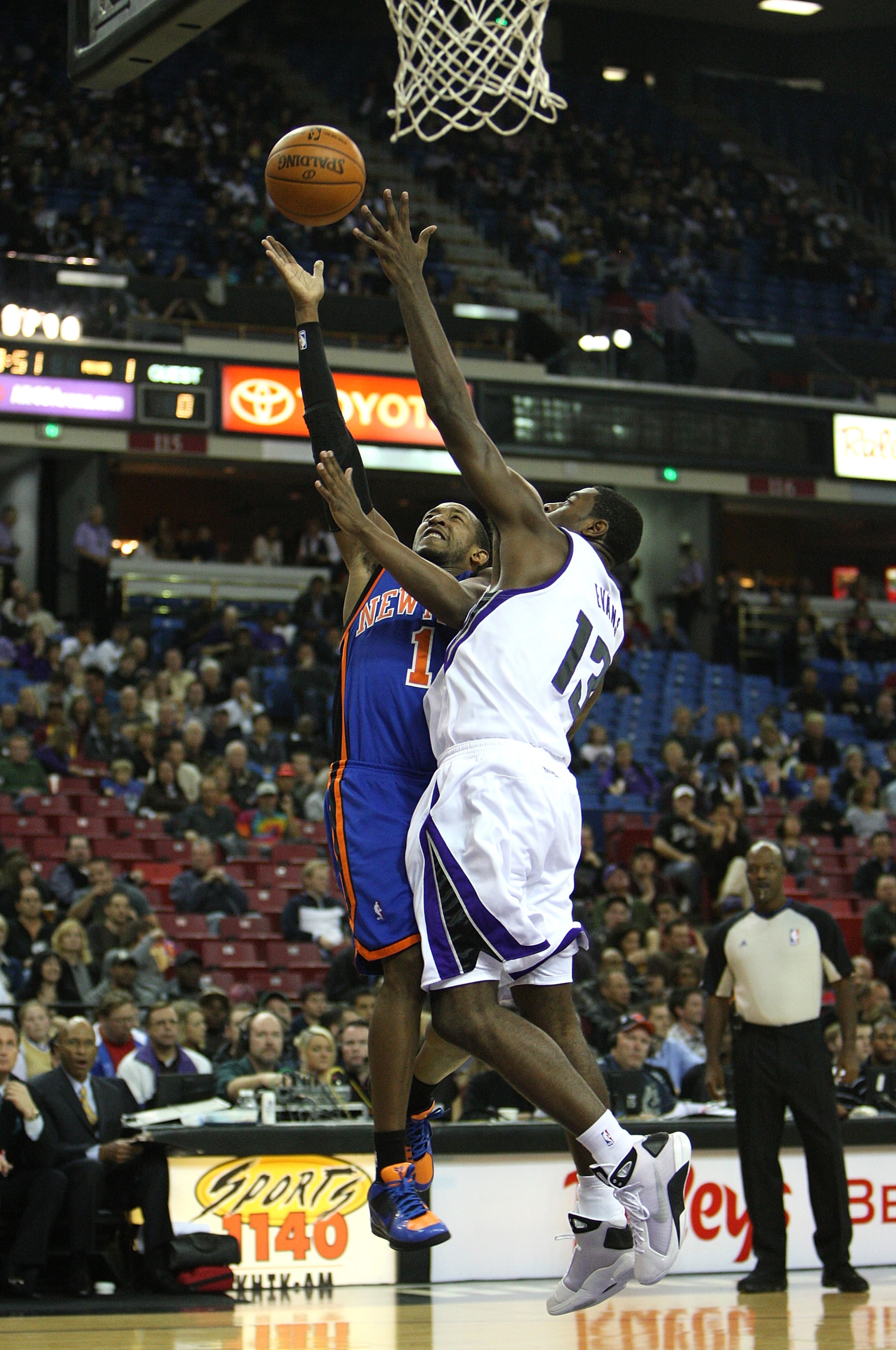
Leads the team with almost two steals and over five assists per game.
He also ranks fourth on the Kings in blocks per game (.54) and leads all perimeter defenders with five rebounds per game.
So once Evans and PF DeMarcus Cousins mature into veterans, Sacramento will have something to cheer about for the first time since the turn of the century.
Right now Tyreke is acting like the "jack-of-all-trades", but that's only going to make him a better all-around player as he gets older and wiser.
11. Shane Battier: SF, Houston Rockets
20 of 30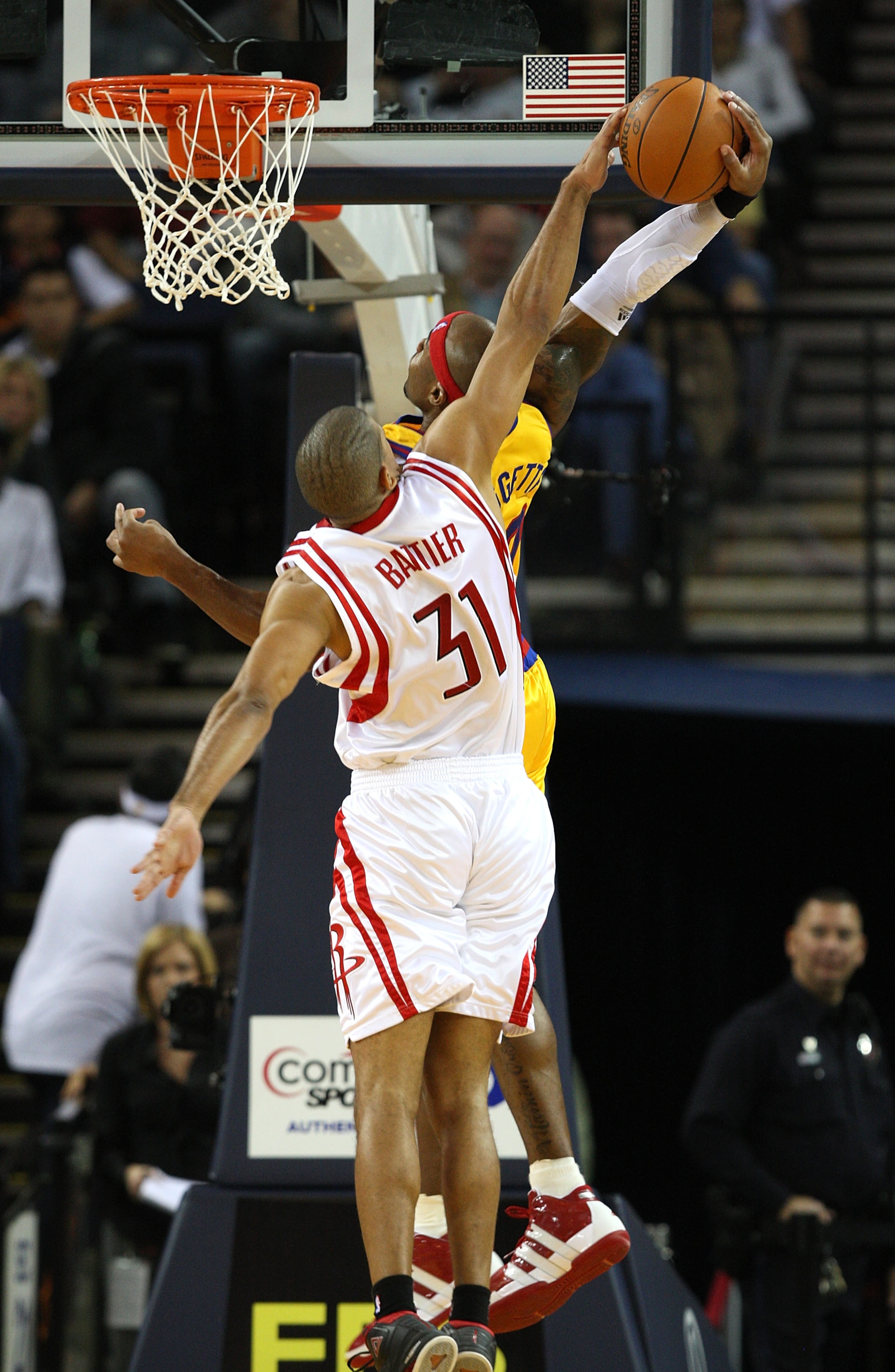
A man that is known for his defense, Battier has been the most consistent player for Houston since he arrived in 2006.
On the year he averages close to one steal, slightly over one block and almost five rebounds per game.
As for the Rockets, he ranks first in blocks (I'm not counting Yao Ming because you should have to at least jump to make a block) and fourth in rebounds and steals.
After a down year last season due to injuries, Battier has gotten back on track in 2010-2011.
Although, it may not seem so since Houston ranks 24th in points allowed (104.9) per game.
However, they are in arguably the most difficult division in the association. Fighting the likes of San Antonio, Dallas, New Orleans, and Memphis (all of whom have a winning record) can't be easy, so let's cut the Rockets some slack.
10. Kevin Durant: SF, Oklahoma City Thunder
21 of 30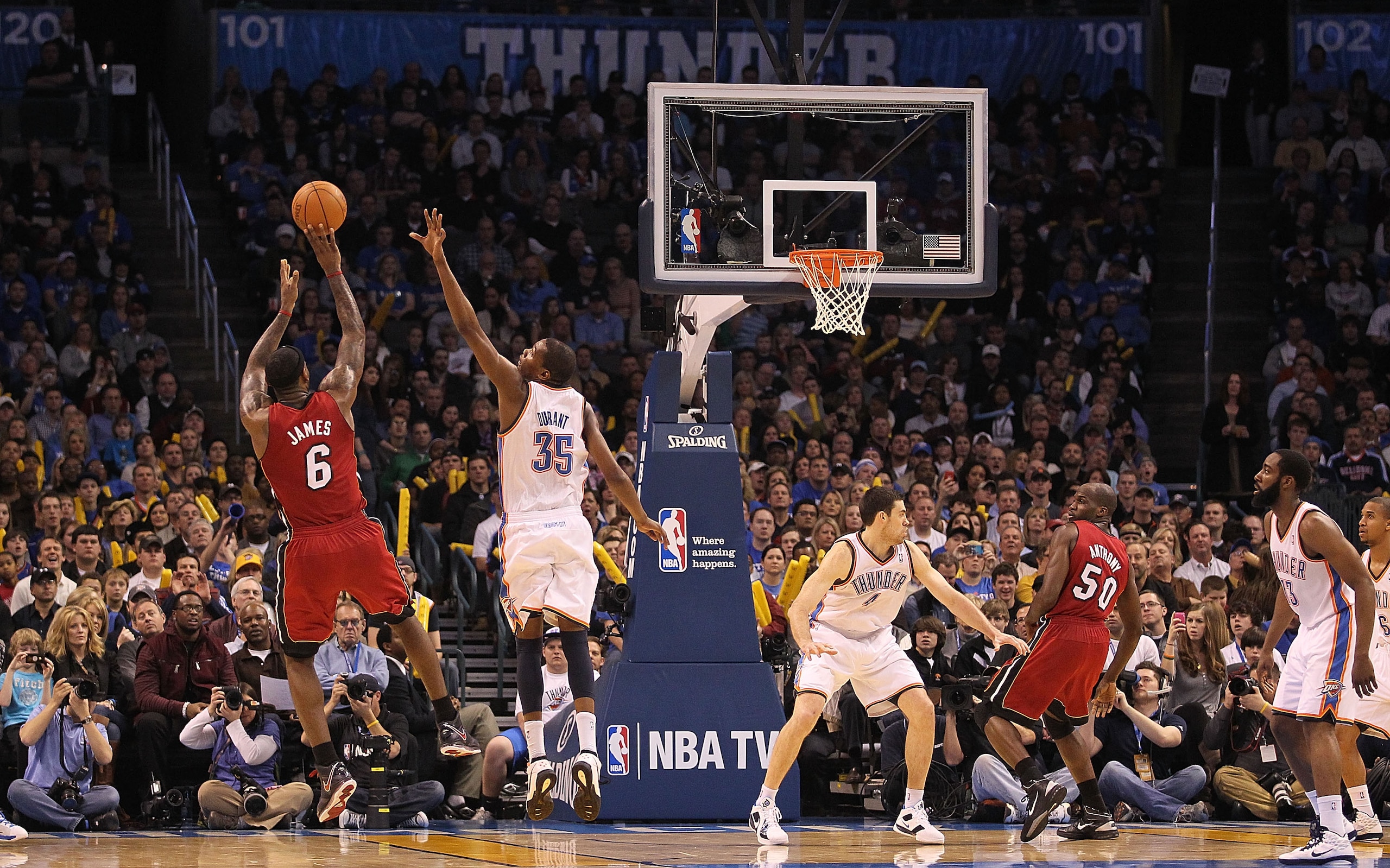
Had another player been picked to represent Oklahoma City in this show, a debate would have definitely exploded.
However, KD was a solid choice for the Thunder's best perimeter defender, and may also be their best overall defender.
He leads the team with seven rebounds per game, and also gets one steal and one block.
For a guy playing almost 40 minutes you might expect more steals and/or blocks, but on an offense-oriented team, everyone needs to improve their 20th-ranked defense.
9. Manu Ginobili: SG, San Antonio Spurs
22 of 30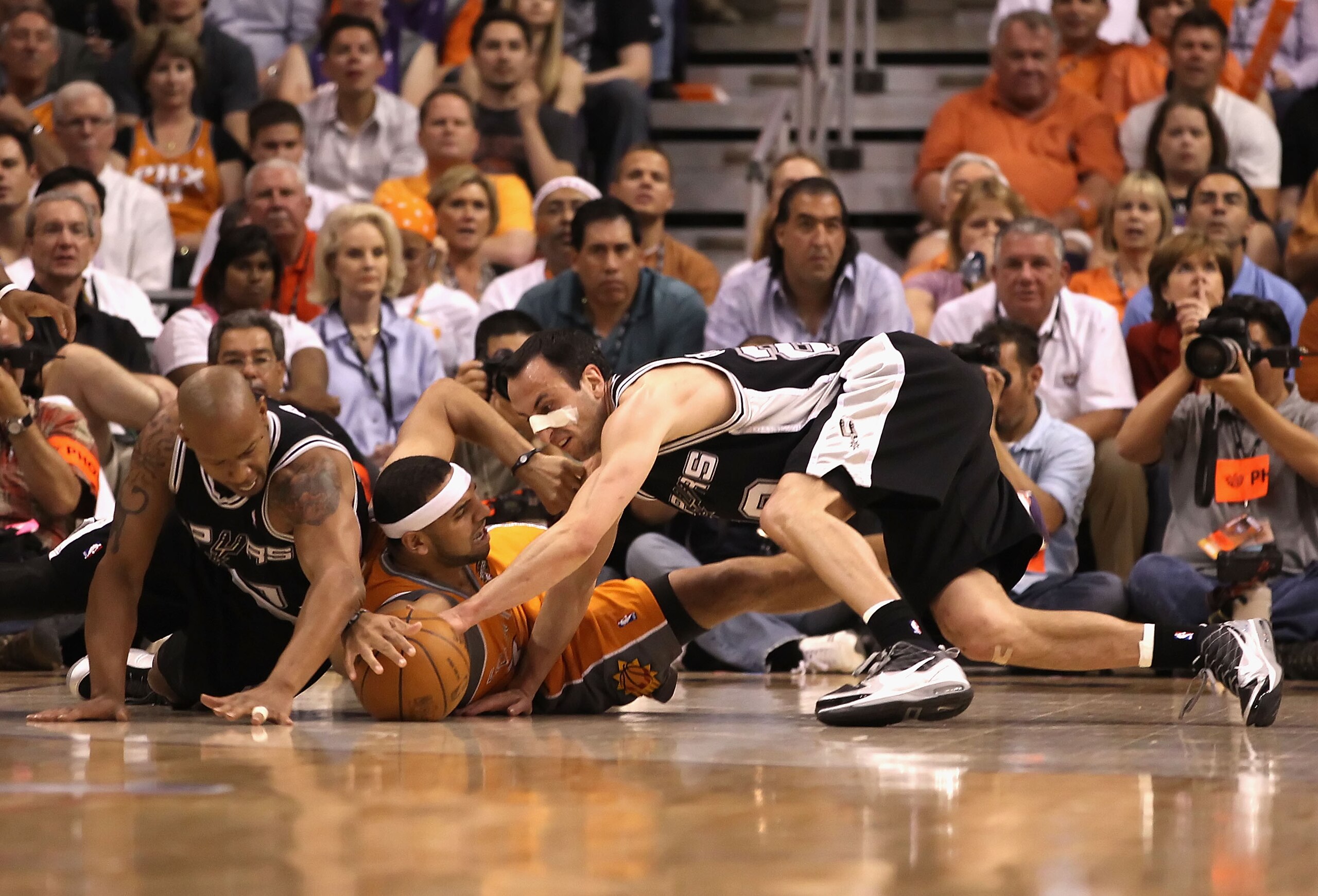
It's tough to find a weakness on a team that ranks in the top 10 in the four major stat categories of the NBA (points, points allowed, rebounds, and assists per game).
Also, there's no real need to recognize anyone else's blocking ability when Tim Duncan is still in the paint.
With Ginobili alongside Duncan, don't expect the Spurs to fade away anytime soon.
Although he is known for his offense (team leading 18 points per game), he also leads the Spurs with 1.6 steals per game.
But the better stat? He only gets called for 1.9 fouls per game, which is the most effective he's been in that area.
As this is Manu's ninth year, the fact that he continues to improve by getting more steals and not fouling as much means he's becoming that much more dangerous.
8. Kobe Bryant: SG, Los Angeles Lakers
23 of 30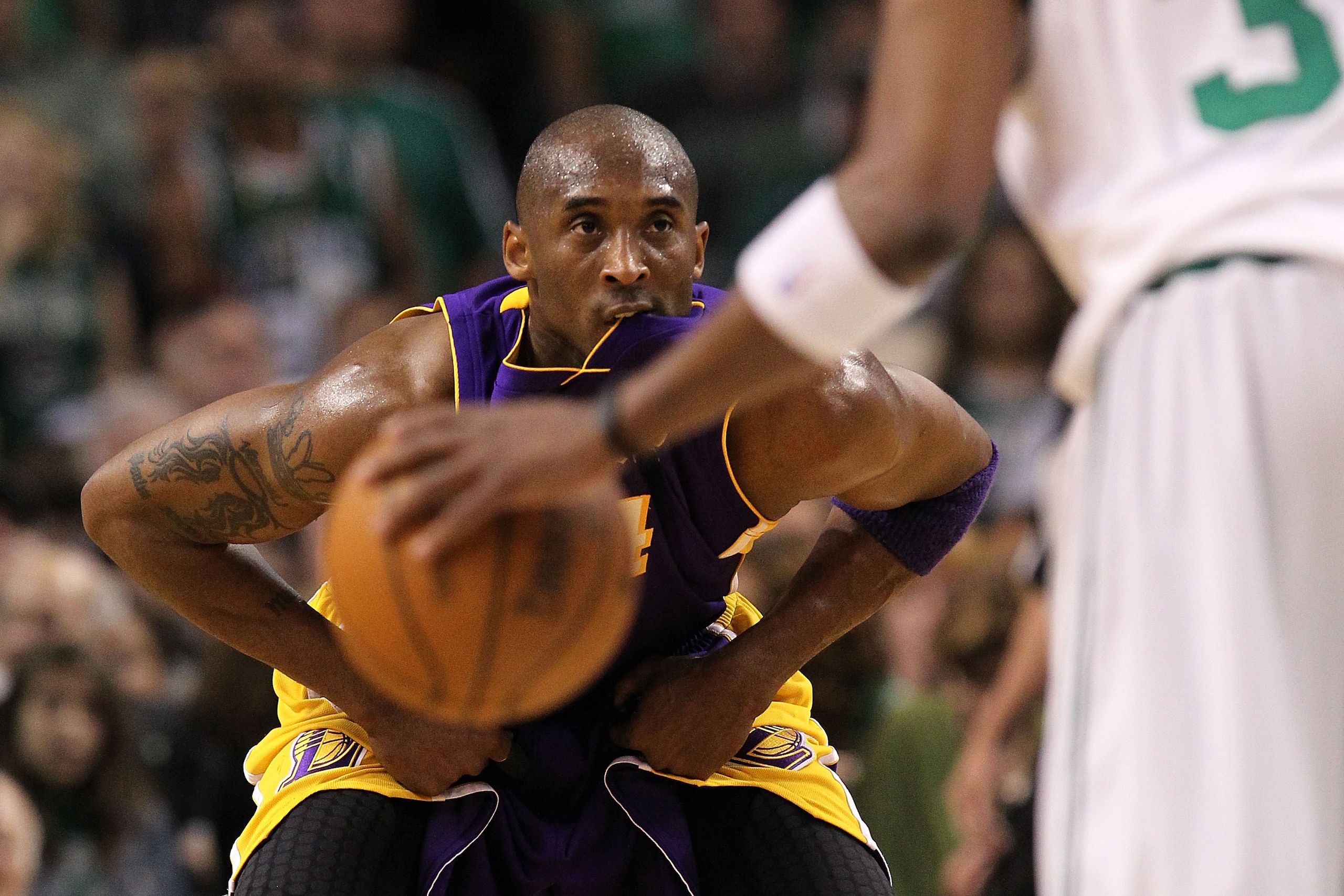
Did you really expect anyone else from the Lakers?
His name is in the title of the article so that was a dead giveaway.
Needless to say, Kobe does lead the Lakers' perimeter defenders in rebounds per game (5.4), and is third on the team with just over one steal per game.
With Kobe however, his mere presence is what makes everyone else around him better.
Try to think about the Los Angeles Lakers without him—either you can't or you're afraid to because it's that freaking surreal.
Or it may be just that hard to wrap your brain around it.
But those intangibles are what make him great, especially as he continues through his 15th NBA season.
7. Rudy Gay: SF, Memphis Grizzlies
24 of 30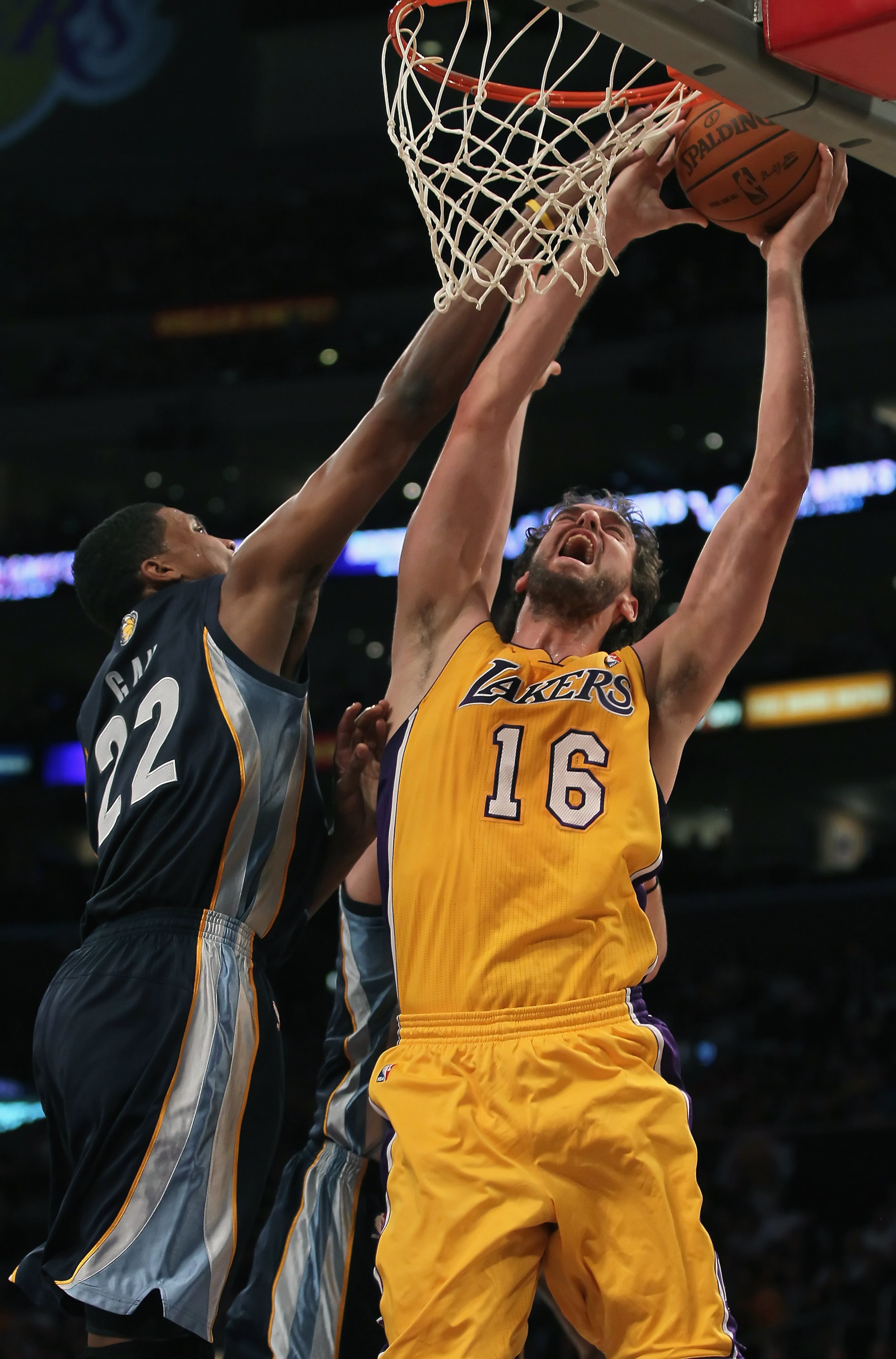
Easily the most diverse defender for the Grizzlies, Rudy Gay has improved on his blocks, steals, and rebounds per game.
On the year he averages over one block and six rebounds and almost two steals—all of which are career bests.
As for the team, he ranks second in blocks, third in steals, and third in rebounds.
Not to mention he has the most blocks and rebounds out of all Memphis perimeter players.
Had the Grizzlies actually been put in a geographically-logical division, they may have an easier time trying to qualify for the postseason.
6. Gerald Wallace: SF, Charlotte Bobcats
25 of 30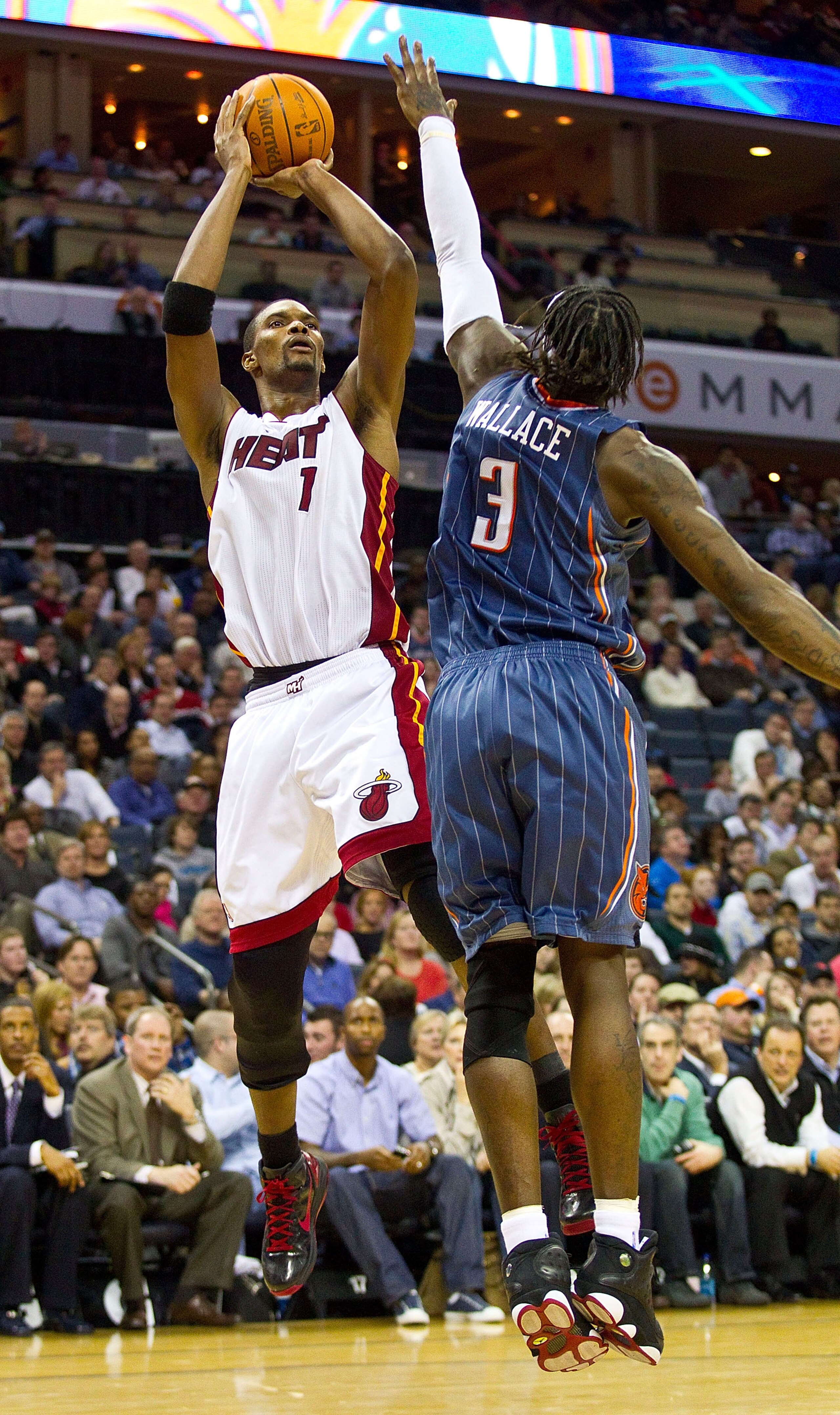
As good as Gerald Wallace has been on the year, you would think the Bobcats would be in a better position.
But in a rather difficult division, the efforts from players like Wallace go overlooked more often than not.
He's the most consistent defensive player across the board for Charlotte, and leads the team with 8.2 rebounds per game.
Not to mention he also averages one block, and just over one steal per game (1.2 to be exact).
If only the Bobcats can find a way to improve their 28th-ranked offense, they could make some noise in the Eastern Conference.
5. Monta Ellis: SG, Golden State Warriors
26 of 30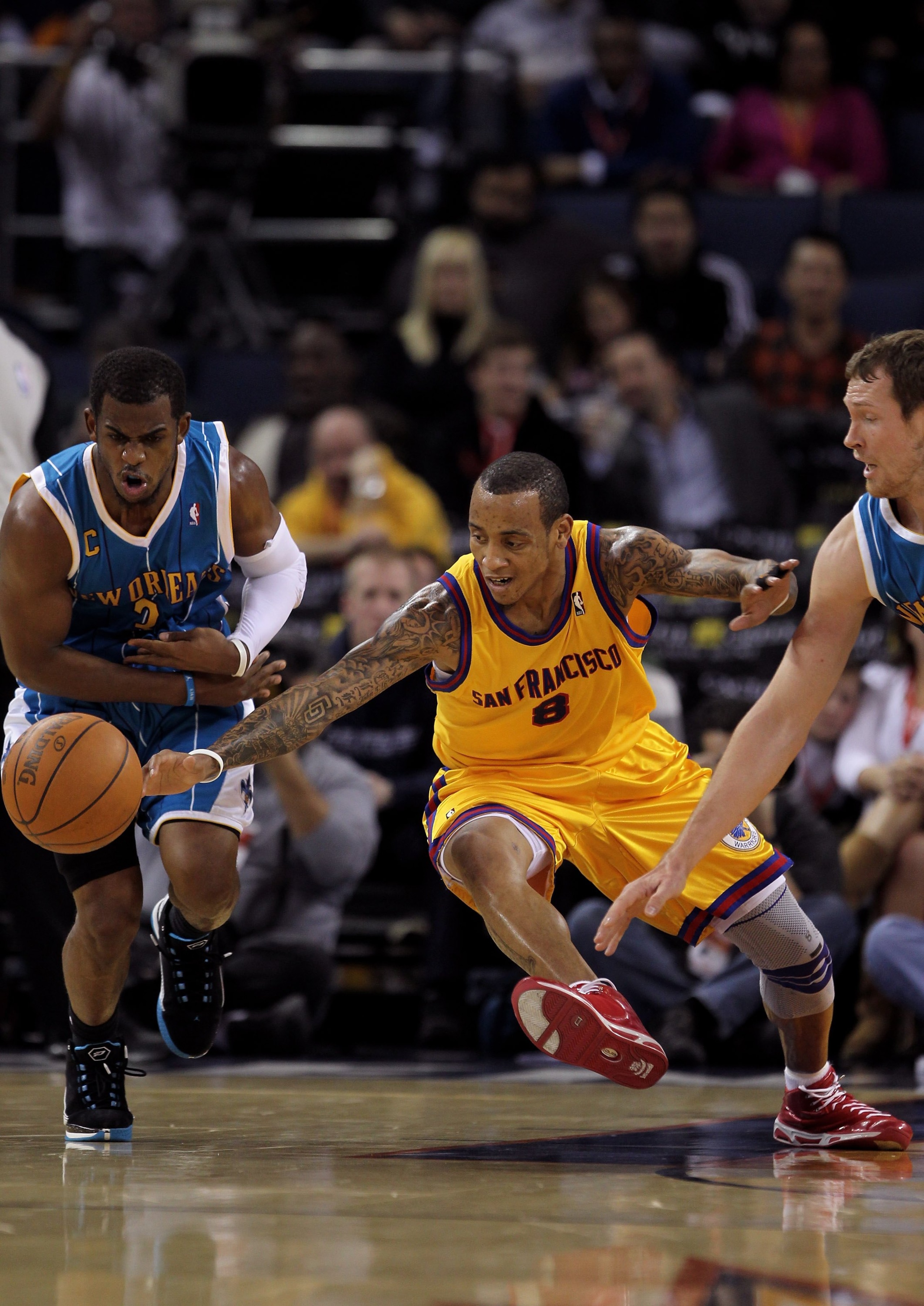
If Monta Ellis and the Golden State Warriors can get some solid inside presence, this team will have a much better all-around defense.
When the lead in blocks per game is only .9 (Andris Biedrins), the paint definitely needs improvement.
But on the perimeter, Monta Ellis is shining like a diamond in the rough, averaging just over two steals per game.
He is only in his sixth season, so in a few years he has the potential to win Defensive Player of the Year.
If he gets some inside help, the 27th-ranked defense will definitely improve, and then Ellis could become a more all-encompassing basketball player.
4. Chris Paul: PG, New Orleans Hornets
27 of 30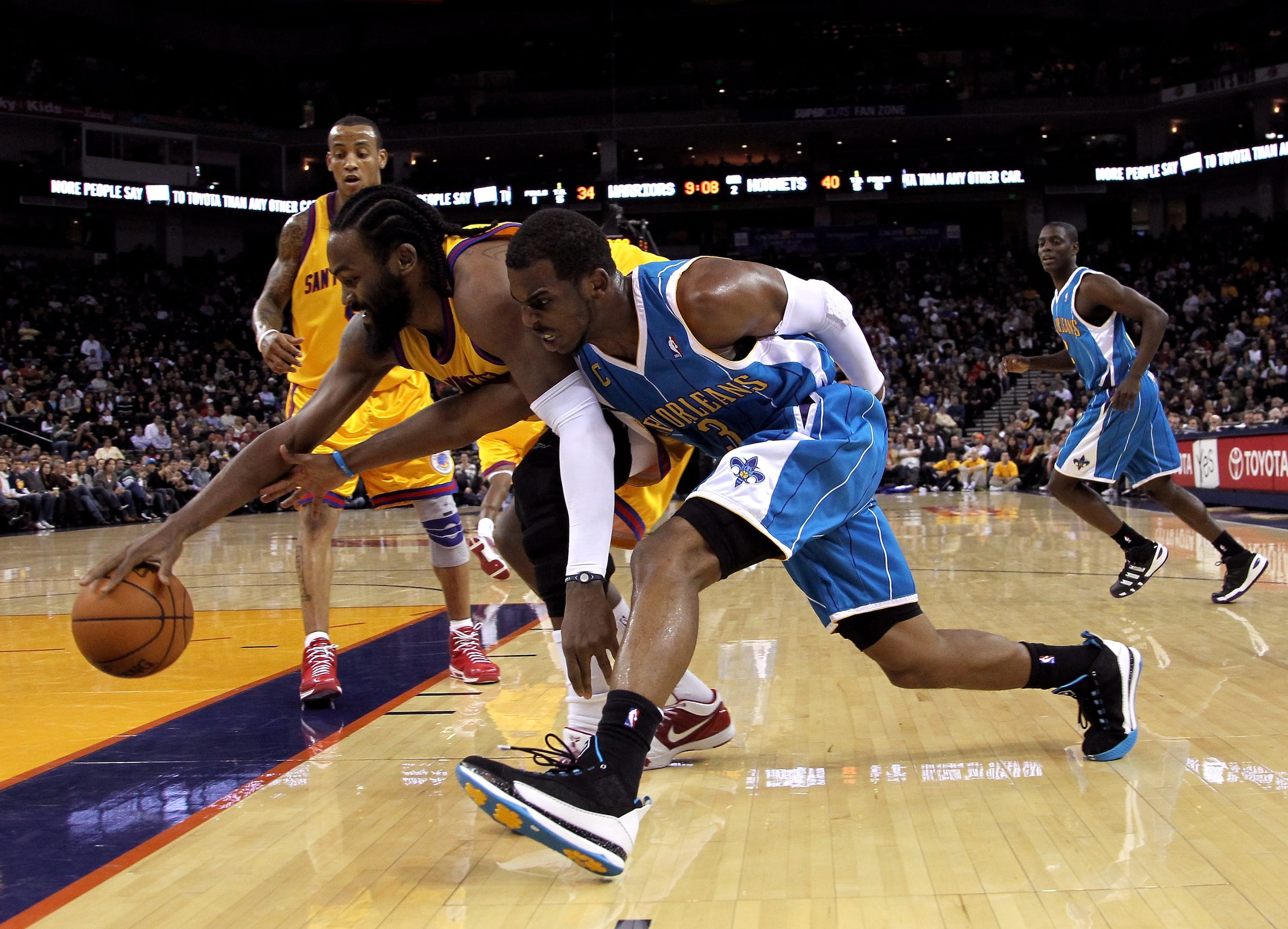
The Hornets rank No. 4 in points allowed per game in the association.
Much of this can be attributed to Chris Paul and Emeka Okafor.
Okafor takes care of the rebounds and blocks down low, and leaves the steals up to Chris Paul.
Paul averages 2.5 steals and 9.6 assists per contest.
However, his average of 16.2 points per game is his lowest since his rookie year. This means that on most fast breaks he's willing to dish the ball elsewhere—most likely to David West.
But, he also ranks second out of the perimeter players with almost four rebounds per game.
There's no need for him to worry about improving on blocks when he has a guy like Emeka Okafor behind him, but then again it never hurts to get better.
3. Rajon Rondo: PG, Boston Celtics
28 of 30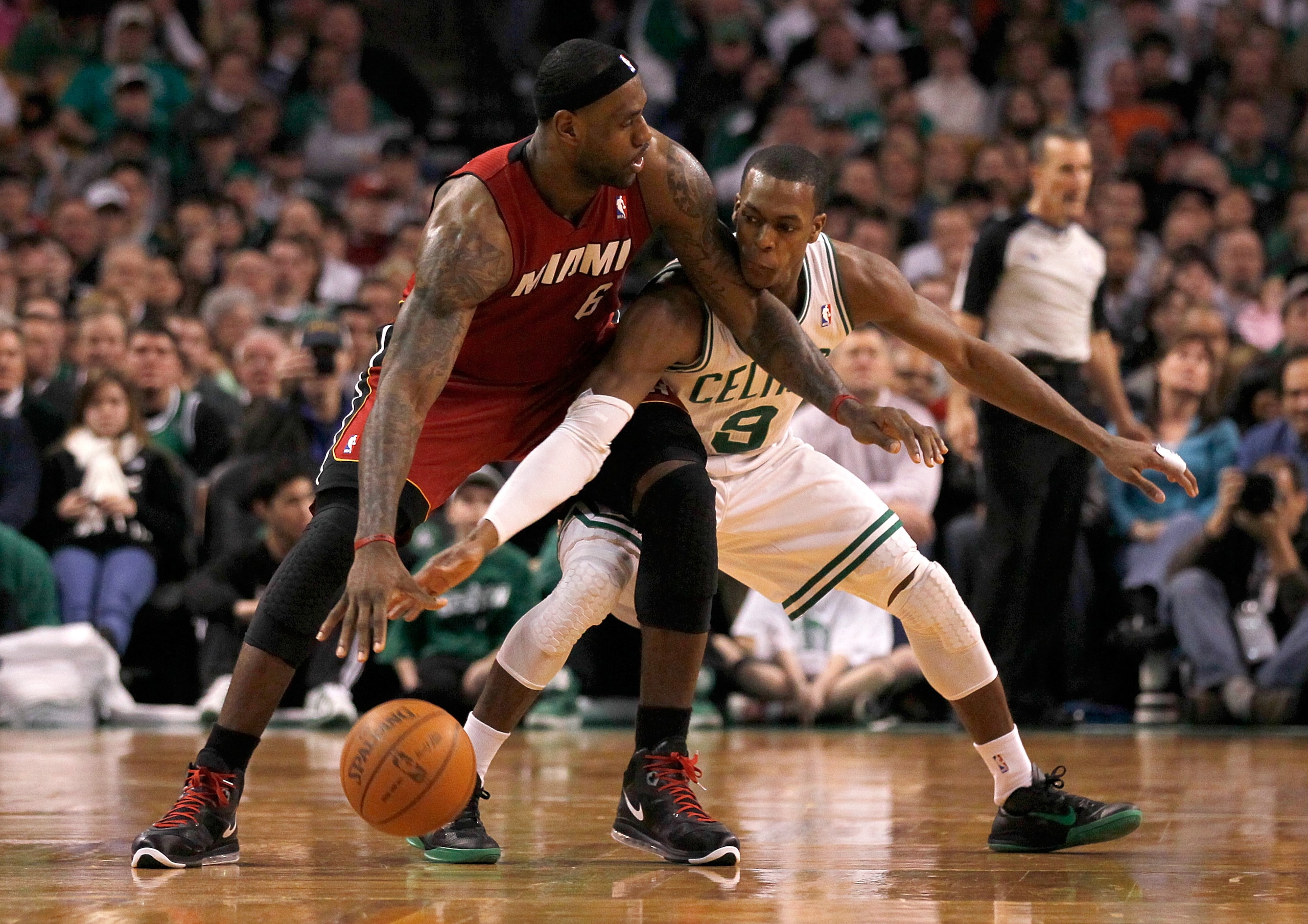
Arguably the best PG in the Eastern Conference, as well as the NBA.
His quickness and acceleration are second to none, which make it so much fun to watch him play.
In addition, when the Celtics recently played the Heat, he called his own number to guard LeBron.
On the year he averages over 2.4 steals per game which is a career high.
But what's even more impressive is that he only averages two personal fouls per game (also a career best).
With all this being said, he has the uncanny ability to swipe the ball while not committing fouls, and convert those steals into points and/or assists.
2. Dwayne Wade: SG, Miami Heat
29 of 30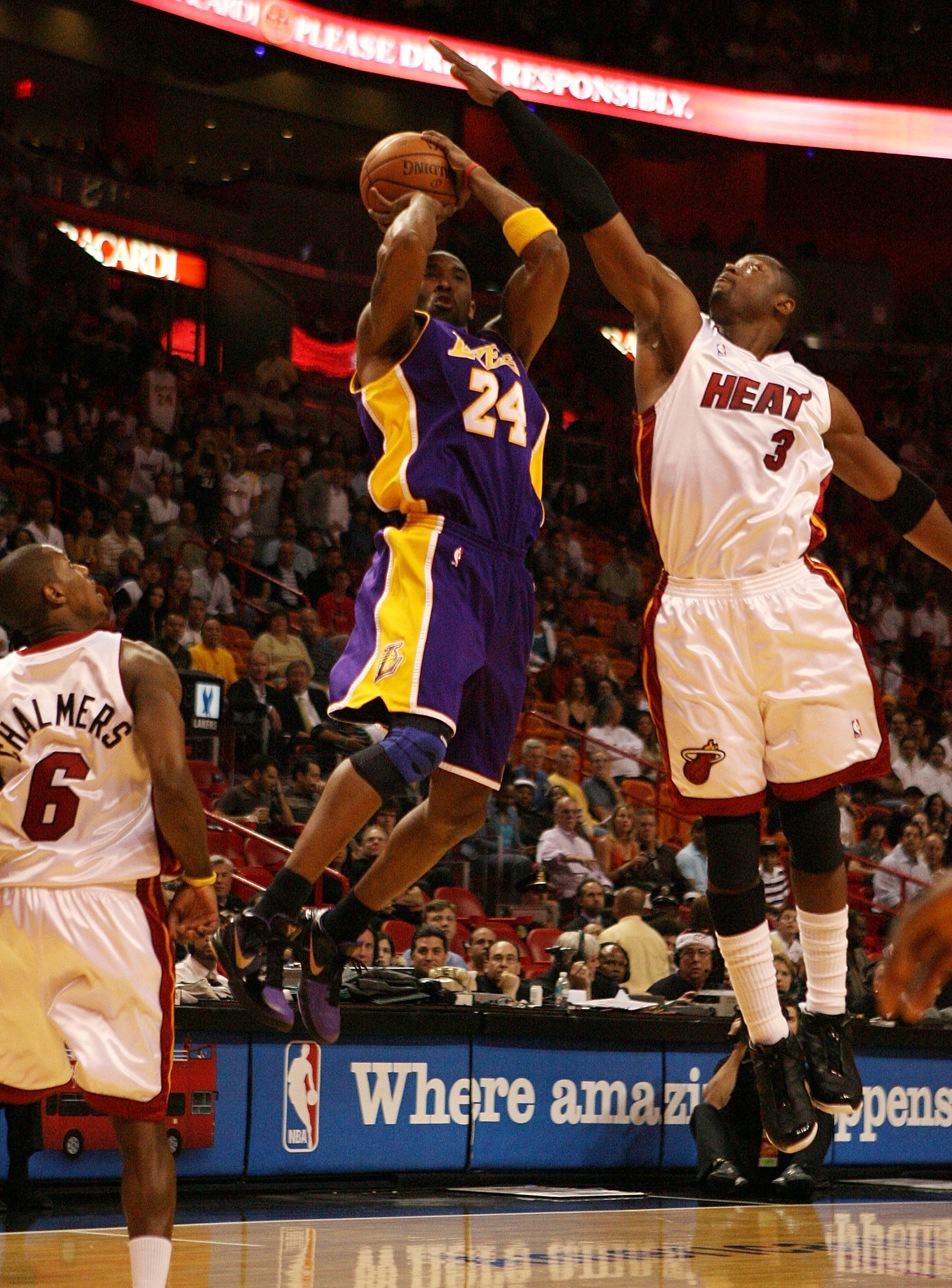
For the past three seasons, D-Wade has averaged at least one block per game.
In addition, he has stolen the leather more than twice per game in two seasons and has averaged over one every year he's been in the association.
Also, this season he has a career-best average of seven rebounds per game with five coming on defense.
Obviously, with Bosh and James coming to Miami, Dwayne's stats have been slightly altered.
However, even if one or neither of those two had chosen to play in South Florida, would Wade's stats have been much different?
For starters, that's always going to be his team and the fact that he loves playing defense makes it that much easier to appreciate his supreme athleticism.
1. Andrei Kirilenko: SF, Utah Jazz
30 of 30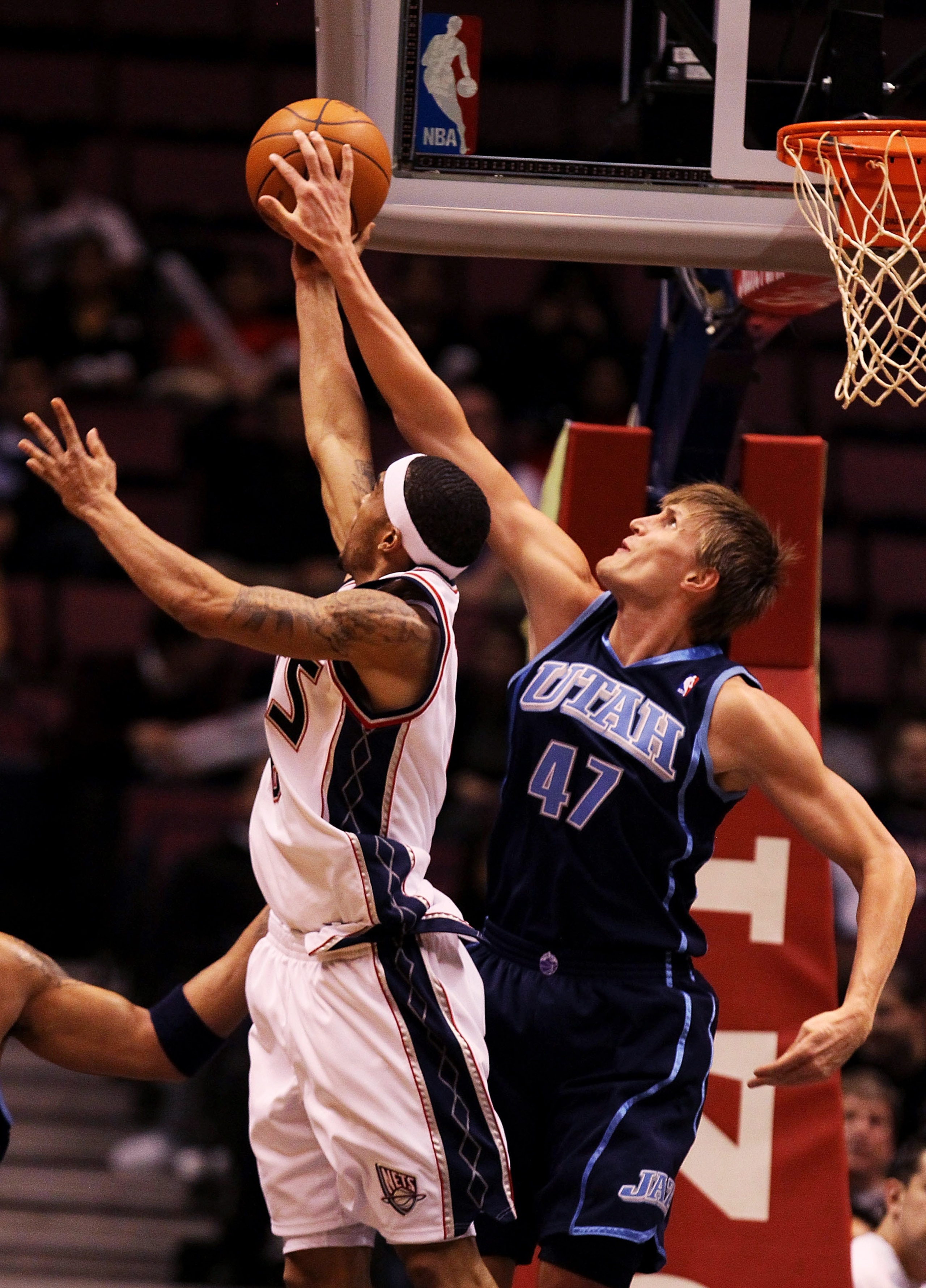
Ranks second on his team in blocks and steals per game (1.3), and third in rebounds (5.6).
Easily the most consistent across the board in Utah and also averages a career best (or career low, if that suits you better) in personal fouls per game (1.8).
He's also putting in just over 32 minutes per game, which is his highest average since the 2005-2006 season.
And even though he is more of a defensive player, he does play rather consistently on offense as well.
So whether he or someone else causes a turnover, the opponents better account for him on the fast break (that is, if anyone was cherry-picking during defense).

.jpg?w=2560 "Injury-stricken Seahawks signing veteran RB")

.jpg?w=2560 "Viral Rams Coach Vid 🖕")
.jpg?w=2560 "2 NFL Officials Suspended")

.jpg?w=2560 "Mahomes' Wife Trolls Kubiak 💀")