
College Basketball Power Rankings: Ranking the Coaches of the Top 25 Teams
It's an arduous task to evaluate coaches, especially coaches of elite-level programs.
When teams are successful, we often point to the talent of the players, and with the top programs, this is often a fair assessment. Some teams get top talent year after year, which makes it easier to understand why they are who they are.
When teams are not as successful, we are also quick to pull the trigger at the coach, assuming that his decisions or inability to shape this talent is at the root of an underachieving team.
It is the same in any sport, but maybe more pronounced in a shorter season, with an every-game-means-everything environment like college basketball or college football.
Right or wrong, we tend to over-analyze this aspect. The fact is, most coaches are pretty darn good. Some have turned mid-majors into national powers, others have been successful with multiple programs and still others have become long-standing icons at one particular school.
Here is at look at the coaches of this week's AP Top 25 teams based on this season's results to date.
Now, for the disclaimer:
This is NOT a ranking of coaches all-time but of this season alone based on a number of things. Perhaps most important is whether this coach, and this team, has consistently exceeded expectations. Doesn't mean they are better than other teams or that the coach is better. It is simply based on how each has done with what he has.
25. Jim Boeheim: Syracuse Orange
1 of 25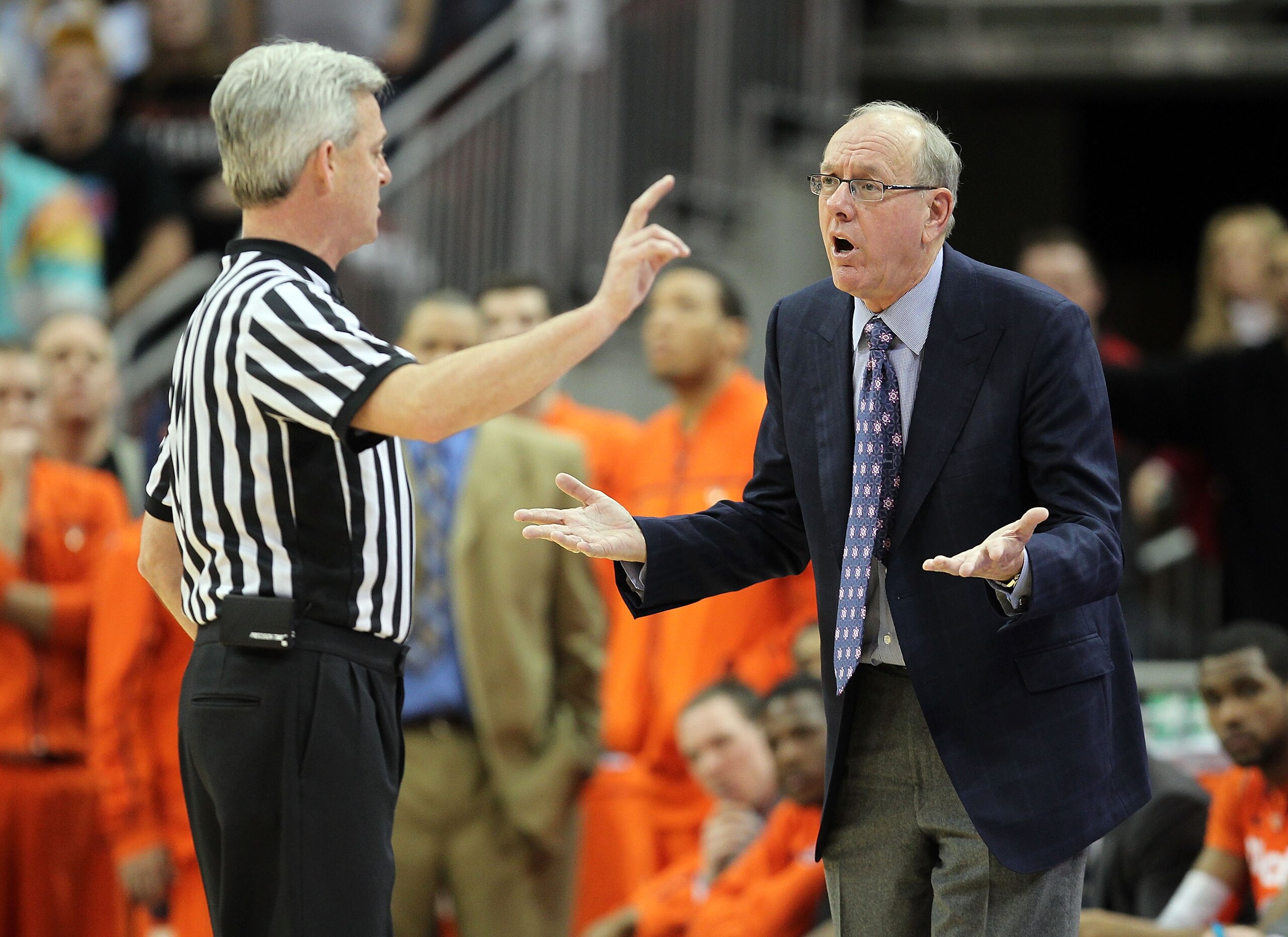
Fab Melo, where are you now?
I don’t think the Syracuse coach knows where to find him because he isn’t usually too close to the court.
After overachieving to start the year, the Orange are currently in the midst of an underachieving stretch. Somewhere closer to the former, lies the true team. Boeheim’s patented two-three zone defense has been good—except when facing teams with more than one good shooter. His offense has no rhythm and needs to find some soon.
Hard to believe the team that started 18-0 is ninth in the Big East.
24. Stew Morrill: Utah State Aggies
2 of 25
Guy just keeps winning. It doesn’t matter the competition; the Aggies are always competitive, if not in the upper echelon, then not far below.
This year’s group will clinch the WAC shortly and will be tough to keep out of March Madness, win or lose in the conference tourney, although last week's loss to Idaho hurt.
A win at St. Mary’s would certainly do the trick.
23. Kevin Stallings: Vanderbilt Commodores
3 of 25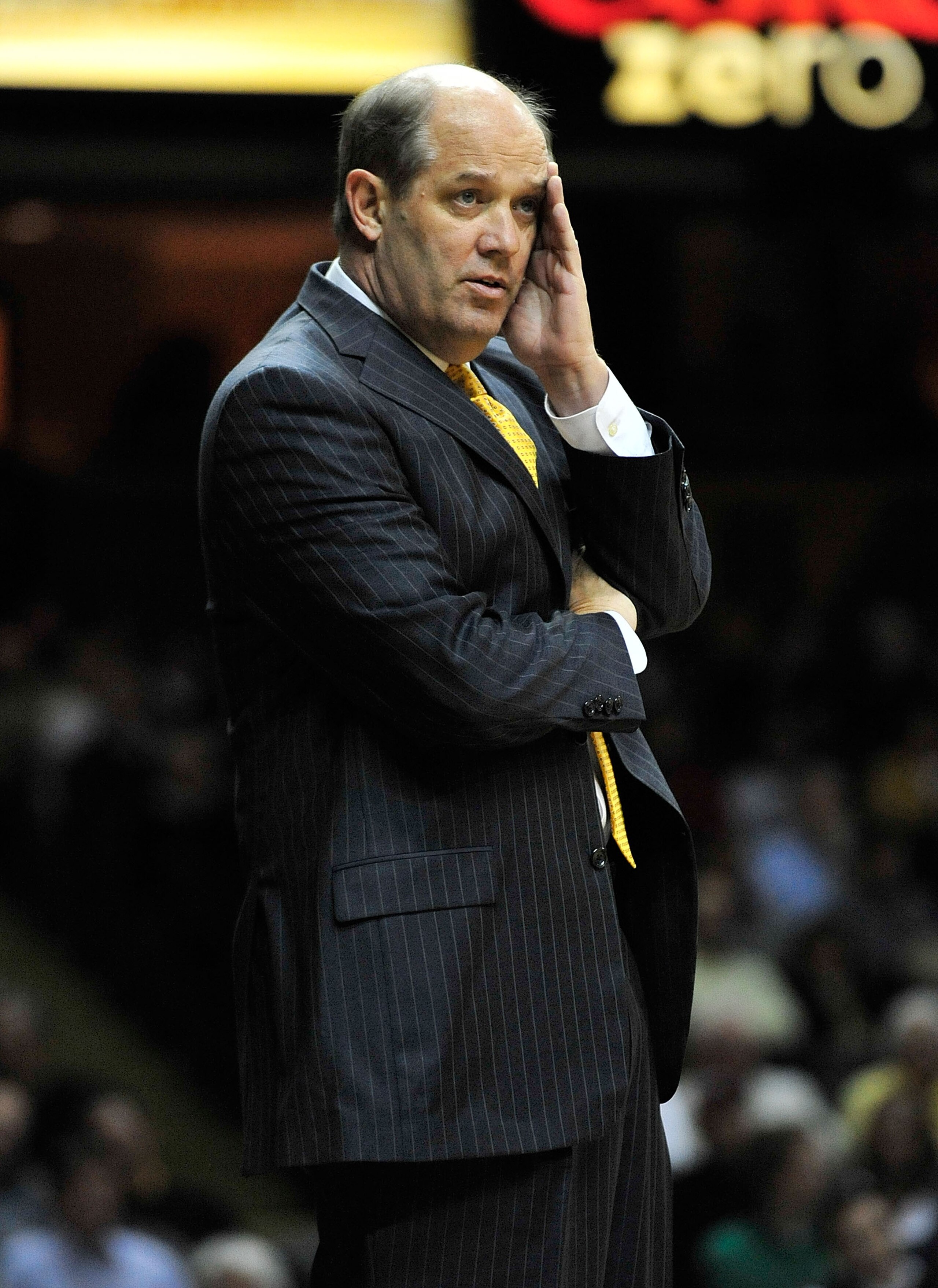
The Commodores win at home. Other than an inexplicable loss to Arkansas, Vanderbilt is generally pretty reliable there.
On the road, they have been close but really don’t have a solid win to brag about. Stallings has two top-notch players in Jeffrey Taylor and John Jenkins and is getting more from bigs Steve Tchiengang and Festus Ezeli than he might have expected.
However, as has become customary for Vandy, they seem to play close games with everyone, a trait that might not be a favorable one in March.

.jpg?w=2560 "Rams Raiders Football")

22. Mark Turgeon: Texas A&M Aggies
4 of 25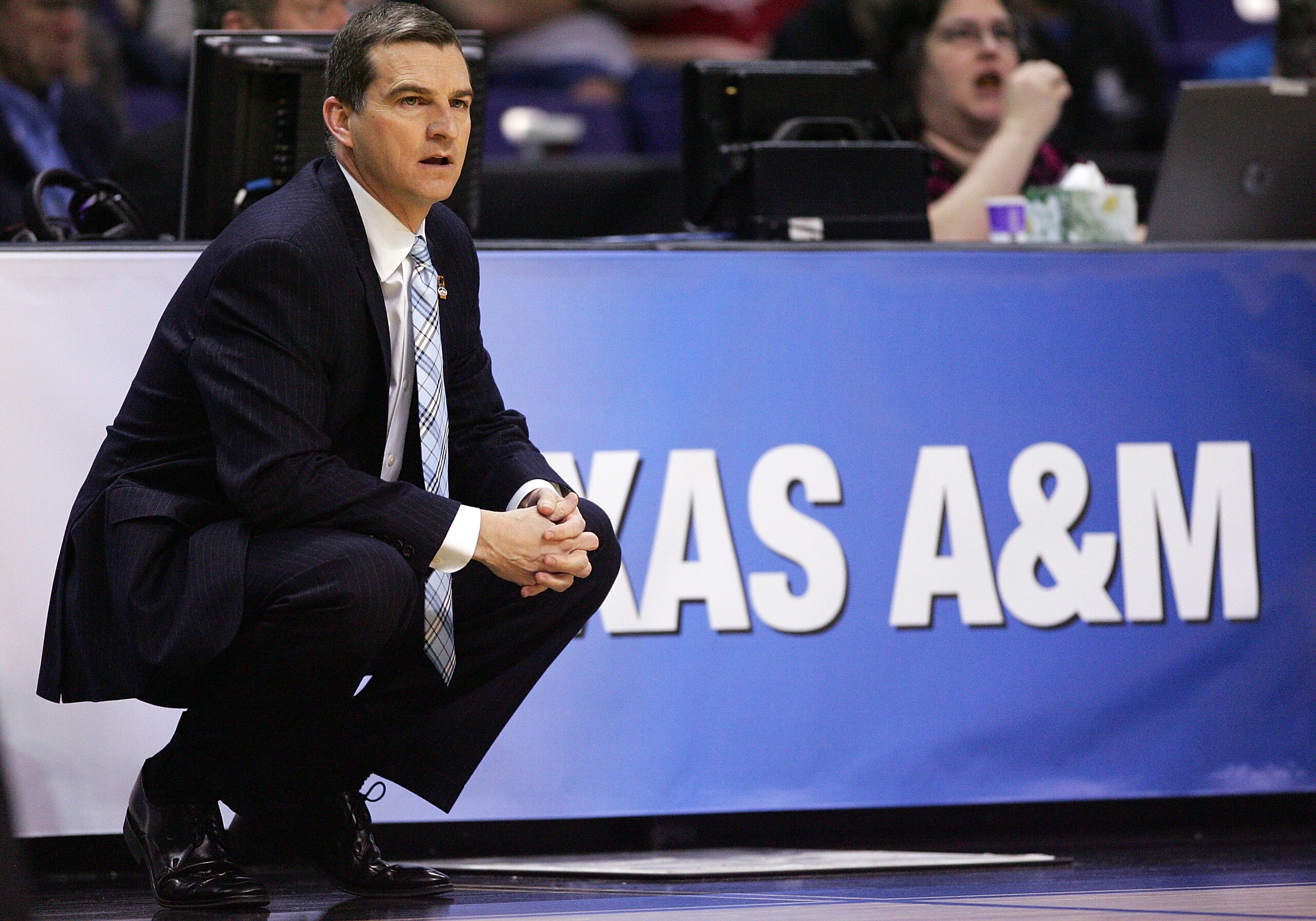
Often overshadowed by the traditional basketball powers in the Big 12, Turgeon continues to field competitive, hard-nosed teams.
After a 16-1 start, the Aggie train has slowed somewhat, as they have gone just 3-4 in their past seven. They did get a big road win in Colorado to maintain third in the conference.
The Aggies are pretty much a lock for the NCAA tourney (barring a complete collapse), where Turgeon has had some success, notably with Wichita State.
21. Jay Wright: Villanova Wildcats
5 of 25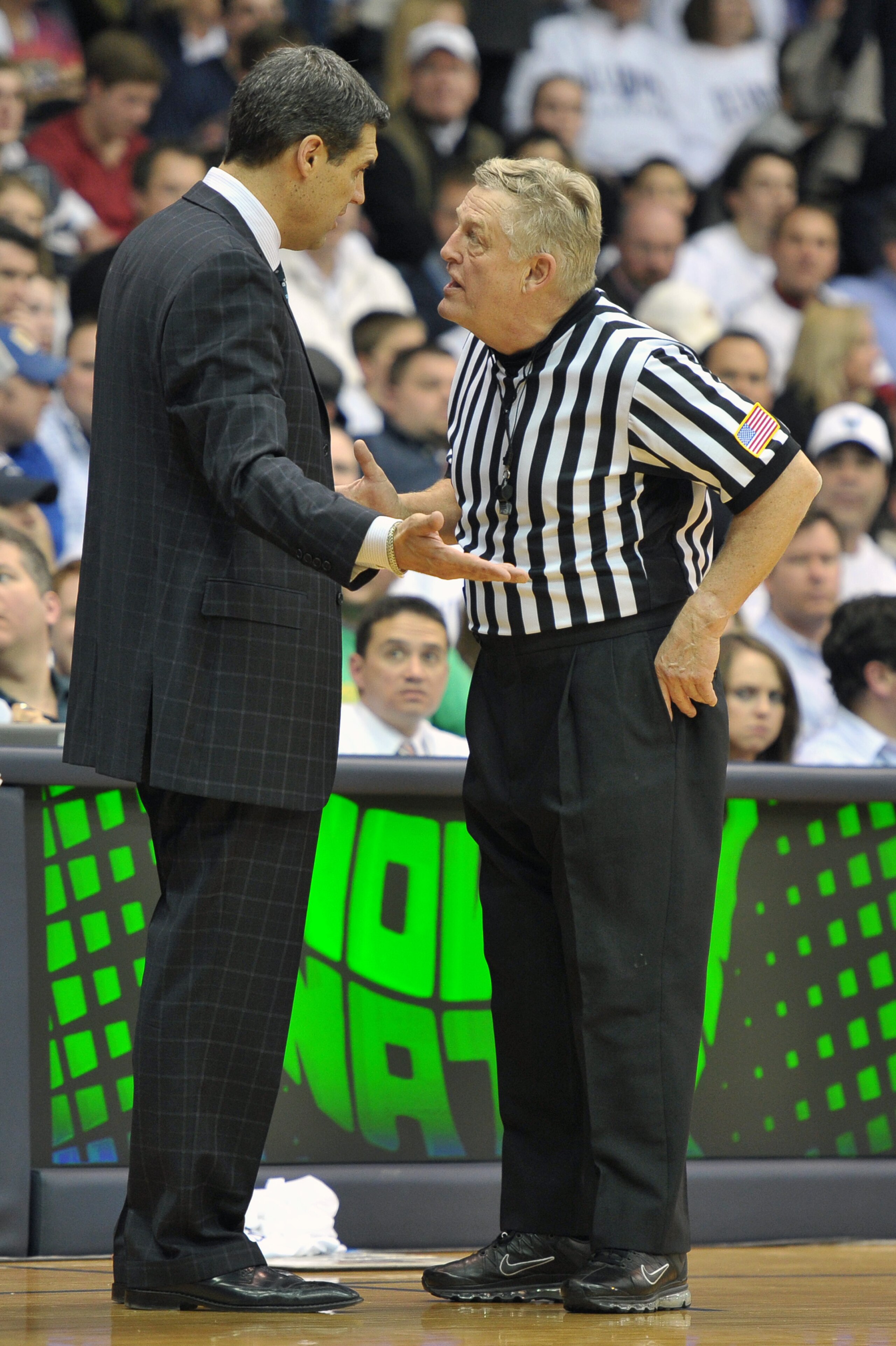
Wright is an excellent coach and has been for years for the Wildcats. Too often, though, his teams have come up short against teams that are decidedly less talented.
Two home losses, albeit to good teams, have raised some red flags. Losses to Providence and Rutgers (even though it was cheap, why was it that close?) have raised more.
This team needs to be more consistent and needs to try to get more from their post players, namely Mouphtaou Yarou.
20. Mike Anderson: Missouri Tigers
6 of 25
The Tigers are a talented group, no question. And while they still employ the “Fastest 40 Minutes” style, upper-tier offensive teams have been able to counter.
It's one thing to involve ten players regularly, and have them be productive, but I’m wondering if some (like Michael Dixon, Kim English) would benefit from more minutes to get a better feel for the game. English has really struggled this year.
Missouri will be back in the tourney this year but won’t likely get beyond the second round.
19. John Calipari: Kentucky Wildcats
7 of 25
So many people want this guy to fail.
At 17-7 (5-5 in the SEC), many believe he has. Cal doesn’t have the same type of team as last season but he has some electric players and he has done a decent job of competing with essentially seven players.
Road woes have haunted the Cats and until they can get one against a good opponent, it will be in the backs of the players’ minds.
Some might think this is a bad year for Kentucky, but all things considered, they are 10 points from being 21-3, and will be an interesting team to watch in March.
18. Billy Donovan: Florida Gators
8 of 25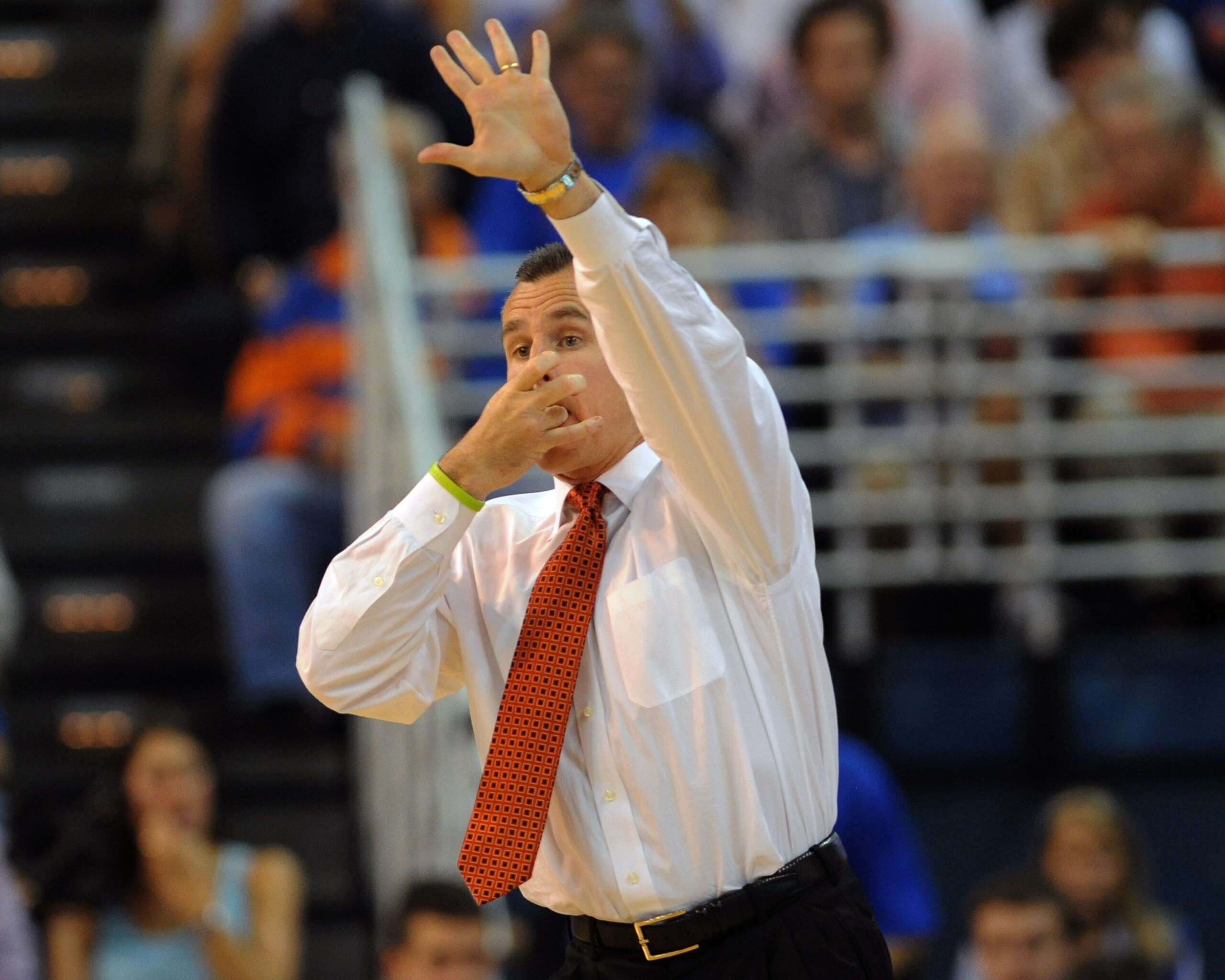
Florida is quietly getting into position for a very favorable seed come March.
After a one-point escape against Tennessee, the Gators have a two-and-a-half game lead in the SEC East.
Still, some puzzling losses have haunted Donovan and the Gators, specifically home losses to Jacksonville and South Carolina.
If they find the consistency Donovan would like, they have a good chance of moving on to the second weekend of March Madness.
17. Roy Williams: North Carolina Tar Heels
9 of 25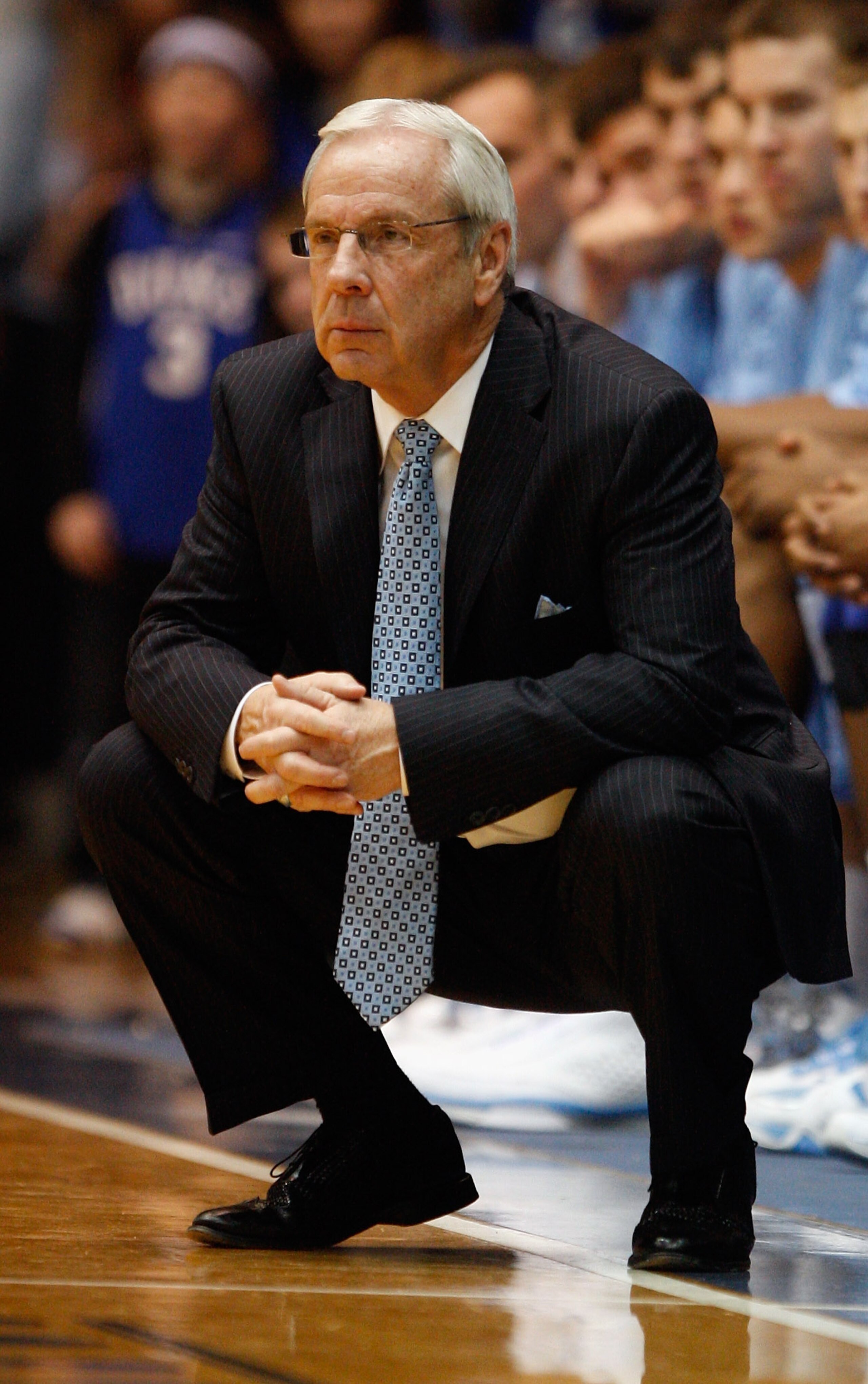
Many of the questions about Williams’ coaching and recruiting that surfaced two months ago have been answered.
The Tar Heels are playing their best basketball of late and had Duke on the ropes last week before falling by six at Cameron. They followed that with a win at Clemson, a game in which they lost another lead. This time, they were gritty enough to come back.
With a handful of games left, the Heels look to improve their seeding as they head back to the NCAA tournament after a one-year absence.
16. Chris Mack: Xavier Musketeers
10 of 25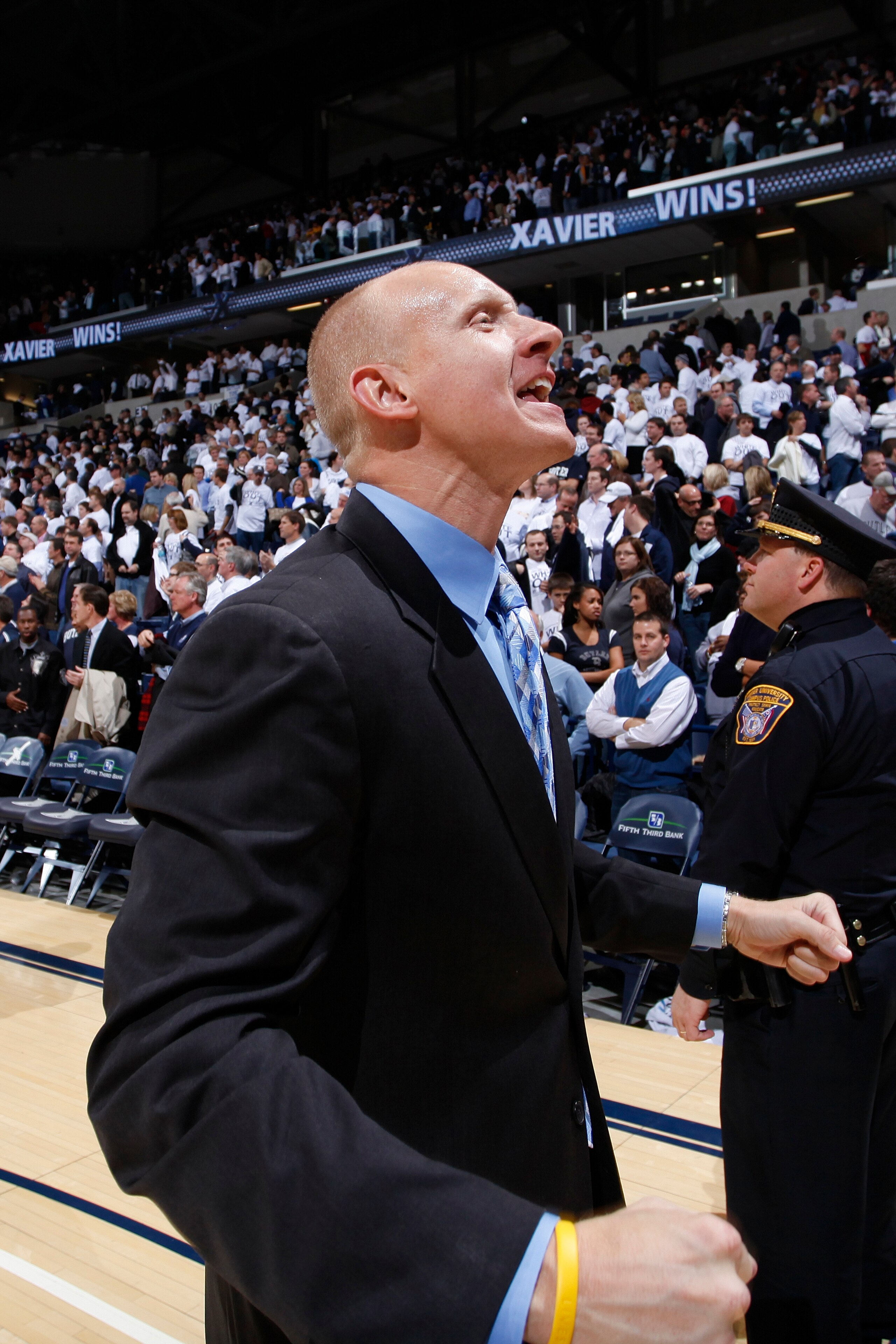
The tradition of excellence for the Musketeers, in the A-10 and nationally, is remarkable.
Mack has managed to squeeze everything out of the seven players he uses regularly to lead a very competitive conference at 9-1. They have played a great schedule, have a very good RPI (19th) and have enough of everything—offense, defense, star player, space eater, etc.—to be a dangerous team down the stretch.
Cynically speaking, they are an injury away from being in deep trouble, like some others on this list.
15. Sean Miller: Arizona Wildcats
11 of 25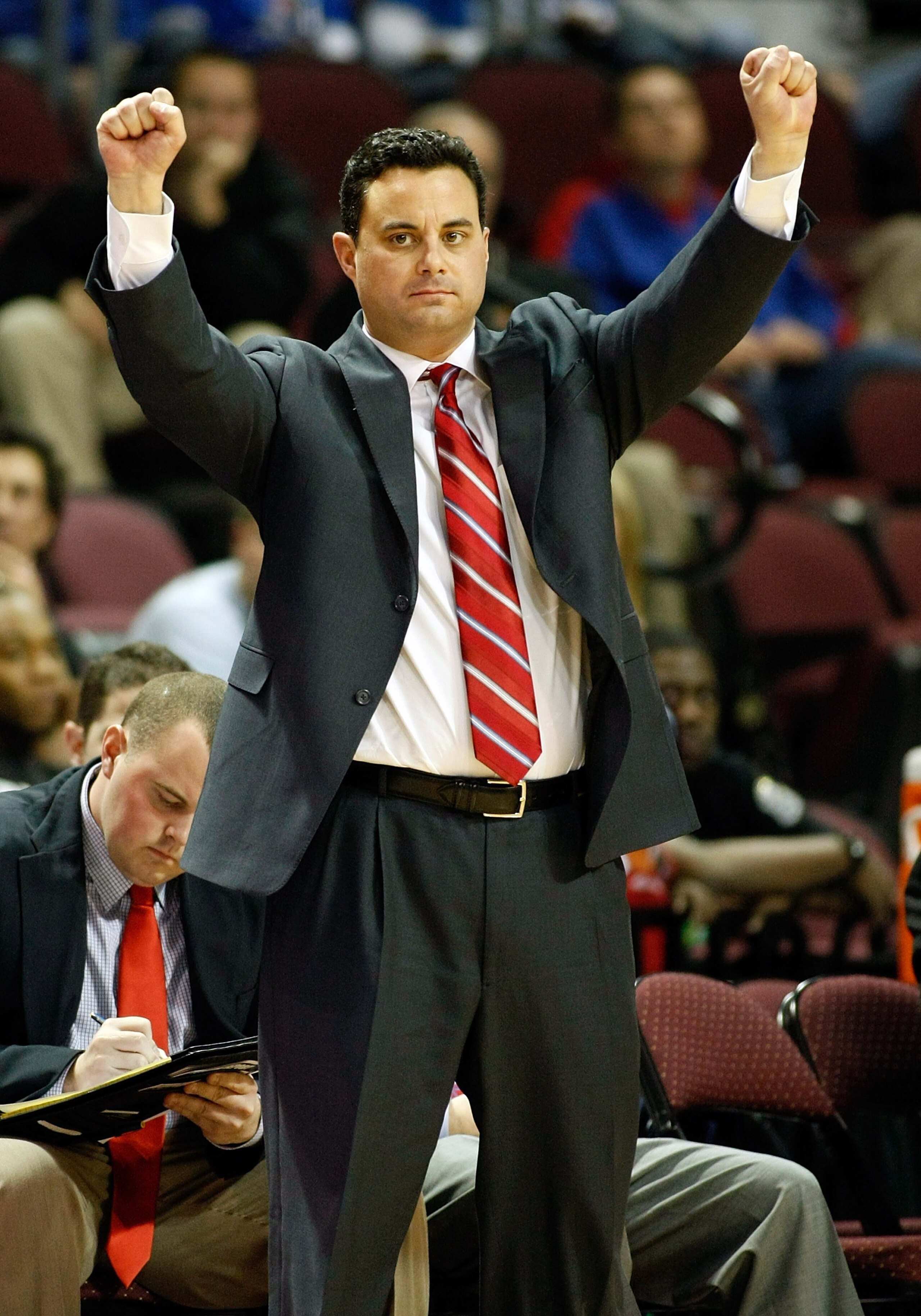
Sean Miller is no stranger to success or the NCAA tournament, having taken Xavier to the Elite Eight two years ago.
After inheriting a mess at Arizona, it has taken him less than two years to have the Wildcats ranked 12th in the country. This may be a little generous, but when you keep winning and the other guys keep losing...
This program had made 25 consecutive NCAA appearances before missing out last year. Arizona starts a new streak this year, one that will continue as long as Miller leads them.
14. John Thompson III: Georgetown Hoyas
12 of 25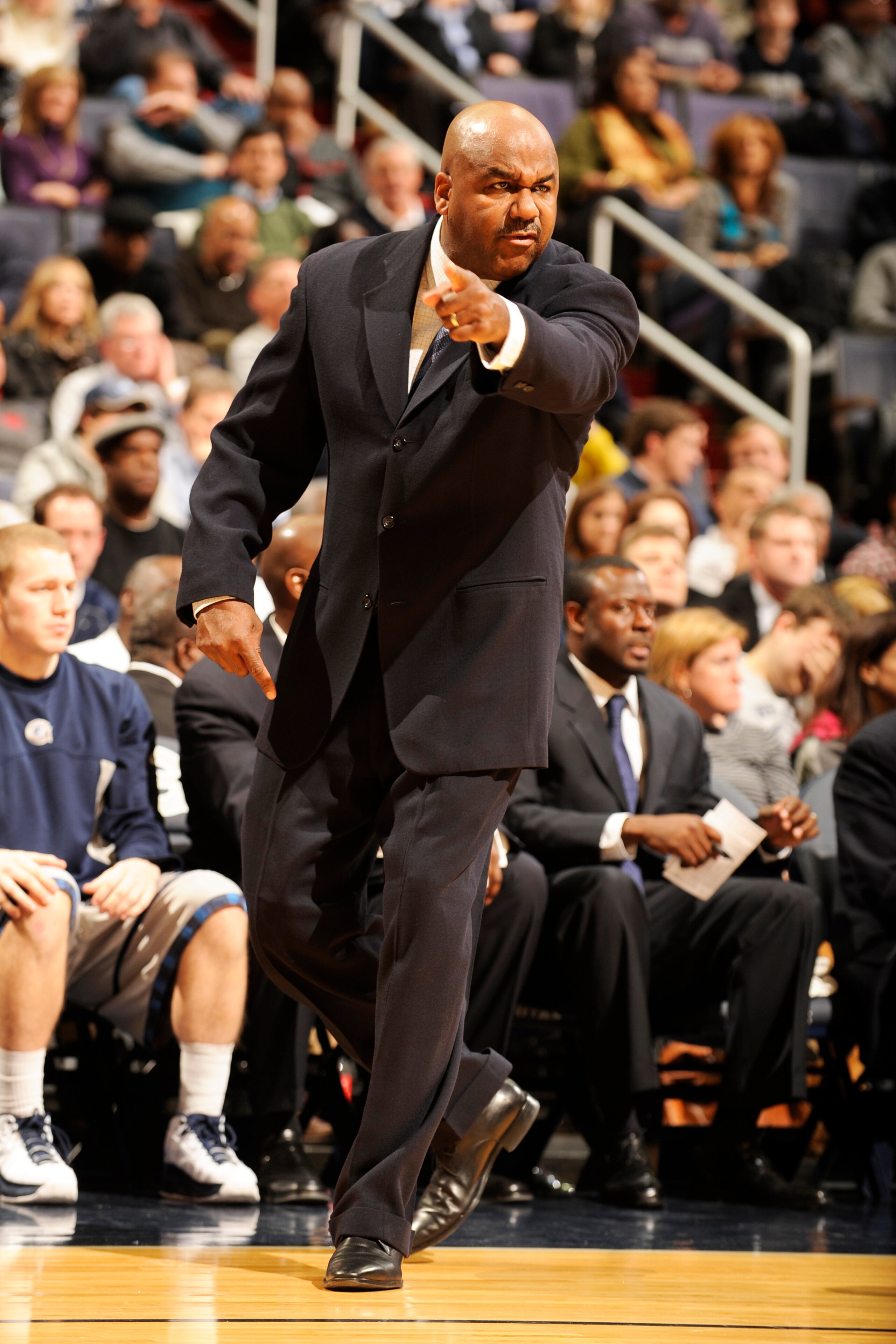
When the Hoyas lost four of five in late December and early January, fans must have been thinking of 2008-2009.
Since then, Georgetown has won eight in a row, including road wins at Villanova and Syracuse.
JT III has the Hoyas moving quickly up the Big East ladder and another big win at Connecticut Wednesday will have them eyeing a top two seed at the Big Dance.
13. Fran Dunphy: Temple Owls
13 of 25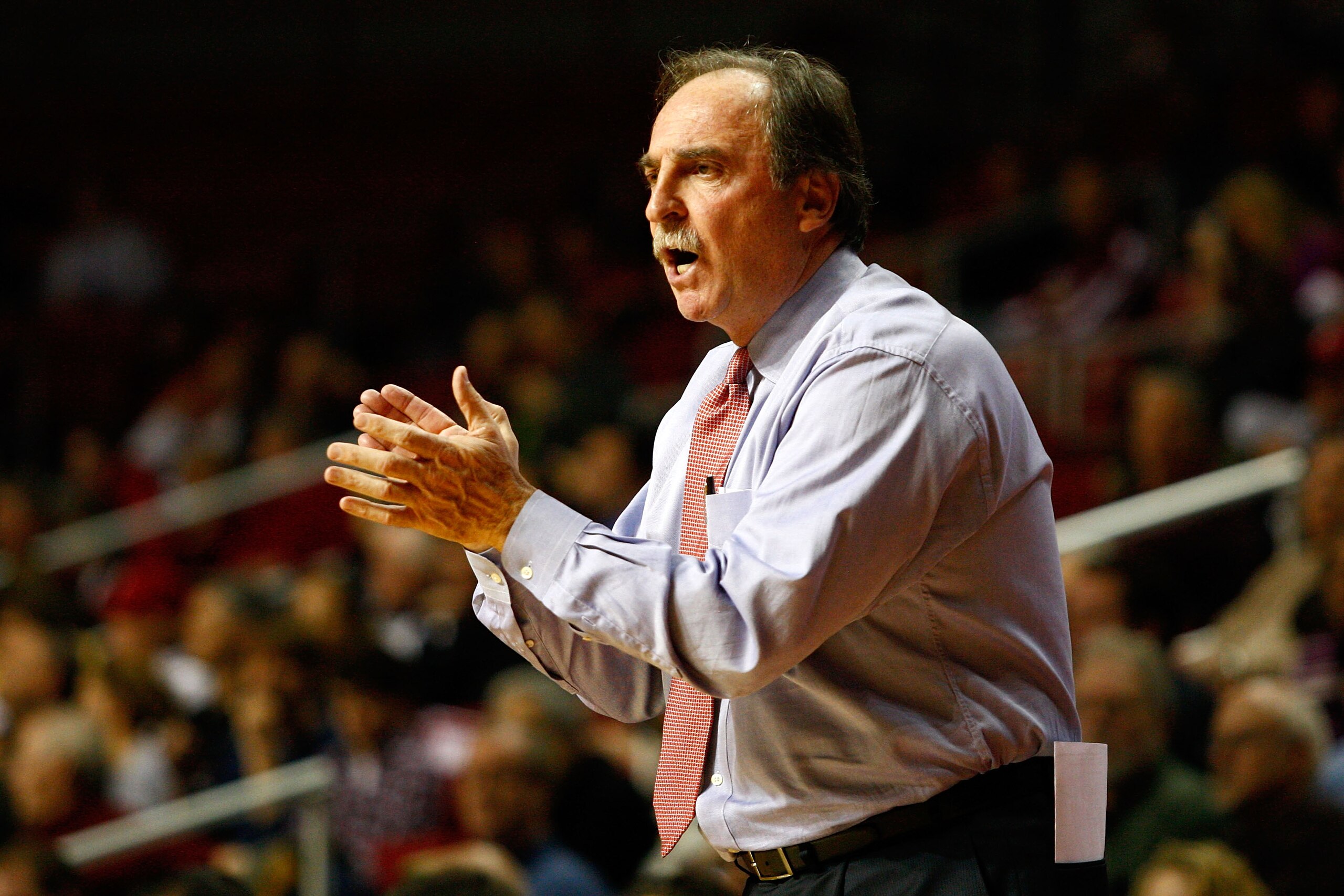
Dunphy has the Owls poised for another NCAA tournament berth despite the inconsistent play of preseason A-10 player-of-the-year candidate Lavoy Allen.
Despite Allen’s absence Saturday, Temple handled Dayton on the road easily. Also on their resume is a non-conference win over a good Georgetown team.
Dunphy is one of the best teachers in the game and the Owls will be a tough out in March.
12. Dave Rose: BYU Cougars
14 of 25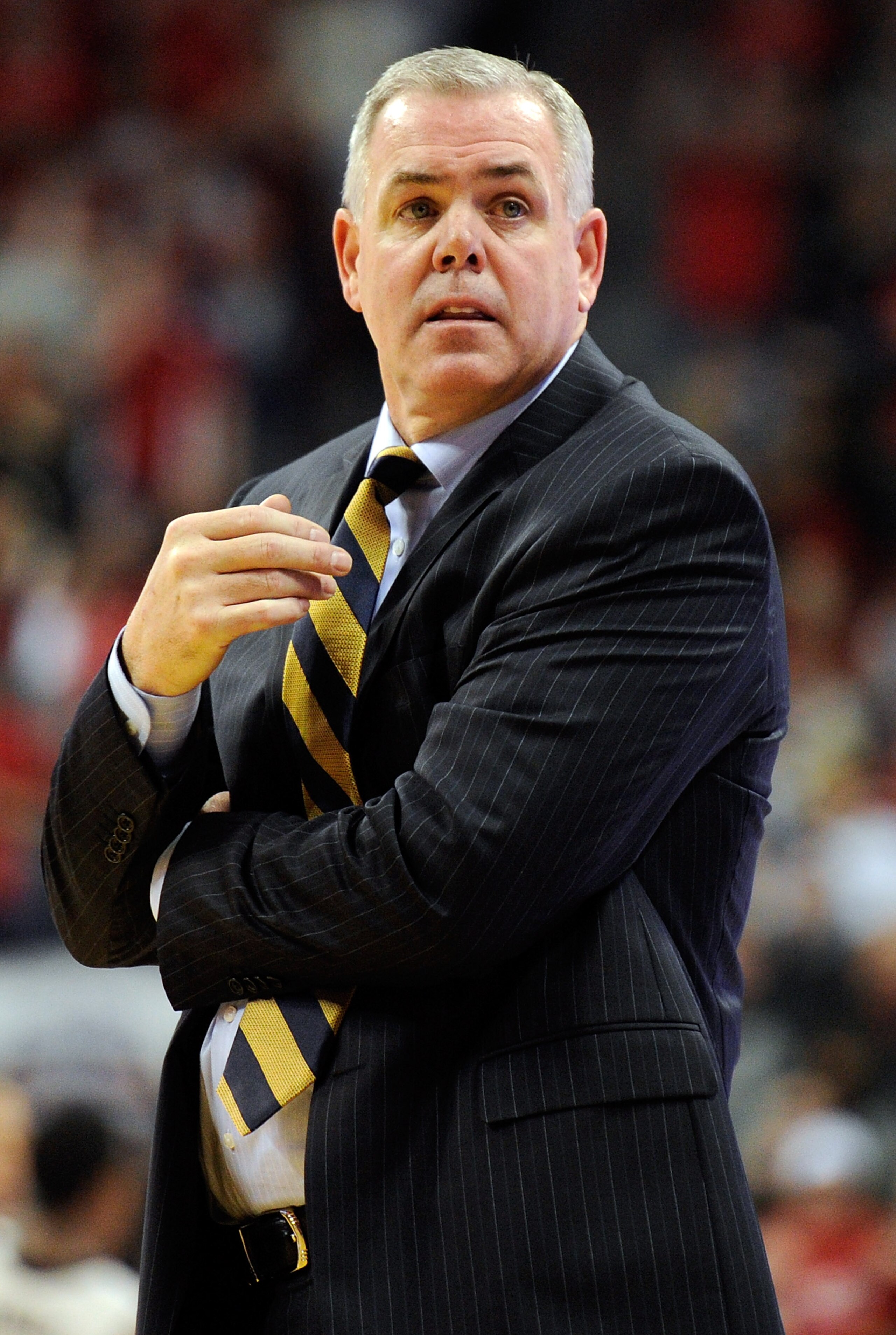
One’s job is certainly much easier when you have a Jimmer on the floor.
When a headline can read “Fredette Held Under 30 For the Fourth Game in a Row”, you know you have a special player.
However, Rose has had the Cougars in four consecutive NCAA tournaments and despite some personnel losses from last year’s group, appears to have a better team this year. The role players have found their respective niches and BYU is 24-2.
They will be a fun team to watch in March.
11. Jim Calhoun: Connecticut Huskies
15 of 25
The Huskies surprised most people when they burst out of the gate and won the Maui Invitational with wins over an impressive trio of teams. Throw in an overtime win at Texas and you have a team that can win any night of the week.
Since the beginning of Big East play they have flattened out a bit. Calhoun has done a good job of making his team believe but now he needs to develop a consistent scorer (or two) to complement Kemba Walker.
10. Matt Painter: Purdue Boilermakers
16 of 25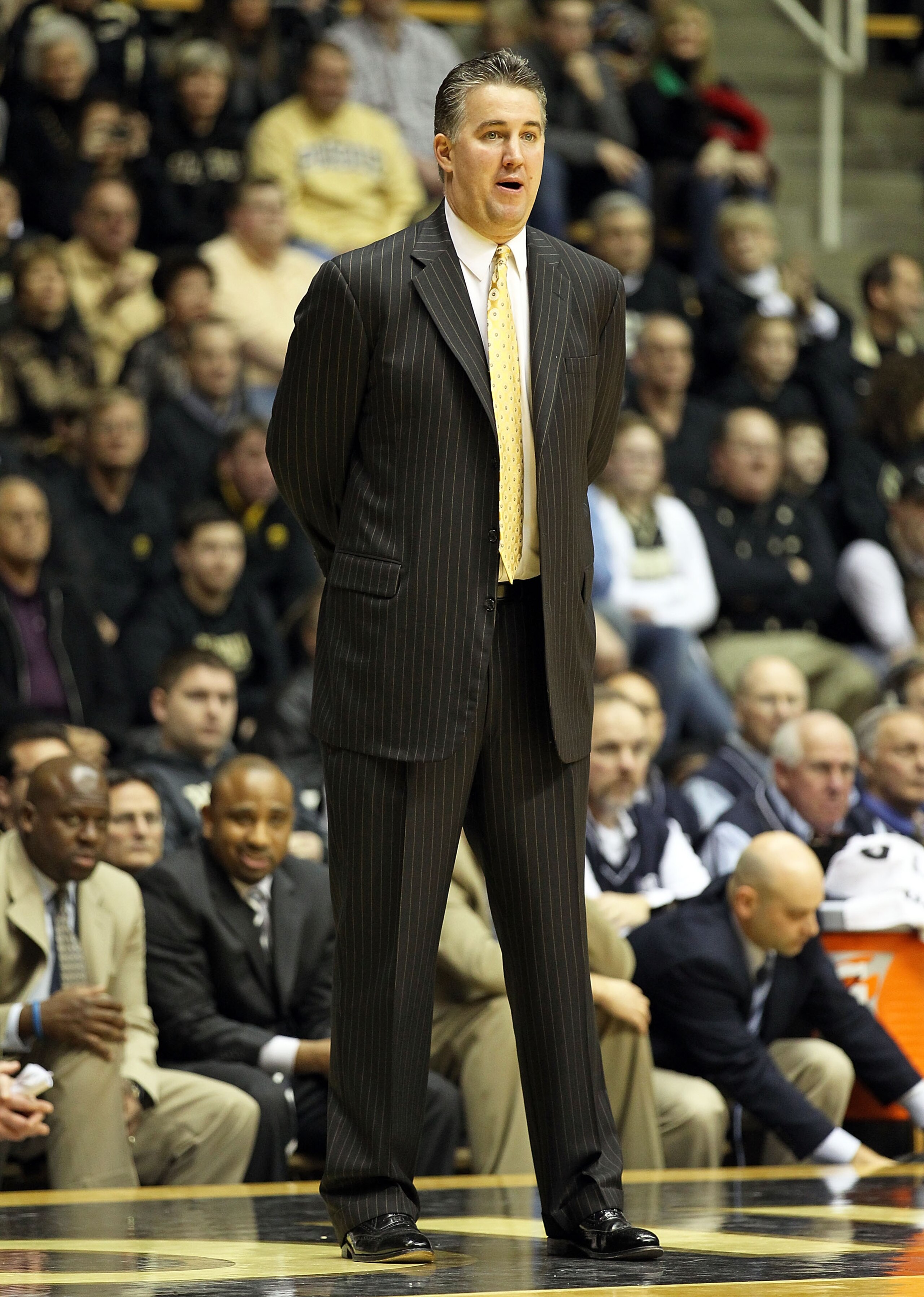
When possibly your best player is lost before the season starts, the warning lights start flashing.
No, Purdue was not without its other two top players in JaJuan Johnson and E’Twaun Moore, but they were left without another viable scoring threat.
Painter has managed to effectively use Kelsey Barlow, Lewis Jackson, Terone Johnson and others to complete a rotation that is very good defensively and getting more consistent offensively.
The Boilermakers were picked near the top of the Big Ten with Robbie Hummel. They could still finish second without him.
9. Steve Fisher: San Diego State Aztecs
17 of 25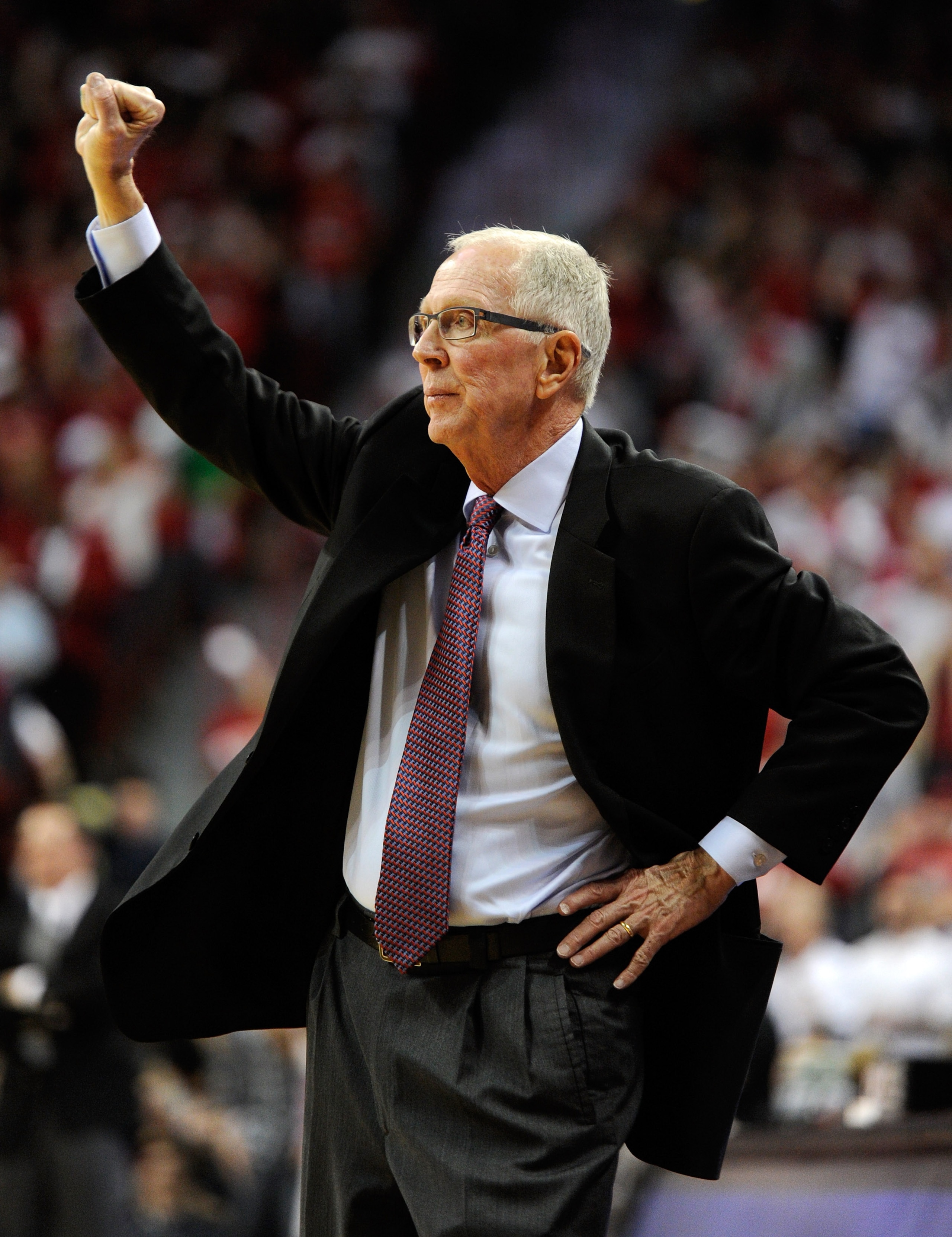
The Aztecs were expected to be good this year and they have been. There really can be no complaint about what Fisher has done here.
A road loss to BYU is their only blemish in what has been a fine season. There is, however, a paucity of wins against top teams on their resume. An early road win against Gonzaga (who is life and death to make the NCAA tourney) and a home win against St. Mary’s stand out.
Their league is a good one, no question, but last year they had four very good teams at the top. This year, there are two.
8. Mike Krzyzewski: Duke Blue Devils
18 of 25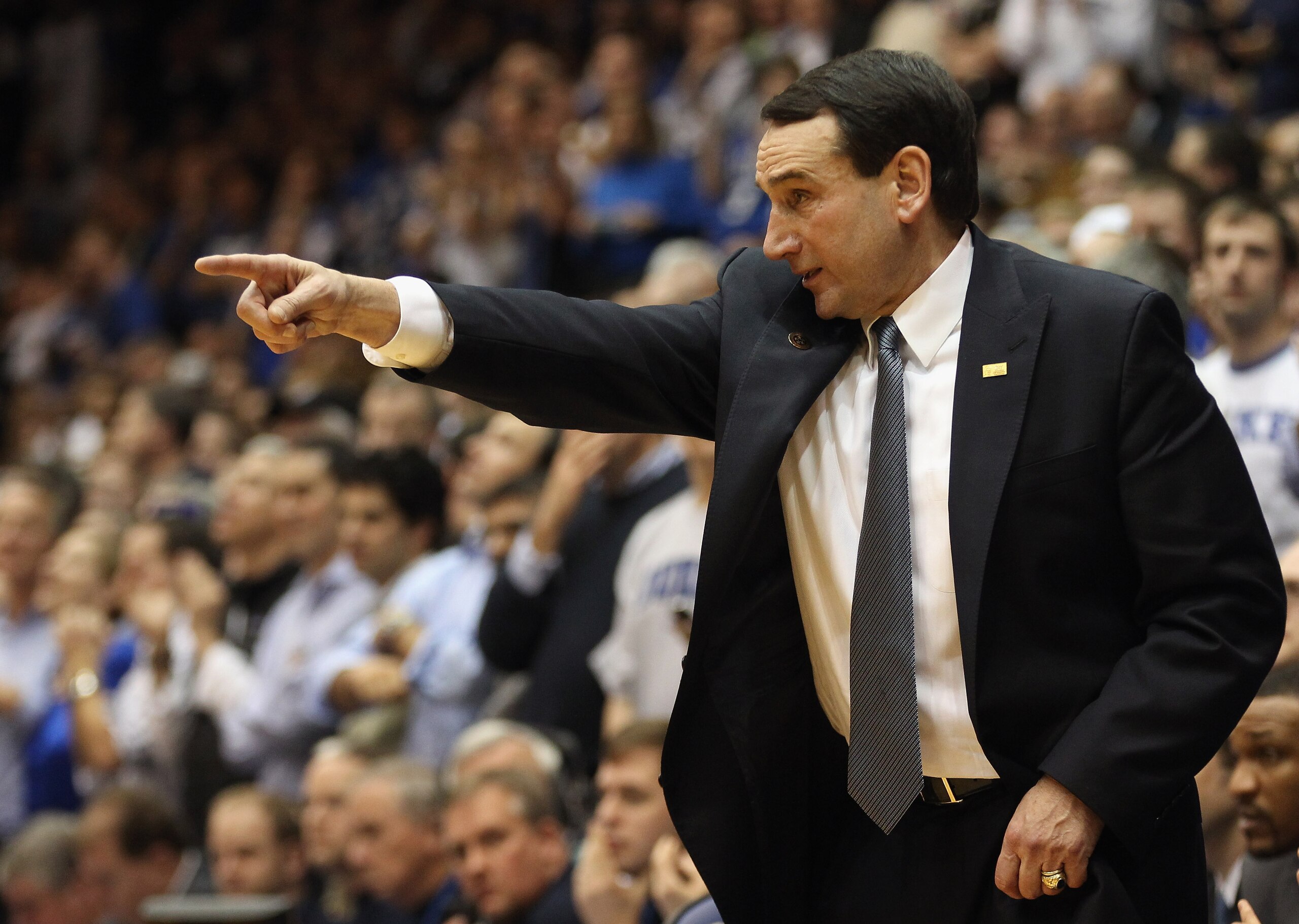
The loss of Kyrie Irving hurts, no question. And, for the first few games after his injury, the Devils looked a lot like last year’s team, but without the toughness.
Kyle Singler and Nolan Smith, you can count on. The emergence of a third scorer was necessary and Seth Curry is becoming that at just the right time.
Coach K has done a good job with this team and knows it is more about when you peak than if you stumble a couple of times along the way.
7. Rick Pitino: Louisville Cardinals
19 of 25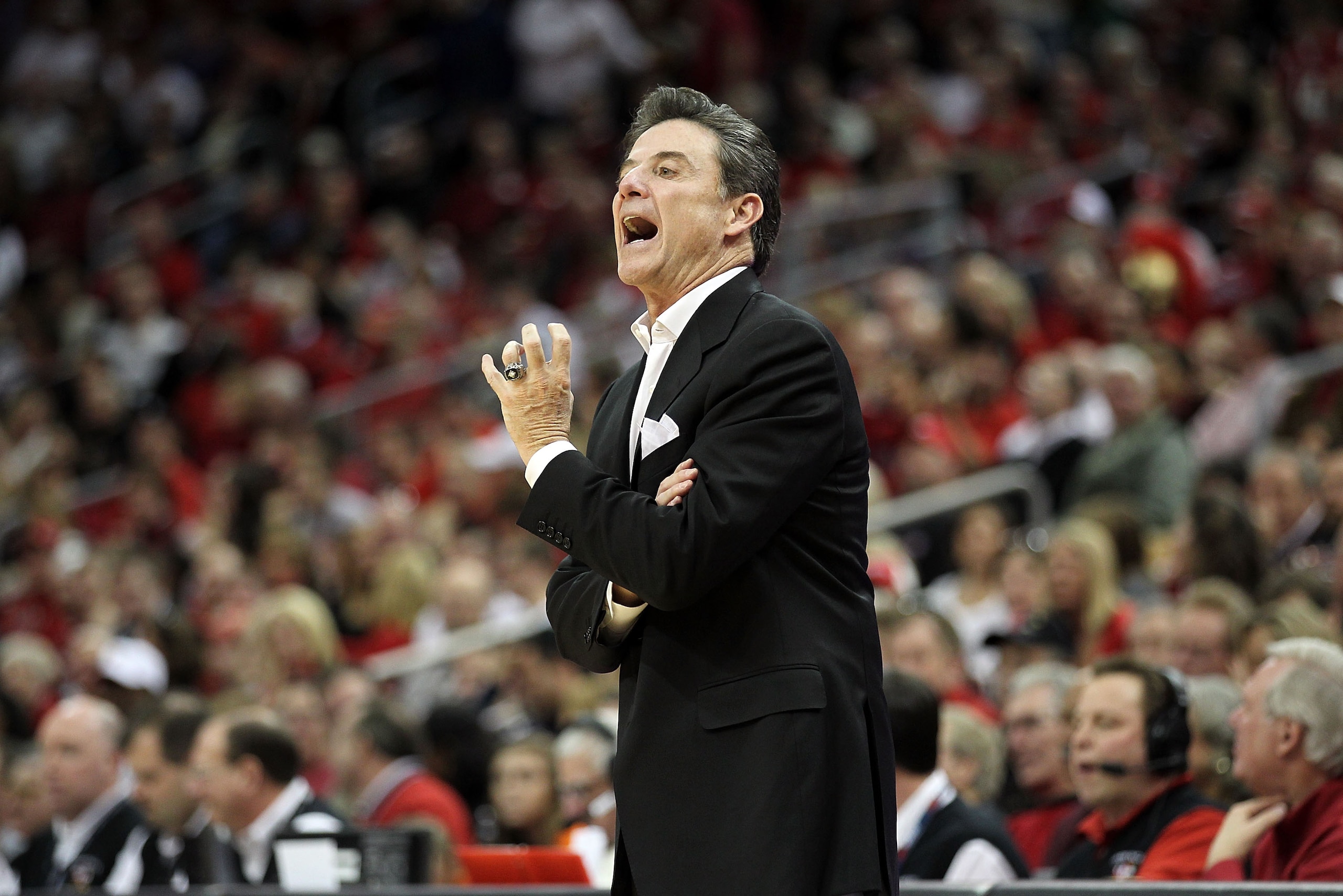
With all of the turmoil surrounding Rick Pitino in the offseason and the early departure of Samardo Samuels, Louisville’s only real post threat, prospects for the upcoming season were looking grim.
Along with UConn, the Cardinals have been the biggest surprise in the Big East this year. Pitino has done an excellent job of playing to his team’s strengths (threes and pressure defense).
If we are waiting for a collapse, it doesn’t appear to be forthcoming. There are no real stars on this team, although Preston Knowles and Peyton Siva have stood out for the Cards.
6. Jamie Dixon: Pitt Panthers
20 of 25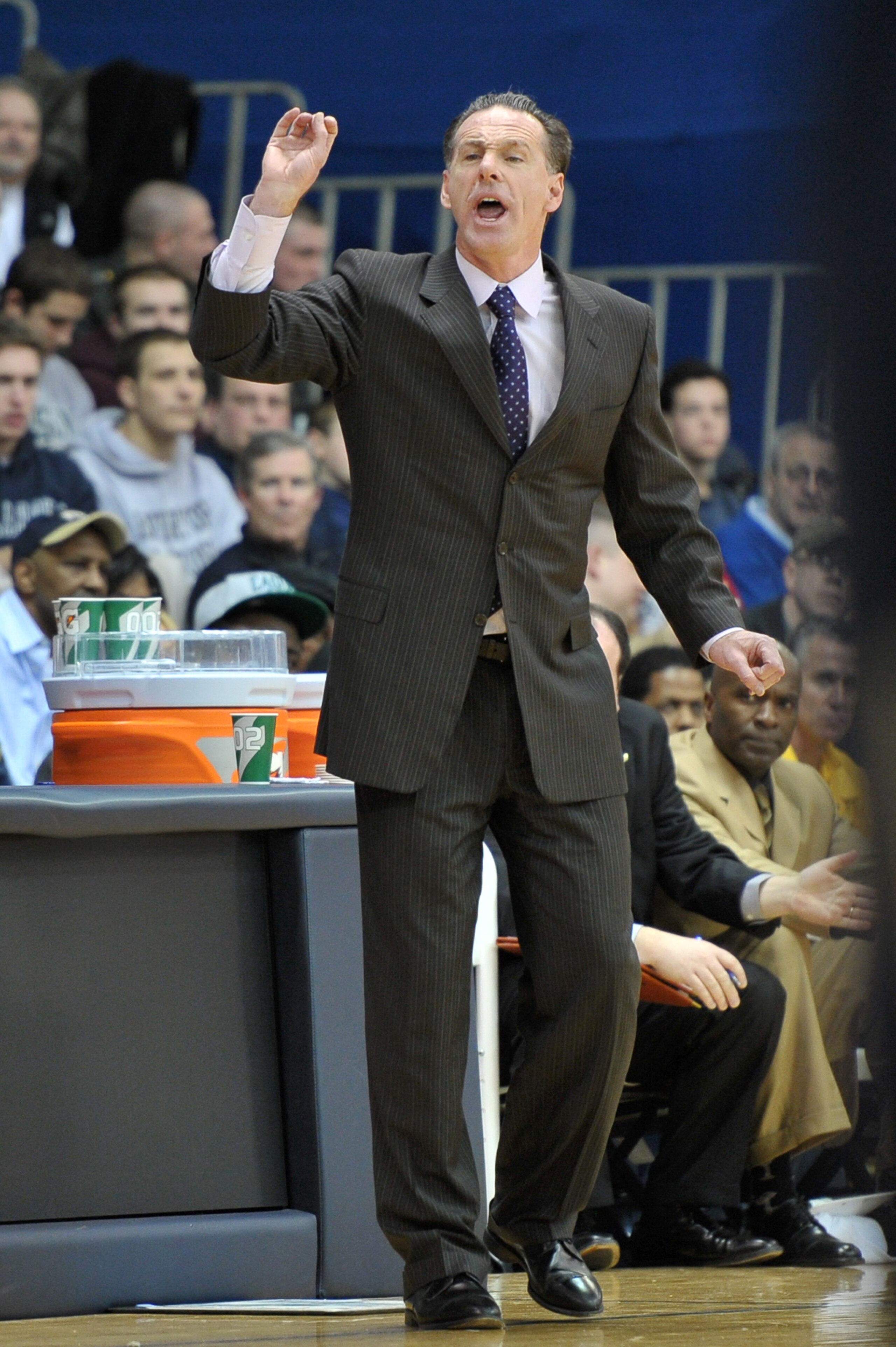
Another team with great expectations this season, Dixon’s Panthers have lived up to the hype. They have been a model of consistency at 23-2 overall and 11-1 in a tough, tough Big East conference.
Dixon has multiple options at each position and will use his bench, which came in handy at Villanova Saturday when star guard Ashton Gibbs was out of action with a knee injury.
Pitt is a big-time threat in this year’s dance, which could mark Dixon’s first appearance in the Final Four.
5. Mike Brey: Notre Dame Fighting Irish
21 of 25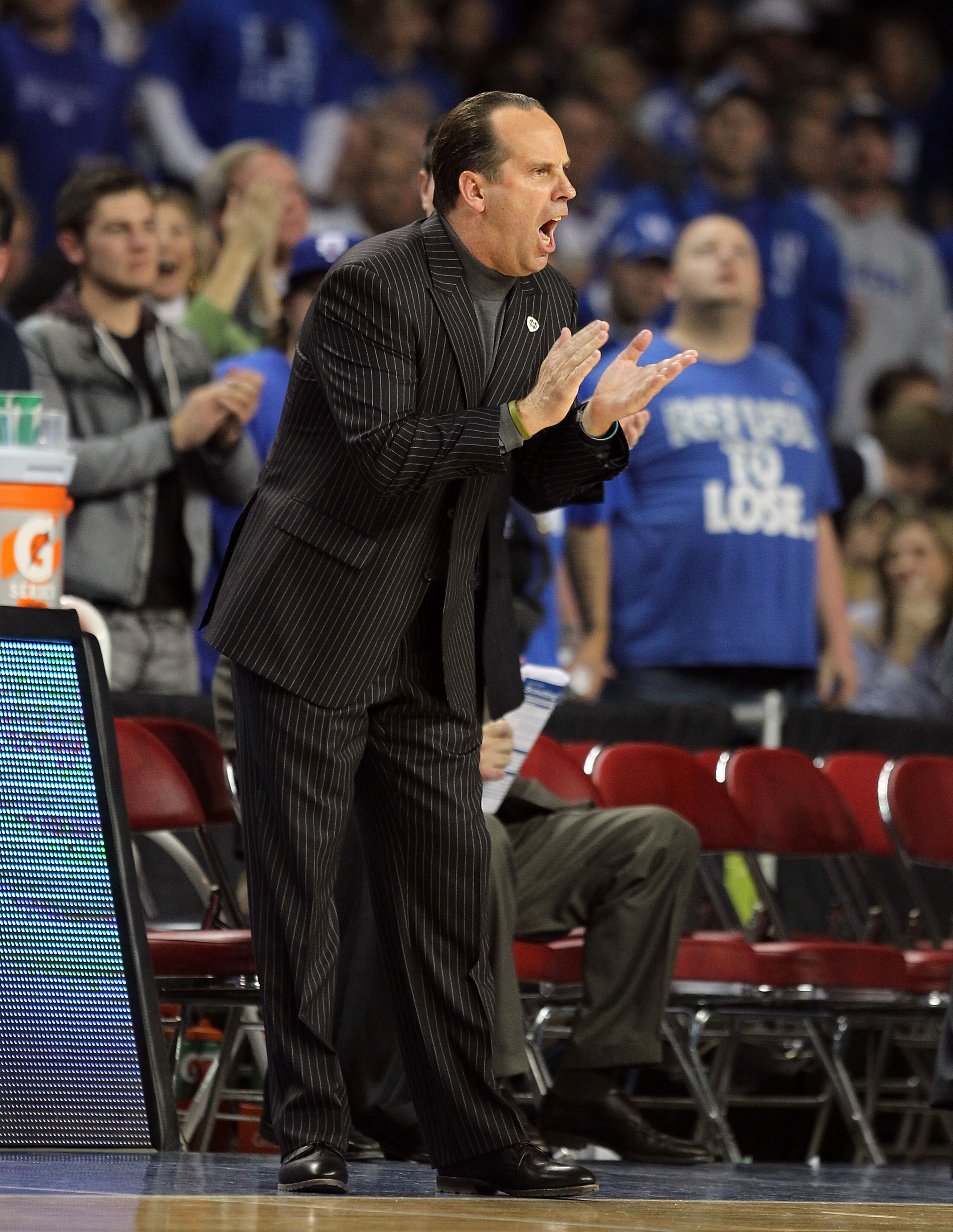
With a veteran team but a short bench, most figured the Irish would be a very competitive team that could sneak into the top five in the Big East if things went right.
Well, they are in second, the only team to have beaten Pitt (at Pitt, no less), and seem to be comfortable playing at various tempos.
Brey made the correct assessment that Ben Hansbrough, if only because of genetics, would be his leader. And he hit a home run, as Hansbrough is certainly garnering attention for POY in the Big East—and maybe in the country.
4. Bo Ryan: Wisconsin Badgers
22 of 25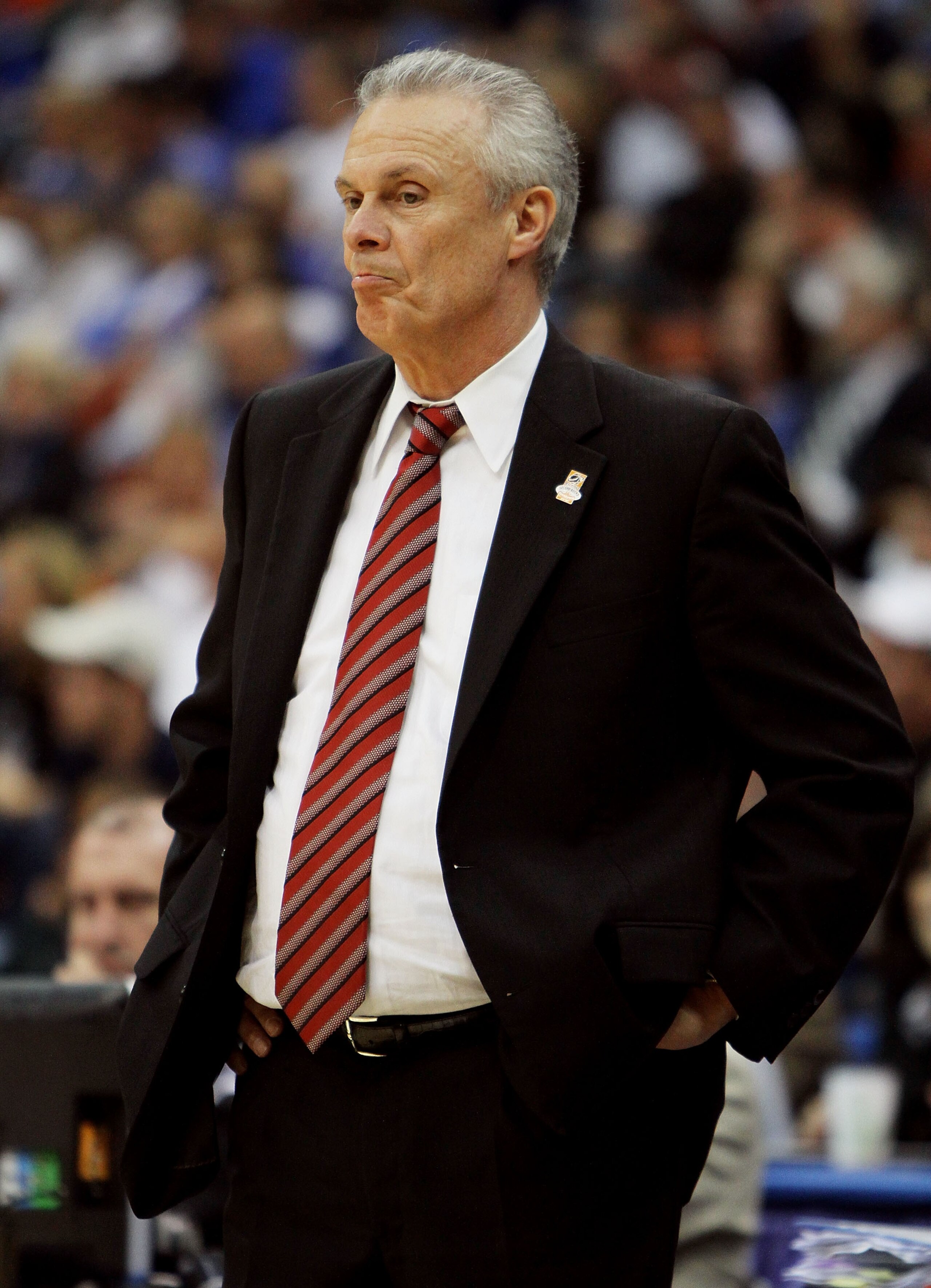
Once again, Ryan’s Badgers have overachieved.
I suppose at some point that can’t be said anymore. If the expectation is for the Badgers to be fifth or sixth, then put them second or third.
No team has the type of home court dominance that Wisconsin does, at least in Ryan’s tenure. And no team relies on teamwork and the understanding of roles on the court as much as they do. Turnovers? Do they commit any? That is about coaching and nobody does it better than Ryan.
About the road games though Bo....
3. Bill Self: Kansas Jayhawks
23 of 25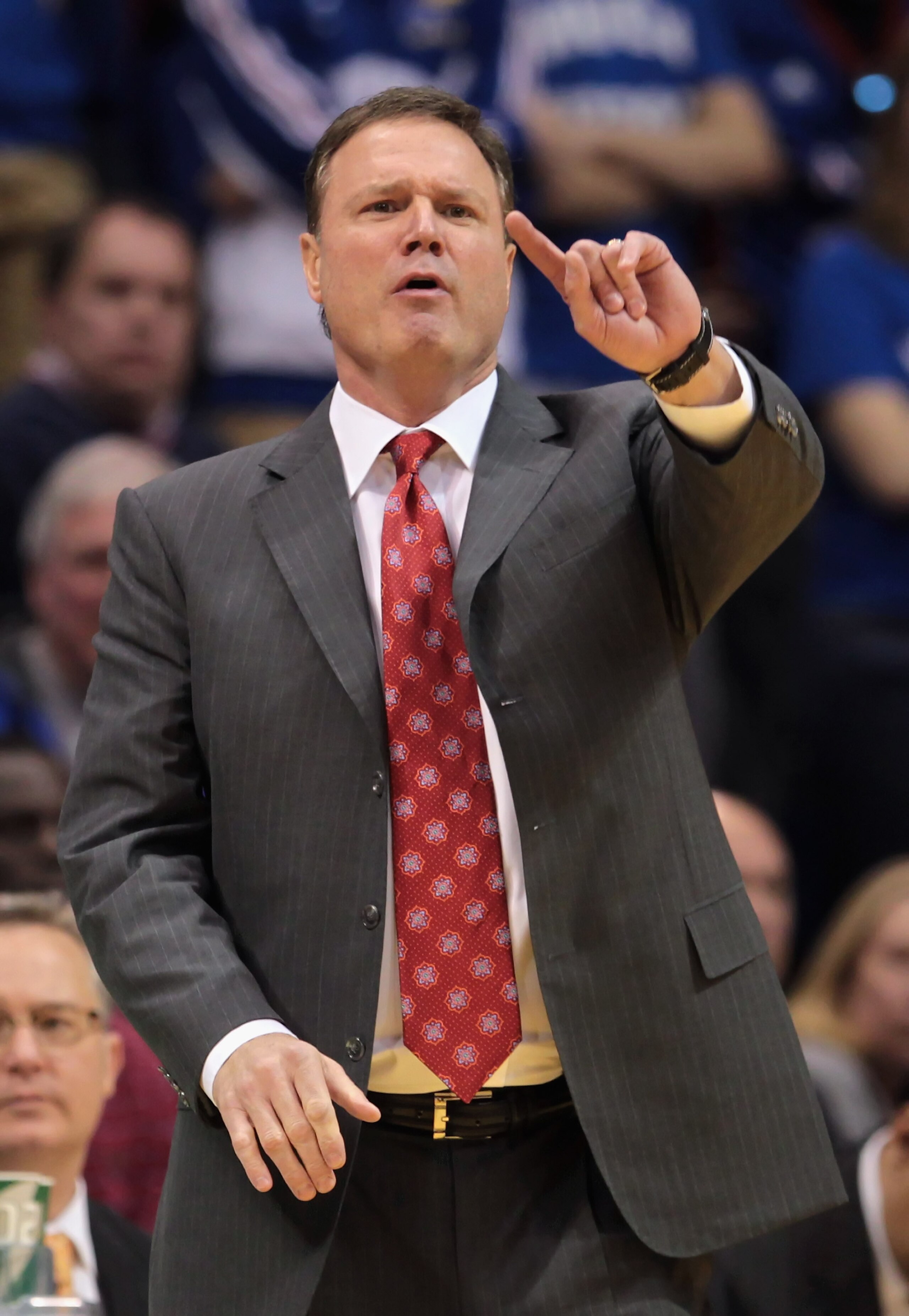
Arguably the number one team in the country (take your pick of about five teams), Self has done fine without heavy contribution from Josh Selby, thank you very much.
While Selby adds another weapon to Kansas‘ potent attack, Self has received the max from guards Brady Morningstar, Tyrel Reed and Tyshawn Taylor. The front court is simply the best in the country.
The Jayhawks are where many expected they would be at this time of the year and they’ve done it, for the most part, without their marquee recruit.
2. Thad Matta: Ohio State Buckeyes
24 of 25
Hard to knock a guy whose team just lost their first game of the season on Feb. 12.
The Buckeyes, and Jared Sullinger, have been better than advertised in a conference that hasn’t. This isn’t on Matta or Ohio State. Despite only one loss, they have to get better and they have to fight any complacency they might have heading into the final couple of league games, as they should clinch first place by that time.
The remarkable thing, and the thing that makes OSU so good, is that Matta has convinced his veteran team that they can run their offense through a freshman. They bought in and the results are evident.
1. Rick Barnes: Texas Longhorns
25 of 25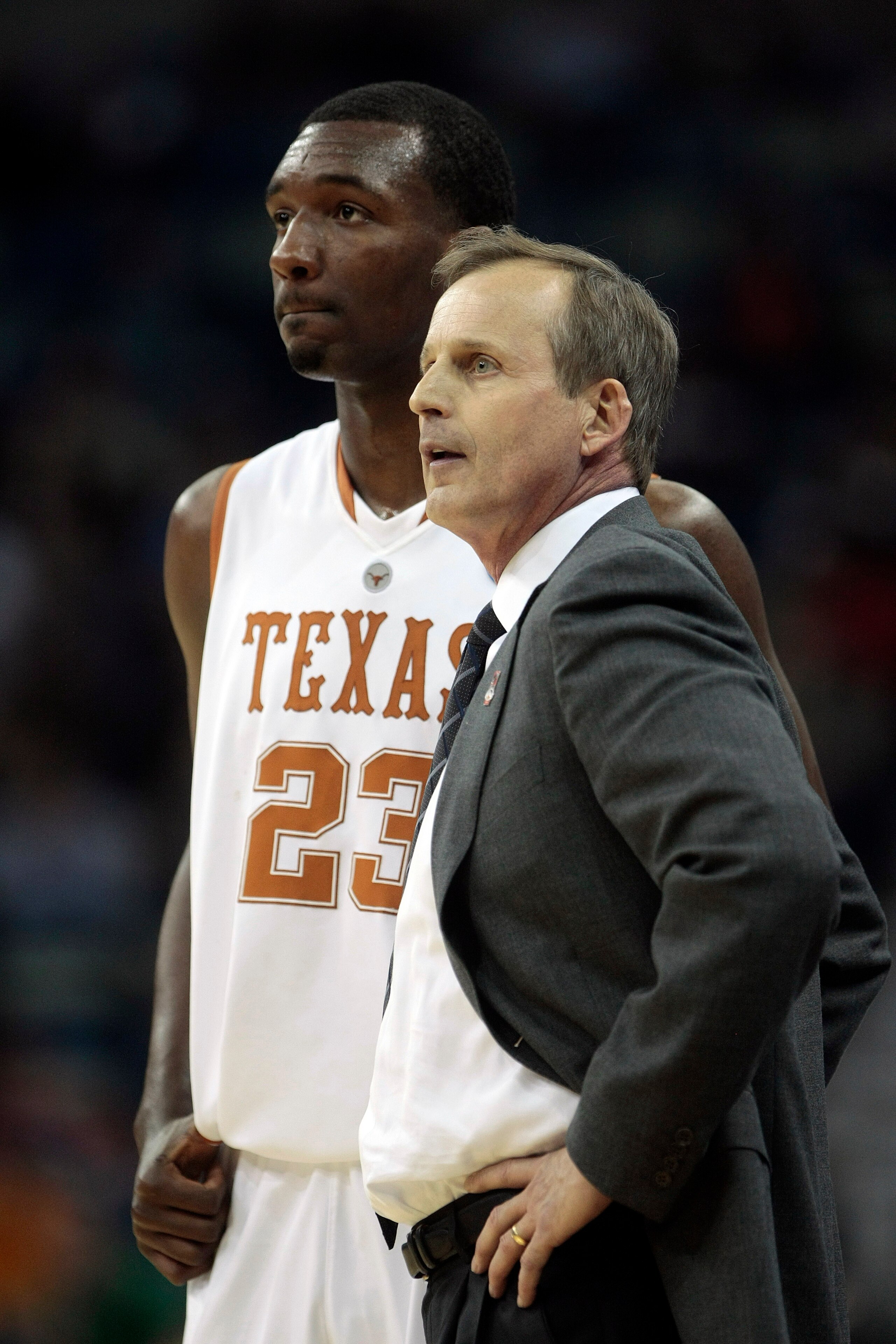
Nobody has done a better job of getting his players to “buy in” than Barnes.
Freshmen Tristan Thompson and Cory Joseph have been as good as advertised, and sophomore Jordan Hamilton has been a prime-time player. After last year’s collapse, it looks as though the Longhorns, mainly the returnees, have learned a lesson.
It’s hard to say how their season will finish, but to this point, this is as good and as balanced a team that Barnes has had in some time.
.jpg?w=2560 "Steelers Saints Football")

.jpg?w=2560 "Packers Safety Slams Refs 🤬")

.jpg?w=2560 "🚨 Week 8 AP Top 25 Poll")