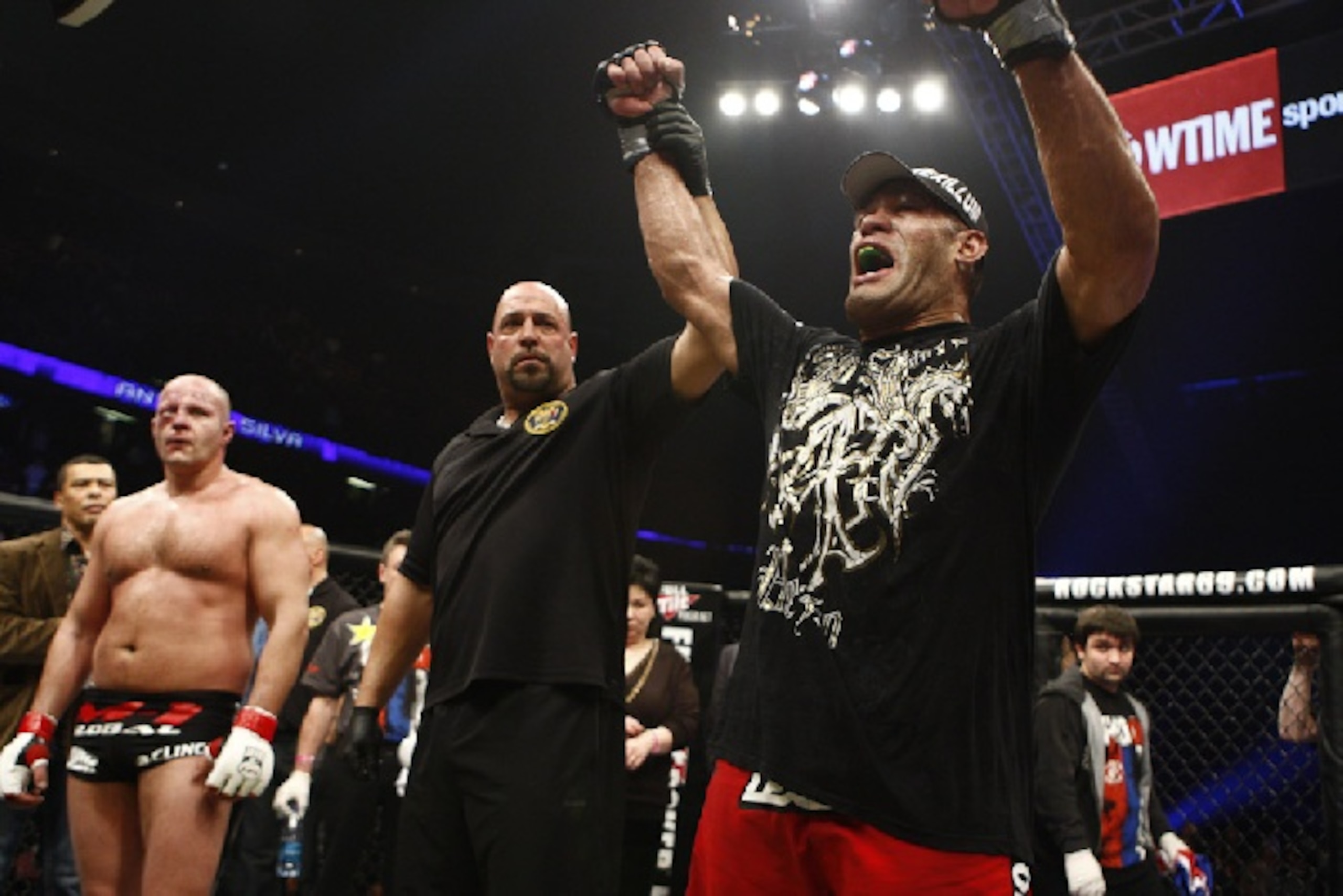

Strikeforce Fedor vs. Silva: 10 Losses That Signaled the End of an Era in MMA
Nobody can ever stay on top forever, and in sports, the window for achievements is a small one that is constantly shrinking.
No matter how unbeatable someone seems, there is always somebody coming up to take their place atop the mountain.
For so long, it looked like Roger Federer would command the tennis court without a legitimate challenge to his No. 1 ranking. But, a younger and more dynamic force is always building himself up to take the place of the king, and we are now seeing that in Rafael Nadal.
MMA has a short history, but this is something we have seen numerous times over the past 18 years.
As great as any fighter is, there is always someone with a hunger to outdo them. And, that is how it will always be.
Here are 10 previous examples in MMA.
Georges St. Pierre Def. Matt Hughes
1 of 10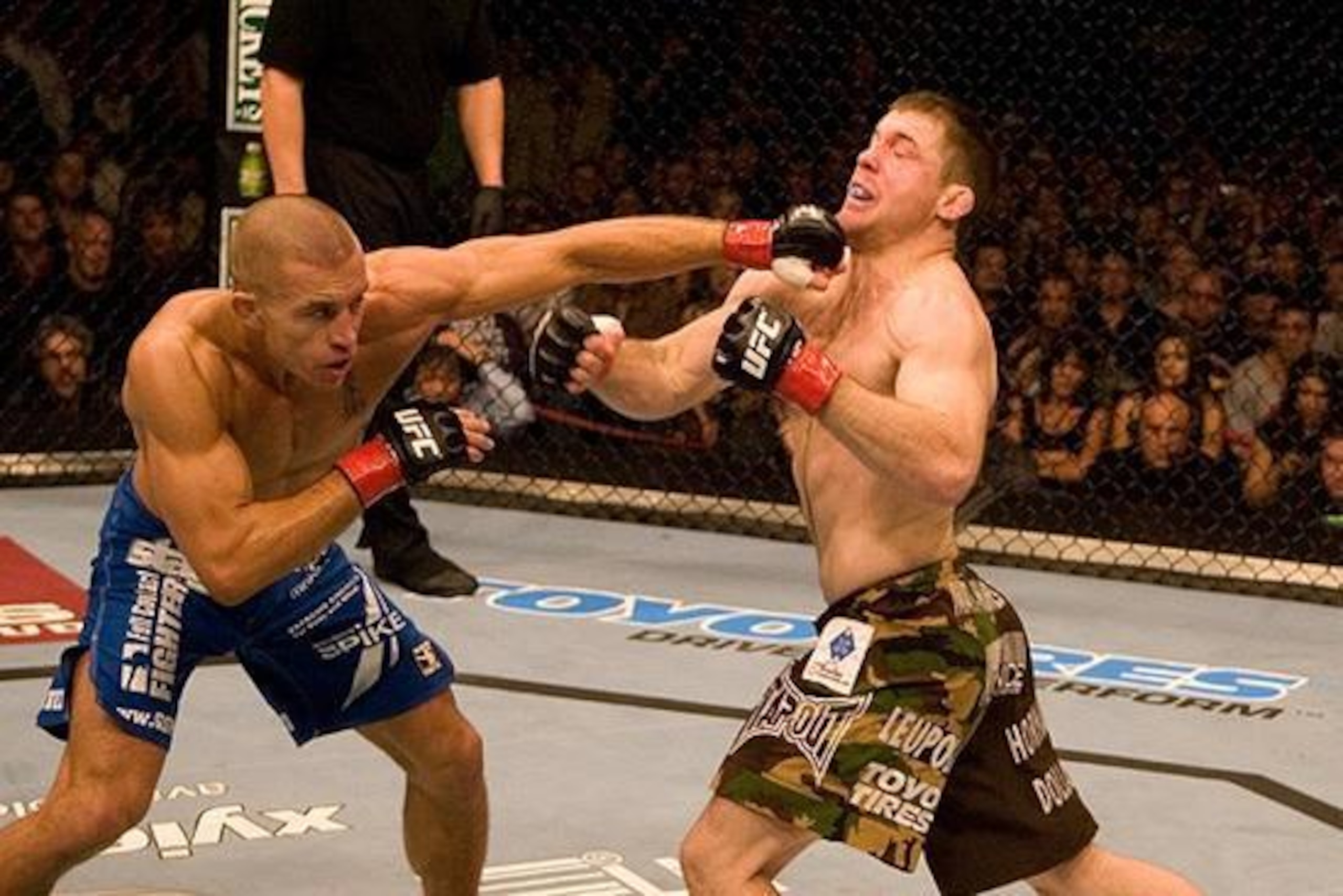
After knocking out then-champion Carlos Newton at UFC 34 with a memorable slam, Matt Hughes became the UFC welterweight champion.
He would go on to set a record for five defenses of the title before losing to lightweight star B.J. Penn, who came up in weight to challenge Hughes.
Penn subsequently left the promotion without defending the title and Hughes was matched with rising prospect Georges St. Pierre with the vacant title on the line.
After an even first round, Hughes caught St. Pierre in an armbar in the closing seconds of the round, forcing him to submit.
Hughes was champion again.
He would defend the title three more times, most notably a third-round TKO win over Penn in the rematch. In a massive event for the promotion, he would also dominate and stop early UFC legend Royce Gracie in the first round in a non-title match.
During this time, St. Pierre racked up five impressive victories over such contenders as Jason Miller, Sean Sherk, and B.J. Penn, setting up his second chance at winning UFC gold.
At UFC 65, St. Pierre controlled Hughes for the duration of the bout, repeatedly hurting him with strikes before stopping him with a head-kick and flurry on the ground in round two.
Hughes has amassed eight defenses of the welterweight title over a span of five years, but his time now appeared over.
The two would meet in a rematch at UFC 79 with St. Pierre once again controlling Hughes, but this time winning by armbar in the second round. It was an ironic end to the trilogy since Hughes had won the first fight with the same move.
Randy Couture Def. Tim Sylvia
2 of 10
The UFC heavyweight division between 2003 and 2007 could appropriately be labeled the Tim Sylvia vs. Andrei Arlovski era.
At UFC 39 in 2002, Ricco Rodriguez defeated Randy Couture in the fifth round by TKO for the UFC heavyweight title. The loss sent Couture down to light heavyweight, where he would not be so undersized and would add some depth to that division.
Rodriguez went on to lose his title via first-round knockout to budding new heavyweight Tim Sylvia.
Over the next four years, there would be nine UFC heavyweight title fights. Each one of them featured either Sylvia or Arlovski, if not both.
After winning the title for a second time by stopping Arlovski in the first round of a rematch, Sylvia defended the title two more times.
With competition running thin in the heavyweight division, Couture ended a brief retirement to return to heavyweight and challenge Sylvia for the title at UFC 68 in 2007.
Though considered a heavy underdog, Couture rocked Sylvia with a right hand in the opening seconds of the bout and dominated all five rounds en route to a unanimous decision.
Though Sylvia would challenge Antonio Rodrigo Nogueira for an interim title one year later in a losing effort, the Sylvia/ Arlovski era was over. Both fighters would leave the UFC to fight for the newly created promotion Affliction Entertainment in 2008.
Sylvia was quickly rocked and submitted by Fedor Emelianenko in his next fight. And, after winning two bouts by knockout over Ben Rothwell and Roy Nelson, Arlovski lost his next four bouts, three by brutal knockout.
Nick Diaz Def. Takanori Gomi
3 of 10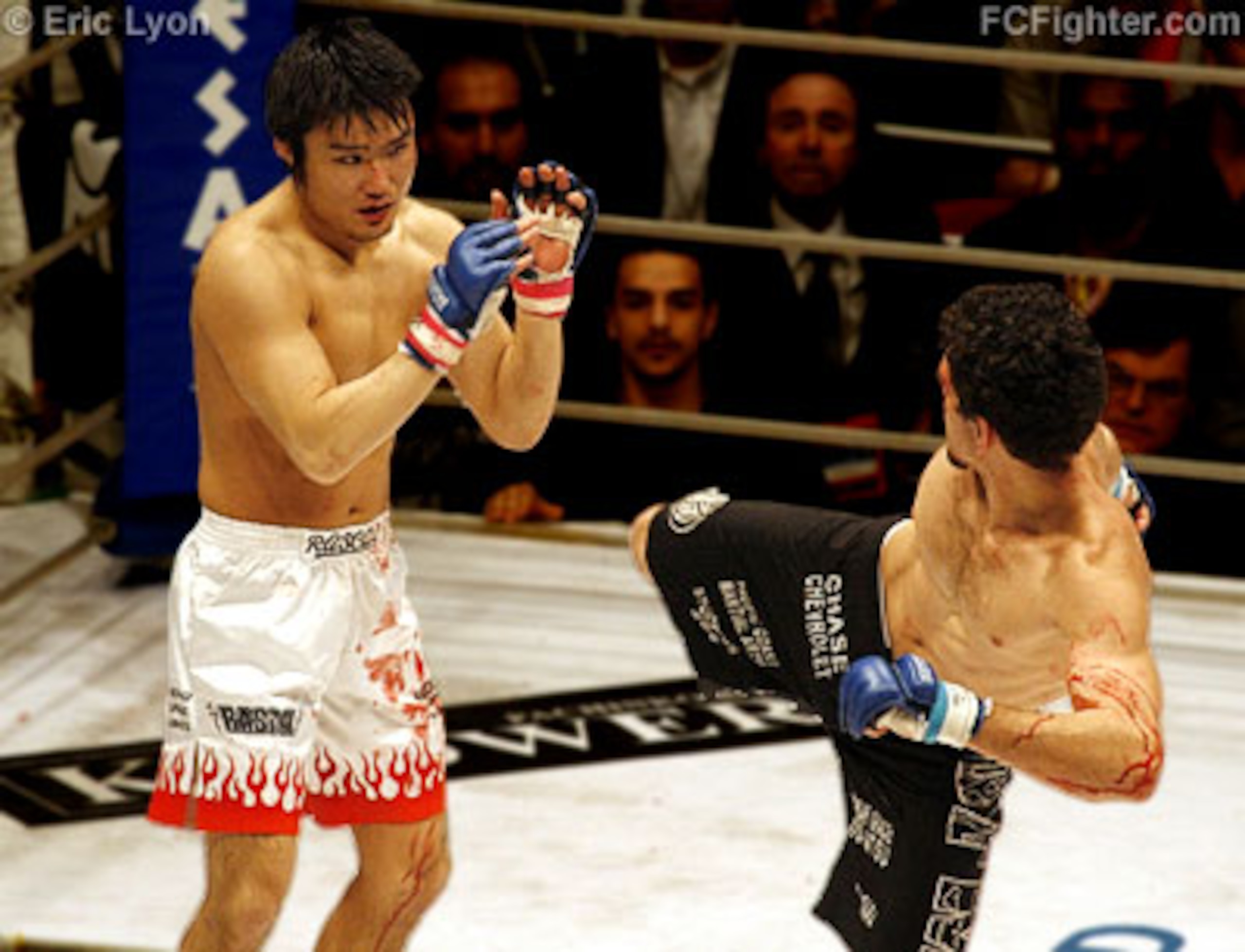
Going into his bout at PRIDE 33 against Nick Diaz, Takanori Gomi had amassed a 13-1 record in the promotion, winning the Lightweight Grand Prix in 2005 and, in turn, the lightweight championship.
His only loss in PRIDE was against Marcus Aurelio after going 10-0 in the promotion, a loss which was avenged just seven months after.
Now, Gomi was coming to America for the first time since battling B.J. Penn in Hawaii nearly four years earlier.
Nearly a 4-1 favorite against Diaz, the Japanese superstar was expected by most to continue climbing the pound-for-pound ranks, but it was Diaz who would make his mark on the night.
In one of the most action packed first rounds you will ever see in the sport, Gomi dropped Diaz only to be out-boxed for the second half of the round.
To start the second, Gomi was noticeably exhausted and soon went for a double-leg takedown, ending up in Diaz's guard.
Diaz immediately locked in a gogoplata, forcing the champ to tap. It was only the second time a gogoplata was successfully used in the history of PRIDE.
The dramatic win was tainted afterward when the Nevada State Athletic Commission changed the bout to a no-contest when Diaz tested positive for marijuana. Still, the fans saw who won the fight.
Since that time, Diaz has gone 10-1, winning and defending the Strikeforce welterweight title.
Gomi, on the other hand, has gone 5-4, losing his last fight by submission to Clay Guida in the UFC.
Quinton Jackson Def. Chuck Liddell
4 of 10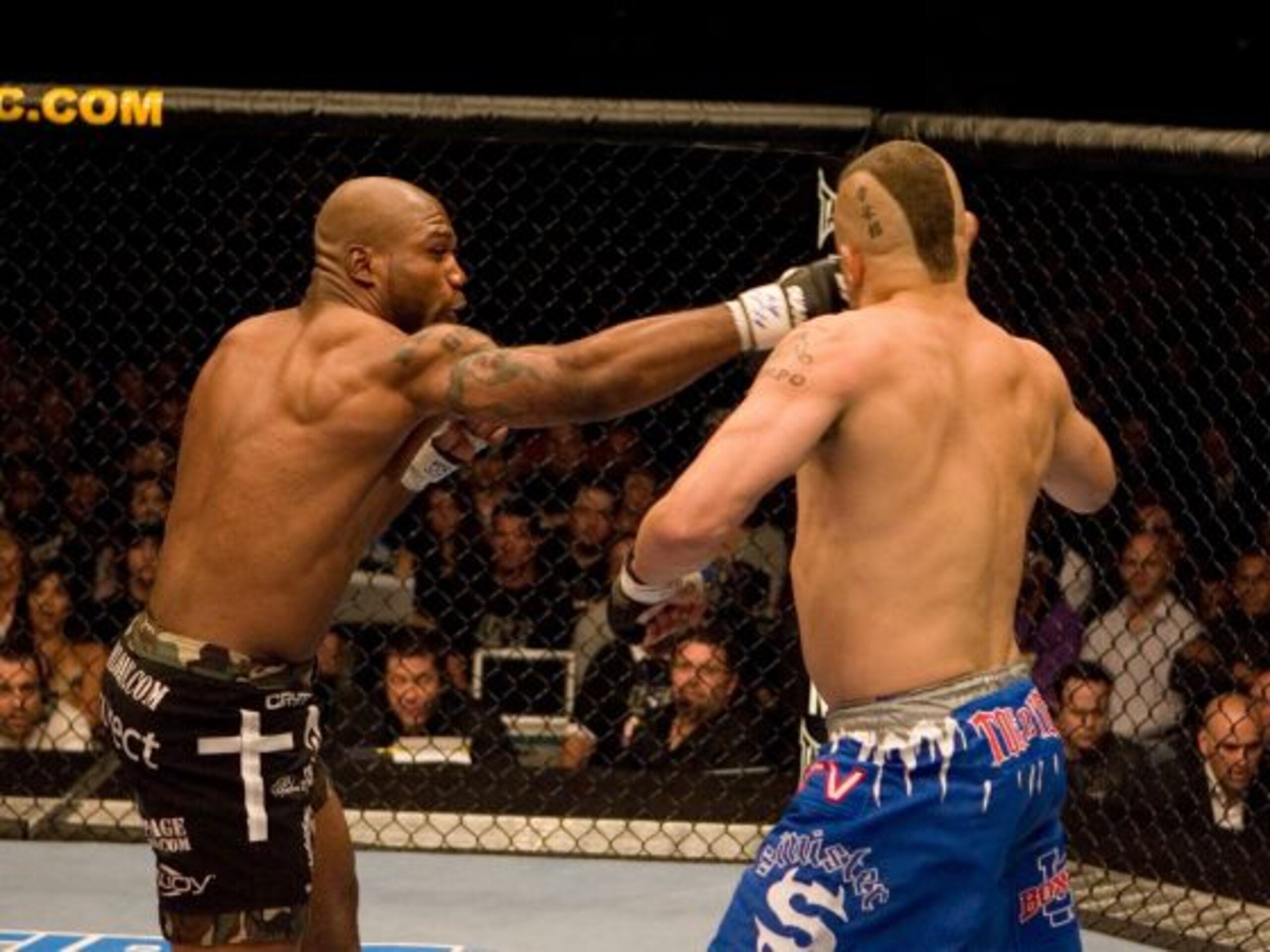
When Chuck Liddell got his first title shot in the UFC, he was on a 10-fight win streak including wins over Murilo Bustamante and Vitor Belfort.
Due to Tito Ortiz's unwillingness to defend his title against Liddell, Randy Couture moved down to light heavyweight to make a fight for an interim title, which Couture won in an upset at UFC 43.
Following the loss, Liddell went to Japan and entered PRIDE's middleweight Grand Prix in 2003, knocking out Alistair Overeem in the first round and then losing to Quinton Jackson in the semi-finals by second-round TKO.
Many say the losses were a wake up call for Liddell, who returned to America with a new sense of vigor and knocked out rival Tito Ortiz in his first fight back in the UFC.
Liddell followed that monumental win with a knockout of Vernon White, setting up a rematch with the champion Couture. In the biggest moment of Liddell's career, he knocked out Couture to win the title that had eluded him for years.
As champion, Liddell defended his title four times all by stoppage over Jeremy Horn, Couture, Renato Sobral, and Tito Ortiz. In a span of two years, Liddell won five title fights with none of them reaching the final bell.
After avenging two of his previous three losses, Liddell set out to avenge the third against Quinton Jackson. Despite losing in their first meeting, Liddell was a 3-1 favorite to keep his title.
Jackson shocked all viewers when he knocked out the usually strong-chinned Liddell in the first round at UFC 71.
After the loss, Liddell went 1-4 to finish his career, losing the last three by devastating knockout. The UFC's most marketable champ's time was done.
Fedor Emelianenko Def. Antonio Rodrigo Nogueira
5 of 10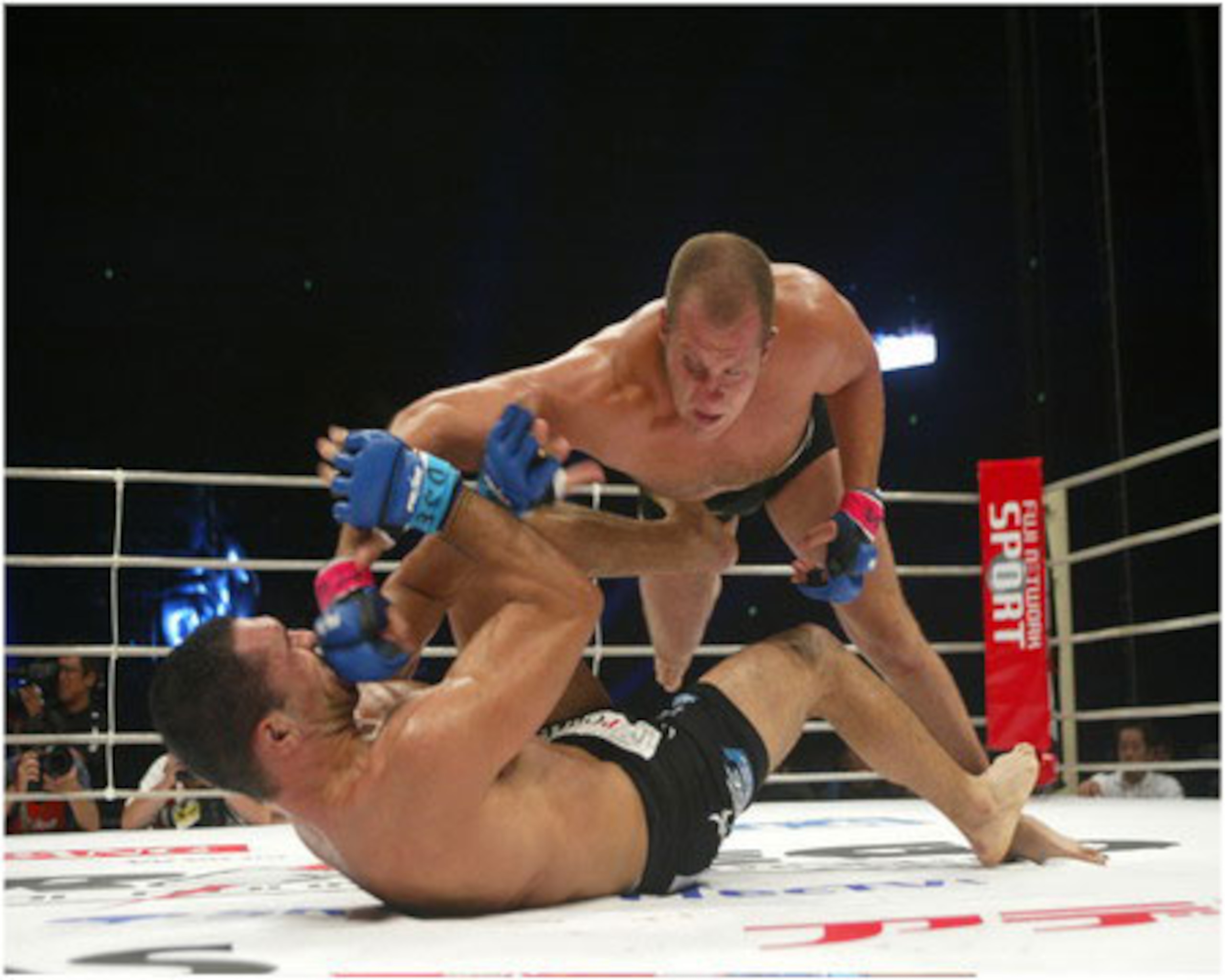
In 2003, Antonio Rodrigo Nogueira was the consensus No. 1 heavyweight in the world, and also the PRIDE heavyweight champion.
His reputation was at an all-time high after a dominant submission over Mark Coleman, an entertaining scrap with Heath Herring to win the title, and a savage come-from-behind submission win over the much larger Bob Sapp.
Before entering PRIDE, he had also won the notorious Rings King of Kings tournament in 2000.
When he met Fedor Emelianenko at Pride 25, Emelianenko was seen as a quality contender, but not a real threat to unseat the champion.
Over the course of 20 minutes, Emelianenko unleashed a stirring barrage of punches while in Nogueira's guard—a position any observer would have thought to be the most dangerous for the challenger.
It was a shocking one-sided beating that nobody could have predicted. And, it kicked off Emelianenko's reign as PRIDE champion that would last until the promotion's collapse in 2007.
Nogueira went on to be the No. 2 heavyweight for years, but his era at the top was over that night.
Dan Henderson Def. Wanderlei Silva
6 of 10
In 1999, Wanderlei Silva made his Pride Fighting Championships debut at Pride 7. Over the next seven years, Silva went on to rule the 205-pound weight class with an iron fist.
In 2001, Silva knocked out the great Kazushi Sakuraba in the first round in a major upset. Later that year, the two fought again in a rematch for the first Pride 205 pound title.
After an entertaining first round, the bout was stopped when it was seen that Silva had broken Sakuraba's collar bone with a slam.
Two years later, Pride put together a 205 pound Grand Prix with some of the best fighters in the world, including Quinton Jackson, Alistair Overeem, and Chuck Liddell.
Silva went on to knock out Sakuraba, decision Hidehiko Yoshida, and knock out Quinton Jackson to win the tournament in dramatic fashion.
Though Silva would lose a debatable decision to heavyweight Mark Hunt and another decision to Ricardo Arona in the 2005 Grand Prix, he would maintain his championship until 2007.
In the semifinals of Pride's Open Weight Grand Prix in 2006, Silva was knocked out by a head kick from notorious heavyweight Mirko Cro Cop. It was a shocking defeat in a matchup where Silva had got the better of Cro Cop the first time they fought.
Immediately following this devastating loss, Silva met Pride 183-pound champ Dan Henderson in another defense of his title at Pride 33.
After two rounds of competitive action with both rounds likely going to Henderson, Silva was knocked out by a powerful left hook.
Since that loss, Silva has gone a disappointing 2-3, even suffering a knockout to former foe Quinton Jackson, who Silva had already brutally knocked out twice before.
Frankie Edgar Def. B.J. Penn
7 of 10
For years, B.J. Penn was considered by most the best lightweight in the world, despite never winning a title at 155 pounds.
After a failed challenge against then UFC champ Jens Pulver and a draw against Caol Uno for the title that Pulver vacated, Penn moved up and won Matt Hughes' welterweight title and then left the UFC for an assortment of fights at higher weights around the world.
In 2007, Penn returned to the UFC lightweight division and, after beating Pulver in a rematch, captured the vacant title by bloodying Joe Stevenson before submitting him in the second round to start 2008.
After three authoritative defenses of his title against Sean Sherk, Kenny Florian, and Diego Sanchez, the world was in agreement that Penn was clearly the best lightweight of all time.
In his next defense, Penn met the smaller Frankie Edgar in what most assumed to be an easy night of work for the champ. But, after five close rounds, Edgar pulled off one of the biggest upsets of all time, and took down the lightweight giant.
Due to many thinking Penn had actually won the fight, an immediate rematch was ordered to take place just four months later. In arguably an even more shocking display, Edgar easily won every round and solidified himself as the new champion at 155 pounds.
Penn has since moved up to welterweight and knocked out Matt Hughes to finish their storied trilogy.
Randy Couture Def. Tito Ortiz
8 of 10
The new fans of the sport wouldn't know it now by seeing him fight these days, but there was a time when Tito Ortiz was a dynamic and outstanding champion. To this day, he holds the record for number of UFC titles defenses at light heavyweight with five.
After losing an epic battle with then champion Frank Shamrock in his first title opportunity, Ortiz was offered a shot at the vacant belt following Shamrock's retirement.
Ortiz out-wrestled Wanderlei Silva for five rounds to become the new champion at UFC 25.
Over the next three years, Ortiz defended his title against Yuki Kondo, Evan Tanner, Elvis Sinosic, Vladimir Matyushenko, and Ken Shamrock. Only his bout with Matyushenko went the distance.
Ortiz would take some time out of the cage in an attempt to raise his pay, so the UFC created an interim title in the mean time which Randy Couture won by besting Chuck Liddell.
At UFC 44, Ortiz and Couture met to unify the title with most experts picking Ortiz to be too strong for the aging Couture.
Couture once again defied the odds and out-wrestled the champion for five rounds, even humiliating Ortiz in the final round by spanking him while he was held to the ground.
Though he was knocked out by Liddell in his next fight, Ortiz was able to follow it up with notable wins over Vitor Belfort and Forrest Griffin, earning himself a shot at the title again against Liddell and losing by knockout again.
Anderson Silva Def. Rich Franklin
9 of 10
More than the end of an era, this was the beginning of Silva's incredible and current reign. But, Franklin's spot should not be among the UFC's champions should not be sold short.
In 2005, at UFC 53, champion Evan Tanner met rising star Rich Franklin in the first defense of his title. After repeated punches throughout the fight caused Tanner's face to bleed and swell greatly, the doctor called a halt to the bout in the fourth round.
Franklin was now the champion and would immediately start as one of the coaches on the second season of The Ultimate Fighter.
Following the show, Franklin defended his title against Nate Quarry. In one of his most stunning performances, Franklin knocked Quarry completely unconscious with a straight left hand in the first round.
Next, Franklin won a five-round decision over David Loiseau, despite breaking his hand early in the second round. Franklin was so dominant that many of the rounds were scored 10-8.
After a six-month layoff while Franklin recovered from hand surgery, he was pitted against recently UFC debuted Anderson Silva.
Though going in a nearly 2-1 favorite, Franklin was brutally stopped by Silva in the first round from a series of knees to his body and face, breaking his nose and dropping him to the ground.
It was a savage beginning to Silva's run, and Franklin would never be viewed the same from then on.
Fabricio Werdum Def. Fedor Emelianenko
10 of 10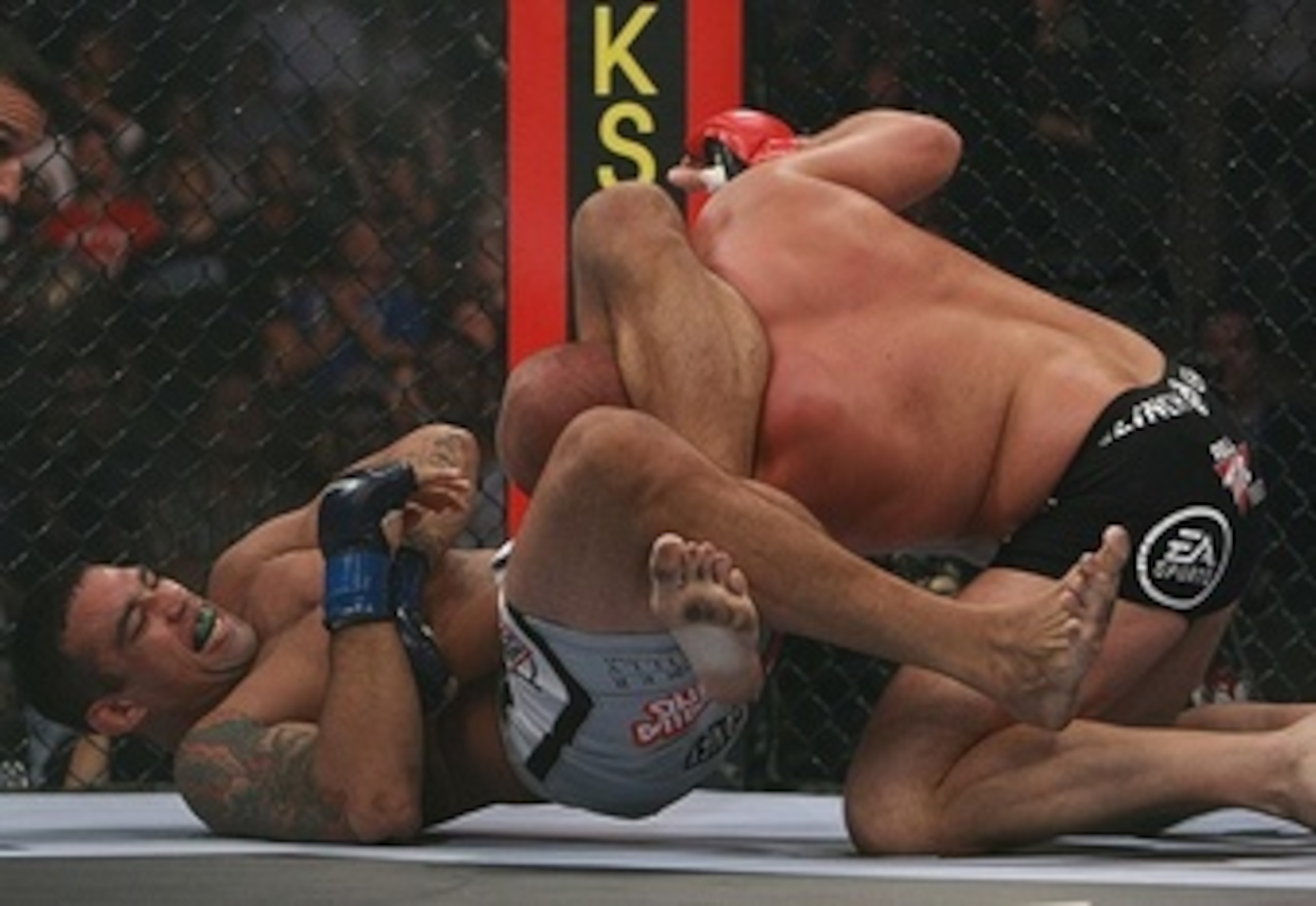
In 2003, Fedor Emelianenko won the Pride heavyweight championship by upsetting Antonio Rodrigo Nogueira via unanimous decision.
Following that win, Emelianenko went on to rule the heavyweight division by winning the 2004 Pride Grand Prix and defending his title against Mirko Cro Cop and Nogueira for a second time.
Following the collapse of Pride, he moved his show to America, knocking out two former UFC champions in the first round in Tim Sylvia and Andrei Arlovski. both were the top heavyweights in the UFC during much of Emelianenko's reign in Japan.
After an entertaining battle with Brett Rogers in his Strikeforce debut, Fedor knocked out his foe in the second round.
In his second appearance for Strikeforce, he was pitted against Jiu-Jitsu ace Fabricio Werdum in a match nobody was clamoring for and was assumed to be an easy night for Fedor.
To the absolute shock of everyone viewing, Werdum submitted Emelianenko in the first round, ending an era of invincibility that lasted the majority of the decade.
It took Fedor 10 years to face a legitimate defeat, but it had finally happened.
Fedor then went on to rebound against the massive Antonio Silva in the Strikeforce Grand Prix. In the second round, Silva was able to mount the much smaller Emelianenko and punish him for nearly the entire five minutes.
Following the round's conclusion, the ref called a halt to the bout, signaling what most assume to be the end of the greatest fighter in MMA's history.

.jpg?w=2560 "Rodgers Iced Out on Plane 💎")
.jpg?w=2560 "Raiders Could Start Mendoza")

.jpg?w=2560 "🚨 Week 8 AP Top 25 Poll")
.jpg?w=2560 "Packers Safety Slams Refs 🤬")

.jpg?w=2560 "Lamar Being Out Shocked Ravens")

.jpg?w=2560 "Mahomes Told Teammate to Leave Meeting")