
UFC: The Case for a Minor League System in MMA
 Dana White is clearly a man of vision.
He saw the massive potential in mixed martial arts and convinced the Fertitta brothers to make a risky investment and purchase the struggling Ultimate Fighting Championship promotion.
He grew up as a boxing fan and watched as the boxing business model, with individual promoters selling fighters as the brand name, slowly led to the sport’s decline.
TOP NEWS
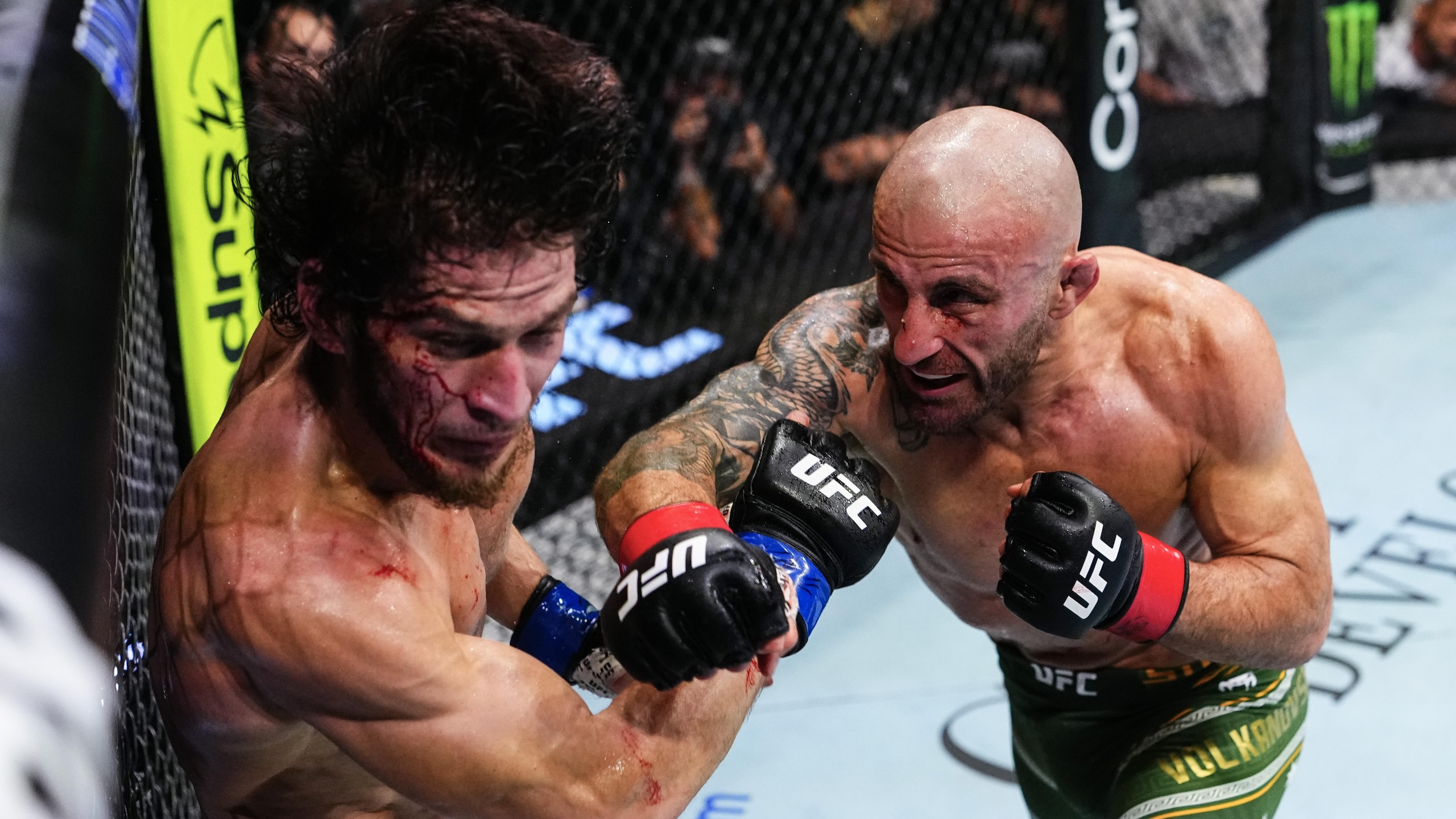
Volkanovski Retains UFC Title 🏆
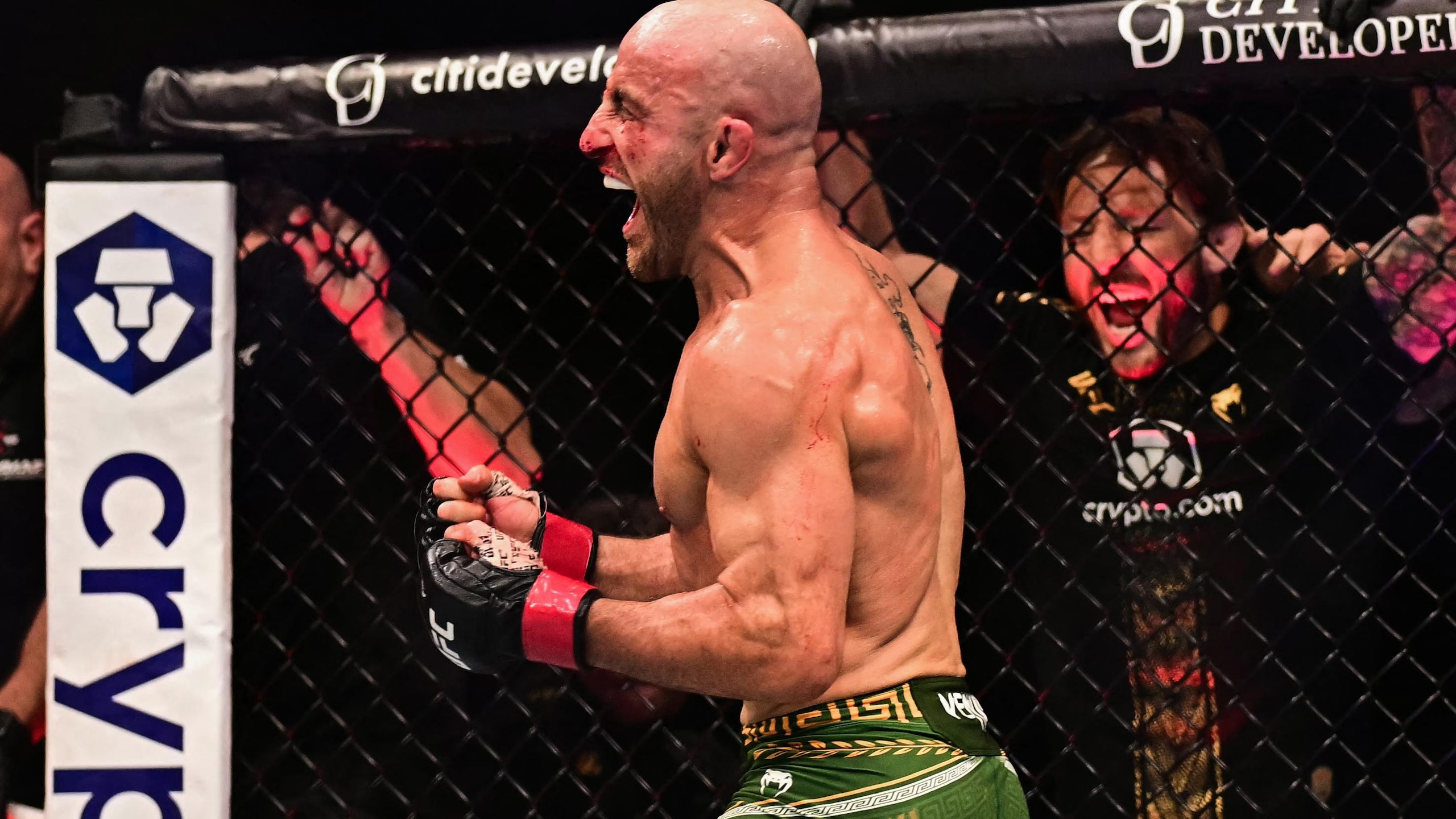
Volkanovski breaks record after title win at UFC 333

🚨 UFC 336 Fights Announced
As a result, he chose to emulate the business model of the NFL, NBA, MLB and NHL: the major league model.
A business model in which the league holds the lion’s share of the brand equity. A business model in which three letters convey all that is needed to know about that weekend’s entertainment.
The evolution of the UFC into the major leagues of combat sports has reached a level of success that would have been unimaginable just a few years ago. However, despite the sold-out shows and highlight clips on Sportscenter, that evolution is not yet complete.
There is one question that is still unanswered: if the UFC is the major leagues of fighting, then where are the minor leagues?
In the past few months the UFC has dropped Brandon Vera, Marcus Davis, Jamie Varner, Dustin Hazelett and Gerald Harris to name just a few. They are all indisputably talented fighters who have hit a rough patch in their careers.
Jamie Varner is a former WEC champion at 155 pounds, Brandon Vera was once the top contender for the heavyweight belt and Dustin Hazelett has fought in the co-main event of a UFC pay-per-view.
But in the shark tank that is the UFC in 2011, there is no room for a rough patch. Brandon Vera dropped three in a row, Marcus Davis lost four out of his last five and Gerald Harris lost just one fight after winning his first three in the UFC.
As it currently stands, when the UFC cuts a fighter, he is on his own. The fighter is usually faced with a decision: sign with a rival promotion such as Strikeforce or sign with a smaller promotion and hope that he will be welcomed back in the UFC after a couple of wins.
Both options carry risks. A fighter signing with Strikeforce runs the risk of incurring the wrath of Dana White. Dana White, in his quest to establish the UFC as the major leagues, has taken an extremely competitive stance towards the UFC’s rivals.
He will schedule competing events on short notice and has indicated that any fighter that appears in the EA Strikeforce video game will never be welcome in the Octagon.
Fighting under the Strikeforce banner probably offers the biggest payday, but displeasing Dana White could be ruinous in the long run.
So our fighter decides the take the alternative and sign with a smaller promotion. While there are a number of reputable, local promotions, it can be difficult to pick those out.
Last month, Nemesis Fighting held an event in the Dominican Republic. The fights were supposed to be streamed live on the Internet and the event attracted several well-known fighters such as Keith Jardine and Paul Buentello.
From all accounts, the event was a disaster. It doesn’t appear that any of the fighters were compensated and the administration of the fights did not approach a professional level.
Several fighters have said that the timing for the fights was done with a cell phone and that the medical assistance on-hand consisted of a “toolbox full of Band-Aids.”
The UFC owes better to these fighters. Brandon Vera and Keith Jardine have fought in the main event numerous times. Marcus Davis and Dustin Hazelett made a habit of collecting fight night awards.
They have contributed to the UFC’s phenomenal success over the last five years and there is good chance that they will do so again before they hang up the gloves.
The UFC also owes itself better. The Zuffa marketing machine has made these guys stars. It shouldn’t have to cut ties with these guys after a few losses. Building up a fighter and then handing him over to a rival promotion isn’t good business.
With the addition of the featherweight and bantamweight divisions, maintaining a spot on the UFC roster is going to be even more competitive.
It’s time to establish a minor league system. This will both develop up-and-coming fighters and provide an opportunity for established fighters to get their career back on track.
Zuffa should emulate the MLB model where the minor league teams are independently owned and operated. The regional MMA promotions already exist and would jump at the chance to co-brand with the UFC.
This would increase attendance and allow the fighters to make more money as they are working their way to the UFC.
It would also cement the UFC’s position as the king of the hill in MMA. It would be extremely difficult for a promotion to rise to the level of Strikeforce if it consistently sends its best fighters to the UFC.
Most importantly, a minor league system would allow Zuffa to tell the Brandon Vera’s of the world that they are still part of the family while they get their career back on track. It is the next step in the evolution of the UFC as the major leagues of fighting.

_0.png?w=2560 "Unranked Teams Cause Chaos in Rankings 📊")
.png?w=2560 "Week 8 Winners & Losers 📊")

.jpg?w=2560 "Jonathan Taylor Landing Spots 📍")




