
College Basketball: 10 Mid-Majors Capable of a Run To The Sweet 16
Every year, mid-majors advance in the NCAA Tournament. They might be smaller, less athletic and, in almost every case, less well-known than their opponents, yet they find ways to win.
Last season, eight mid-majors won one tournament game and four advanced to the Sweet 16.
Statistics show that it is highly unlikely that all 10 teams in this slideshow will advance to the second weekend, but if 10 mid-majors were to reach the Sweet 16, these are your most probable.
Follow me on Twitter for more mid-major basketball articles.
10. North Texas
1 of 10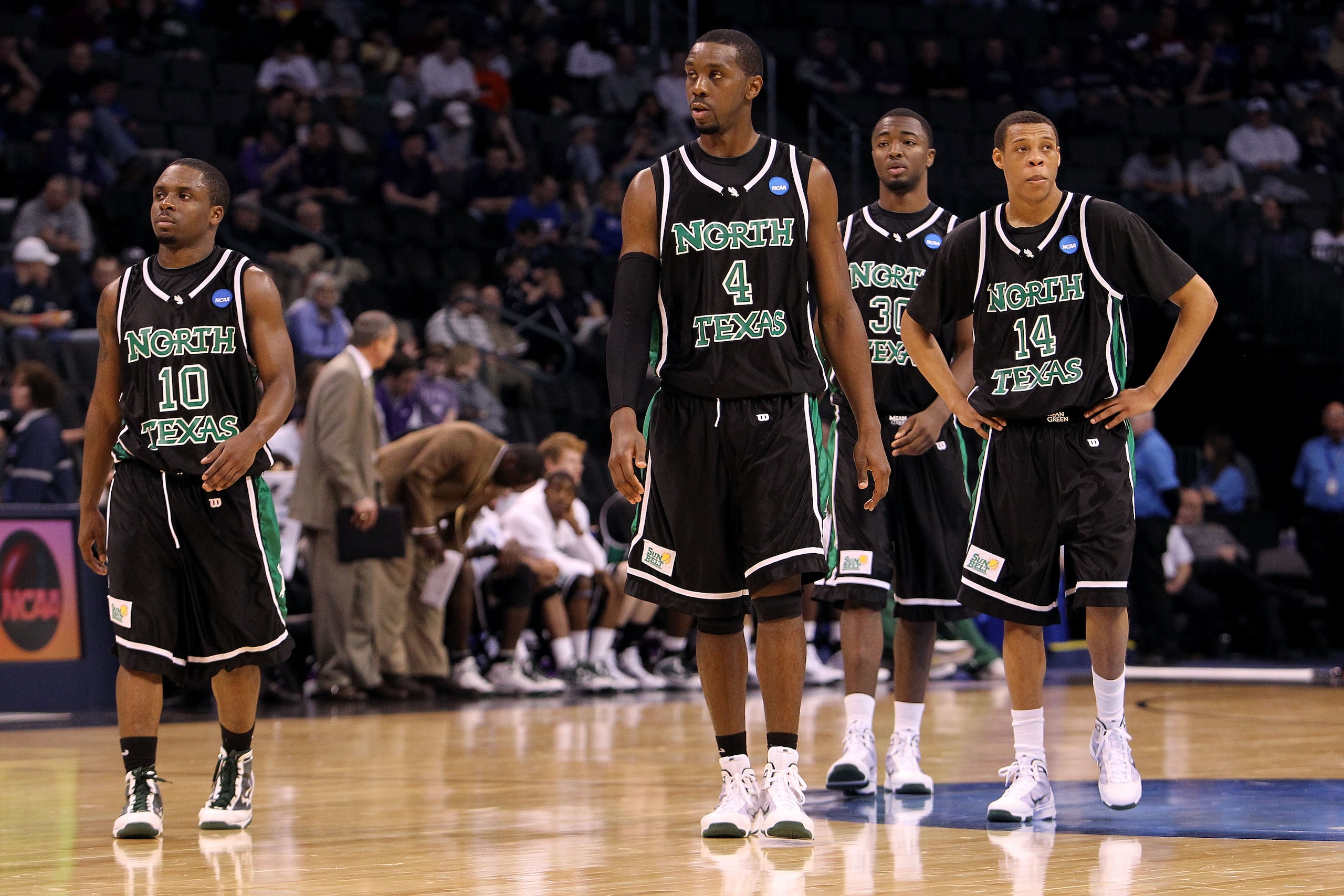
You can say they lack a signature win—Texas Tech and LSU are not as impressive as they were half a decade ago. You can point to the blowout at Kansas and the 18-point loss at Sam Houston State.
While those are valid reasons to question the Mean Green's legitimacy, you'd be foolish to overlook a 13-2 mid-major led by six seniors, all of whom played on a tournament team a season ago.
North Texas is a very efficient offensive team that shoots the ball well from everywhere on the floor. As a team, the Mean Green convert 48.5 percent of their field goals and 37.4 percent of their treys.
Most remarkable, however, is North Texas' penchant for earning trips to the charity stripe, where the Mean Green shoot 75.7 percent. In its 15 games this season, North Texas averaged 27.9 free throw attempts. Only seven other teams have made it to the foul line more times per game.
We've all witnessed Big Six schools tip off the tournament without any motivation only to enter halftime trailing to a school like North Texas.
With its ability to score efficiently and get to the foul line, North Texas is definitely capable of flustering a higher-seeded opponent to the point of elimination.
9. Charleston
2 of 10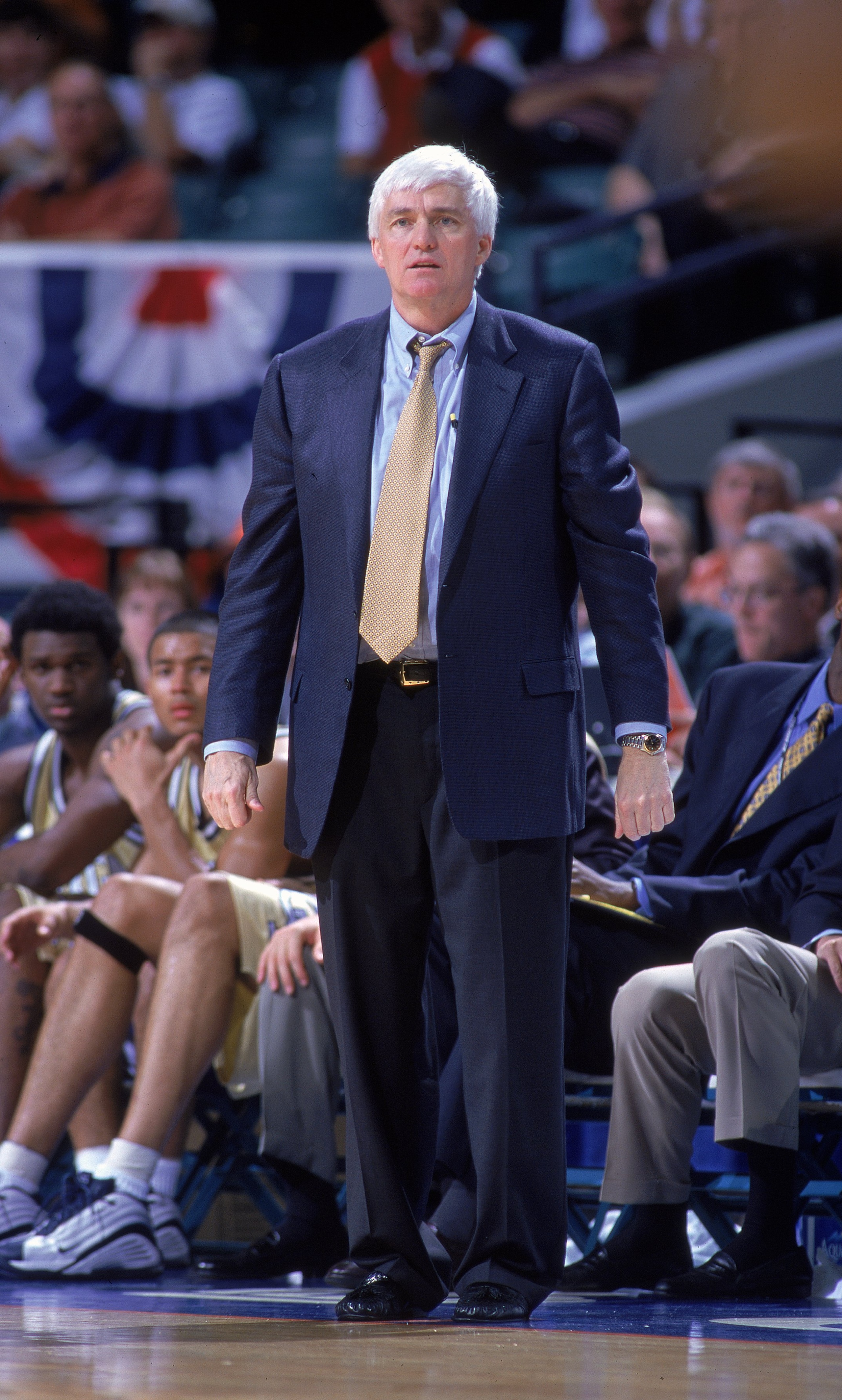
At the start of the season, Wofford was the SoCon's team to beat. However, the Terriers stumbled in non-conference play and the Cougars emerged as the SoCon's premier team by beating Tennessee and playing close games with UNC, Maryland, Clemson, and Rhode Island.
Bobby Cremins uses a seven-man rotation consisting of four seniors, two sophomores and a freshman. One of his seniors, Andrew Goudelock, is one of the best mid-major guards in the country.
Goudelock is averaging 22.9 points per game and shooting 41.7 percent from beyond the arc. He and fellow senior Donovan Moore combined for 58 points in the upset of Tennessee.
Charleston's defense probably won't be the reason for the Cougars' advancement in the tourney, but as they showed against Tennessee, they can outshoot better teams.
If given the right matchup, Charleston has the experience and offense to find itself playing on the second weekend.
8. Cleveland State
3 of 10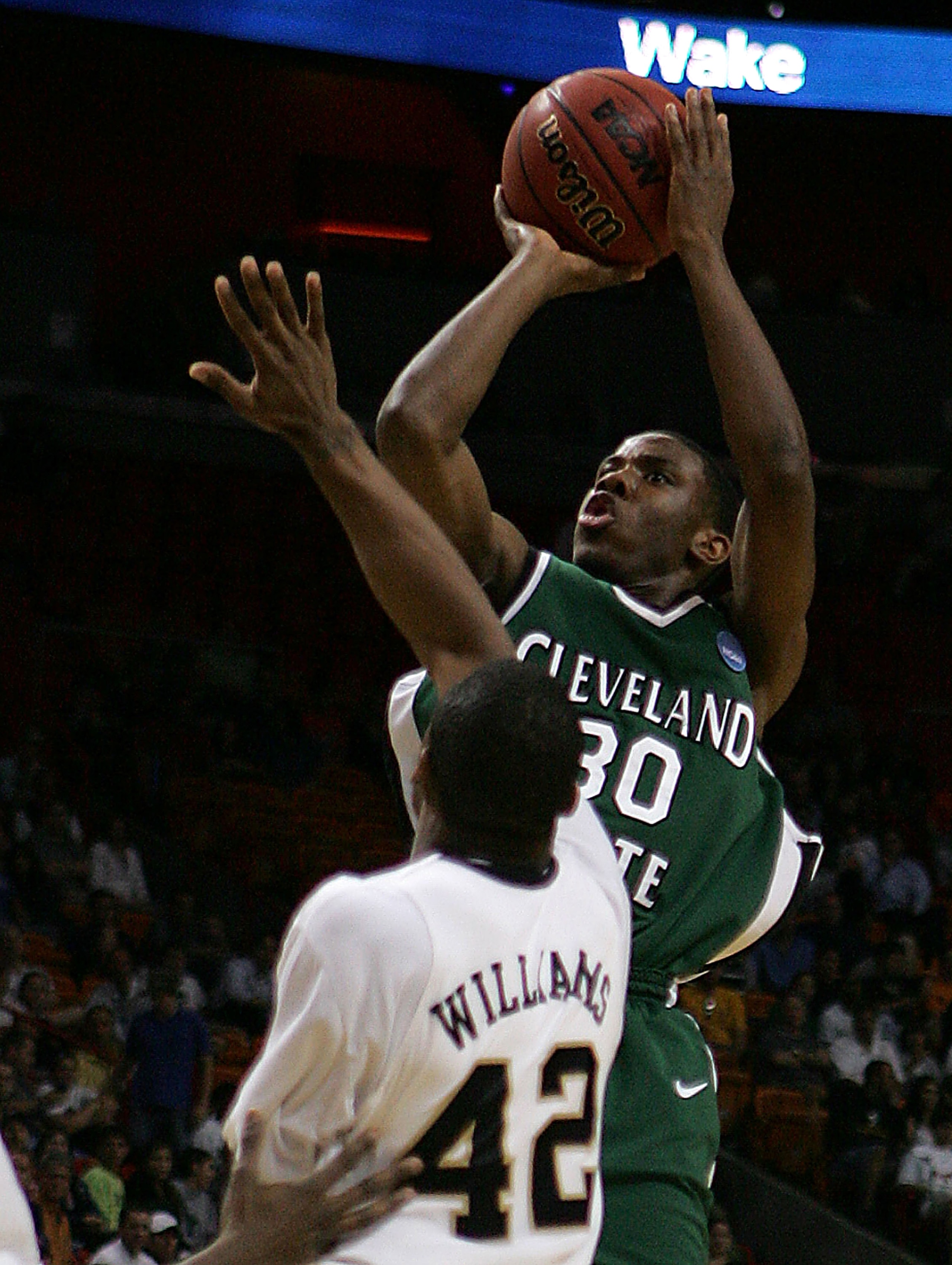
Few, if any, in the nation knew Norris Cole was this good. Through 16 games, Cleveland State's senior point guard is averaging career highs in every statistical category and he's the main reason the Vikings have exceeded expectations.
Cole isn't the sole upperclassman leading the way. In fact, Cleveland State's next three leading scorers are juniors. Cole is averaging 20.9 points while juniors Trevon Harmon, Jeremy Montgomery and Aaron Pogue account for an additional 33.4 points per game.
Although Cleveland State failed its only test against a contending Big Six school—West Virginia—the Vikings have not slipped up in any other game, beating quality mid-majors Iona, Kent State, and Akron along the way to a 15-1 start.
The Vikings aren't particularly big. Their top three players in minutes played—Cole, Harmon and Montgomery—are guards, and the offense is primarily structured around them. Defensively, Cleveland State doesn't have an imposing shot-blocker.
Even without notable size, the Vikings have the ability to play with taller teams because they cancel out their disadvantage down low by taking care of the ball.
Only 23 other teams in the country commit fewer turnovers than Cleveland State, which hands the rock over 11.4 times per game.

.jpg?w=2560)
7. Oakland
4 of 10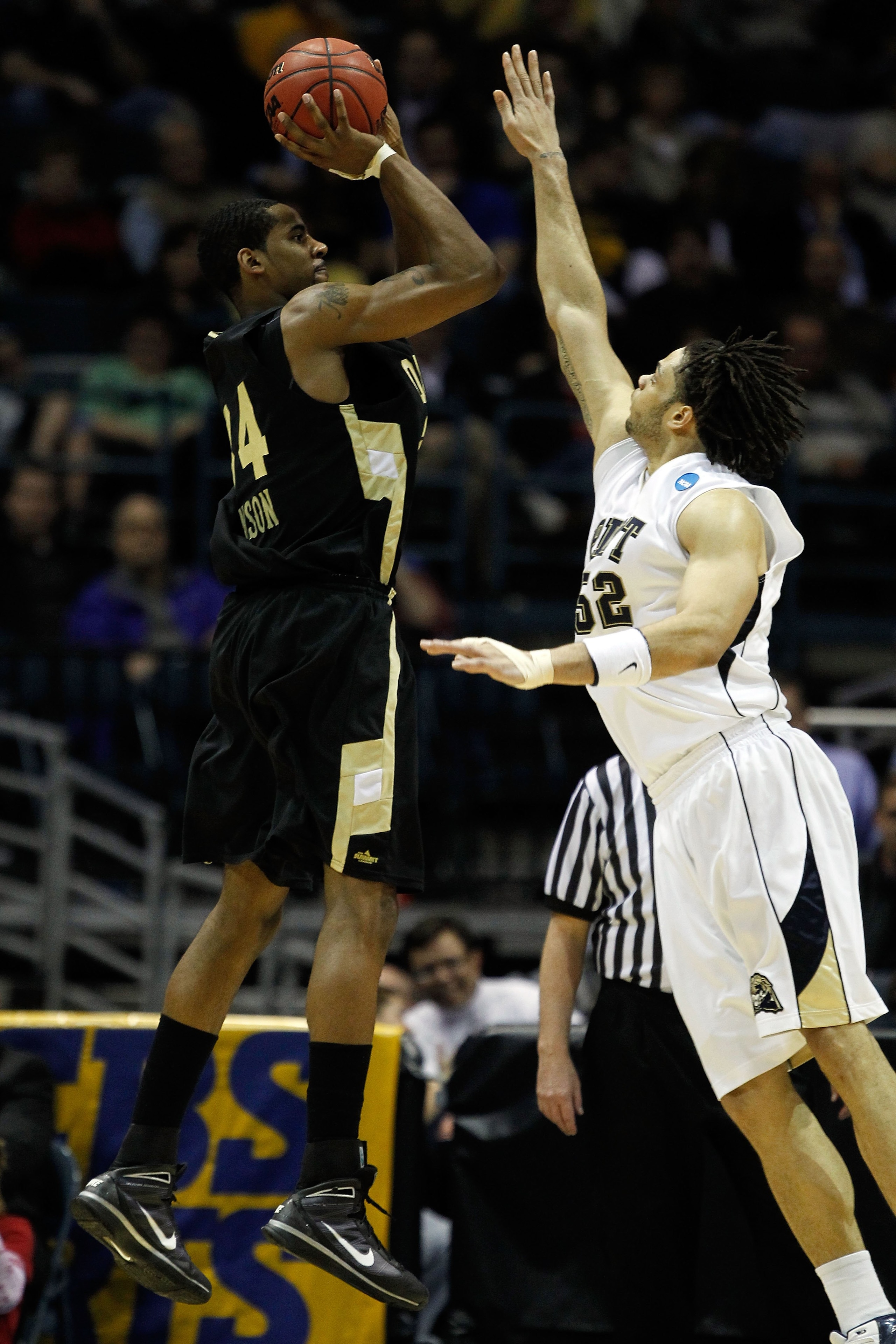
Oakland's 9-8 record doesn't accurately portray the potential of Greg Kampe's squad. Kampe scheduled five games against top 25 teams and his Grizzlies went 1-4—they were one defensive rebound away from having a legitimate chance of upsetting Michigan State.
If you haven't heard yet, Oakland has one of the best centers in the country. Senior Keith Benson, who can score down low or even as deep as three-point territory, is averaging 17.6 points, 10.4 rebounds, and 3.5 blocks per game.
He's a game-changing player, the type that opponents spend hours studying and preparing to face.
Experience is always an essential criterion for mid-major success in March and the Grizzlies have plenty of it. Benson and fellow upperclassmen Reggie Hamilton, Larry Wright and Will Hudson comprise Oakland's core.
According to Kenpom, Oakland is No. 34 in offensive efficiency. The Grizzlies score 112.2 points per 100 possessions and shoot well from the floor, both of which are ingredients for a potential Sweet 16 run.
Despite Oakland's 9-8 record, ESPN Bracketologist Joe Lunardi currently has the Grizzlies as a No. 13 seed. Kampe's team has already proven it can play with top competition, so as long as the Grizzlies acquire a reasonable seed, they have the ability to do damage in the tournament.
6. Old Dominion
5 of 10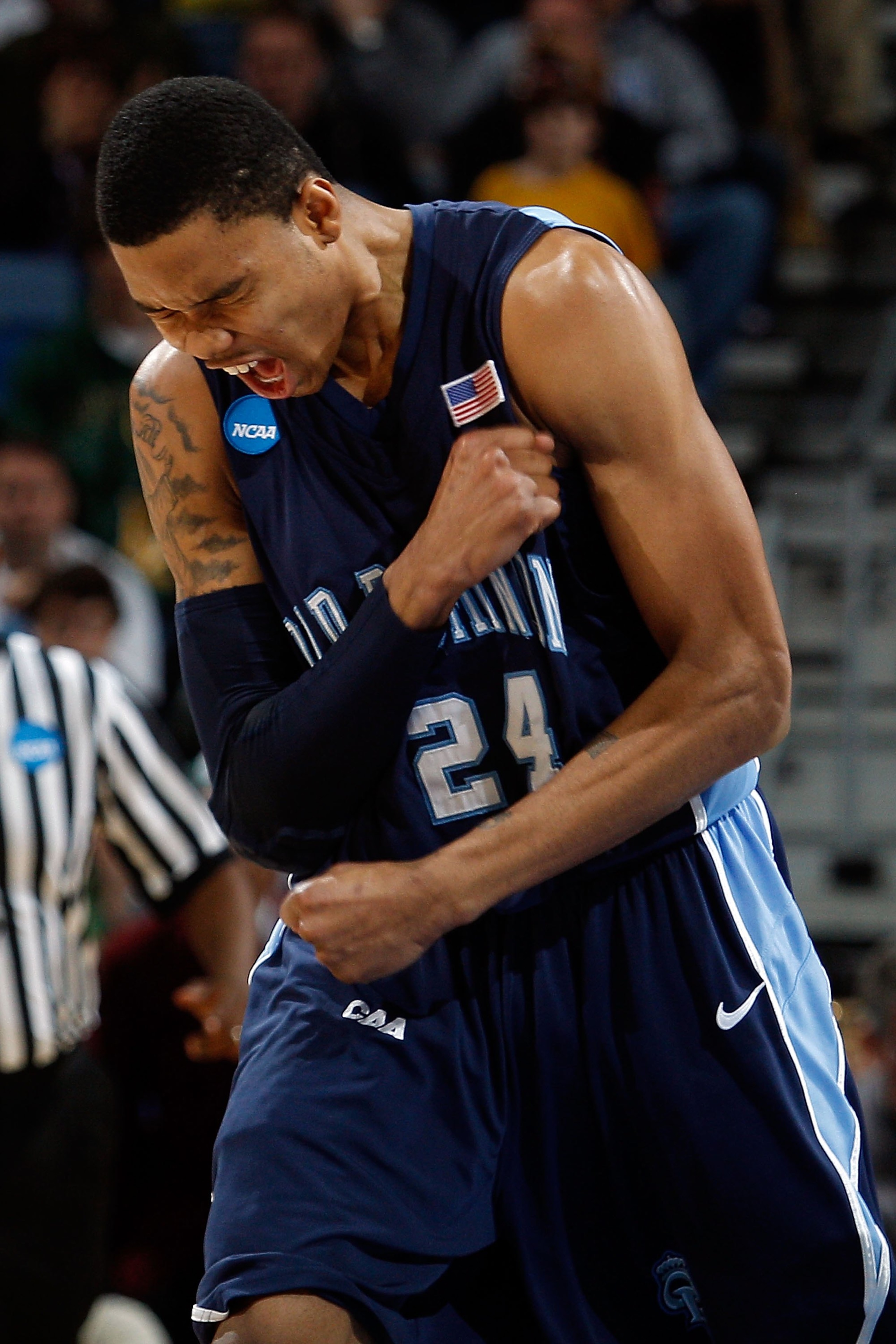
Sometimes losing a player like Gerald Lee can severely set back a mid-major program. However, Blaine Taylor didn't have much of an issue adjusting his system to replace his 6'10" center.
Taylor's Old Dominion Monarchs are 10-3 and have quality wins against Xavier, Richmond, Clemson and Dayton, without Lee.
The Monarchs still slow down the game by taking their time to find a good shot on offense while making their opponents work extremely hard to get a good look at the hoop. Kenpom ranks ODU No. 82 in offensive efficiency—despite its mediocre shooting percentages—and No. 63 in defensive efficiency.
The ability to control the pace is essential to Old Dominion's success. Last week, the Monarchs embarrassed themselves at Missouri by allowing the Tigers to speed up the game and drop 81 points on them.
However, the Monarchs were able to stay close with Georgetown by limiting the Hoyas' possessions.
Old Dominion's core of Frank Hassell, Kent Bazemore, Ben Finney, Keyon Carter and Darius James all have the experience of playing—and winning—in the tournament. Combine that with ODU's efficient tendencies and the Monarchs should be tough in March.
5. Utah State
6 of 10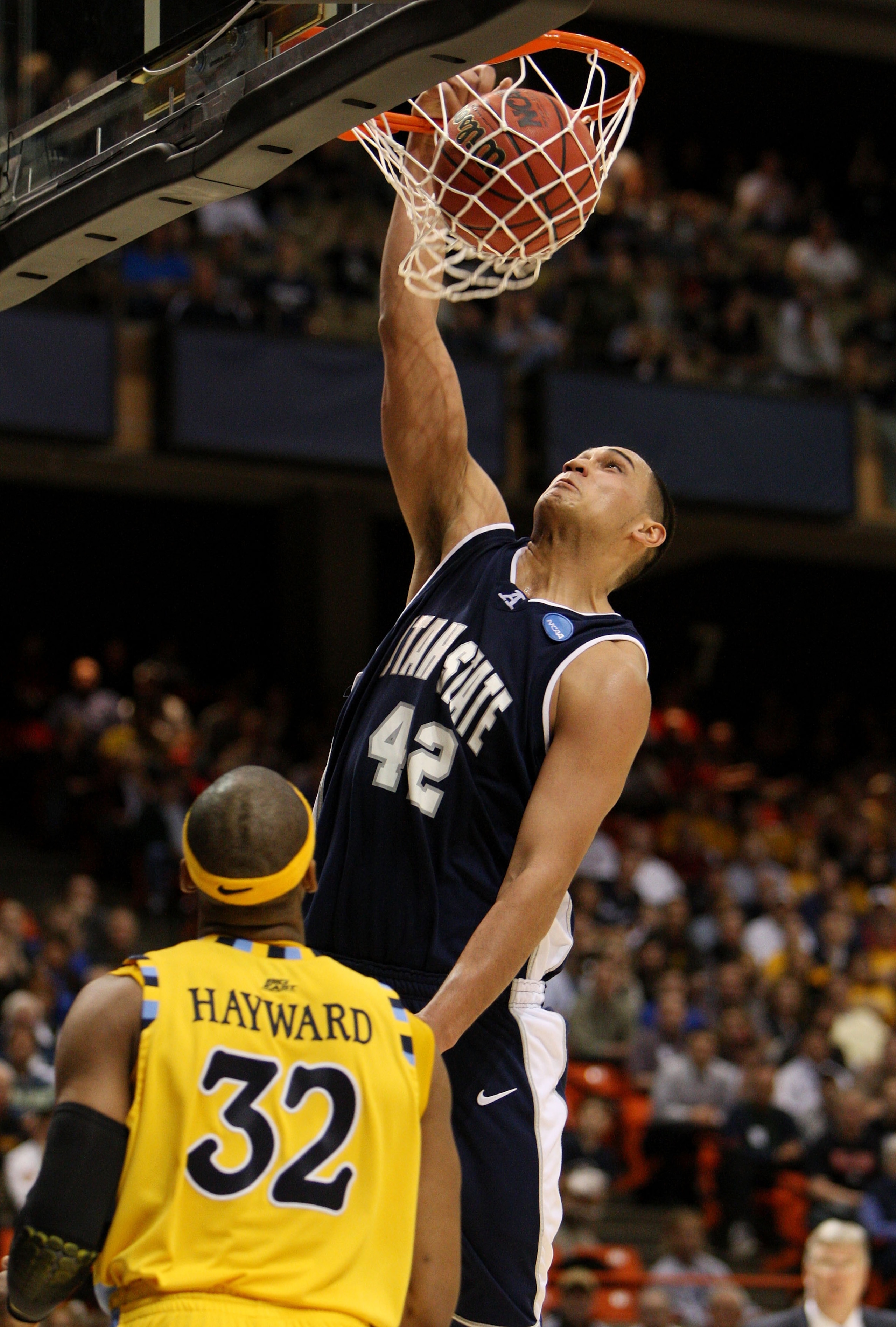
In each of the last two seasons, Utah State benefited from its padded non-conference slate and steamrolled the WAC, only to lose in the first round of the tournament.
The Aggies lost a heartbreaker to Marquette in 2009 and then were demolished by a Texas A&M team they didn't match up with well.
This could be the year that Utah State reaches the Sweet 16.
First of all, the Aggies are led by upperclassmen, most of whom appeared in at least one of the recent first-round exits. Tai Wesley, Brian Green, Nate Bendall, Pooh Williams, Brady Jardine and Tyler Newbold have all been to the tournament and their experience in the Big Dance will help when the Aggies return to March Madness.
Also, Utah State is extremely efficient on both ends of the floor. Kenpom has the Aggies at No. 36 in offensive efficiency and No. 49 in defensive efficiency. Utah State is also No. 1 in preventing opponents from snatching offensive boards.
In terms of style, the Aggies have a nice balance of guards and big men. Wesley and Jardine are probably both top five power forwards in the WAC, and Green, Williams, Newbold, and Brockeith Pane combine for 36.5 points per game.
In other words, Utah State efficiently employs an offensive system utilizing all of its weapons instead of focusing on one centerpiece.
Utah State is experienced and balanced. The Aggies are poised to play on the tournament's second weekend.
4. Wichita State
7 of 10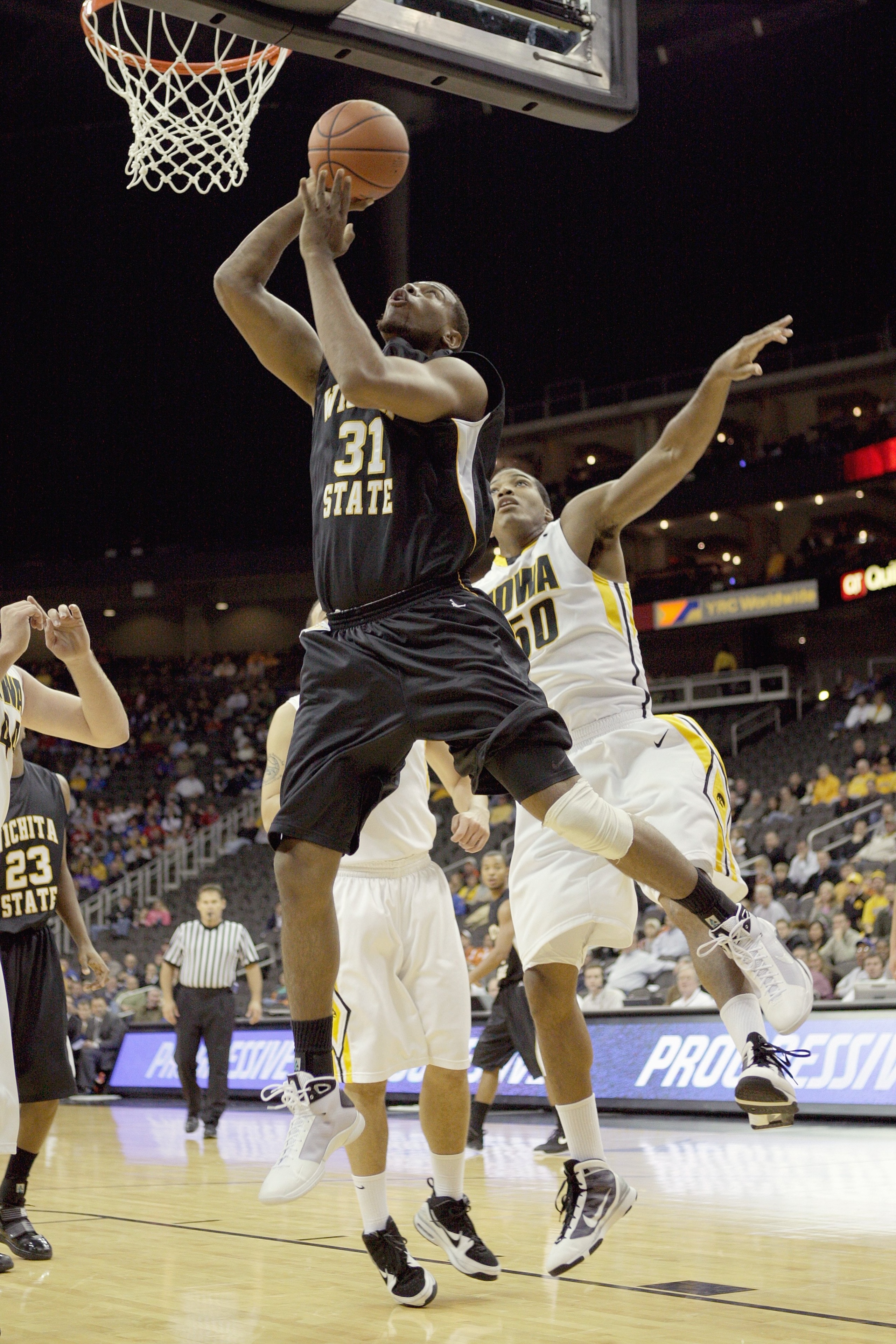
Although Wichita State lacks a quality win, it doesn't have a resume-busting loss. The Shockers have fallen to UConn by four and to undefeated San Diego State, but they have beaten every other team on their schedule.
Wichita State is a potential Sweet 16 team for the same reasons it currently stands at 12-2. The Shockers have an 11-man rotation consisting of 10 upperclassmen and one sophomore, all of whom are reliable contributors.
They are also No. 16 in offensive efficiency, according to Kenpom, because they shoot 48.7 percent from the floor, 39.4 percent from deep and 74.3 percent from the stripe.
The duo of Toure' Murry and J.T. Durley was hyped in the preseason as the Shockers' leading force, but that was because nobody foresaw the emergence of David Kyles, who is leading the team with 13.2 points per game while shooting 52.6 percent from the field and 47.4 percent from long range.
Kyles is averaging nearly three treys per game and if perimeter defenders allot the majority of their attention to him, other capable three-point shooters will make them pay.
Although offense is Wichita State's forte, the Shockers aren't shabby on defense. Kenpom lists them at No. 104 in defensive efficiency, but the Shockers are only worse than 14 other teams on the defensive glass—opponents only grab offensive rebounds on 26.7 percent of their misses.
3. Saint Mary's
8 of 10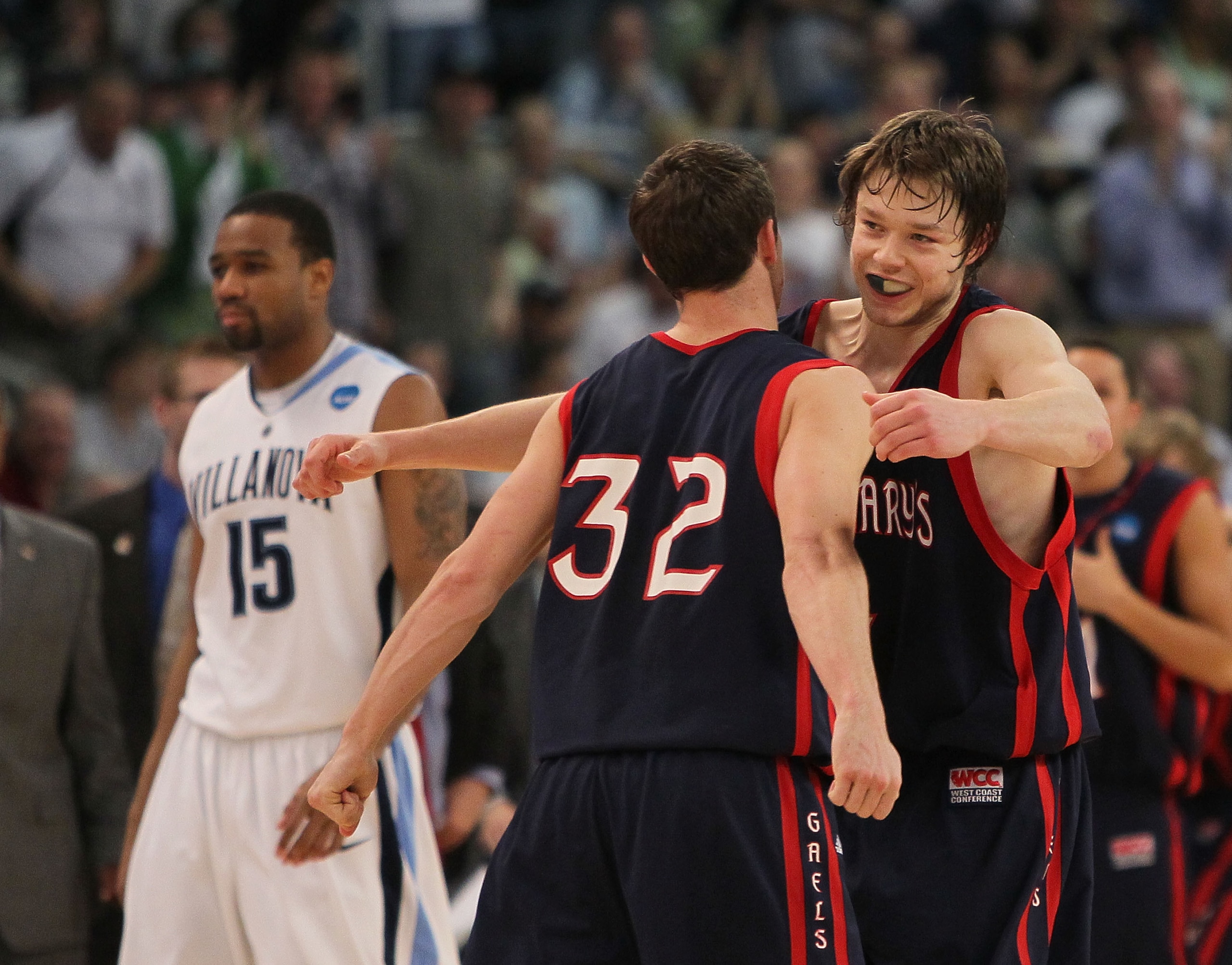
Saint Mary's has moved on from the Omar Samhan days quite easily. The Gaels have beaten St. John's and Mississippi State—albeit a depleted Mississippi State—and have only lost to BYU by one and San Diego State.
Saint Mary's has the senior leadership of point guard Mickey McConnell, who leads the team with 14.2 points per game. McConnell is joined in the backcourt by Matthew Dellavedova, a sophomore who plays with the poise of a senior. Together, the duo is averaging 11.4 assists to 4.1 turnovers per game.
Strong guard play often propels mid-majors in the tournament and Saint Mary's definitely has a skillful backcourt.
Rob Jones, Clint Steindl and Mitchell Young have done an applaudable job of replacing Samhan and Ben Allen in the frontcourt.
As a bonus, Jones and Steindl can both shoot from long range. When four of your five starters are legitimate deep threats, you'll always stand a chance of competing in the tournament.
Thanks to their ability to distribute and shoot, the Gaels are No. 12 in offensive efficiency. Saint Mary's is also No. 64 in defensive efficiency.
Any team that can score as effectively as the Gaels and provide solid defense on the other end is built for a March run.
2. Butler
9 of 10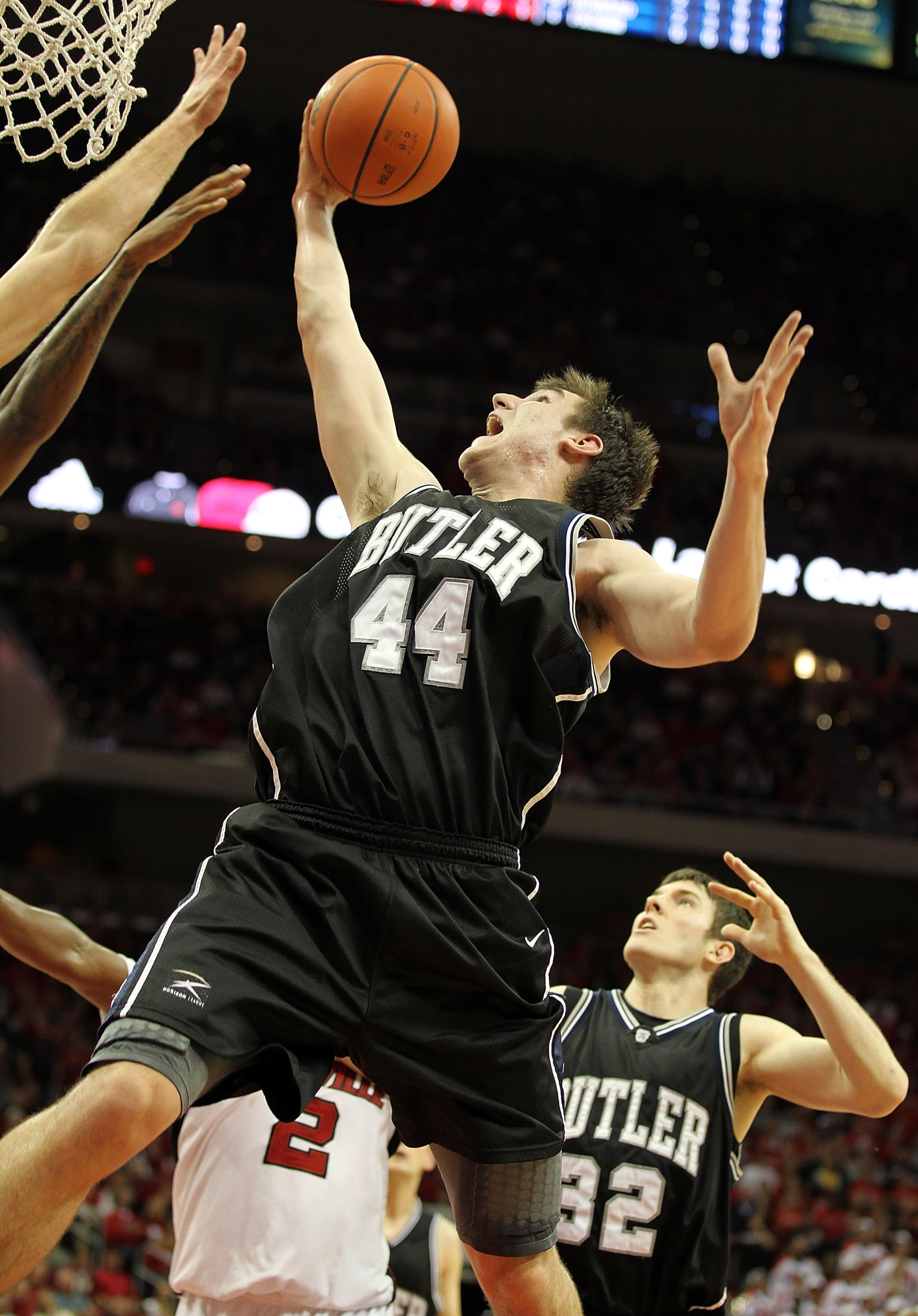
If any current mid-major has tournament experience, it's Butler.
Sure, Gordon Hayward, Willie Veasley and Avery Jukes graduated from a team that reached the national championship a year ago. But the remaining Bulldogs are talented and have the experience to make another run...although it will probably be a mini-run in all likelihood.
Matt Howard is having the best season of his collegiate career and Shelvin Mack is a future pro. Beyond its leading tandem, Butler has a group of dependable players such as Andrew Smith, Shawn Vanzant, Ronald Nored and Zach Hahn, all of whom played last season.
Nored is the tenacious defender and Hahn is the lights-out shooter every contender needs. Hahn is only shooting 28.8 percent from long range thus far, but he has never shot below 37.8 percent for a season and the law of averages should raise his mark.
The Bulldogs are No. 33 in offensive efficiency and have quality wins over Florida State and Washington State to their credit.
They have lost by two to Xavier and by 12 to the defending champions, but have also coughed up confounding losses to Evansville and UW-Milwaukee.
Don't throw the losses out the window, but look at the positives. This team can play and has the potential to reach the Sweet 16 once again.
1. Gonzaga
10 of 10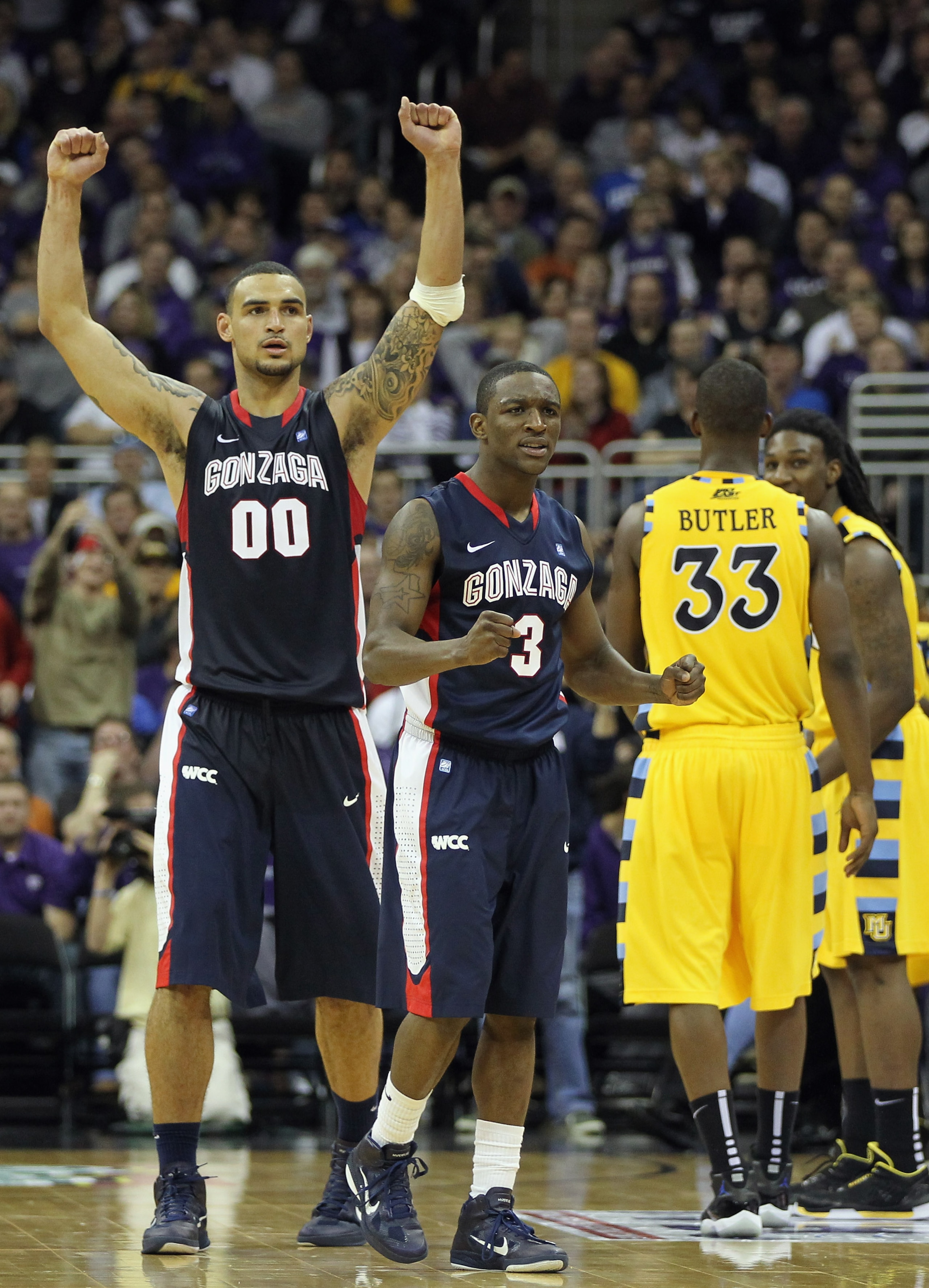
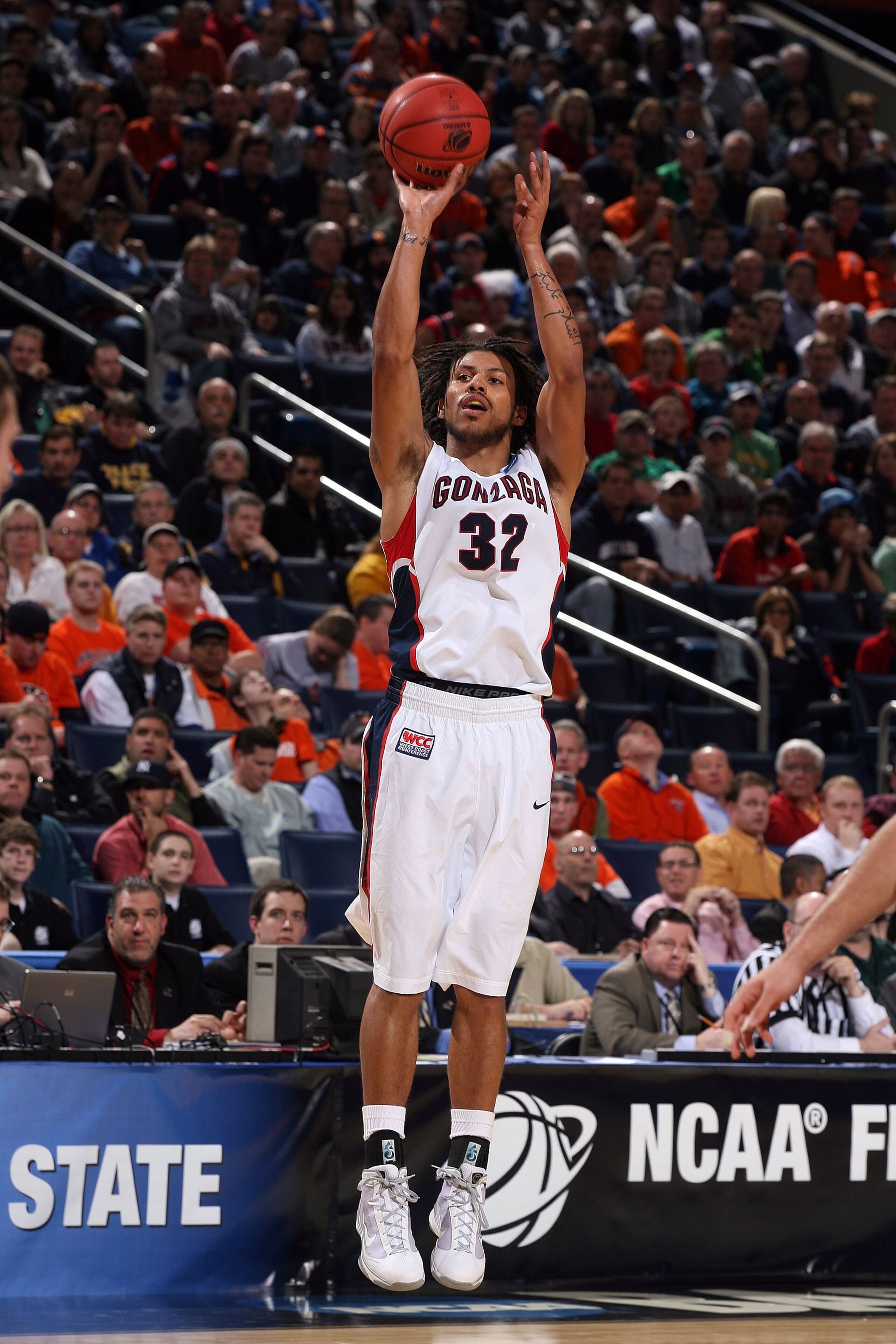
Gonzaga may have struggled early, but the Bulldogs have a well-balanced team capable of reaching the Sweet 16.
Steven Gray and Mathis Monninghoff can shoot: Robert Sacre, Elias Harris and Kelly Olynyk can grab rebounds and score. Almost every Bulldog plays more than 10 minutes per game and eight average more than 5.4 points per game.
Gonzaga has shooting, scoring, size, depth, and a leader in Gray. Ranking No. 42 in offensive efficiency and No. 37 in defensive efficiency, it is devoted on both ends of the floor.
The Bulldogs' big three of Gray, Sacre, and Harris is superior to that of every mid-major and even several Big Six tournament teams. With several pieces to complement its trio, Gonzaga is the No. 1 mid-major Sweet 16 candidate.


.jpg?w=2560 "Nabers' Recent IG Post 👀")
.jpg?w=2560 "Landon Dickerson Placed on IR")