

Cliff Lee: Is Any Pitcher Really Worth a Six-Year, $140 Million Contract?
Cliff Lee is undoubtedly the biggest free agent name on the market this offseason, and with good reason. The 32-year old hits almost every key point on the checklist for a must-have pitcher: He's a dominant, left-handed starting pitcher, who's capable of striking guys out or getting players to ground out and is in the midst of his prime.
Reports are coming in that Lee has been offered a six-year, $140 million contract by the New York Yankees, who covet his services to an almost obsessive degree.
Lee's a great pitcher, to be sure; but is he, or any pitcher for that matter, worth a contract of that magnitude? We're taking a look at both sides of the argument, giving you five reasons why no one is worth that kind of money, and five reasons why Lee is the exception to the rule.
Why They're Not Worth It 5: Pitchers Are Finicky
1 of 11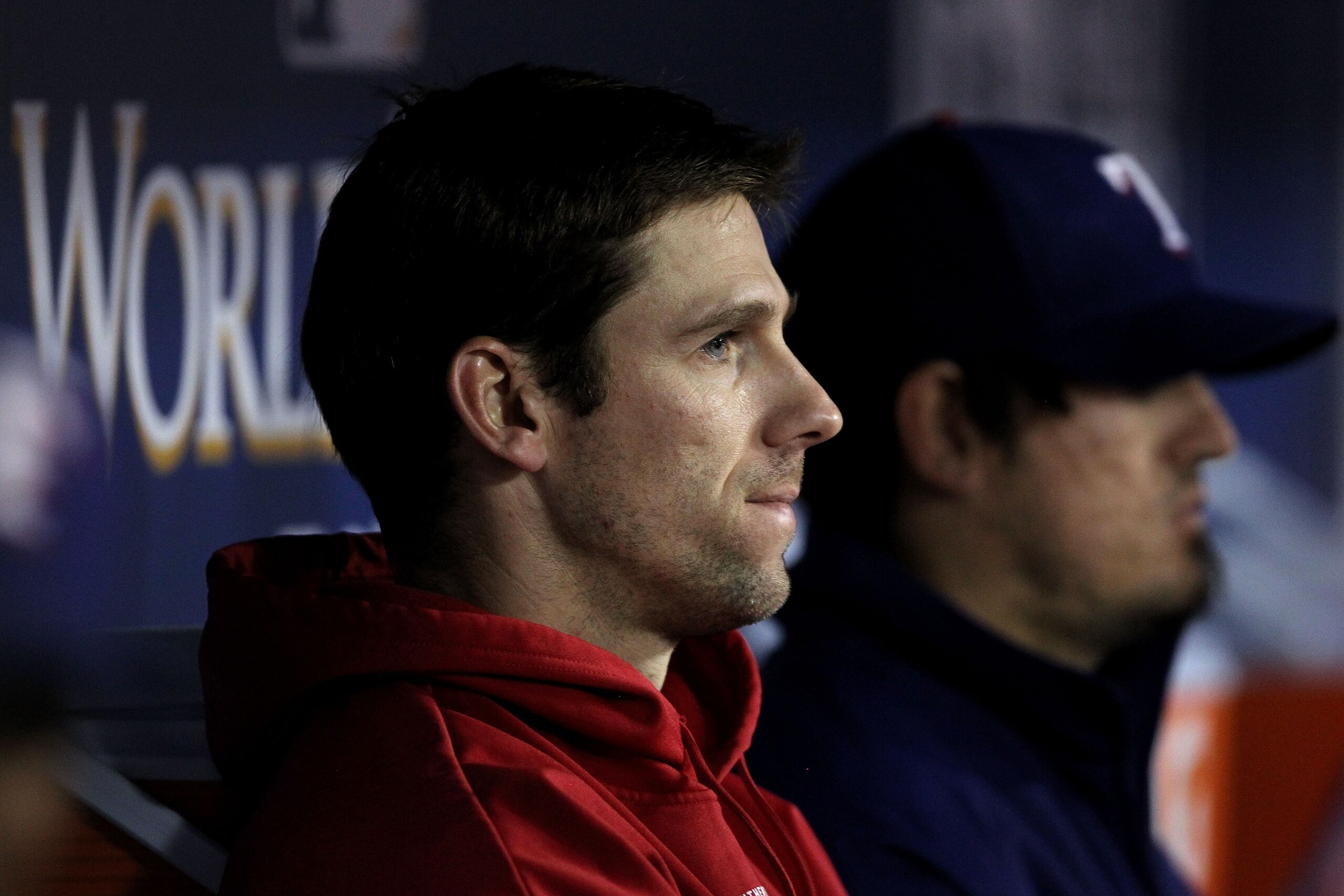
This is just a fact. Pitchers are some of the most scattershot, random athletes on Earth. So much goes into their play that it doesn't take much for them to get out of rhythm.
Even if they are in rhythm, it's no guarantee that a pitcher will have success. So much of their success is based on the defense behind them, the hitter at the plate and even the weather and crowd.
With so many variables potentially impacting a pitcher, it seems like a foolish investment to put that much money into one player.
Why They're Worth It 5: Pitchers Are Extremely Important
2 of 11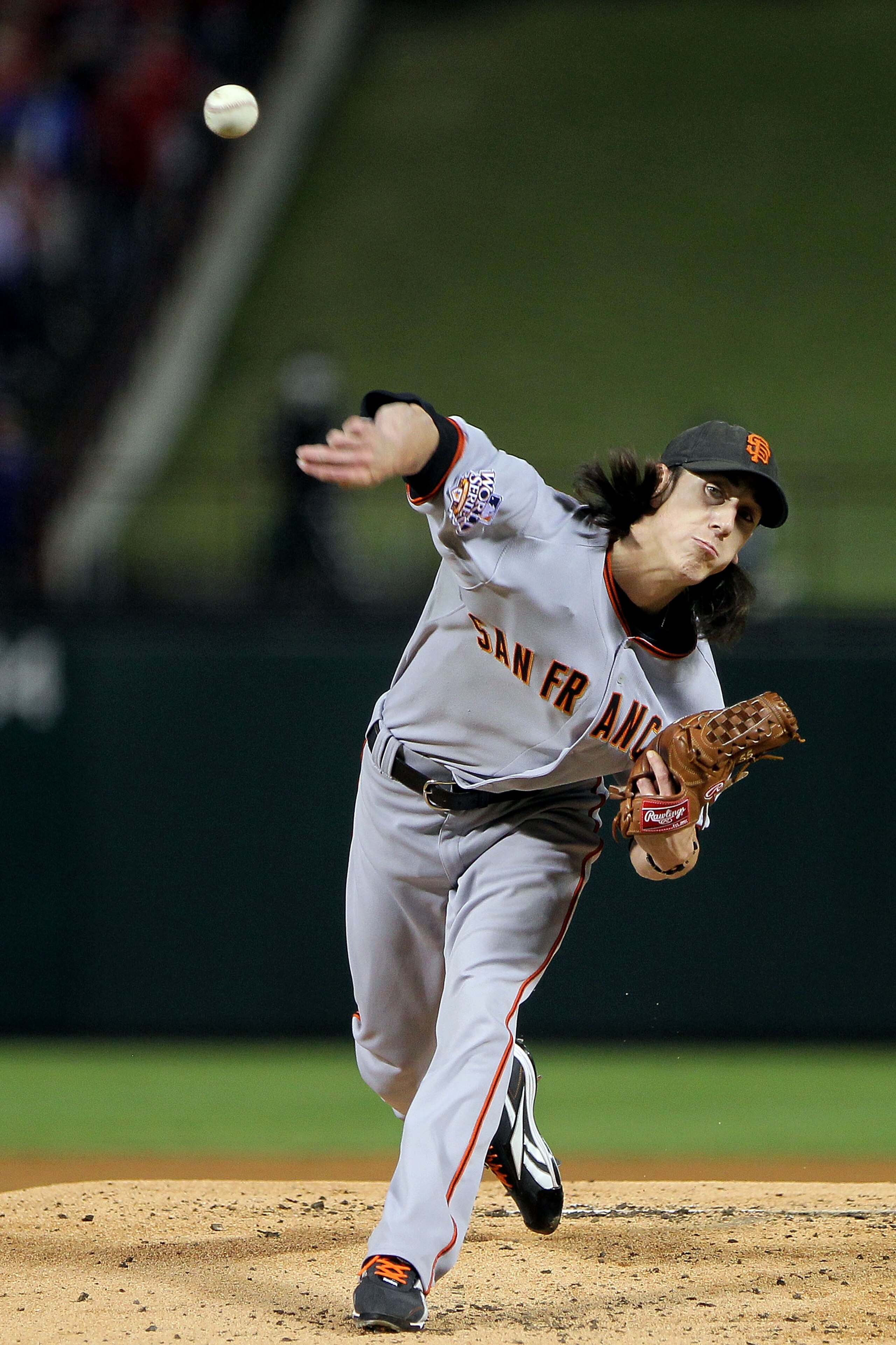
I know; shocking, right? But it's a truth many people forget.
Pitchers might be the most important players on the baseball field. So many things are dependent on their ability to get batters out, or not get batters out, that it makes perfect sense to pay them so much money.
Why They're Not Worth It 4: Carl Pavano
3 of 11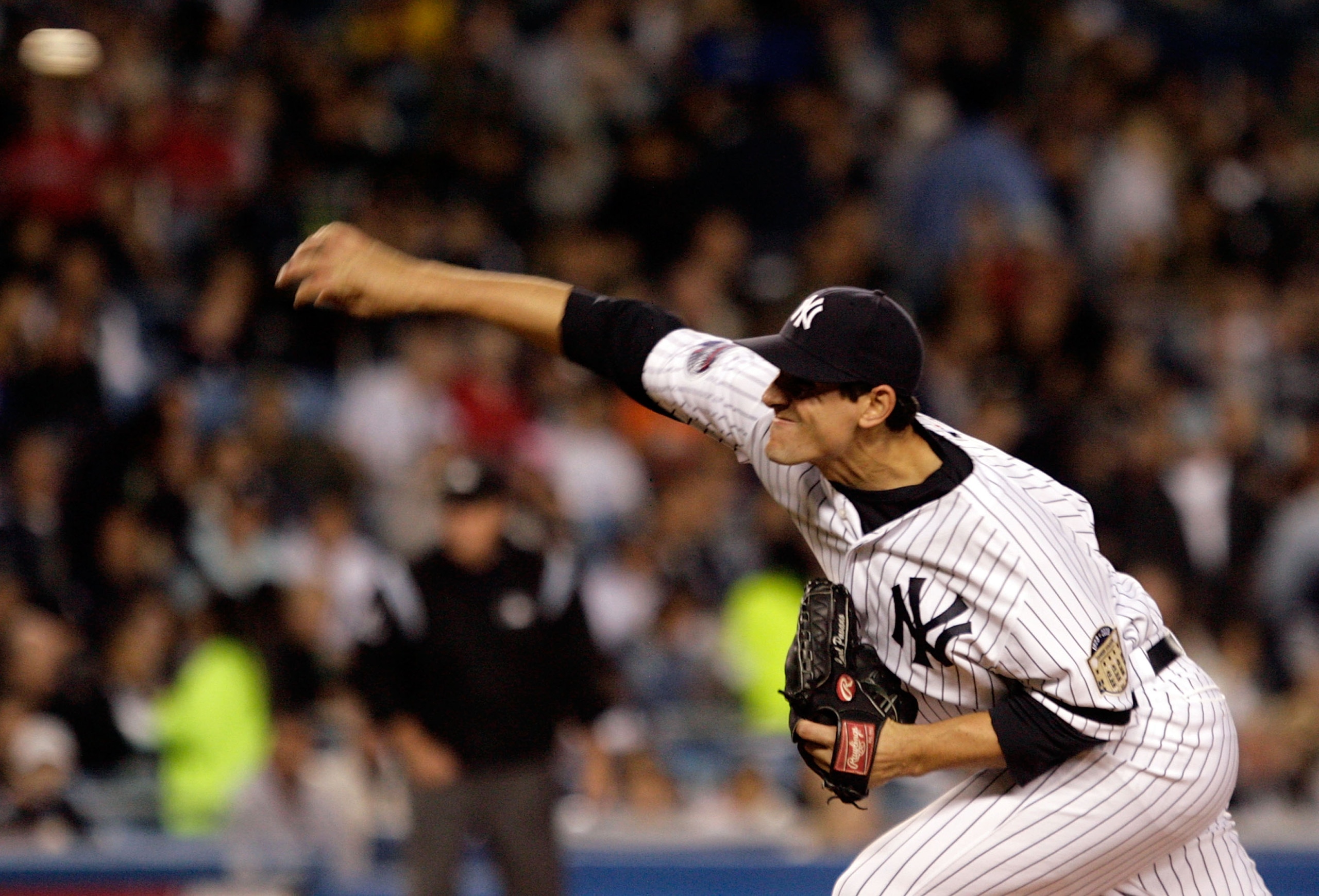
You remember Pavano; he gained infamy in the Bronx after signing a four-year contract worth $40 million, paying him $10 million a year in 2006. After two injury plagued seasons in New York, Pavano was released by the Yankees.
While this isn't as expensive of a contract as Lee's, it does show that some pitchers aren't equipped to handle the rigors of a big contract in a major market. Is it really worth the risk to give a pitcher a contract that size, when he might not handle the transition well?



Why It's Worth It 4: Periods Of Dominance
4 of 11
Great players' peaks aren't really peaks; they're more like plateaus that can last three, five or even 10 years.
Why are dominant pitchers worth so much money? Because while great hitters will never get a hit more than one out of every three at-bats, great pitchers are capable of shutting down an entire team over an extended period of time.
That kind of guaranteed excellence is one of the biggest reasons why pitchers deserve such massive contracts.
Why It's Not Worth It 3: Denny Neagle
5 of 11
Neagle was a fairly strong pitcher for the Braves, Reds and Yankees between 1995 and 2000. But, in December of 2000, the Rockies signed the reliable lefty to a 5 year, $51 million contract, and almost immediately, things imploded.
Neagle went 17-19 with a 5.38 ERA in his first two seasons in Denver, and his career was eventually derailed by injuries and run-ins with the law.
While much of Neagle's difficulty was caused by Coors Field's thin air, Denny serves as an example of why signing a pitcher to a big contract is a risky venture.
Why They're Worth It 3: Roy Halladay
6 of 11
Doc was already one of the best pitchers in baseball when the Phillies traded for him during the 2009 offseason. He signed a three-year, $60 million contract in Philadelphia, despite being 31. This season, Halladay was once again one of baseball's best pitchers, snagging another Cy Young Award, while going 21-10 with a 2.44 ERA.
Doc is proof positive that on occasion, giving a pitcher a ton of money is worth the risk.
Why They're Not Worth It 2: Mike Hampton
7 of 11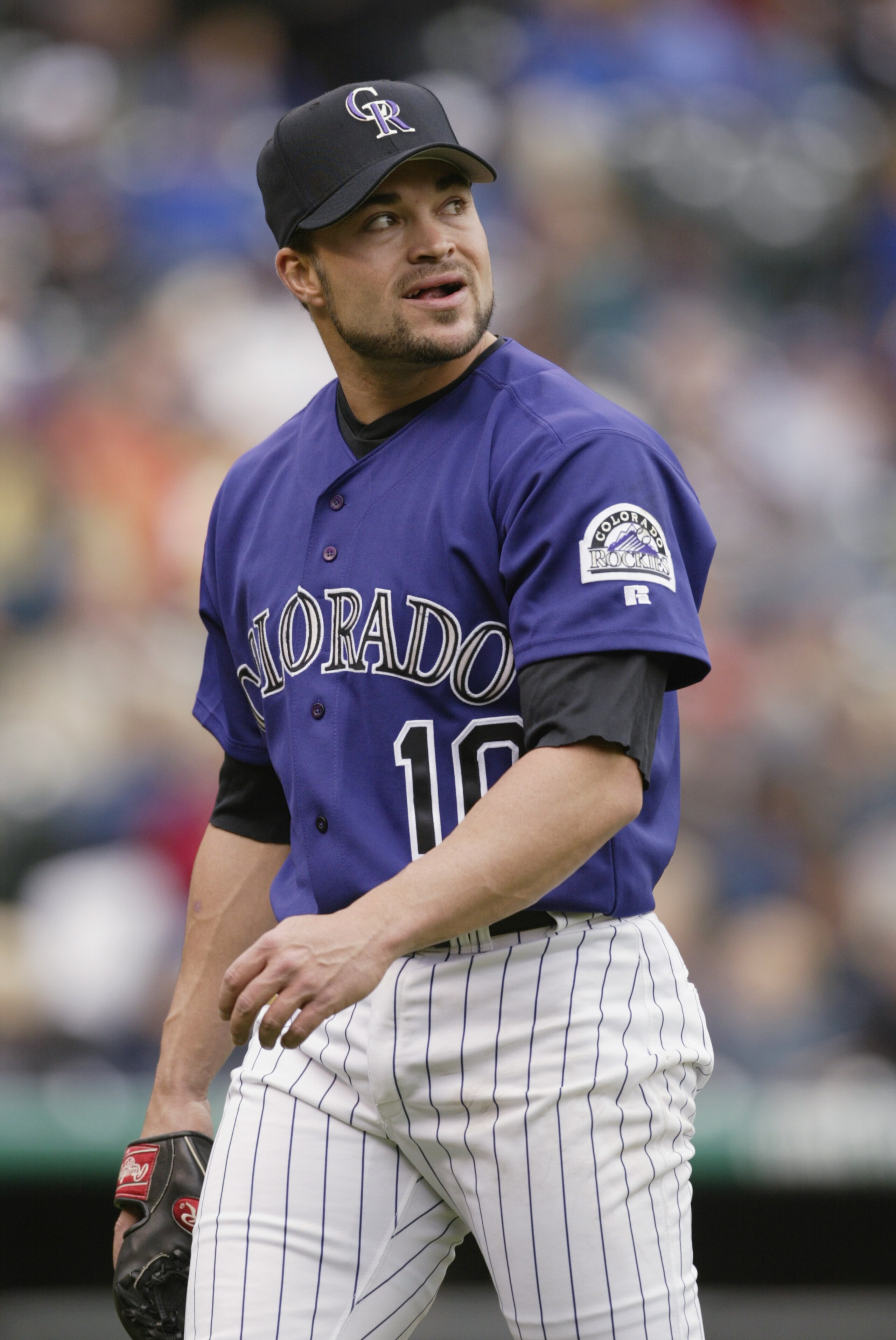
Hampton was one of baseball's most dominant pitchers in the late 90's. In December 2000, the lefty signed an eight-year, $121 million contract with the Colorado Rockies, a deal that was the richest in baseball history.
Hampton's next two seasons placed him firmly among the most highly-paid busts of all time, as he went 14-13 with a 5.12 ERA in 2001, and 7-15 with a 6.15 ERA in 2002.
Even after Hampton's return to the normal air of Atlanta, the lefty failed to find the spark that had made him so dominant in the late 90's and was barely in baseball in 2010.
Much like Neagle, Hampton serves as a warning to overly generous general managers anxious to give pitchers massive deals.
Why They're Worth It 2: CC Sabathia
8 of 11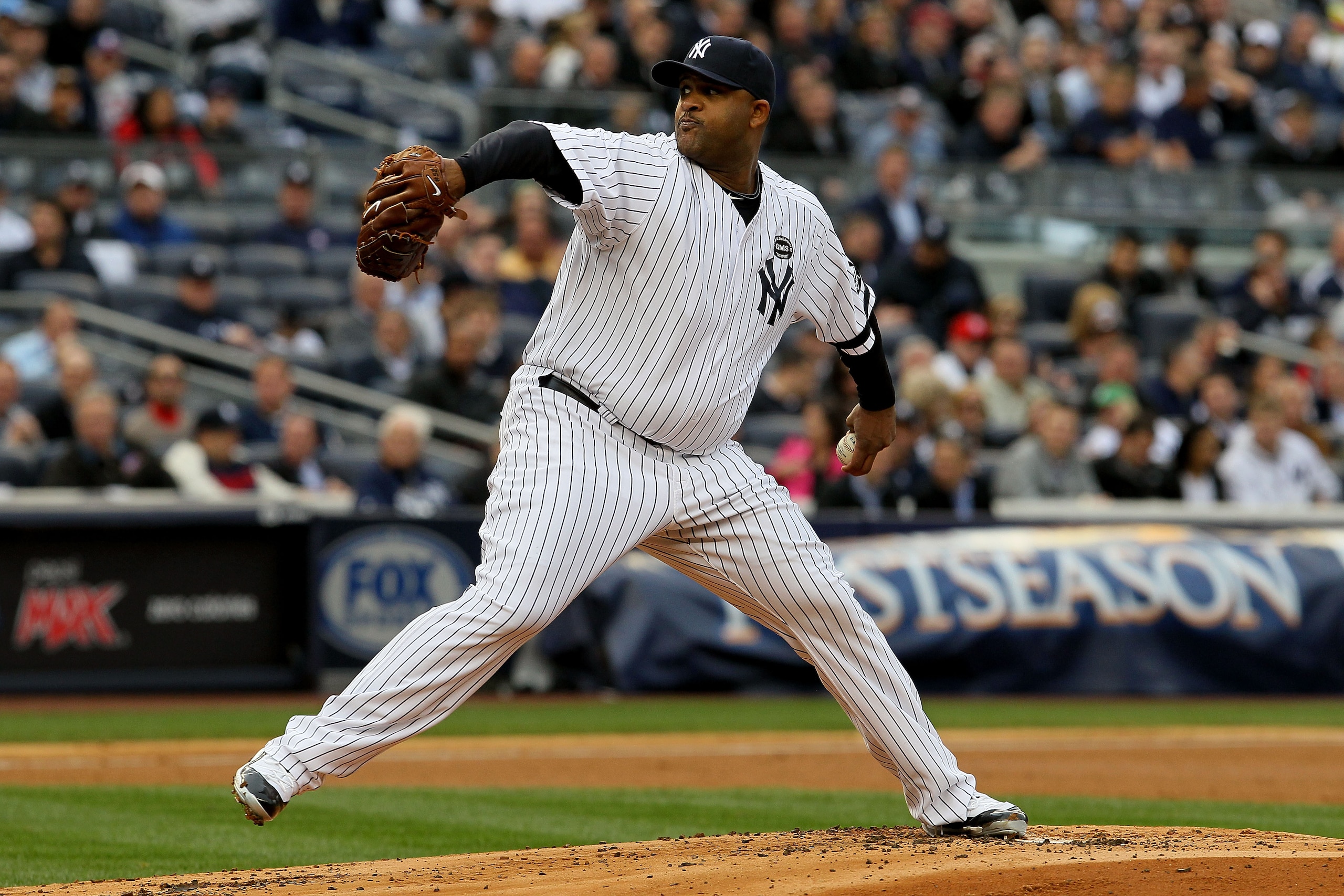
Sabathia signed a seven-year $ 161 million contract with the Yankees in 2008. Since then, the hefty lefty has remained one of baseball's premier aces, amassing a 40-15 record and a 3.27 ERA over the course of two seasons.
CC has thrived in the pressure-packed environment of Yankee Stadium and is one of the biggest reasons why general managers should keep giving massive contracts to elite pitchers.
Why They're Not Worth It 1: Barry Zito
9 of 11
Zito was a dominant lefty over the course of seven seasons in Oakland, amassing a 102-63 record and a 3.55 ERA. He won a Cy Young in 2002 and was one of baseball's best.
Then, in 2007, Zito moved across the bay, signing a seven-year, $126 million contract with the San Francisco Giants. In four seasons since signing the contract, Zito's record has nosedived to 40-57, with a 4.45 ERA. His fastball has lost it's zip, and he's now essentially a younger Jamie Moyer.
Zito is widely seen as one of the most expensive busts in baseball history, and his gaudy contract wasn't enough to keep him on the postseason roster during the Giants' run to their first World Series title in 54 years.
Why They're Worth It 1: The Postseason
10 of 11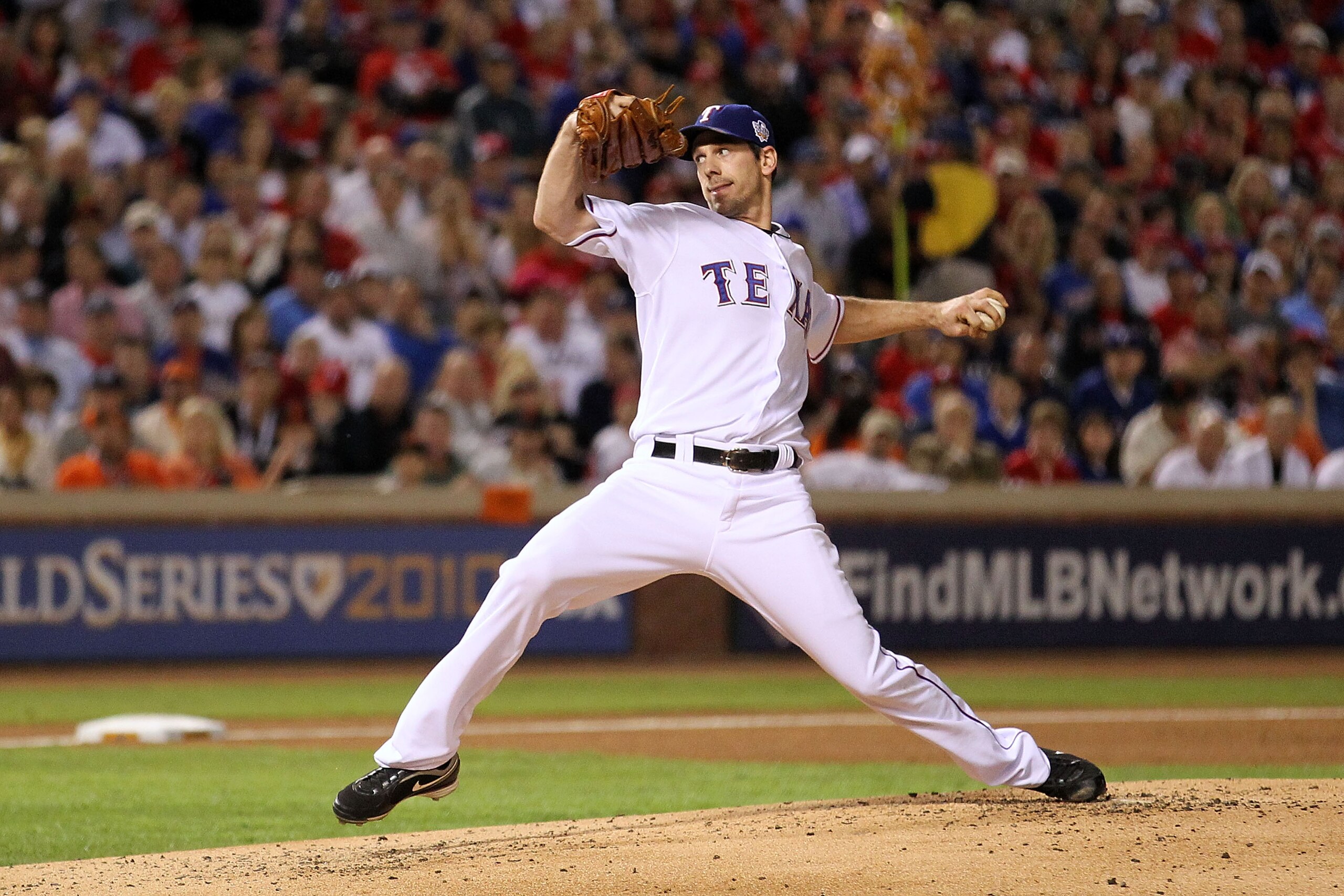
Every World Series champ of the last 10 years (with the exception of the 2008 Phillies) has possessed two aces who can dominate their opponents.
The 2010 Giants (Tim Lincecum and Matt Cain), 2009 Yankees (CC Sabathia and Andy Pettitte), 2007 Red Sox (Josh Beckett and Daisuke Matsuzaka, who was an ace in 2007), 2006 Cardinals (Chris Carpenter and Adam Wainwright), 2005 White Sox(Mark Buehrle and Freddie Garcia) , 2004 Red Sox (Curt Schilling and Pedro Martinez), 2003 Marlins (Josh Beckett and Dontrelle Willis), 2002 Angels (Jarrod Washburn pitched like an ace, and John Lackey) and 2001 Diamondbacks (Curt Schilling and Randy Johnson) each had a pair of dominant starters at their disposal.
So, logically, if a team has one ace, and think they have the talent to win a World Series, shouldn't they try to get that second ace, no matter what the cost?
The Verdict
11 of 11
While paying a hefty sum for a top-tier starter is certainly common practice, there have just been too many examples of pitchers crashing and burning to justify paying a pitcher such an exorbitant sum of money.
Is Lee worth a huge contract? Yes.
But a potentially record breaking one? No, and neither is any other pitcher in baseball.
He's a great pitcher, but overpaying him would be more disasterous than not having him. And if Lee's not worth that much money, who is?




.jpg?w=2560 "Jonathan Taylor Landing Spots 📍")



.jpg?w=2560 "Why Josh Simmons Was Told to Leave Meeting by Mahomes, Reid Revealed in New Chiefs Rumors")
