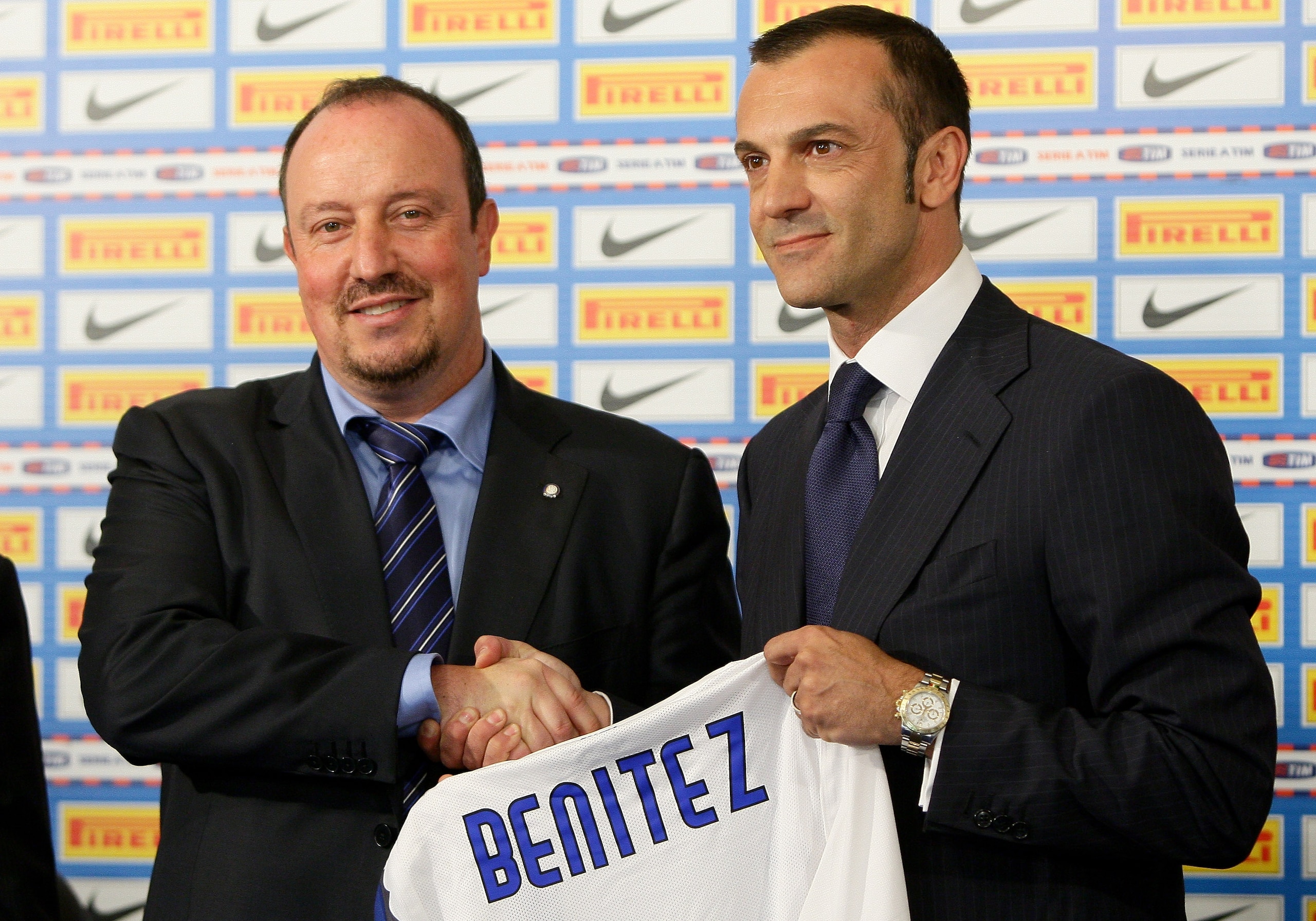

Rafael Benitez at Inter Milan: The Changes
When Rafael Benitez took over from Jose Mourinho in June this year, his appointment was met with an overall sense of disappointment. Inter had just won the treble, but their coach had left for pastures new—this was the main cause of disappointment.
The two years that the Portuguese tactician was at Inter, he had developed a great rapport with the fans, and giving them the taste of European glory for the first time in over 40 years had elevated him to cult status.
The fans saw a man with charisma and confidence that were second to none. His replacement, with all due respect, lacked this sense of awe and the Inter faithful felt they were getting short-changed.
Benitez’s record on comparison with Mourinho looks less star studded. But a deeper look at all the facts is needed before a judgment can be passed.
After a slightly wobbly start, Benitez seems to have settled very well into life in the Serie A. Inter lie top with 10 points and an impressive away victory to Palermo among the three wins secured thus far.
Let us take a quick look at what changes Benitez has brought to the team and how this affects Inter’s chances of success in this season’s competitions.
Change in Formation
1 of 6
Benitez started off deploying Mourinho’s old 4-2-3-1 formation but with his style of play. The combination was not successful, and starting off with the second half of the Palermo game, Inter began playing a slightly different formation.
The midfield is a sort of diamond formation with Cambiasso the deepest lying midfielder. Zanetti on the right and Pandev on the left are the wider men in the middle, and Sneijder or Stankovic will play at the head of the diamond just behind the strikers.
Last season saw Milito playing alone up-front, and while this worked well given his amazing form last season, the threat of Samuel Eto’o was slightly negated by his wider position. This season, Benitez has chosen to have the front two play closer together with Eto’o much closer to goal.
Change in Style of Play
2 of 6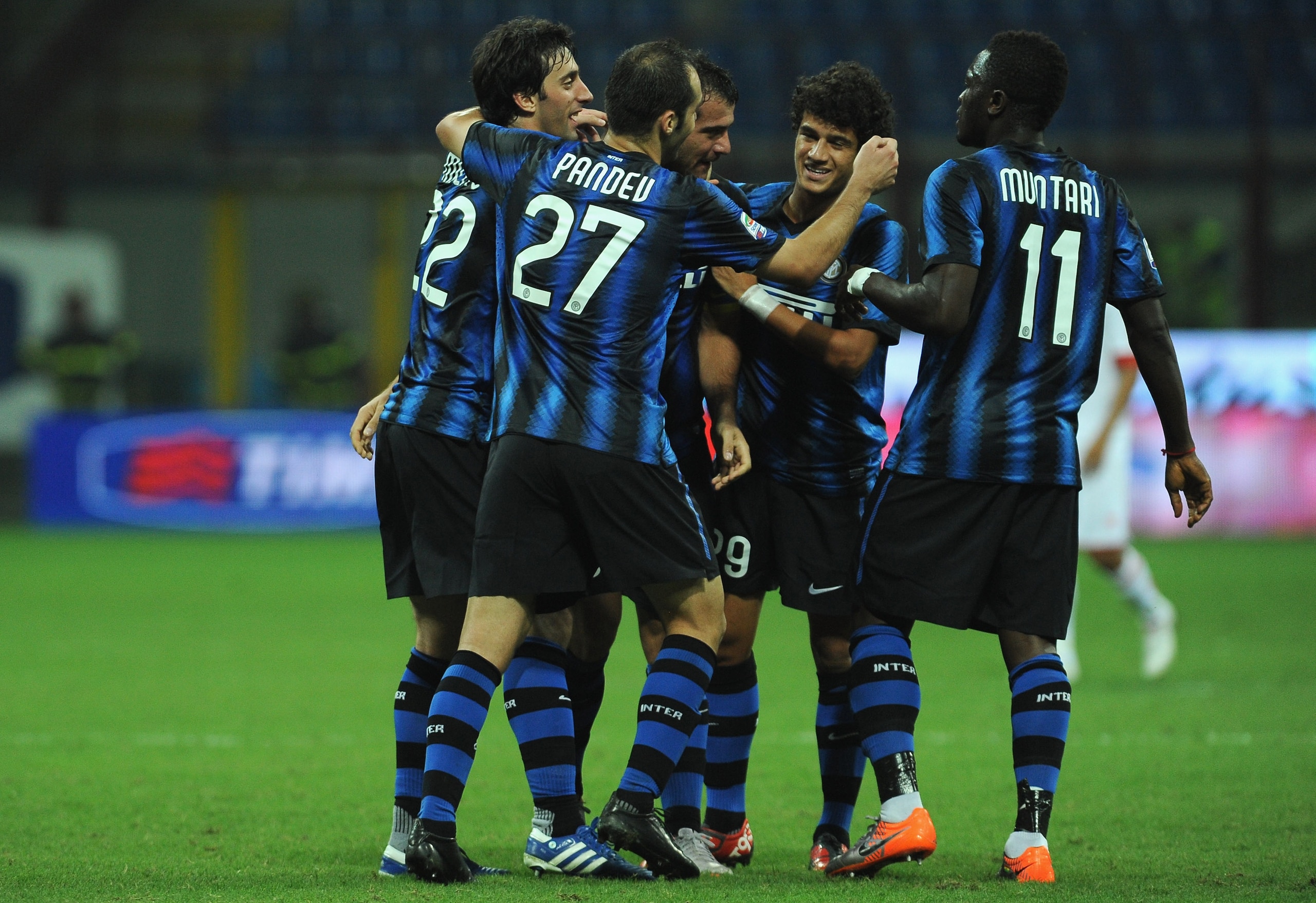
Mourinho had developed Inter into a very effective counter-attacking team using the pace of Eto’o and Milito and the brilliant vision of Wesley Sneijder to pick out a pass. While this was successful for the team as they captured three trophies, it wasn’t the most pleasing football to watch, especially when the team was not playing well.
Under Benitez, the team is seen playing much more of a possession game. Even the 2-2 draw away to FC Twente saw Inter have a much higher possession of the ball than they had in similar games last season. While these are still early days and the team is still learning what the coach is expecting from them, the signs look promising.
Potential Zonal Marking
3 of 6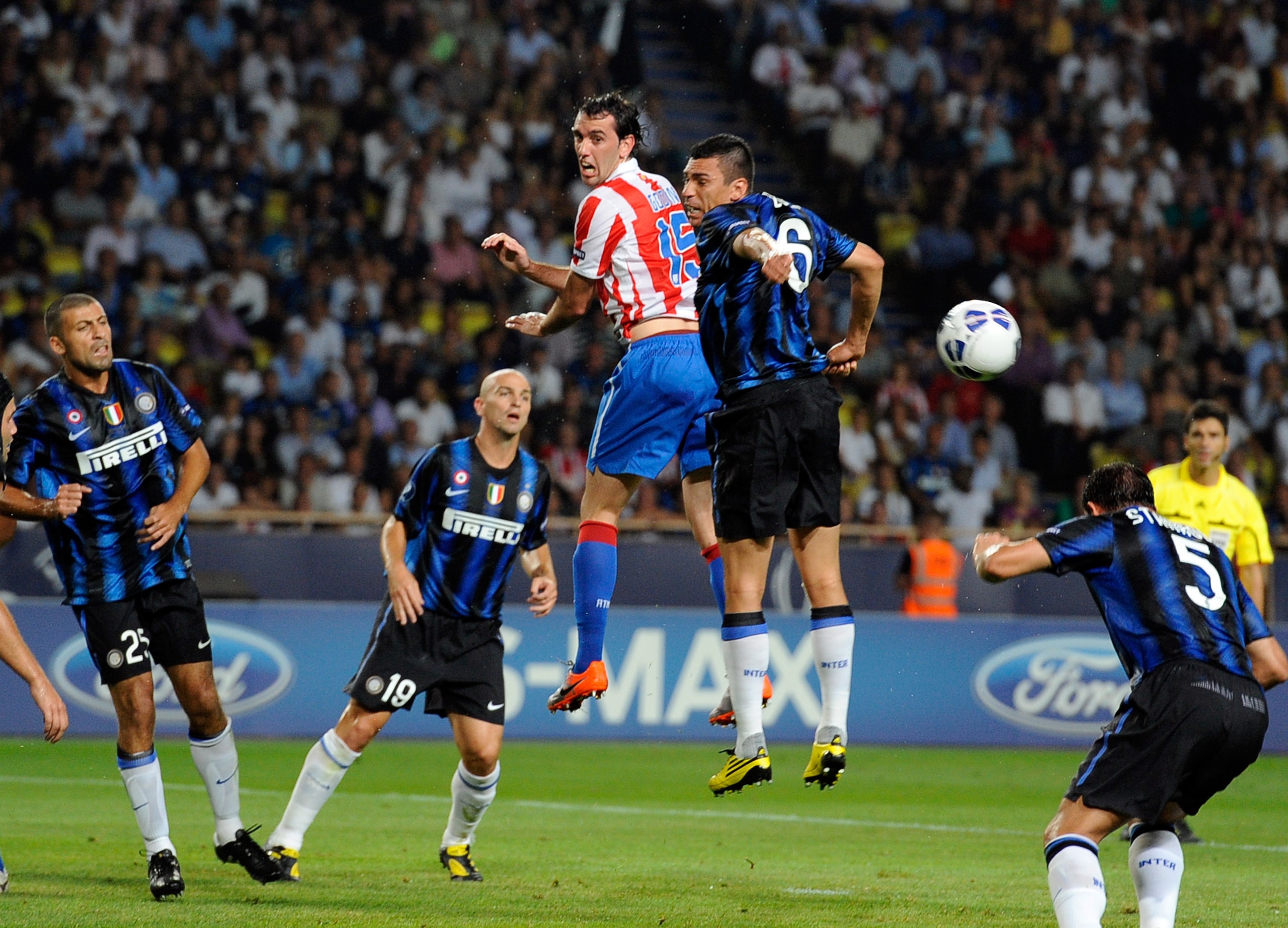
Rafael Benitez is renowned for his use of Zonal Marking. His time at Liverpool saw him often criticized for this approach. However, the success of a system depends largely on the players that are implementing it. The miserly defensive record he enjoyed while in charge of Valencia goes to prove that the system can be a resounding success when deployed with the right personnel.
In Lucio and Samuel, Inter boast arguably the best defensive partnership in the whole of Europe. But the players will take time to fathom this system and until then, fans of Inter might have to get used to the odd lapse in concentration that leads to goals such as the one scored by Floro Flores of Udinese when he found himself relatively free in the Inter penalty area.
Thus, there is a good amount of evidence to show that Inter will continue having one of the best defenses around, given sufficient time for the players to get used to the changes.


High Defensive Line
4 of 6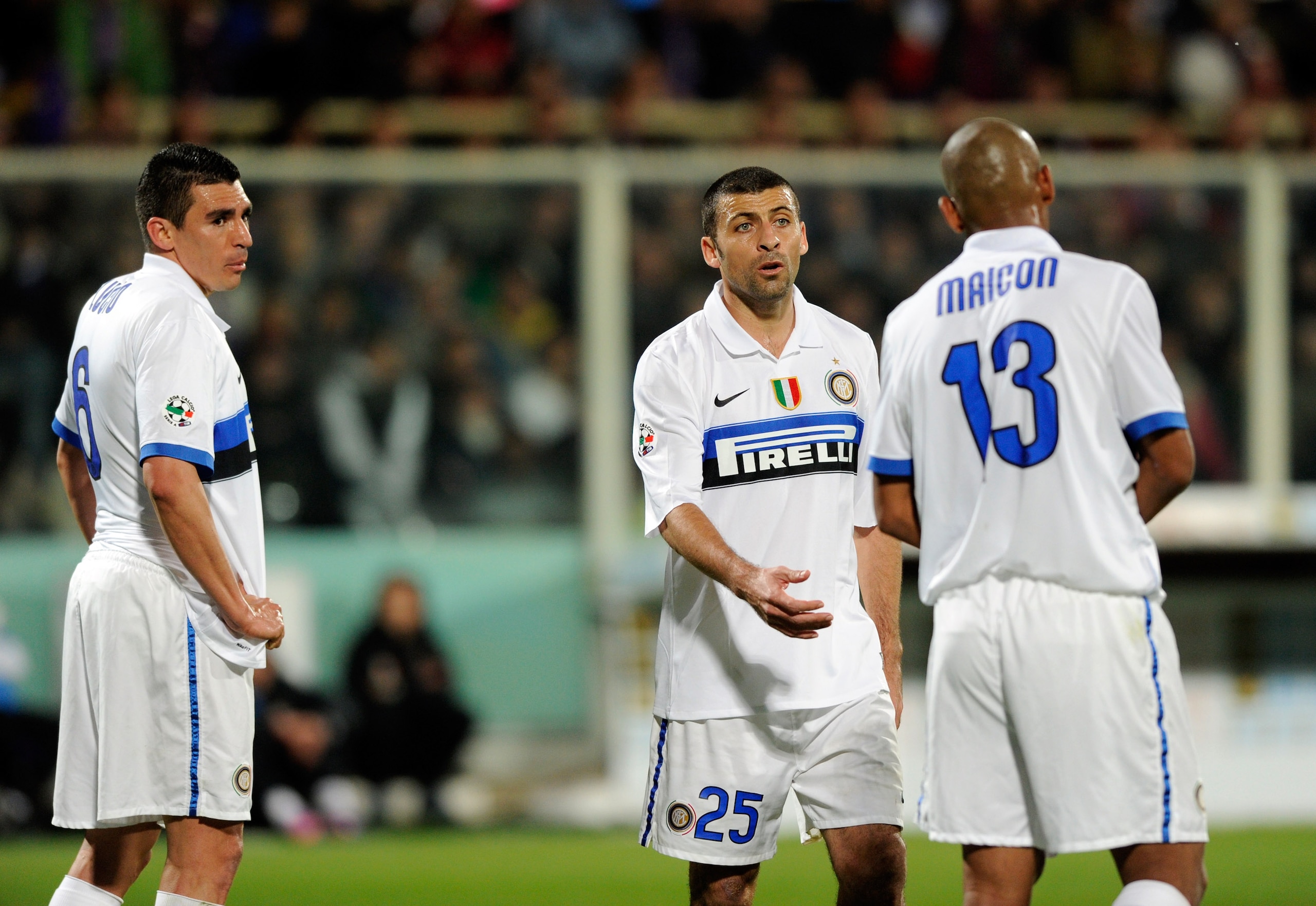
The new management has brought in a number of changes, most of which seem very effective thus far, at least. The one worrying observation during the first few matches was the high defensive line that Inter has adopted.
One can understand Benitez’s reasoning as he wants to compress the field of play and thus exert more pressure on the opponents through his passing game. One must not forget however, that Inter’s defense is not exactly the paciest one around. Whenever the offside trap has failed, the defense has looked woefully out of position and the lack of speed is shown up in a very clear way.
When faced with lightning fast strikers such as David Villa in the Champions League, the tactic of holding a high back line might come back and haunt the team.
Samuel Eto’o: Capocannoniere 2010/11
5 of 6
Samuel Eto’o had an unflattering first season when he scored a "mere" twelve goals in Serie A and a further two in the Champions League. While fourteen goals would be an excellent return for most strikers, by Samuel Eto’o standards, it can be categorized as a disappointment.
This season has begun in a totally different fashion. The preseason saw Eto’o demanding a more attacking role under Benitez. As a result, Eto’o does not track back as often as he used to under Mourinho, and that has led to a flood of goals for the Cameroon star. Even this early into the season, it is not too much of a stretch to suggest that Eto’o will finish the top scorer for Inter.
No More Bust Ups with Referees and Coaches
6 of 6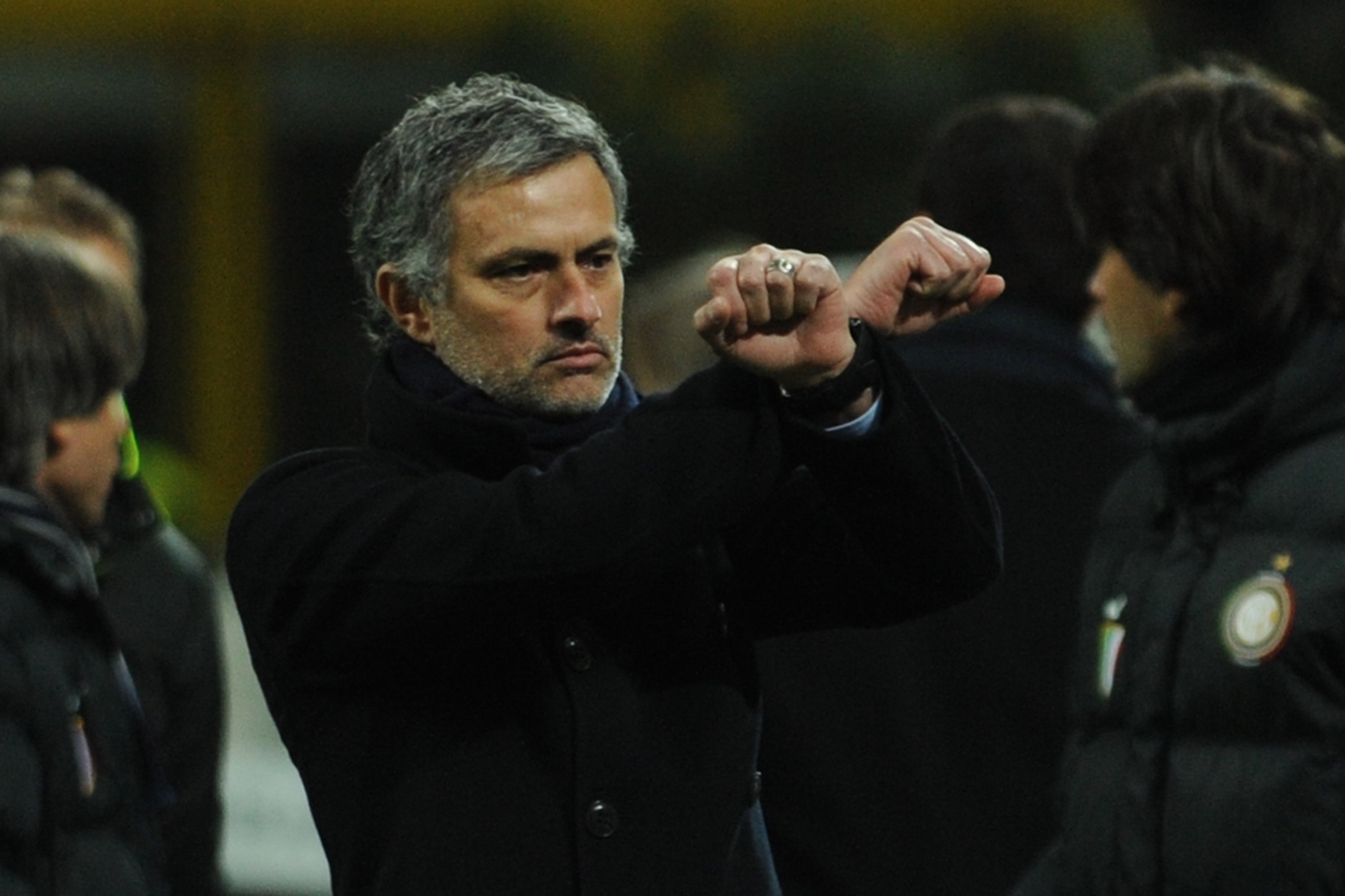
Through fours rounds of the Serie A, we have learnt that Benitez does not polarize opinion like his predecessor did. He has not had any run-ins with fellow coaches thus far.
The referees and other officials will also be breathing a huge sigh of relief on seeing the back of Mourinho. It does not seem likely that Benitez will have the same bitter relationship with them, and fines and suspensions for verbal attacks and gestures should now be few and far between.
Let us not forget that Inter went through a torrid period after the Sampdoria game last season when Mourinho and other players were suspended. The poor run of results after this game nearly cost the team the Scudetto.
.jpg?w=2560 "NBA Gambling Charges")

.jpg?w=2560 "Aikman Blasts Cowboys WR 🫣")

.jpg?w=2560 "Jonathan Taylor Landing Spots")