
NFL Preseason Roster Cuts: Not That Difficult
You'll hear it soon enough.
A coach, a general manager, or the media will tell you how difficult it was to get down to a 53-player roster. That the decision to cut some players was really tough.
In fact, a notable ESPN analyst who shall remain anonymous said today, "A lot of good football players are going to get cut tomorrow."
Don't buy it.
While there might be a minimal emotional attachment to certain players, the bottom of rosters aren't good enough to warrant the amount of attention that this annual NFL rite of passage gets.
Consider the following reasons why NFL preseason cuts aren't that difficult to make.
1. Big Name Players Usually Get Cut Because They Can't Play Anymore
1 of 5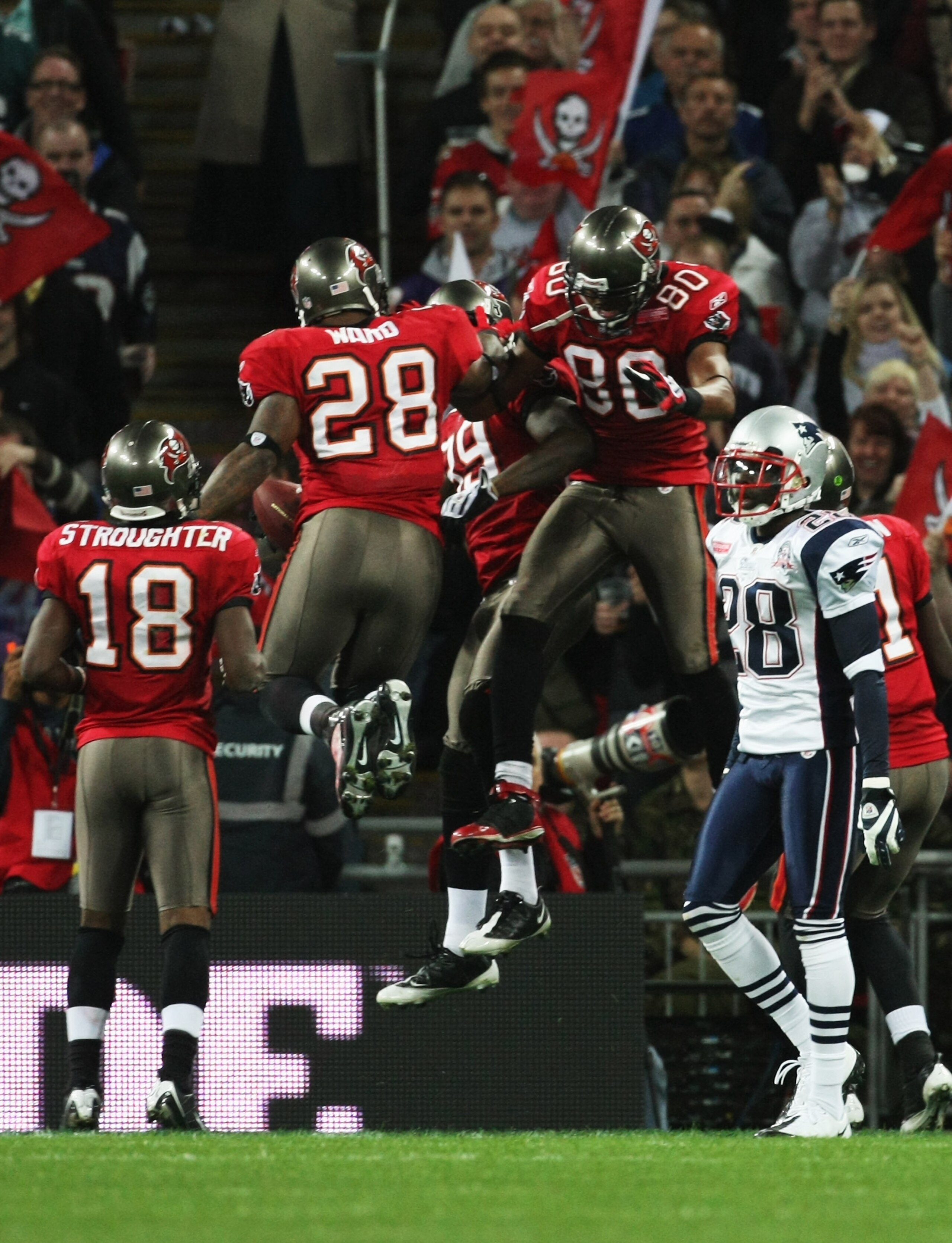
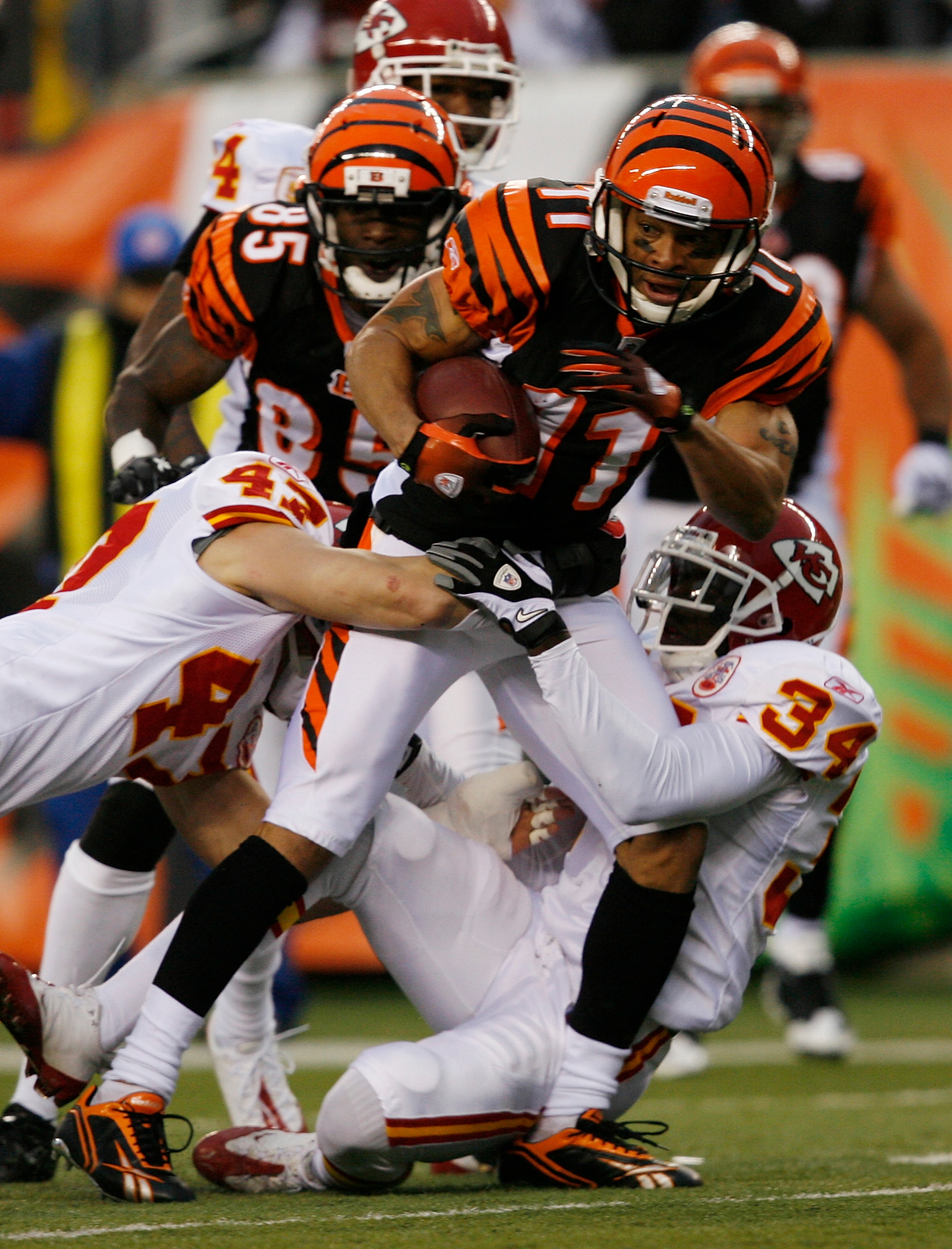
Antonio Bryant was just released by the Cincinnati Bengals this weekend despite being owed several million dollars by the team he just signed with in the offseason. Why? Because, he couldn't even get on to the practice field with a knee injury that is so bad his career is likely over.
Laveranues Coles, ironically another former Bengal, became a former Jet for the second time in his career this week because the trademark speed he once had is long gone.
Coles will likely retire and hasn't done so yet only because of the small possibility the Jets might bring him back once again if one of their receivers suffers a significant injury.
2. Teams Find Ways to Keep Talented Players Even Without an Active Roster Spot
2 of 5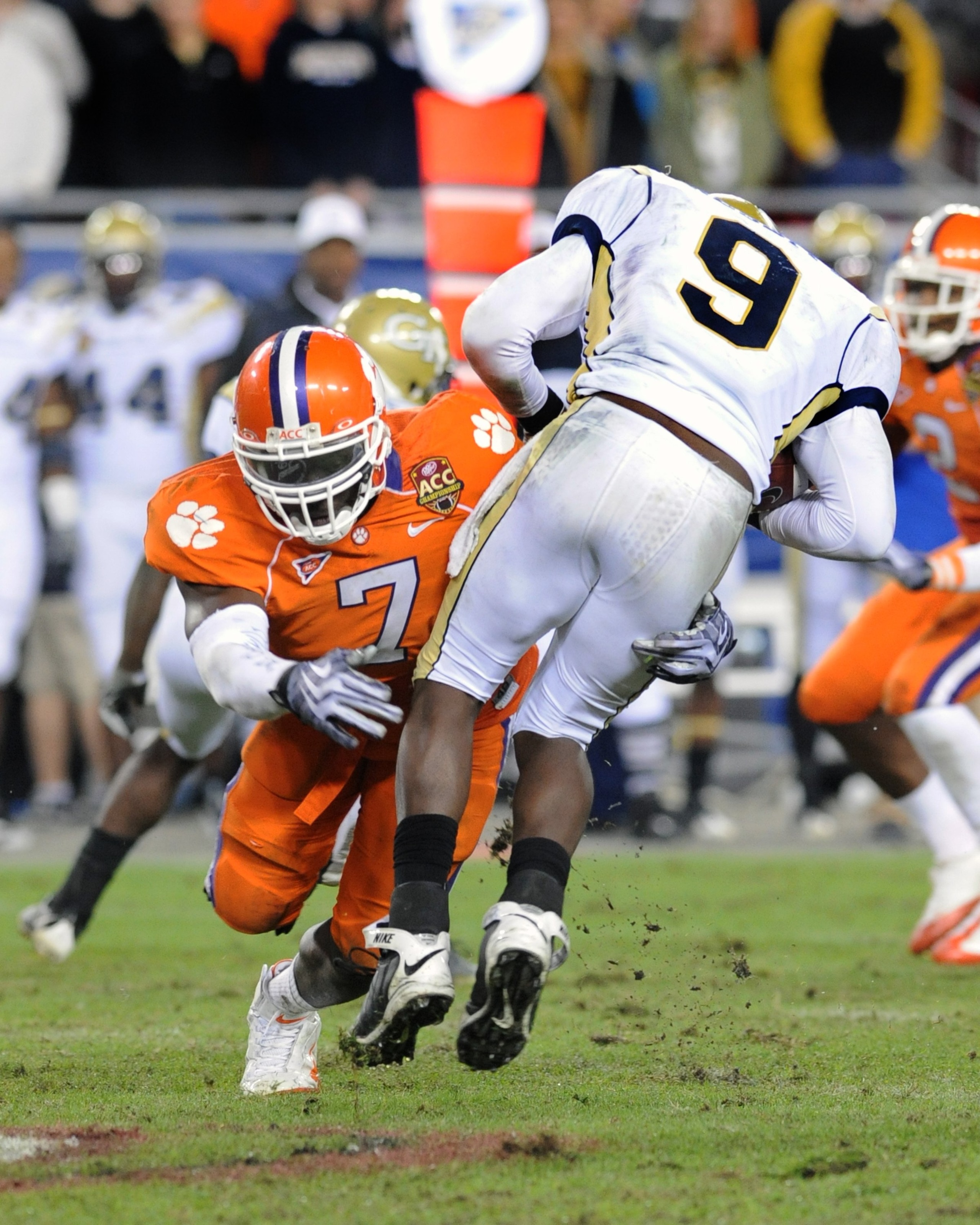
The Philadelphia Eagles could have just cut fifth-round draft pick Ricky Sapp if he didn't have talent. Instead, they popped him on injured reserve this week. Is he truly too hurt to play right now?
According to www.fantasysp.com, "Sapp had a slight setback in his surgically repaired knee during training camp. Sapp hasn't played much in camp, and he's looked 'overwhelmed' when he has taken the field."
Regardless, whether he physically can't play or he just isn't ready for the NFL game, Philly keeps his rights for another season.
The Physically Unable to Perform (PUP) List (providing the player has been injured before training camp) and stashing players on a team's practice squad are other ways to keep talent off the open market.
Yes, players can be signed off the practice squad but then must be active for their new team.
3. Eight Players Out of 53 Won't Even Be Active On Game Day
3 of 5
Ask Miami Dolphins receiver and third-round draft pick Patrick Turner what it was like to be active for just two games last year.
A third-string quarterback, a fifth wide receiver, a reserve lineman, that last linebacker to make the team, and a variety of other players on a football team won't even suit up on a regular basis. Yet every year, you hear about that battle or two for a last spot.
The true last spot on the football team is really the 45th player, not number 53.

.jpg?w=2560 "Cardinals Giants Football")
4. If Bottom of the Roster Players Were So Valuable, There Would Be More Trades
4 of 5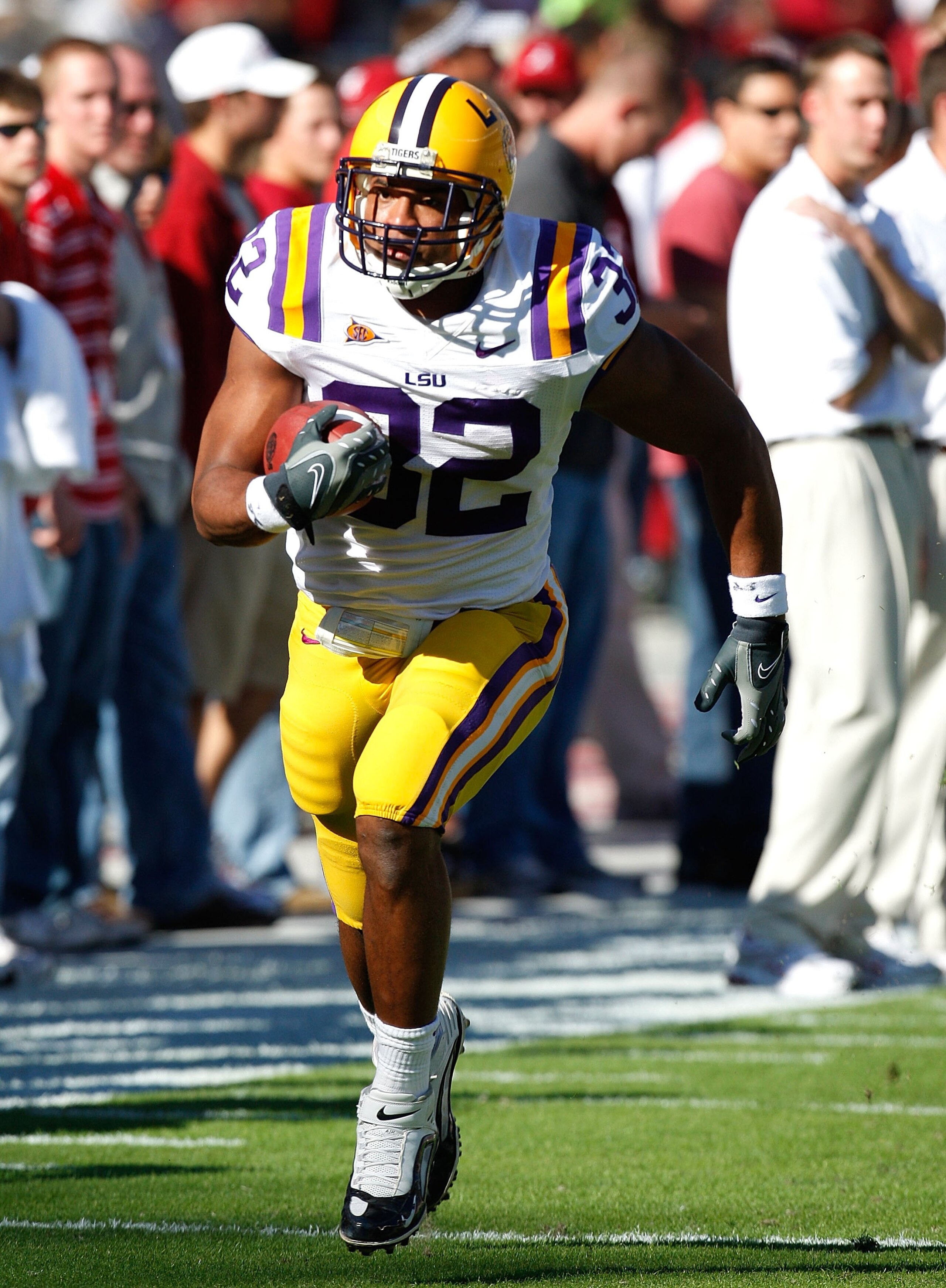
There were three minor trades so far this week. The Redskins sent sixth-round selection Dennis Morris to the Rams for a conditional, undisclosed draft pick. St. Louis reciprocated by sending fifth-round selection Hall Davis to Washington for another conditional, undisclosed pick.
Also, the Eagles and Cardinals swapped draft picks Charles Scott and Jorrick Colvin.
Arguably, none of these trades were made to acquire talent. Instead, the NFL Players Association is reportedly reviewing the trades as possible attempts to circumvent the collective bargaining rules since if a drafted rookie is cut by the TEAM THAT DRAFTED HIM, that team is required to pay 85 percent of that player's salary into a rookie pool.
There have been rumors about Arizona quarterback Matt Leinart being traded this week, but so far no deal has been consummated and it seems likely that this first-round draft pick that simply hasn't panned out is far more likely to be outright released. If Leinart, a player thought to have at least some talent, can't even be dealt, then fringe players certainly aren't valuable enough—for the most part—to be dealt.
5. Typically, Released Players Don't Go On to Success With Other Teams
5 of 5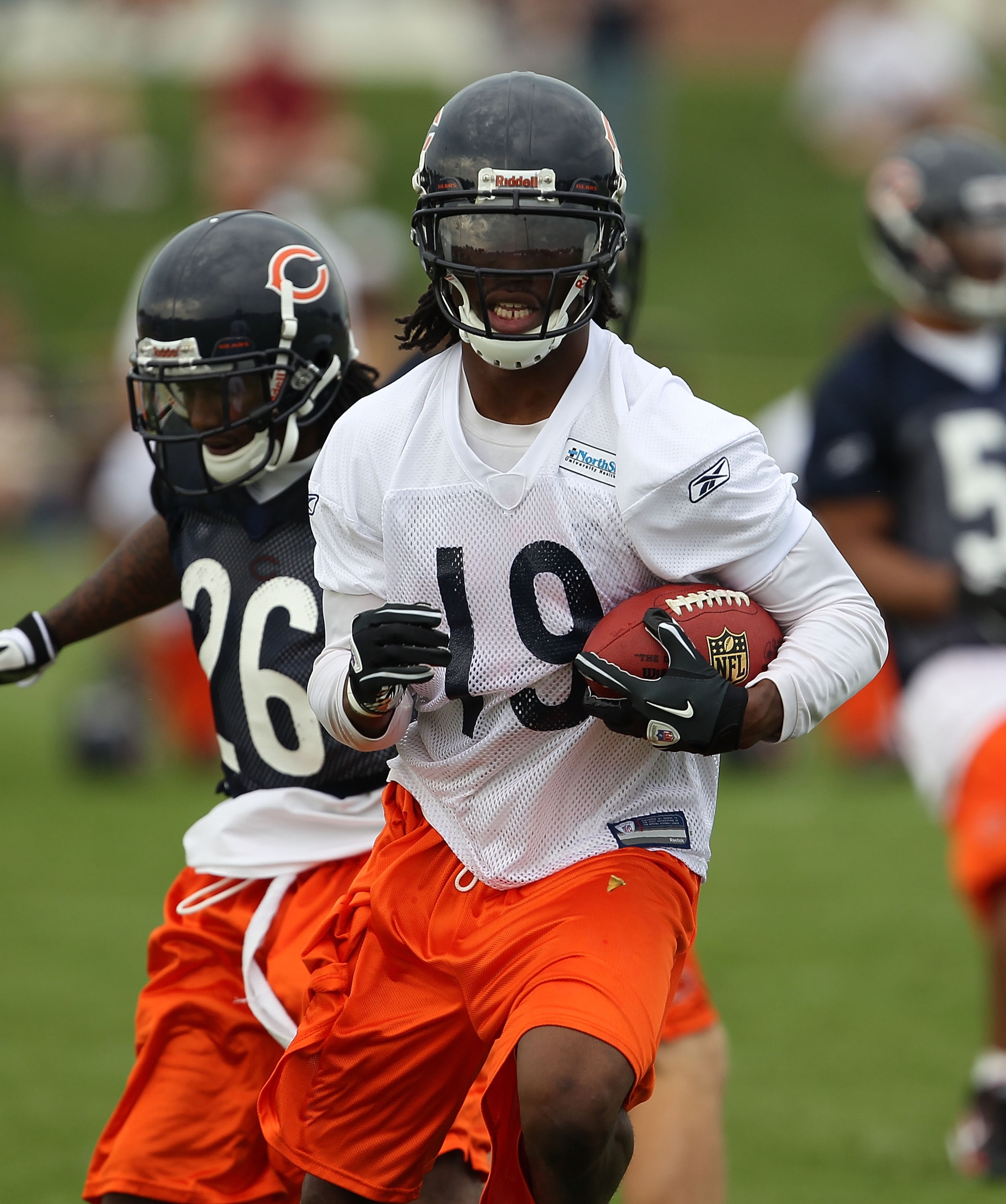
Oh sure, there are isolated incidents of a player released during the preseason succeeding with another NFL team, but the examples are few and far between and the players take a lot of time to develop.
One example that came to mind was of Chicago Bears wide receiver Devin Aromashodu.
The Miami Dolphins drafted Aromashodu in the seventh round of the 2006 draft. Aromashodu was released before ever playing a regular season game and was picked up by the Houston Texans, dumped again, and then added by the Indianapolis Colts. Even with Peyton Manning as quarterback, the Auburn product only played in six games in two years with the Colts. After a brief stint with the Washington Redskins, Aromashodu finally caught on with the Bears, and during the final four games of last season, he had 282 yards receiving and caught four touchdowns passes
Most released players, at best, bounce around practice squads for a period of time or, far more likely, get on with the next phase of their lives.
Which is probably what most of us should do instead of obsessing over the transactions list during the upcoming days.
Don't worry, I'll probably still write an article evaluating the Miami Dolphins cuts this weekend. I just won't be agonizing over the moves.
.jpg?w=2560 "Titans Giants Football")
.jpg?w=2560 "Dolphins Bills Football")




.jpg?w=2560 "Ward Nearly Walks Out of Presser 😳")