Cutting Keith Jardine Is An Astute Tactical Decision By The UFC
Despite Keith Jardine's disappointing recent record the abrupt termination of his UFC contract this week came as a something of a surprise. Jardine is an Ultimate Fighter alumni who has featured in high profile fights against the likes of Forrest Griffin, Chuck Liddell, Wanderlei Silva and Quentin Jackson and few felt that last weekend's loss to Matt Hamill would have such terminal consequences.
Jardine's status as a respected veteran must have made the UFC extremely reluctant to dispense with his services. I suspect that this was actually an astute tactical decision and part of a deliberate long term strategy which will see Jardine back in the Octagon before too long.
TOP NEWS
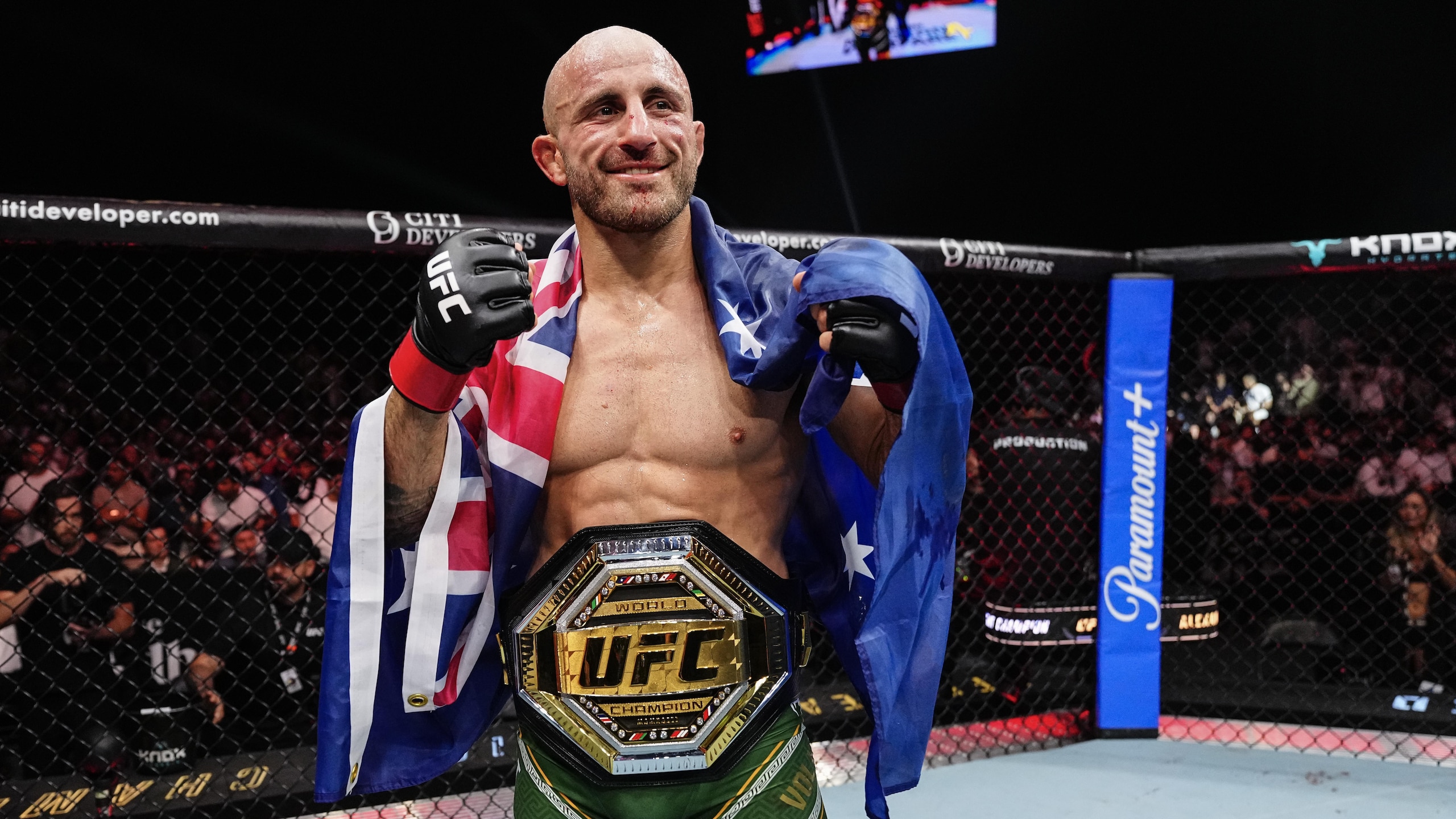
Volkanovski breaks record after title win at UFC 333
Fights to Make After UFC 333 ➡️
🚨 UFC 336 Fights Announced
In recent month's the UFC seems to have had a policy of signing up anyone and everyone with an established reputation purely to prevent prominent fighters featuring for rival organizations. The UFC has been guilty of stockpiling marketable fighters such as Phil Baroni, Tito Ortiz, Frank Trigg and Mark Coleman regardless of their recent records.
I don't think any of these fighters was given a second chance in the octagon because of what they had to offer the UFC so much as what the UFC feared they might have to offer another promotion, specifically Strikeforce.
The UFC normally puts a lot of emphasis on unbeaten records when scouting for new talent yet Coleman had lost four out of his last seven fights when he signed in 2008, Baroni had lost six out of the previous 11 when he signed in late 2009 and Ortiz was re-signed in 2009 despite not having won a fight for three years. Trigg was on a respectable four fight win streak but the UFC was surely not expecting the 37 year old to set the welterweight division alight.
The UFC signed all four of these fighters knowing that they were highly unlikely to ever trouble the upper echelons of their respective divisions. They were not given a second chance in order to prove that they could still compete at an elite level, they were given a second chance so that the UFC could discard them safely after having proven comprehensively that they were not.
The UFC has nothing to lose by giving marketable fighters who have already established themselves once another opportunity later in life. In the unlikely event that they succeed second time round the UFC is a winner because they have one more high profile fighter to stick somewhere near the top of their increasingly regular cards. If these fighters fail the UFC is also a winner because they can cut them knowing that they are not nearly as attractive to an organization such as Strikeforce now that they have got a couple more losses on their records.
Cutting a fighter loose can also work in the UFC's favour because it gives them the opportunity to rehabilitate their MMA career in a less competitive environment.
Jardine's UFC tenure is currently unsustainable because not only has he now lost four fights in a row but the only two wins in his last seven outings have come by way of split decision. If he can put together a couple of wins away from the Octagon I expect him to follow in the footsteps of Trigg, Coleman and Baroni by being given a second lease of life by the UFC.
The fact that virtually all major UFC events are on pay per view procludes the UFC from putting too many promising young fighters on the main card. With the pool of elite talent at its disposal already stretched extremely thin the organization needs as many big names as possible to carry a card. The UFC cannot afford to lose a fighter of Jardines stature but it cannot afford to keep featuring losing fighters on pay per view cards either.
By letting him go the UFC is giving him the opportunity to regain a little of his marketability and potentially come back and feature in pay per view fights again in the future.

.jpg?w=2560 "Raiders Could Start Mendoza")



.jpg?w=2560 "Rodgers Iced Out on Plane 💎")
.jpg?w=2560 "🚨 Week 8 AP Top 25 Poll")