

Ranking the Top 10 Centers in 2022 NBA Free Agency
Even in the midst of the 2022 NBA playoffs, teams all over the league are surely laying plans for this summer, when the draft, trades and free agency can dramatically alter the landscape.
It's that last avenue for team building that will be the subject here. Despite the fact that there is very little cap space available this summer, you can be sure plenty of players will switch teams, thanks to exceptions and sign-and-trades.
Over the last several days, Bleacher Report broke down the top 10 available free agents at each position.
In today's positionless era, those distinctions can be difficult. And while it helps to consult sources like Cleaning the Glass or Basketball Reference, some judgment calls had to be made.
As for who qualified for the top 10 in terms of ability, that was even more subjective. Past performance and projection models can help, but there's no way to perfectly predict the future.
So, with all of that in mind, let's move on to the centers.
Top 10 point guards can be found here.
Top 10 shooting guards can be found here.
Top 10 small forwards can be found here.
Top 10 power forwards can be found here.
10-6
1 of 6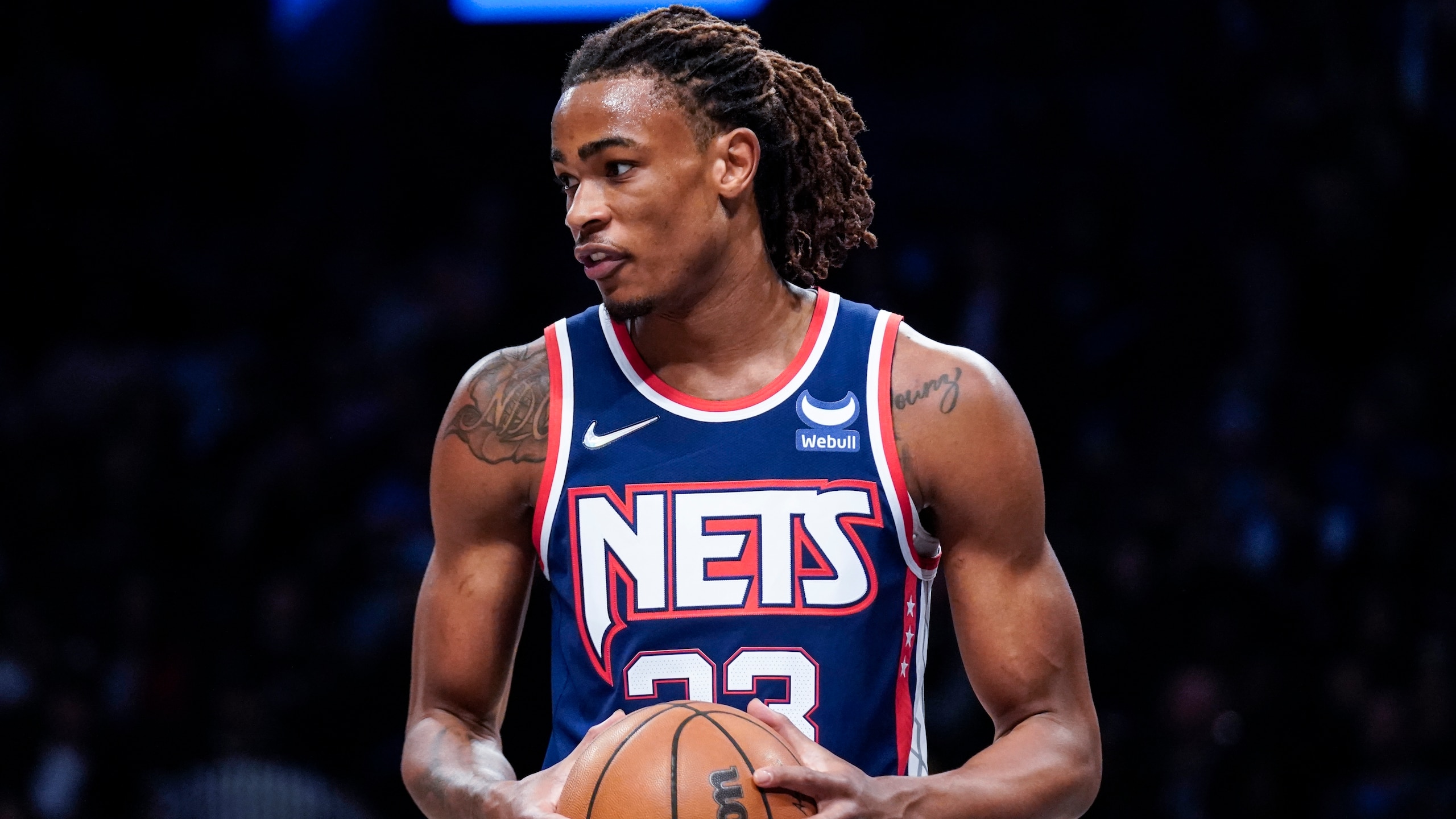
10. Mo Bamba (Restricted)
Mo Bamba had the best season of his young NBA career just in time for restricted free agency. After years of providing little more than hints of his three-and-D potential, he brought it consistently in 2021-22.
In just 25.7 minutes, the soon-to-be-24-year-old Bamba averaged 6.0 defensive rebounds, a career-high 1.7 blocks and 1.5 threes, while shooting 38.1 percent from deep.
9. Hassan Whiteside
When Hassan Whiteside is engaged and on a good team, he can be wildly productive, as he was when he started for the Portland Trail Blazers in 2019-20. As a reserve for the woeful Sacramento Kings the following season, his career suddenly appeared to be on the ropes, but embracing a reserve role for the Utah Jazz in 2021-22 should extend his time in the NBA.
Among players with at least 500 minutes, Whiteside was fourth on the Jazz in box plus/minus and averaged 17.0 points, 15.8 rebounds and 3.3 blocks per 75 possessions. Most importantly, Utah's point differential was better when he was on the floor.
8. Nic Claxton (Restricted)
Nic Claxton's numbers aren't quite as gaudy as Whiteside's, but he's 10 years younger and appears capable of being more than strictly a rim protector (though that'll probably still be his calling card).
During the regular season, Claxton generally defended centers, but he also spent a decent amount of time on forwards like Tobias Harris, Khris Middleton and Scottie Barnes. Rim running and blocking shots is good (and Claxton is capable of both), but being trustworthy on switches outside might be every bit as crucial in today's increasingly positionless NBA.
7. Ivica Zubac (Team Option)
The Los Angeles Clippers' willingness to play small and a stellar backup center (more on him later) limited Ivica Zubac's minutes, but he started 76 games and averaged 10.3 points and 8.5 rebounds in 24.4 minutes.
In a league where a lot of big men are scoring their points more exclusively as rim-runners, Zubac still has a varied, almost old-school offensive repertoire. This season, he had above-average scoring efficiency as a roll man and as a post player. And for the third straight season, he was top 10 in offensive rebounding percentage.
6. Montrezl Harrell
Significant questions remain about Montrezl Harrell's effectiveness in postseason settings, particularly on defense, but there's no question about his ability to lead a second unit's scoring punch.
There are eight seasons in NBA history in which a player started fewer than 20 games, averaged 20-plus points and eight-plus rebounds per 75 possessions and shot over 60 percent from the field. Harrell has four of those campaigns.
5. Bobby Portis (Player Option)
2 of 6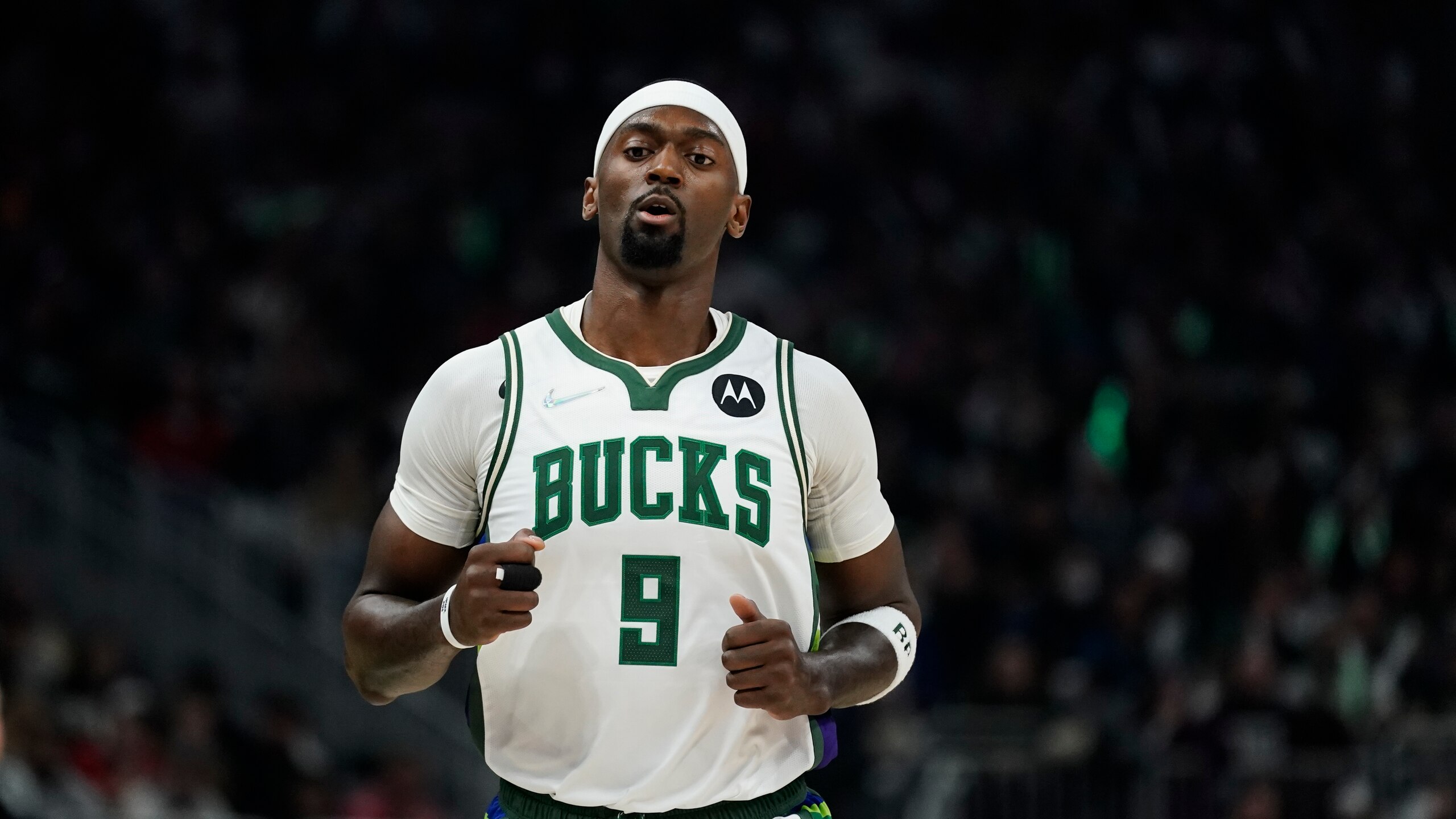
With Brook Lopez sidelined for most of the season because of a back injury, Bobby Portis ably slid into his role and helped the Milwaukee Bucks eclipse a 60-plus winning percentage for the fourth straight season.
Milwaukee was plus-8.0 points per 100 possessions with Portis on the floor, compared to minus-1.3 without him. A willingness and ability to space the floor for Giannis Antetokounmpo's drives had a lot to do with that impact.
In fewer than 30 minutes per game, Portis averaged 14.6 points, 9.1 rebounds and 1.8 threes while shooting 39.3 percent from three.
Though he's not really the defensive stopper most teams might want as a 5, consistent outside shooting like his could boost just about any second unit.
The league is packed with ball-dominant wings and guards who like to get to the rim, and big men who can pull paint-protectors out to the three-point line make their lives much easier.
4. Jusuf Nurkic
3 of 6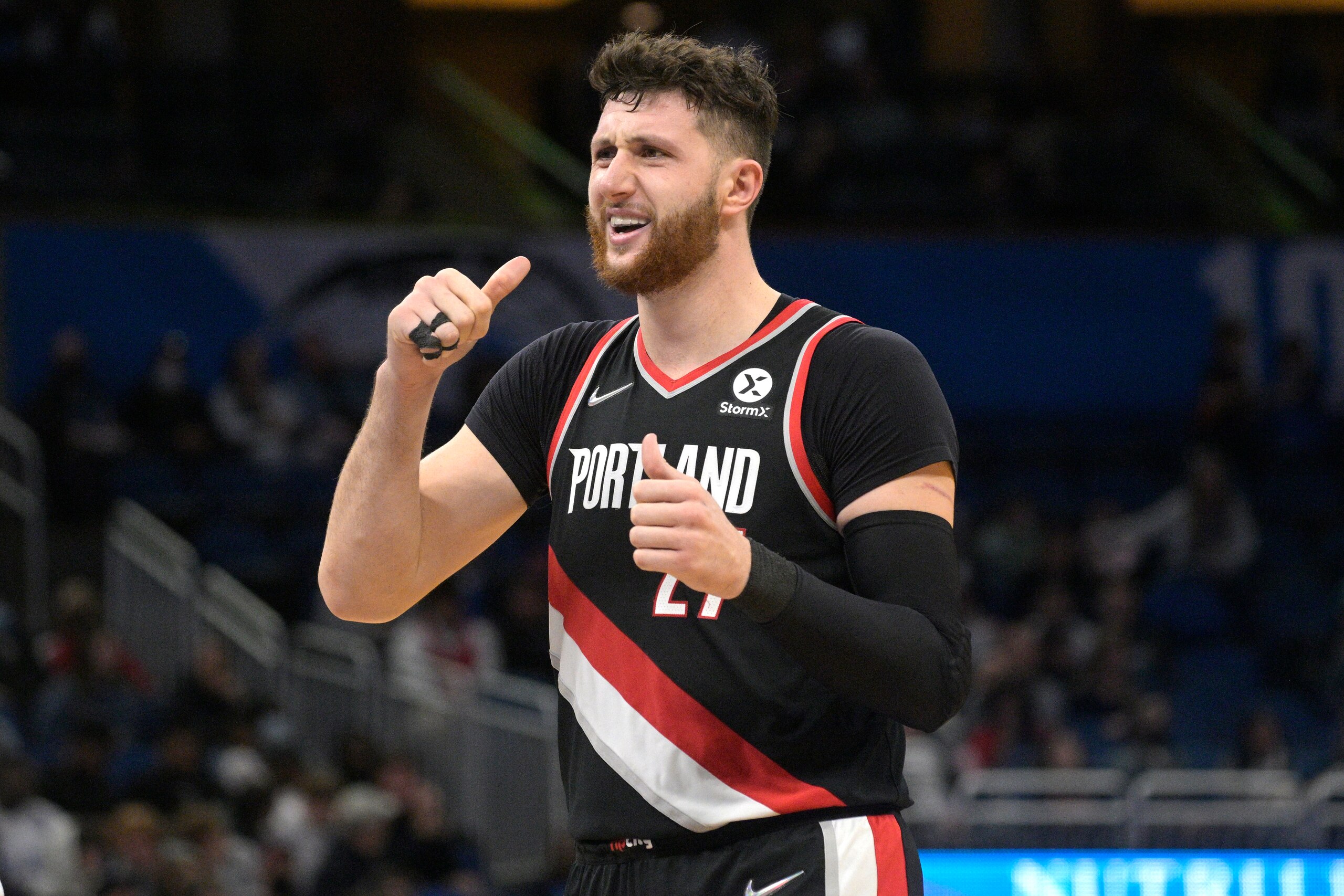
It seems like Jusuf Nurkic has been around too long for this to be true, but he's still just 27 years old. Over the course of his five-plus years with the Portland Trail Blazers, they've generally played winning basketball when he's on the floor.
Since the start of 2016-17, Portland was plus-7.2 points per 100 possessions when Nurkic shared the floor with Damian Lillard and CJ McCollum. The team was plus-1.9 when the two guards played without the big man.
That impact wasn't the product of Nurkic being a better player than those two. Making that argument would be silly. But he does so many things that complement volume-scoring guards like Lillard and McCollum, and the point differential reflected that.
For example, Nurkic's vision and passing as a big allowed his star guards to have more off-ball opportunities (he's tied for 15th in assists per 75 possessions among 6'10"-plus players since 2016-17). That boosted Lillard's efficiency, as he had a better effective field-goal percentage alongside Nurkic than he did without him.
Nurkic is also a good enough scorer that opposing bigs have to at least pay attention to him. Though teams weren't likely to have him above Lillard or McCollum on the scouting report, any amount of attention he could divert from those scorers would make their lives easier.
Finally, he's a decent (though unspectacular) positional defender. You won't get a ton of highlight blocks from Nurkic, but he's typically in the right places, occupies a lot of space and cleans the glass.
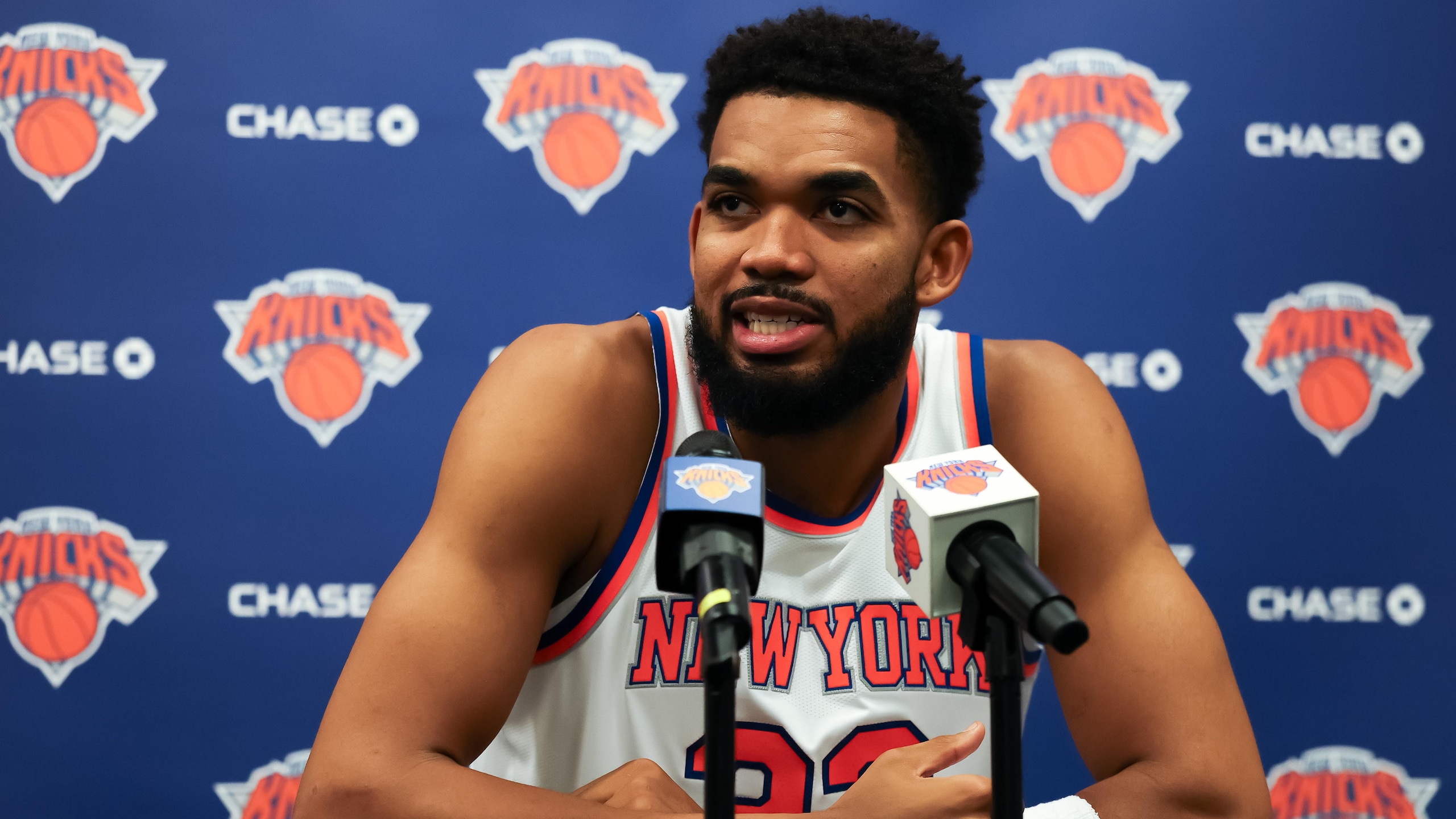


3. Isaiah Hartenstein
4 of 6
As promised, Ivica Zubac's backup in 2021-22 wound up higher on this list for a few reasons.
Being a year younger isn't a huge deal, but it's something. What's more important is Isaiah Hartenstein's superior mobility on the perimeter, more vertically explosive game and crafty passing out of rolls to the rim.
All of that (and more) translated to a top-20 box plus/minus, averages of 17.0 points, 10.0 rebounds, 4.8 assists, 2.3 blocks and 1.5 steals per 75 possessions and a 66.4 true shooting percentage.
It's impossible to know if he can maintain such production over more minutes and against starting-caliber players, but that's the kind of versatility teams are looking for from big men in today's NBA.
Alley-oops and blocked shots are great (and Hartenstein can provide both), but a center who can find open teammates creates previously unattainable offensive flexibility.
2. Mitchell Robinson
5 of 6
Mitchell Robinson may not be quite as versatile as some of the other players analyzed here. He doesn't shoot like Bobby Portis, pass like Isaiah Hartenstein or defend the perimeter like Nic Claxton, but he has the potential to play like the optimized version of another archetype.
Over the course of his career, Robinson has a top-50 box plus/minus and has averaged 13.1 points, 11.6 rebounds and 3.1 blocks (tied for fourth in the league) per 75 possessions, with a 70.4 true shooting percentage (third).
When you have the potential to fill in the boxes for rim protection and rim-running as thoroughly as Robinson does, the other stuff isn't quite as important (though that's not to say adding them wouldn't be nice).
Of course, Robinson isn't exactly Rudy Gobert right now. He can get caught out of position on defense and is sometimes susceptible to pump fakes. But he's only 24 years old, and in some ways, he's actually ahead of where Gobert was at the same age.
1. Deandre Ayton (Restricted)
6 of 6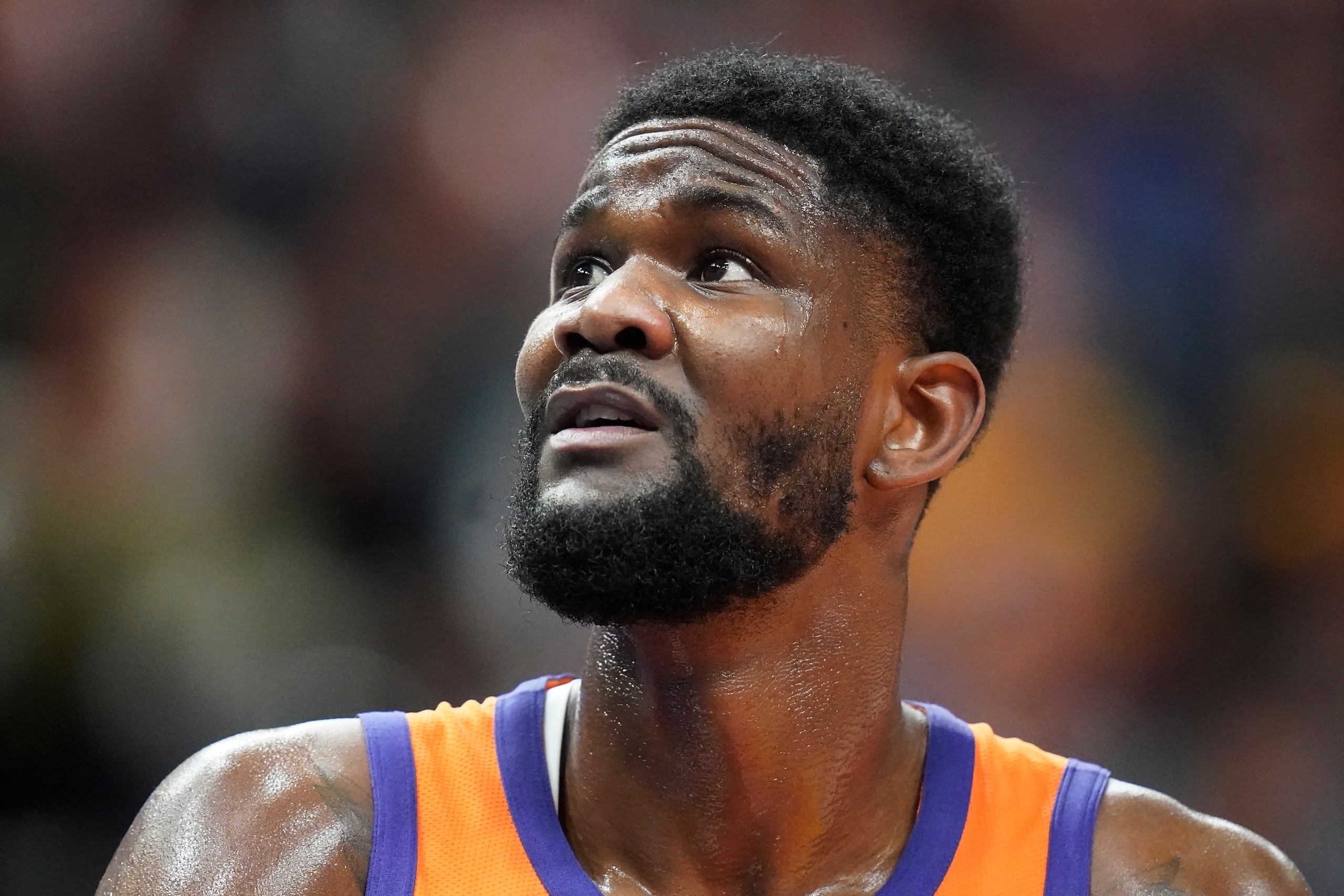
Even with the limited cap space around the league this season, some team creating enough to throw a max offer sheet at Deandre Ayton feels likely.
Through four NBA seasons, he's shown just about everything needed to be worth that.
In his first two seasons, he showed potential to be a borderline top scoring option, averaging 17.0 points in just 31.4 minutes while shooting 57.0 percent from the field. He also looked like a dominant rebounder.
While some of his raw numbers (including points per game) declined quite a bit after the arrival of Chris Paul, everything else he's done since might be more impressive.
Ayton is a reliable defensive anchor who doesn't just clog the paint. He also holds up well on switches outside, which is part of why the Phoenix Suns have had the league's second-best defense since the start of the 2020-21 season.
Beyond the numbers, Ayton's willingness to accept a smaller offensive role for the sake of winning shows his value as a teammate.
During his four NBA seasons, he's demonstrated the talent of a top one or two option and the attitude of a role player.




.jpg?w=2560 "Love's Body Already 'Tired'")

.jpg?w=2560 "Tyreek Deal May Come Soon")
.jpg?w=2560 "Mahomes' Wife Trolls Kubiak 💀")