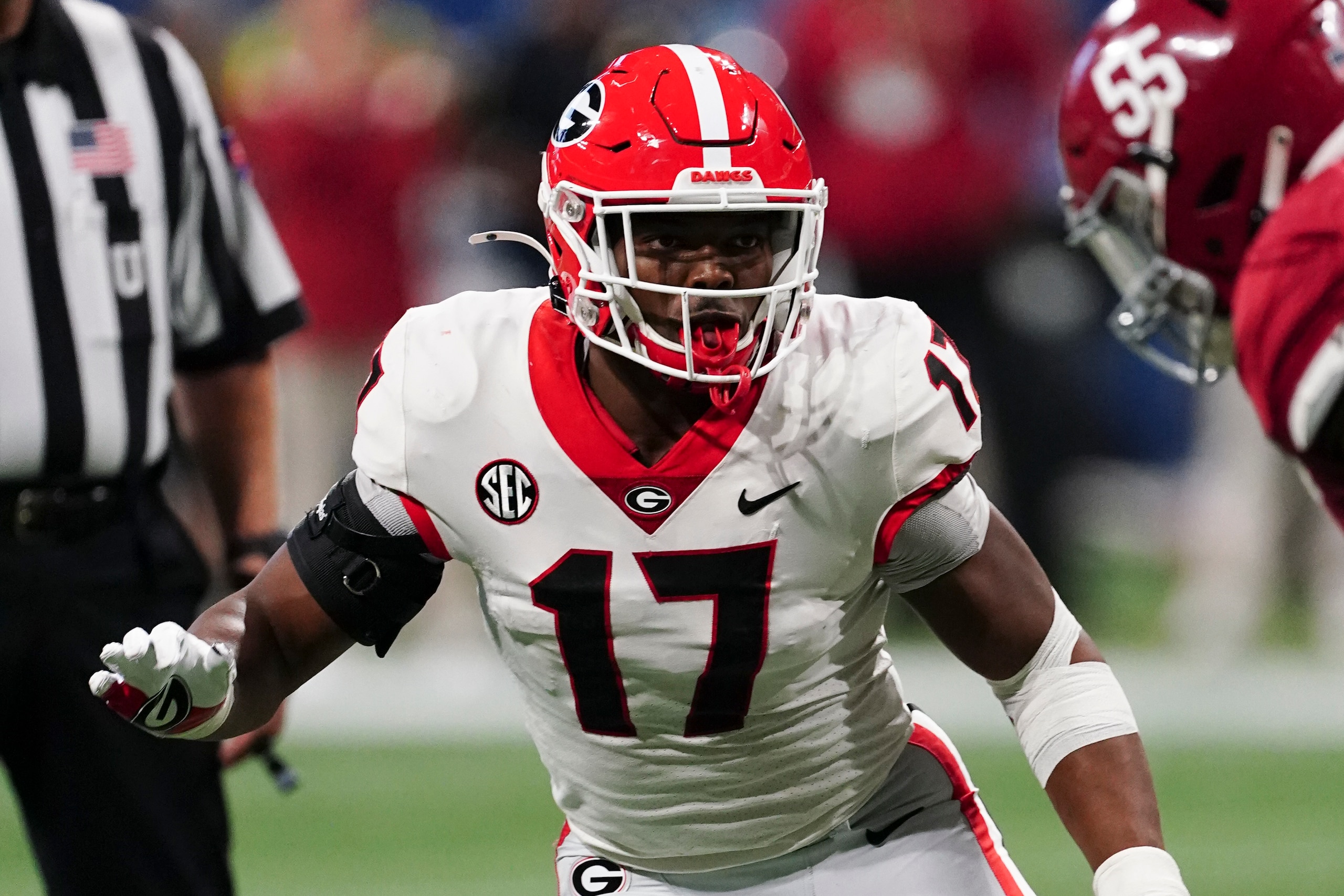


The predraft process isn't kind to everyone. Talent evaluation remains ongoing up until the NFL draft.
Teams tweak their draft boards based on the results of all-star games, the combine, pro days and individual workouts. Scouting departments want to see if an prospect hits certain thresholds, performs well in highly stressful situations and how they interact with others in these settings.
Medical evaluations and private interviews also factor into this mix. Defensive tackle Maurice Hurst Jr. fell to the fifth round of the 2018 draft after doctors diagnosed him with a heart condition at the combine.
The following eight prospects have seen their draft stock sink over the past month because of poor athletic testing, undesirable measurements and/or newfound injury concerns.
RB Isaiah Spiller, Texas A&M
1 of 8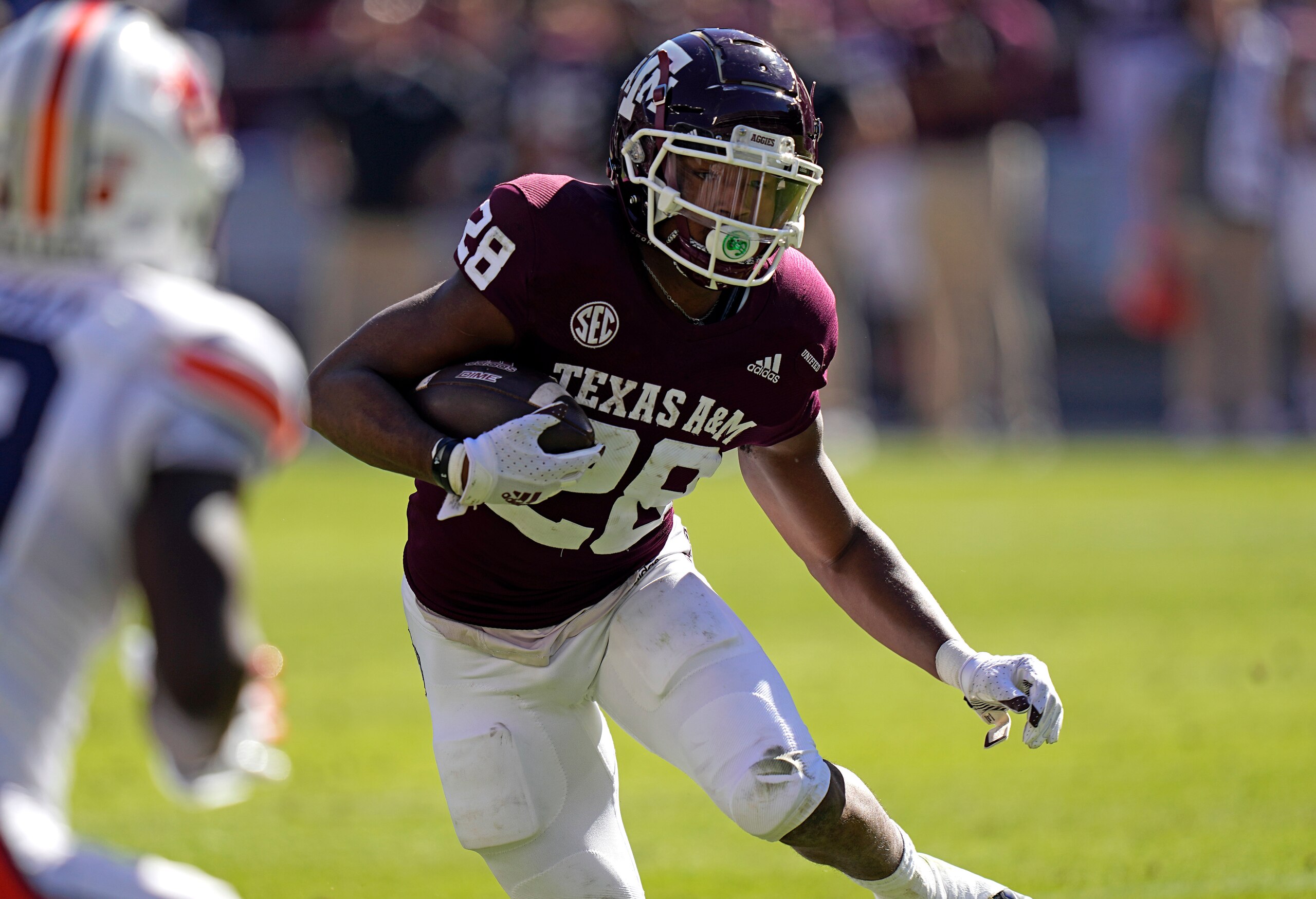
Texas A&M's Isaiah Spiller has been projected as one of the running back prospects throughout a vast majority of this year's evaluation period. However, his recent testing numbers don't portend a top back.
At the NFL combine, the 6'0⅜", 217-pound Spiller didn't run the 40-yard dash or any of the change-of-direction drills. But his 30-inch vertical and 10'6" broad jumps indicate a lack of lower-body explosiveness. Both numbers fall in the 22nd percentile or below running backs, per Mockdraftable.
Spiller did nothing to better his standing at the Aggies' pro day. He ran a 4.63-second 40-yard dash, according to NFL Network's Jane Slater.
"I didn't really prove anybody wrong," he admitted after the workout, per the Dallas Morning News' Calvin Watkins. "People are going to hate on me."
However, Spiller told reporters that he's working through a slight hamstring injury. And regardless, his game isn't predicated on speed.
Spiller is a physical runner with 2,047 rushing yards and 15 touchdowns over the last two seasons in the SEC. However, his skill set limits his value as a prospect because he won't be seen as a ball-carrier who can create chunk plays.
WR Treylon Burks, Arkansas
2 of 8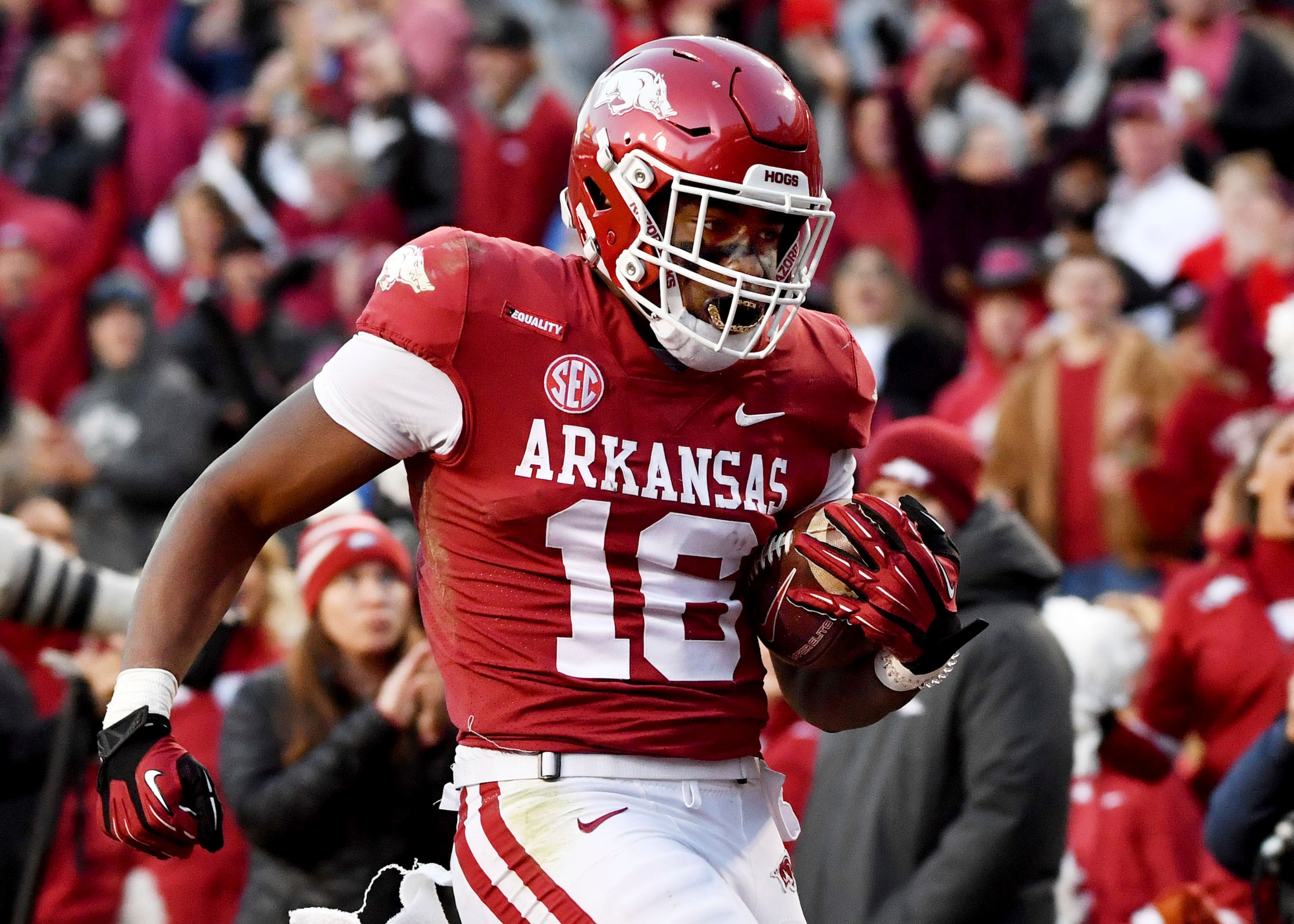
A handful of wide receivers had a chance to differentiate themselves and stack the board in their favor during the predraft process. However, Arkansas' Treylon Burks fell short of expectations during predraft testing.
At 6'2" and 225 pounds, Burks is a bigger target. His game is predicated on creating after the catch and outmuscling man-to-man coverage. However, he isn't as explosive as others in the the class, which will limit his ability to create chunk plays.
Twenty-one receiver prospects ran faster than Burks at the combine. He's a power player in a world of speed merchants.
When Burks is in the open field, he can pull away from defenders. However, he's a marginal athlete at his size. The fact that he didn't try to improve upon his 4.55-second 40-yard dash at Arkansas' pro day didn't help matters, either.
"As I've polled scouts and decision-makers around the league, though, Burks' name is often mentioned as someone the media is higher on than teams," ESPN's Matt Miller reported. " ... He could slip to the early portions of Round 2 following a poor showing at the combine and at his pro day."
TE Jalen Wydermyer, Texas A&M
3 of 8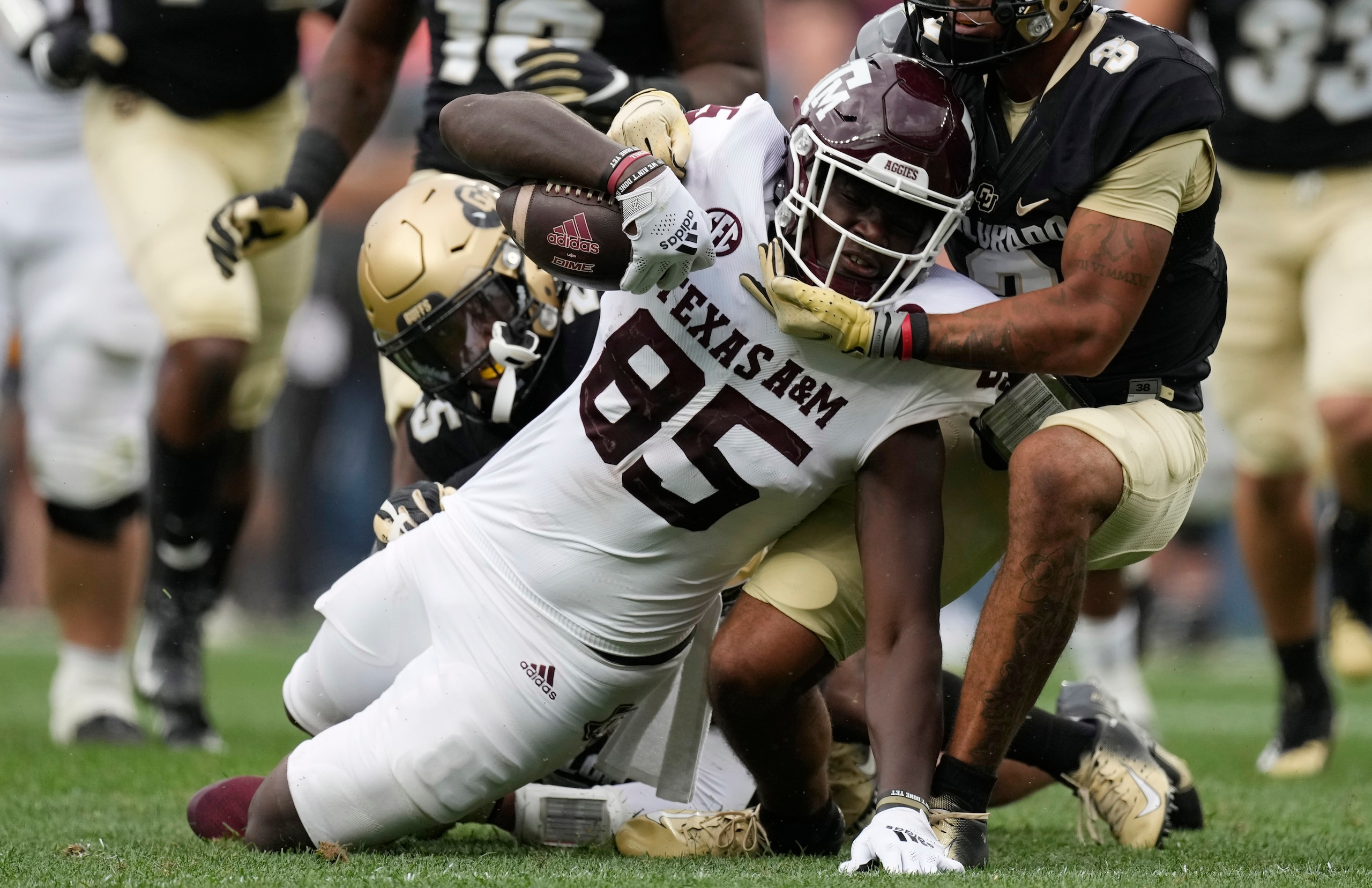
Running slower than expected is one thing. Running so slow that a prospect must prove that he isn't a historical outlier is another thing altogether.
At first blush, Texas A&M tight end Jalen Wydermyer looked like an emerging star in the SEC. During his true freshman and sophomore campaigns, he caught 78 passes for 953 yards and 12 touchdowns. As a junior, he came onto the draft radar as a potential top prospect at his position.
Upon closer inspection, the junior didn't improve from his first two seasons, and his game speed came into question. His workouts confirmed those concerns.
At Texas A&M's pro day, Wydermyer ran a dismal 5.03-second 40-yard dash, per NFL Network's Jane Slater. As NFL.com's Lance Zierlein noted, the four tight ends who were drafted with a 40-yard dash that slow were all Day 3 picks. Questions about Wydermyer's immaturity are also circling throughout the NFL scouting community, per Pro Football Network's Tony Pauline.
To Wydermyer's credit, he's a big (6'3⅞", 255 pounds) and long target who's particularly reliable in the red zone. According to Pro Football Focus, the 21-year-old had the second-most red-zone targets without a drop since the start of the 2020 campaign. He can still be an in-line option for some team, but his athletic traits won't make him a mismatch in the passing game.
Due to his poor testing, Wydermyer might have gone from a potential early-round pick when this process began to an undrafted free agent.
.jpg?w=2560 "Colts Football")
.jpg?w=2560)
.jpg?w=2560 "Commanders 49ers Football")
C Tyler Linderbaum, Iowa
4 of 8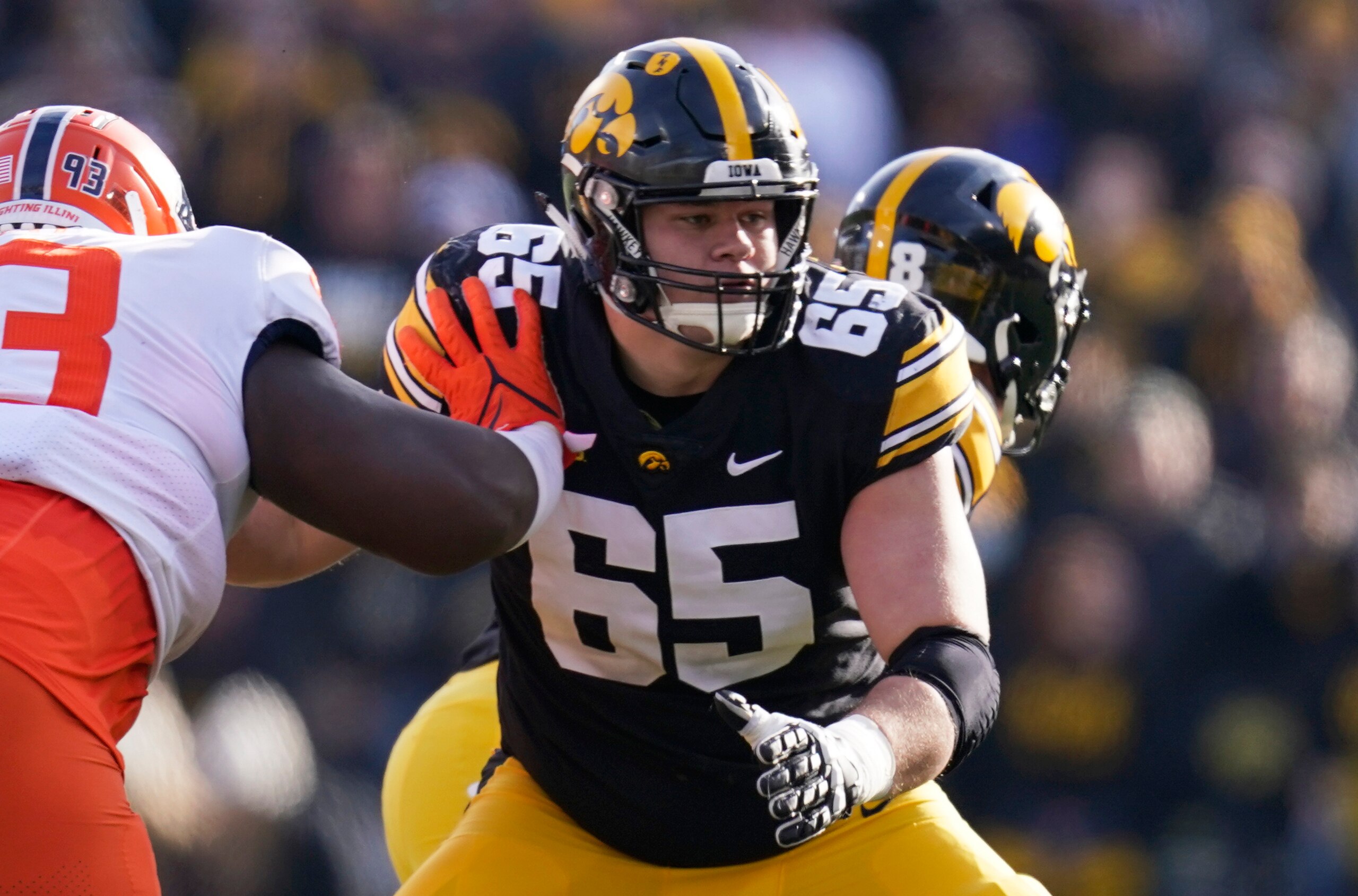
Before any measurements or times were taken into account, Iowa's Tyler Linderbaum was already viewed as a scheme-specific talent whose value would be tempered by a smaller frame.
Iowa listed Linderbaum at 6'3" and 290 pounds, and he weighed in at a respectable 296 pounds at the combine. However, an arm length measurement of 31⅛ inches hurt his standing.
According to Pittsburgh Sports Now's Nick Farabaugh, only four centers have been measured with shorter arms. Of those four, none became standout performers.
Linderbaum may be a tree stump snapping the ball, but his play on the field indicates he's an elite prospect.
"I don't know why they'd be concerned about [arm length]," former Iowa teammate Tyler Goodson told reporters at the combine. "Cut the tape... he's up there driving dudes 20 yards downfield, putting them in the bleachers."
Goodson isn't wrong. Linderbaum's on-field performance shows a certain level of dominance, particularly as a zone blocker who continually finishes his assignments.
However, NFL teams are looking for certain fits. Teams that employ heavier gap principles will value Linderbaum far less than zone-heavy squads. Even those zone teams might be reluctant to spend a first-round pick on him if they aren't comfortable with his build.
Linderbaum will be a great litmus test of how much those around the league value film over measurements.
Edge George Karlaftis, Purdue
5 of 8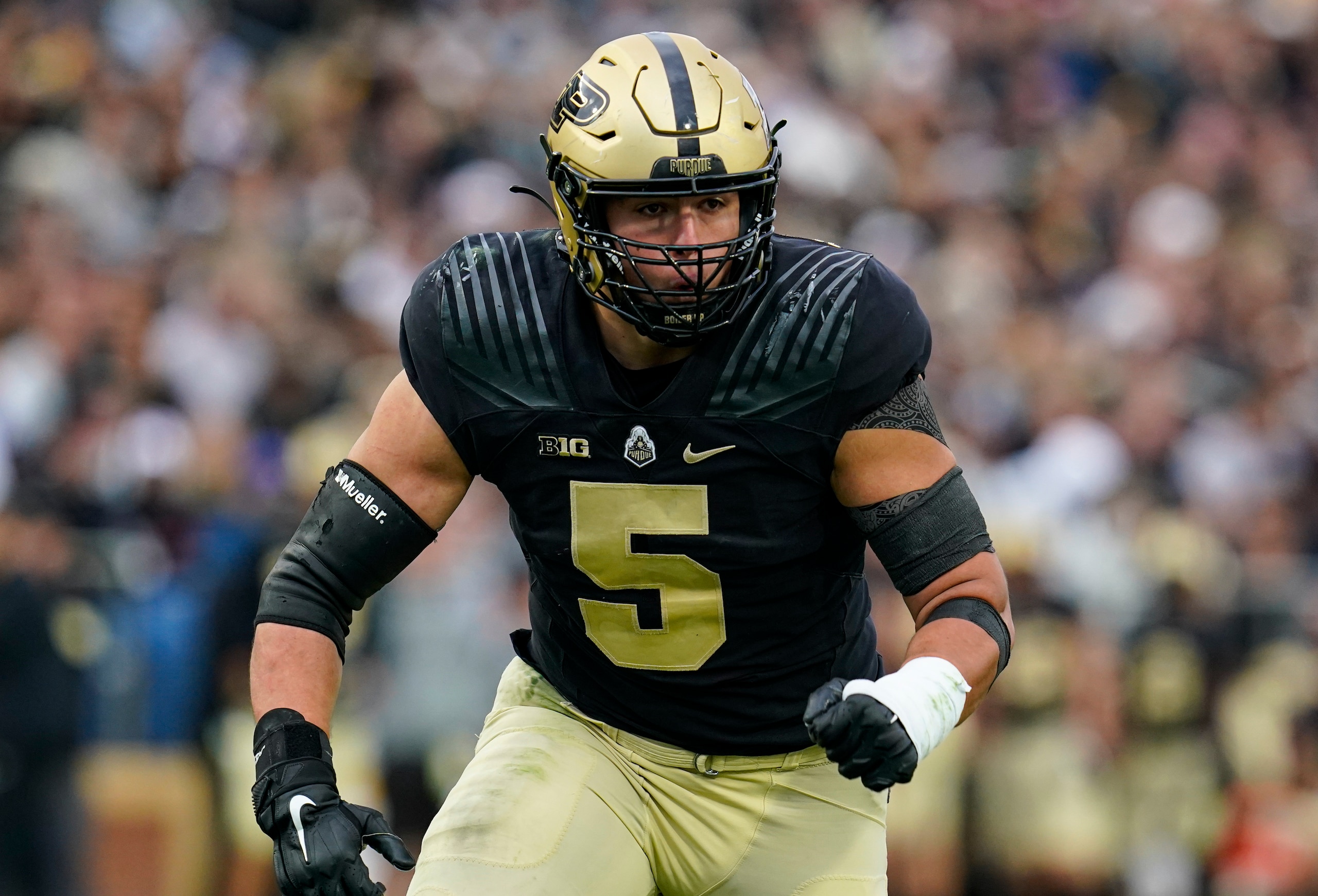
For much of the season, Purdue edge-rusher George Karlaftis looked like a future top-10 selection. However, questions about how he wins and how often it happens have started to arise.
After a standout freshman campaign with 17 tackles for loss and 7.5 sacks, Karlaftis played only two games in 2020 and finished with only 10 tackles for loss and 4.5 sacks this past season. He did tie with Michigan's Aidan Hutchinson for the best career pass-rush win rate among this year's draft class, per Pro Football Focus' Austin Gayle, but unlike Hutchinson, he isn't in the conversation for this year's No. 1 overall pick.
Karlaftis is predominantly a power rusher. He even admitted at the combine that he's at his best when working speed-to-power. He needs to become more well-rounded as pass-rusher.
Karlaftis was also quiet in some of Purdue's biggest games. That doesn't mean he didn't create an impact, but a little more consistency against top competition would have helped him tremendously.
Instead of being in the conversation for a top-10 selection with the likes of Hutchinson and Oregon's Kayvon Thibodeaux, Karlaftis is likely to become a mid-to-late first-round round pick.
LB Nakobe Dean, Georgia
6 of 8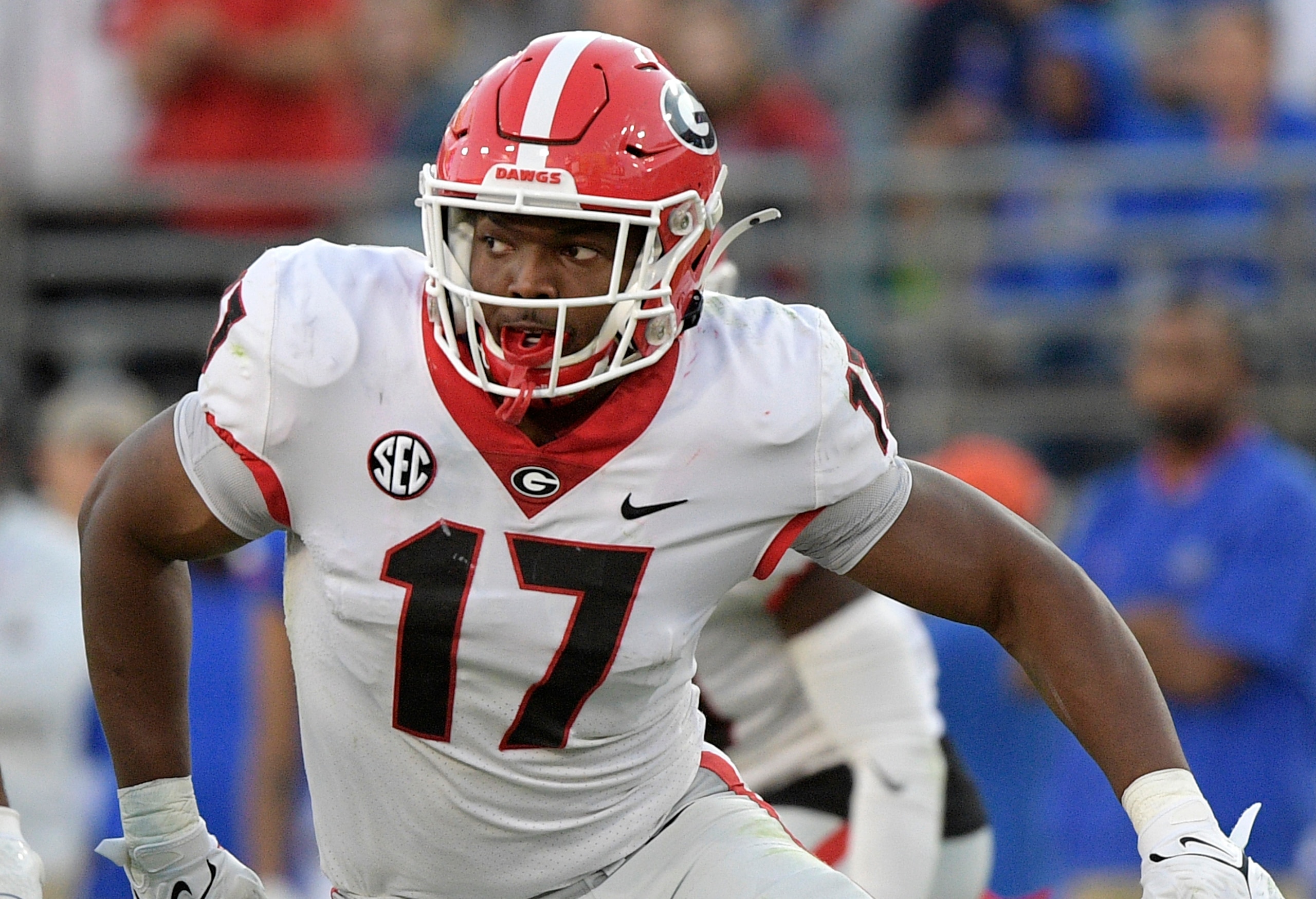
There seems to be a disconnect with regard to how those outside NFL circles view Georgia linebacker Nakobe Dean compared to those within.
The reigning Butkus Award winner is largely seen as one of the top linebacker prospects in this draft class, if not the best. However, NFL evaluators don't seem to be as high on him.
"Multiple scouts have mentioned to me that they gave him a Round 2 grade after the season," ESPN's Matt Miller reported. "With smaller measurables and no testing to date, Dean could be a surprise slip on draft night."
At 5'11¼" and 229 pounds with 31⅞-inch arms, Dean doesn't fall within the parameters of typical first-round linebackers.
The game is changing, and the position's movement skills are more highly valued than ever, which is why Patrick Queen and Devin Bush Jr. were both first-round picks. However, neither has been very successful yet. Roquan Smith is the closest in size while still flourishing, and he's still slightly taller and longer than Dean.
Teams will have other options to choose from in Utah's Devin Lloyd, Alabama's Christian Harris and possibly even Dean's teammate, Quay Walker, who are closer to more traditional standards.
LB Damone Clark, LSU
7 of 8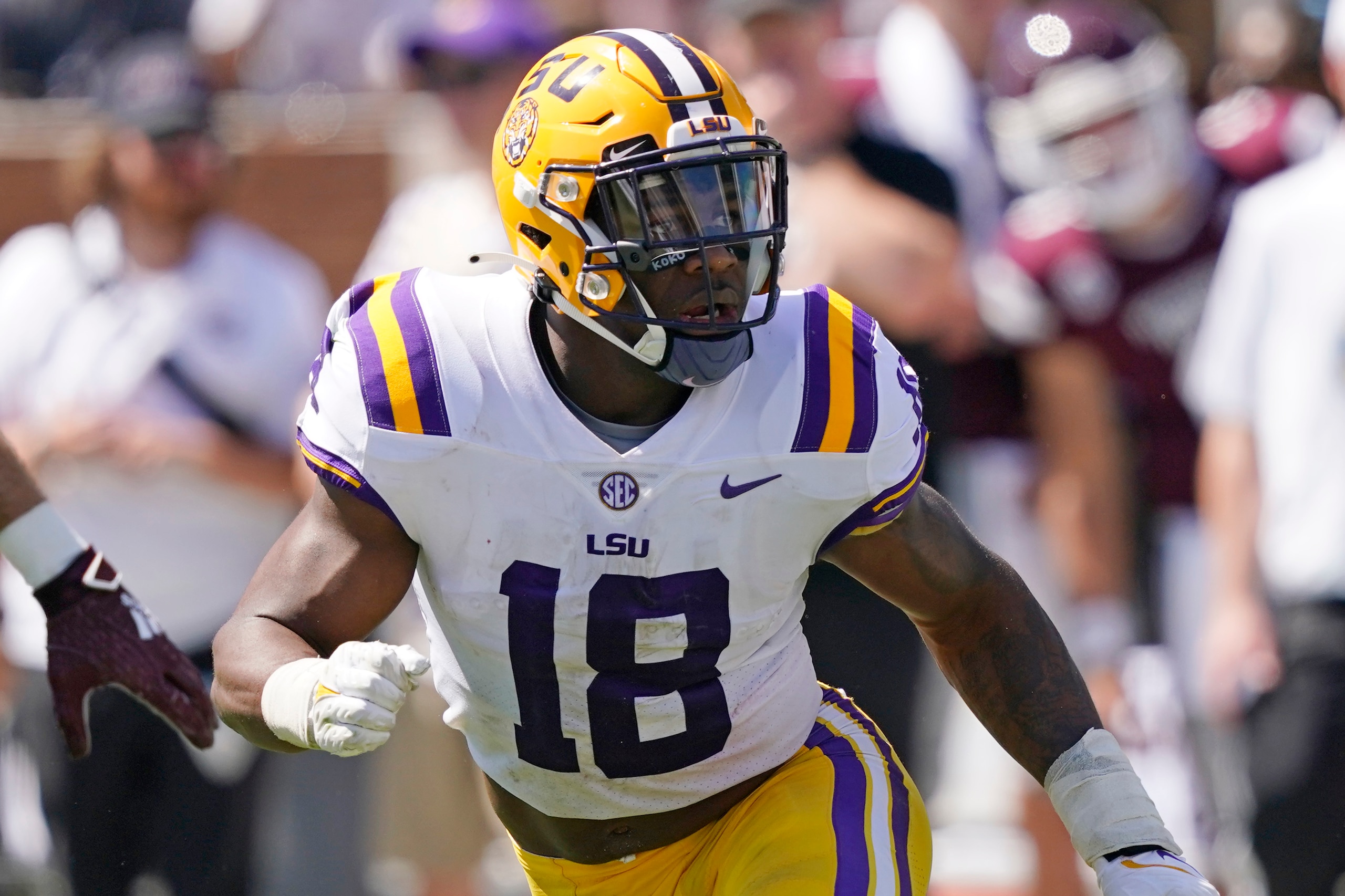
An MRI at the NFL combine revealed LSU linebacker Damone Clark had a herniated disk. The defender underwent spinal fusion surgery this past Thursday, per NFL Network's Tom Pelissero.
Before teams learned of the issue, Clark could have easily been one of the top five linebackers selected. Now he's expected to miss the entirety of his rookie campaign.
Some team may decide to select Clark in the later rounds with the intention of redshirting him during his first season. Whoever takes a chance on him will get the only linebacker in the class with 100 or tackles and a missed tackle percentage below seven, according to Pro Football Focus (h/t Smart Football).
Clark finished his final season on campus with 135 total tackles, 15.0 tackles for loss and 5.5 sacks.
"He's the best linebacker in college football, hands down," interim LSU head coach Brad Davis told reporters when Clark chose to opt out of the team's bowl game. "Not only his production on the field, but what he means to this team with his leadership and being a voice of calm and sustainability when things were going haywire. I tell you what, the state of Louisiana owes that kid a huge debt of gratitude."
CB Derion Kendrick, Georgia
8 of 8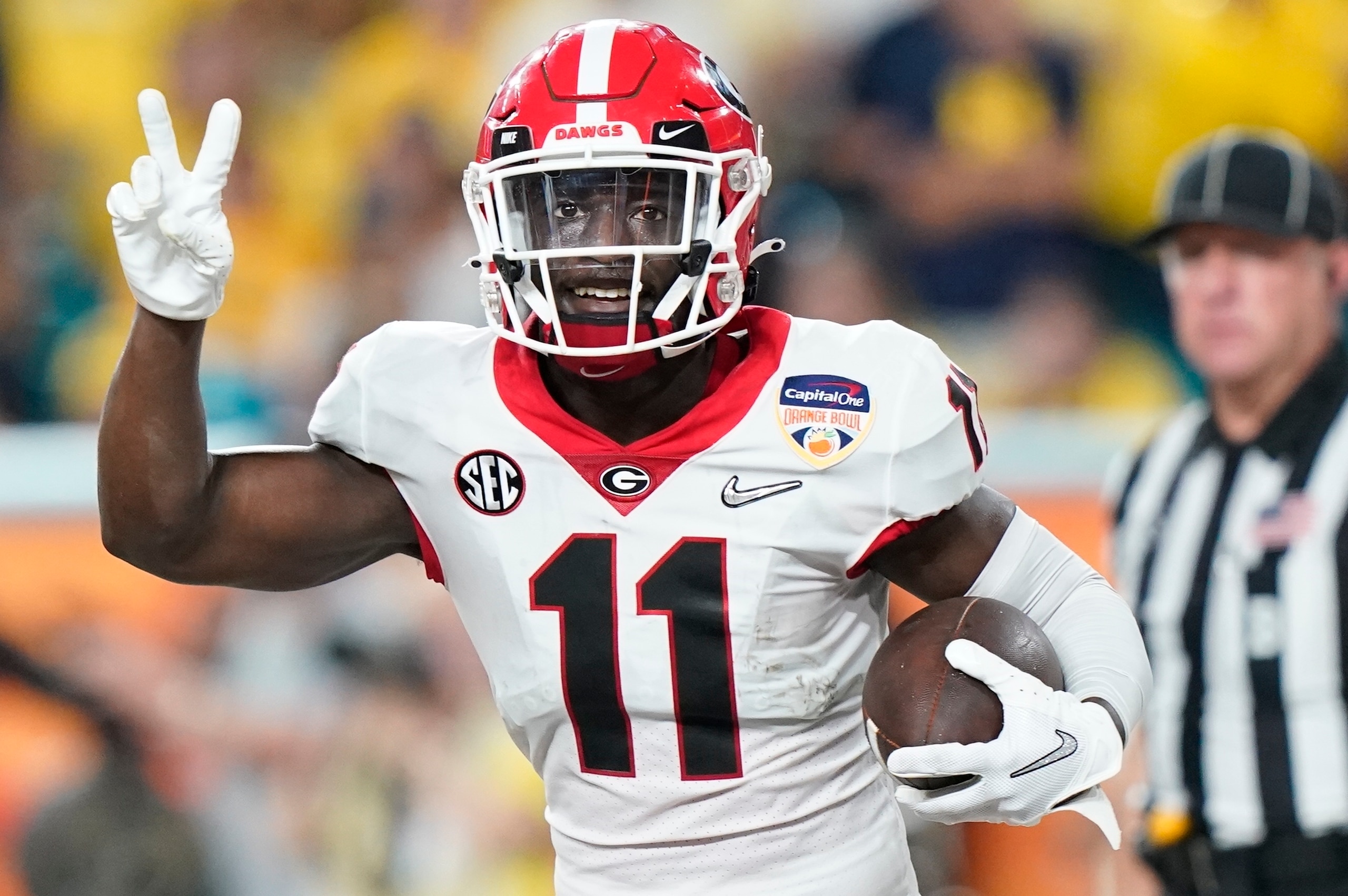
One number can haunt a prospect for years. In the case of Georgia cornerback Derion Kendrick, that figures to be the 4.75-second 40-yard dash that he ran at Georgia's pro day, per ESPN's Matt Miller.
Only three cornerbacks have run a 4.75 or worse at the NFL combine since 2000, per Marcus Mosher of USA Today's Raiders Wire. Only one of them heard their name called during the NFL draft, and Syd'Quan Thompson had to wait until the seventh round.
Kendrick's speed—or lack thereof—creates a conundrum, as he did play a high level throughout the 2021 campaign.
According to Pro Football Focus, Kendrick played the most snaps among Power Five cornerbacks last season without allowing a touchdown. He also played the most zone and red-zone coverage snaps and without allowing a score. His passer rating allowed (38.6) turned out to be lower than if opposing quarterbacks threw the ball straight into the ground on every play.
As good as Kendrick was during last year's national championship run, teams won't be overlook his lack of top-end speed.
The wide receiver-convert is comfortable working in zone coverage and playing the ball. He might fit in certain schemes with a heavier emphasis on certain drops instead of being asked to turn and cover man-to-man. Some team also may envision him at safety, as they once did with Jairus Byrd after he ran a 4.68-second 40-yard dash as the NFL combine.
Either way, Kendrick should no longer be considered anything other than a Day 3 option.

.jpg?w=2560 "DOLPHINS-AIKMAN")








