
The Riskiest Big-Money 2022 NBA Free Agents
Risk is unavoidable in NBA free agency.
It's not, however, universally applied.
Some free agents carry only the standard injury risk attached to any professional athlete, plus the unpredictable elements of scheme and player fit from a scenery change. Others, though, have more troublesome health histories, not-for-every-system play styles or aging issues to worry about.
When those potential problems are attached to big-production, big-paycheck players, that's when the risk element peaks—as it will for the following quintet this summer.
James Harden, Philadelphia 76ers, Player Option
1 of 5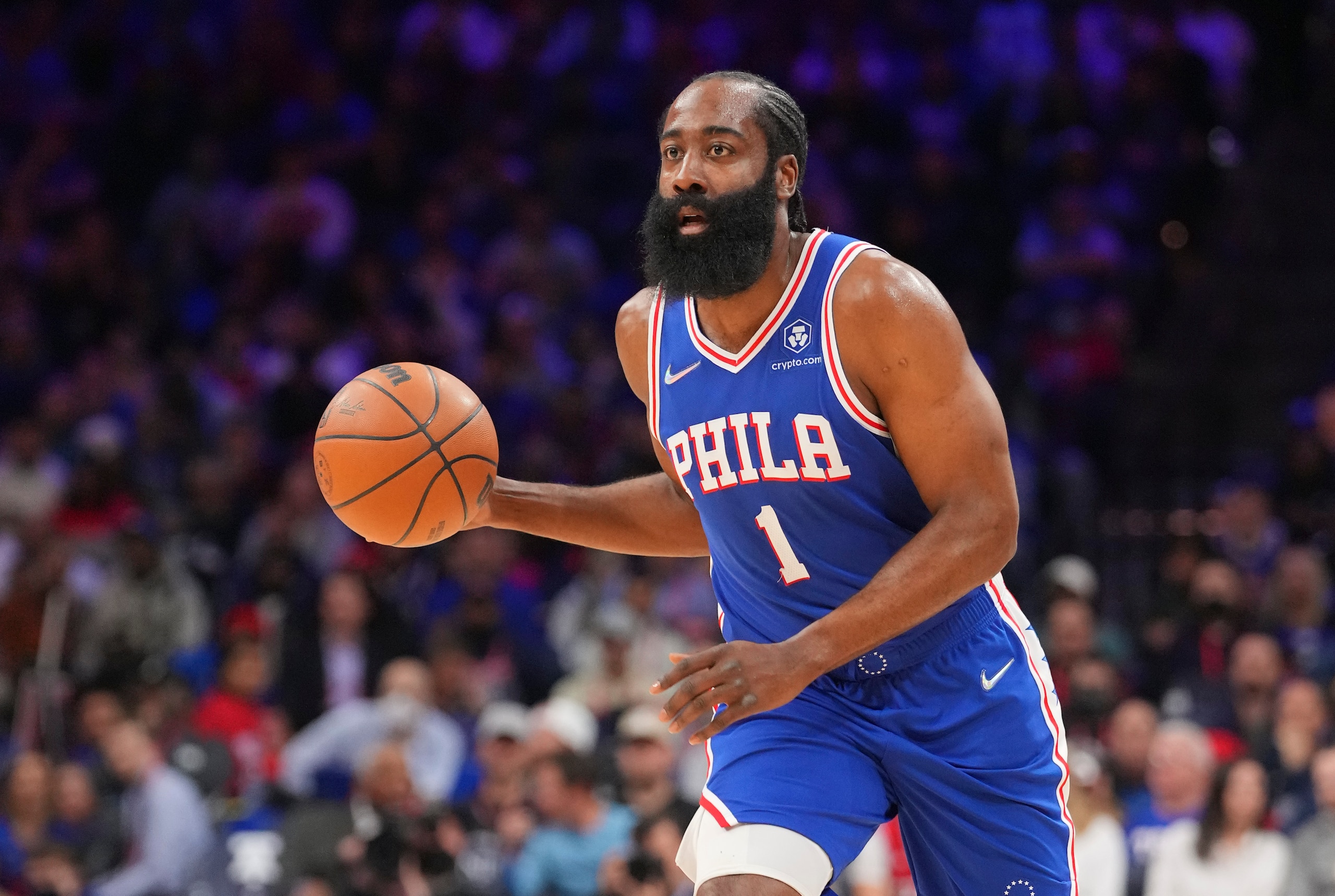
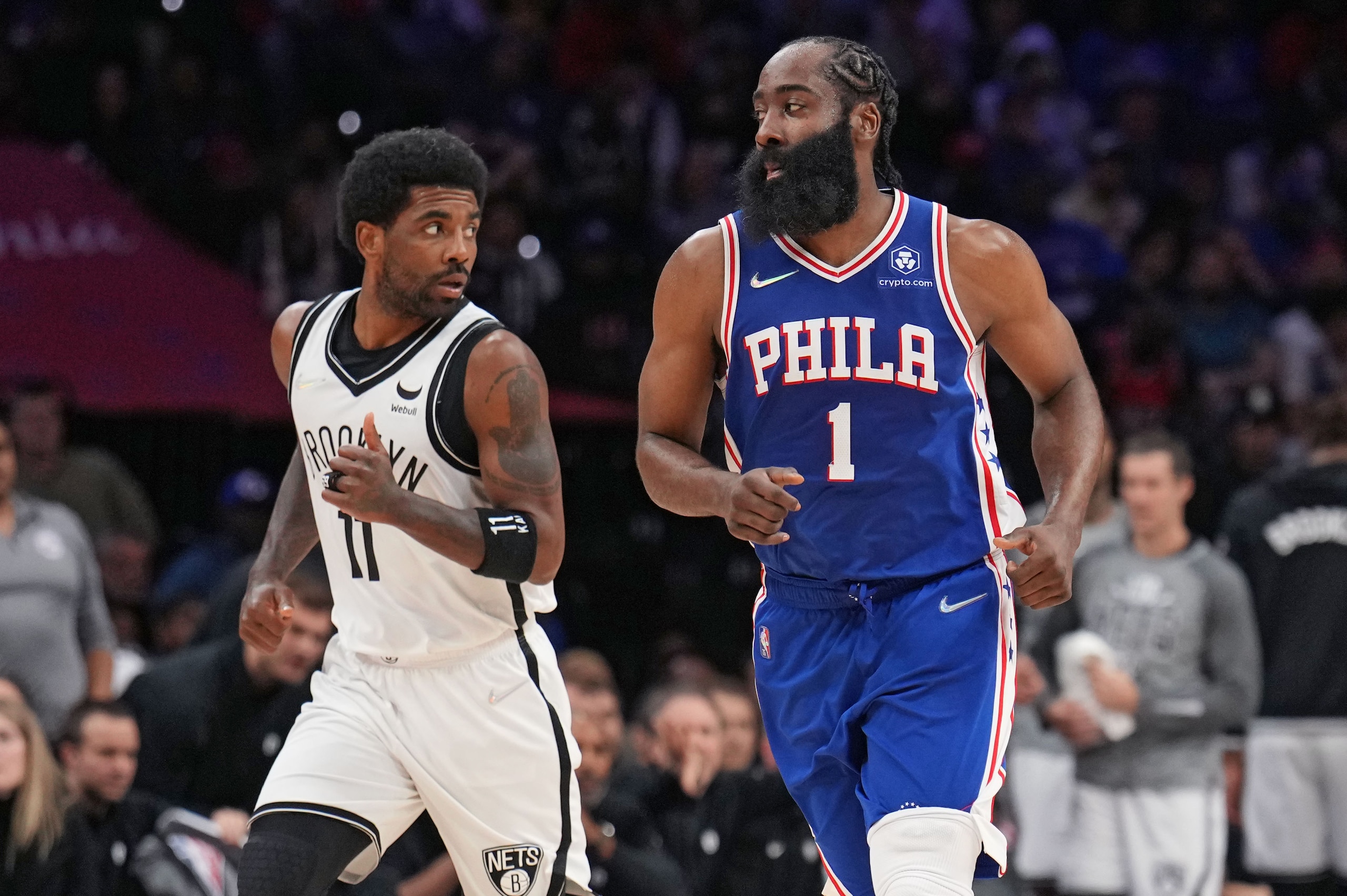
Directly or not, James Harden has forced his way off two teams in as many seasons. Even if the Philadelphia 76ers or any other suitor convince themselves Harden's changes of heart are behind him, that lack of commitment might be tough to stomach when committing a quarter-billion dollars to him.
That's not the primary issue, though.
Harden will be 33 before next season starts. If he inks a five-year max contract this summer—which could pay him north of $60 million for the final season—he'll turn 37 before it ends.
That's an astronomic amount to pay any player that age—well, anyone not named LeBron James, at least—but it's particularly risky for someone who might already be showing decline. Some might assign his (relatively) sagging stats to chemistry or conditioning issues, but the reality is:
- He is averaging his fewest points since 2011-12.
- His 41.6 field-goal percentage is the second-worst of his career.
- His 33.5 three-point percentage is the lowest he has ever posted.
- His 19.1 turnover percentage is his second-highest, and his 0.152 win shares per 48 minutes are his second-fewest.
Maybe his age and mileage are simply catching up to him. He has logged the 14th-most minutes among active players and has the eighth-highest career usage percentage in NBA history. If he isn't as shifty off the bounce, he simply isn't as effective. And he's never added much off-ball value, so that can't be a safety net without a dramatic change in his approach.
This won't keep someone from paying him massive money, and if he can reverse a few of these trends—he has looked better in Philly than he did in Brooklyn for whatever that's worth—he might prove worth it. But there is very little to take from this season and last that suggests his next contract can age gracefully.
Kyrie Irving, Brooklyn Nets, Player Option
2 of 5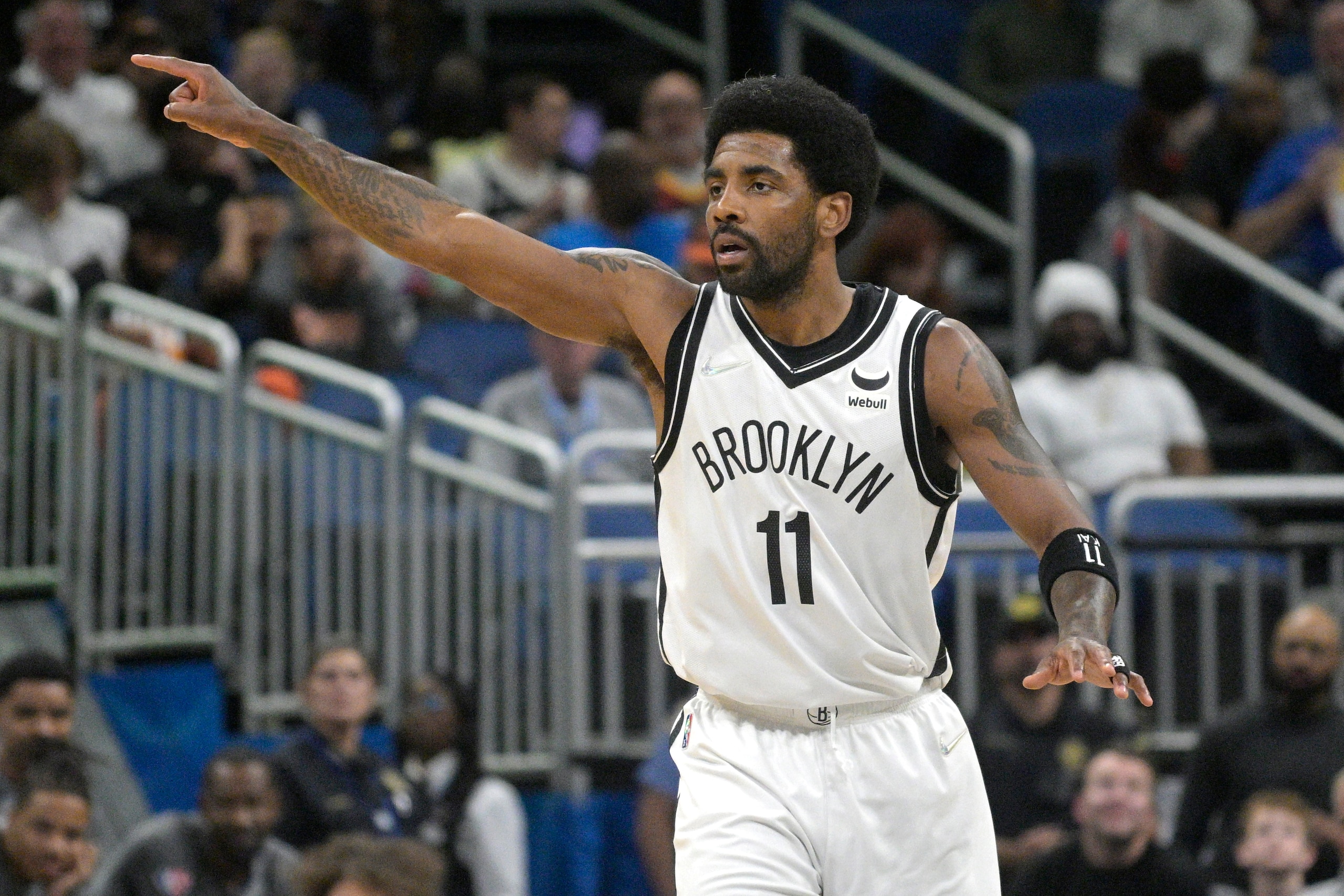
Kyrie Irving last cleared 70 games in 2016-17. And in case anyone thinks the numbers are fudged by the last two shortened seasons, he didn't come close to a 70-game pace in either and made just 74 of a possible 144 contests combined.
That's a ton of time missed. No matter your stance on the reasons behind the absences, that's a metric ton of games his teams were forced to play without him.
Why should anyone assume that changes going forward?
"For the most part, every front office and coaching staff is scared to death of him and doesn't want to touch him," an NBA executive told HoopsHype's Michael Scotto in November. "... He's a guy that front offices don't trust. Coaches don't want to deal with him. Players like him."
On the court, there's no questioning Irving's worth. He's a scoring savant. He's a single field-goal percentage point away from his second 50/40/90 shooting slash in as many seasons, and he has reached this level of efficiency while pumping in a personal-best 27.7 points per night. He is more of a good playmaker than a great one, and his defense isn't remarkable, but few players can match his combination of volume and efficiency as a scorer.
But the off-court worries aren't going away, which could make it tough to make a four- or five-year commitment to a 30-year-old.
Mitchell Robinson, New York Knicks, Unrestricted
3 of 5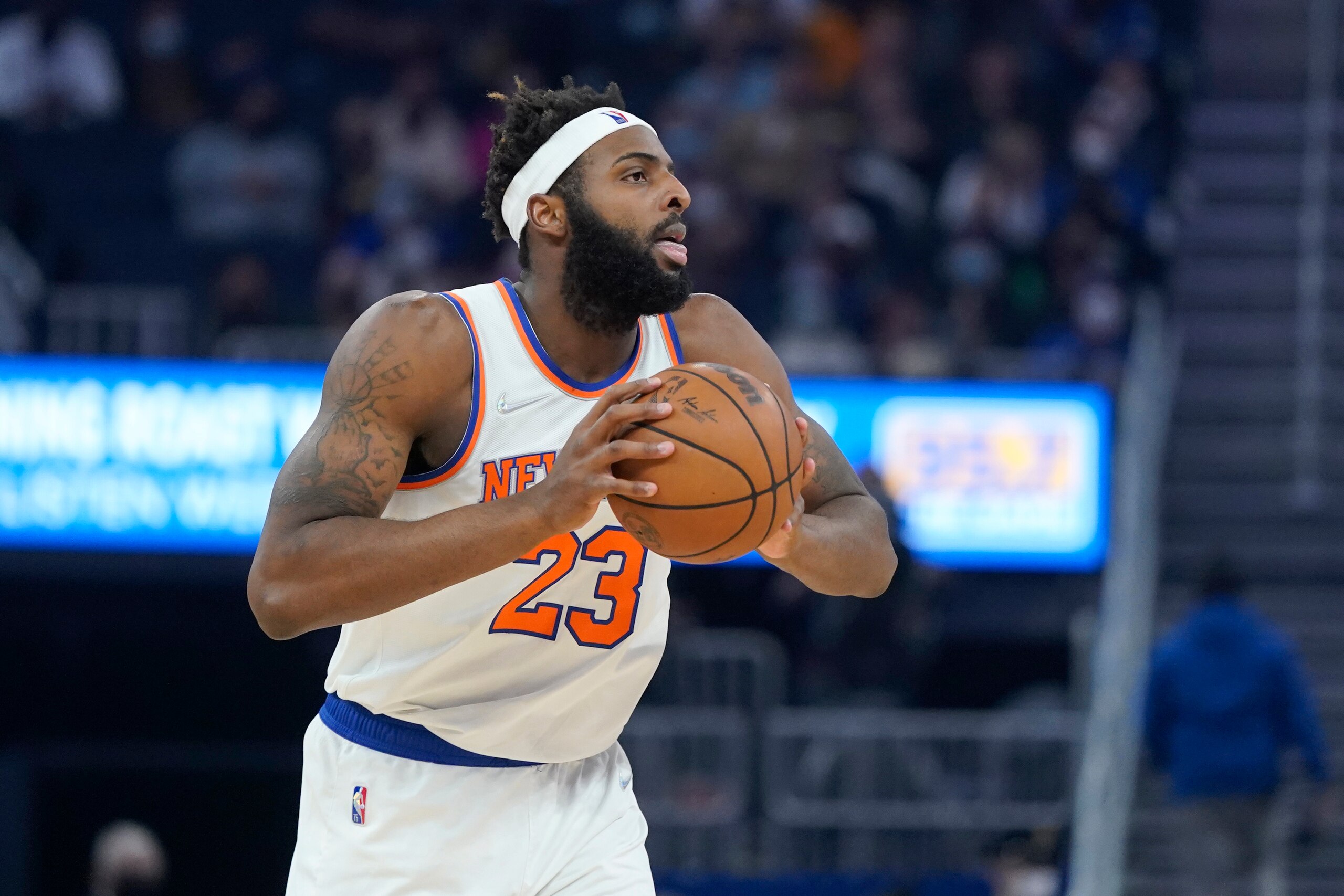
It's easy to be tantalized by Mitchell Robinson.
He is massive even by NBA standards (7'0", 240 lbs. with a 7'4" wingspan) and unfairly mobile and explosive for his size. Squint, and you can envision him anchoring an elite defense while making annual pushes for Defensive Player of the Year honors.
But the defense he anchors now is not elite (New York is 12th in defensive efficiency), and according to most metrics, neither is he. Defensive win shares and defensive box plus/minus both put him outside of the top 25. FiveThirtyEight's Defensive RAPTOR ranks Robinson outside of the top 30. The 56.2 percent shooting he allows inside of three feet is good but not special for a high-volume interior defender.
That's part of the rub with Robinson; if he's not an all-caps DOMINANT defender, then how good can he be? He's neither a shooter nor a shot-creator, so he is restricted to rim-running duties on offense. Those are helpful to have, but not worth breaking the bank to get.
That's before taking Robinson's history into account, which includes past problems with foul trouble and some injury issues, the worst of which limited him to 31 games last season as he suffered a fractured right hand and a fractured right foot.
If his ceiling convinces someone to give him an eight-figure annual salary, they'll be taking on more risk than you'd like for an investment of that size.

Collin Sexton, Cleveland Cavaliers, Restricted
4 of 5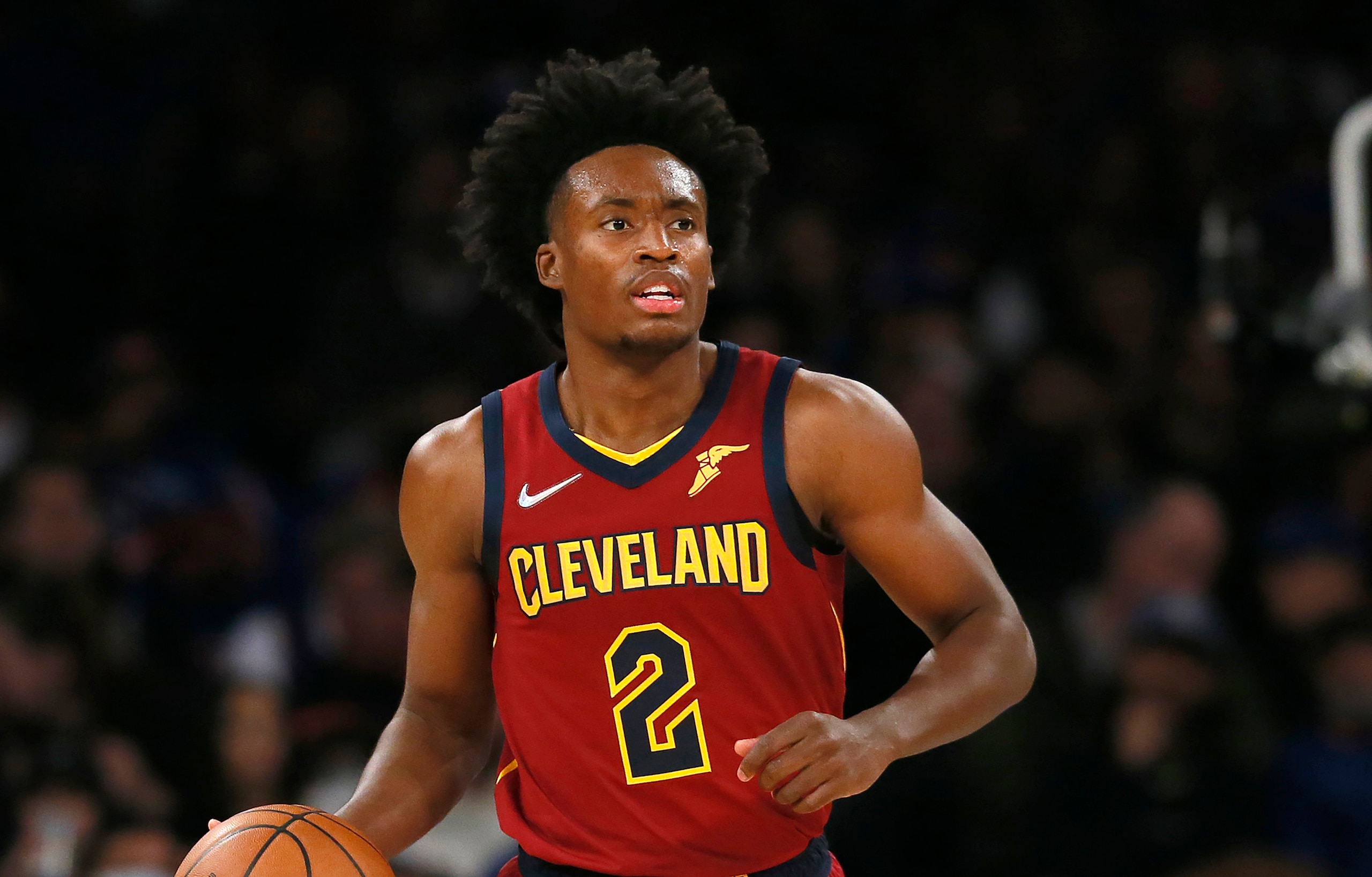
A healthy Collin Sexton is an electric scorer.
So, why is he on this list? Well, he hasn't been healthy since tearing his meniscus in November, and it's unclear what, if anything, he provides beyond scoring.
The meniscus tear shouldn't be a big worry moving forward, but Sexton's one-track skill set could be.
The value of a 6'1" scoring specialist just doesn't stretch that far. To that end, despite owning a career scoring average of 20 points and arguably shooting better than expected from every level (career 45.8/37.8/82.7 slash), his career player efficiency rating is 15.0, or exactly league average.
He does most of his damage inside the arc, with threes accounting for fewer than 25 percent of his field goals. He doesn't get to the line a ton either (career 4.3 free-throw attempts per game), so he isn't drawing enough scoring from the game's most efficient spots. It speaks to his natural skill level that he still produces this many points, but it also shows why teams perhaps shouldn't take the numbers at face value.
And, remember, scoring is his strong suit—by a mile. His playmaking is forgettable at best (career 3.3 assists against 2.5 turnovers), and the nicest thing to say about his defense is that he usually tries hard, but his lack of size (6'1", 190 lbs) limits what he can do.
There's a non-zero chance his ultimate NBA calling is that of a spark-plug sixth man, but his paycheck might say something entirely different. Prior to the season, he and the Cavaliers discussed an extension "for something in the neighborhood of $20-25 million a year" before the talks hit a "snag" and fizzled out, per The Athletic's Jason Lloyd. Anyone committing that kind of coin to Sexton is projecting some significant growth in his game, because his scoring alone isn't worth it.
T.J. Warren, Indiana Pacers, Unrestricted
5 of 5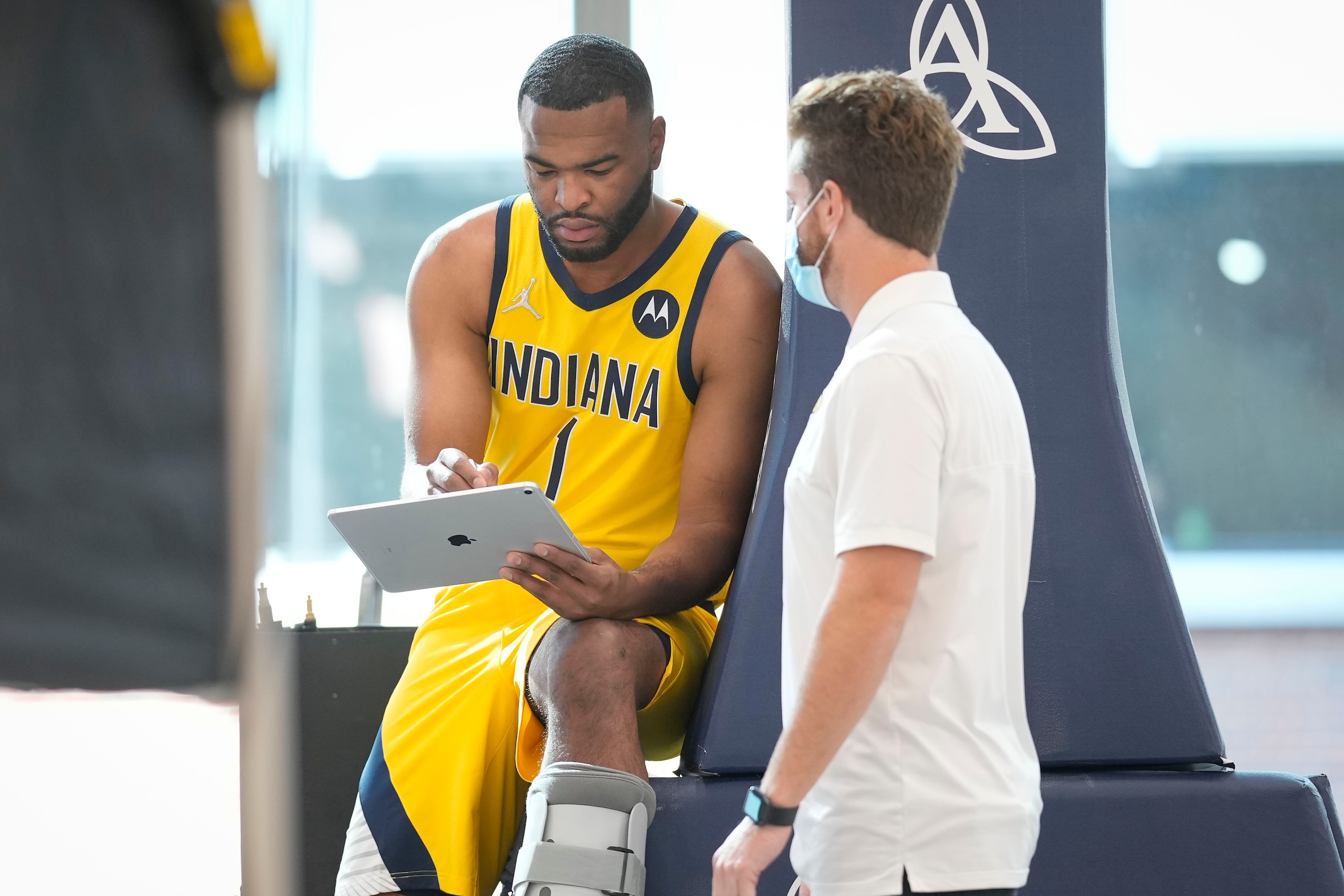
Anyone remember the legend that was T.J. Warren inside the Orlando bubble?
He opened the 2019-20 season's restart with a 53-point eruption and cleared 32 points in three of his next four outings. In six games before the bubble playoffs started, he averaged 31 points on—wait for it—57.8/52.4/88.9 shooting.
He was awesome, totally transformational even. This was Warren as he'd never seen before. Sadly, it was also Warren as he's never been seen since.
He couldn't carry that momentum into the postseason, where he averaged a good-not-great 20 points on 47.1 percent shooting (36.8 percent from distance). He opened the 2020-21 campaign by averaging 15.5 points on 52.9 percent shooting (0-of-7 from range) over the first four contests, and that was it. Stress fractures in his left foot have kept him sidelined ever since, and he won't hit the hardwood before free agency, per ESPN's Adrian Wojnarowski.
So, what will the market make of Warren now? Wojnarowski reported Warren is "fully recovered now," but we're closing in on 16 months since he last suited up. He also really only had that momentary flash of greatness, and otherwise it's been more goodness—or, according to his career 16.7 PER, above-averageness.
He might make for an interesting flier, but Wojnarowski described Warren as being "one of the better perimeter players available" in free agency, which suggests someone thinks Warren is getting paid, if not paid. Anything beyond a prove-it pact could be immediately red-flagged until Warren can prove his foot problems really are behind him.
Statistics are accurate through Monday's games and courtesy of NBA.com and Basketball Reference unless otherwise noted.
Zach Buckley covers the NBA for Bleacher Report. Follow him on Twitter, @ZachBuckleyNBA.