It's becoming increasingly unlikely that Aaron Rodgers will finish his career with the Green Bay Packers, which was also the case with previous Packers franchise quarterback Brett Favre.
That potential reality combined with Tom Brady's recent jump from the New England Patriots to the Tampa Bay Buccaneers makes you wonder if Eli Manning might one day be viewed as the last longtime starting signal-caller to start and finish his career with the same team.
Few ever imagined Brady anywhere except New England, and it's still difficult to envision Rodgers in a color other than green, but trade reports and rumors are still swirling as the Packers continue to sign quarterbacks.

.jpg?w=2560 "Cowboys Eagles Football")

And even if Rodgers remains in Green Bay in 2021, 2020 first-round pick Jordan Love's presence likely means the three-time MVP will wind up elsewhere eventually.
That would give him something else in common with Brady, Drew Brees, Peyton Manning (14 years with the Indianapolis Colts and four with the Denver Broncos) and Philip Rivers (16 years with the San Diego/Los Angeles Chargers and one with the Colts).
In the same era, Brees did things a little differently. He finished his career with the team he spent his prime with (the New Orleans Saints) but was drafted by the Chargers, where he played his first five seasons.
Altogether, 25 quarterbacks have played and retired with at least 25,000 career passing yards in the 21st century. But only two of those 25—Manning from the New York Giants and former Dallas Cowboys quarterback Tony Romo—played for just one team their entire career.
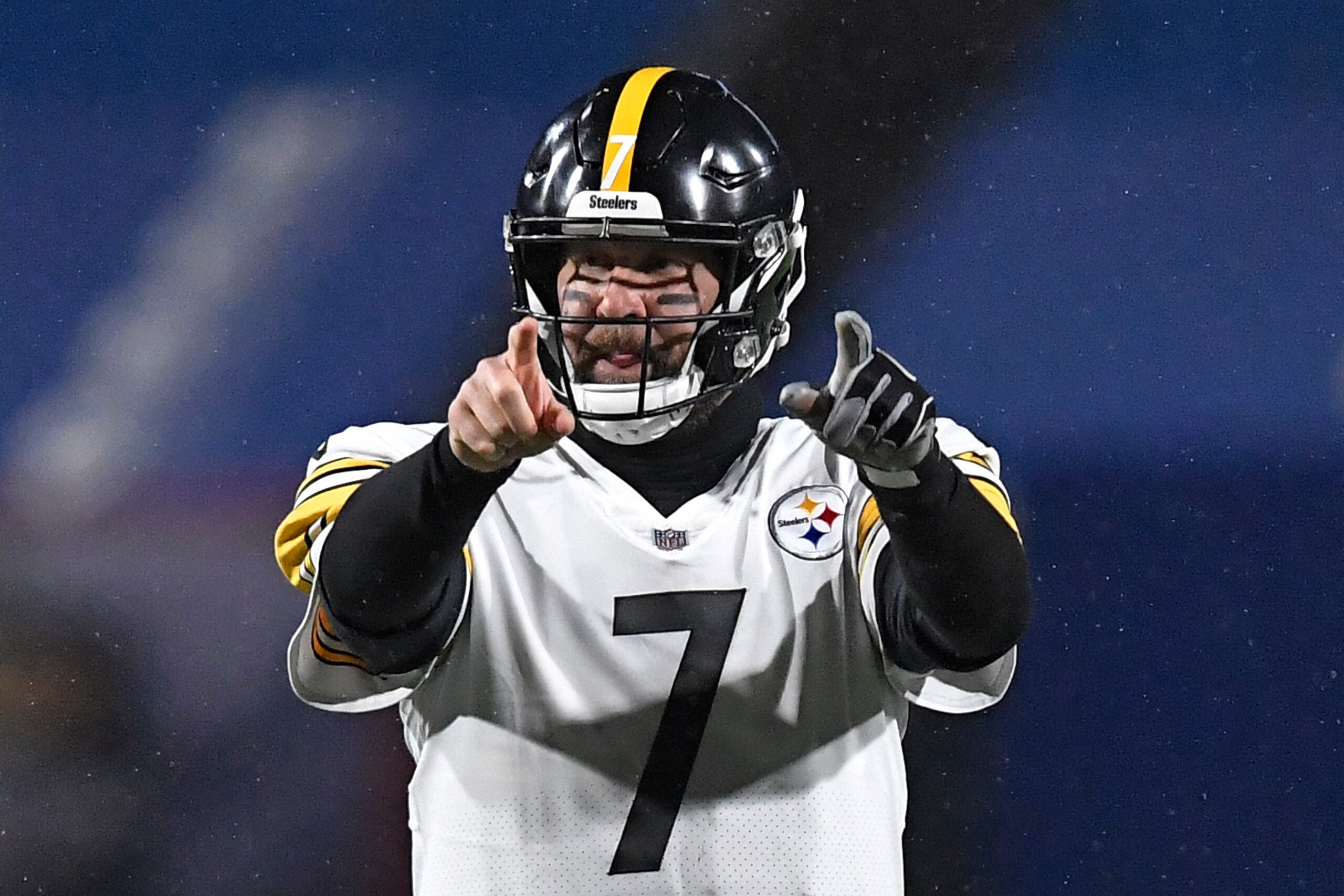
Rodgers, Ben Roethlisberger (17 years and counting with the Pittsburgh Steelers) and Matt Ryan (13 years and counting with the Atlanta Falcons) can still curb that, and there's hope for Russell Wilson (nine years in with the Seattle Seahawks but already some acrimony), Derek Carr (seven years under his belt with the Las Vegas Raiders), Dak Prescott (five years in the books with the Cowboys and a new four-year contract in place) and Patrick Mahomes (four years down and under contract with the Kansas City Chiefs through 2031).
But it gets pretty dire pretty quickly when you run down the list: The one-team quarterback club has already lost Kirk Cousins, Joe Flacco, Jared Goff, Cam Newton, Matthew Stafford, Ryan Tannehill and Carson Wentz.
It's not as though this is an entirely new concept. Joe Montana memorably concluded his career with the Chiefs, Johnny Unitas retired as a member of the Chargers, and Fran Tarkenton enjoyed prime seasons with both the Minnesota Vikings and Giants.
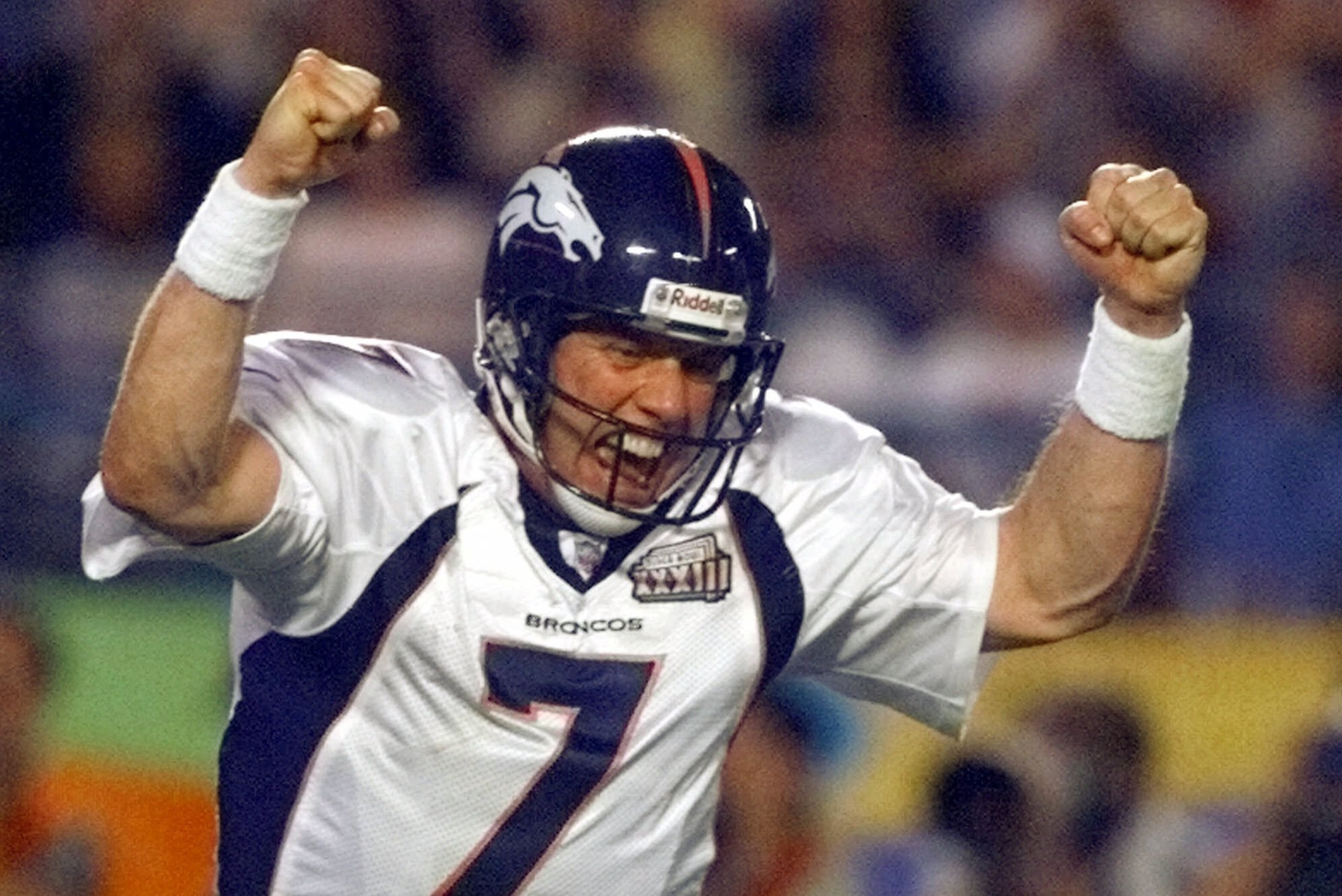
But there were certainly more single-team quarterbacks in the 20th century, including Dan Marino, John Elway, Jim Kelly, Troy Aikman, Dan Fouts, Ken Anderson, Phil Simms, Terry Bradshaw, Joe Theismann, Bob Griese, Roger Staubach and—if we want to go further back in time—Bart Starr, Sammy Baugh, Otto Graham and Sid Luckman.
Obviously free agency and the salary cap are merely a quarter-century old, and that's a big factor. Trades are also more common now than ever, and quarterbacks are so well-protected that their shelf lives are longer.
Put it all together, and it's easy to see why fewer of them have remained in one spot from start to finish. But that doesn't change the fact a wire-to-wire career with one team is a beautiful thing. In fact, its beauty will only become enhanced as it becomes rarer.
That might even be something Rodgers, Roethlisberger, Ryan, Wilson, Carr, Prescott and Mahomes will want to consider when pondering their legacies. But at a certain point, the reality is they might not have total control over whether they can retire as one-franchise quarterbacks.
And so in a weird way, movement involving any of those players in the years to come will put another feather in Eli Manning's cap.
Brad Gagnon has covered the NFL for Bleacher Report since 2012. Follow him on Twitter: @Brad_Gagnon.
.jpg?w=2560 "Colts Football")