

Ranking Best NBA Rookie Extension Deals + What's Next for Players Without a Deal
Monday evening marked the deadline for teams to give rookie-scale extensions to the 2017 draft class. The day did not disappoint.
Of the 30 first-round picks, several did not pan out (at least initially) and are no longer on their initial contracts (Josh Jackson, Justin Patton, TJ Leaf, Harry Giles, Tyler Lydon, Anzejs Pasecniks and Caleb Swanigan). Of the remaining 23, 10 were extended. Ranked from best to worse:
1. Donovan Mitchell: The Utah Jazz guard was selected 13th in the draft. Now he's signed to a five-year, $163 million extension that would climb to approximately $196 million if he's named to an All-NBA first, second or third team (or named NBA Most Valuable Player or Defensive Player of the Year). Given his draft position and what he means to the small-market Jazz, this deal was a home run. Mitchell can opt out of the final season (2025-26).

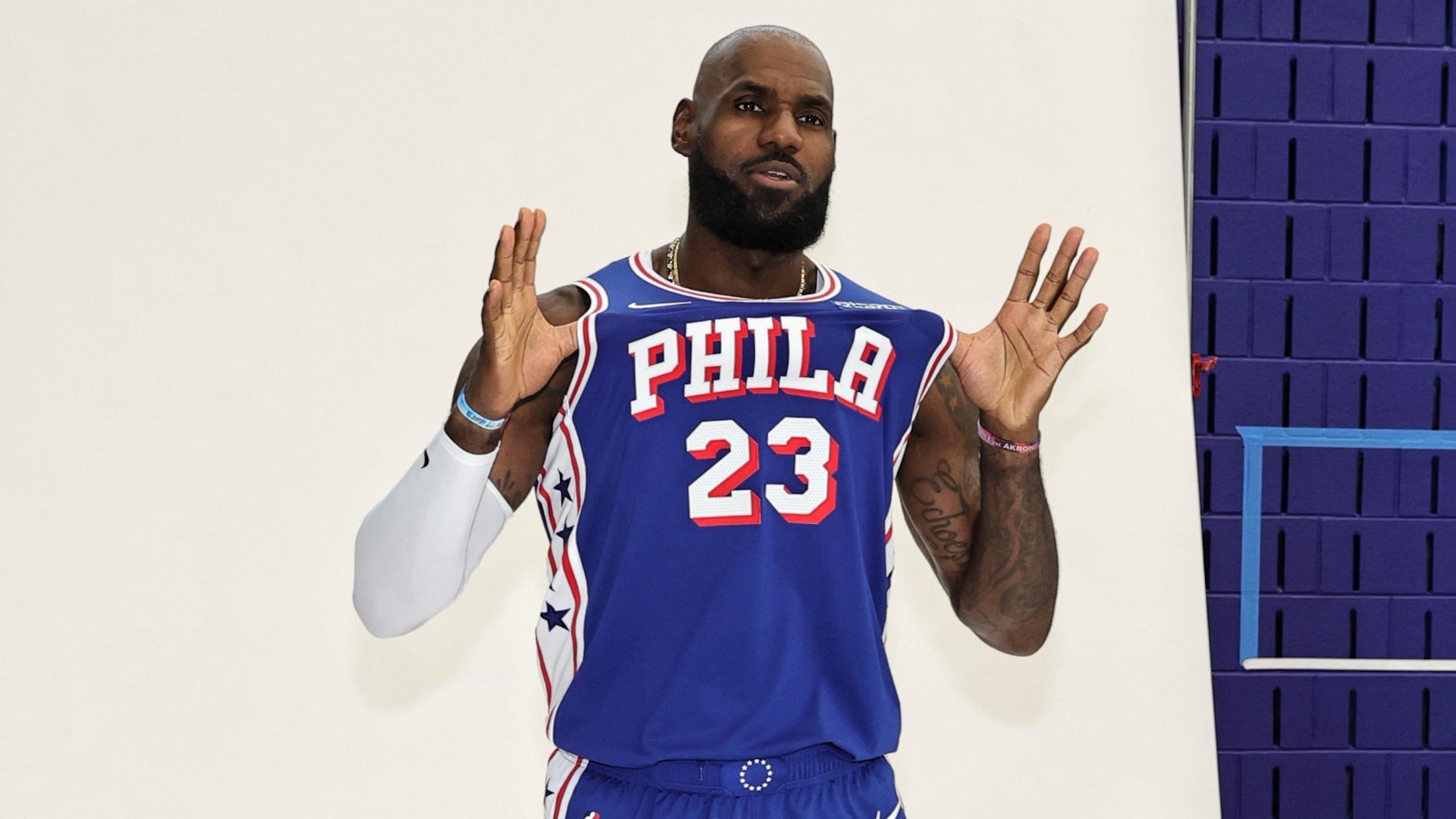
2. Jayson Tatum: The Boston Celtics gave a similar deal to their young franchise star—a supermax if he qualifies like Mitchell. He's ranked below Mitchell simply because he was drafted much higher. Tatum was a great pick at No. 3, but Mitchell was a brilliant selection.
3. Bam Adebayo: Unlike Mitchell and Tatum, Adebayo does not have a player option near the end of his deal, which is more favorable to the Miami Heat. Adebayo's contract won't automatically jump to the 30 percent max but steps up to 27.5 percent and 28.5 percent, depending on various supermax triggers. Like Mitchell, he was a great pick late in the lottery (No. 14). If there's a qualm, the Heat sacrificed a potential maximum-salary slot next offseason to pay Adebayo now. That was the right move, and his ranking is not a slight.
4. De'Aaron Fox: The last of the supermax deals went to Fox of the Sacramento Kings. He was drafted higher than Mitchell and Adebayo (No. 5), has similar step-up percentages to Adebayo (26 percent, 28 percent and 30 percent) and doesn't have a player option. Fox is a talented player, but if there's a knock, the Kings have yet to make the playoffs during his tenure. It was still the right deal for Sacramento, but it needs to surround Fox with a better supporting cast.
5. Kyle Kuzma: Based on Kuzma's draft position (No. 27) and the deal's size, the Los Angeles Lakers get credit for a late-draft steal now inked to a comparatively reasonable extension. Kuzma will earn a flat $13 million over each of the next three seasons with a player option on the final year. Compared to the rest of the non-supermax deals, that's a bargain.
6. OG Anunoby: The Toronto Raptors got a similar steal with Anunoby at No. 23. PerAdrian Wojnarowski of ESPN, his deal is for four years and $72 million (also with a player option). An $18 million-per-season average isn't cheap, but the Raptors believe in their young pairing of Anunoby and Pascal Siakam. Toronto could have in the neighborhood of $30 million in cap space next season, though that would depend on the future of Kyle Lowry, whose deal expires after 2020-21.
7. Derrick White: The San Antonio Spurs got a steal at No. 29 in White, who agreed to a four-year, $73 million extension (also perWojnarowski). It's not the extra $1 million that drops White below Anunoby but the uncertain future for the Spurs, who missed the playoffs in 2019-20 for the first time since 1996-97. San Antonio can also have significant cap space next summer (up to $46 million, approximately).
8. Luke Kennard: There's no question Kennard can shoot the ball, but he's dealt with knee injuries throughout his young career. The Los Angeles Clippers recently acquired the No. 12 pick, and even before suiting up for a regular-season contest, Kennard signed a four-year, $64 million deal (perWojnarowski). The $16 million-a-season price tag is lighter than Anunoby's and White's, but Kennard is less of a proven commodity in his situation. By no means is it a bad deal, but the Clippers are heavily invested in Kennard, Marcus Morris Sr. and Paul George, while their best player (Kawhi Leonard) can opt out and leave after this season.
9. Markelle Fultz: If Fultz, the No. 1 pick in 2017, can live up to his three-year, $50 million extension (perWojnarowski), it will be a tremendous story of redemption after his early struggles with the Philadelphia 76ers. The Orlando Magic locked him in on a shorter, cheaper deal than his contemporaries (outside of Kuzma), but they have yet to emerge as contenders in the Eastern Conference. Fultz will need to take that challenge head-on, but he can't do it alone.
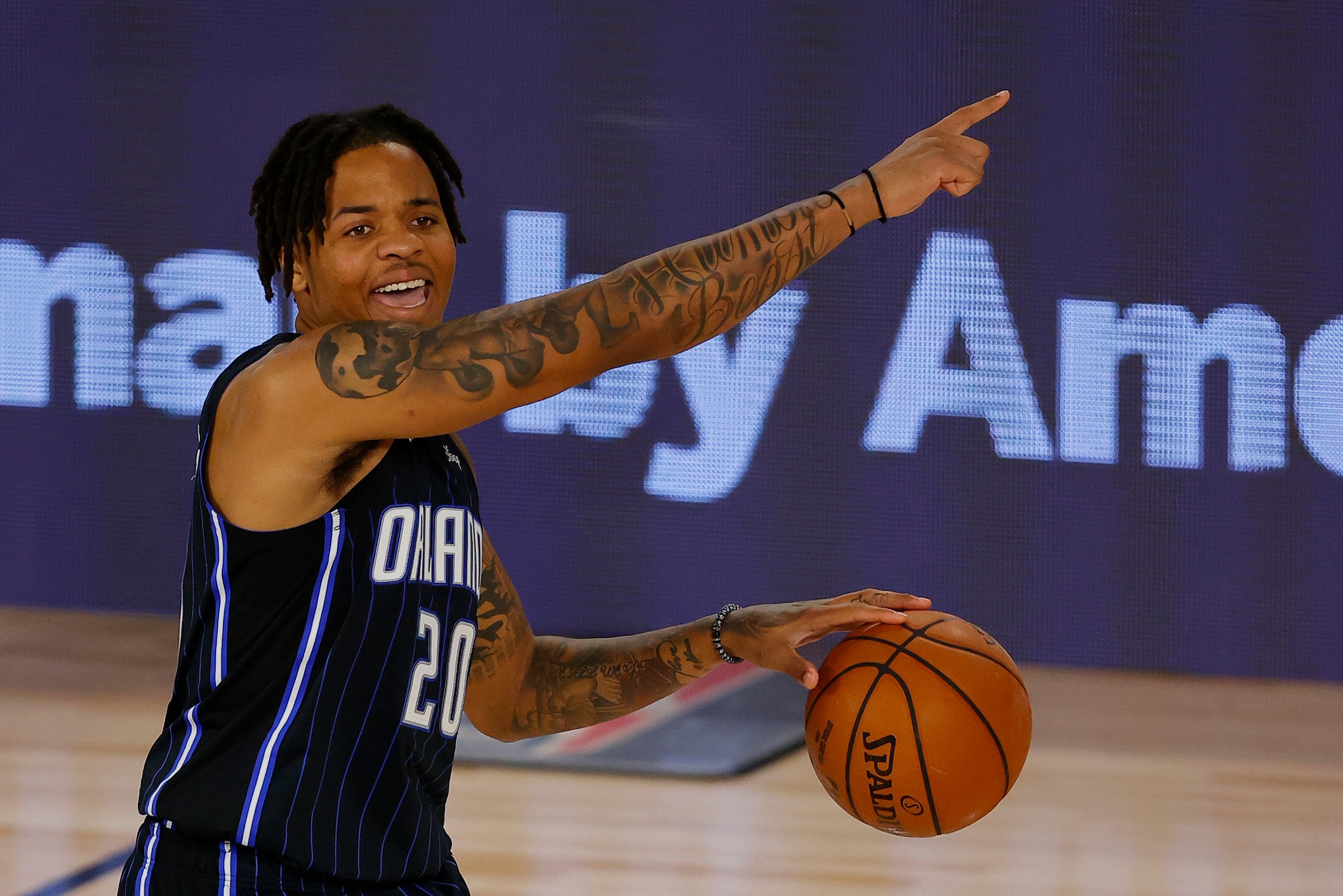
10. Jonathan Isaac: Fultz won't have his teammate beside him for the 2020-21 season as Isaac recovers from a torn anterior cruciate ligament in his left knee. Undeterred, the Magic gave Isaac (drafted at No. 6) a four-year, $80 million deal (per Wojnarowski). Isaac is well respected around the league, but that's a massive commitment to an injured player. The price isn't close to the supermax deals, but Isaac got more than everyone else in the next tier. The Magic have a lot invested in Fultz and Isaac. They'll need to develop into proven starters on a quality playoff team; otherwise, Orlando could be mediocre for some time.
That leaves 13 players who will need to go through restricted free agency for their next contracts. Some will be well compensated, be it with their current teams or new ones. Some may struggle to stay in the league.
Lonzo Ball: The No. 2 selection helped the Lakers acquire Anthony Davis in a trade with the New Orleans Pelicans, but New Orleans couldn't reach a deal for the young point guard. The Pelicans paid Brandon Ingram this offseason instead of extending him a year earlier. Ball will need to do the same with hopes of proving himself worthy. Otherwise, he'll need to find a team willing to give him a sizable offer sheet in restricted free agency.
Lauri Markkanen: The Chicago Bulls are under new management, and executive vice president of basketball operations Arturas Karnisovas wasn't willing to reinvest in the previous regime's No. 7 selection. If there's a player on this list most likely to be traded, it may be Markkanen.
Zach Collins: The Portland Trail Blazers are heavily invested in Damian Lillard, CJ McCollum and a veteran roster as they try to compete at the highest level. Collins was a significant part of that core before he suffered a series of injuries. The No. 10 pick may still be a part of Portland's long-term plans.
John Collins: The Atlanta Hawks spent on Danilo Gallinari and Bogdan Bogdanovic in free agency, but they weren't willing to meet Collins' demands. The No. 19 pick may still prove to be a cornerstone piece alongside Trae Young, but he won't be paid like one until next summer.
Josh Hart: Hart will be a valuable role player for years to come, though it remains to be seen if there's a long-term home with New Orleans for the last pick of the 2017 first round.
Others: The futures with their teams are a bit vague for Frank Ntilikina (currently with the New York Knicks, drafted No. 8), Dennis Smith Jr. (Knicks, No. 9), Malik Monk (Charlotte Hornets, No. 11), Justin Jackson (Oklahoma City Thunder, No. 15), D.J. Wilson (Milwaukee Bucks, No. 17), Terrance Ferguson (76ers, No. 21), Jarrett Allen (Brooklyn Nets, No. 22) and Tony Bradley (76ers, No. 28).
Email Eric Pincus at eric.pincus@gmail.com and follow him on Twitter @EricPincus.
.jpg?w=2560 "49ers LB Suspended for Headbutt")
.jpg?w=2560 "Commanders OL HEATED After Tie ▶️")
.jpg?w=2560 "Buzz: MHJ Hired Agents for Trade")
.jpg?w=2560 "AD Trolls Bears WR on IG 😂")