
B/R Staff Picks: Who Are the Top NBA Draft Steals Since 2000?
While our NFL colleagues prepare for another epic draft and fans across the country pray for various picks to become future stars, B/R's NBA team decided it was appropriate to ask our writers one of the most provocative draft questions: who are the biggest steals from our current era?
We found there's plenty of ways to define a "steal," as our writers took license to calculate the added value versus expected value for each of these NBA draft picks.
Pick No. 60 (2011): Isaiah Thomas
1 of 12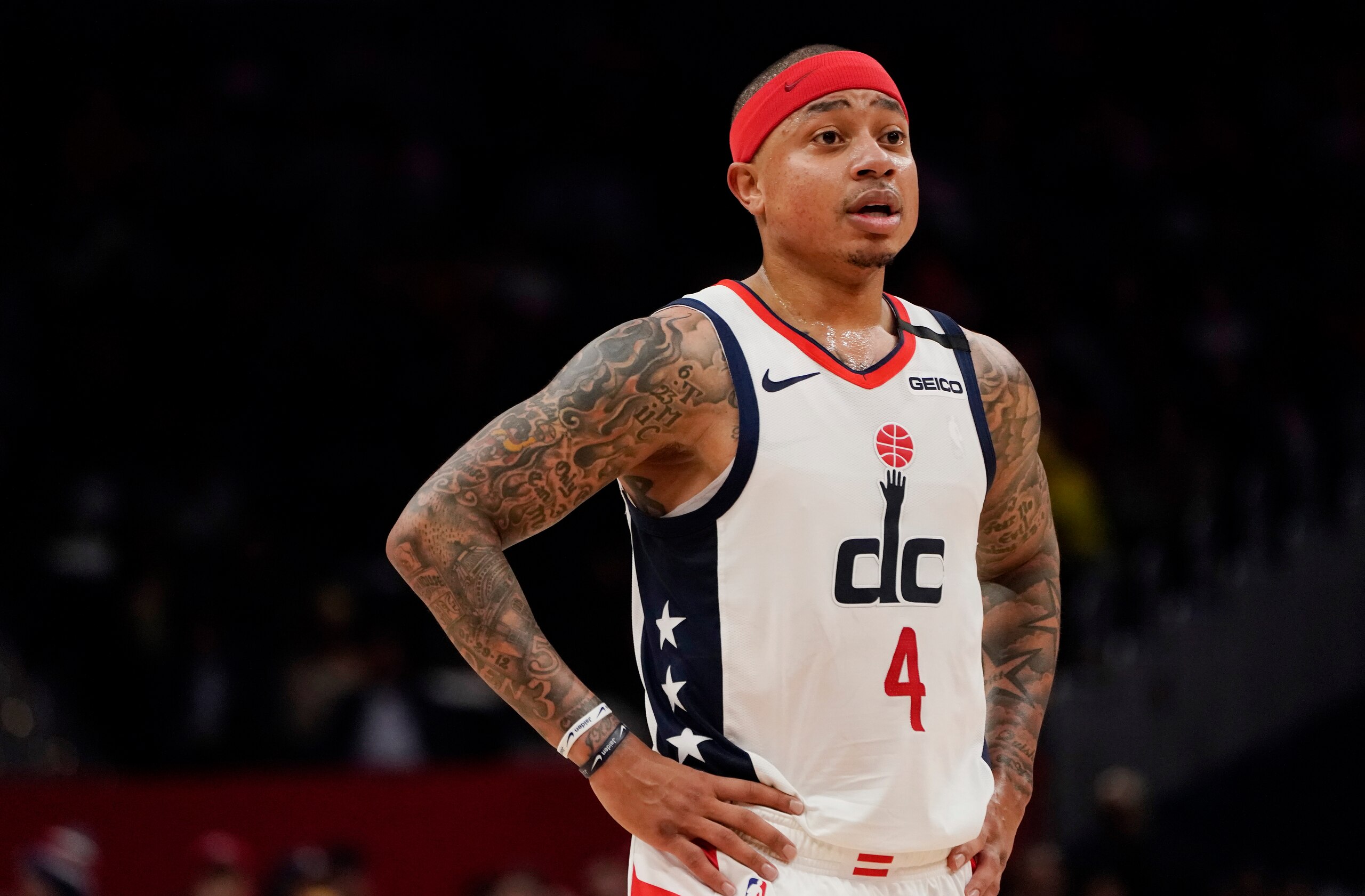
Along with the 60th pick in the NBA draft comes the moniker "Mr. Irrelevant." It's a term borrowed from the NFL, dating back to 1976. In the NBA, not all second-round picks make it in the league at all, especially in the bottom 10 picks. Finding a steal in the 30s or 40s isn't easy—or even common.
But at No. 60?
Add to the equation that Isaiah Thomas is just 5'9" and the odds that the Sacramento Kings' pick in 2011 would ever be more than a novelty were long. Except Thomas quickly proved to be an NBA-caliber player.
As a rookie, he not only made the team, but he also played in 65 games with 37 starts and averages of 11.5 points and 4.1 assists. His productivity climbed each year through his third season in Sacramento, during which he scored 20.3 points with 6.3 assists per game while making 54 starts.
Teams just don't find starting point guards with the last pick in the draft. Unfortunately, the Kings didn't value their drafting prowess enough, agreeing to sign-and-trade Thomas to the Phoenix Suns in 2014 for the rights to Alex Oriakhi (who has yet to play in the NBA outside of summer league and the G League).
Thomas' stay in Phoenix was short. He was traded to the Boston Celtics midway through the year, where he became a two-time All-Star.
Pick No. 51 (2003): Kyle Korver
2 of 12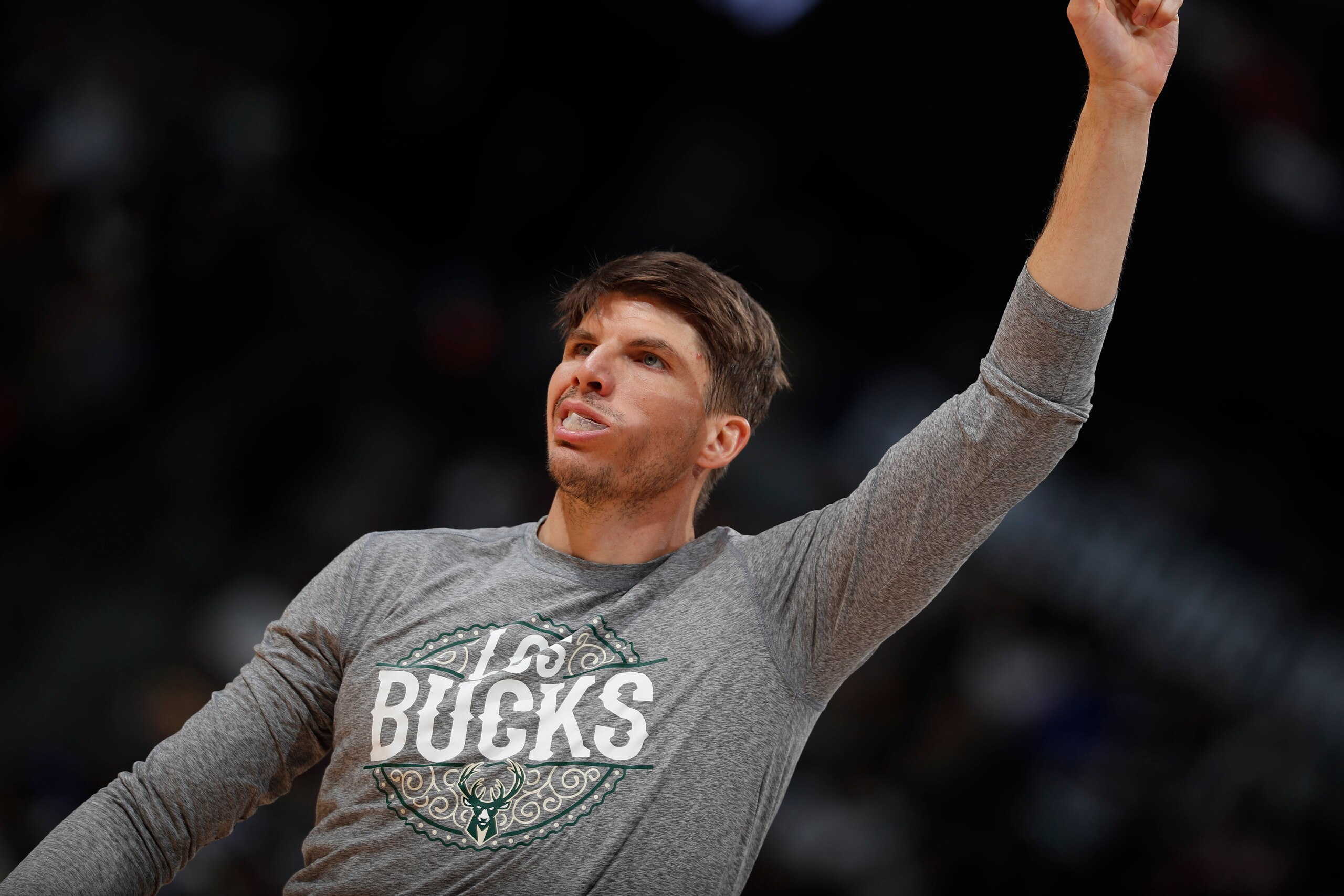
While the 2003 draft conjures up thoughts of LeBron James, Carmelo Anthony, Chris Bosh and Dwyane Wade, it's easy to forget Kyle Korver was a member of one of the most famous classes as well.
Korver was selected 51st overall after spending four years at Creighton, a pick that was originally owned by the New Jersey Nets but was sold to the Philadelphia 76ers to pay the entry fee for summer league and for a new copying machine.
Seventeen years later, Korver has become one of the NBA's greatest three-point shooters. His lifetime mark of 42.9 percent ranks 10th in league history, while his 2,437 career made threes is fourth overall, trailing Ray Allen, Reggie Miller and Stephen Curry.
Wherever Korver has gone, success has followed. He's on pace to make the playoffs for a 14th time, tied with James for the most in the 2003 draft class. He's been an All-Star and an NBA Player of the Month (Jan. 2015), and he's led the league in three-point shooting four times, including an NBA-record 53.6 percent in 2009-10.
Once picked 51st overall and traded for a copying machine, Korver has become one of the greatest shooters the league has ever seen.
Pick No. 48 (2007): Marc Gasol
3 of 12
Before coming over to the NBA in 2008, Marc Gasol had a good career in the Spanish Liga ACB. But concerns about his conditioning led to him falling to the middle of the second round, where the Lakers selected him in 2007. They traded his draft rights to the Memphis Grizzlies at the 2008 deadline for his older brother, Pau. The younger Gasol was a throw-in, not a centerpiece of the deal, which at the time appeared to be incredibly one-sided in favor of the Lakers.
After arriving in Memphis, Marc blossomed into an All-NBA center and was among the league's best at the position for the better part of a decade. Like his brother, Marc is an elite passer and post scorer, but he also excelled on the defensive end, taking home Defensive Player of the Year in 2014.
Gasol was a core piece of the "Grit-and-Grind" Grizzlies teams that were a mainstay in the Western Conference playoffs in the 2010s. He's past his prime, but he's still a valuable contributor for the Toronto Raptors, winning a title with the franchise in 2019.
Pick No. 47 (2006): Paul Millsap
4 of 12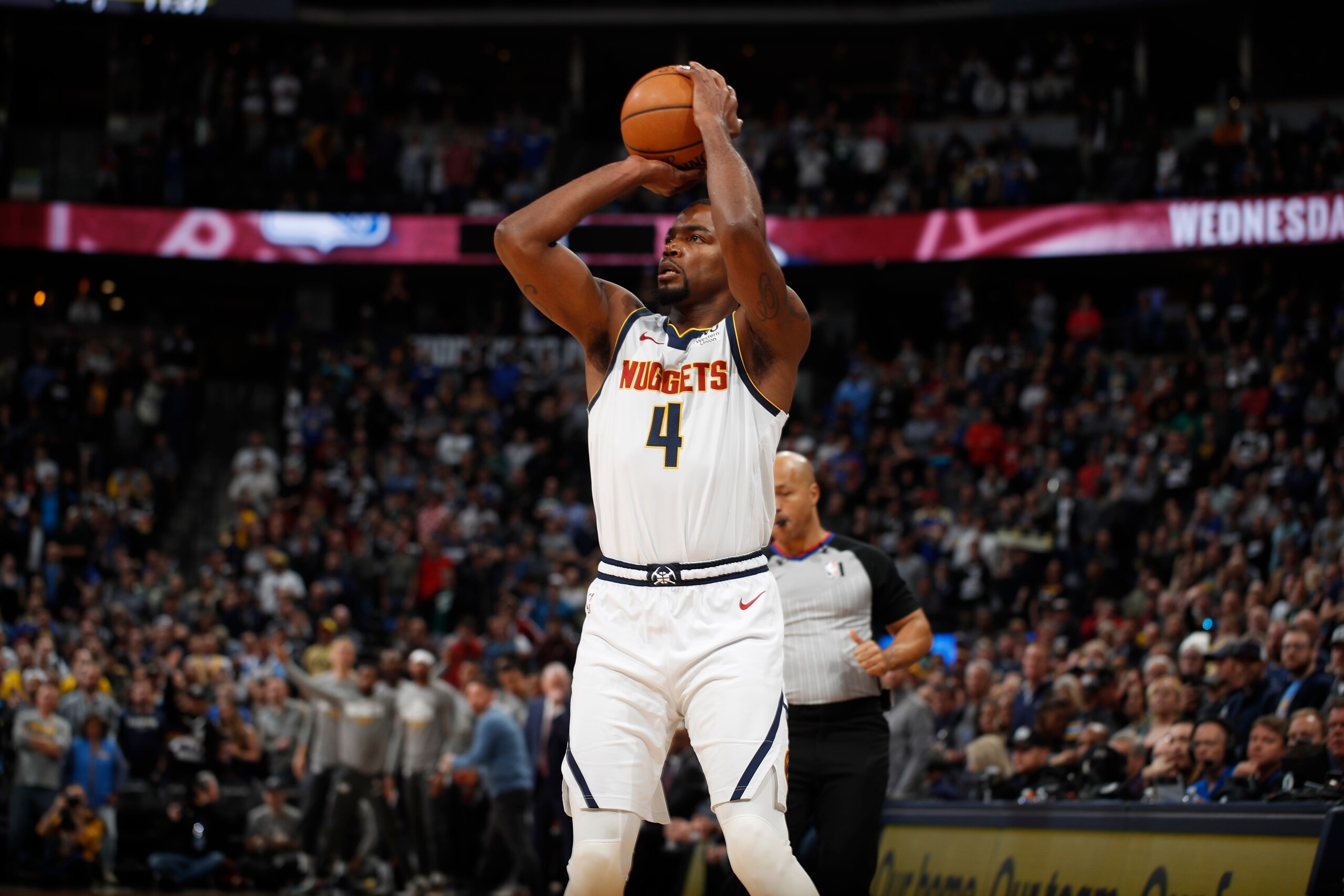
Whatever the Utah Jazz considered their wildest dreams when making Paul Millsap the 47th overall pick in the 2006 draft, the super-skilled forward rocketed past that point long ago.
He was an All-Rookie second-teamer in 2006-07. He became a nightly double-digit scorer two seasons later. His slow-burn to stardom crested upon his 2013 free-agency deal with the Atlanta Hawks, who he helped turn into an Eastern Conference power while he became an All-Star regular (four straight trips).
While a single area of his stat sheet has never popped, he consistently lands somewhere between solid and spectacular in most. In an era increasingly defined by versatility, his across-the-board contributions are arguably more valuable than any specialized dominance would be. To that end, he's one of only 24 players to ever record 13,000 points, 7,000 rebounds, 2,000 assists and 1,000 steals.
Add 900 blocks to the requirements and the list shrinks to 16.
Teams just win with Millsap. Ten of his first 13 NBA seasons ended in the playoffs. On average, his teams have fared 5.5 points per 100 possessions better with him than without. That number is almost always positive, and sometimes it's massive, like with this season's Denver Nuggets (plus-11.3 with him, minus-0.7 without; widest split among the regulars).
Millsap has generated 91.6 win shares so far in his career. That's more than double the previous high of any player taken 47th during the lottery era (Mo Williams, 40.0). It also puts Millsap third among all his 2006 draft classmates and third among all second-round picks since at least 1985.
Pick No. 41 (2014): Nikola Jokic
5 of 12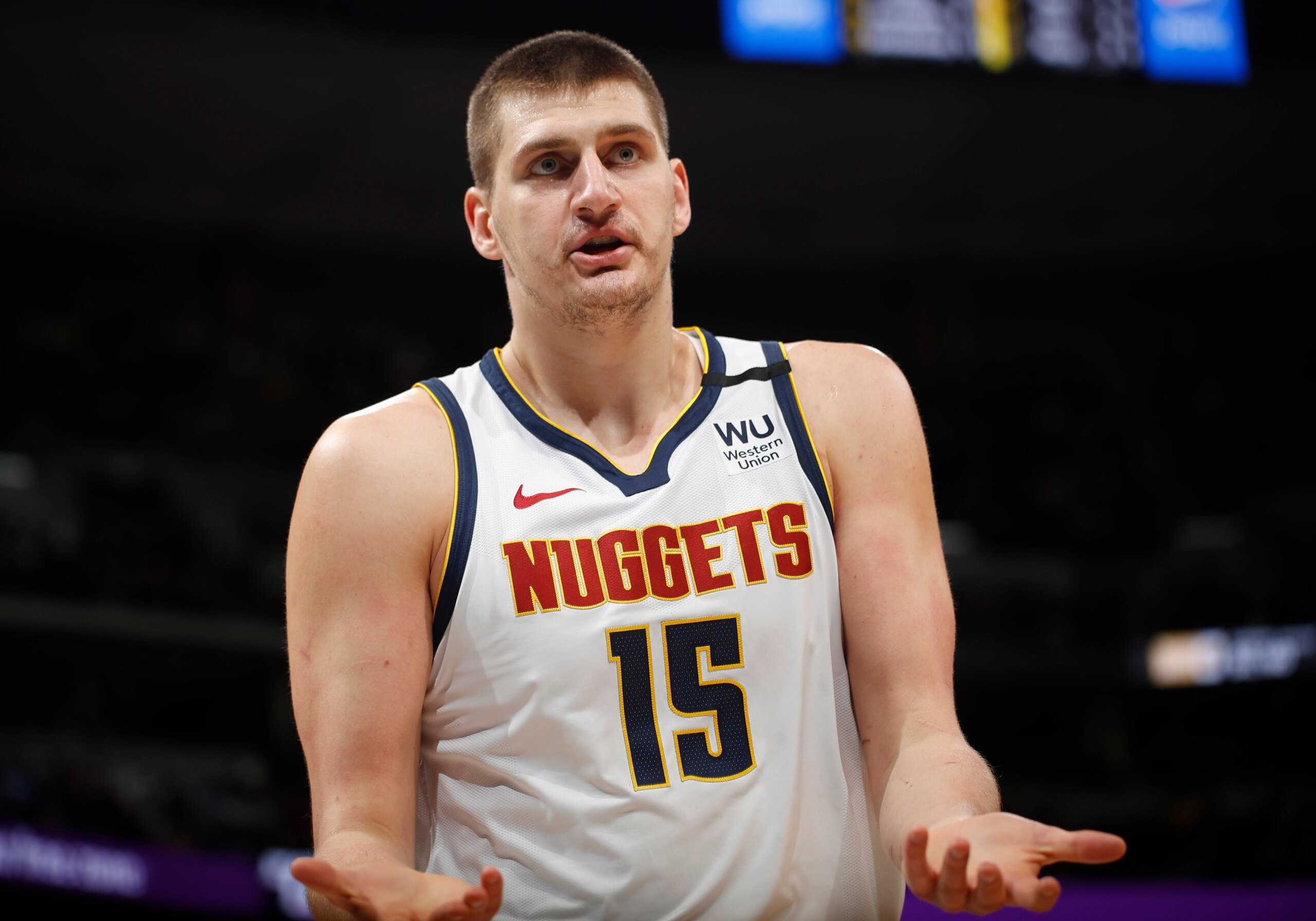
The 2014 draft may have been the most hyped of the decade, and that was before anyone expected the 41st pick to become an All-Star.
Nikola Jokic would now compete with Joel Embiid to go first or second in a redraft.
It's not like there was a shortage of film or scouting opportunities. Jokic had multiple solid showings during 2013's U19 World Championship against a USA team whose frontcourt included Aaron Gordon, Montrezl Harrell and Jahlil Okafor. He averaged 11.3 points, 6.3 rebounds and 2.5 assists in the Adriatic League before the draft. He also participated at the 2014 Nike Hoop Summit, which included a week of practices before the main event (five points and seven rebounds in 16 minutes) versus big names like Okafor, Myles Turner, Justise Winslow and Kelly Oubre Jr.
Despite the production and experience overseas, nobody believed a slow, unathletic center who didn't block shots or move his feet well was first-round or NBA material. The joke is now on non-Nuggets scouts who were blind to his craft, touch and spectacular passing skills. Jokic has already joined Wilt Chamberlain, Kareem Abdul-Jabbar, Kevin Garnett and Giannis Antetokounmpo as the only players 6'10" or taller to average at least 20 points, 10 rebounds and five assists in a season (50 games minimum), per Sports Reference.
Pick No. 39 (2012): Khris Middleton
6 of 12
Before Khris Middleton helped Giannis Antetokounmpo transform the Milwaukee Bucks into a powerhouse, the Swiss Army knife was involved in two larcenous transactions.
The first was falling to the 39th selection of the 2012 draft, where he was taken right behind Quincy Miller and three picks after Orlando Johnson. Following Middleton's freshman season, he again passed through basketball's bargain bin as a wheel-greasing addition to the Brandon Knight-Brandon Jennings trade.
All that looks impossible in hindsight given Middleton's emergence as one of the Association's top two-way talents.
He started giving off draft-steal vibes as soon as his sophomore season when he showed significant three-and-D potential. As he added other layers to his game, a pathway to stardom quietly opened. Advanced analytics were first to pick up on Middleton's rise as he snagged the 10th overall spot in ESPN's real plus-minus metric in 2014-15 and retained a top-20 ranking one year later.
Then, he upped his nightly output to the point that no one could miss his ascension. He averaged 20 points per game for the first time in 2017-18 and made his All-Star debut a year later. He's one of only seven players averaging 19 points, six rebounds, four assists and two triples over this season and last. The other six on that list were all drafted 15th or earlier, and four were top-three picks.
Middleton has collected the league's 26th-most win shares since 2017-18. He has also been the top three-point shooter, second-best scorer and third-best distributor on a Bucks team with nearly 10 more wins than anyone over the last two years.
Pick No. 35 (2012): Draymond Green
7 of 12
It is rare a team finds a Defensive Player of the Year, a five-time All-Defensive honoree, a two-time member of All-NBA teams, a three-time All-Star and the fire behind three championship teams in the second round of the draft. But that is exactly what the Golden State Warriors found in Draymond Green with the 35th overall pick in the 2012 draft.
Green slipped in the draft because of questions about his athleticism and foot speed but fell right into the Warriors' lap. His defensive IQ and versatility to defend every position on the floor paved the way for the Warriors to unleash the "death lineup." Green played center in that lineup, making it much easier to switch every screen. Few players can go from defending centers to wings to guards in a single possession, but he did it with ease.
It wasn't just on the defensive end where Green's presence was felt. His vision, passing ability and IQ paired perfectly with the Warriors' screening and cutting offense. Green more often than not made the right read, whether it was hitting Stephen Curry or Klay Thompson coming off screens or finding the screener slipping to the basket. He even perfected catching the ball as a roller and either making the pass to the shooter in the corner or throwing the lob up to the big man for the dunk.
The Warriors' 2012 NBA draft class of Harrison Barnes and Festus Ezeli in the first round was outstanding. But the dynasty never happens if they do not draft Green in the second round. He brought the fire to the Warriors during those championship runs.
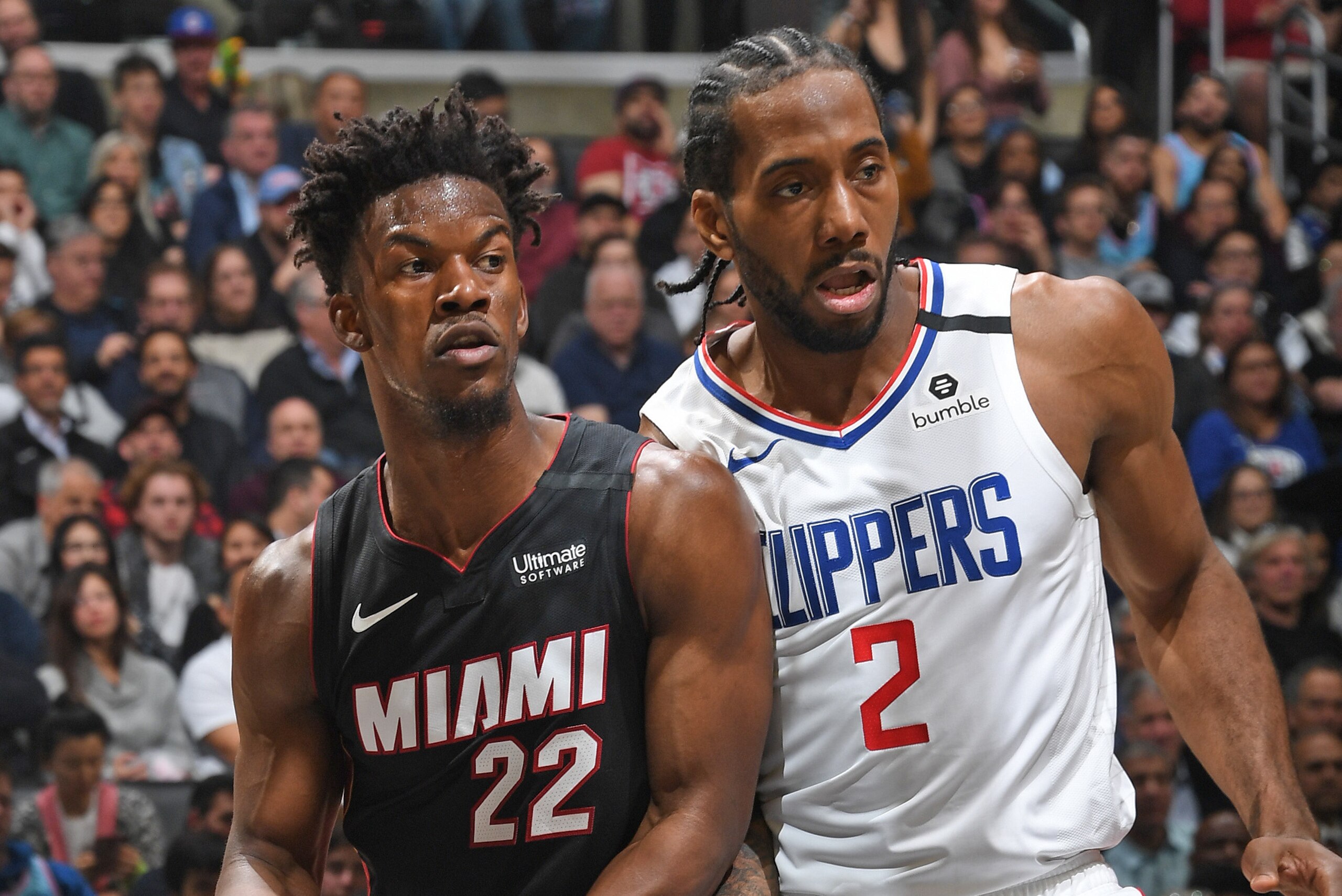
Pick No. 30 (2011): Jimmy Butler
8 of 12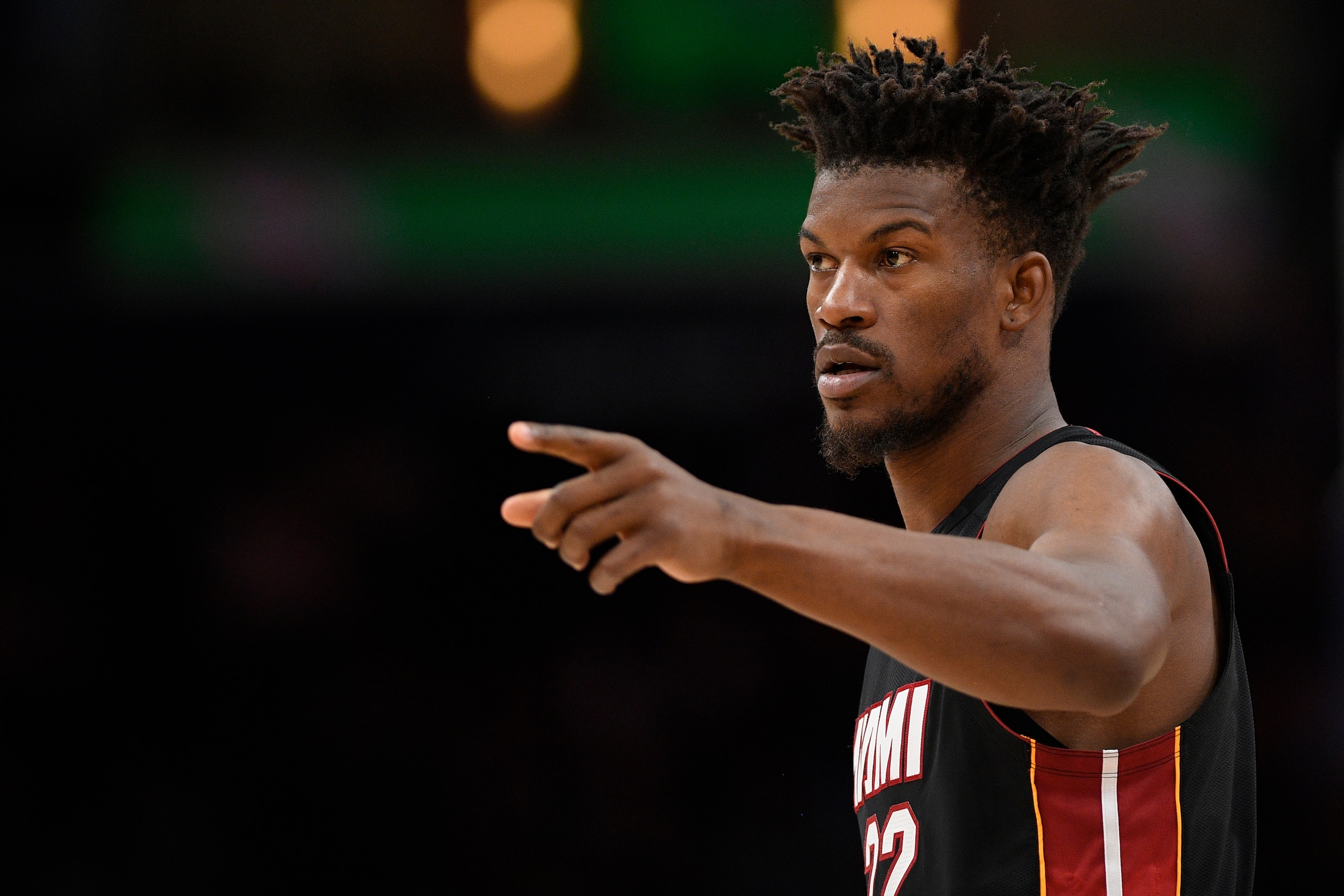
One of the unlikeliest success stories of the past decade, Jimmy Butler was homeless as a teenager in rural Texas and received no Division I offers coming out of high school. He enrolled in junior college before transferring to Marquette for his sophomore season.
The Chicago Bulls originally envisioned Butler as a defensive wing stopper, maybe topping out one day as a successor to Luol Deng. Instead, he developed into one of the league's best two-way players, a five-time All-Star and two-time All-NBA player.
The chip on his shoulder that came from his hardscrabble childhood has proved to be a double-edged sword. He's rubbed teammates the wrong way in Chicago, Minnesota and Philadelphia, having zero patience for anyone who doesn't work as hard as he does. But that singular focus has also given him an edge that has led him to get better every year.
He appears to have finally found a good cultural fit in Miami, where he signed last summer as a free agent.
Pick No. 28 (2001): Tony Parker
9 of 12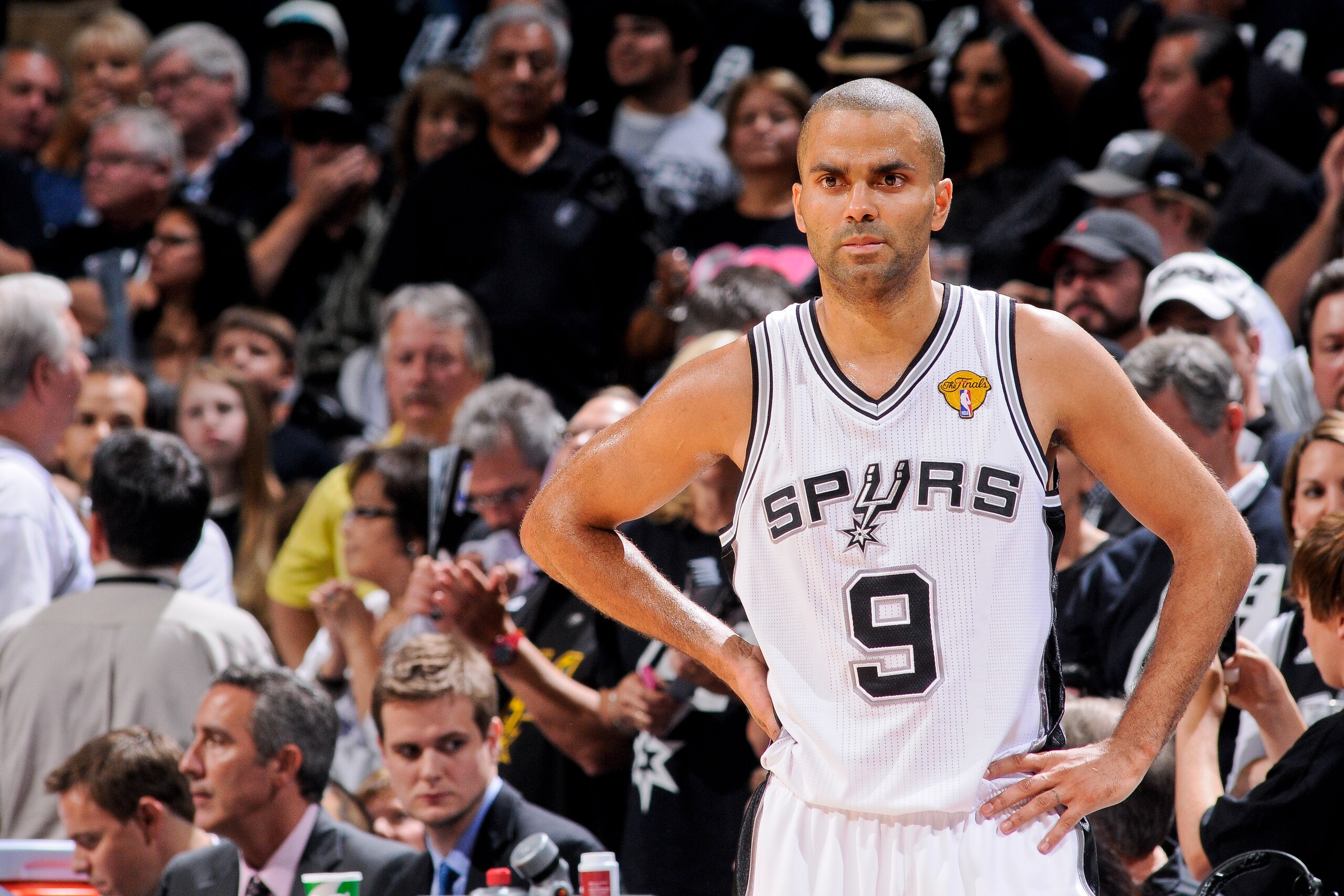
Though they picked future Hall of Famer Manu Ginobili with the 57th overall pick in 1999, the San Antonio Spurs were not considered masters of international basketball scouting until two years later, when a French point guard named Tony Parker fell into their laps at pick No. 28.
Despite his lack of size and high-level experience, Parker wrested the starting point guard job away from old pro Terry Porter and held on to it for 16 years. He made the All-Rookie team in 2001-02 with 9.2 points and 4.3 assists per game and then began his prime years. Parker was a six-time All-Star, four-time All-NBA team member, four-time NBA champion and NBA Finals MVP.
One of the most remarkable things about Parker's career was his seasonal consistency. In every year from 2002-03 to 2016-17, the point guard averaged at least 10 points and 4.5 assists per game while recording an effective field-goal percentage above 48.0. In the time of Kobe Bryant, LeBron James and Chris Paul, a 15-year prime doesn't seem as unusual as it once did, but Parker's high basketball IQ got him minutes early and kept him highly effective and relevant all the way through his final season in San Antonio.
Similar to many other draft steals, the teams that passed on Parker shouldn't necessarily be kicking themselves. The Spurs were a perfect fit for him (as they were for many prospects in the 2000s) and helped him reach his potential. Despite the best intentions of most other franchises, Parker may not have achieved similar heights in another situation.
Pick No. 15 (2013): Giannis Antetokounmpo
10 of 12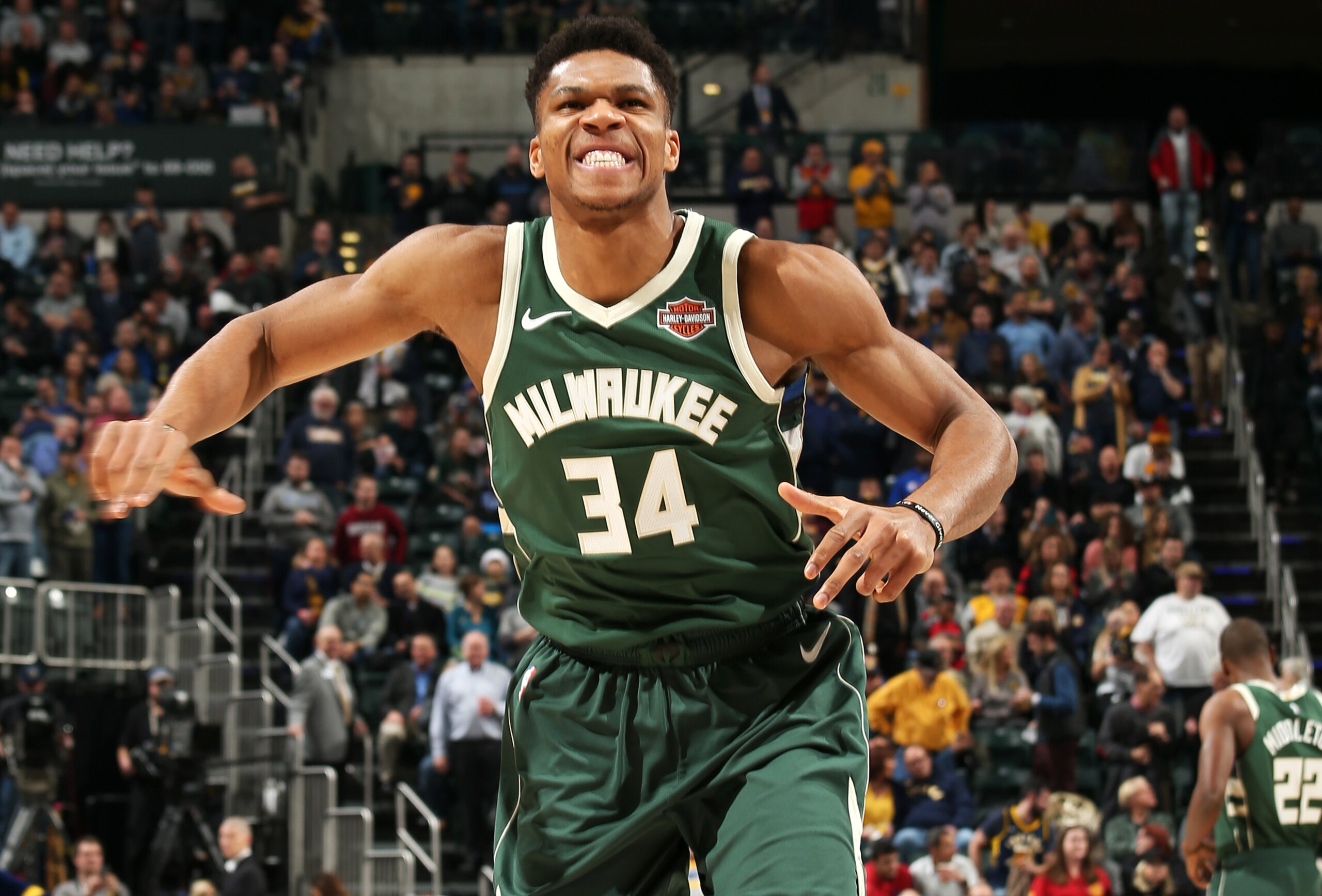
At Giannis Antetokounmpo's introductory press conference following the 2013 NBA draft, then-Bucks general manager John Hammond claimed he could be an All-Star. As stunningly on the mark as that proclamation became, Hammond was probably just projecting typical draft optimism. There's no way he or any other front office could have foreseen what would ensue.
When DraftExpress' Jonathan Givony more or less discovered Antetokounmpo, he was playing in tiny Athenian gyms against vastly inferior competition. It was impossible to tell whether his production would translate to the NBA, but the physical tools were always evident, so Milwaukee took a chance.
It was slow going at first. In his rookie season, he averaged just 6.8 points, 4.4 rebounds and 1.9 assists per game while recording a 46.3 effective field-goal percentage. However, he's improved steadily in each successive campaign, and at the age of 25, he's a four-time All Star, three-time All-NBA team member, two-time All-Defensive honoree and possible back-to-back league MVP.
For a guy who started playing basketball just 12 years ago, that is remarkable progress.
The most exciting part about Giannis, even today, is his unending drive to improve. An old-school superstar, he's turned down advertisements, film opportunities and workouts with ostensible rivals, all in the service of trying to become the best player he can be for the best team in the NBA.
If that's not exciting and inspiring, then nothing is.
Pick No. 15 (2011): Kawhi Leonard
11 of 12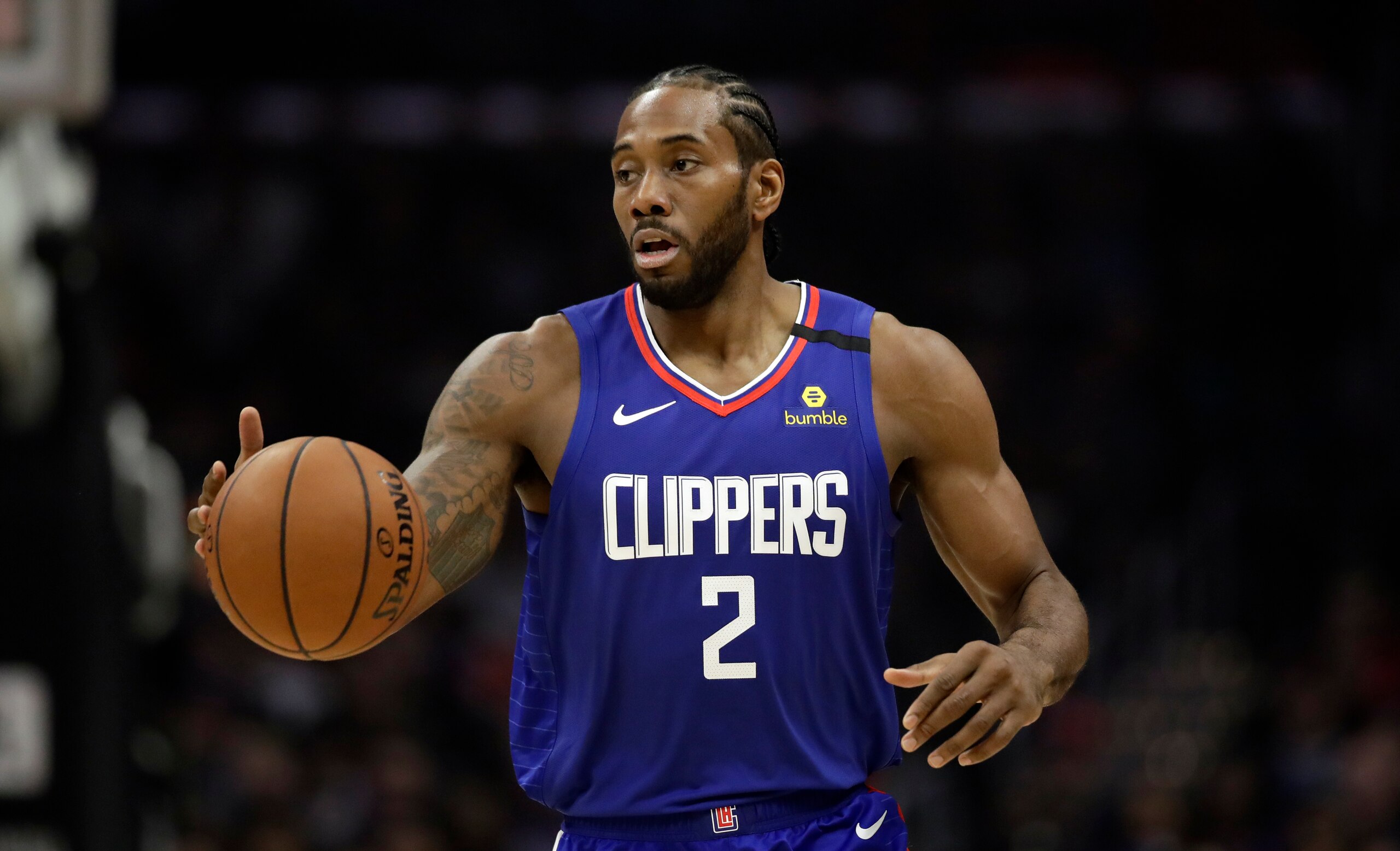
Kawhi Leonard is an all-time draft steal by any standard. Is he viewed as just the No. 15 pick in 2011? Or the return for trading George Hill on draft night? It doesn't matter. (Aside: San Antonio also received Davis Bertans as part of the Hill-for-Kawhi swap, which, jeez.)
Multitime Finals MVPs aren't supposed to be taken outside the lottery or, hell, even at any point inside the lottery. Seldom do teams take players expecting them to be the once-in-a-generation talents that Leonard has become. Hence why they're once-in-a-generation talents.
That Leonard has reached this level is an obliteration of even the wildest, pie-in-the-sky projections. Maybe his Defensive Player of the Year credentials were evident coming out of San Diego State (doubtful). But he never profiled as a championship anchor.
Coming out of college, his jump shot was deemed a universal concern, if not broken. No one quite knew what type of impact, if any, he'd leave on the offensive end. He's since turned into one of the most lethal off-the-dribble jump shooters in the league, someone who can get to his spots and find nylon with little to no daylight and initiate offense for himself and for others.
Kawhi's resume speaks for itself: two titles, with different teams, both ending with a Finals MVP. Two Defensive Player of the Year Awards. Five All-Defensive selections. Three All-NBA bids. And a legitimate claim to the league's best-player-alive throne at a time when LeBron James and Giannis Antetokounmpo both exist.
The Spurs acquired Leonard after he was taken at a spot where teams are fortunate to find mid- to high-end starters. They ended up getting one of the best players in NBA history.
Honorable Mention: The Ultimate Steal
12 of 12
Player: LeBron James
Year: 2003
Pick: No. 1
Still a Steal? 100 percent
Is it fair to call LeBron James a steal when he was the top overall pick in the 2003 NBA draft?
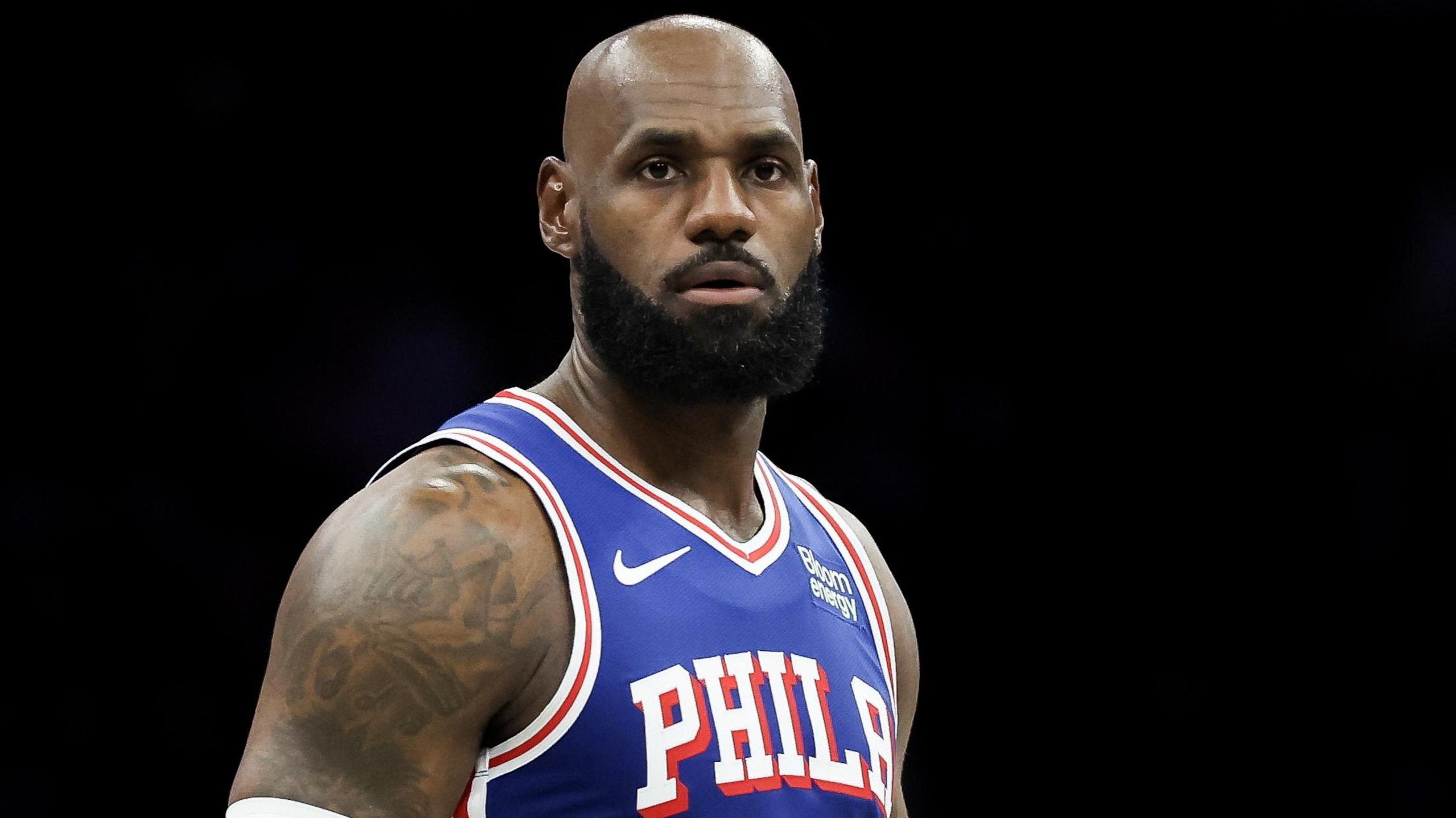
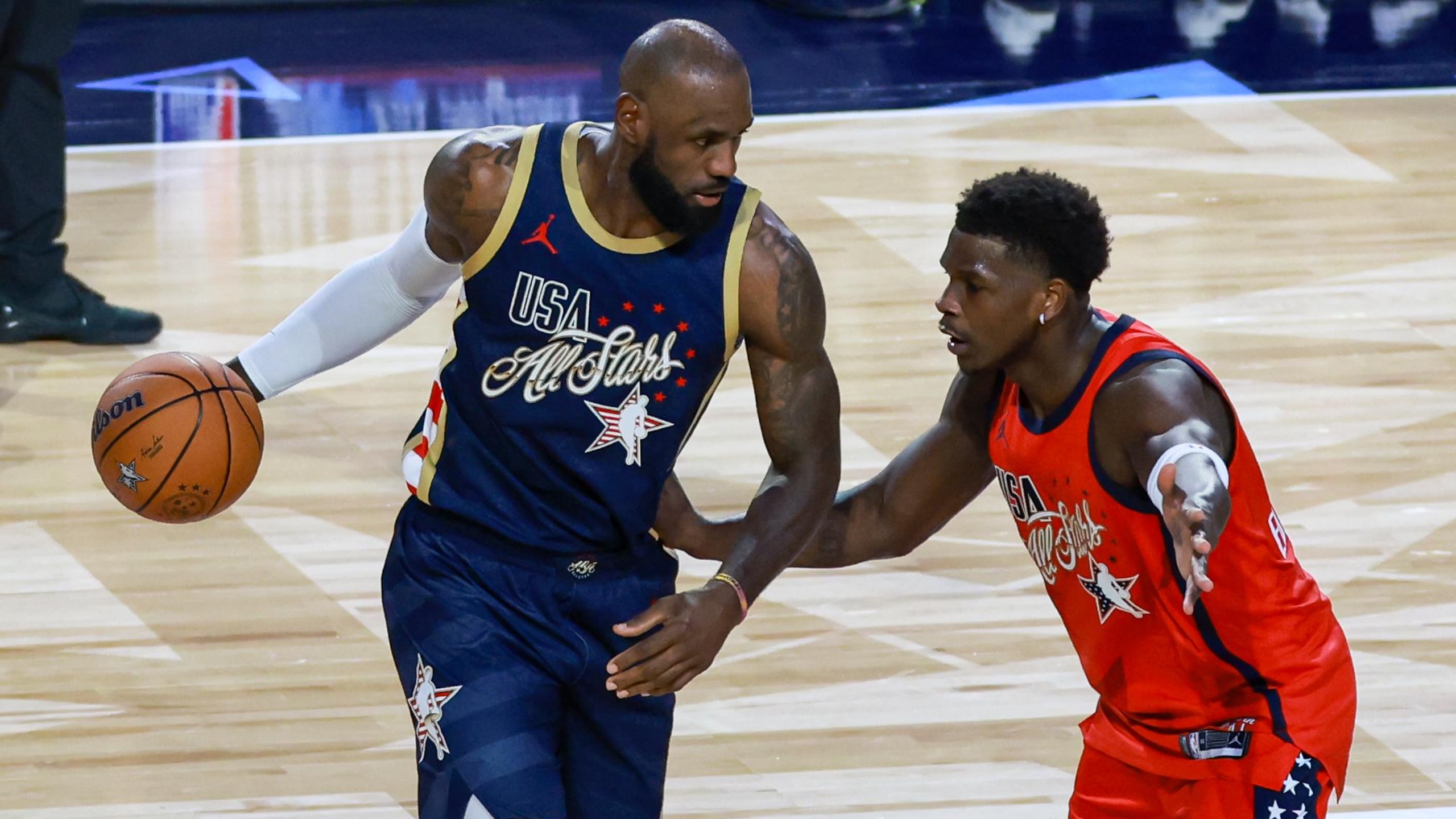
Absolutely. Landing one of the best players in league history in the draft is extremely rare. The Cleveland Cavaliers were dreadful for several years leading up to their 2002-03 campaign, during which the prospect of landing the local kid out of St. Vincent-St. Mary High School was everything. The Cavs won just 17 games that year, but they still needed lottery luck to get the No. 1 pick.
James initially spent seven seasons in Cleveland, immediately putting the team back on the map. By 2005-06, the team had won 50 games. The next year, James brought the Cavaliers to the NBA Finals.
After four years in Miami, James returned home for four additional seasons. Cleveland advanced to the Finals each year, peaking with a championship in 2015-16. Those 11 seasons were everything to the Cavaliers, but none of it happens without their good fortune in the 2003 lottery.
It's someone like James who gives woeful teams hope they'll find that special franchise player in the draft each year, but superstars of his ilk are the rarest of commodities in the NBA.
Unless otherwise noted, stats courtesy of NBA.com, Basketball Reference or Cleaning the Glass.
.jpg?w=2560 "New 2027 NFL Mock Draft 🔮")
.jpg?w=2560 "Ravens DB Called Tua INT 🔮")
.jpg?w=2560 "Jury Finds Tyreek Hill Liable for 2 Battery Counts (AP)")
.jpg?w=2560 "Top Trade Targets Entering Week 6")