

1 Free Agent Every NFL Team Should Avoid This Offseason
When the 2020 NFL year kicks off March 18, it will bring with it a time of regrowth. We're talking about free agency, of course, which will officially begin at 4 p.m. ET on that day.
Most teams that aim to rebuild and renew their rosters will attack free agency before filling remaining roles through April's draft. With an ever-increasing salary cap, and with star players like Drew Brees, Amari Cooper and Jadeveon Clowney scheduled to hit the open market, there will be a whole lot of spending at the outset.
However, just because a team can address a need with a free agent doesn't always mean it should. Sometimes, whether due to cap restraints, scheme fit, player personality or age, a prized free agent isn't a good fit.
For each team, we'll look at one pending free agent who may fill a roster hole but should be avoided.
Arizona Cardinals: RB Melvin Gordon III
1 of 32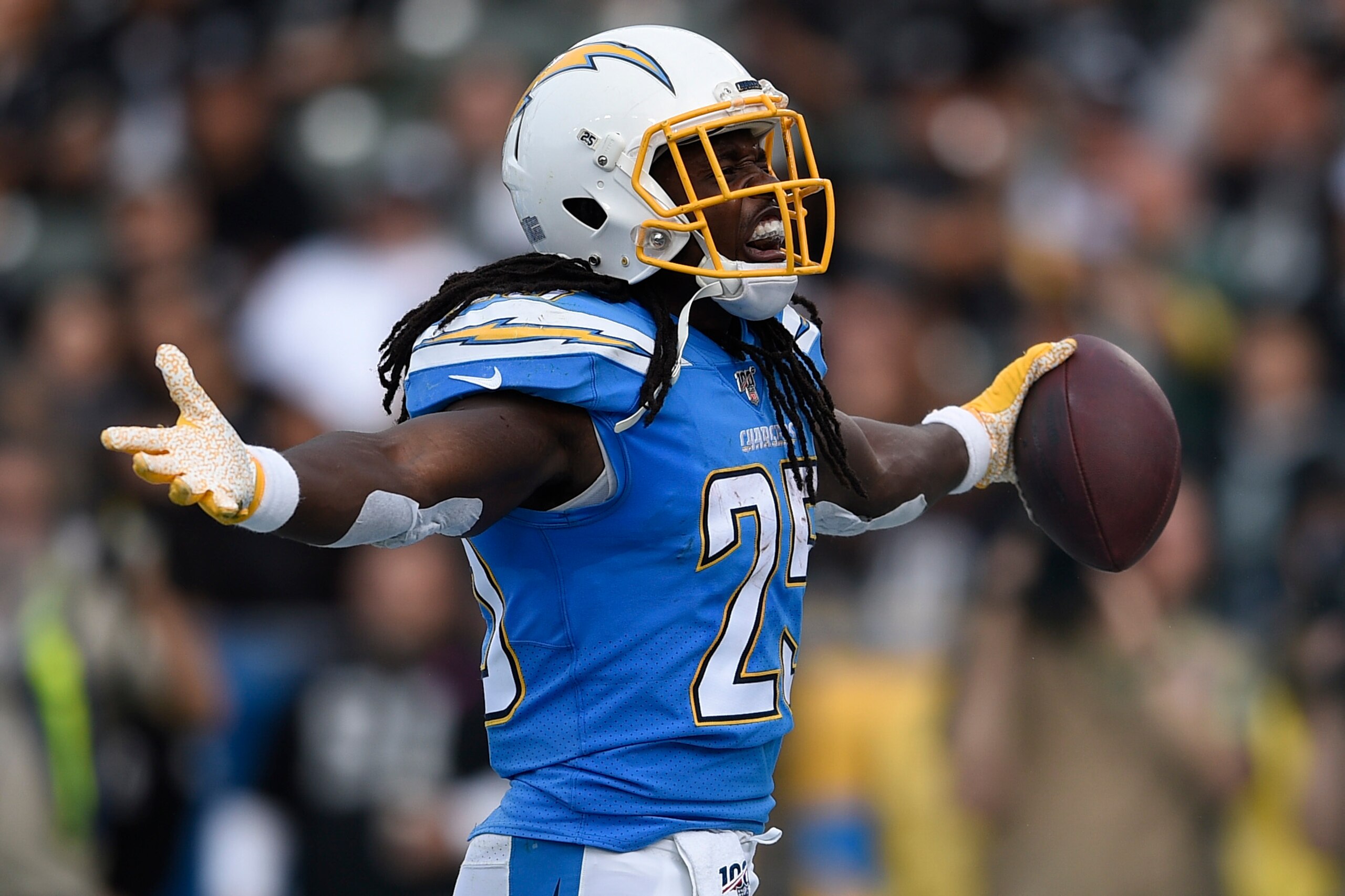
The Arizona Cardinals struggled to field a consistent running game until midseason trade acquisition Kenyan Drake emerged late in the season. A young, dual-threat running back like Melvin Gordon III could be enticing for head coach Kliff Kingsbury.
Gordon, who is equally gifted as a runner and a pass-catcher, would be a phenomenal fit for Kingsbury's offense. However, the Cardinals should resist the urge to bring him in because of his price tag. Gordon is looking for a high-end contract—which is why he held out into the regular season—and the Cardinals are already slated to pay David Johnson $14.2 million in 2020.
It doesn't make sense for Arizona to have upward of $25 million dedicated to the backfield next season, especially if Drake can be re-signed on the cheap.
"I'd definitely consider staying here," he said in December, per Bob McManaman of the Arizona Republic.
While Gordon and quarterback Kyler Murray would be a hard-to-defend duo, the Cardinals should resist the urge to make it happen.
Atlanta Falcons: Edge Jadeveon Clowney
2 of 32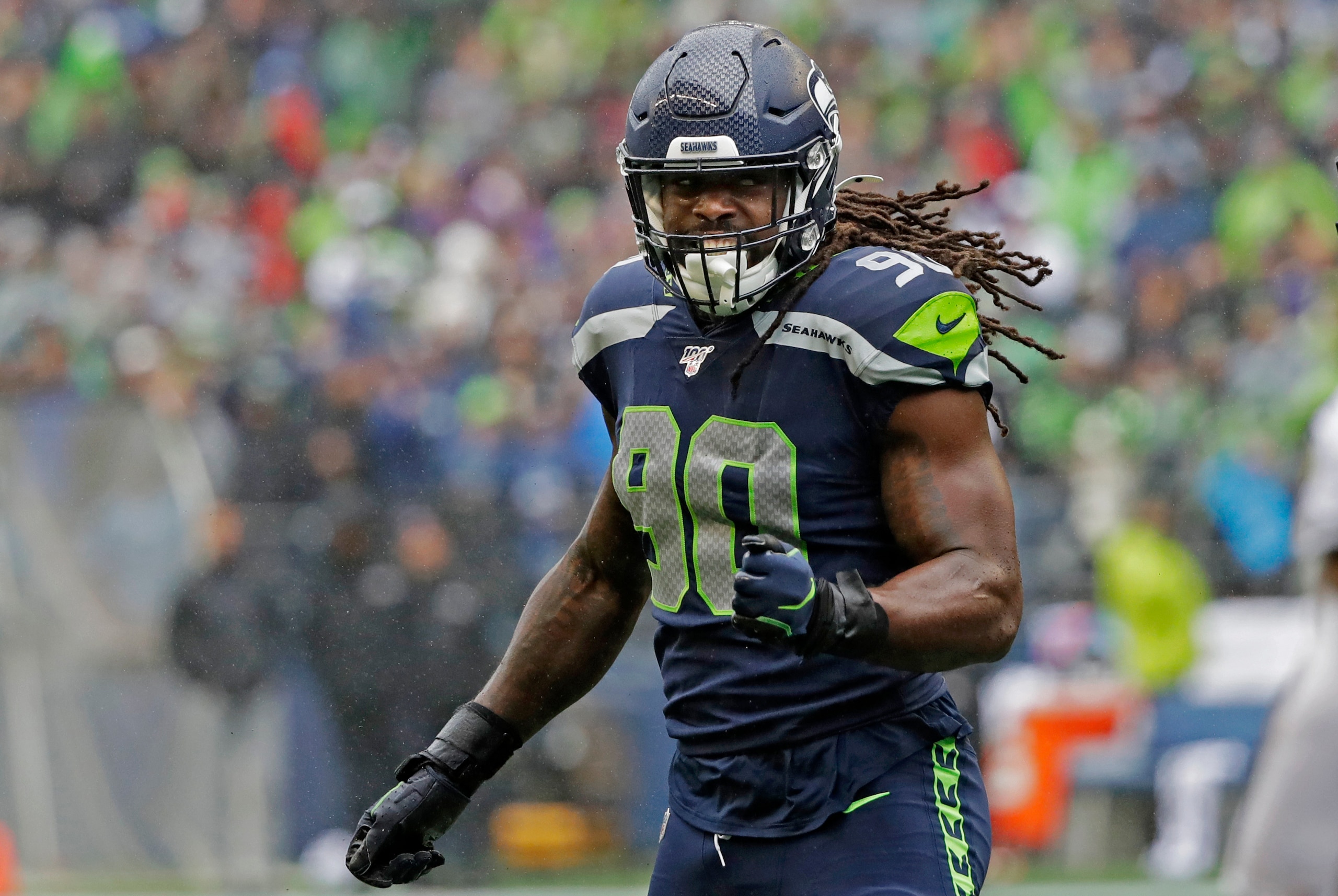
The Atlanta Falcons got better play from their defense over the second half of the season, but a lackluster pass rush was a problem all year. As a team, the Falcons finished with a mere 28 sacks. Only the Miami Dolphins produced fewer.
While sack numbers never tell the whole story of a pass rush, this low total is indicative of Atlanta's struggles. Pressuring opposing quarterbacks was a challenge.
Three-time Pro Bowler Jadeveon Clowney could positively impact the Falcons' pass rush from Day 1. He's a terror off the edge and has the ability to wreck offensive game plans. He'll likely be a major factor for the Seattle Seahawks in the postseason.
Here's the problem: Clowney is likely to be one of the most coveted free agents on the market this March. He's not going to be had for a bargain price, and that's an issue for the Falcons.
Atlanta is projected to be over the salary cap at the start of free agency. Even if the Falcons can free up enough cap space to go after Clowney, that money may be better spent retaining the likes of Austin Hooper and De'Vondre Campbell.
Baltimore Ravens: Edge Michael Bennett
3 of 32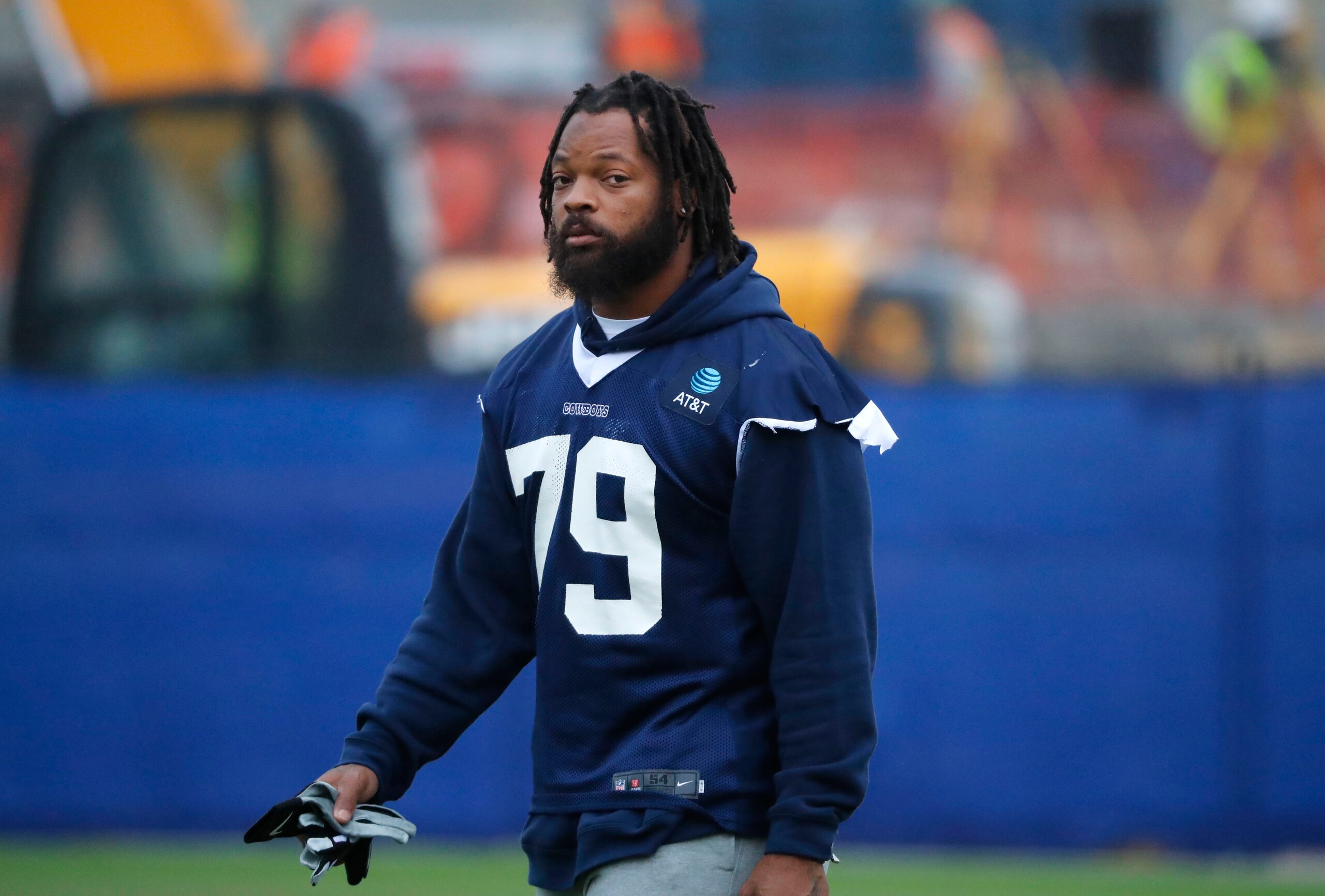
According to Bleacher Report draft analyst Matt Miller, the Baltimore Ravens plan to focus on edge-rushers in this year's draft.
"One scout with the team said the decision-makers are heavily focused on drafting pass-rushers and building up a defense that can dominate when they have a lead," Miller recently wrote.
It's reasonable to believe the Ravens will also look at sack artists in free agency. However, they should keep their attention away from veteran Michael Bennett.
It's not that Bennett isn't still a quality edge-defender—he had 6.5 sacks this season. The problem is that at age 34, he would only be a short-term option. The Ravens are just kicking off their window with 22-year-old quarterback Lamar Jackson, and a stopgap shouldn't be at the top of the list.
It would make more sense for Baltimore to pursue younger edge-rushers like Dante Fowler Jr. (25) or Shaquil Barrett (27). If the Ravens do want to add a temporary piece for a potential Super Bowl run, former Baltimore standout Terrell Suggs should be the top veteran option.
.jpg?w=2560 "Packers 49ers Football")
.jpg?w=2560 "Lions Cardinals Football")
.jpg?w=2560 "Seahawks Cardinals Football")
Buffalo Bills: TE Hunter Henry
4 of 32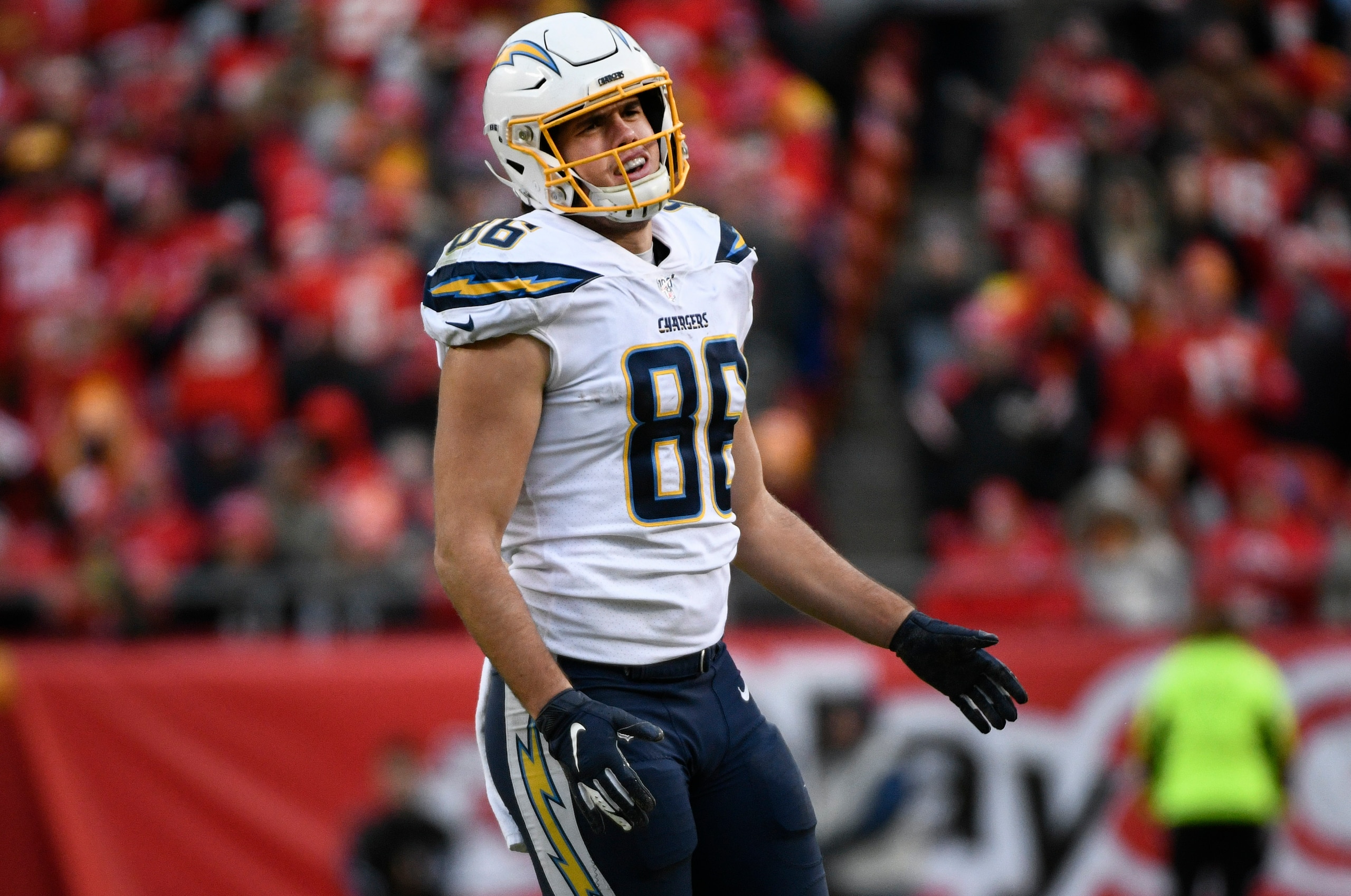
The Buffalo Bills are done rebuilding. They're in the playoffs, have a budding star quarterback in Josh Allen and appear a step or two away from becoming the dominant team in the AFC East.
It's time for Buffalo to build on what it has, which largely means putting weapons around Allen. One of the most intriguing weapons heading to market is Los Angeles Chargers tight end Hunter Henry. Though injuries limited Henry to 12 games in 2019, he still finished ninth in receiving yards among tight ends with 652.
Adding an elite pass-catcher at the tight end position would undoubtedly help Buffalo's passing attack. However, it's not worth chasing Henry in free agency.
For starters, he is going to be a popular target and will command a hefty salary. While Buffalo is projected to have the fourth-most cap space in the NFL, it wouldn't be smart to expend a chunk of it on a player with significant injuries. Henry missed all of 2018 with a torn ACL and part of 2019 with a knee fracture.
Dawson Knox showed himself to be a capable pass-catching tight end, even if he isn't on Henry's level. Buffalo's cap would be better spent elsewhere.
Carolina Panthers: DT Marcell Dareus
5 of 32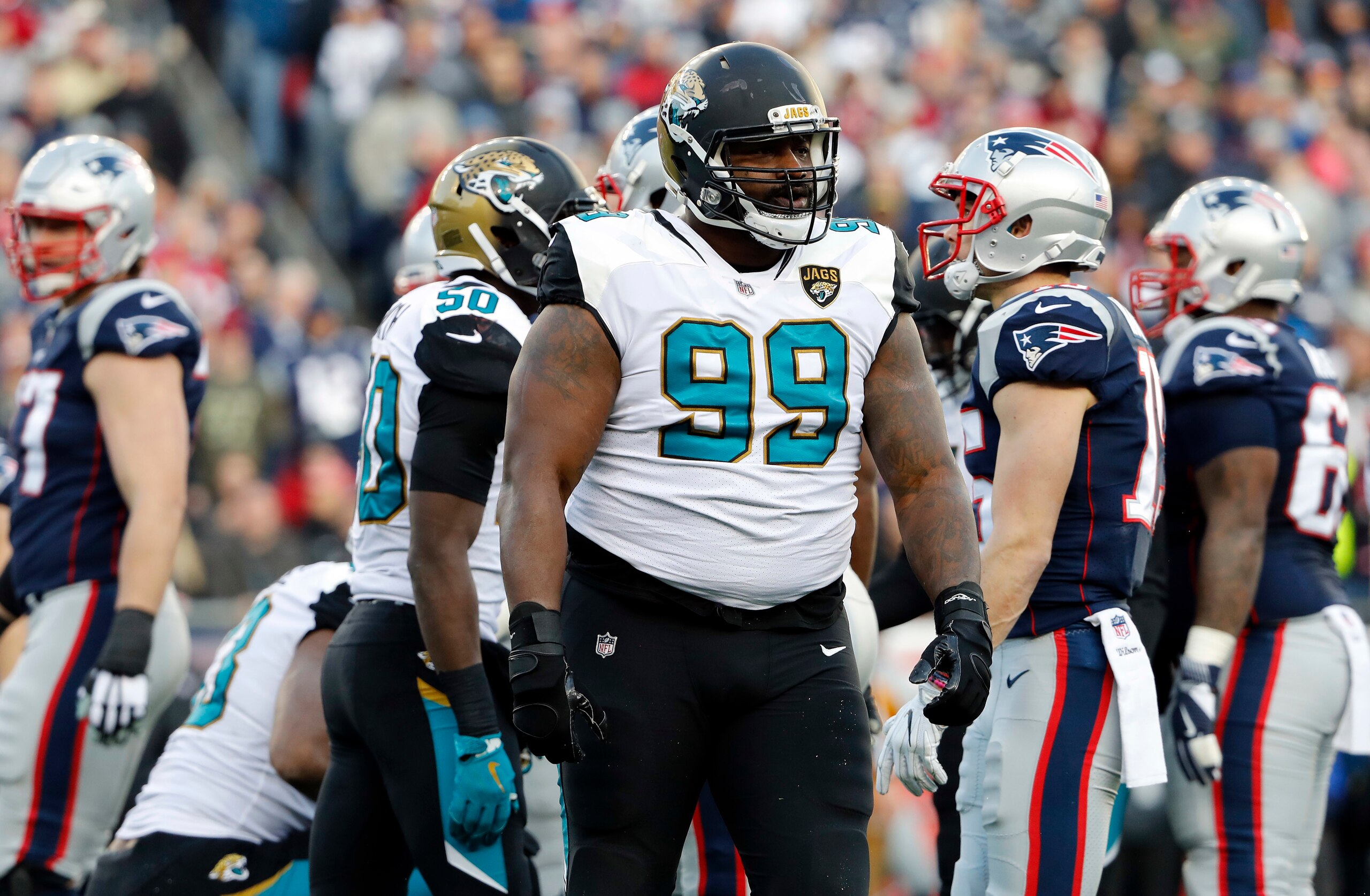
The Carolina Panthers could use an influx of talent along the defensive line to help improve their 29th-ranked run defense. One player they should shy away from, however, is defensive tackle Marcell Dareus.
While Dareus is a fine interior run defender, he hasn't been the same disruptive tackle he was early in his career. He's had just 2.5 sacks in his two-and-a-half seasons with the Jacksonville Jaguars. He has also dealt with injuries in recent years—he's missed 11 games over the last two seasons—and is coming off core muscle surgery.
There have also been concerns about Dareus' work ethic, which is part of the reason Buffalo traded him to the Jaguars in 2017.
If Carolina is going to spend valuable cap dollars on its defensive line, re-signing Gerald McCoy would be a better option. Though he is two years older than Dareus, McCoy was solid in his first season with the Panthers. He finished 2019 with 37 tackles, 5.0 sacks and two passes defended.
Chicago Bears: WR Emmanuel Sanders
6 of 32
For now, the Chicago Bears appear committed to quarterback Mitchell Trubisky.
"Mitch is our starter. We believe in Mitch, and we believe in the progress that he's gonna continue to make," general manager Ryan Pace told reporters after the regular season.
Still, Chicago needs to focus on fixing its 25th-ranked passing attack. If changing the quarterback isn't an option, perhaps changing the surrounding talent will be.
However, the Bears cannot afford to throw money at pass-catchers in free agency. They're projected to have less than $16 million in cap space available—though they could create another $4.5 million in space by parting with slot receiver Taylor Gabriel, who was limited to nine games in 2019.
Any receiver search will have to involve the bargain bin and not a proven commodity like Emmanuel Sanders.
As a player, Sanders would be a great fit for Chicago's offense. He's still capable of stretching the field and would partner well with Allen Robinson and Anthony Miller as a slot receiver. Financially, though, it doesn't make sense to chase him on the open market.
If Chicago is going to spend on a pass-catcher, it would be wise to instead target a reliable tight end.
Cincinnati Bengals: OT Andrew Whitworth
7 of 32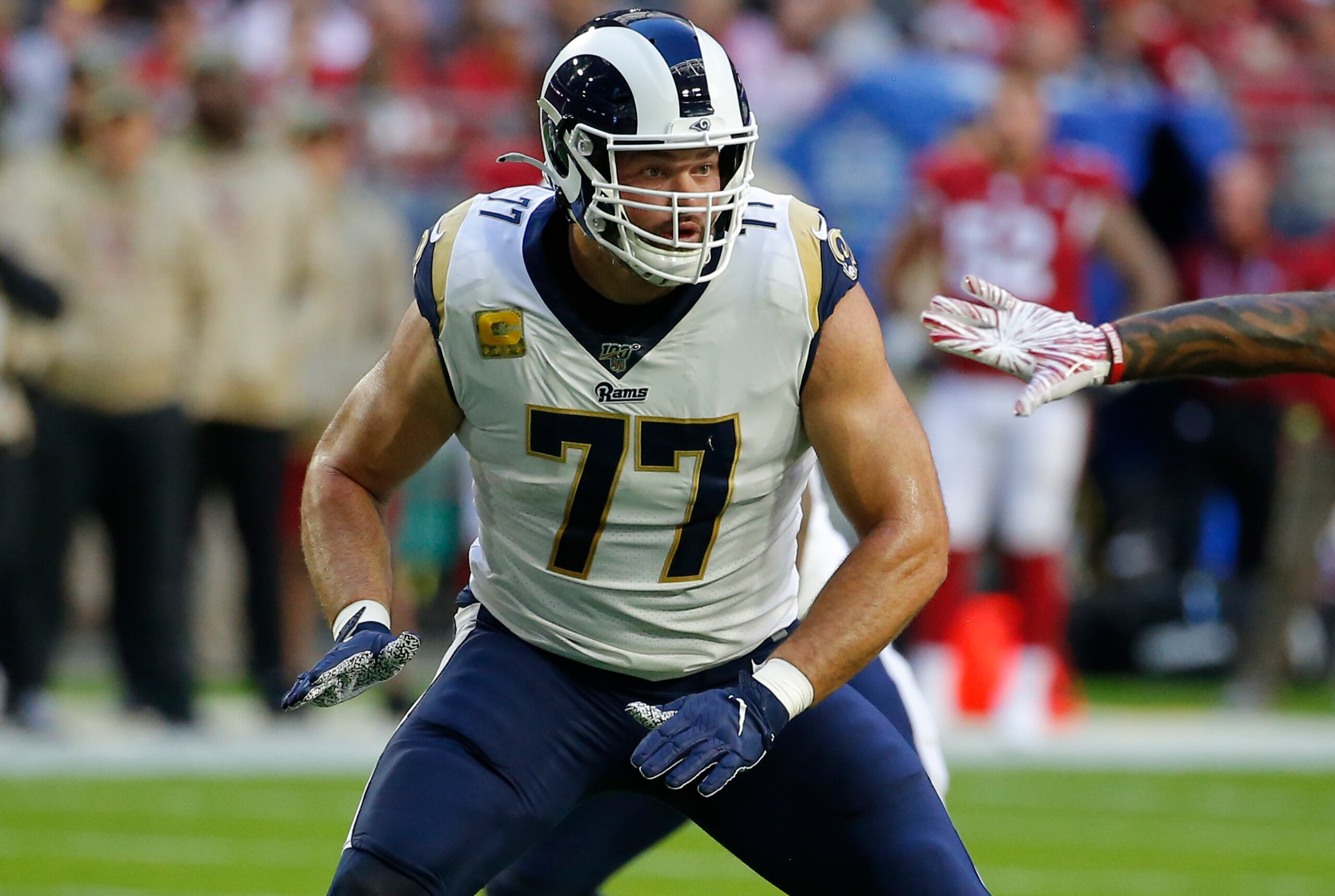
The Cincinnati Bengals are likely to take a quarterback with the first pick in April's draft—presumably LSU's Joe Burrow. The Bengals also have one of the most underwhelming offensive lines in the league. It allowed 48 sacks while helping produce just 3.9 yards per play in the running game.
This is an obvious issue for a team that will potentially draft a new franchise quarterback.
Could they bring back Andrew Whitworth? The four-time Pro Bowler played in Cincinnati for 11 of his 14 pro seasons and then went on to play with the Los Angeles Rams, where head coach Zac Taylor was an assistant before joining the Bengals.
On its surface, such a reunion would make sense. However, there are two big reasons why the Bengals shouldn't pursue it. The first is that Whitworth is 38 years old and in the twilight of his career. If he continues playing, he'll want to do so in Los Angeles.
"For me and my family, being a Ram would be No. 1, without question," Whitworth said, per Gary Klein of the Los Angeles Times.
The other reason is that Whitworth has spent the vast majority of his pro career at left tackle, where 2019 first-round pick Jonah Williams is expected to play. Asking Whitworth to change positions this late in his career would be detrimental to him and to the Bengals offense.
Cleveland Browns: OT Jason Peters
8 of 32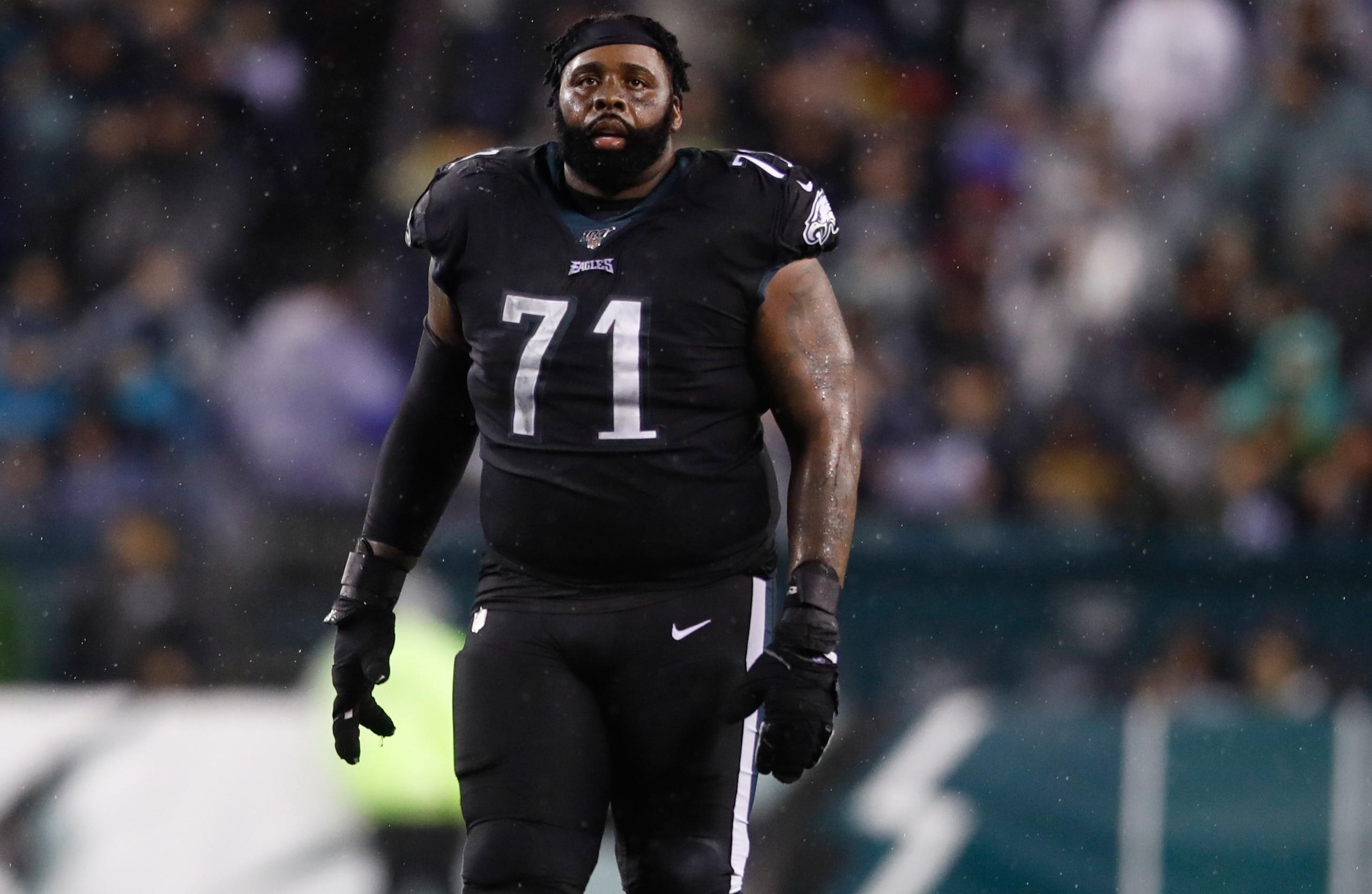
Like the Bengals, the Cleveland Browns need help at the offensive tackle position. Unlike Cincinnati, the Browns don't have a shot at bringing their longtime starting left tackle back to the lineup—Joe Thomas seems comfortable in retirement.
Why not take a look at nine-time Pro Bowler Jason Peters? The biggest reason is that Peters will turn 38 this month and is no longer the anchor left tackle he once was. Health is also a concern, as he has missed 12 games over the past three seasons.
If the Browns were on the verge of a Super Bowl run, then Peters would make sense. However, as Cleveland proved in 2019, this team isn't a player or two away from a championship. While Peters is a big name and an enticing option, he wouldn't be a fit for the long-term prospects of the franchise.
The Browns own the 10th overall pick in the draft and would be wise to utilize it to find their next left tackle.
Dallas Cowboys: WR Breshad Perriman
9 of 32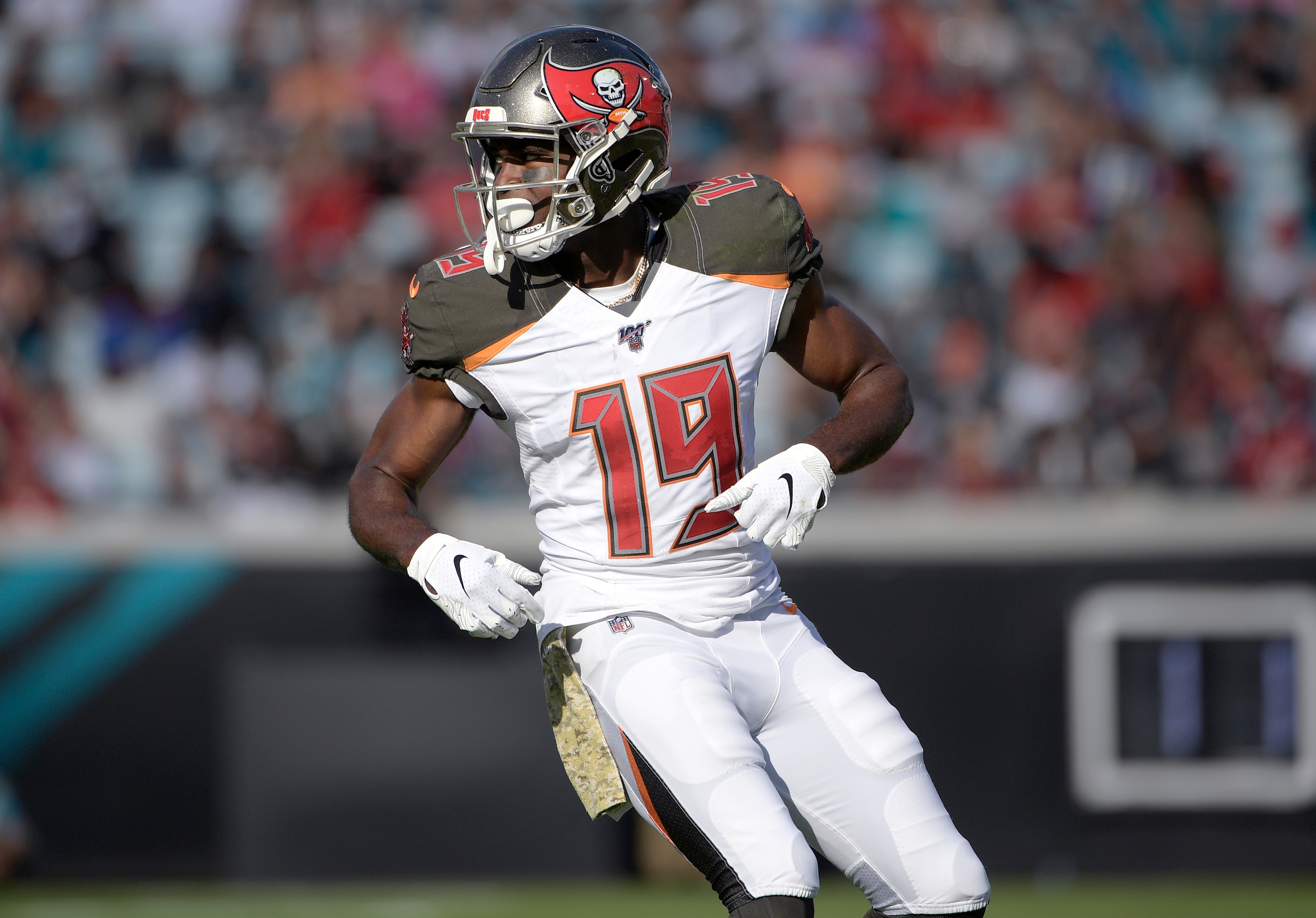
There's a good chance the Dallas Cowboys are forced to let wideout Amari Cooper walk in free agency, especially if they use the franchise tag to retain quarterback Dak Prescott. Pursuing a pass-catcher to help replace Cooper would make sense, though Dallas has to find one that fits its offense.
Breshad Perriman is not that receiver.
Though Perriman played tremendously in the wake of injuries to Chris Carson and Mike Evans, the Tampa Bay Buccaneers receiver has largely been a pure deep threat during his underwhelming NFL career. There is a place for a one-dimensional burner in some offenses, but not in the Cowboys'.
Dallas had an elite-speed deep threat this past season in Tavon Austin. He finished the year with 13 catches for 177 yards and a touchdown.
While Prescott has become more of the centerpiece of the offense, this isn't a system that flourishes with someone to take the top off the defense. What would better serve the Cowboys is a pass-catcher who can reliably move the chains and complement the running game with short and intermediate routes.
Denver Broncos: OT D.J. Humphries
10 of 32
The Denver Broncos appear ready to proceed with Drew Lock at quarterback. If they're going to set the Missouri product up for success, they'll need to do something about their inconsistent offensive line. They attempted to address the line last offseason by handing Ja'Wuan James a four-year, $51 million deal to anchor the right tackle spot.
Injuries limited James to three games in 2019.
Now, it's time for Denver to focus on the left tackle position, where 2017 first-round pick Garett Bolles has been inconsistent at best.
While bringing in insurance for the left tackle spot would be smart, signing Cardinals left tackle D.J. Humphries would not. Though he too is a former first-round pick, his play has been nearly as poor as Bolles' this season.
According to Pro Football Focus, Bolles committed 17 penalties and allowed four sacks, while Humphries committed 13 penalties and allowed two sacks. While Humphries could provide a slight upgrade at the position, that upgrade wouldn't be worth the price tag a 26-year-old tackle is likely to command on the market.
Detroit Lions: LB Jamie Collins
11 of 32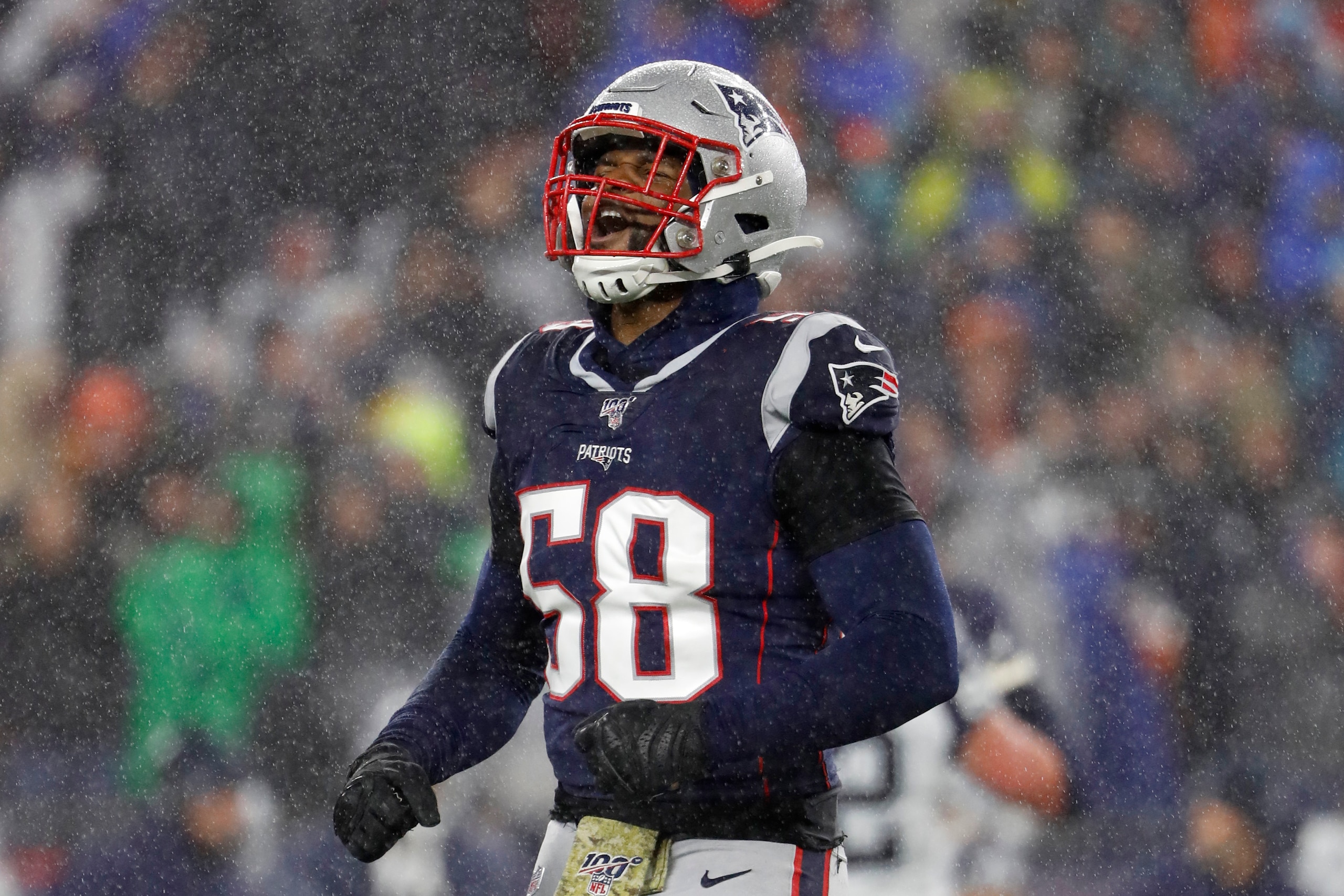
The Detroit Lions need help defensively, where they ranked 31st overall this season. Head coach and former Patriots defensive coordinator Matt Patricia has an affinity for New England players—he brought in both Danny Amendola and Trey Flowers last offseason.
Thus, the Lions could pursue Pats linebacker Jamie Collins in free agency—but they shouldn't.
Collins has been fantastic for New England this season. He's amassed 81 tackles, 7.0 sacks, three forced fumbles and three interceptions.
However, he is 30 years old and has not played his best football away from New England. In two-plus seasons with the Cleveland Browns, he had one good-not-great campaign: a 104-tackle, four-sack season in 2018.
Because of his numbers this season, Collins is likely to land a sizable contract in free agency, the kind of deal that should only be paid by a franchise that is a piece or two away from contention.
Green Bay Packers: WR Nelson Agholor
12 of 32
The Green Bay Packers have struggled to find a reliable No. 2 receiver opposite Davante Adams. It's a problem that dates back to the Mike McCarthy era and that hasn't been fixed under Matt LaFleur.
Green Bay has made do because it has Aaron Rodgers at quarterback and a tremendous backfield receiving duo in Aaron Jones and Jamaal Williams. However, for this offense to fully flourish, the Packers need to add another reliable pass-catcher on the outside.
The key word here is "reliable." It's the reason why Green Bay should avoid 2015 first-round pick Nelson Agholor.
While Agholor has enough speed to stretch the field, his consistency catching the ball is poor enough that Philadelphia residents who rescue children from fires have taken time out to poke fun at him.
Houston Texans: CB Aqib Talib
13 of 32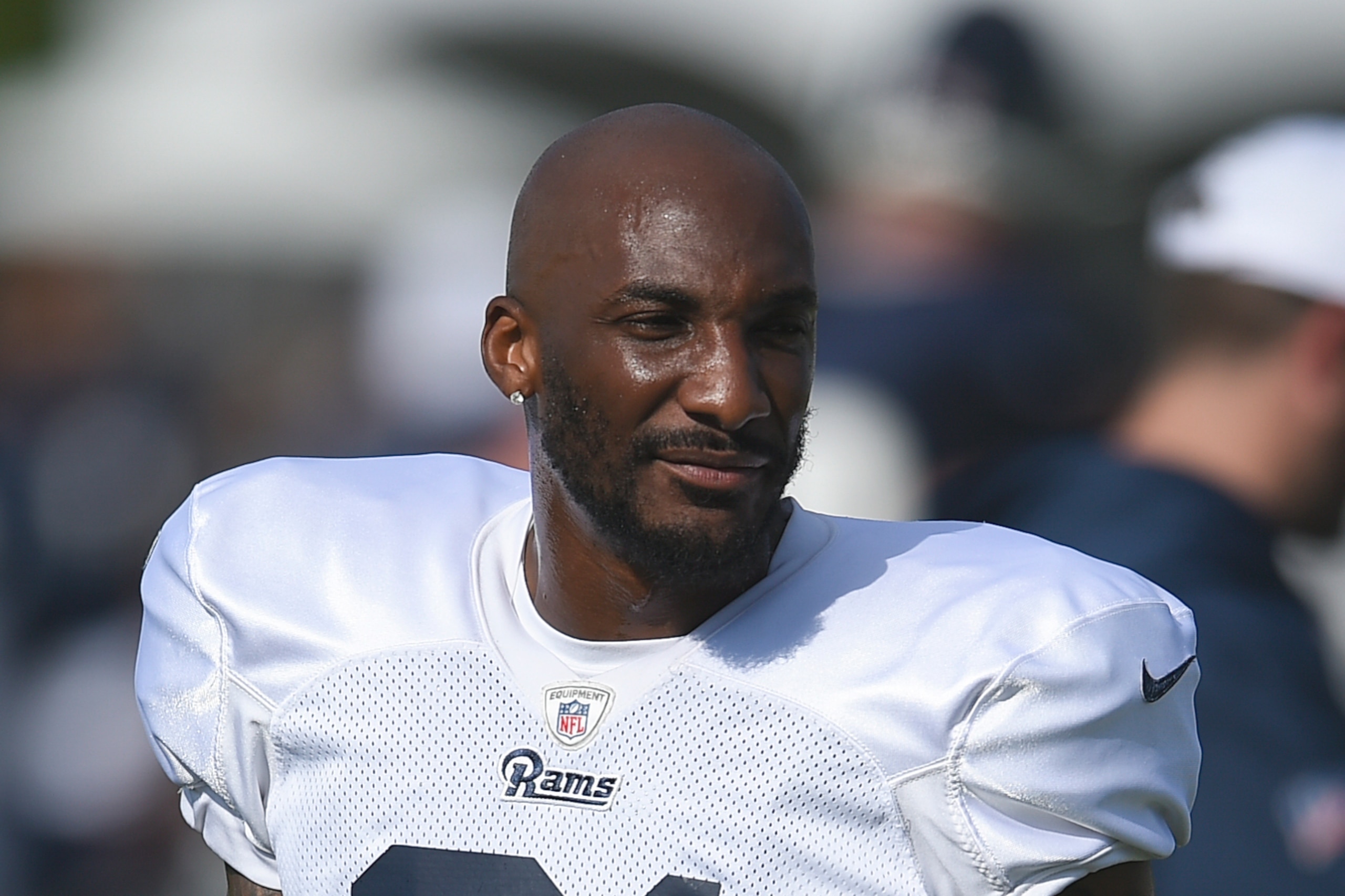
The Houston Texans need to address their pass defense, which finished the season ranked 29th. It's the team's biggest weakness and will likely be the reason Houston gets ousted from the playoffs, should that come to pass.
There are several intriguing cornerback options entering free agency, but Aqib Talib is one Houston should avoid.
There was a time when Talib was an elite shutdown corner. However, that time has passed for the 33-year-old. He spent half of 2018 on injured reserve with an ankle injury, though he did return for the postseason. He appeared in five games this year before landing on IR and eventually being traded to the Miami Dolphins in a cap-saving move.
While Talib may still be a serviceable starter, the Texans cannot depend on him to stay healthy and play a full 16-game schedule in 2020. If they hope to repeat as AFC South champs and push for a Super Bowl, they need to find someone younger and more reliable.
Indianapolis Colts: QB Marcus Mariota
14 of 32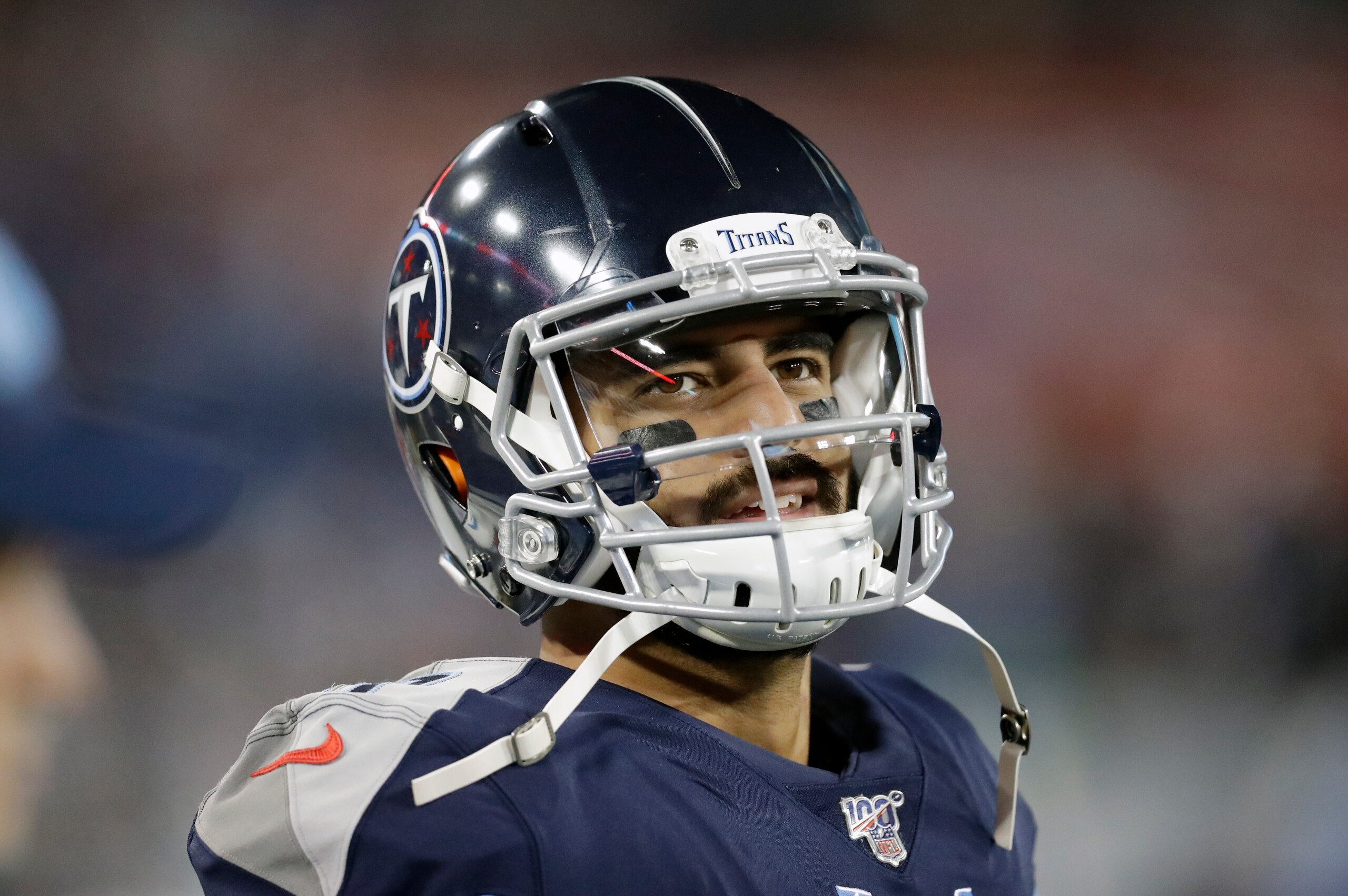
While the Indianapolis Colts got a respectable campaign out of quarterback Jacoby Brissett in 2019, they aren't committed to him as the franchise's long-term signal-caller.
"The jury is still out," general manager Chris Ballard told reporters after the regular season.
If the Colts aren't sold on Brissett, they may consider free-agent options at quarterback. One they should avoid, however, is Marcus Mariota.
The second overall pick in the 2015 draft, Mariota has shown flashes of potential but little else. He's mobile and will make the occasional "wow" throw, but he fails to consistently push the ball downfield. This is similar to what Indianapolis already has in Brissett.
Adding Mariota would not give the Colts an obvious upgrade at the game's most important position. Given Brissett's experience in the offense, Indianapolis needs an obvious upgrade to justify replacing him.
Jacksonville Jaguars: G Brandon Scherff
15 of 32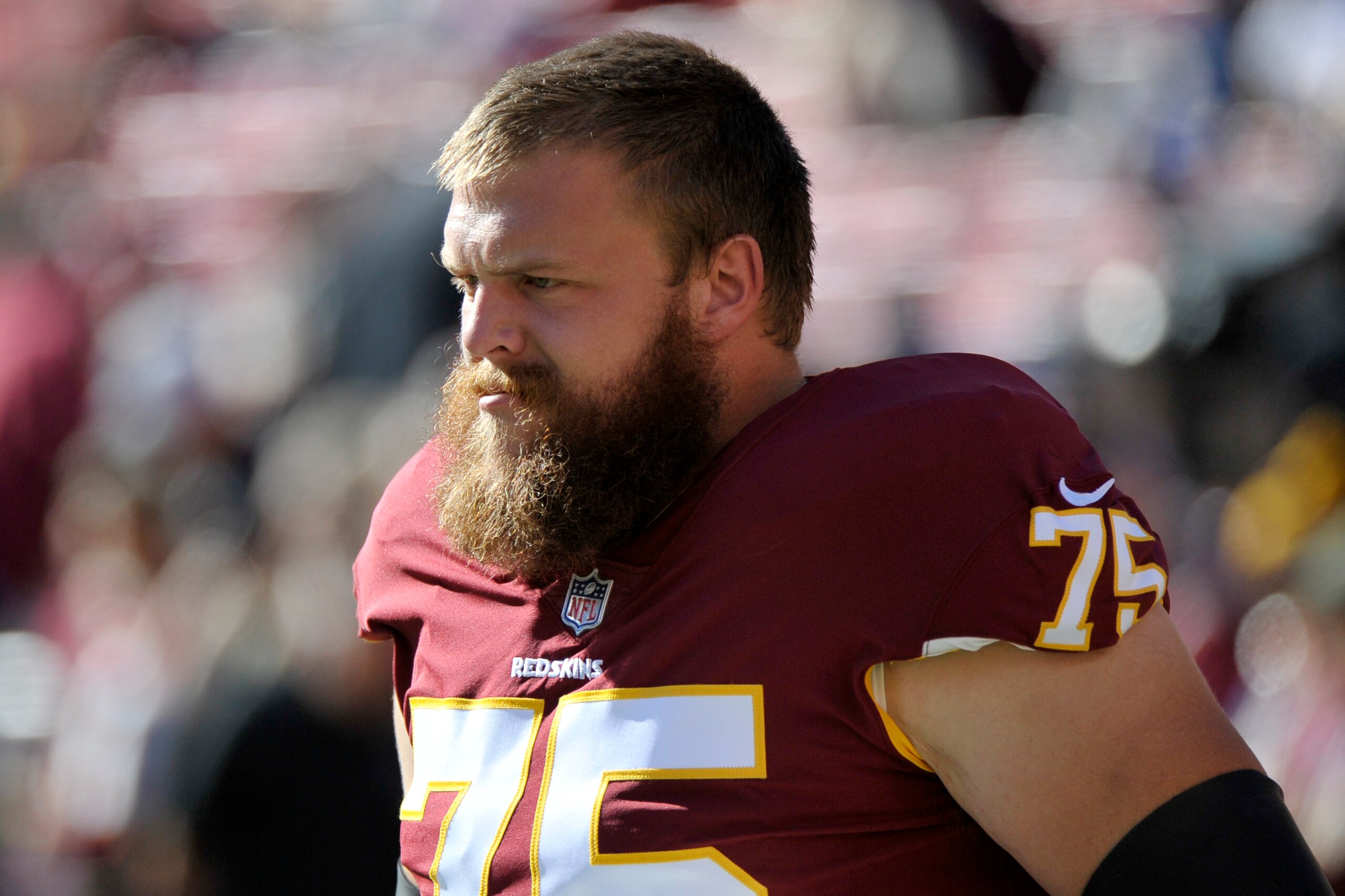
Two years ago, the Jacksonville Jaguars handed guard Andrew Norwell a massive five-year, $66.5 million deal. They haven't been rewarded with elite play on the interior line. According to Pro Football Focus. Norwell was responsible for eight penalties and three sacks in 2019.
Jacksonville could consider replacing Norwell in the offseason, as only $9 million of his remaining contract is dead money. However, they shouldn't be quick to jump into another big-money deal with a guard like Washington's Brandon Scherff.
Scherff is an incredible interior lineman and one of the best overall players scheduled to hit free agency. However, the three-time Pro Bowler is going to be very expensive.
The Jaguars are not in position to pursue a player with Scherff's potential price tag. They are projected to have just over $1 million in cap space. Even if Jacksonville creates room by parting with Norwell and perhaps Marcell Dareus, it isn't going to have a ton of cap room to play with—and re-signing Yannick Ngakoue should be a priority if that cash is freed.
Kansas City Chiefs: LB Mychal Kendricks
16 of 32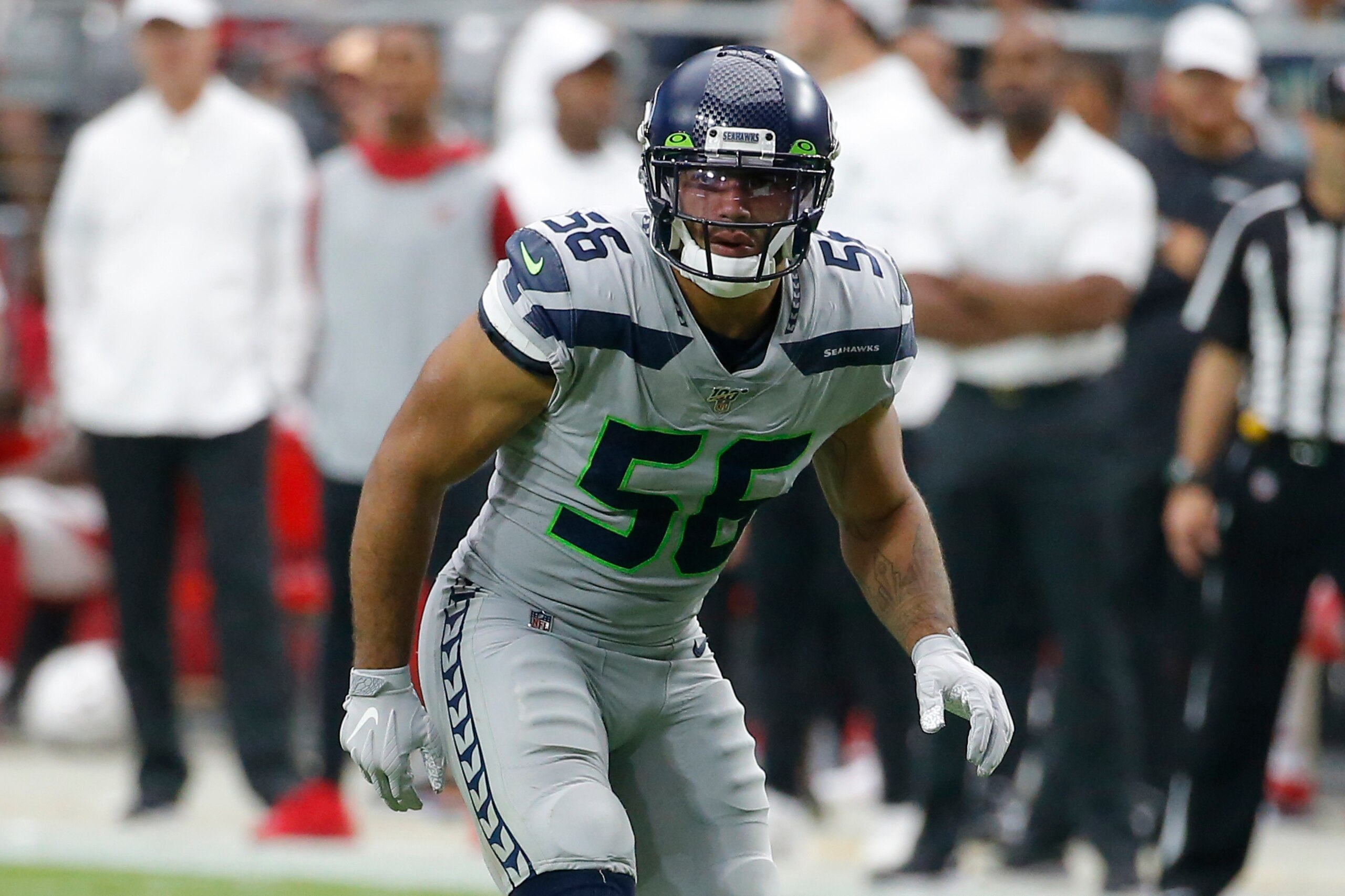
While the Kansas City Chiefs defense made strides against the pass in 2019, the run defense remains a liability. Kansas City finished the regular season ranked 26th against the run, allowing 128.2 rushing yards per game.
Addressing the run defense should be a priority for the Chiefs, and adding a chase-and-tackle linebacker would be a great place to begin. Mychal Kendricks, who had 71 tackles in 14 games, is just such a player. However, he carries too many risks.
Kendricks had his 2019 campaign ended by a torn ACL, and he may not be ready to play by the start of the 2020 season. He's also awaiting sentencing for insider trading, which is expected to come down in February, according to Bob Condotta of the Seattle Times.
Even if Kendricks has his sentencing postponed again—it's been postponed five times already—there's no telling when, if or how long he'll be able to play next season. This sort of uncertainty isn't something a legitimate title contender should want to bring on board.
Los Angeles Chargers: OT Greg Robinson
17 of 32
Between inconsistency on the right side and injury on the left, the offensive tackle position was an issue for the Los Angeles Chargers in 2019. They have to address it in free agency or the draft, and there should be several options.
One that the Chargers should not consider is Greg Robinson. The 2014 second overall pick revived his career a bit with the Browns over the last two seasons, but he is not a reliable high-end starter.
According to Pro Football Focus, Robinson was responsible for 11 penalties and allowing four sacks in 2019. He was also benched at one point by then-head coach Freddie Kitchens.
Armed with the sixth pick in this year's draft, the Chargers would be better off pursuing one of the top tackle prospects in the class, like Georgia's Anthony Thomas. Of course, that plan could change if Los Angeles decides to draft a quarterback.
Even an unproven second- or third-round prospect might be better than Robinson, though. He has proved himself to be unreliable.
Los Angeles Rams: DL Chris Jones
18 of 32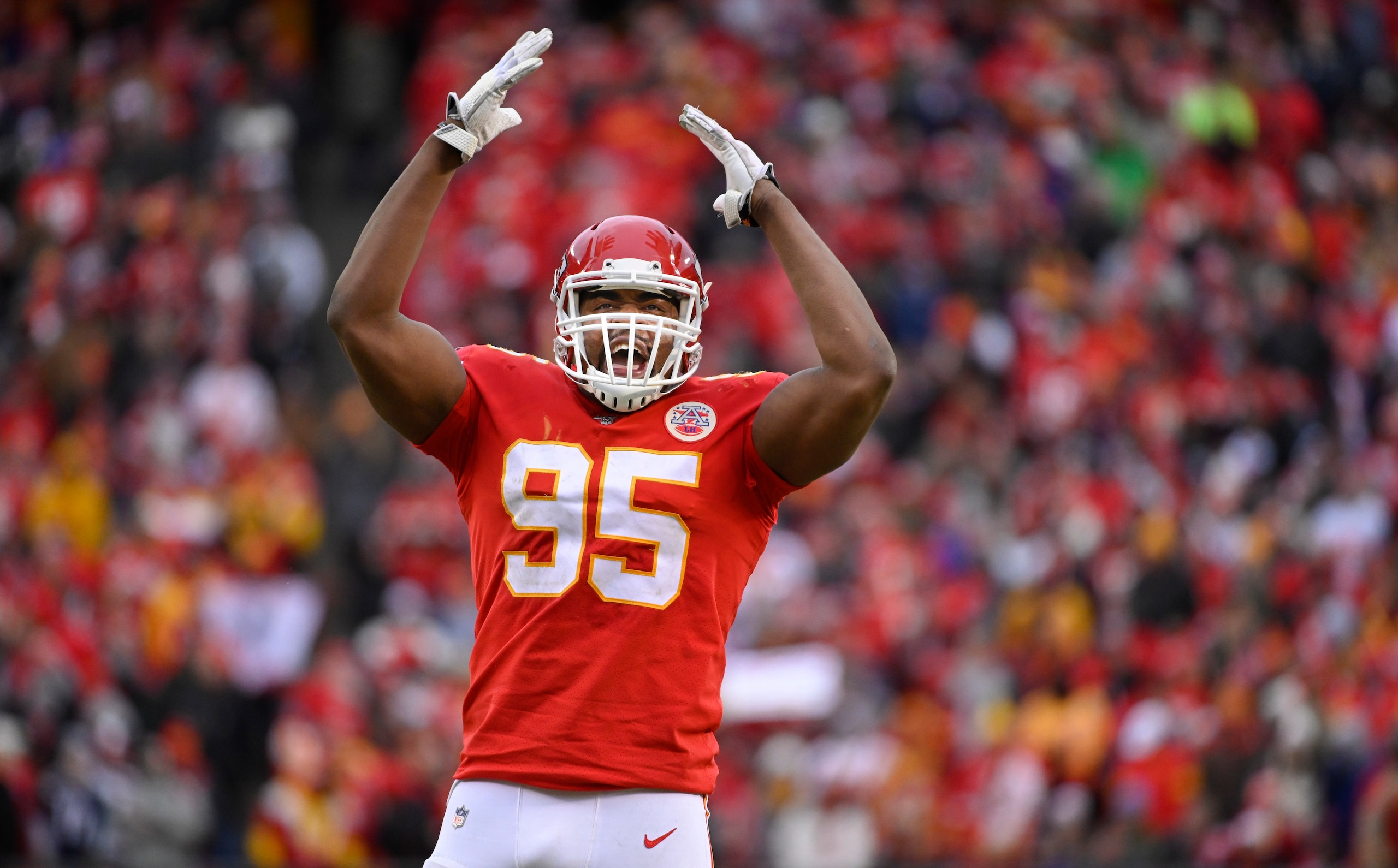
With defensive end Michael Brockers scheduled to enter free agency, the Los Angeles Rams could be in the market for a versatile down lineman to replace him. One intriguing option for their 3-4 scheme is Chiefs defensive lineman Chris Jones, who played at end before Kansas City's switch to a 4-3 base scheme this past offseason.
In 2018, Jones produced an impressive 15.5 sacks.
His youth—he'll turn 26 this summer—versatility and ability to get after the quarterback are strong selling points. However, they will make Jones attractive to just about every defensive coordinator in the league.
For the Rams, who are projected to have less than $24 million in cap space, this is an issue. Jones would be a tremendous addition to their defensive front, but they cannot dedicate the bulk of their cap room to the defensive end position. There are other needs on the roster, notably at guard, and re-signing Brockers—if that's financially possible—is a more cap-friendly option.
Miami Dolphins: WR Robby Anderson
19 of 32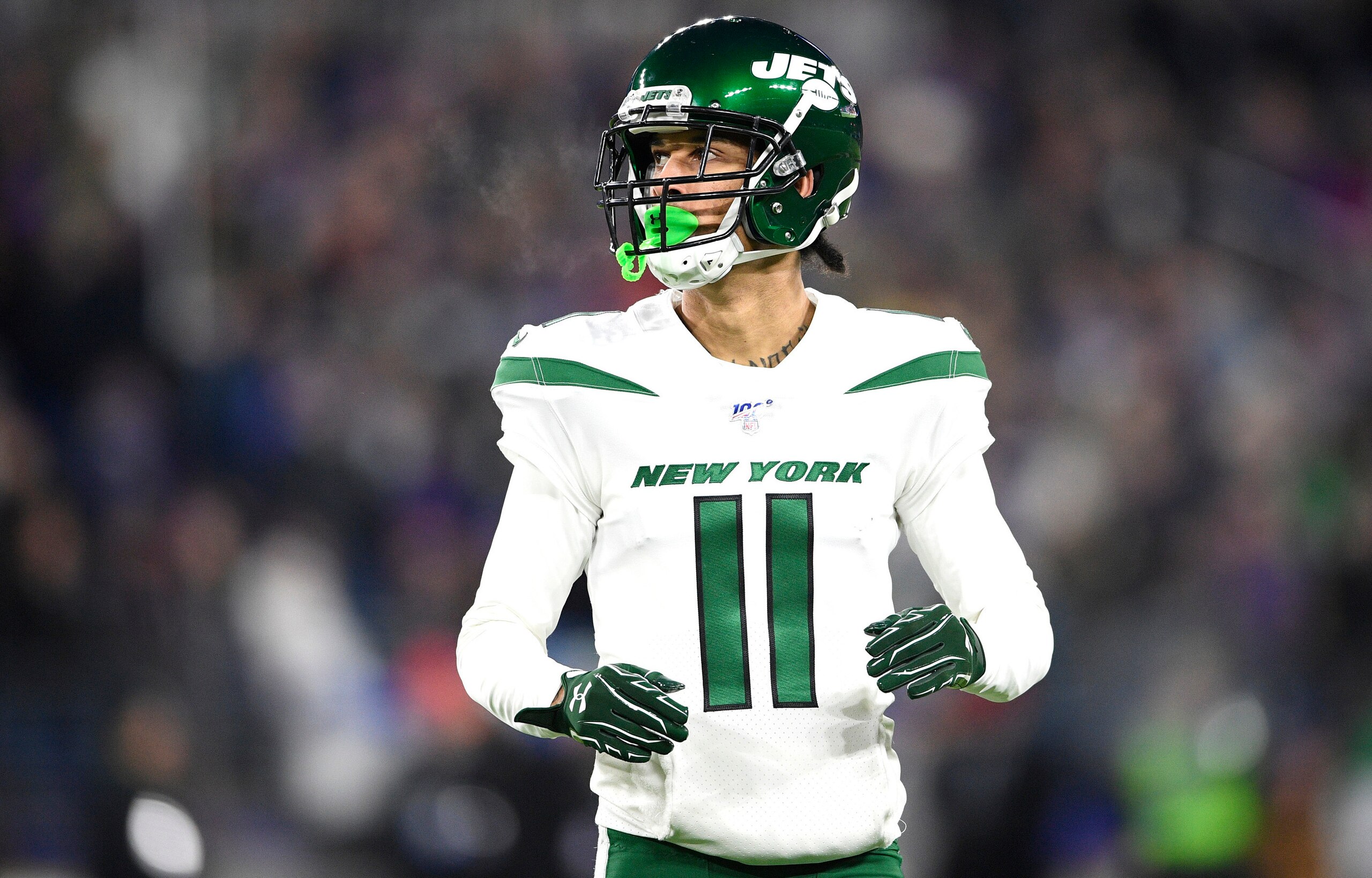
Presumably, the Miami Dolphins are eying a new quarterback in the upcoming draft. Armed with three first-round picks and more than $94 million in cap space, the Dolphins should also be looking at some weapons to put around said quarterback.
The prospect of plucking speedy receiver Robby Anderson away from the rival New York Jets could be enticing. However, he isn't the sort of receiver Miami should be targeting.
Can Anderson stretch the field? Absolutely. However, the Dolphins should be looking for a consistent, reliable pass-catcher who can help a young quarterback grow. That isn't Anderson. In his two seasons with Sam Darnold, he has been merely average, which is disappointing given his 941-yard campaign in 2017.
The fact that Chan Gailey, reportedly hired as Miami's offensive coordinator, was running the offense during Anderson's rookie season could get the receiver some consideration. However, the Dolphins already have a young, budding receiver in DeVante Parker. Signing a seasoned vet in free agency would provide far more value than adding Anderson.
Minnesota Vikings: WR Randall Cobb
20 of 32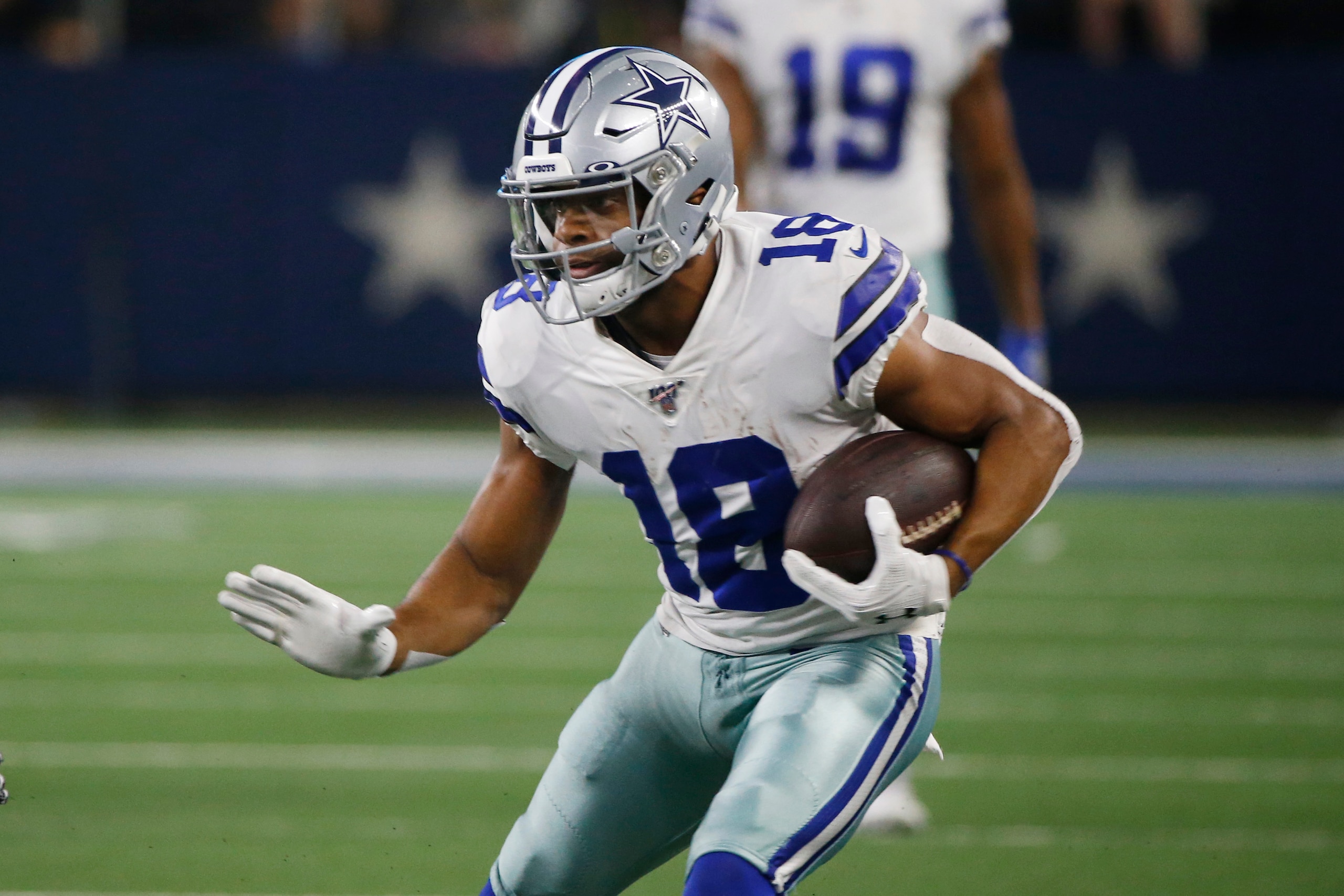
The Minnesota Vikings have one of the NFL's best receiver duos in Adam Thielen and Stefon Diggs. What they lack is a high-end No. 3 wideout. They'll likely look to change that in the offseason.
Minnesota could consider former Packers receiver Randall Cobb. He's familiar with the division, would be a mismatch between Thielen and Diggs in the slot and showed this past season that he still has plenty of playmaking ability.
Cobb appeared in 15 games with the Cowboys and finished with 55 receptions, 828 receiving yards and three touchdowns.
The problem is that he is likely to cost at least $5 million per season, which is what he earned this past year. That isn't a lot for a quality slot receiver, but it's more than the Vikings can commit to the position.
Minnesota is projected to be over the cap entering free agency. With key defenders like Trae Waynes, Anthony Harris and Mackensie Alexander set to be free agents, it cannot justify spending that much on a complementary pass-catcher. If the Vikings are going to find their new third wideout, they'll likely have to do so through the draft.
New England Patriots: WR Devin Funchess
21 of 32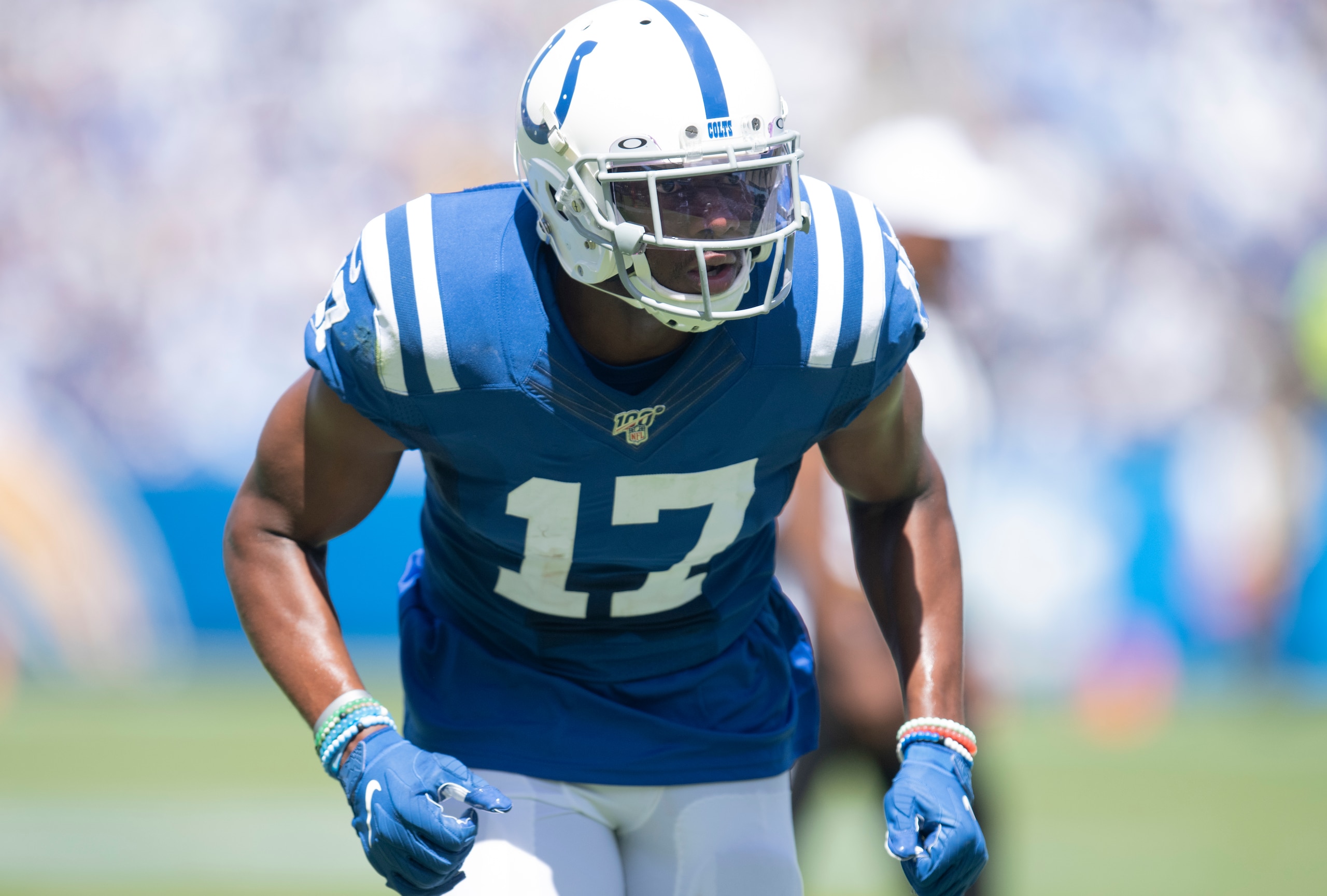
The New England Patriots lack receiving weapons. They've been unable to stretch the field all season.
New England will almost certainly target a wide receiver in the offseason, though it will need to find one who complements the current roster. This is why Devin Funchess shouldn't be on the Patriots' radar—unless he's willing to bulk up and return to his collegiate position of tight end.
Funchess is a pure possession receiver. The Patriots already have a possession receiver in Mohamed Sanu, plus the sure-handed Julian Edelman in the slot. At 6'4" and 225 pounds, rookie wideout N'Keal Harry can develop into a possession guy as well.
There isn't a place or a need for Funchess in New England's offense. Instead, the team should search for a burner who can help open up underneath routes for the wide receivers it already has.
New Orleans Saints: DE Yannick Ngakoue
22 of 32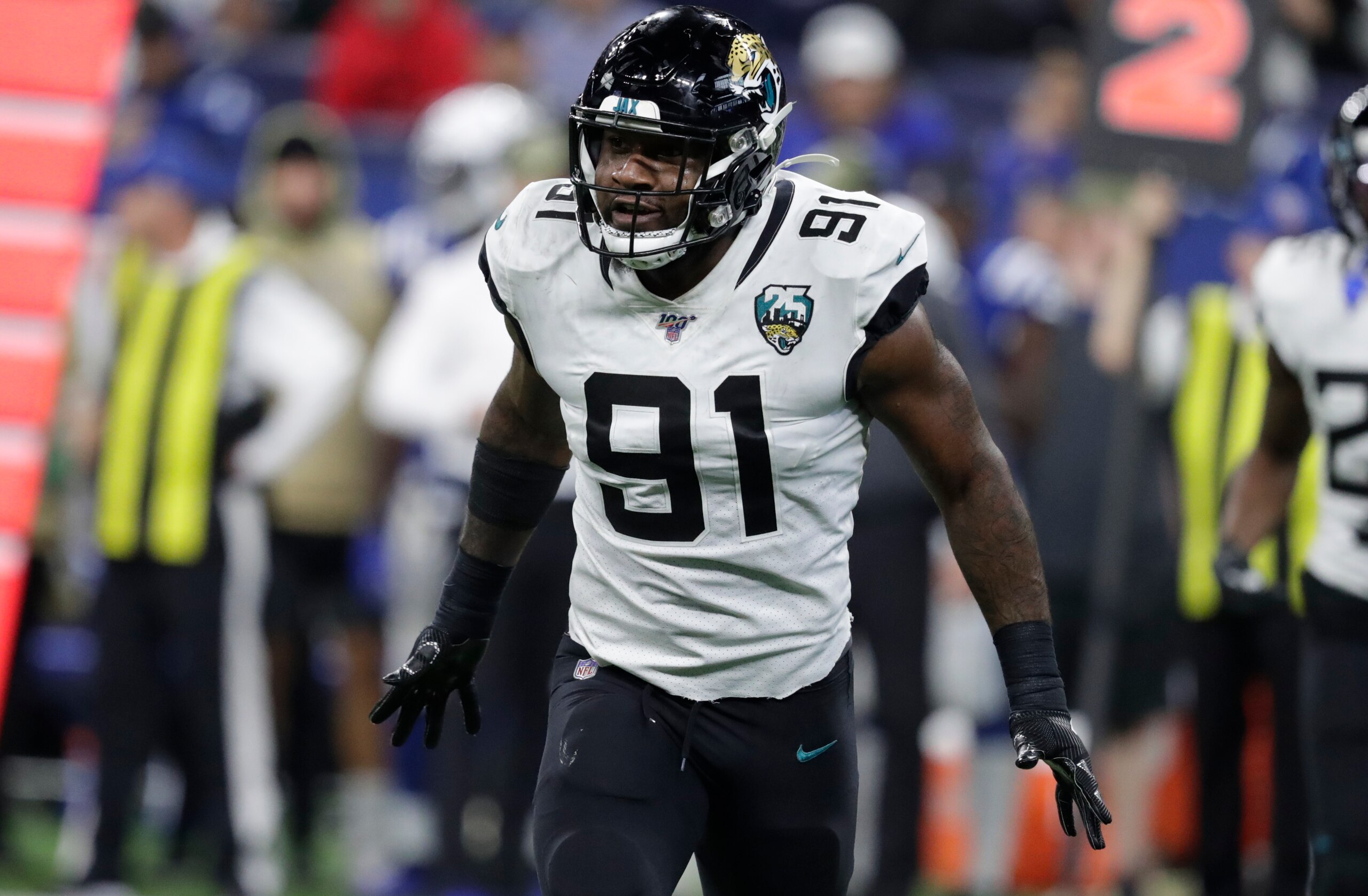
Jaguars defensive end Yannick Ngakoue is one of the most talented young defenders scheduled to hit the open market this spring. He's a disrupter from the end position—he had 8.0 sacks in 2019—and would be a terrific addition for virtually any team that runs a 4-3 base defense.
Adding Ngakoue to an end rotation that features Cameron Jordan and Marcus Davenport could give the New Orleans Saints one of the best defensive fronts in the league.
However, being one of the best defenders on the market means Ngakoue will also be one of the most expensive. With just $4.9 million in projected cap space, the Saints cannot afford to get into a bidding war for a luxury free agent.
New Orleans can clear up some cap space—especially if it can get a new deal done with quarterback Drew Brees—but it should use any additional money on addressing areas of need. Securing a quality No. 2 receiver or a young power back to complement Alvin Kamara should take precedence over an extra pass-rushing end.
New York Giants: DE Everson Griffen
23 of 32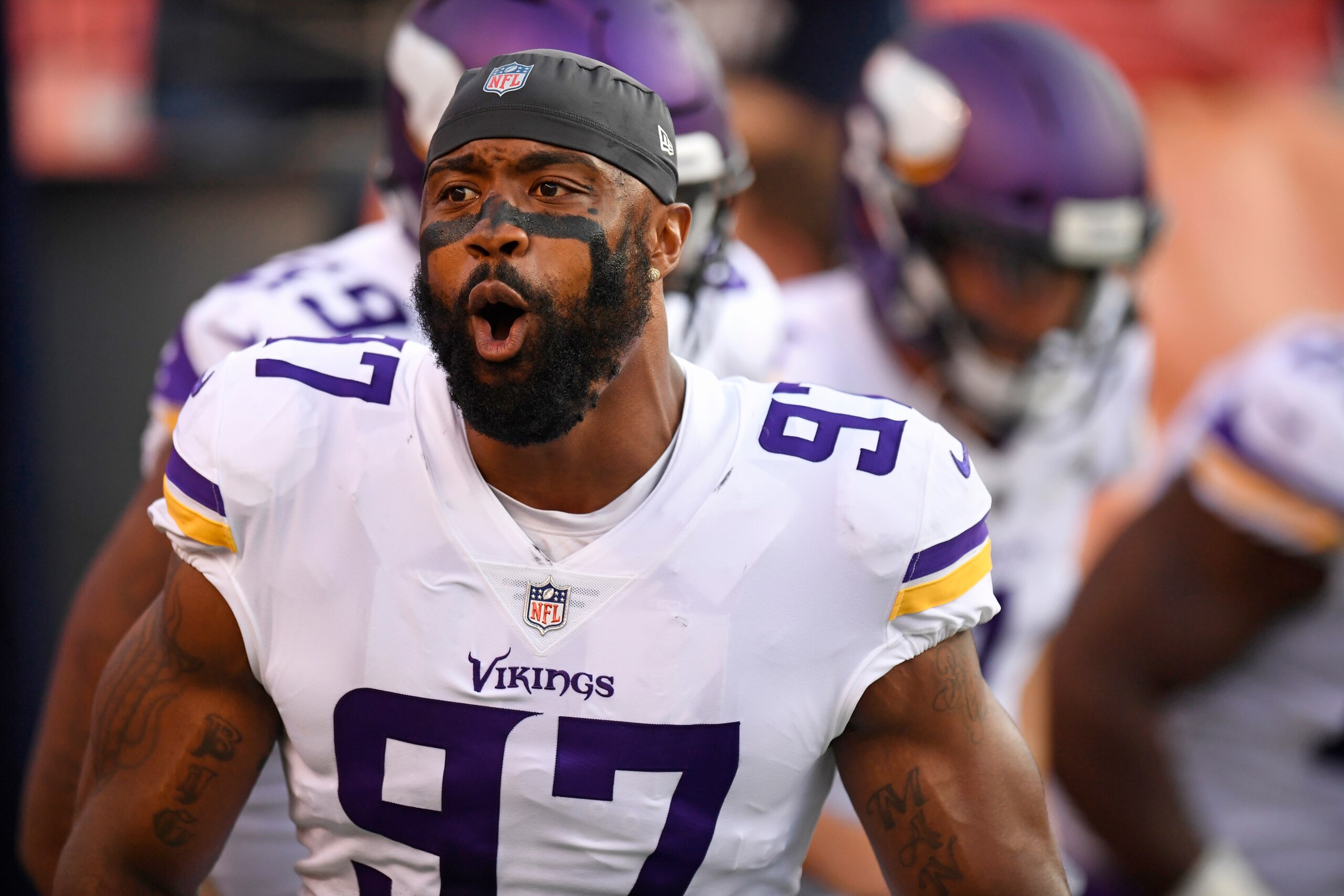
The New York Giants, on the other hand, should pursue a player like Ngakoue. The Giants are projected to have more than $69 million in cap space and have a desperate need for a premier edge-defender.
This doesn't mean New York should throw money at the defensive end position—a tactic it has tried in the past.
Vikings defensive end Everson Griffen, for example, would make sense for many teams, but not for the Giants. The three-time Pro Bowler is still playing at a high level. He finished the regular season with 41 tackles, 8.0 sacks and an interception.
However, Griffen is also 32 years old and makes more sense for a team with an open playoff window. The Giants should focus on adding young players who can develop and grow alongside guys like Daniel Jones, Saquon Barkley and Dexter Lawrence.
The Giants need players who will still be in their prime when their playoff window finally does open. Ngakoue would make sense. Griffen would not.
New York Jets: CB Jimmy Smith
24 of 32
The Jets are in a similar position to the Giants. With a young quarterback in Sam Darnold, the Jets should be focused on building for the long term.
This is why they should shy away from cornerback Jimmy Smith. The nine-year Ravens veteran is a tremendous cover man, but he'll also be 32 at the start of next season and has a notable recent injury history. Over the last four seasons, he has missed 16 games because of injury and another four to suspension.
While Smith could be a fantastic short-term addition for a contending team, that's not who the Jets are. If they're going to go after a cornerback in free agency, it would be better to pursue one on the underside of 30.
In addition, one of Smith's best assets is his press-man prowess. Gregg Williams' defense utilizes a zone blitz-heavy scheme, so he may not be the right fit anyway.
Oakland Raiders: CB Brandon Carr
25 of 32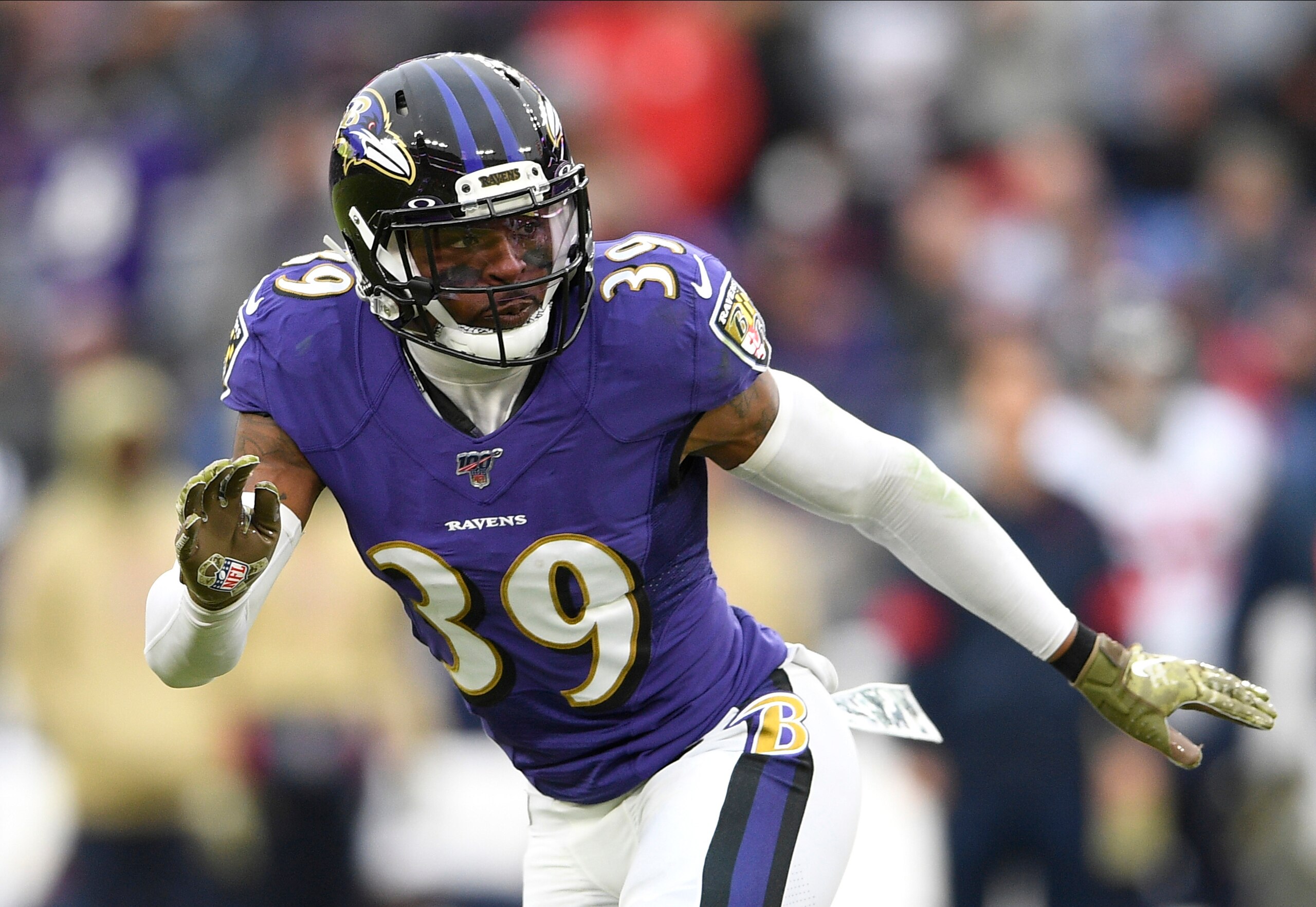
With defensive backs like Daryl Worley, Nevin Lawson and Karl Joseph set to hit the open market, it wouldn't come as a surprise to see the Oakland Raiders address their secondary in free agency. What the Raiders don't need is another aging veteran on their defense.
Oakland has tried relying on older patchwork defenders like Vontaze Burfict, Reggie Nelson and Frostee Rucker over the past two years with mostly disappointing results. Now, the Raiders appear to have a solid foundation, and as they head to Las Vegas, it's time to address areas of need with youthful talent.
Brandon Carr shouldn't be on the Raiders' wish list. He's a more-than-capable starter, but he'll also be 34 years old at the start of the regular season. He wouldn't be in Vegas for the long haul, so there's little reason to bring him in.
Cornerback Darqueze Dennard—who previously played for defensive coordinator Paul Guenther in Cincinnati—or James Bradberry would be a better option in free agency.
Philadelphia Eagles: CB James Bradberry
26 of 32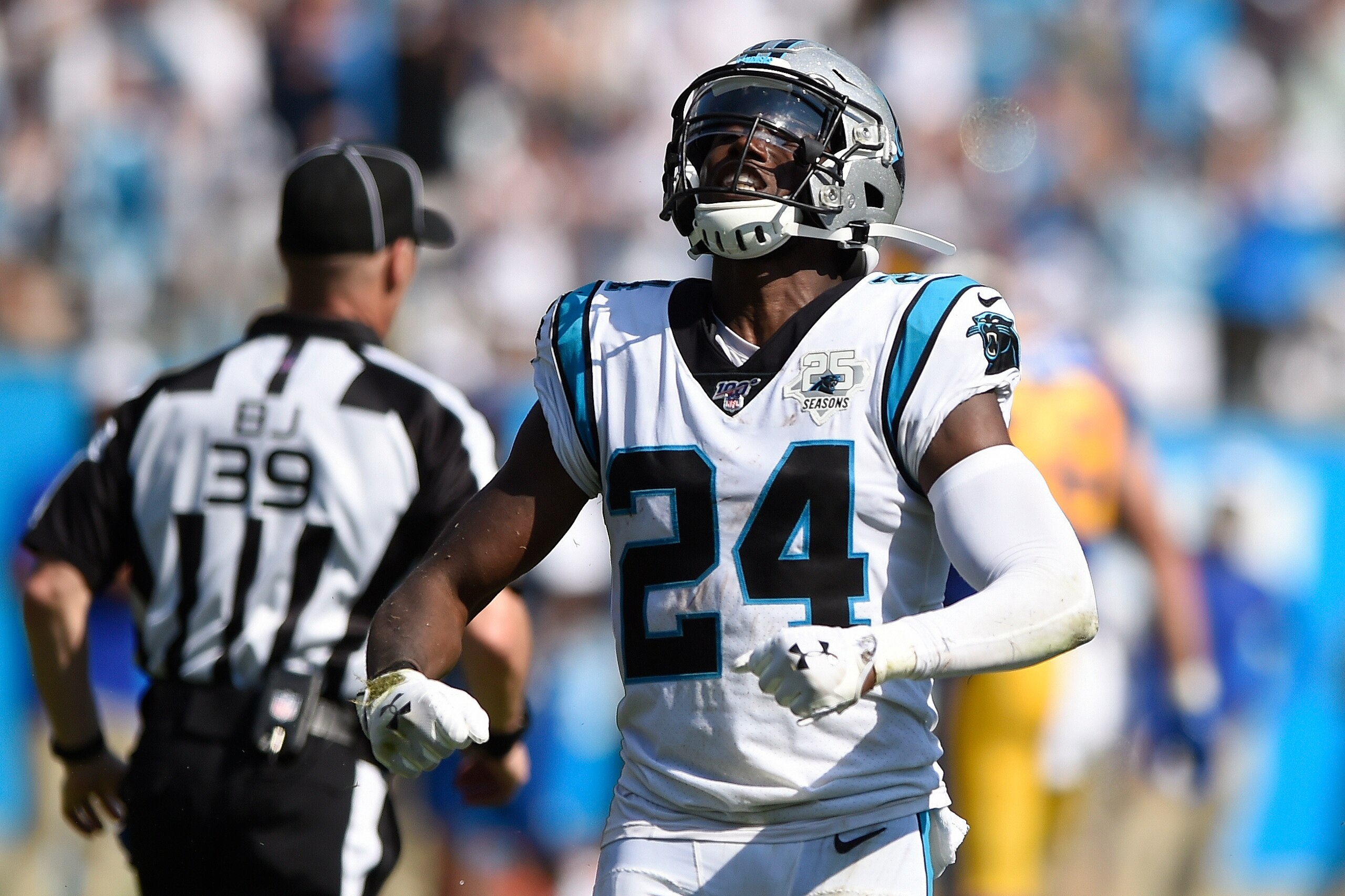
Bradberry would be a great free-agent target for the Raiders because he is just 26 years old and one of the ascending cornerbacks in the NFL. He finished the 2019 season with 12 passes defended and three interceptions, and he's been battle-tested by the likes of Julio Jones and Michael Thomas in the NFC South.
For a team like the Philadelphia Eagles, however, Bradberry is less of a perfect target. The Eagles are on the lower end of the cap spectrum with just over $33 million in projected available space. While Philadelphia could afford Bradberry, signing him may eat up close to half of that available space. He isn't going to take a below-market deal.
"I feel like I'm a top corner in this league," Bradberry said, via the team's official website. "And I want to be compensated as such."
He could be eyeing a deal that pays him more than $15 million per year, which is what Xavien Howard just got from the Dolphins. The Eagles have a glaring need at wide receiver and have pending free agents like Nigel Bradham and Rodney McLeod to address.
Committing so much money to Bradberry would potentially help one position of need but hurt the overall team. That's a situation best avoided.
Pittsburgh Steelers: Edge Shaquil Barrett
27 of 32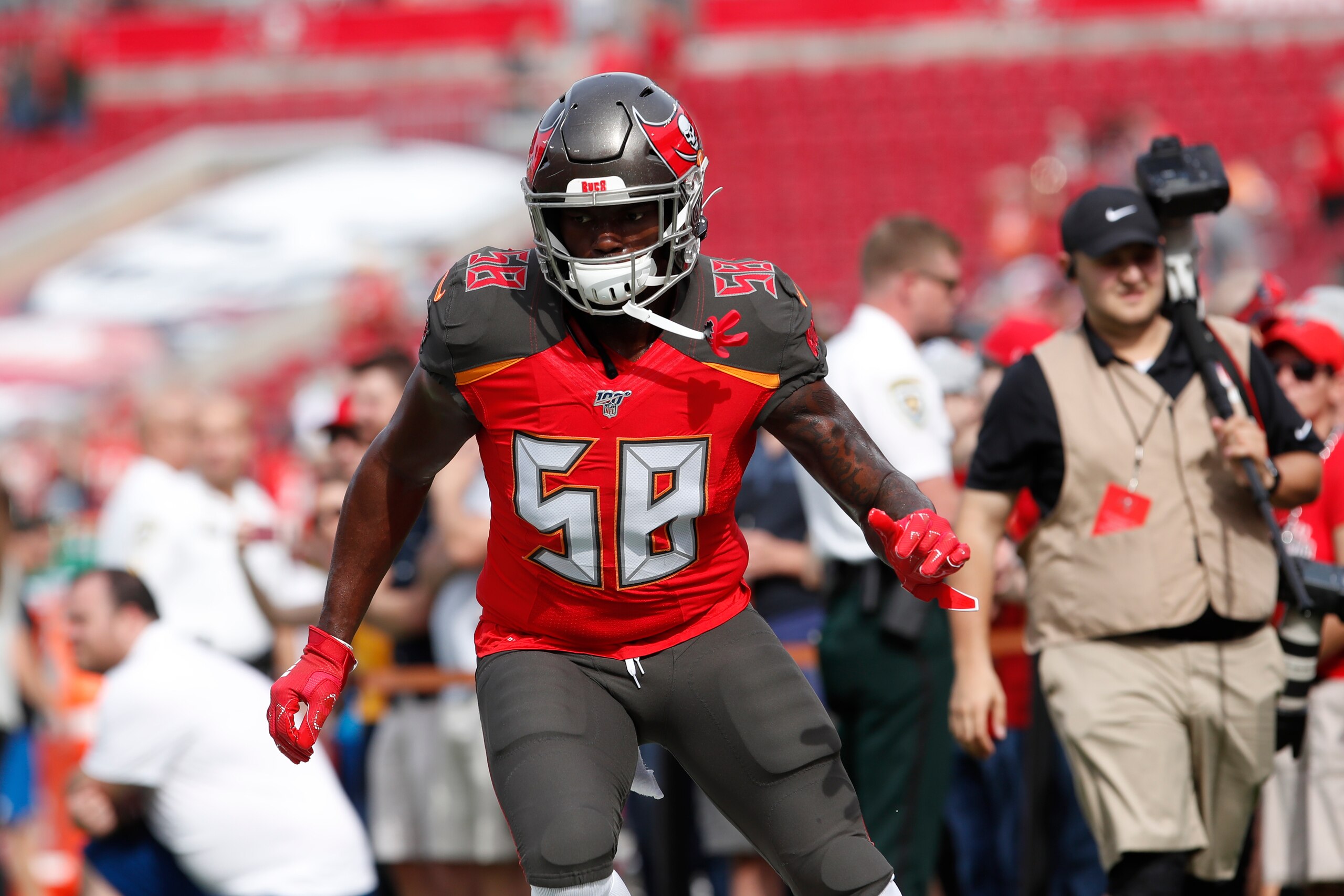
The Pittsburgh Steelers nearly made the postseason in 2019 thanks to the strength of their defense. That defense is set to lose a couple of key contributors in the offseason: defensive tackle Javon Hargrave and outside linebacker Bud Dupree.
It may be tempting for the Steelers to consider replacing Dupree with breakout linebacker Shaquil Barrett, who amassed an impressive 19.5 sacks this season. Pairing Barrett with T.J. Watt would potentially give Pittsburgh the top pass-rushing duo in the NFL. With Ben Roethlisberger likely to return, the Steelers could play more often with the lead, spelling disaster for opposing quarterbacks.
But the Steelers don't have the cap space needed to realistically pursue Barrett. With a projected $1.6 million in cap space, they will likely struggle to retain Dupree—even with a hometown discount.
Pittsburgh would have to dump players to have any shot at landing Barrett. Given the chemistry the team forged during its trying 2019 campaign, that shouldn't be a consideration.
San Francisco 49ers: WR A.J. Green
28 of 32
Deebo Samuel has come on late in the season, and the team acquired Emmanuel Sanders before the trade deadline, but the San Francisco 49ers could still use help at wide receiver. Sanders is scheduled to hit free agency too.
San Francisco's top receiving threat remains George Kittle, who might be the best receiving tight end in the game. Another downfield threat on the outside could help him be even better. With the 49ers' Super Bowl window cracked wide, they may be willing to go hard after another wideout in free agency.
Seven-time Pro Bowler A.J. Green is one of the most notable names likely to be available, and his deep-threat ability would mesh with San Francisco's offense. However, Green is 31 years old and has battled through numerous injuries in recent years. He missed seven games in 2018 and didn't play at all this past season.
There's no guarantee Green can stay healthy or that he can be the downfield weapon he once was. Relying on him is too big of a risk for a young 49ers team with Super Bowl aspirations.
Seattle Seahawks: TE Austin Hooper
29 of 32
Promising Seattle Seahawks tight end Will Dissly has finished each of the past two seasons on injured reserve, so Seattle may look to bolster the position in free agency. Falcons tight end Austin Hooper, fresh off a 787-yard, six-touchdown campaign, will be one of the best tight ends available.
Of course, Hooper will also be one of the priciest tight ends on the market. This isn't an issue for Seattle, which is projected to have more than $68 million in cap space. However, since the team uncovered Jacob Hollister during the second half of the season, tight end isn't its biggest need.
Hollister appeared in 11 games with three starts and finished third on the team with 41 receptions.
Dissly will be healthy again at some point, and Hollister is a fine starting option. While the Seahawks are flush with cap space, they would be better served to address other areas—perhaps their 27th-ranked pass defense.
Tampa Bay Buccaneers: QB Philip Rivers
30 of 32
The Tampa Bay Buccaneers may bring back Jameis Winston for another prove-it season. However, head coach Bruce Arians doesn't seem sold on the 2015 first overall draft pick.
"So much good and so much outright terrible," Arians said of Winston's play.
Turnovers were Winston's biggest issue in 2019—he tossed 30 interceptions—and it's fair to think Arians could covet a more reliable veteran at the quarterback position. If this is the case, then the Buccaneers should avoid Philip Rivers.
Rivers goes through stretches where turnovers are a major issue. This past season, he threw 20 interceptions and fumbled away the ball three times. While these numbers aren't at Winston's level, neither is Rivers' talent.
At 38 years old, Rivers is on the decline. He can no longer make the throws that a guy like Winston can make. If he was a steady, relatively mistake-free veteran, Tampa might be able to overlook his declining skill set. He isn't, however, which makes him the wrong fit for Arians and the Buccaneers.
Tennessee Titans: QB Tom Brady
31 of 32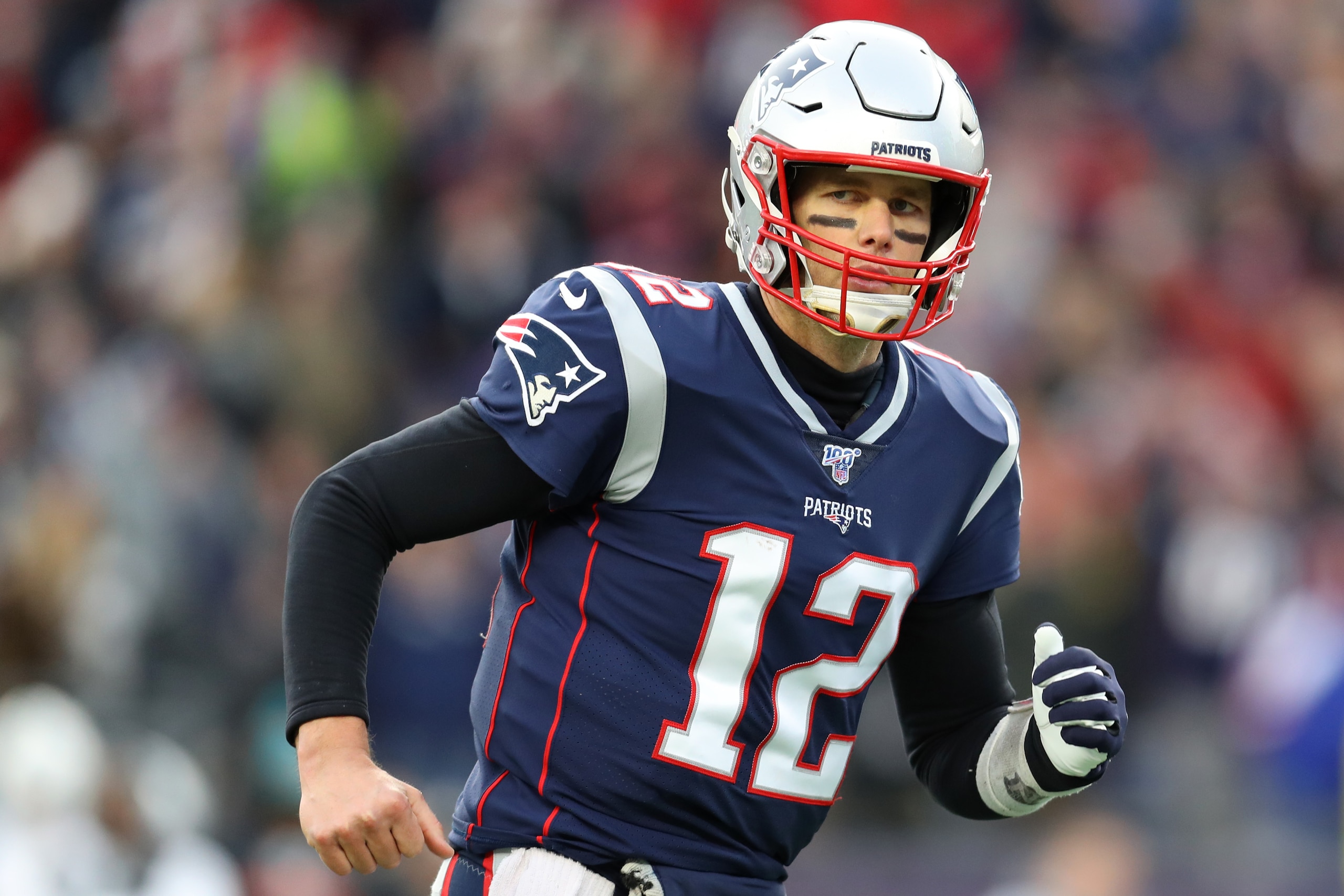
It's not hard to connect the dots between future Hall of Fame quarterback Tom Brady and the Tennessee Titans.
Brady is scheduled to be a free agent. The Titans are set to move on from first-round flop Marcus Mariota. Tennessee head coach Mike Vrabel has obvious New England ties, having played eight years with the Patriots, and the Titans are in a playoff window.
If Brady has any interest in proving himself away from Bill Belichick and the Patriots, Tennessee could be the place to do that. However, the Titans should avoid grasping at a Peyton Manning-like swan song.
Could Brady help deliver a title run like Manning did with Denver? Possibly. However, he isn't a long-term answer for any franchise, and if he struggles to adapt to a new team, it could lead to a lost season. It would make more sense for the Titans to focus on retaining Ryan Tannehill, who has been terrific at quarterback down the stretch.
His 117.5 quarterback rating this season is the fourth-highest in league history.
At 31 years old, Tannehill could potentially be Tennessee's starter for the next half-decade or more. There's virtually no chance Brady could do the same.
Washington Redskins: WR Amari Cooper
32 of 32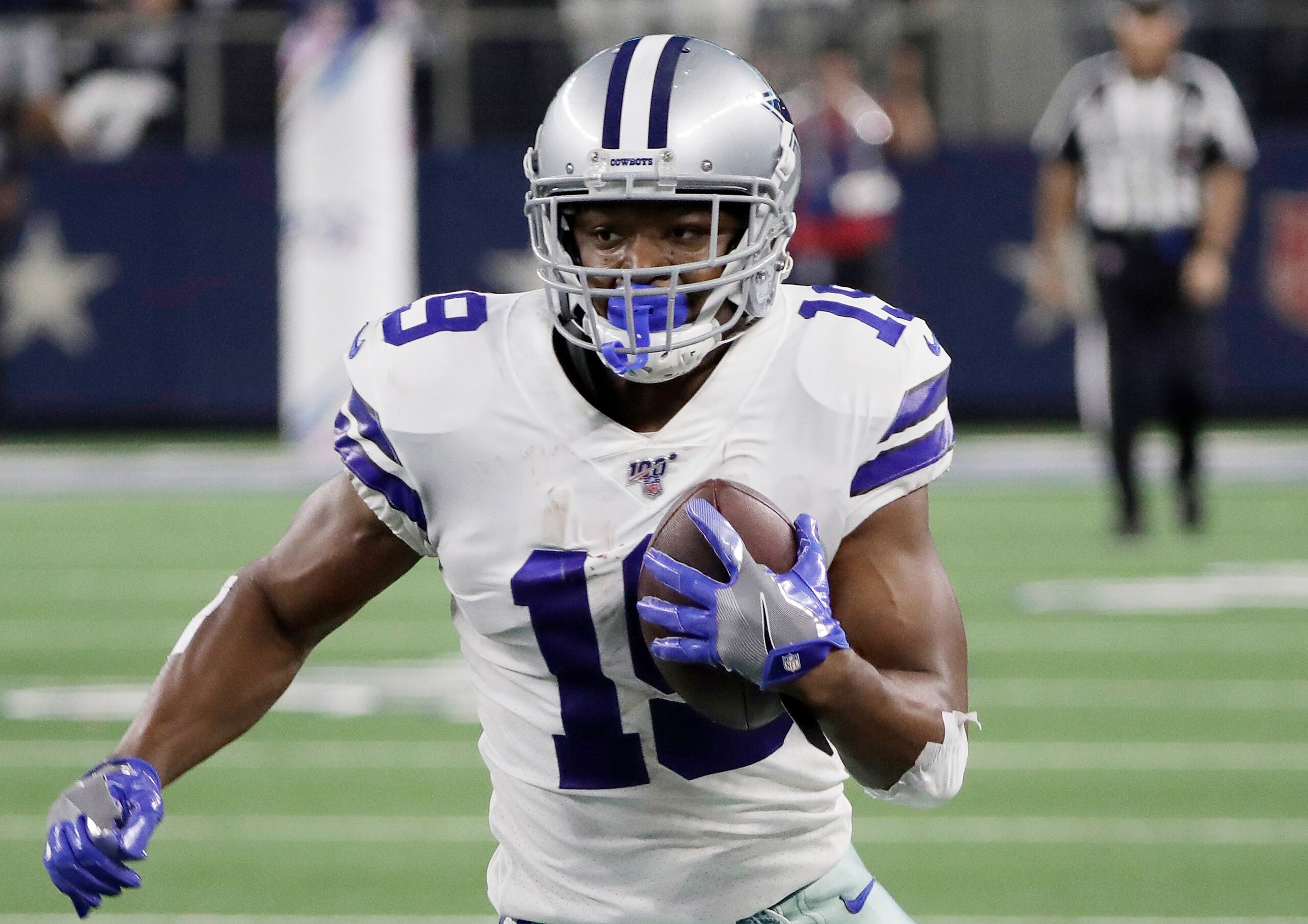
Assuming the franchise remains sold on him, the Washington Redskins should spend the offseason building around quarterback Dwayne Haskins. Putting a high-end receiver opposite rookie standout Terry McLaurin should be one of the first steps.
Cowboys wideout Amari Cooper could be an interesting option for the Redskins. He's only 25 years old and has the skill set of a No. 1 receiver. Adding him would also come with the added joy of weakening a division rival.
However, Washington should look elsewhere for its receiver needs. As perhaps the best young receiver on the market, Cooper is going to command a large salary. While Washington isn't on the bottom end in terms of cap space—it is projected to have $46.2 million available—it has a plethora of needs on both sides of the ball.
The Redskins cannot commit a third of their cap space to one wide receiver, even if he would immediately improve the receiving corps.
All contract and cap information via Spotrac.
.jpg?w=2560 "Steelers Browns Football")
.jpg?w=2560 "Cam Ward Says He's Not A Loser")


.jpg?w=2560 "Chargers Fall to 0-5 🤢")