

Winners and Losers from NFL's Huge Week of Deals for Elliott, Goff, More
The days leading up to the start of the NFL season should be called Half-Billion-Dollar Week.
Jared Goff agreed to a four-year, $134 million extension with the Rams on Tuesday, according to ESPN's Adam Schefter. Ezekiel Elliott signed a six-year, $90 million deal with the Cowboys on Wednesday, one day after the team gave tackle La'El Collins a five-year, $50 million extension, according to Schefter.
That's over a quarter-billion dollars right there, before we start stacking up contract extensions for Jaguars linebacker Myles Jack (four years, $57 million), Bears guard Cody Whitehair (five years, $52.5 million), Raiders center Rodney Hudson (three years, $34 million), Colts quarterback Jacoby Brissett (two years, $30 million) and others.

.jpg?w=2560 "Rams Eagles Football")
.jpg?w=2560 "Texans-Mixon Released Football")
Sure, most of that is "reported" money, with imaginary future cash tacked onto the ends of deals for accounting and dramatic purposes. Still, the contracts listed above add up to $447.5 million, much of which is very real, and that isn't counting several smaller deals. Plus, the Julio Jones extension was still in limbo as of presstime. The Half-Billion-Dollar Week may be selling the NFL's recent spending short.
Here's a rundown of who came out ahead, who got left behind, what you might have missed and more.
Winners
1. All future franchise running backs
Few teams are likely to match the scope and structure of the Elliott deal when running backs like Christian McCaffrey, Alvin Kamara or Saquon Barkley (after 2020) enter the extension market. But Elliott deal's, which includes $50 million in guaranteed cash, raises the financial tide for all boats.
The Elliott deal also creates a template for how to layer bonuses atop existing contract money, including the pricey fifth-year option, when extending first-round running backs like McCaffrey or Barkley.
That way, teams can pay the backs while they are still great instead of extending the deals into years when they are likely to be worn out. The Cowboys appear to be doing both, but that's just them being them.
2. Jacoby Brissett, quarterback, Colts
Brissett's two-year extension is similar to Nick Foles' deal with the Eagles after Super Bowl LII: Maybe you're our franchise quarterback now, but maybe not, so here's something we can both live with either way.
If Brissett aces his second extended audition as a starting quarterback, the Colts will be forced back to the table to negotiate a long-term deal (although this extension buys them time and leverage). If he flunks this season, he still pockets $20 million guaranteed for the effort. And he could stick around as a well-paid mentor for a Colts rookie in 2020 and then embark on the lucrative backup-for-hire circuit.
3. La'El Collins, offensive tackle, Cowboys
Collins must have slipped his extension onto Jerry Jones' desk while Elliott was downloading his boarding pass in Cabo. The structure of the Collins deal is straightforward by Cowboys standards: He'll get almost $20 million in guaranteed money and bonuses over the next two years, with minimal end-of-deal fluff.
Collins easily could have been an afterthought on the Cowboys' busy payroll agenda. Instead, he has secured his place on a star-studded offensive line where all five starters are under contract through at least 2021.
4. Giovanni Bernard, running back, Bengals
Remember Bernard? He was a productive committee back in the mid-2010s when the Bengals were relevant. (Yes, the Bengals were relevant. Try to remember.) Bernard tallied only 429 yards from scrimmage in 12 games last year, but the Bengals rewarded the 27-year-old Tuesday with a two-year, $10.3 million extension, according to Tom Pelissero of NFL Network.
It's an odd deal for a rebuilding team, but not every team rebuilds by cutting every veteran down to the long snapper and trying to go minus-2-and-18 to secure the first overall pick the way the Dolphins are.
Big Money, Big Questions
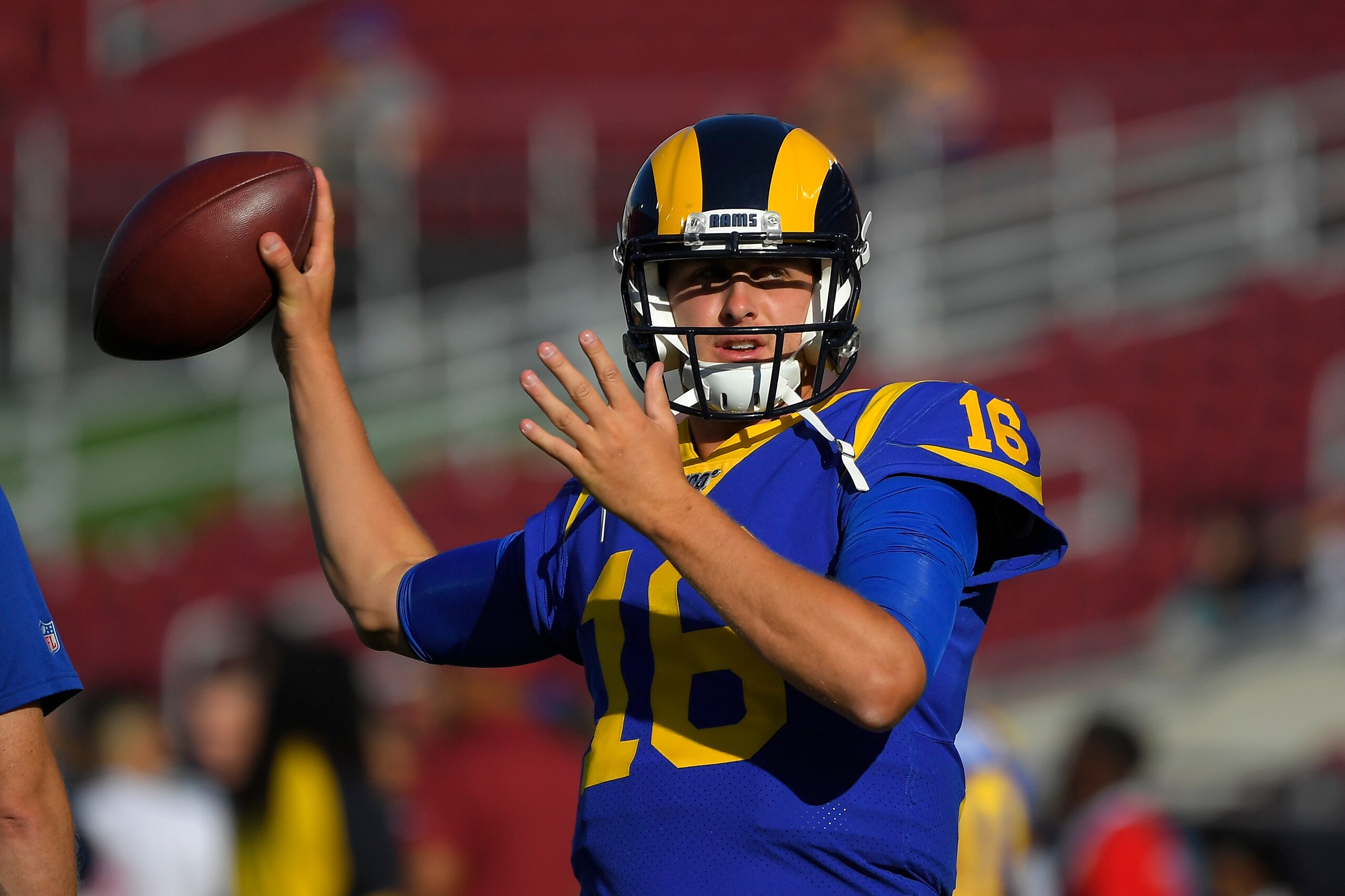
1. Los Angeles Rams
Despite the sheer size of the numbers, the Goff extension was basically a status-quo deal. Goff earned about what he expected to earn (a few dollars more than Carson Wentz), and the Rams paid about what they knew they were going to pay.
The Rams will now try to win a Super Bowl with a very-good-but-flawed quarterback eating up a significant percentage of their salary cap. That makes them just like almost everyone else, particularly in the NFC.
2. Dallas Cowboys
Strip away the fake 2025-26 money from Elliott's deal, then look past the tedious "Running Backs Don't Matter" internet posturing, and this deal boils down to the Cowboys spending extra to purchase Elliott's services on layaway so they can use what cash and cap space they have left to sign Dak Prescott.
From a long-term resource-management standpoint, guaranteeing any running back $50 million is a terrible move, especially with much of that money prorated into the far-flung future. But from the standpoint of trying to win a Super Bowl in 2019 or 2020, keeping the Cowboys nucleus intact—"replaceable" All-Pro running back included—makes more sense than risking a chunk of this season on a Tony Pollard-based analytics experiment.
If the Cowboys are right about how good their current roster can be, then the future financial risks are worth it. If not, well, they'll be paying an awful lot in 2022 for an aging perennial wild-card team.
3. Jaguars
Myles Jack's four-year extension makes him the third-highest-paid inside linebacker in the NFL on average, behind C.J. Mosley of the Jets and Bobby Wagner of the Seahawks. That's great for Jack, a fine young defender at the core of what could be an outstanding defense. But the Jaguars were already over the salary cap for next year before signing Jack since they have so much money tied up in other defensive stars and Foles.
The Jaguars also must find room in a bloated future budget to sign cornerback Jalen Ramsey to a long-term deal, unless they have already decided to move on from one of the best young players in the game. Based on Ramsey's cryptic Instagram message to Jack, he might not believe he is in the team's future plans.
You know the old expression "rob Peter to pay Paul?" Well, robbing Jalen to pay Myles could be even more self-defeating.
Losers
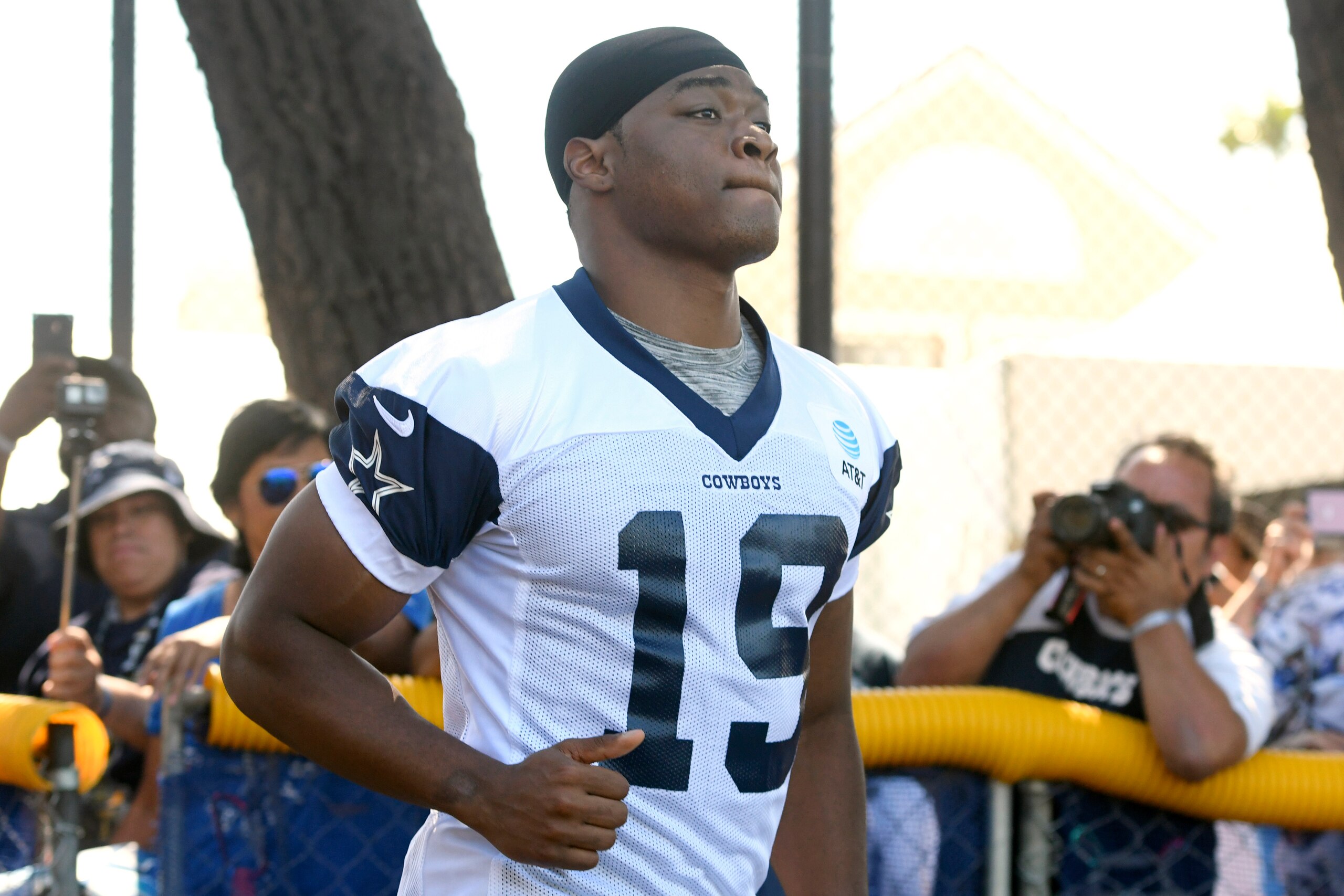
1. Amari Cooper, wide receiver, and Byron Jones, cornerback, Cowboys
You weren't expecting to see Dak Prescott here, were you? He's going to be just fine. The Cowboys are testing the limits of contractual nuclear fission just to make sure there's room for a Wentz- or Goff-sized extension somewhere in their budget.
Jones and Cooper, on the other hand, are the likely odd men out after this year. Both are in the final years of their current contracts, and the Cowboys are running out of places to stash loot. The Cowboys will be able to slap only one of them with next year's franchise tag...assuming they even have the cap space left for that.
Elliott made the right move for his own bottom line by cutting in front of Cooper and Jones despite having two years left on his contract.
Jerrah ultimately decided to drop a whopping long-term deal on a running back instead of a receiver or cornerback. (And to take care of Collins and linebacker Jaylon Smith between Cabo conference calls.) Debate the wisdom of that choice amongst yourselves, but always remember that every massive contract creates a ripple effect across the roster, present and future.
2. Melvin Gordon III, running back, Los Angeles Chargers
Poor Melvin Gordon. Negotiating with the Chargers is like trying to win an argument with an automated phone menu.
The Chargers are no longer willing to discuss an extension with Gordon until after the season, and they set their trade asking price at let's try to fleece a sucker, per Mike Florio of ProFootballTalk. (Unfortunately, the Texans are fresh out of draft picks to trade.)
Gordon's best-case scenario is to report to work for $5.6 million this year, hit free agency next year and hope the Elliott deal loosened some wallets on the running back market. The more likely scenario is something closer to the four-year, $30 million contract Jerick McKinnon signed with the 49ers last year.
3. Houston Texans
You didn't think we could get through a roundup of this week's events without declaring the Texans losers, did you?
The Texans didn't shell out any new money this week, and that's a problem.
They traded for Dolphins left tackle Laremy Tunsil without extending his contract, which expires in 2020. Meanwhile, the Collins, Whitehair and Hudson deals have reset the salary floors for starters along the offensive line, which could raise the ceiling at left tackle.
Tunsil will probably seek a deal in the $16-17 million range of Trent Brown of the Raiders or Taylor Lewan of the Titans, if not more, since he holds all the leverage after the Texans traded their future to acquire him. It doesn't matter if he's worth that kind of money or not, because the Texans, bless their hearts, left themselves with no other choice but to pay up.
That's the catch with Half-Billion-Dollar Week: paying all of that money is risky, but not paying at all is far riskier.
Mike Tanier covers the NFL for Bleacher Report. Follow him on Twitter: @MikeTanier.
.jpg?w=2560 "Commanders Eagles Football")



.jpg?w=2560 "Mahomes' Wife Trolls Kubiak 💀")

.jpg?w=2560 "Grading WWE Raw 🔠")