Globalization and Sports, Part V: Will Soccer Ever Be Relevant in America?
In recent years American sports leagues have been attempting to export the popularity of baseball, basketball, hockey and football abroad.
However, will the world's favorite game—soccer—ever establish a foothold as a major sport in the United States?
Some signs pointing to soccer's potential include the improvement of the United States national team, the establishment and growth of the MLS, and the emergence of AYSO as the most popular youth sports league in America since the 1994 World Cup.
TOP NEWS
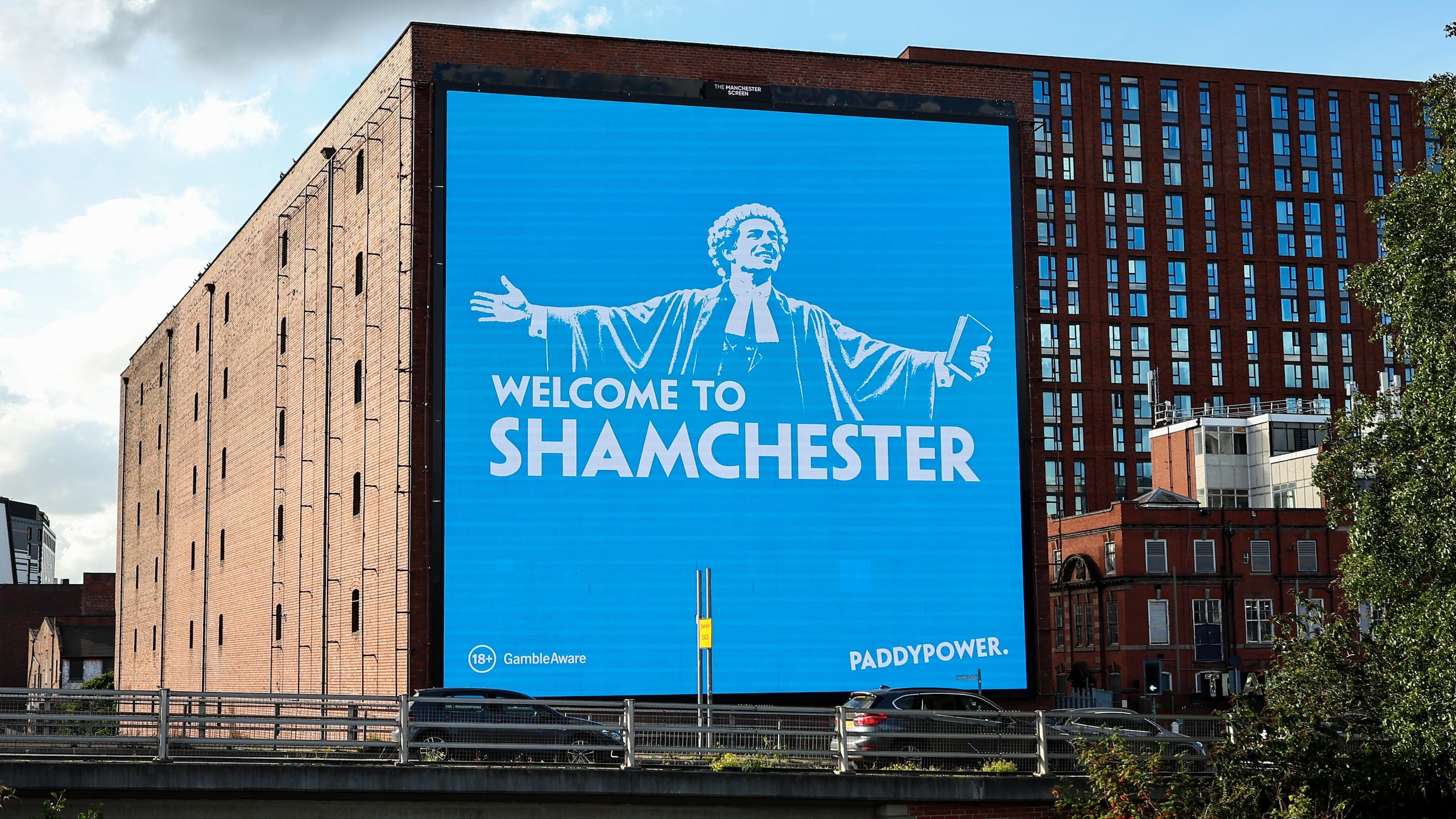
Billboard Trolls Man City 👀

New NFL contenders starting to emerge after Week 4
.jpg?w=2560 "Cardinals Giants Football")
NFL investigating 2 referees for separate viral exchanges
Nevertheless, soccer in the foreseeable future will never become relevant in the United States because the MLS is a minor league, the lack of American soccer talent, and a cultural preference of other sports.
The first issue that American soccer has is in terms of relevancy (by relevancy, I mean popularity of a sport being greater than or equal to the NHL which borderlines relevancy) is the fact that the MLS is a minor league with inferior talent.
The world's best quality soccer is played in England, Spain and Italy—not in the United States. People who are willing to pay to attend a game or spend the time watching it on television want to watch the best of the sport and quality of play.
That is something the four major sports in America provide and soccer does not. This is the same reason why NFL Europe failed miserably while last year's NFL regular season game in London was a smashing success.
Soccer fans point to the signing of David Beckham as a turning point for American soccer. In reality, he will make only a marginal difference in terms of the MLS's popularity because one player cannot carry an entire league.
In the late 1970's Pele, the greatest soccer player in world history, along with several other European stars played for a talented New York Cosmos team in the NASL.
The Cosmos were incredibly popular and filled up Giants Stadium for soccer games. However, the New York Cosmos could not carry the league by itself and the overall quality of play remained low. Ultimately the NASL folded only a few years after Pele's retirement.
The MLS may be a little more financially stable than the NASL, but they still struggle with having the top quality players balanced across the league. The MLS must find a way to be up to par with the Premier League or La Liga in order to succeed in the states.
Unlike several foreign countries, soccer has to compete with the world's top leagues in other sports, and will continue to lose that competition unless the MLS rises up to be the world's best soccer league.
Due to the intense popularity and practical sporting monopoly of soccer in Europe, that most likely will not happen.
Another problem the MLS is struggling with is the lack of top-tier soccer talent in the United States. Many young kids play AYSO soccer, but usually quit at around age ten to move onto other sports.
Young athletes in American dream about playing in the NFL, NBA, or Major League Baseball—not playing soccer in Europe or the MLS.
Unlike third world countries where the only affordable sport to play is soccer, American kids (including those in poverty) have more options. As a result, the majority of America's top athletes move on to play basketball and football.
This leaves the kids who stay with soccer as the ones who could not succeed in football, baseball, or basketball or play it along with another sport and quit after high school. The lack of strong competition of soccer at the youth level also stunts player development for American soccer players.
The new 6+5 FIFA ruling that requires club teams to fill a six-player quota of teams born in the club's home nation will further dilute the talent of the MLS whose majority of top players (and players the MLS needs to attract) come from foreign countries.
Other than the xenophobic nature of this ruling, this law will derail the MLS in gaining top talent on a world stage.
Americans also have not been brought up on soccer, but on other sports that make up the big four major sports leagues. The American fan likes to see scoring and action: something that soccer provides sparingly in short bursts.
Other factors such as stoppage time, tie games, an upward clock, and players faking injuries all the time make the game inaccessible and/or annoying to American plans. Some rule changes, such as a shootout after every overtime can help like it has done in the post lockout NHL.
Overall, the MLS's relatively low quality of play, the lack of American soccer talent, and the American public's taste for other sports will continue to marginalize soccer in America.
It may take something unlikely and radical such as Premier League expansion of New York, major rule changes, or the US winning a World Cup to propel soccer into relevancy. Until then, soccer is and will continue to be irrelevant in the United States.
Check out my online magazine:
Common Sense Magazine (online magazine about politics, sports, and occasionally finance)
www.commonsensemag.com
and my podcast Rational Rants with Nick Pardini Podcast by using the following feed or searching "Rational Rants with Nick Pardini" on iTunes
http://commonsensemag.com/feed/podcast
For more specifically on soccer in America, listen to Episode 12: Globalization and Small Time Soccer

.jpg?w=2560 "Love's Body Already 'Tired'")
.jpg?w=2560 "OBJ Calls Out Giants 😳")
.jpg?w=2560 "Ward Nearly Walks Out of Presser ▶️")