

Stock Up, Stock Down Around the NFL After Early Free-Agent Activity
We are in the middle of the "legal tampering window" in the NFL. While players, agents and teams can communicate with each other before unrestricted free agency officially begins, the NFL has been moving this whole time. Between tags, trades, options, tenders, extensions, cap casualties and the signing of these cap casualties, plenty of moves have already been made in 2019.
According to Spotrac, at least $160 million in contracts has been spent on new contracts this year, not including the money moved around for cap-manipulation purposes. With lots of notable action throughout the league as free agency begins, we'll break down the major selling points on the biggest movers and shakers, positive or negative, this offseason.
Stock Up: Los Angeles Rams After Signing Eric Weddle
1 of 6
We have seen it before. NFL team loses the Super Bowl. NFL team becomes stagnant. NFL team misses the playoffs.
The Los Angeles Rams are on pace to avoid this path by signing one of the best cap casualties on the market in 2019.
Eric Weddle, a California native, two-time All-Pro and six-time Pro Bowl safety, signed a $10.5 million, two-year deal with the Rams shortly after his release from the Baltimore Ravens. What did Los Angeles get for that money? A player with 170 starts under his belt who ranks third among active safeties in career interceptions.
According to Sports Illustrated's Andy Benoit, NFL coaches believe Weddle was what made Baltimore’s defense go last season. If Weddle can outperform Lamarcus Joyner, who had a cap hit of $11.3 million in 2018, the Rams will come away more than satisfied.
This signing also bucked a trend for Los Angeles. Signing a veteran player to a deal worth $5.25 million per year has not been its mantra during the Sean McVay era. Currently, there is only one veteran (five or more years in the league) on the Rams defense on a deal worth $5.25 million or less per year: slotback Nickell Robey-Coleman. Offensively, there is not one veteran player in this range.
Down a second-round pick with a Jared Goff extension looming, signing a veteran to a mid-level contract is exactly what the Rams need to do moving forward. Rather than the stars (high-priced veterans) and scrubs (rookie contracts) approach, embracing mid-level veterans as a way to keep a championship window open, without creating massive contracts to navigate around, is the team's easiest path to stability in the short and long term.
Stock Up: The Wide Receiver Market
2 of 6
If you have been living under a rock, I'm here to break the news that receiver Antonio Brown was traded to the Oakland Raiders. After signing a contract with a signing bonus of $19 million in 2017 and a restructure with a bonus of $13 million in 2018, Brown was able to convince the Raiders to trade a third- and fifth-round pick to the Pittsburgh Steelers for him, leading to a $50.1 million, three-year contract with $30.1 million guaranteed.
Many will say he is the highest-paid receiver in the sport, citing his average salary, but there is more nuance in his contract than that. For example, Odell Beckham's first three "new years" on his extension plus his signing bonus is worth well over the $60 million mark. What is important regarding the wide receiver market and Brown: A soon-to-be 31-year-old receiver got that contract, and a team was willing to give up a top-100 pick to give him that contract.
To put his contract into perspective:
- At 25 years old, DeAndre Hopkins signed an extension to give him $49 million over the first three years of his new extension, and he had no guaranteed money on the deal beyond the first two years.
- 25-year-old Jarvis Landry signed a contract worth $47.1 million over the first three years of his deal.
- 24-year-old Stefon Diggs only got $16.9 million guaranteed when he signed his contract.
Using the logic agents will use at the negotiation table, Brown reset the market for older receivers, but that should trickle down to the young receiver market. In a free-agency class where Tyrell Williams is one of the major prizes, we might be asking questions like, "Wait, Ryan Grant got how much?" for a second offseason in a row.
With the market as dry as it is, scarcity might soon drive up the pass-catcher market in the same way it has the quarterback and offensive line markets recently. If the new reality of the NFL is that teams are willing to give up picks to pay a 30-year-old more than most star 25-year-olds make, a widescale recalibration is coming.
Stock Down: Buffalo as a Landing Spot
3 of 6
Buffalo has never been the top choice for any star player in the NFL. The best quarterback in Bills history has an origin story that starts, "He didn't want to play in Buffalo, so he played in the USFL for a few years." Until the Antonio Brown trade rumors started up, though, we had not seen players bash the city as a landing spot so publicly.
When Brown was rumored to have been traded to the Bills, Patriots cornerback Stephon Gilmore tweeted out crying emojis, and Jets safety Jamal Adams tweeted out a GIF of a man laughing as if Brown was exiled. Brown himself commented "fake news" on an NFL Instagram post about the report, later liked a tweet calling the Bills' Josh Allen a "run-first" quarterback and, according to The MMQB's Albert Breer, killed the deal specifically because he did not want to play for the franchise.
Recently, Buffalo's big free-agency hauls have been safeties, which the NFL at large apparently no longer values, and they've given overpriced mega deals to players like tight end Charles Clay and defensive tackle Star Lotulelei. Currently, the Bills have the third-most cap space in the league with $73.3 million, but you have to wonder how much of that will be spent on a "Buffalo tax" to land veterans who have multiple options.
The salary cap, in theory, makes every franchise an equal landing spot. But for whatever reason—be it the temperature, the attractions in the city or Allen—NFL players were willing to react in public to a star's being traded to Buffalo in ways they have not for other franchises.


.jpg?w=2560 "Cardinals Giants Football")
Stock Up: Jacksonville Jaguars Cap Space
4 of 6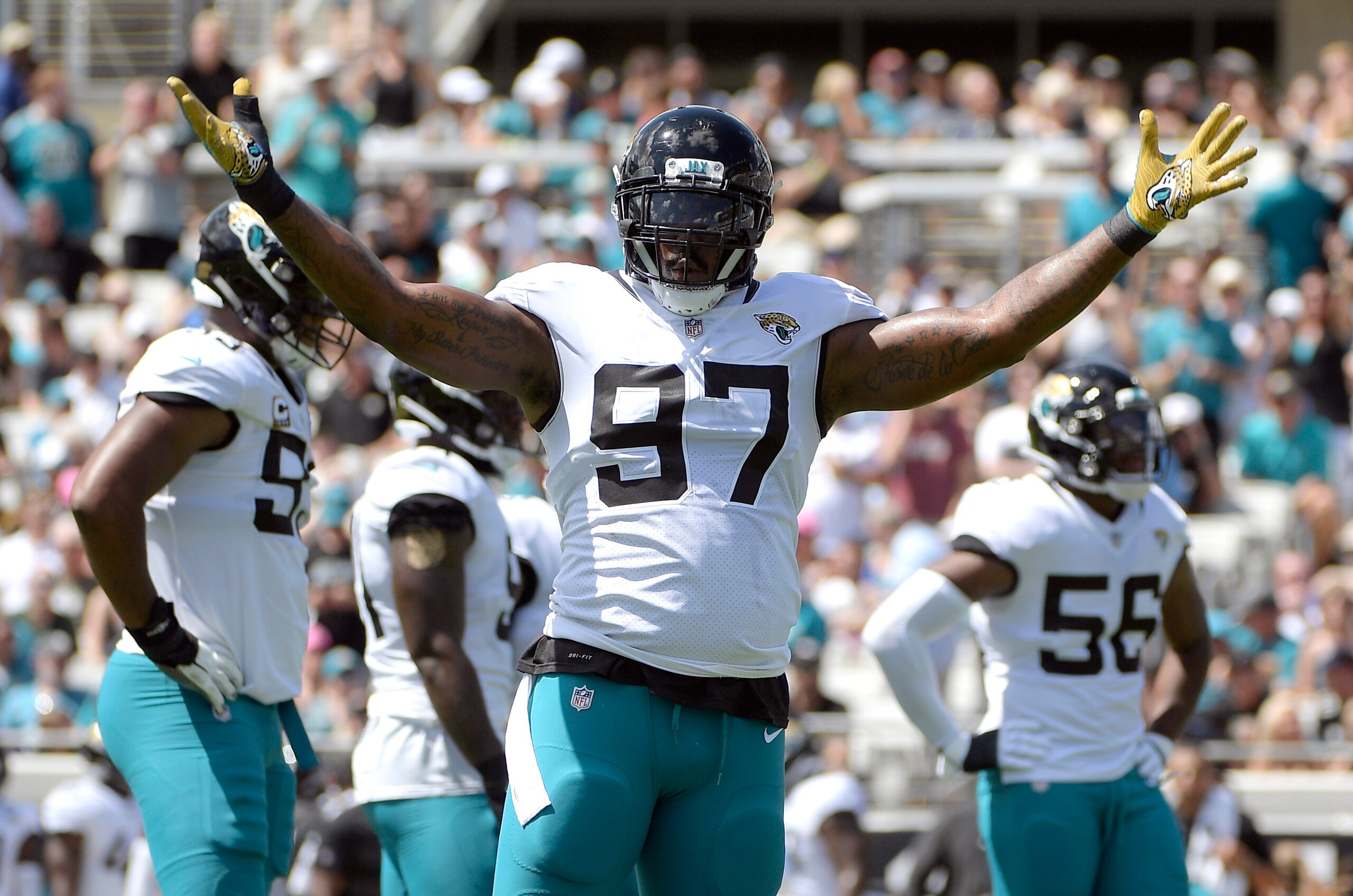
Just a few weeks ago, the Jacksonville Jaguars, along with the Philadelphia Eagles, were one of two teams over the salary cap going into the 2019 season. If you look at their roster now, you would have never guessed.
Knowing they would likely have to rid themselves of quarterback Blake Bortles' contract, meaning they needed cap space to sign a new veteran passer, the Jaguars were among the most active teams regarding cap casualties. Veterans like defensive tackle Malik Jackson, safety Tashaun Gipson, tight end Austin Seferian-Jenkins, running back Carlos Hyde, offensive tackle Jermey Parnell and long snapper Carson Tinker will not suit up for the team moving forward.
Now, Jacksonville has $28.3 million in cap space available in 2019. According to Over the Cap, the Jaguars' draft picks will cost $8.7 million in cap space to sign. This means that in actionable cap space, the Jaguars have around $20 million to play with this offseason after starting out in the red.
There is potential for even more spending money too. The release of Bortles would create $4.5 million more in cap space, not including the offset money. Defensive lineman Calais Campbell commands a $14.5 million cap hit but has no guaranteed money left on his deal. If the team can rework his contract to give him guaranteed money and provide some cap relief, that could work in favor of both parties.
Stock Down: Mid-Level Veterans
5 of 6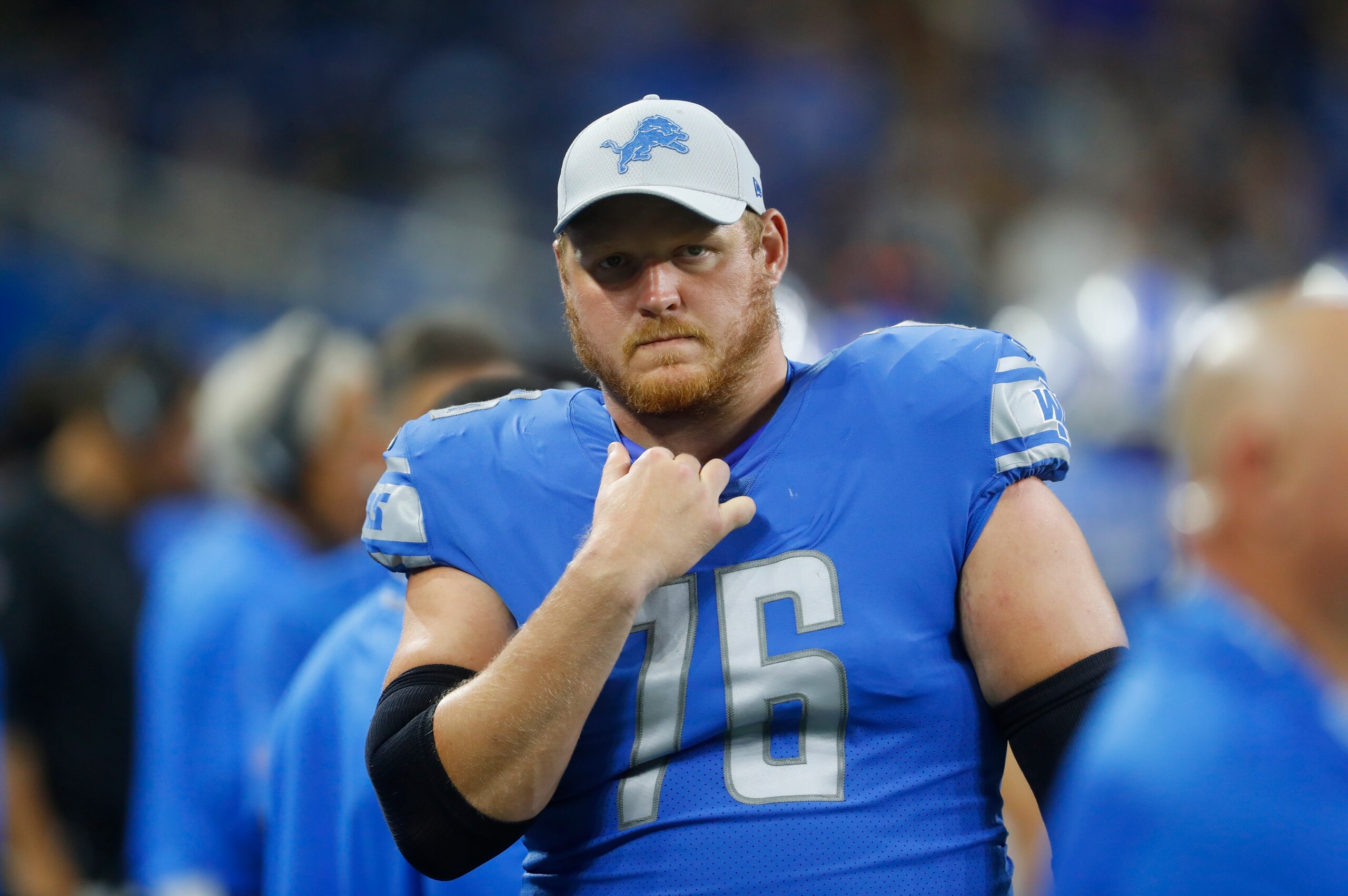
The NFL is a league built on a few stars and many rookie contracts. This offseason has given us no reason to speculate that this line of thinking will change anytime soon. Plenty of players are worthy of making NFL rosters but are being pushed out by teams that had them under contract—not because of their talent, but because of their price points and their teams' cap management.
Malik Jackson, Tashaun Gipson, Eric Weddle, Carlos Hyde, Dwayne Allen, T.J. Lang, Pierre Garcon, Jamie Collins and Mark Barron are some of the veterans who are clearly rosterable talents but were told to find new teams this offseason. When there is a bad contract, like Blake Bortles' in Jacksonville, these players are moved to make room for cap manipulation. When a market gets flooded with talent, like at safety, these players are replaced with cheaper options who essentially provide the same on-field value.
As we get deeper into the NFL's run during this collective bargaining agreement, more teams are shying away from non-blockbuster veterans, while squads like the New England Patriots, Philadelphia Eagles and New Orleans Saints build the core of their rosters with inexpensive veterans. The options for mid-level veterans seemingly get more limited each season.
Stock Up: The Franchise Tag
6 of 6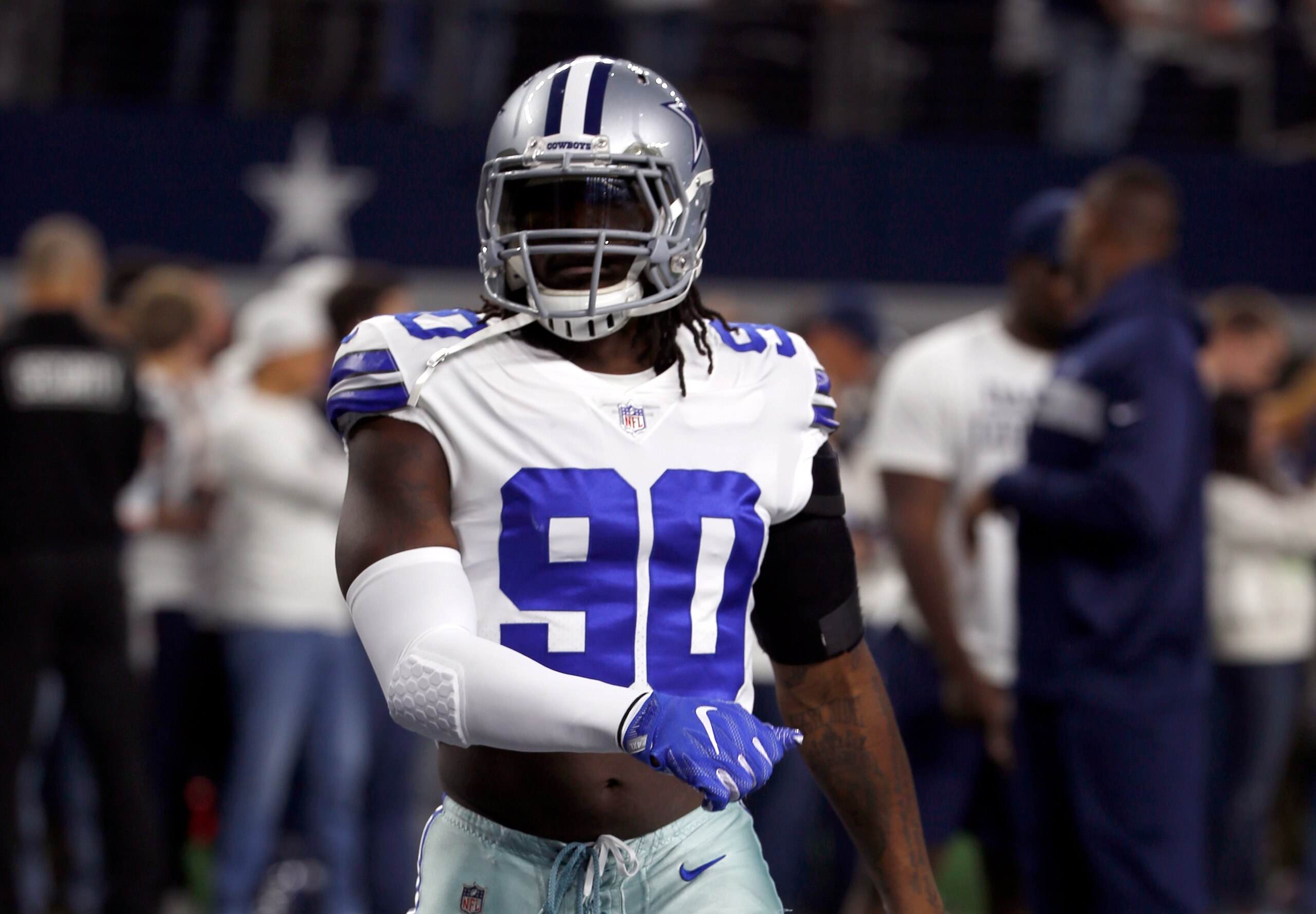
Star players hate it, but NFL teams cannot get enough of it. One year after running back Le'Veon Bell held out the entire season on a franchise tag, six NFL players were hit with the one-year offer. Five of those six were line-of-scrimmage defenders, including four edge-rushers.
A few weeks ago, the top of every free-agent list included the names of top pass-rushers like Demarcus Lawrence, Frank Clark, Jadeveon Clowney and Dee Ford. After tags were announced, only players like Trey Flowers, Preston Smith, Za'Darius Smith and Ezekiel Ansah remain.
Teams refuse to let go of top talents for the maximum reward of a third-round compensatory pick a year after a star player leaves, with the qualifier of not participating in free agency so they do not lose standing in the compensatory pick formula. The Kansas City Chiefs are apparently interested in trading the tagged Ford, a 3-4 outside linebacker on a team that is transitioning to a 4-3 defense. Clark and Clowney have been rumored as trade pieces too.
While these one-year deals help create a last-chance effort for teams to recoup assets for outgoing stars, players are clearly frustrated with the tag. It has been reported that Clark will not sign the tag, making it impossible for the Seahawks to fine him for missing preseason workouts, until there is a resolution. Lawrence allegedly will not even have shoulder surgery until he receives a long-term contract.
If Bell's situation in 2018 did not scare teams away from using the franchise tag, nothing will. Unless the NFLPA can negotiate it out of the next collective bargaining agreement, it is clear the tag is a general manager's best friend.
.jpg?w=2560 "Jets Dolphins Football")

.jpg?w=2560 "Ward Nearly Walks Out of Presser ▶️")