


Somebody is going to win the World Series this year, but not one contender in Major League Baseball is good enough to be anointed for the crown right now.
Every contender has its flaws, and the goal here is to highlight one in particular that threatens to keep each of MLB's 17 contenders—defined here as every team over .500 as of July 2—from being the last team left standing.
Some of these flaws are mere weaknesses on otherwise elite teams. For the non-elite teams, they're much bigger problems that undercut any Cinderella story possibilities.
We'll go in alphabetical order by city.
Arizona Diamondbacks: Their Bullpen Isn't Overpowering
1 of 17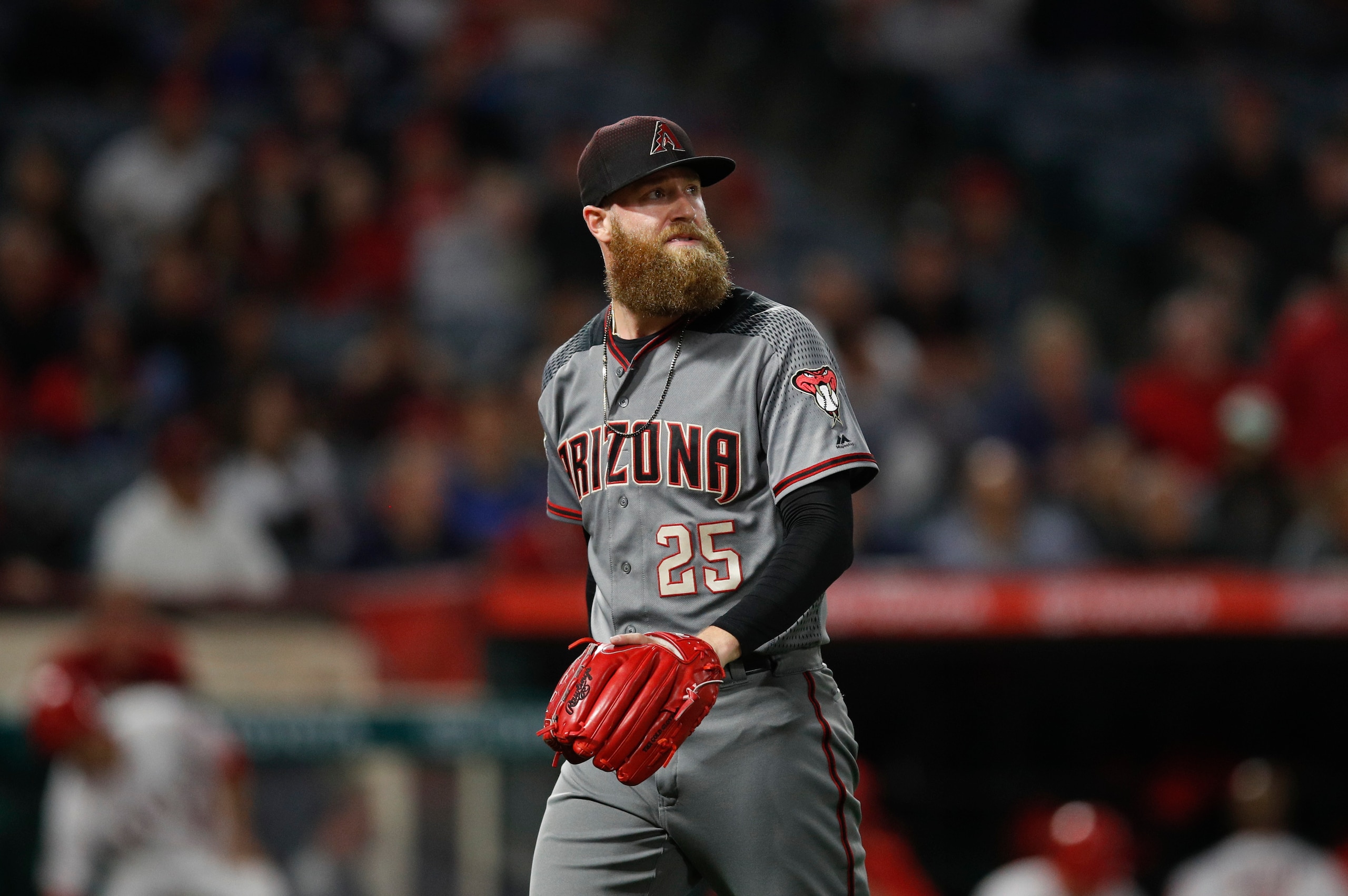
Relative to an offense and a starting rotation that have battled injuries and inconsistency, the bullpen would seem to be the last thing the Arizona Diamondbacks have to worry about. It leads MLB with a 2.49 ERA.
Bullpens do have to take on extra work in the postseason, however. And the more the D-backs have to call on theirs, the more likely it is to be hurt by its fatal flaw: strikeouts.
Or lack thereof, to put it more accurately. Arizona relievers have struck out just 7.8 batters per nine innings, the second-lowest mark in MLB.
Instead, they've mostly gotten by on ground balls and trusting their defense. Given that their fielding is among the most efficient, this isn't necessarily a bad idea.
Still, balls in play carry a heck of a lot more risk than balls not in play. And whereas a few unlucky bounces here and there can't make much of a difference in a 162-game season, they can make a huge difference in a five- or seven-game postseason series. Such a fate could prove to be the Diamondbacks' undoing.
Atlanta Braves: Their Bullpen Is Wild and Beatable
2 of 17
Arguably the biggest reason to doubt the Atlanta Braves has to do with their shortage of guys who have been there and done that. This is a team full of young guys with little to no postseason experience.
But since we're on the topic of bullpens, the Braves have reason to worry about theirs, too.
Braves relievers rank second in MLB in walk rate at 4.4 per nine innings. They're also merely in the middle of the road in strikeouts and toward the bottom in ground balls.
Atlanta's pen has mostly managed to hold it together despite these issues, but the cracks are beginning to show. Its ERA over the last 30 days is 5.55, which is better only than that of the Colorado Rockies.
The Braves also aren't the kind of team that will be able to minimize its bullpen's role in October. Their starting rotation doesn't eat a ton of innings, in part because it lacks even one guy who averages six innings per start. In October, a crack like that could spread until it swallows the whole team.
Boston Red Sox: Their Weak Bridge to Craig Kimbrel
3 of 17
For the most part, the Boston Red Sox look the part of a team that leads MLB in wins.
They have a high-powered offense and a quality starting rotation to get them leads, and Craig Kimbrel is as good as anyone at making sure that said leads stay safe.
What the Red Sox should be worried about is whether the rest of their bullpen is up to following Kimbrel's example in the postseason. He doesn't have a bad supporting cast, but its core members struggle either with missing bats (Hector Velazquez) or avoiding walks (Joe Kelly, Matt Barnes and Heath Hembree).
This issue isn't big enough to put a third straight American League East title in jeopardy. But Boston's ultimate challenge will be getting past the New York Yankees and/or the Houston Astros in October. Their bullpens are deep, powerful units that rank first and second in the AL in ERA, respectively.
The takeaway here: The Red Sox had better beat the Astros to Cincinnati Reds closer Raisel Iglesias, whom Nick Cafardo of the Boston Globe says is of interest to both teams.


Chicago Cubs: They May Not Have a True No. 1 Starter
4 of 17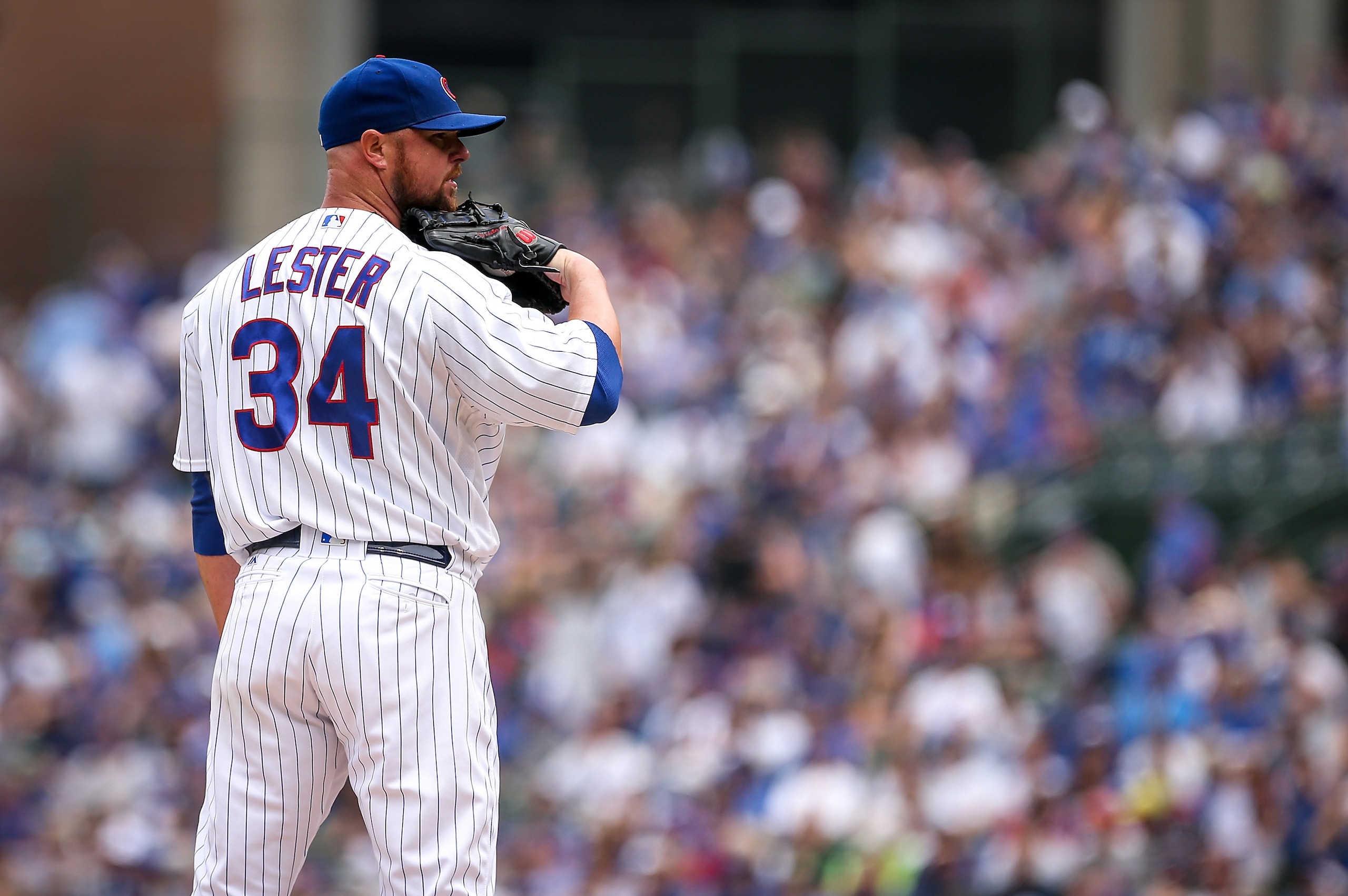
The Chicago Cubs bullpen is far from perfect in its own right. As Exhibit A, see its MLB-worst 4.5 BB/9.
But the Cubs have a bigger problem. Their starting rotation has been a massive disappointment, and even Jon Lester may not be able to save it in October.
The veteran left-hander is indeed one of the great postseason pitchers of his era, as he's racked up a 2.55 ERA in 25 career playoff appearances. And with a 2.25 ERA through 17 starts this year, he would seem to be better than ever.
However, it's not much of a secret that Lester has been living dangerously. His strikeout-to-walk ratio is below the MLB average for the first time since 2007, and he's also serving up a career-high rate of hard contact.
It could be just a matter of time before these things come back to bite Lester. If so, the Cubs will need Kyle Hendricks, Jose Quintana and Yu Darvish to help carry a load that's thus far been too heavy for them.
Cleveland Indians: Their Offense Doesn't Measure Up
5 of 17
The Cleveland Indians are yet another contender with bullpen problems. In fact, their pen's 5.10 ERA would seem to say it all.
However, this won't matter if Cleveland struggles to get leads in the postseason. And that could be a problem due to its offense.
It's certainly not a bad offense. It's compiled a .767 OPS and scored five runs per game, both of which rank among the best in MLB.
One catch, however, is that it's just three guys doing the bulk of the damage: Jose Ramirez, Francisco Lindor and Michael Brantley. Outside of them, Cleveland's lineup lacks a fear factor.
Another catch is that Cleveland's offense will need to compete with those of the Red Sox, Yankees and Astros. The first two have the best offenses in baseball. The latter lags behind, but Houston has recently looked more like last year's historic offense in a red-hot month of June (.821 OPS, 5.3 R/G).
If the American League playoffs turn into a slugfest, the Indians are likely to be overwhelmed.
Houston Astros: Their Starting Rotation Might Be Gassed Come October
6 of 17
As of now, it's hard to complain about any single facet of the Astros. Their offense is hot, and both their bullpen and starting rotation rank among the best in MLB.
However, that rotation isn't what it once was.
It wasn't long ago that Houston's was being seriously considered as the best ever assembled. Nobody could touch Justin Verlander, Gerrit Cole or Charlie Morton, and Dallas Keuchel and Lance McCullers Jr. would have been No. 1s on many other teams.
Then things took a turn for the worse in June. Astros starters managed "just" a 3.87 ERA, with only McCullers finishing the month with an ERA under 3.00.
Such a regression was bound to happen eventually, but it could also have been an upshot of the workload that Astros starters have had to handle. They lead MLB with 536.1 innings pitched. If that keeps up, they may go from being gassed now to even more gassed later.
Los Angeles Angels: Mike Trout Can't Do Everything
7 of 17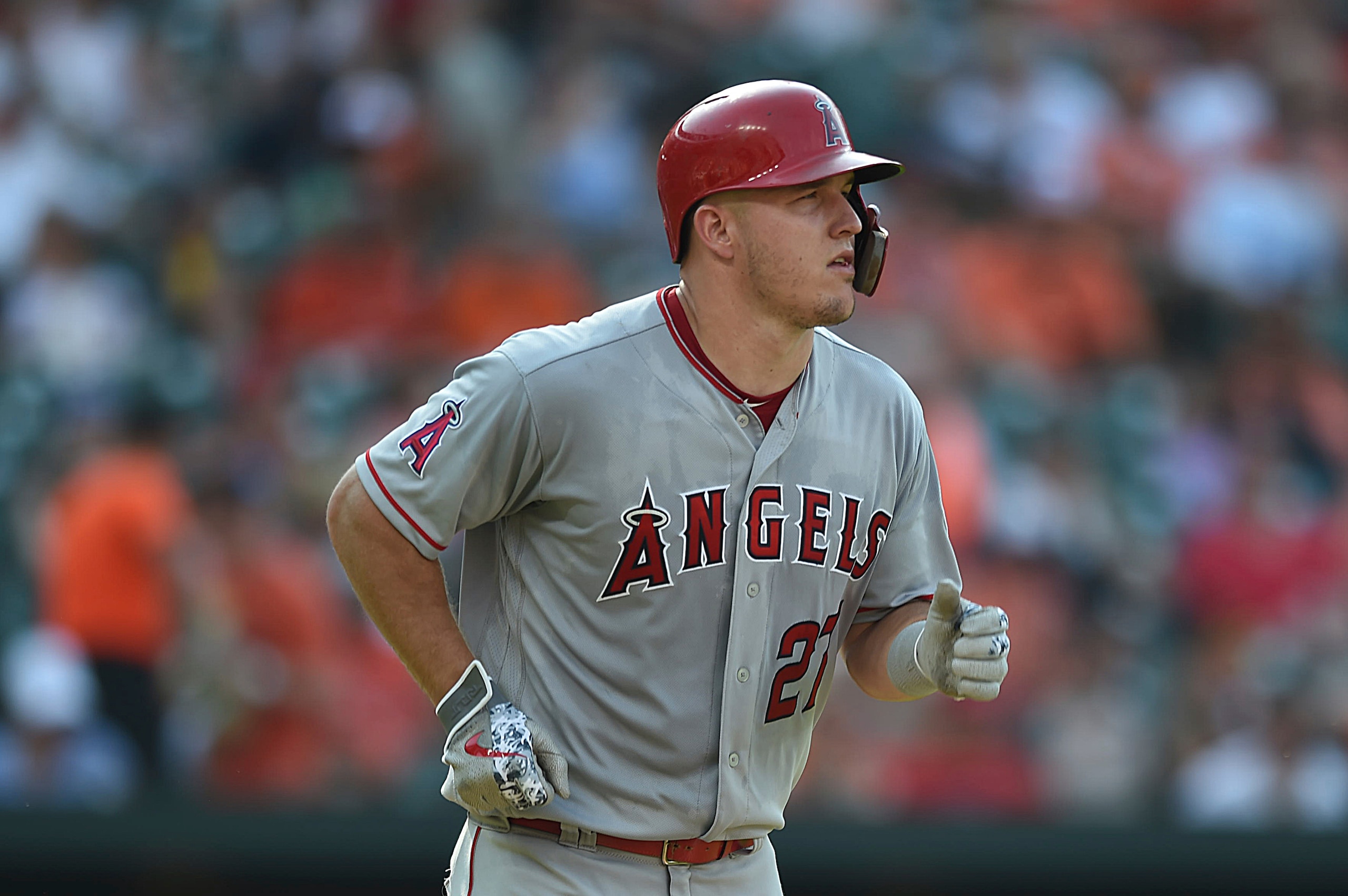
The Los Angeles Angels barely made the cut for this discussion. They're only a game over .500 after dropping 14 of their last 20 games.
Clearly, they need more Mike Trouts.
Although Trout has been slowed by a sprained finger in recent weeks, he's still rocking a 1.089 OPS with 24 home runs and an MLB-high 6.8 wins above replacement. In him, the Angels still have the very best player in baseball.
But per usual, a shortage of star talent around Trout is holding the Angels back. He can only do so much to carry the team's offense, and his defense in center field is of only so much help to a pitching staff that's lacking in difference-makers.
There was hope when Shohei Ohtani was starring at the plate and on the mound, but his sprained UCL may limit him to hitting duty for the rest of the season. At last check, that's where his production was waning.
All told, the Angels look less like an underdog and more like an also-ran.
Los Angeles Dodgers: Even Clayton Kershaw Isn't a Sure Thing in Their Rotation
8 of 17
For a while there, things were looking grim for the Los Angeles Dodgers. But they've clawed their way back into the NL West race by ripping off 29 wins in their last 42 games.
Their rotation deserves a lion's share of the credit for this stretch. And now that Clayton Kershaw is back healthy, the sky would appear to be the limit.
In reality? Not so much.
Due to reductions in his fastball velocity and strikeout rate, Kershaw is not an overpowering force anymore. There's also a cap on the overall influence of the Dodgers rotation. It's handled fewer innings than all but three rotations.
What the Dodgers have is basically a step down from last year's rotation, which featured a diminished Kershaw and relatively few innings-eaters. If they couldn't win the World Series with that, they'll be hard-pressed to win it with what they have now.
Milwaukee Brewers: They Definitely Lack a True No. 1 Starter
9 of 17
The Milwaukee Brewers' winning formula involves a steady supply of home runs, great defense and, above all, overpowering relief pitching.
That also happens to be a pretty good recipe for success in October, but there's one thing that could haunt the Brewers when they get there: They lack a starter who can match up with the best of the best.
Whereas the Cubs and Dodgers can at least hope for that much with Lester and Kershaw, the best guy the Brewers have is Javier Guerra. He's a perfectly fine pitcher but only for five or six innings at a time. Neither he nor any other of Milwaukee's starters has the goods to completely take over a game.
For now, this isn't a deal-breaker. But it could easily become one when the Brewers need to counter Lester, Kershaw, Max Scherzer, Stephen Strasburg, Patrick Corbin, Zack Greinke, Carlos Martinez and Miles Mikolas.
Thus, a small piece of advice for the Brewers: The trade deadline is your friend.
New York Yankees: Their Rotation Needs More After Luis Severino and CC Sabathia
10 of 17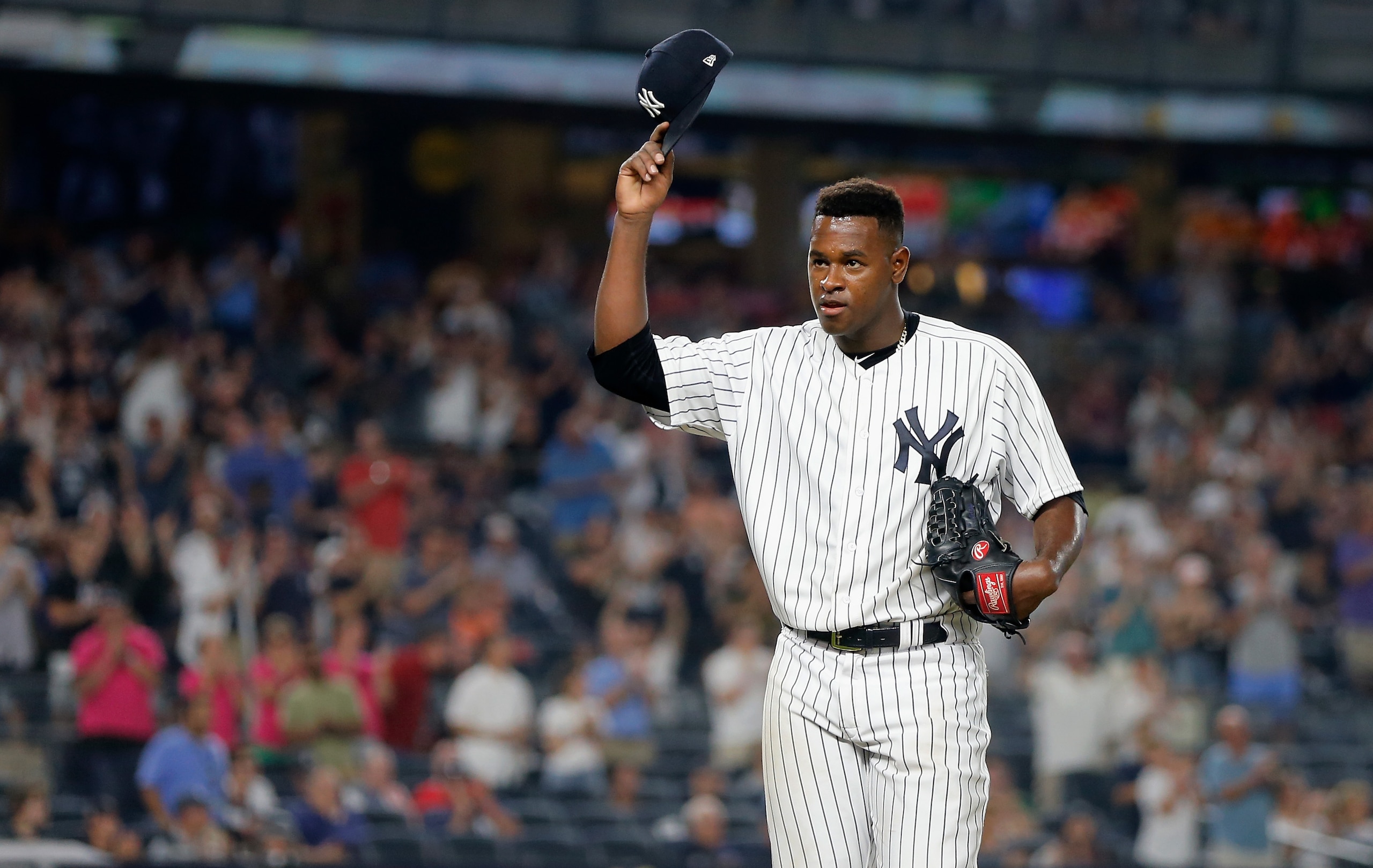
The Yankees boast the best bullpen and arguably the best offense in baseball. And in posting an AL-best 1.98 ERA, Luis Severino has thrown his hat into the "Best Pitcher in Baseball" ring.
And yet, it's no secret that the Yankees need more starting pitching depth.
The Yankees' next-best starter after Severino is CC Sabathia, who's a pitch-to-contact type who's liable to get lit up when he's off. The other starters the Yankees have used this year have combined on a 4.95 ERA.
It's no wonder that the Yankees have been linked to just about every ace starter on the trade market. And they have the pieces to make a deal for anyone they want, including New York Mets ace Jacob deGrom.
Whether they'll feel the need to go that far is another matter. As it is, general manager Brian Cashman may have been trying to temper expectations when he cautioned in a recent interview, according to Bryan Hoch of MLB.com: "It's not easy to match up in trades."
If that proves to be prophetic, the Yankees may have a link missing when October comes.
Oakland Athletics: Their Starting Rotation Lacks Stability
11 of 17
It may seem like the Oakland A's are lucky just to be in the race, but they're a legit underdog.
They've always had a solid lineup, and it's fresh off getting hot in June with a .780 OPS and 5.3 runs per game. And what leads they get are plenty safe when turning them over to Lou Trivino and Blake Treinen.
But for the life of them, the A's just can't find any reliable starters.
Sean Manaea is the one guy who's been a constant in Oakland's rotation, but his early breakout has worn off to the tune of a 5.00 ERA over his last 11 starts. The A's have otherwise used 11 other starters. The biggest success story of the bunch was ol' friend Trevor Cahill, who put up a 2.77 ERA in eight starts before hurting his Achilles tendon.
The A's aren't in a position to go all-out with an effort to fix their rotation at the July 31 non-waiver trade deadline. So even if they make it to the postseason, they'll find themselves staring down the AL's elites with a less-than-awesome starting staff.
Philadelphia Phillies: Their Lineup Is a Problem
12 of 17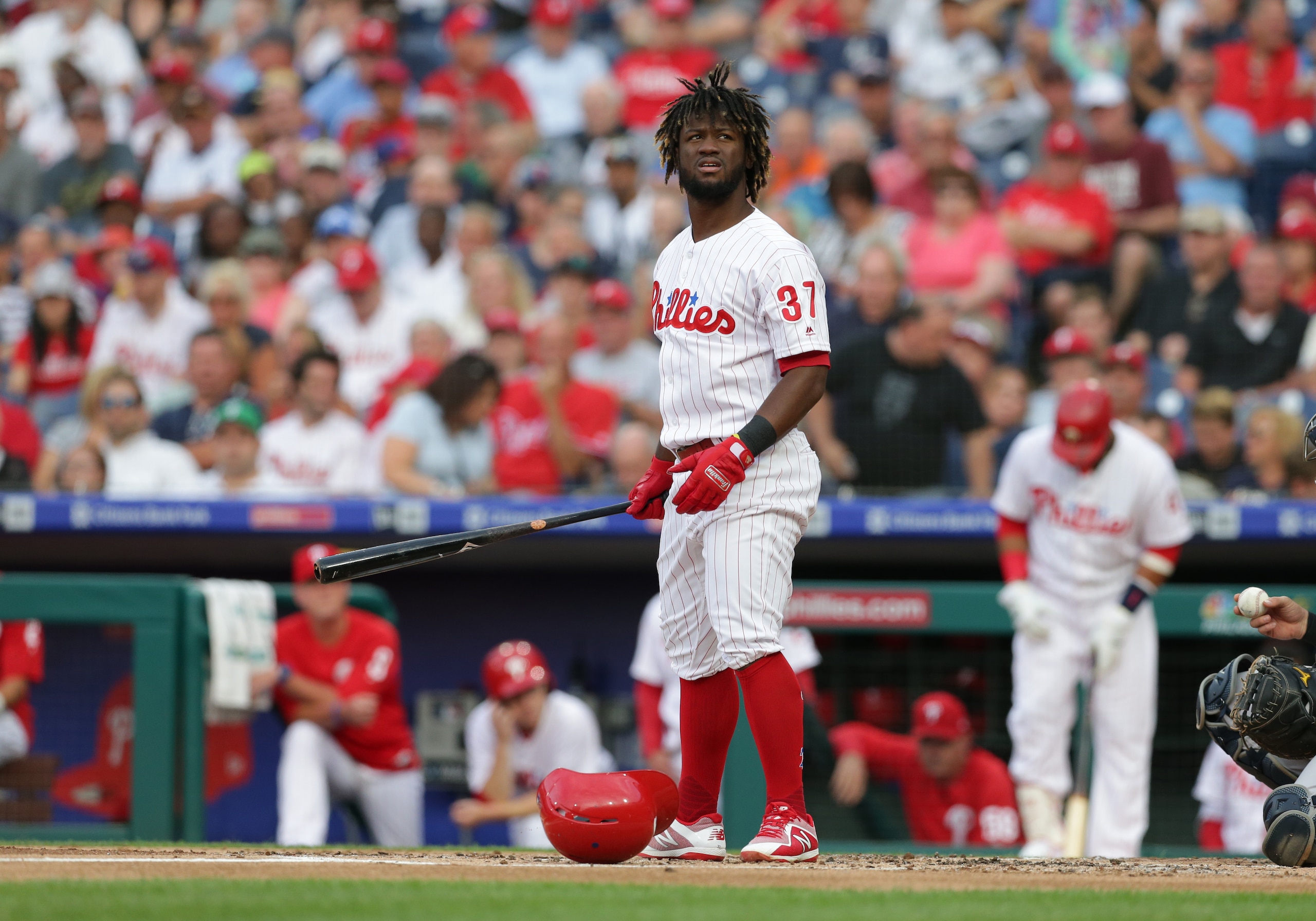
The Philadelphia Phillies match the description of a team that's better than the sum of its parts. They've won eight more games than they've lost despite scoring just six more runs than they've allowed.
If this act stalls out in the playoffs, it'll be because of their lineup.
It's not the most fearsome offensive unit. The Phillies have just a .715 OPS for the season, and there's yet to be a month in which it was significantly better than that. What doesn't help is how often their hitters come up empty, as only San Diego Padres have struck out at a higher rate.
Things aren't so great on the other side of the ball, either. The Phillies are tied for 23rd in defensive efficiency, the lowest of any of the 17 top contenders in MLB.
Because there's no true superteam in the National League this year, the Phillies have an outside shot at surviving to the World Series. Against the Red Sox, Yankees, Astros or even the Indians, however, their luck would be bound to run out.
San Francisco Giants: They're Short on Offensive Firepower
13 of 17
The San Francisco Giants are coming on strong mainly courtesy of their pitching, which just put up a 2.70 ERA in June. And with Johnny Cueto on the comeback trail, things are still looking up.
What the Giants must be worried about is how well their offense stacks up.
From Andrew McCutchen to Buster Posey to Brandon Belt, it's certainly long on big names. But its production has been modest despite that. The Giants are fourth from the bottom of the NL with 4.2 runs per game and fifth from the bottom with 86 home runs.
There aren't likely to be any major fixes for this. The Giants' trade-deadline possibilities are limited by their thin farm system and by their perilous luxury-tax standing.
The Giants thus may ultimately have to tackle October with the offense they have. Next to those of the Cubs, Braves, Dodgers and Brewers, it may not be enough.
Seattle Mariners: They Can't Win Every Game by One Run
14 of 17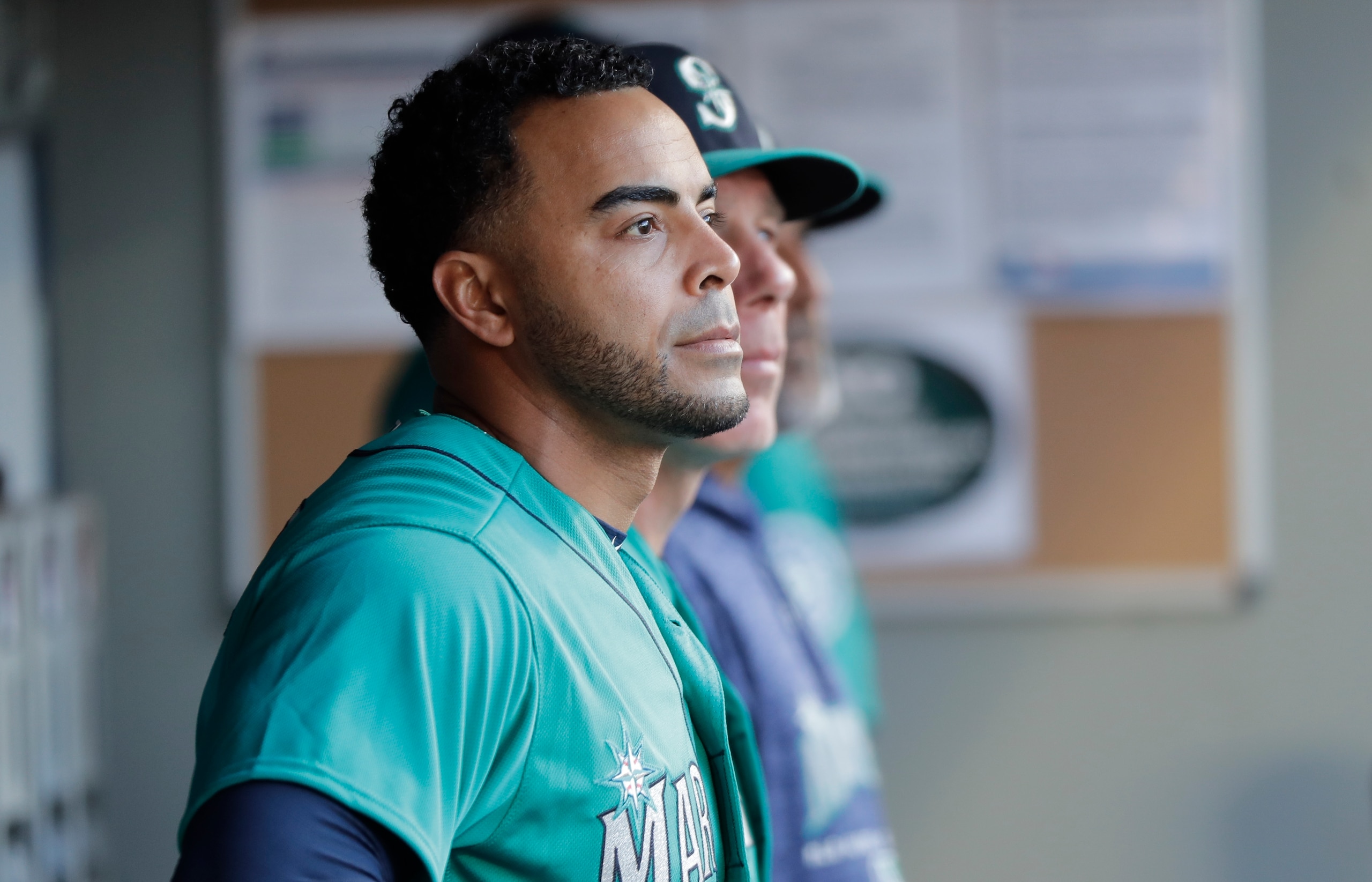
The Seattle Mariners aren't particularly great at anything, but they're good at everything when the going gets tough. Hence their 26-11 record in one-run games.
To give credit where it's due, there are indeed good reasons for this. Seattle hitters (Nelson Cruz, especially) own high-leverage situations with an .866 OPS. And in one-run games, there are few pitchers who lock it down quite like Edwin Diaz.
Even still, records in one-run games have a well-deserved reputation of having limited predictability. It takes a high degree of good fortune to dominate in close games, and that fortune can easily evaporate.
As it is, the Mariners' fortunes have tended to turn when they've come up against the American League's heavyweights. They're just 5-11 against the Red Sox, Yankees and Astros.
If that trend holds into October, Seattle's close-game excellence will be for naught.
St. Louis Cardinals: Their Offense Can't Hang with the Big Boys
15 of 17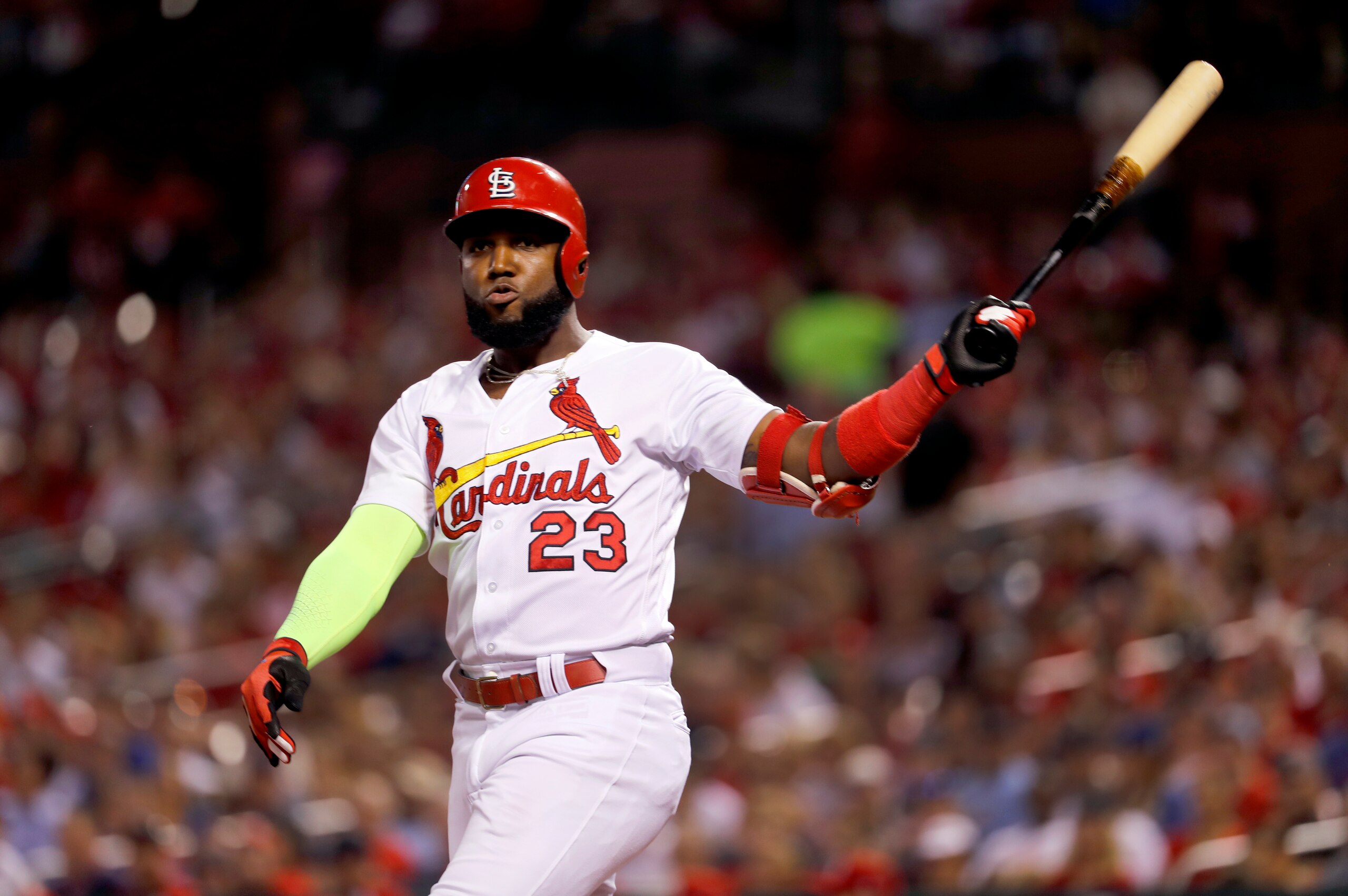
The biggest reason to believe in the St. Louis Cardinals has to do with their pitching. Their rotation has been on point from the beginning, and their bullpen has been coming around recently.
Their offense? Different story.
With guys like Matt Carpenter, Marcell Ozuna, Yadier Molina and Jose Martinez in the middle, St. Louis' offense is similar to San Francisco's in that it doesn't lack good indvidiaul parts. But even relative to the Giants, the Cardinals have had a tough time getting their offense to live up to its name value. Although they've scored more runs per game, they actually have a lower OPS at .710.
To boot, the Cardinals offense has been consistent in its mediocrity. Its monthly OPS hovered between .704 and .714 between March and June.
If their bullpen keeps improving down the stretch run, the Cardinals have a shot at getting into the postseason and pitching their opponents to death. If not, they're going to need their offense to take a step it may not be capable of taking.
Tampa Bay Rays: Their Pitching Can Barely Make Up for Their Offense
16 of 17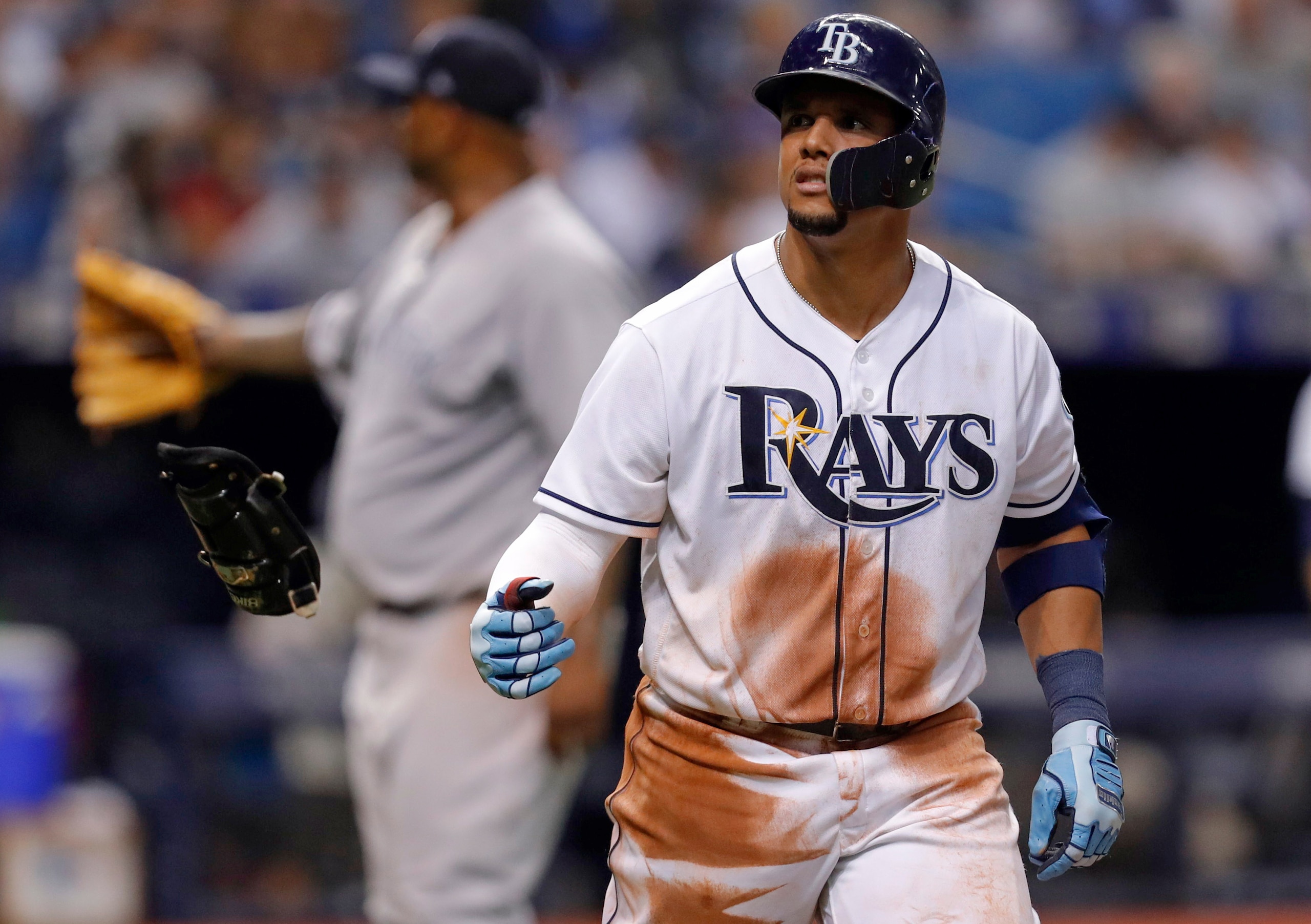
It's a long shot, but the Tampa Bay Rays have a chance of riding their pitching into the postseason.
They began a grand experiment when they started Sergio Romo in back-to-back games on May 19 and 20, and it's thus far produced a staggering amount of success. Their team ERA since then is 2.74.
And yet, the Rays are barely over .500 in this span at 21-19. That points to a problem they can't shake no matter how crafty they get: offense.
Their bats have mustered just a .655 OPS and 3.3 runs per game during their recent stretch, and it's generally been experiencing diminishing returns as the season has gone along. It's an offense that doesn't really specialize in anything, be it power, patience, contact or baserunning.
Maybe the Rays will sneak into the playoffs despite this. But up against the offenses at the top of the American League, a swift exit would be in order.
Washington Nationals: Their Offense May Not Be Up to the Challenge
17 of 17
Although the playoffs are less than guaranteed at this point, the Washington Nationals could be dangerous if they get there. They have enough stars to go far.
But only if their offense is up to it.
On paper, it's hard not to be impressed by a lineup that features Bryce Harper, Anthony Rendon, Trea Turner, Daniel Murphy, Adam Eaton and the Childish Bambino himself, Juan Soto. But for all their firepower, the Nats have managed just 4.2 runs per game and a .717 OPS.
Whereas Rendon and Soto are doing just fine, Harper and Turner have had issues with consistency. Murphy and Eaton have been injured for much of the year. Speaking of injured, Ryan Zimmerman has become something of a ghost in Washington.
The upside of Washington's offense remains high, mind you. But it clearly has a downside, too, and it could spell trouble for the entire team when October comes.
Stats courtesy of Baseball Reference, FanGraphs and Baseball Prospectus.




.jpg?w=2560 "Jonathan Taylor Landing Spots 📍")




