

With the 2018 Major League Baseball season moving further past small-sample-size territory, team executives should be running out of patience with struggling stars.
Some should be demoted. Others should be cut loose.
We're going to look at eight stars—all of whom are healthy, as it's not fair to pick on guys who are on the disabled list—who are deserving of either treatment. Some of them are making quite a lot of money and are therefore difficult to nudge aside or cast off. But even with them, the prospect of paying them for nothing has become preferable to paying them to keep playing.
Let's get this tough conversation started.
Ken Giles, Houston Astros
1 of 8
The Houston Astros have given Ken Giles every opportunity to prove he's still a reliable closer. He's pitched in the ninth inning in all but one of his 23 appearances.
So, it's not a good look that he's working on a 5.40 ERA. And he's been even worse of late, as he's allowed 10 earned runs in 10 innings since the start of May.
The snarky explanation is that this is the lingering effect from his self-administered punch to the face. In reality, his problems run deeper than that.
The 27-year-old has failed to retain the career-best 98.1 mph fastball that he had in 2017. Lo and behold, he's being met with more aggressive swings and more frequent contact within the strike zone. That's rendered his strikeout rate average and his slugging percentage worse than ever.
The Astros shouldn't look to trade Giles while his value is down. Nor should they look to release him, as he's under club control through 2020.
They should, however, demote him in some fashion or another. That should at least involve being knocked out of the closer's role in favor of Brad Peacock, Chris Devenski or Hector Rondon. Since he has options left, it might include a trip to the minors instead.
Ian Kennedy, Kansas City Royals
2 of 8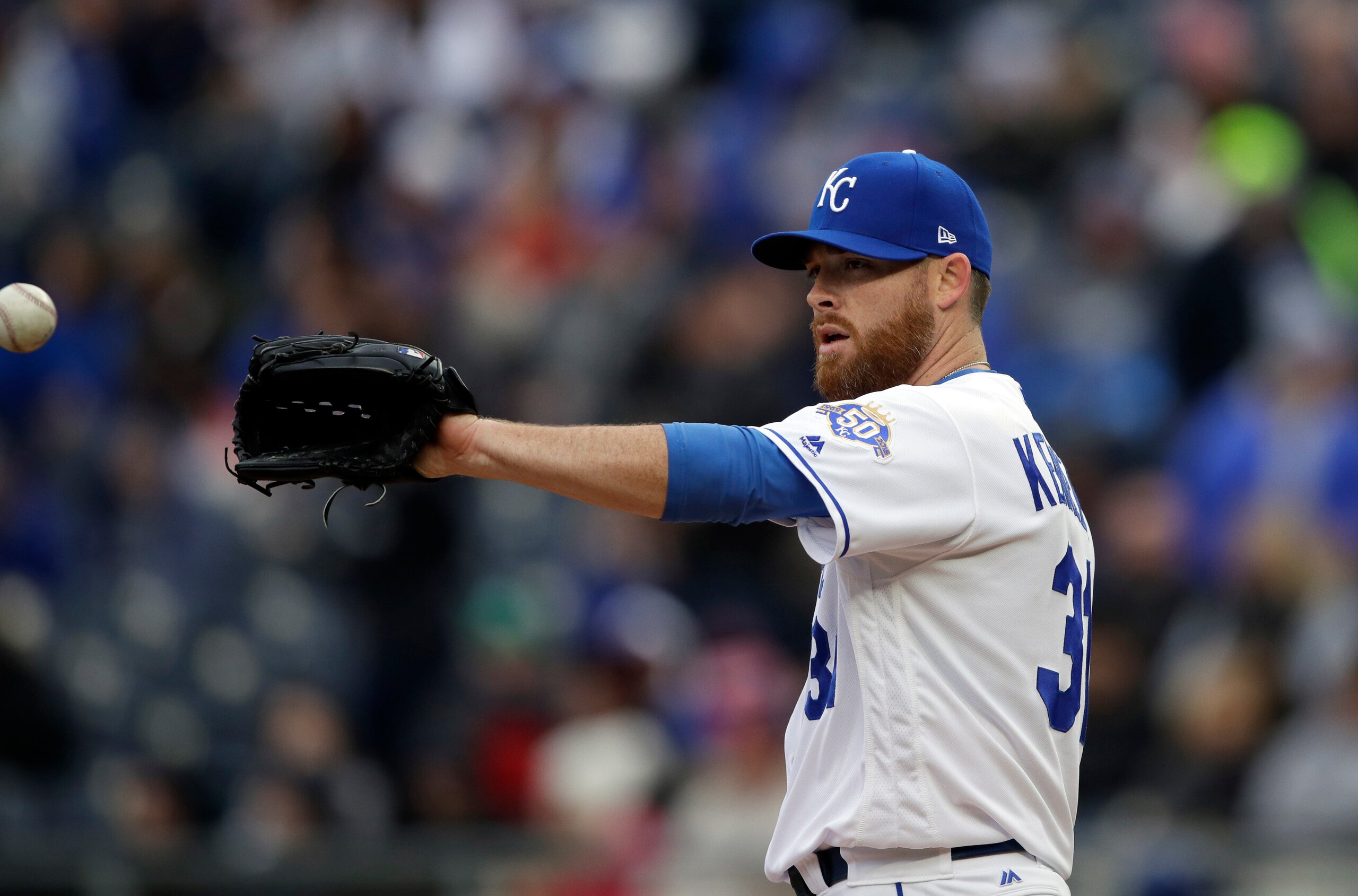
Ian Kennedy began 2018 with a 2.92 ERA through seven starts. It seemed then that he might actually redeem himself in the third year of his five-year, $70 million contract.
So much for that. Kennedy, 33, has been rocked to the tune of a 9.42 ERA over his last six outings. He now has a 5.49 ERA over 219.2 innings since the start of 2017.
With a 91.8 mph fastball going for him, the Kansas City Royals right-hander appears to be fine physically. But he can't throw his fastball by hitters anymore, so he feels Ken Giles' pain of not being able to beat hitters within the strike zone.
As of yet, this hasn't made Kennedy's home run rate any worse. But it's plenty bad as is, and there's no escaping the suspicion that his diminished fastball eventually will make it worse.
If the Royals find the right match, they might be able to move Kennedy in a bad contract swap ahead of the trade deadline. Failing that, the best thing they can do is move him to their bullpen and see if he can reinvent himself in a relief role. Trevor Oaks could step into his spot in the rotation.
Felix Hernandez, Seattle Mariners
3 of 8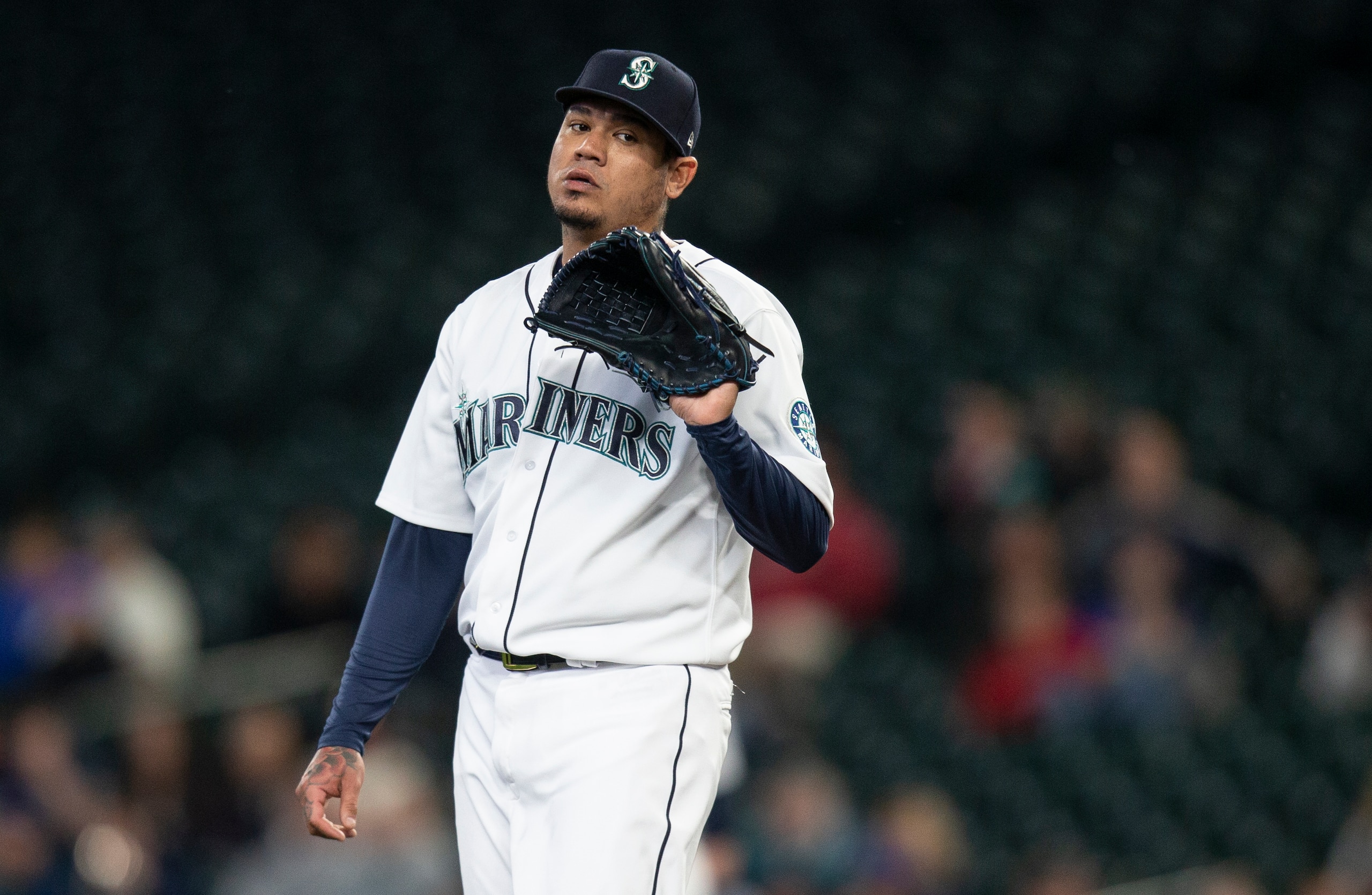
Felix Hernandez's crown doesn't fit anymore.
The longtime ace of the Seattle Mariners has a 5.33 ERA through his first 13 starts of 2018. This is coming on the heels of a 4.36 ERA in an injury-marred 2017 season, which followed an injury-marred 2016.
King Felix is at least healthy this season, but that's not helping to reverse his damning trends. He threw in the mid-90s in his heyday. Now his average fastball is down to 89.1 mph. In the meantime, his contact rate is progressing in the other direction.
It's no wonder he's going full junkballer. He's only throwing his fastball 45.1 percent of the time, and only 40.9 percent of his pitches hit the strike zone. He's giving batters every excuse to wait him out. As his walk rate shows, they are.
The 32-year-old is making $26.9 million this year, with another $28.9 million due beyond 2018. The Mariners may ultimately have to eat a lot of that money after releasing Hernandez.
Before they get to that point, however, they should at least give him a shot at rejuvenating himself in the bullpen. Ariel Miranda or Christian Bergman could take his spot.

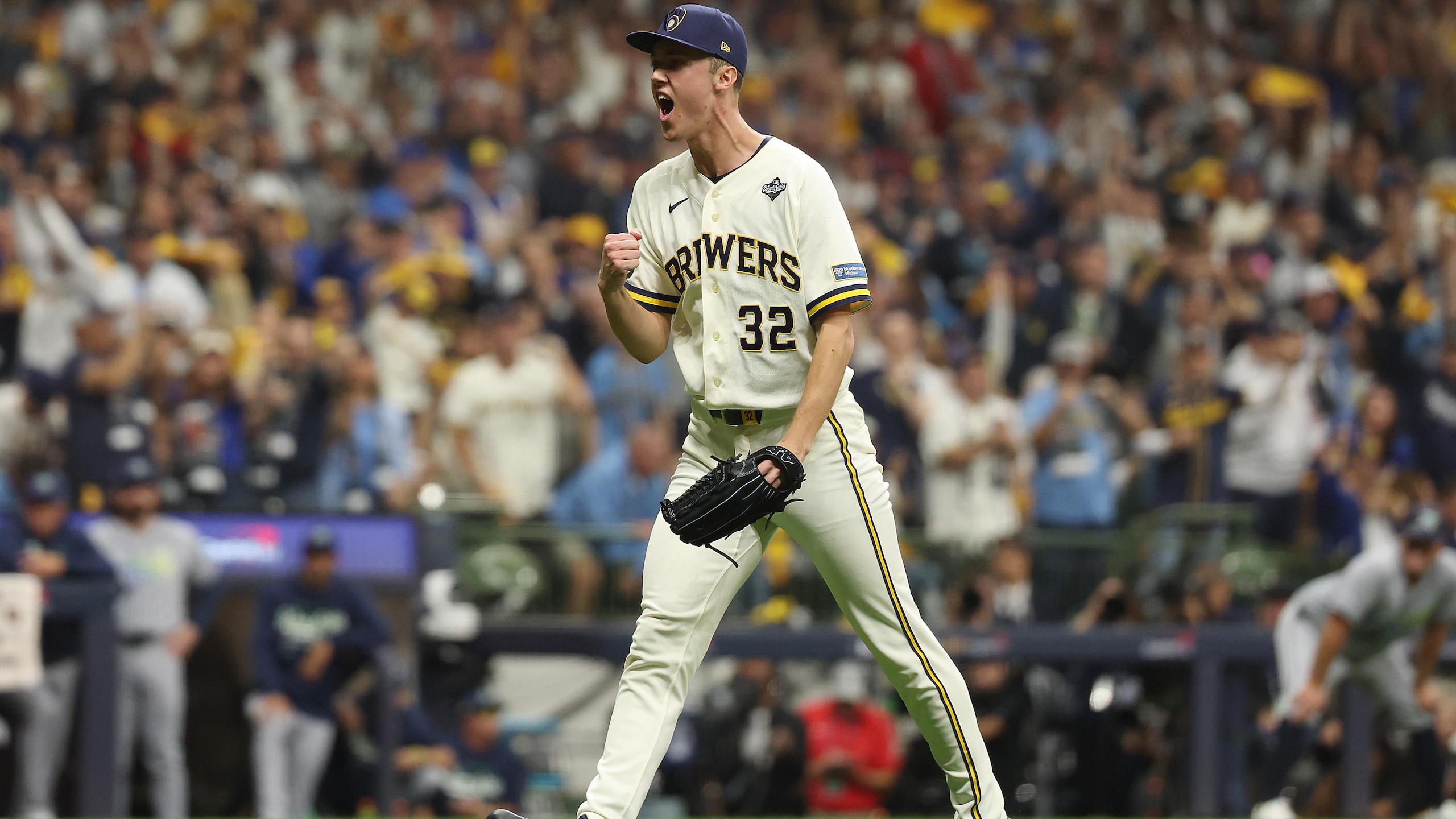

Ian Desmond, Colorado Rockies
4 of 8
The five-year, $70 million contract that Ian Desmond signed with the Colorado Rockies ahead of 2017 was a disaster out of the gate, and it's not getting any better in 2018.
The 32-year-old has come to the plate 232 times and put up just a .663 OPS. That's downright terrible for a guy who gets to hit at Coors Field half the time, and it proves that thin air and big alleys can't help a guy who's recording strikeouts and ground balls at a record-setting rate.
Now, it's only fair to note that Desmond's offensive production has been on the way up since May. But he's still just a .211/.293/.459 hitter in this span, part of a slump that stretches back to the 2016 All-Star break.
It's too early in his contract for the Rockies to release Desmond, of course. There might be some hope of trading him but only if they agree to eat pretty much his entire deal.
So, the best they can do for now is stop using the 32-year-old as an everyday player.
It just so happens that hitting left-handed pitching is the one skill of Desmond's that's dying hard. The Rockies also happen to have several left-handed hitters (e.g., Ryan McMahon, Carlos Gonzalez and Gerardo Parra) for him to platoon with.
Chris Davis, Baltimore Orioles
5 of 8
The most amazing thing about Chris Davis isn't that he's the worst player in baseball in just the third year of a seven-year, $161 million contract.
It's actually that he's still getting worse. The 32-year-old has been stuck on four home runs since May 9, and his OPS has counted all the way down to .464.
This is a remarkable fall for a guy who had a .923 OPS and 47 homers as recently as 2015, but it's not happening by accident. Annual decreases in his average launch angle and average exit velocity are killing his power. Pitchers are exploiting this by attacking him in the strike zone and rendering his plate discipline largely useless.
So, Baltimore natives (including Jim Palmer) have a right to be getting restless. At this rate, there's basically nothing the Orioles can do to save Davis' contract from catastrophe. The countdown to his inevitable release is on.
The one thing they can do for now, though, is to put him in a strict platoon role with Mark Trumbo and/or Trey Mancini and see if that helps. For while he actually has reverse splits this year, he's typically hit right-handers a lot better than left-handers.
Adrian Gonzalez, New York Mets
6 of 8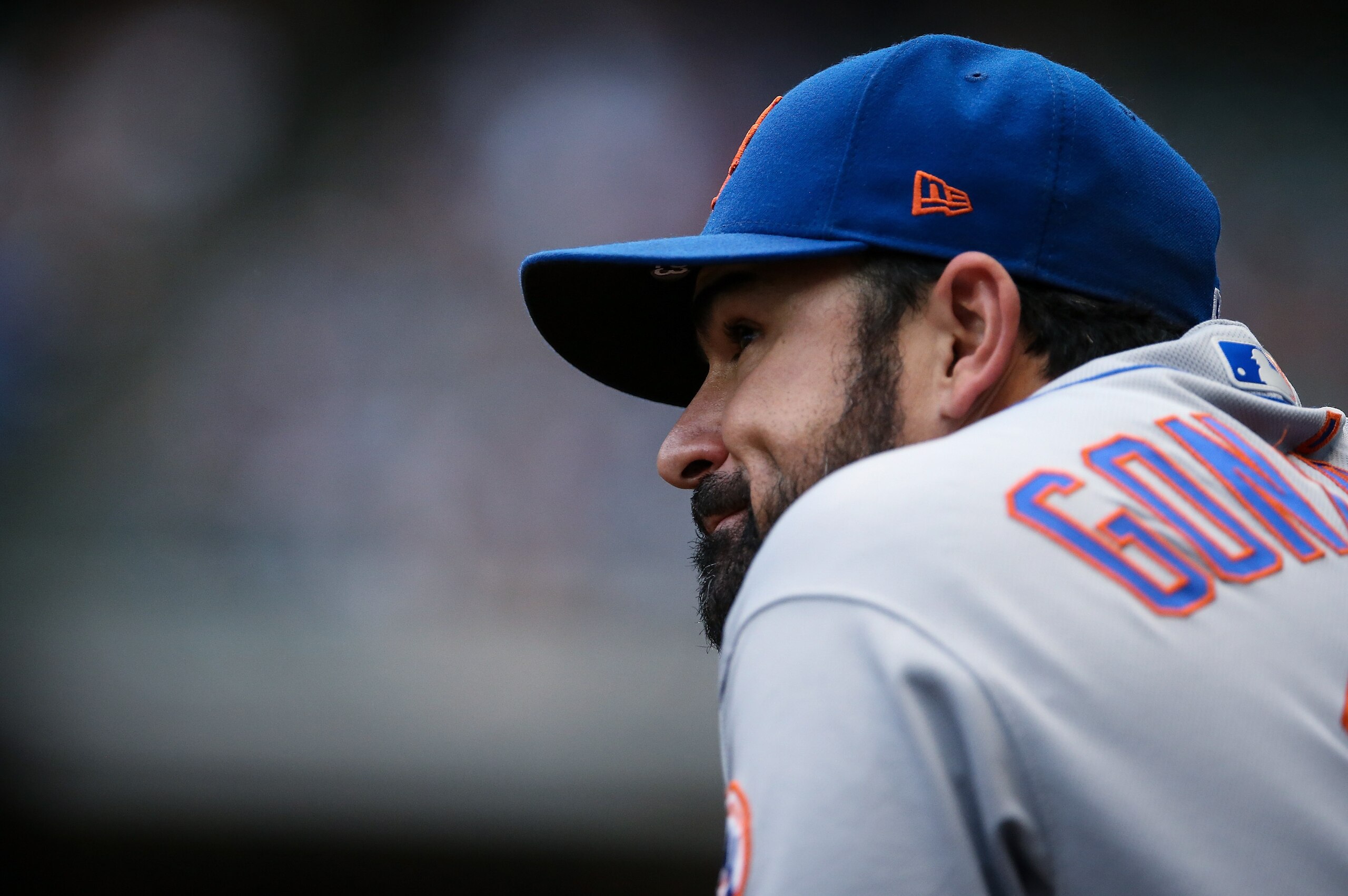
Although he's technically in the final year of a $154 million contract, the New York Mets signed Adrian Gonzalez to play for just the major league minimum in 2018.
It seemed like a decent idea for a while, as he compiled a respectable .793 OPS through May 7. Since then, however, he's sunk to mediocrity and beyond with a .581 OPS.
So it goes for the 36-year-old veteran.
Once a 40-homer slugger for the San Diego Padres back in 2009, Gonzalez ceased being an elite hitter when he was with the Boston Red Sox in 2012. He was barely a good hitter with the Los Angeles Dodgers by 2016, and he's managed just a .662 OPS since the start of 2017. Only one first baseman (more on him later) has done worse.
The Mets can't benefit from trading Gonzalez, but they can benefit from cutting him loose. That would open up an opportunity at first base for former prospect Dominic Smith. If he fumbles it, the opportunity can pass to red-hot prospect Peter Alonso. If both fail, first base is a good place to move Jay Bruce.
In any event, it's not as if the Mets have to worry about contending at this point. They're just 16-31 since April 14, so that ship has sailed.
Victor Martinez, Detroit Tigers
7 of 8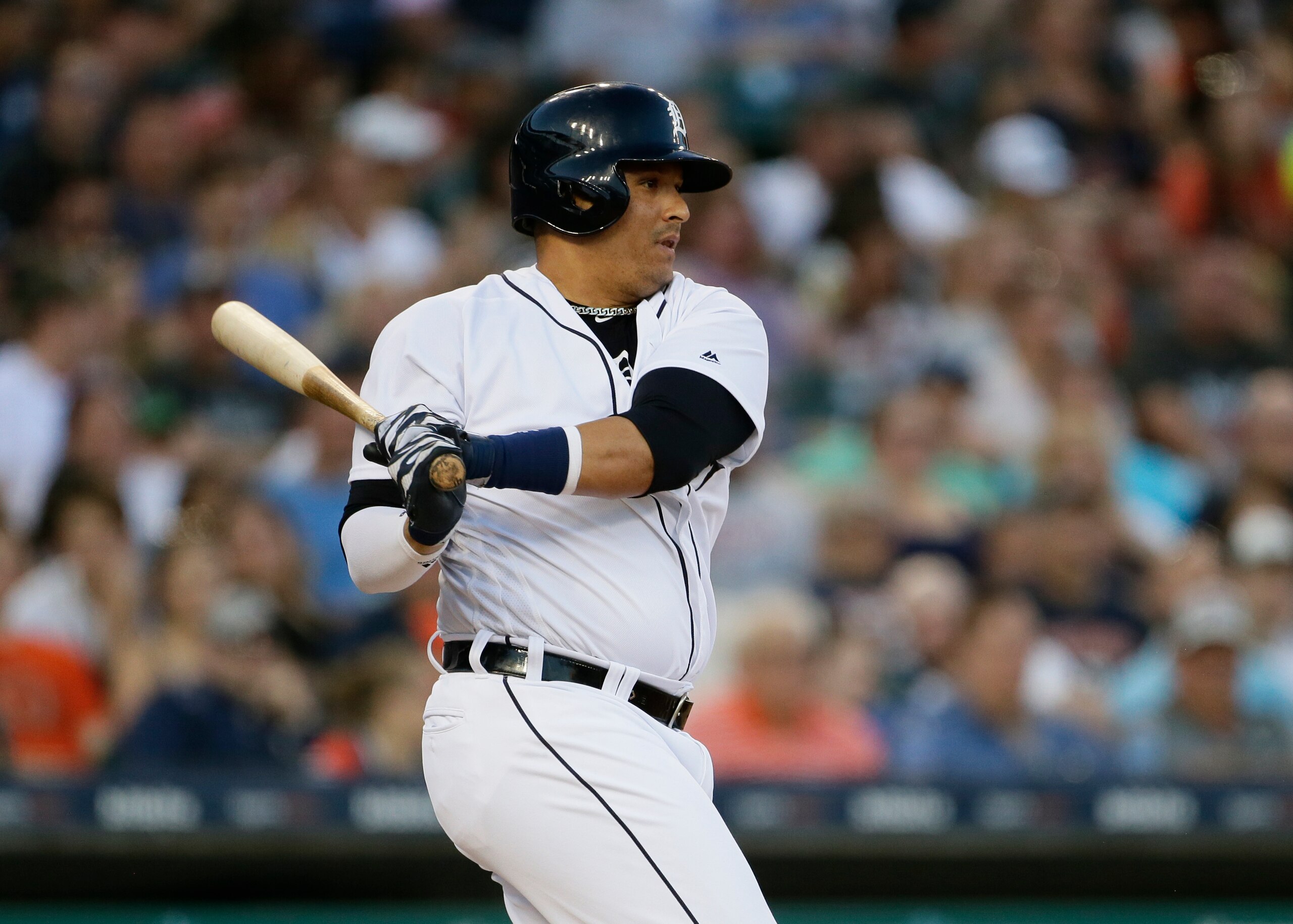
Just like they were in 2017, the Detroit Tigers are paying Victor Martinez $18 million to hit.
And just like in 2017, he's not.
Given that he was coming off knee surgery, Martinez can be forgiven for flopping in the first year of his four-year, $68 million contract in 2015. He can also be commended for bouncing back with an .826 OPS and 27 homers in 2016.
Since then, however, the 39-year-old has mustered just a .685 OPS.
In fairness, there is a good distance between where Martinez's slugging percentage is (.360) and where it's expected to be (.482) based on the quality of his contact. But since that was also the case last year, the Tigers shouldn't put too much faith in that as a sign of an imminent turnaround.
What they should do is cut Martinez loose and replace him with a young player who deserves a shot. They happen to have such a guy in the person of Christin Stewart. As a bat-only prospect with a .908 OPS at Triple-A, he sure looks like Martinez's heir apparent.
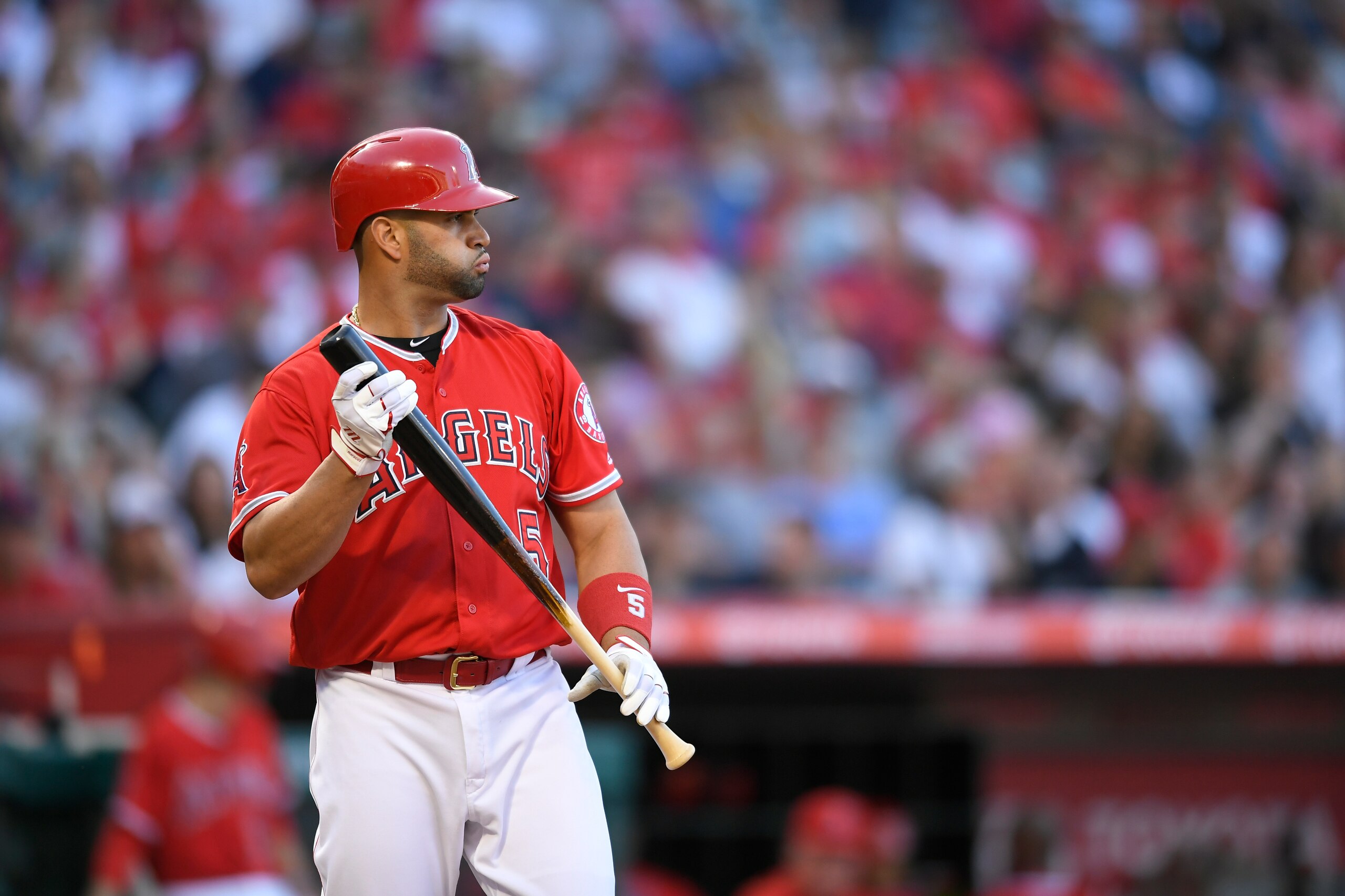
Albert Pujols, Los Angeles Angels
8 of 8
Between the remainder of his $27 million salary for 2018 and the $87 million he's owed between 2019 and 2021, Albert Pujols still has about $100 million left on his 10-year, $240 million deal.
Things are now at a point where the Los Angeles Angels should be comfortable eating all of that.
Pujols' descent from a great hitter to a bad hitter is official. He put up just a .672 OPS last year and he's improved to just .691 this year. His patience has long since disappeared. Now, his power is under water, too. Without those two abilities, his bat is largely useless.
Now that the 38-year-old has gotten his 3,000th hit out of the way, he really only has home run milestones to chase. At the rate he's going, it'll be a struggle for him to even get to 700 before his contract is up.
The Angels could afford to let Pujols be if they were in the middle of a long rebuild. Instead, they're in the thick of a tough American League West race. They can't afford to have any dead weight.
They'd be better off with a Luis Valbuena/Jefry Marte platoon at first and even better off with a trade acquisition at the cold corner. Neither is possible as long as Pujols is in the way.
Stats courtesy of Baseball Reference, FanGraphs and Baseball Savant.





.png?w=2560 "Week 8 Winners & Losers 📊")



.jpg?w=2560 "Jonathan Taylor Landing Spots")