
Ranking the NFL's Worst Early Free-Agency Moves
The free-agency frenzy officially began Wednesday after two legal tampering days allowed agents and teams to play matchmaker.
Half of the 32 franchises were flush with enough cap space to be in the mix on several big-money free agents, but the talent pool was weak. The lack of class depth and teams' desperation to avoid missing out has led to numerous head-scratching decisions.
Some of the worst contracts come down to improperly valuing the player and misjudging the market, even if that player can be useful in the correct role. While teams need to upgrade their rosters, racking up expensive contracts for average players will destroy flexibility and depth. There must be a balance between value and asset allocation for a franchise to have sustained success.
Let's jump in and look at the worst 2018 free-agency moves and rank them from No. 10 to No. 1.
10. San Francisco 49ers Open Checkbook for Jerick McKinnon
1 of 10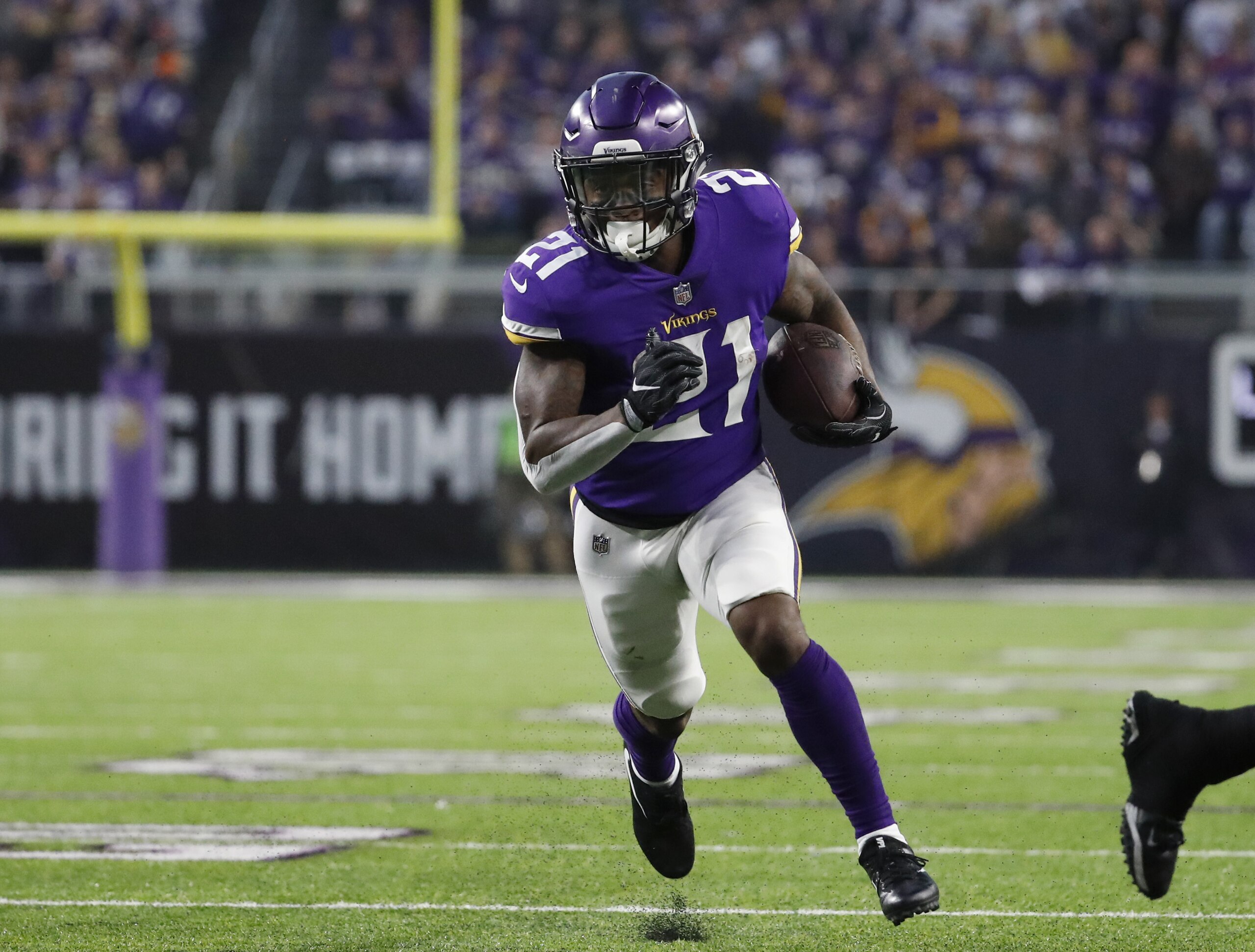
The San Francisco 49ers had money to burn this offseason, and they acted like it by handing former Minnesota Vikings running back Jerick McKinnon a four-year, $30 million deal, per ESPN's Adam Schefter. The $7.5 million-per-year pact gives him one of the top four contracts among running backs, which is a ridiculous distinction for a non-star.
McKinnon is a terrific athlete who will help the 49ers more in the passing game than running game, but there's little chance he will justify this salary.
The 25-year-old isn't the type of back head coach Kyle Shanahan has used before, as his vision and patience is generally poor and part of the reason he's only averaged 4.0 career yards per carry. But his 991 total yards from scrimmage in 2017 were a career high and helped highlight his ability to make plays, especially as a receiver out of the backfield or in the slot. Shanahan will have to use him often in the receiving game to maximize his impact.
McKinnon is also not good enough to keep the team from drafting a running back, and he has never been a full-time back. San Francisco should still use one of its more prominent draft picks on the position, and that may relegate McKinnon to a smaller role than what his salary indicates he should have.
9. Tennessee Titans Overspending on Another Former Patriots Cornerback
2 of 10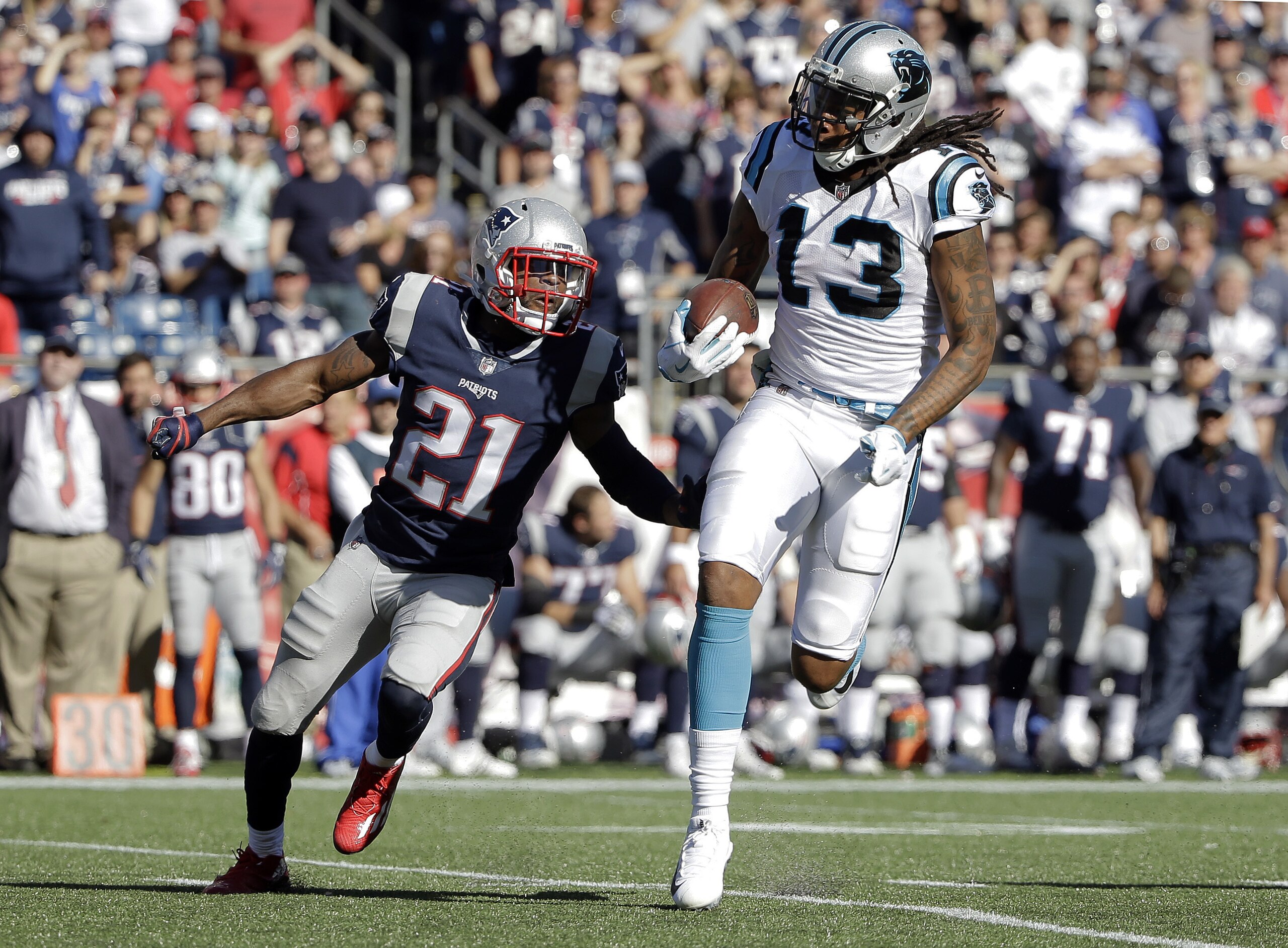
The Tennessee Titans are the latest team to build a small pipeline from New England, as they signed two more Patriots free agents.
Cornerback Malcolm Butler scored a jaw-dropping five-year deal for more than $61 million and $30 million guaranteed, per NFL Network's Ian Rapoport. The Titans also snagged running back Dion Lewis on a much more reasonable contract ($20 million, with $3 million in incentives, per NFL Network's Mike Garafolo). Similar to the value Logan Ryan got last year from the Titans (three years, $30 million), Butler's contract is a vast overpay for an average cornerback.
Butler allowed 54 percent of targets thrown his way to be completed in man coverage for 510 yards, five touchdowns and three penalties in 2017. That's the NFL's fifth-most yards allowed, and he'll be across from Adoree' Jackson, who also gave up similar totals in man assignments. This cornerback group has a lot invested in it, but it's an average unit talent-wise—unless Jackson takes a massive year-two leap.
Butler is like Ryan in that he can fulfill his role. But he's not a star, and both have top-14 corner contracts in terms of annual average value. The Titans paid Butler ($12.25 million per year) more than actual All-Pro talents Darius Slay ($12.04 million) and Casey Hayward ($12.0 million) earn, and they'll have far less to show for it throughout the life of this contract.
It's likely this deal will be viewed like Byron Maxwell's massive pact was shortly after he signed his six-year, $63 million contract with the Philadelphia Eagles in 2015.
8. Chicago Bears Rushing to Sign Chase Daniel
3 of 10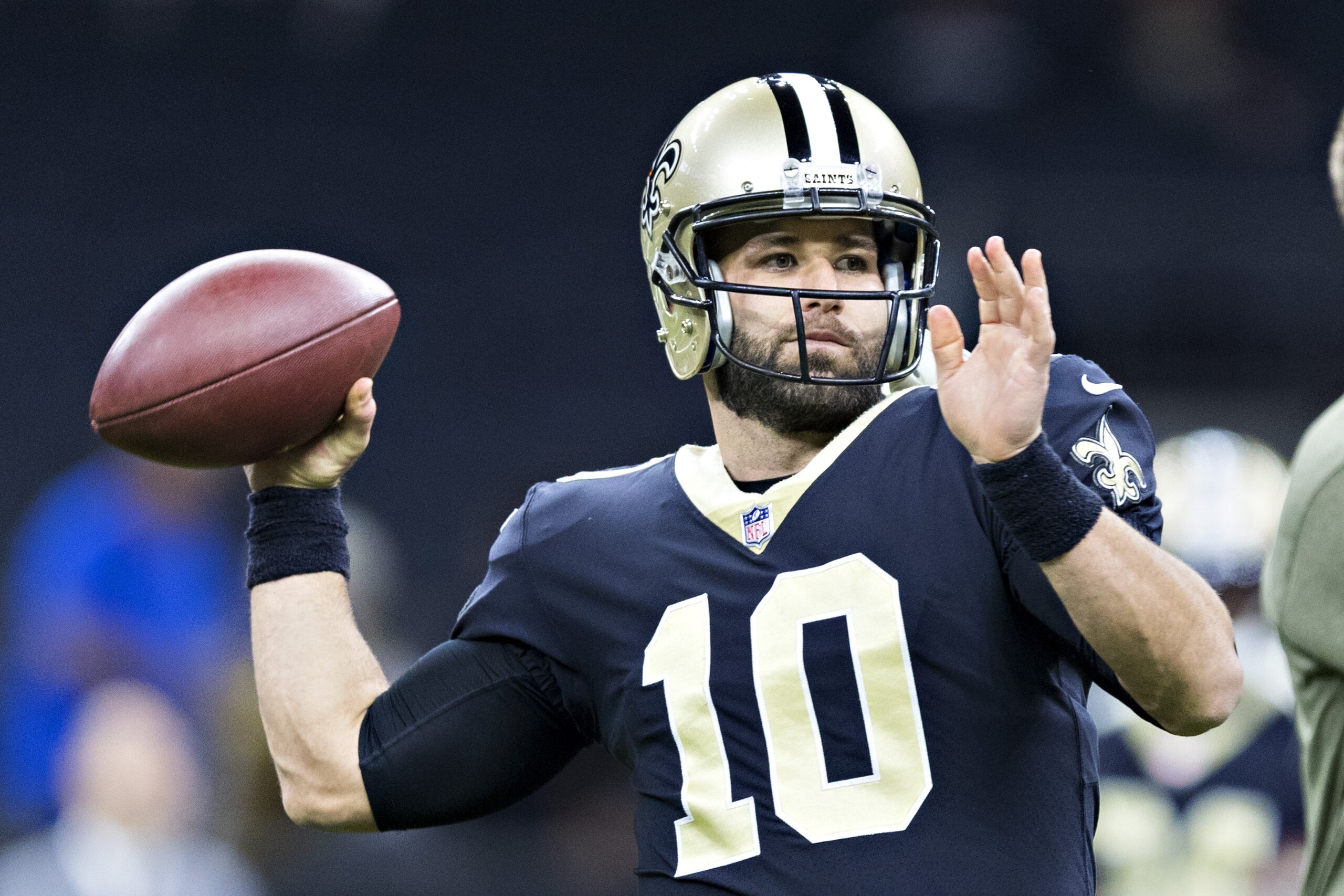
Being a backup quarterback is one of the NFL's most financially rewarding positions considering the limited workload. New Chicago Bears backup Chase Daniel is a prime example. He inked a two-year, $10 million deal to oversee Mitchell Trubisky's development, per Rapoport. The pact represents a $4.1 million pay bump from 2017 after he didn't throw a pass last year.
Amazingly, the 31-year-old Daniel has thrown only 78 passes yet earned $24 million, and he has another $7 million guaranteed with this new contract. While the Bears were wise to grab a veteran they trust and head coach Matt Nagy is familiar with from their days together in Kansas City, paying a premium for an unproven backup is reckless. The Bears wisely invested in the offense around Trubisky but lost value with Daniel.
The fallout could dramatically affect the backup quarterback market—or the pact may stand alone as an albatross. Similarly limited backups such as Matt Moore, Chad Henne and Derek Anderson may be much cheaper options and would increase rollover cap opportunities.
Daniels' signing felt overly aggressive just to get a comfortable face in the room.
.jpg?w=2560 "Rams Raiders Football")

.jpg?w=2560 "Steelers Saints Football")
7. Oakland Raiders Swapping Out Michael Crabtree for Jordy Nelson
4 of 10
One of the big concerns that looms over new Oakland Raiders head coach Jon Gruden is whether he can adjust his coaching and personnel preferences to the modern-day NFL. Things have changed over the past decade, and his clinging to familiar veterans over players who can excel in a variety of roles could be a problem.
The moves to sign Jordy Nelson and consequently release Michael Crabtree—reported by James Jones and Schefter, respectively—represent a step backward in numerous ways.
The Raiders have a flexible cap situation, as they can trim $14.8 million more by releasing Marshawn Lynch, Jared Cook and Cordarrelle Patterson. They aren't difference-makers and are less effective than Crabtree.
He, like the rest of the Raiders offense, suffered a letdown 2017 but reached eight touchdowns for the third straight season. If anything, keeping Crabtree with Nelson made the most sense.
Nelson represents a big risk. He will be 33 this offseason and was running on fumes in 2017. The combination of his 2015 ACL injury and age caught up to him, as he looked like a shell of himself last year. Even though he was productive in 2016, his speed is mostly gone and he's a pure possession receiver with little upside. He would work better as a third pass-catcher behind Crabtree and Amari Cooper, as all three can play inside and outside of formations.
6. New York Giants Adding Jonathan Stewart
5 of 10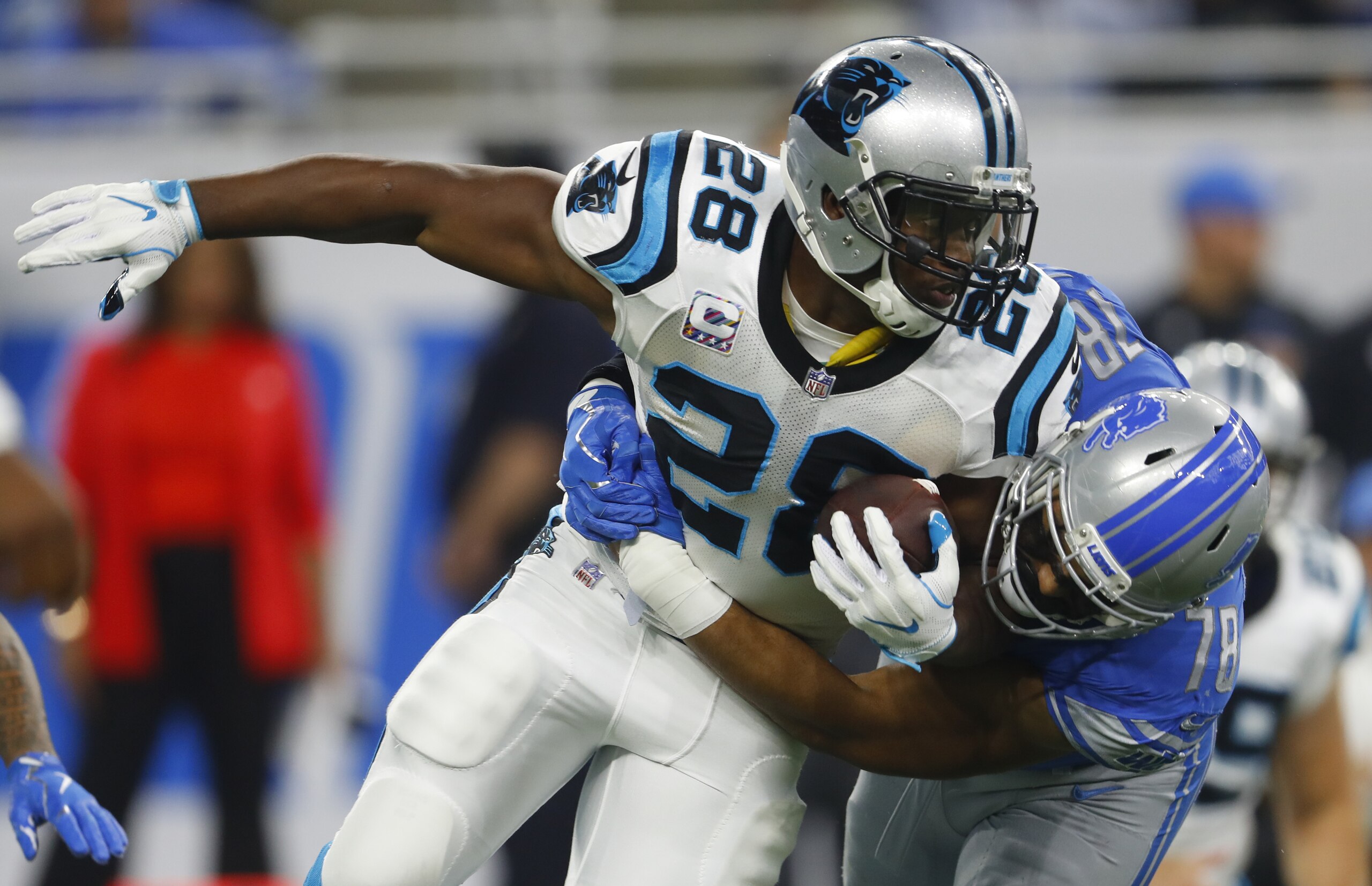
Revamping the offense to fit new head coach Pat Shurmur and quarterback Eli Manning's strengths has been a priority for the New York Giants. Instead of blowing up a roster that finished 3-13, the team hopes that flushing the toxicity that infiltrated the locker room will help a similarly talented roster accomplish a record closer to its 11-5 mark from 2016.
Still, running back Jonathan Stewart's two-year deal, which is worth up to $8.4 million, per Rapoport, will be a wasted investment.
The deal isn't a backbreaker in terms of cost at less than $3 million guaranteed, but the Giants will be relying on a declined 31-year-old back. It would've been more prudent to sign a healthier player via free agency or acquire one through the draft.
Stewart hasn't been effective the past two years (3.6 yards per attempt) despite the presence of quarterback Cam Newton and a solid run-blocking offensive line. Things will be more difficult in New York, as its O-line is less proven in that regard, even with the signing of left tackle Nate Solder—a deal Rapoport reported.
If the Giants draft Penn State running back Saquon Barkley second overall in the 2018 draft, this signing will only look more suspect. Giving a roster spot to an old, beaten-down running back is a move that made more sense a decade or more ago, not in the modern age of youthful legs and fresh bodies.
5. Jacksonville Jaguars Taking Flier on Donte Moncrief
6 of 10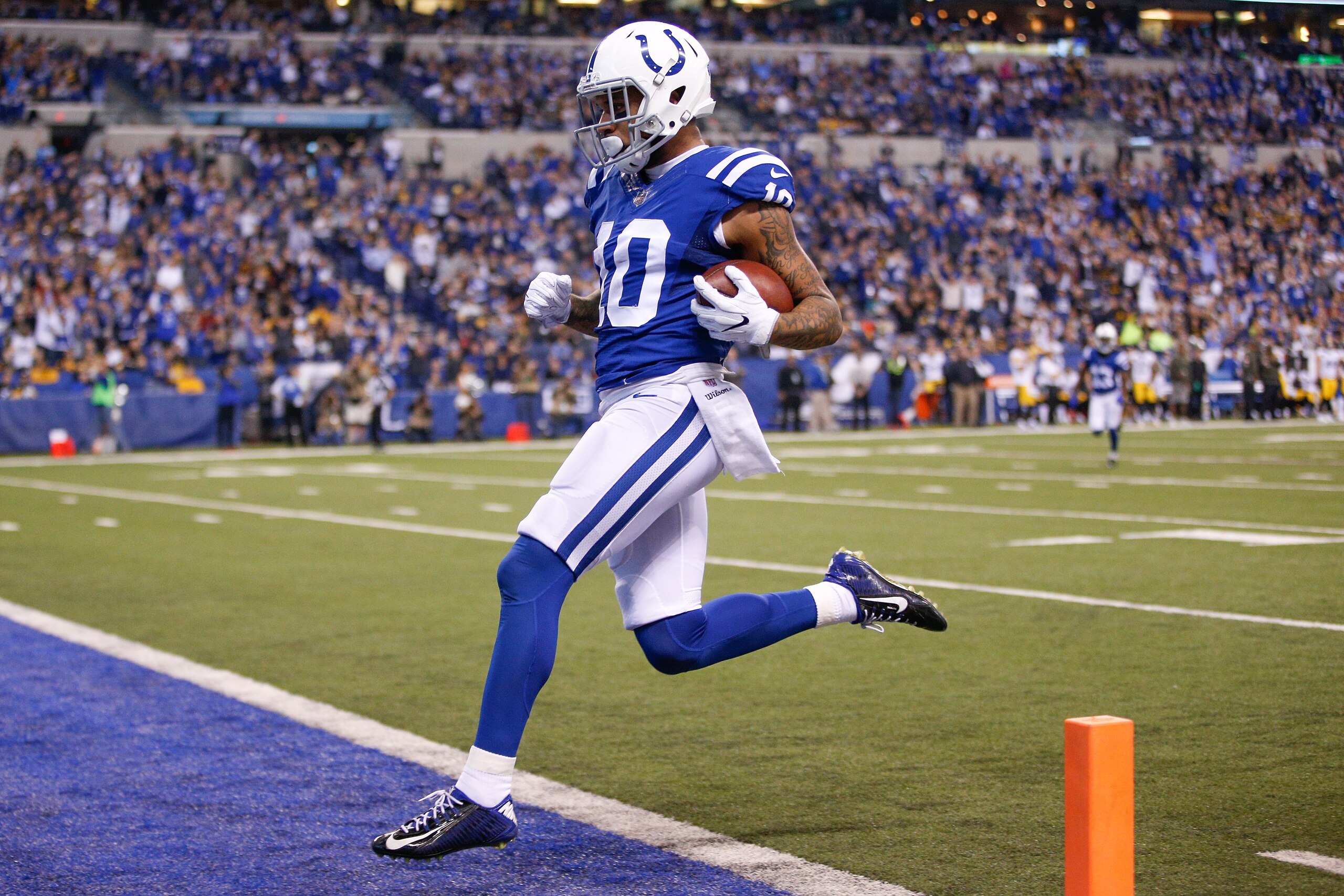
The Jacksonville Jaguars have been hot and cold with their latest free-agent moves. They made a wise deal with guard Andrew Norwell (five years, $66.5 million). And the decision to sign wide receiver Donte Moncrief away from the Indianapolis Colts wasn't bad on its own—ESPN's Field Yates reported it's a one-year, $7 million deal worth up to $9.6 million.
But the Jaguars failed to re-sign higher-upside talent Allen Robinson for three years, $42 million, roughly the combined cost of Moncrief and Marqise Lee, making this a bad move.
Moncrief hasn't stayed healthy throughout his career, and it's notable that his former team, the receiver-hungry Indianapolis Colts, could afford to bring him back on this type of contract and didn't.
The Jaguars paid a heavy price for a flier despite their depth at the position and ability to get a cheaper, healthier body with a similar downfield skill set in the draft. It's a good thing Moncrief will only turn 25 this season, but inconsistency and injuries have washed out his past two campaigns.
A receiving corps featuring Moncrief, Lee, Allen Hurns if he's not released, Keelan Cole, Jaydon Mickens and Dede Westbrook isn't bad, but it's lacking a star presence. It's also questionable why Moncrief chose the Jaguars as he tries to establish himself considering their receiver depth and quarterback Blake Bortles' poor accuracy.
4. Kansas City Chiefs Signing Anthony Hitchens to Massive Deal
7 of 10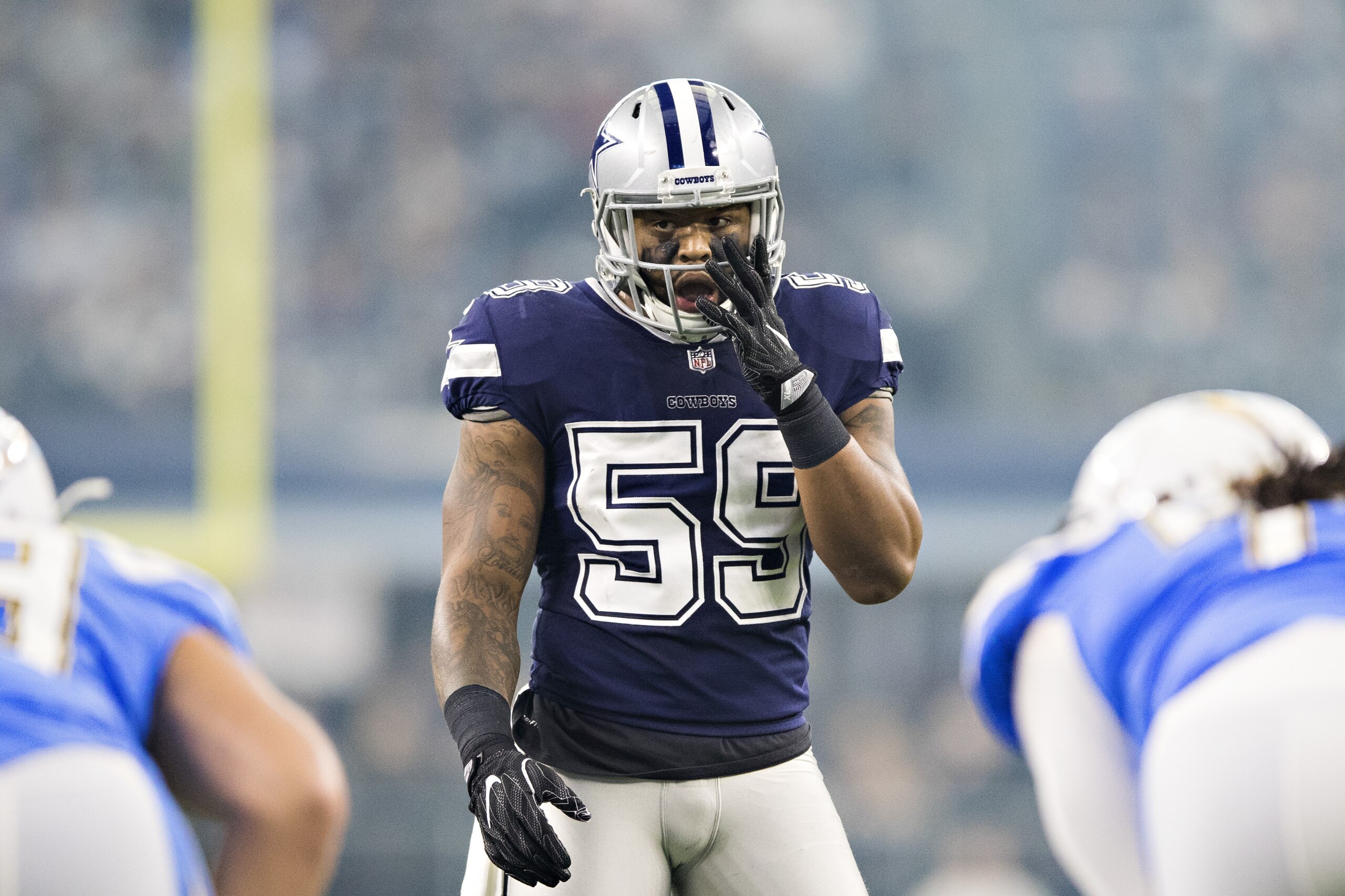
The depth of mediocre free-agent talent at several positions has helped boost salaries. Former Dallas Cowboys linebacker Anthony Hitchens found this out, as the Kansas City Chiefs were desperate to fill one of their inside linebacker holes and handed him a five-year, $45 million deal that has significant guarantees through the first three seasons.
Per Mike Florio of ProFootballTalk, Hitchens has $21.5 million coming in the first two years. The deal ties him with Mark Barron as the NFL's fifth-highest-paid inside linebacker annually.
That's a huge investment for a replaceable player from Dallas. Hitchens hasn't been a difference-maker in the passing game, totaling zero interceptions and only four passes defensed in the last three seasons. The Chiefs may expect improvement as he turns 26 this summer, but that's a major assumption to make considering the money they invested.
Bleacher Report NFL1000 Scout Jerod Brown ranked Hitchens as the NFL's 54th-best inside linebacker last year, noting his ineffectiveness in coverage and how often his bad plays outweigh his upside moments.
Even if Hitchens improves, he would have to take massive steps forward to justify this giant contract, and it's unlikely he will be that much of a difference-maker based on his first four seasons.
3. Detroit Lions Release Eric Ebron
8 of 10
The Detroit Lions' decision to release tight end Eric Ebron was one of the more puzzling recent moves. The 24-year-old was cut despite showing promise in each of the past two years. The move is especially notable as the Lions have no in-house replacement.
While the decision saves the team $8.25 million in cap space, it doesn't make the Lions better now, and the lack of remaining impact free agents only increases the confusion surrounding the situation. The former Lion never lived up to his 2014 first-round draft status, but he was still an ascending player at a position that takes longer to develop than most—and where he was drafted became irrelevant after he began producing.
Ebron is a solid receiving threat with little impact in the blocking game. He should have a good market as the tight end draft class looks mediocre once again. He's also hitting his prime. With no way to tread water at tight end, the Lions seem to be clear losers here.
At least facilitating an Ebron trade could have landed a draft asset.
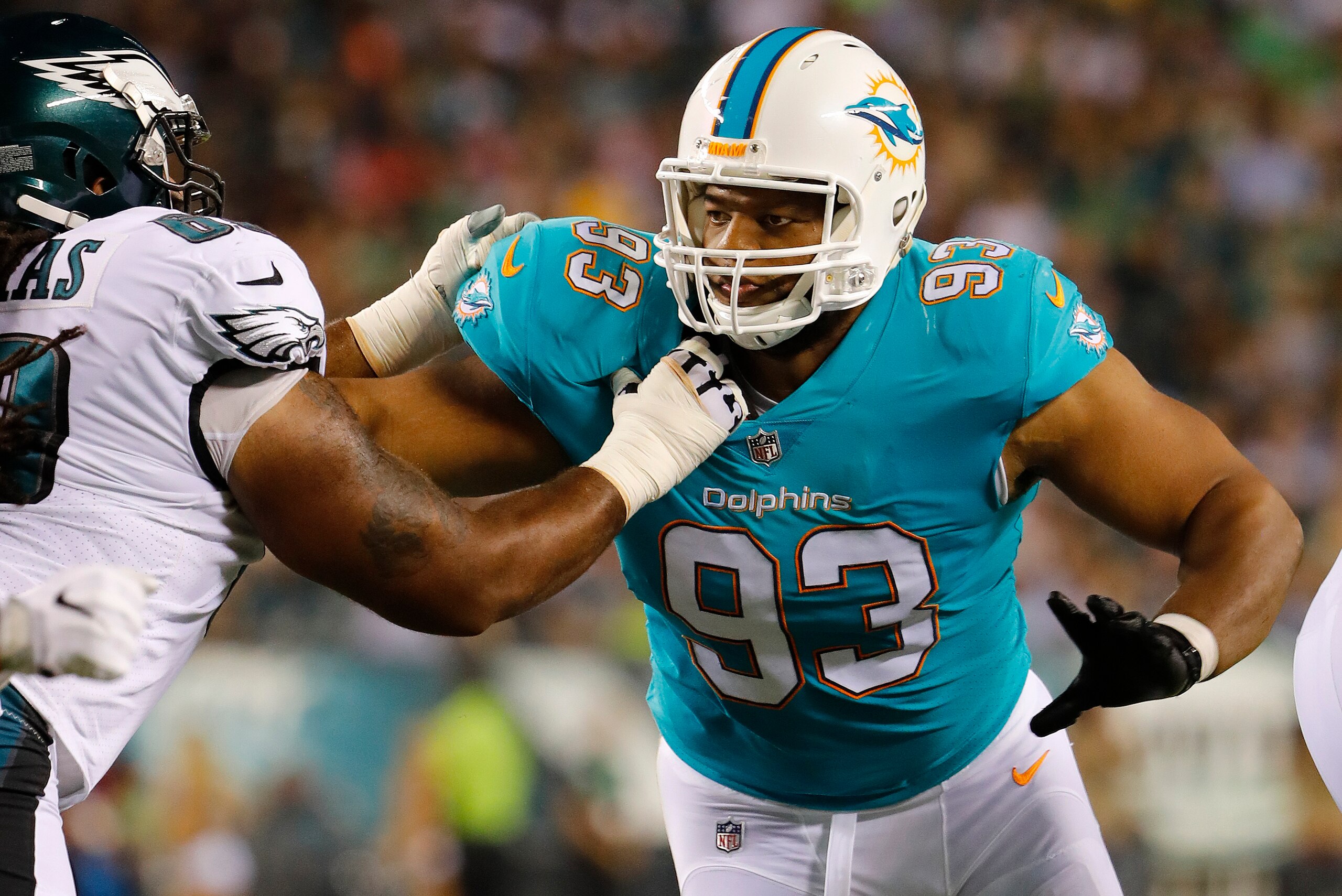
2. Miami Dolphins Releasing Ndamukong Suh
9 of 10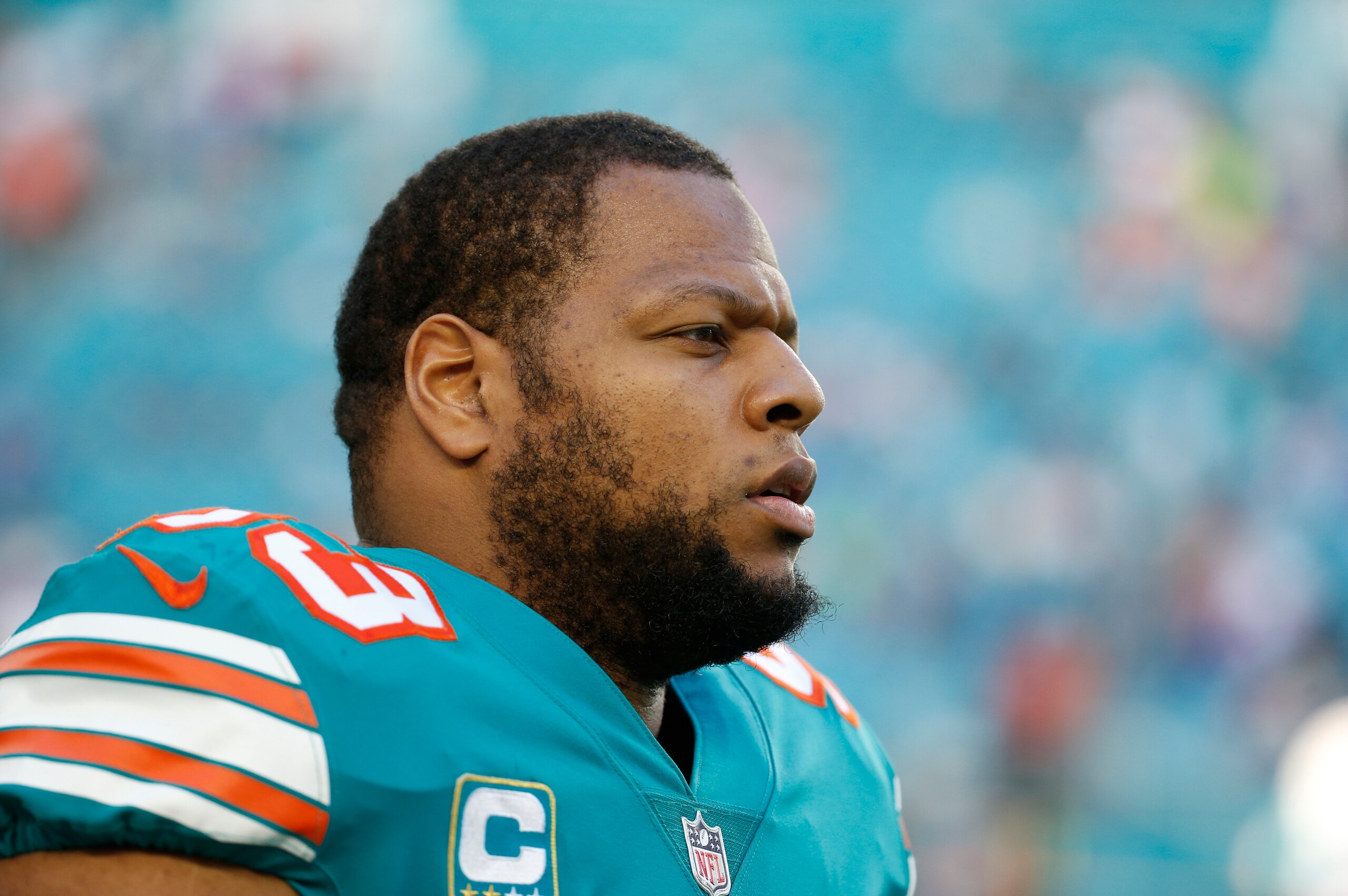
Three years after the Miami Dolphins landed one of the biggest fishes to ever hit the free-agent pond, Ndamukong Suh, the team released him on the first day of the new league year.
Despite Suh's being easily the best player on a mediocre roster, he could have never lived up to his six-year, $114 million deal. The Dolphins gravely mismanaged the contract from the start, and their decision to release him is one of the offseason's worst.
They felt they couldn't deal with his $26.1 million 2018 hit, so they designated him a post-June 1 cut to save $17 million in cap space but will swallow $22.1 million in dead cap money over the next two seasons, per Armando Salguero of the Miami Herald.
His contract's restructuring two years ago should have kept Suh in Miami through 2018, as dealing with that much dead cap space doesn't make sense when the move also made the on-field team worse.
Potentially the worst part of this short-sighted decision goes beyond losing an elite defensive tackle and making cap concessions. According to Rapoport (via Pats Pulpit), the New England Patriots are one of several teams interested in acquiring Suh. The Dolphins can claim to be building a better culture all they want, but losing Jarvis Landry and Suh in the same offseason isn't improving the game-day talent.
1. Jacksonville Jaguars Splurge on D.J. Hayden
10 of 10
The Jacksonville Jaguars have continued to spend money this offseason even though their purse strings are tighter after several years of major investments. The team lost slot corner Aaron Colvin to the Houston Texans on a four-year, $34 million deal, and it seemed as though it would be content to replace him via the draft at a much lower cost.
Instead, the Jaguars made the worst signing of free agency to date, inking D.J. Hayden to a three-year, $19 million deal with $9.5 million guaranteed, per Adam Caplan of Sirius XM.
The contract value makes no sense, as Hayden reached journeyman status after flaming out with the corner-starved Oakland Raiders and then as a rotational player for the Detroit Lions last year. Detroit opted to re-sign the better player in the rotation, Nevin Lawson, for only $4.6 million per season.
Hayden's been a slightly more effective player in the slot than as a boundary corner, but paying him more than a solid slot-specialist such as Nickell Robey-Coleman is a terrible use of funds.
The cornerback struggled in many ways but especially at being a playmaker. He has just three career interceptions because of his inability to locate the ball in coverage, and that also makes him a risk for drawing penalties.
With much better slot options such as Orlando Scandrick, Patrick Robinson and Travis Carrie available, and other journeymen such as Leonard Johnson and Robert McClain still on the market, the Jaguars seemingly panicked to pay someone who primarily played on the outside last year and has never established himself as a quality NFL player.
Cap information courtesy of Spotrac.
.jpg?w=2560 "Cowboys Packers Football")




.jpg?w=2560 "🚨 Week 8 AP Top 25 Poll")