

Pro Comparisons for Top NBA Draft Prospects in Men's NCAA Tournament
The NCAA tournament field is set, and there are plenty of high-profile prospects who'll remind scouts and fans of current and former NBA players.
We pegged the top pro comparison for each likely lottery pick. For some, a combination comparison was used, given how rare it is to find two players exactly alike.
This is a useful tool for painting a picture of what type of player each prospect projects as in the pros.
Deandre Ayton (Arizona, C, Freshman)
1 of 10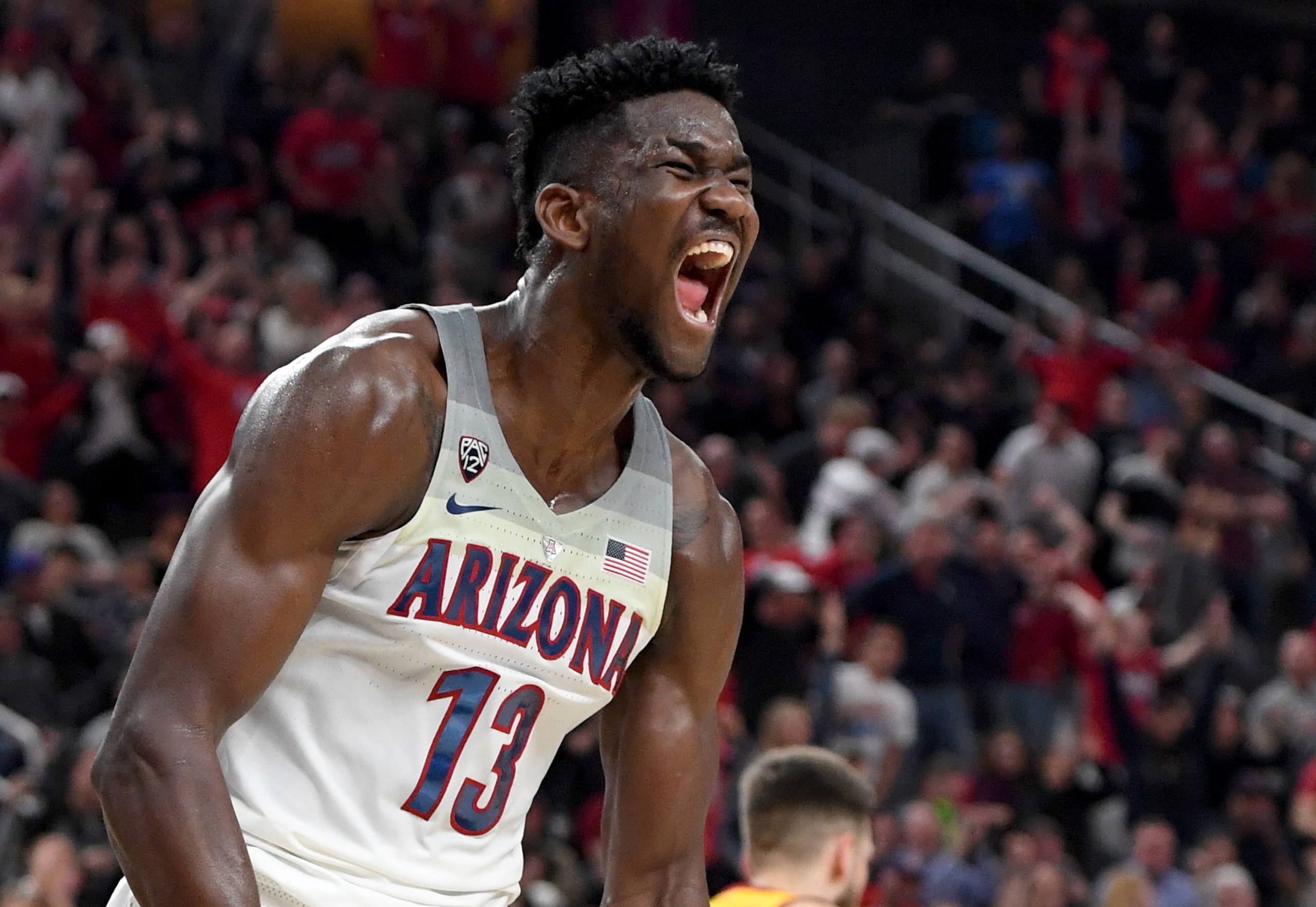
Pro comparison: Karl-Anthony Towns
Deandre Ayton continues to strengthen his case as the draft's No. 1 prospect, flashing inside-out scoring ability that resembles Karl-Anthony Towns'.
Ayton, 7'1", 250 pounds with a 7'5 ½" wingspan, is more physically mature, but they have similar measurements in terms of height, weight and length. And neither is known for his defense.
But like Towns, Ayton is a tough cover in the post (1.054 PPP, 90th percentile) who can step out and shoot over his man, as he's made 12 threes and 40.0 percent of his jumpers from 17 feet to the arc.
With similar athleticism, tools and skills to Towns, Ayton appears on track to become the NBA's next 20-and-10 center, though improving defensively are priorities for both.
Jaren Jackson Jr. (Michigan State, PF/C, Freshman)
2 of 10
Pro comparison: Serge Ibaka
Only four NBA players (since 1946) have averaged two blocks and a three-pointer in a season: Joel Embiid, Kristaps Porzingis, Raef LaFrentz and Serge Ibaka.
Jaren Jackson Jr. is closest to Ibaka, another long, interchangeable big man who stretches the floor and protects the rim, but isn't a polished scorer in between.
Jackson is on pace to be the only college player in 25 years to average at least three blocks and a three in fewer than 30 minutes per game, per Sports Reference. At 18 years old, he's doing it in 22.2 minutes.
He's also scoring 1.22 PPP (98th percentile) out of the post, an area where Ibaka can score from as well. Ibaka has never been a go-to option for offense, and Jackson isn't likely to be one, either. But creating shots isn't an All-Star requirement.
Michael Porter Jr. (Missouri, SF/PF, Freshman)
3 of 10
Pro comparison: Brandon Ingram
Michael Porter Jr. and Brandon Ingram are face-up scorers with power forward height and three-point range.
They can be played at the 3 or 4, and both have the ability to make tough shots away from the basket. Neither started off as playmakers. Porter will want to follow Ingram's off-the-dribble improvement, as right now he's more of a catch-and-shoot or straight-line driver.
Even without tapping into ball skills, their mobility, tools and coordination still translate to easy baskets around the rim.
The hope for both is that they develop into scorers their teams can feature and win with as top options.

Mohamed Bamba (Texas, C, Freshman)
4 of 10
Pro comparison: Rudy Gobert/Nerlens Noel
There isn't a perfect comparison for Mohamed Bamba, particularly if he develops his shooting (14 made three-pointers). In terms of core strengths and identity, his value will revolve around rim-protection, rebounding and finishing like Rudy Gobert's and Nerlens Noel's.
Bamba uses his Gobert-like 7'9" wingspan to block 3.7 shots per game and anchor Kenpom.com's No. 10 defense in the country.
Like Gobert, who shoots 61.3 percent from the field, Bamba is an easy-basket weapon around the rim, where he converts at a 74.3 percent clip.
Neither will ever be featured offensive players. Instead, they leave their mark by shutting down the paint and giving their guards a high-percentage finishing target.
Marvin Bagley III (Duke, PF/C, Freshman)
5 of 10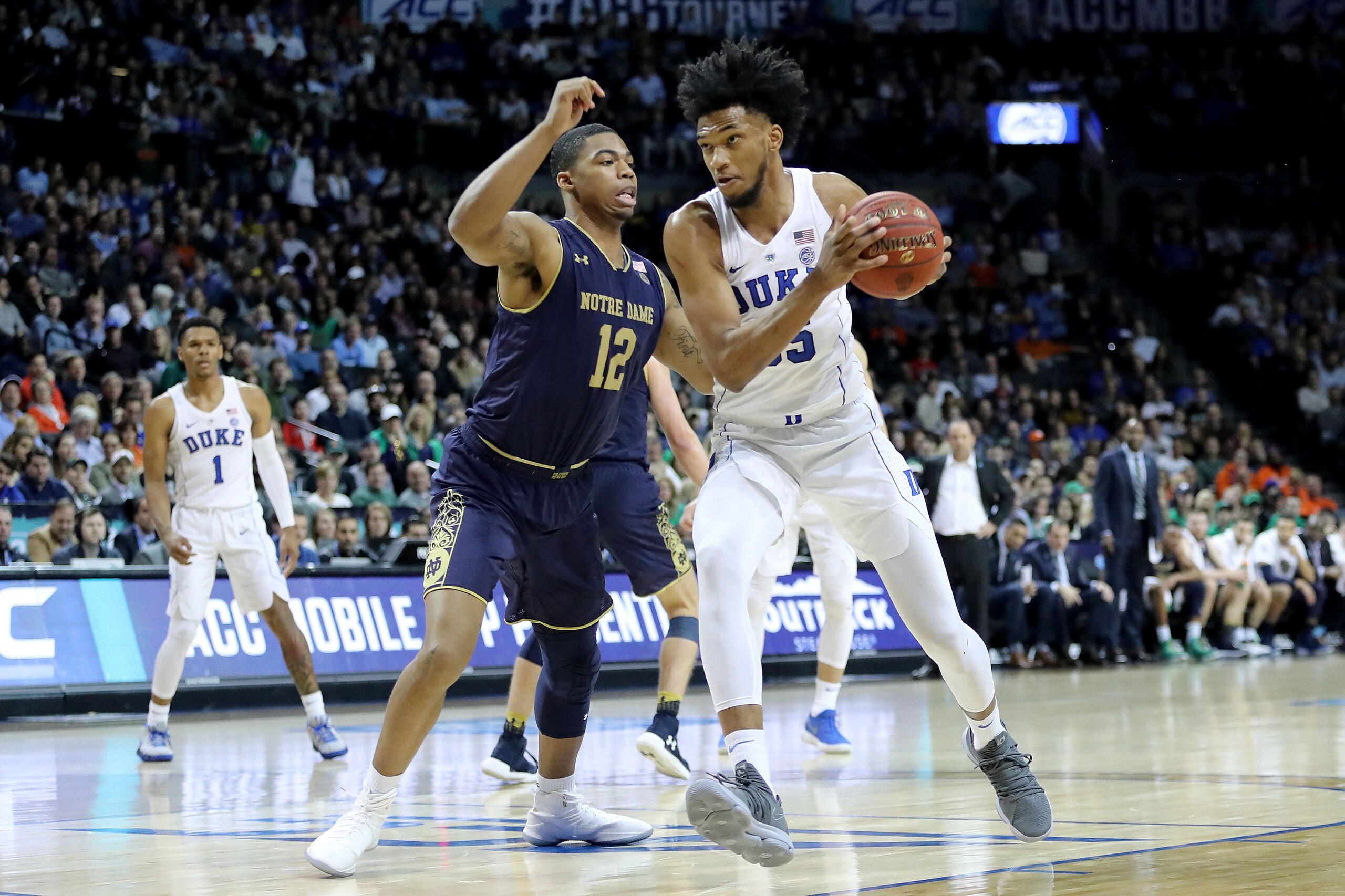
Pro comparison: Amar'e Stoudemire/Julius Randle
Marvin Bagley III possesses Amar'e Stoudemire's finishing athleticism around the basket, where he shoots 73.0 percent. Like Stoudemire, Bagley plays high above the rim and frequently puts himself in dunking position, whether it's off a cut (1.456 PPP, 91st percentile), putback (1.330 PPP, 83rd percentile) or fast break (1.162 PPP, 71st percentile).
But his skill set mirrors Julius Randle's.
Bagley doesn't have Stoudemire's shooting ability right now around the key. But like Randle, he can handle the ball, face up, beat his man and score on the move. They're both capable of making outside shots (Bagley 34.5 percent on jump shots), though defenses would prefer they settle for jumpers rather than let them pound it in down low or blow by in space.
Bagley also struggles defensively, as did Randle early in his career before improving.
Mikal Bridges (Villanova, SF, Junior)
6 of 10
Pro comparison: Otto Porter Jr.
Mikal Bridges' ceiling reflects star role-player potential in the form of Otto Porter.
They can fit into any system or lineup.
Standing 6'7", capable of playing the wing or small-ball 4, Bridges reminds some of Porter with his two-way versatility and skinny frame.
They're complementary scorers—not go-to players—who thrive off spot-up shooting and opportunistic driving. But like Porter since his freshman year in college, Bridges has improved offensively (18.0 points per game) in terms of finding different ways to make shots.
They can also guard multiple positions, thanks to their size, quickness and wingspans over 7'0".
Trae Young (Oklahoma, PG, Freshman)
7 of 10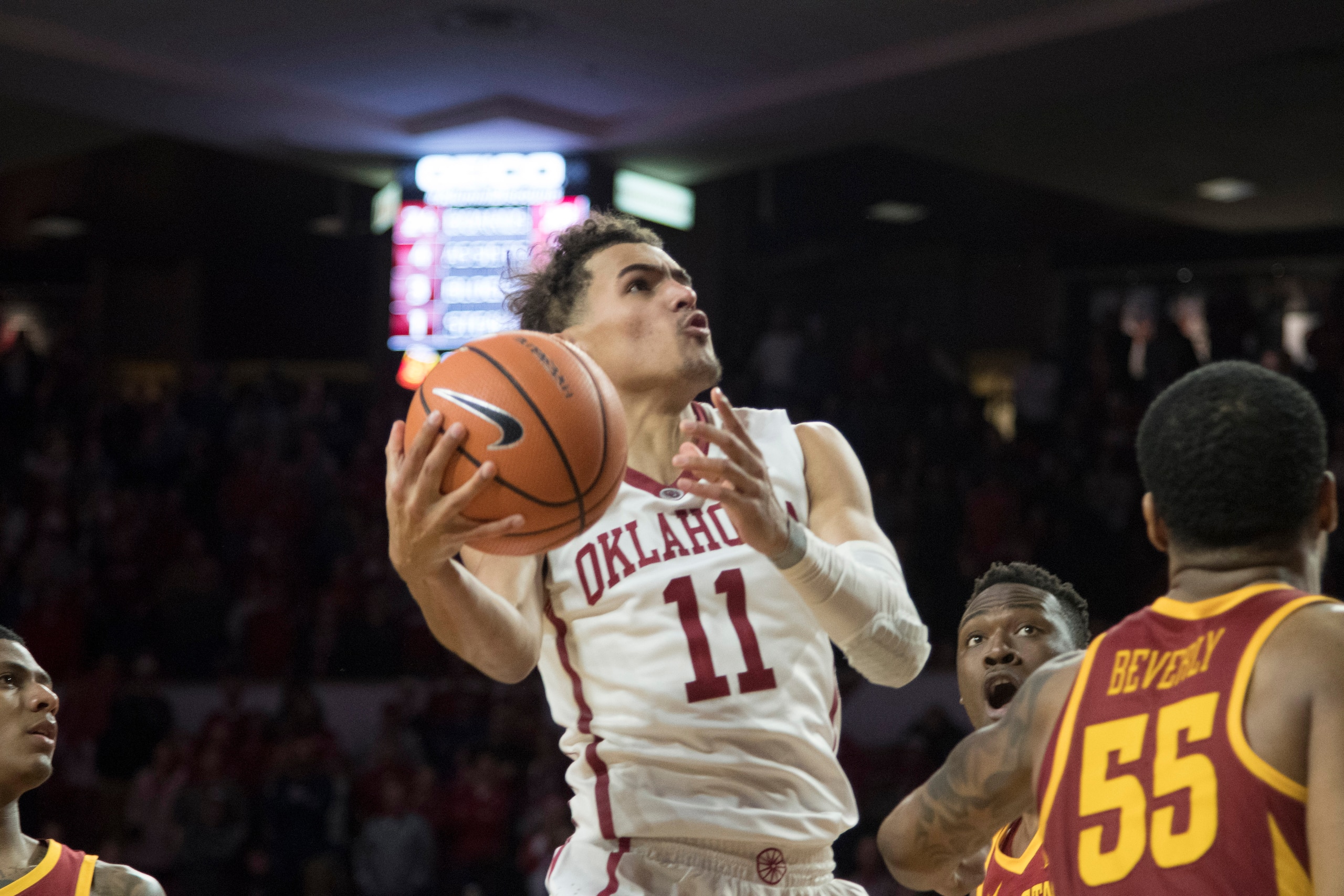
Pro comparison: Jason Williams/Isaiah Thomas
Trae Young comparisons to Stephen Curry and Steve Nash are ambitious, despite the Oklahoma star possessing many of their skills and signature shots.
A combination of Jason Williams and Isaiah Thomas is more realistic in terms of projecting ceilings.
Young has Thomas' confident scoring ability to pull up from anywhere and make contested jumpers. These are also crafty finishers in the lane with their floaters and layup packages, which helps compensate for their limited hops.
Williams was similarly willing to shoot off the dribble from deep, though it was his slick passing acumen that drives the comparison. The nation's leader in assists, Young isn't as tricky as Williams was, but he's another natural facilitator and flashy distributor who takes risks and makes both mistakes and highlight plays.
On the downside, defensive limitations will hurt Young's value, as they have with Thomas.
Wendell Carter Jr. (Duke, C, Freshman)
8 of 10
Pro comparison: Al Horford
Like Al Horford, Wendell Carter Jr. produces with tools (6'10", 259 lbs, 7'3" wingspan) and skill over athleticism.
Neither is a creative or overly threatening face-up scorer. Carter plays back-to-the-basket in the post, where he's developed an advanced over-the-shoulder game with his footwork and jump hooks.
Horford and Carter aren't considered shooters, but they also shouldn't be left open. Carter is 19-of-41 from three with promising, believable mechanics.
He'll look to follow in Horford's footsteps as a fundamentally sound, efficient power forward or center who scores out of the post, stretches the floor and rebounds at a high level.
Kevin Knox (Kentucky, SF, Freshman)
9 of 10
Pro comparison: Kelly Oubre
Like Kelly Oubre, Kevin Knox is an exciting athlete who makes his mark by shooting, slashing and getting out on the break.
They aren't the sharpest one-on-one players, but that doesn't stop them from scoring. Knox is making 1.6 three-pointers per game and averaging .974 PPP out of spot-up situations with his catch-and-shoot jumper, pull-up and floater.
Neither is a strong playmaker or rebounder, and Knox can be frustrating on defense.
His natural talent and off-ball scoring versatility ultimately remind one of Oubre's.
Collin Sexton (Alabama, PG, Freshman)
10 of 10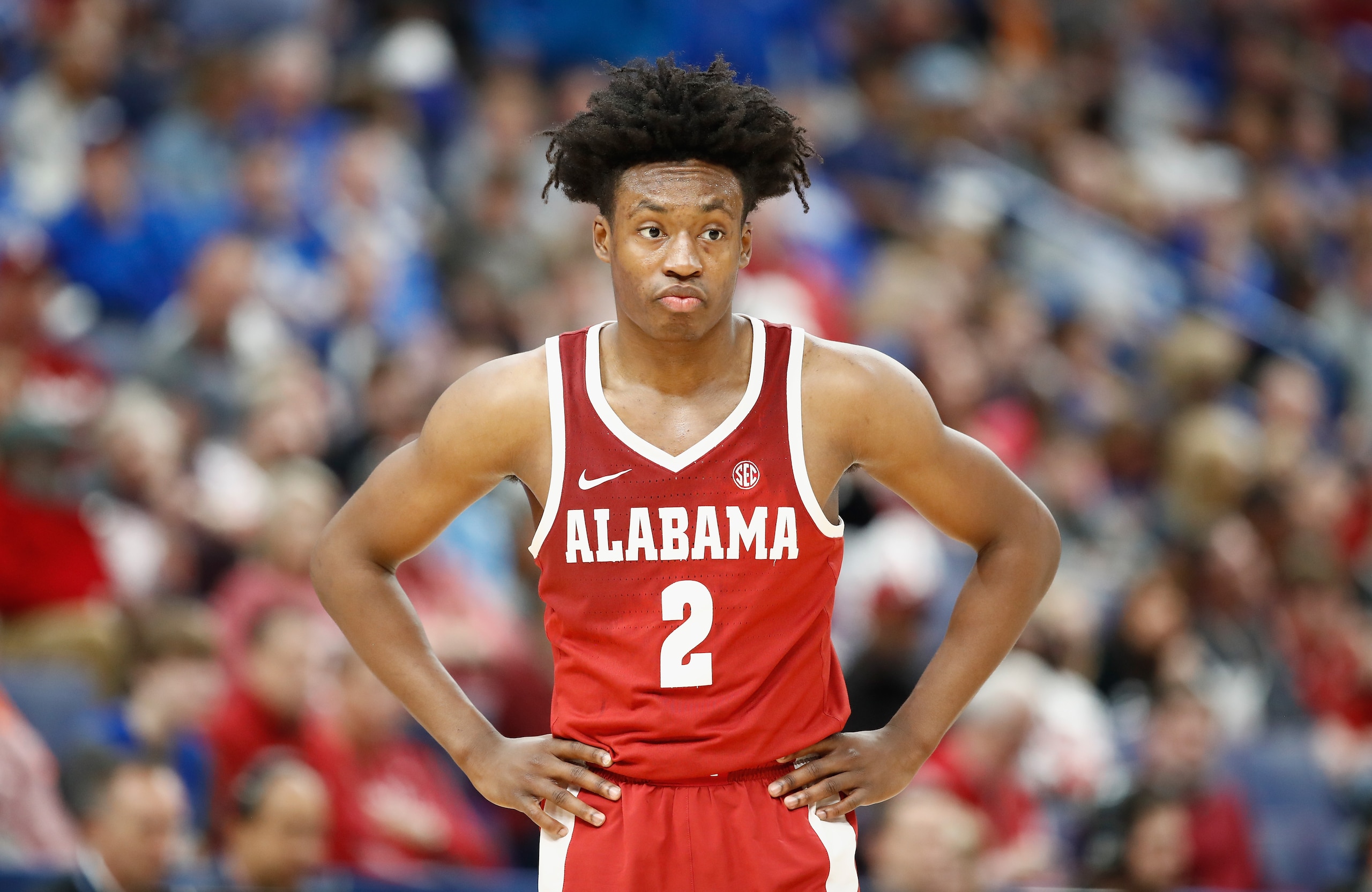
Pro comparison: Eric Bledsoe
Strong, tough and difficult to stop when attacking downhill, Collin Sexton is a lot like Eric Bledsoe.
They both put pressure on the defense with their quickness, athleticism and determination to get to the basket. And they can each connect from outside, though neither is a consistent three-point shooter.
They're also score-first, pass-second ball-handlers who both average fewer than five assists per game.
Scouts don't expect Sexton to emerge as an All-Star point guard; Bledsoe's ceiling sounds like a realistic best-case scenario.
Stats courtesy of Synergy Sports Technology unless otherwise noted.
.jpg?w=2560 "Sports Leagues Ask for Protections from Bettors' Threats (AP)")

.jpg?w=2560 "Report: Darnold Could Miss 3-6 Weeks")