
Ranking Chelsea's 10 Managers Since Jose Mourinho Was First Sacked
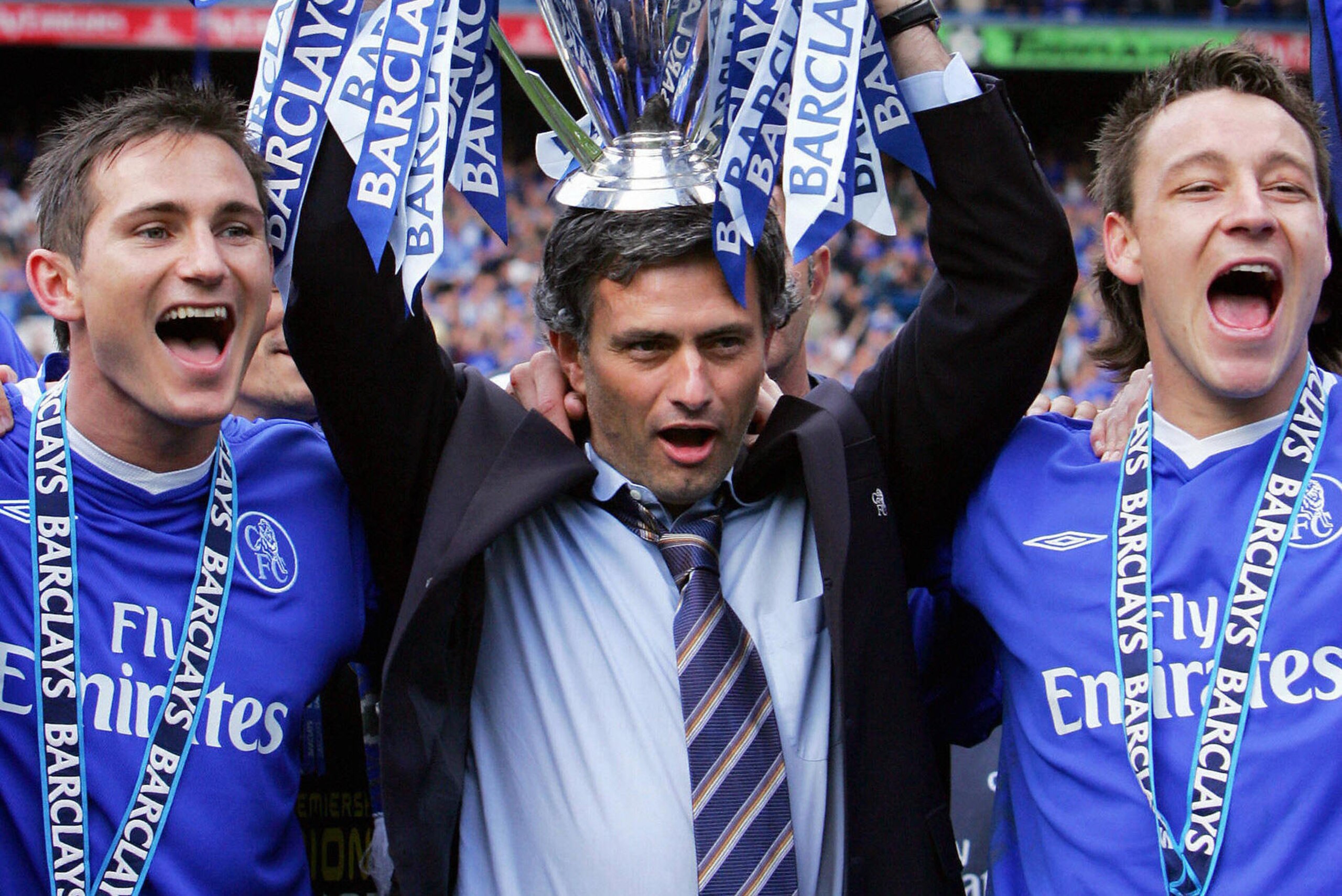
It's 10 years to the day since Jose Mourinho was first sacked as Chelsea manager.
On September 20, 2007, despite winning back-to-back Premier League titles, two League Cups and the FA Cup in just over three years, Mourinho was relieved of his duties at Stamford Bridge. It happened late that evening, with fans waking the following day to news that shocked the football world.
The decision plunged Chelsea into a temporary period of chaos, leaving the Blues without the talisman who had helped inspire a brief domination of English football.
Roman Abramovich's vast wealth was the instigator behind that success, but Mourinho was the inspiration. He set out the blueprint for all that would follow at the club, forging the spine of the side that would last right through to the club's 2012 Champions League success.
So good was Mourinho that, in the 10 years since he was first sacked by Abramovich, the Chelsea owner spent millions on hiring and firing managerial talent, trying to find a man capable of achieving what the Portuguese did.
It's been an arduous task, so much so that Abramovich even returned to Mourinho in 2013 to bring back the glory days of old, which he did...sort of.
Looking at all 10 Chelsea managers since Mourinho's 2007 departure, we rank them here in order of success, impact and their lasting legacy.
10. Luiz Felipe Scolari
1 of 10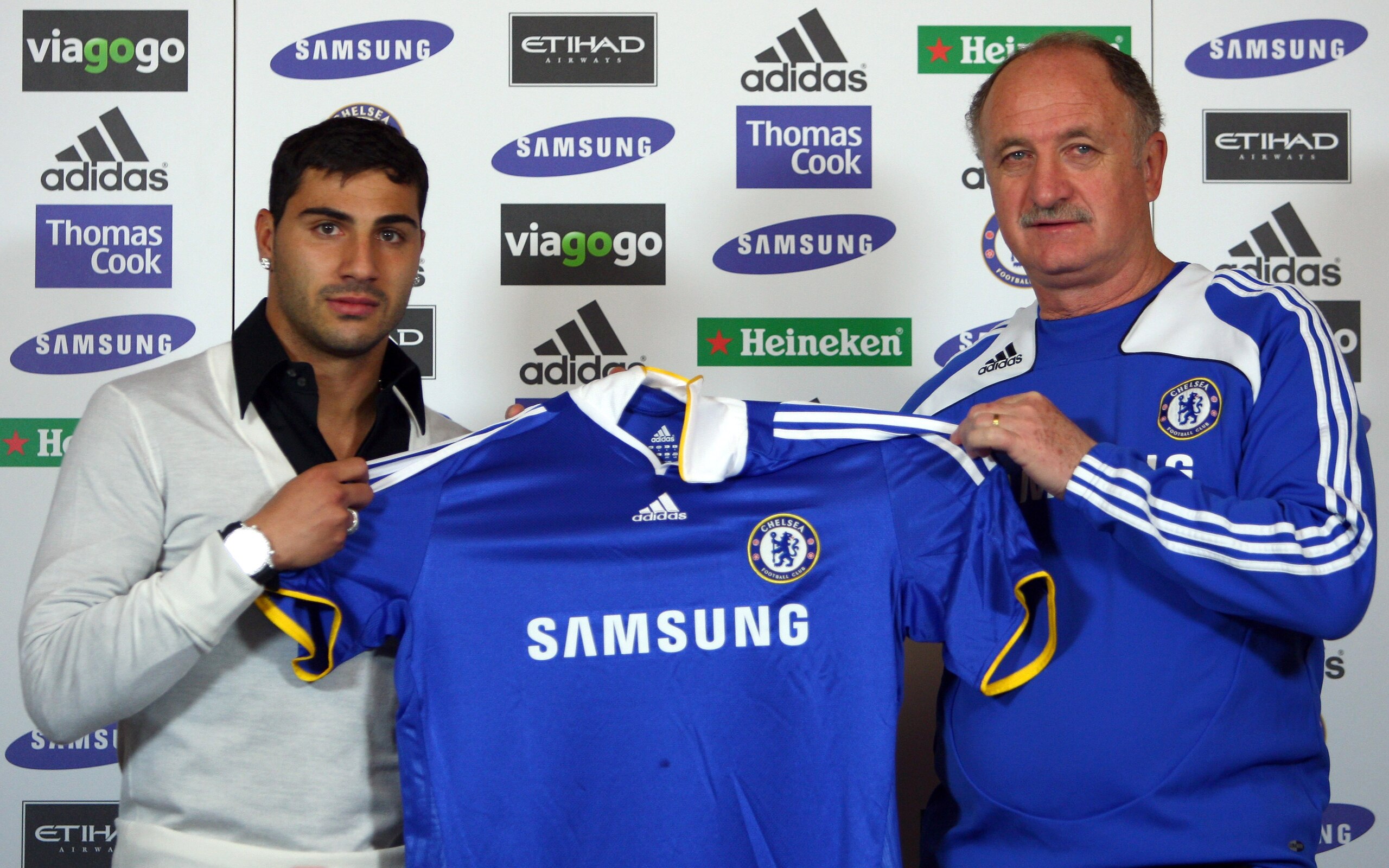
The image above tells you all you need to know about Luiz Felipe Scolari's ill-fated spell as Chelsea boss.
Signing Ricardo Quaresma in January 2009 was the height of mediocrity for the Blues. It epitomised Chelsea's errors—signing the wrong players at the wrong time.
Quaresma had failed at Barcelona and FC Porto and joined Inter Milan in 2008 only to arrive at Chelsea on loan six months later. For all his talent, he just couldn't settle and Scolari taking him added to the boss' own woes.
A World Cup winner with Brazil, Scolari's reputation ranked him high among the coaching elite, but it simply didn't happen for him at Chelsea. The Blues struggled from the off, winning just over half of their opening 22 games in all competitions.
They had to snatch last-minute draws against the likes of Stoke City at home, when before—under Mourinho—Chelsea had been dominant in west London. It was anything but what we were expecting.
The patchy results spelled out the chaos behind the scenes as Scolari's methods didn't connect with the dressing room.
Scolari was appointed on July 1, 2008, and come February 9 the following year, he was sacked after just eight months and 36 games in charge. When the Blues drew 0-0 at home to Hull City two days earlier, the writing was on the wall.
9. Andre Villas-Boas
2 of 10
Like Scolari before him, the appointment of Andre Villas-Boas as Chelsea boss in 2011 was supposed to herald a new era for Chelsea.
The Portuguese had been on the coaching staff at Stamford Bridge under Mourinho and despite being just 32 when he took the top job, his success with Porto had made him one of the hottest properties on the continent.
Villas-Boas arrived with a brief to change Chelsea's style in an attempt to make them look more like Barcelona—something Abramovich craved from his team.
The owner wanted exciting football; he wanted tiki-taka in royal blue and to dominate in England in the same way Barca were doing in La Liga.
Villas-Boas' problem was that he inherited Mourinho's team. The big characters from before were still prevalent, and he just couldn't make it work.
Playing a high defensive line with John Terry at its heart, for instance, just meant Chelsea were getting embarrassed against the biggest and best teams, notably Arsenal.
The intention was right, but Villas-Boas tried to rush through his changes. There was no patience, and he was putting square pegs into round holes. In that sense, the young manager lacked the maturity needed to tackle Chelsea's problems.
That five-year plan lasted slightly longer than Scolari's reign, totalling eight months and 40 matches in all competitions.
It was considerably underwhelming.
8. Guus Hiddink, Part 2
3 of 10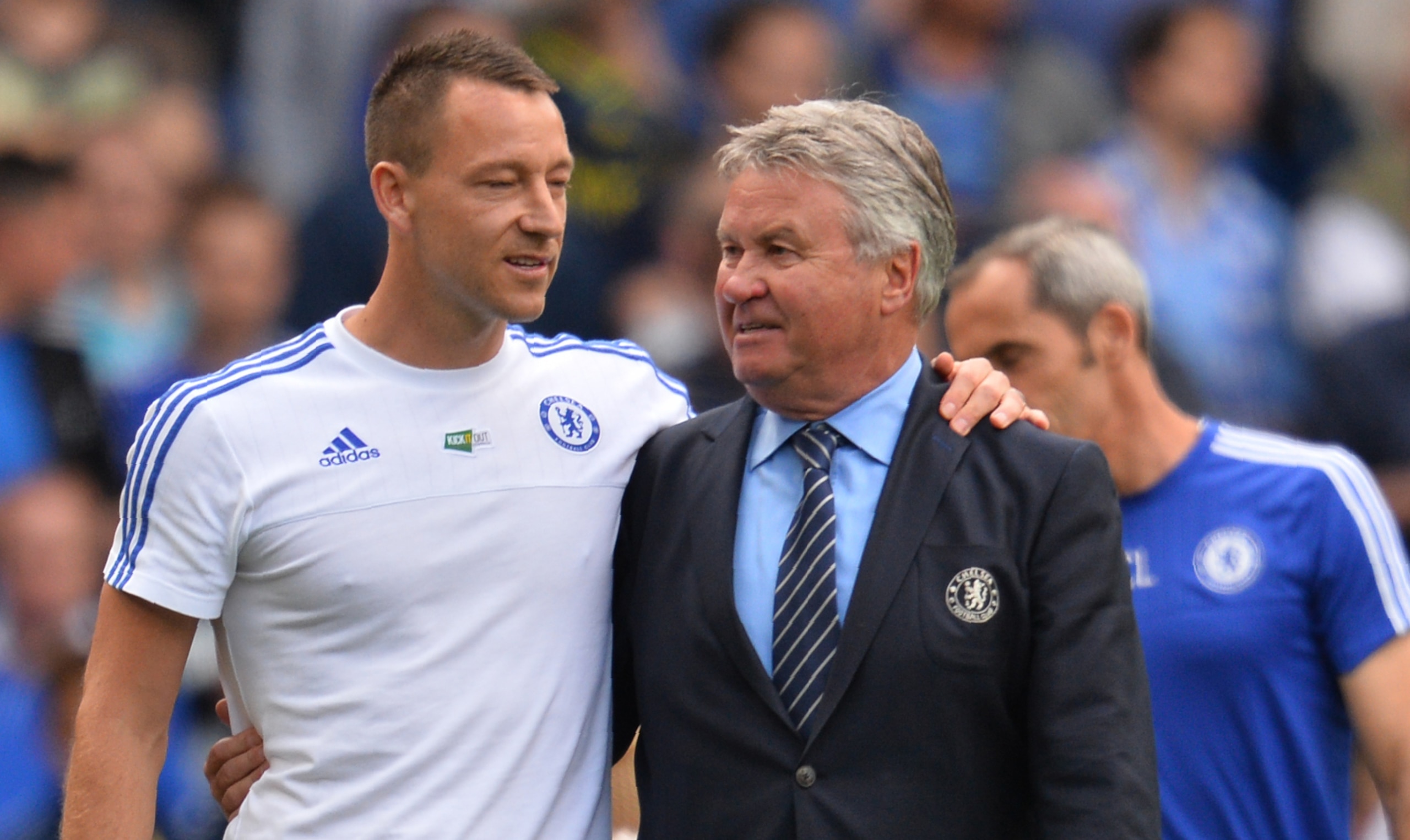
Guus Hiddink is loved in west London; Chelsea fans have fond memories of his time as interim manager at Stamford Bridge. But those memories aren't from his second spell at the club in 2015/16.
Again, the Dutchman had to step in and save the Blues in their hour of need. Mourinho had just been sacked for a second time and Chelsea needed a steady hand to navigate the choppy waters of what appeared to be a relegation scrap.
He did that and took the heat out of the situation in the early days of Mourinho's absence with his polite manner under the glare of the media spotlight. Unlike his first spell in 2009, though, the football was played without the same panache.
Chelsea were just as pedestrian as they were under Mourinho before his departure. It took the Dutchman five games to record his first home win in the league, and the Blues were beaten 4-2 on aggregate by Paris Saint-Germain in the UEFA Champions League.
Hiddink and the club just felt second best. An ageing coach leading an ageing team that was looking well past its sell-by date.
The Blues would eventually finish 10th in the Premier League, out of Europe and seemingly out of hope. It wasn't the return Hiddink was expecting.

.jpg?w=2560 "Commanders Eagles Football")
.jpg?w=2560 "Texans-Mixon Released Football")
7. Avram Grant
4 of 10
That Chelsea reached the 2008 Champions League final against Manchester United under Avram Grant means the Israeli boss' reign finished with some form of credibility when it started with very little.
He had arrived at the club in the previous summer in a technical capacity to assist with Mourinho's work, yet by September, he was in the Portuguese's office and picking the team after his sacking.
Grant's appointment was shrouded with an air of suspicion and with him being the fall guy—being the man to step in with Mourinho gone—the fans never took to him. In many ways, neither did his players.
Grant's Chelsea side had the look of Mourinho about it. He changed very little, if anything, and that led to the impression the team was picking itself. Perhaps it was a wise decision from a manager who knew Chelsea already had a strong side; yet equally, if it were the case, Blues fans were asking why Mourinho had to go at all.
Losing on penalties in the Champions League final to United was poetic in the worst possible way for Grant.
Under Mourinho, the Blues had always been good enough. They won Premier League titles, the FA Cup and League Cups. Under Grant, they became the nearly men, overshadowed by Sir Alex Ferguson's men at home and abroad.
6. Rafael Benitez
5 of 10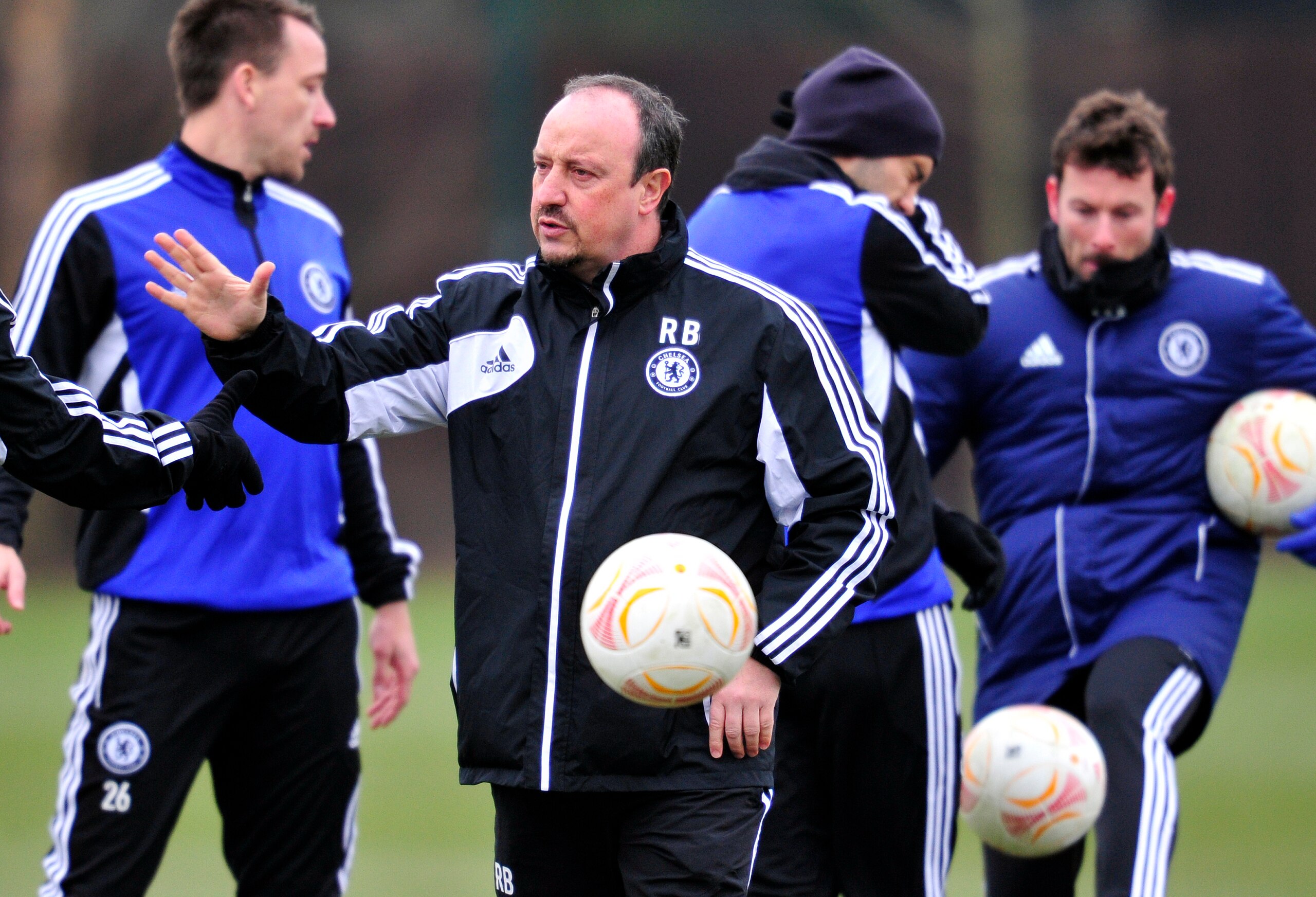
Abramovich couldn't have made a more unpopular appointment as Chelsea boss in November 2012 when he appointed Rafael Benitez.
The Spaniard had a chequered history with the Blues after his spell as Liverpool boss, and Chelsea fans reminded him of it whenever they could. So much so, he was roundly booed when he was unveiled at his first game in charge at Stamford Bridge and things hardly improved in the stands from that moment.
Benitez had replaced Roberto Di Matteo as boss, and while fans didn't warm to him, he did set about improving things on the pitch. Chelsea's form gradually got better and from being at risk of missing out on a top-four place when he arrived, Benitez did enough to ensure his side finished third in 2012/13.
Not only that, he won the UEFA Europa League title after arriving at Stamford Bridge when Chelsea had just been eliminated from the Champions League group stage to drop down into UEFA's secondary cup competition.
Benitez's problems were his relationship with Terry and Frank Lampard. He dropped the pair at times and came close to ending their Chelsea careers, which took the shine off what he achieved.
It wasn't perfect, but the Spaniard did the the job he was employed to do before his departure at the end of the season.
5. Roberto Di Matteo
6 of 10
There's much to say about Roberto Di Matteo's reign as Chelsea boss.
Appointed in March 2012, he was sacked before Christmas and replaced by Benitez. Chelsea finished sixth in the Premier League in 2011/12 and when he departed, the Blues were still struggling on home soil as well as being knocked out of the Champions League group stage.
That's not his legacy, though. Di Matteo will be remembered for Munich 2012 when he led the Blues to Champions League success as interim manager. Under his guiding hand, they became the first and only London club to win the European Cup.
Whatever happened before or after that—not matter how disjointed and inconsistent Chelsea were under him—remains irrelevant.
4. Guus Hiddink, Part 1
7 of 10
Remember Scolari, who we've ranked last in this list? Well, the man charged with cleaning up his mess in February 2009 was Hiddink.
When the Dutchman returned to Chelsea in 2015, expectations were high because of what he achieved in 2009. He not only got Chelsea winning again, he also laid the foundations that would win the Premier League a year later.
Had it not been for the performance of referee Tom Henning Ovrebo in the Champions League semi-final against Barcelona, he may have led Chelsea to their first European Cup success, too. Instead, he had to settle for just the FA Cup in the four months he spent in west London.
Hiddink inherited many problems in the Chelsea dressing room, but he overcame them by restoring the natural order of things. By doing that, he won the respect of his failing players and made them deliver on their reputations.
It was a remarkable turnaround that meant whoever took over on a permanent basis from him had an easier job than he did when he stepped into the breach.
Hiddink was the restoration man Chelsea needed when they were crumbling. He lost just once in 22 games and left an indelible mark on the club.
3. Jose Mourinho
8 of 10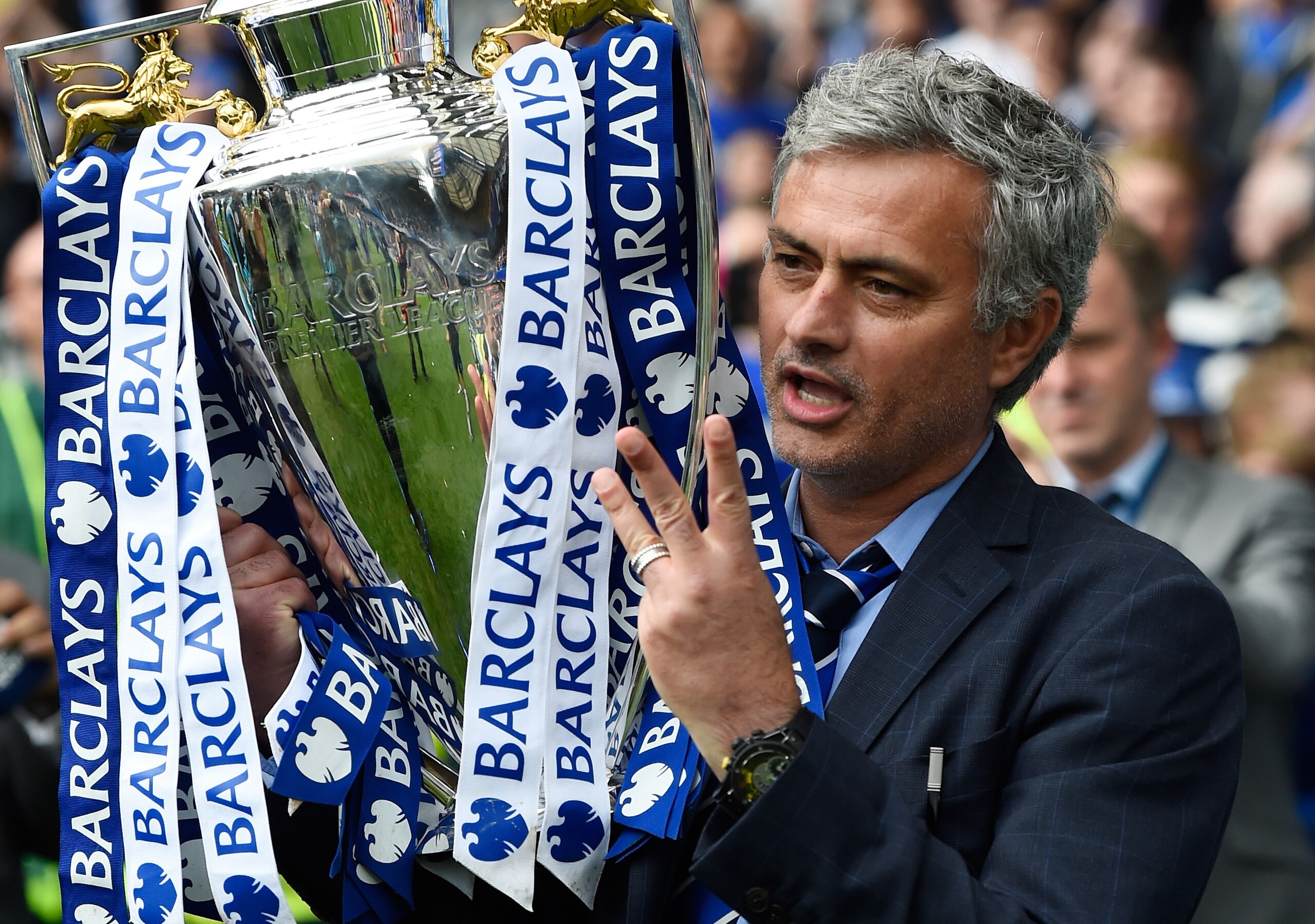
Aside from Hiddink, Abramovich has only appointed one other manager twice—Mourinho.
His return in 2013 was the homecoming fans had craved since his initial departure in 2007. While Mourinho had been winning titles with Inter Milan and Real Madrid, Chelsea's fortunes had been up and down with the view that only he could restore the glory days.
The club was in a transition, though, and Mourinho's first season saw them finish third behind Liverpool and champions Manchester City. Reaching a Champions League semi-final hinted at more and Chelsea got that when they won the title the following season.
It was remarkable how they did it, leading the table for all 38 weeks of the season. No other club has done it before or since.
But there was a storm brewing, as there often is with Mourinho. By December, the Premier League-winning manager was sacked amid reports of dressing room unrest.
It created a bad taste, splitting the fanbase of those who still worshiped him and those who wanted him gone.
Mourinho left Chelsea in a worse place in 2015 than he did in 2007, too. There was no spine or backbone to his side and the future didn't look as rosy as it had in years gone by.
"Never go back," goes the saying. Mourinho and Chelsea are probably wishing he never had as it shouldn't have ended under such circumstances. Not again.
2. Antonio Conte
9 of 10
We get the feeling this ranking will change by the end of the season. Antonio Conte is only second on this list because of time and, right now, it isn't his friend where rankings are concerned.
The Italian took over Chelsea when they were at their lowest ebb under Abramovich. They were no longer in Europe, had just finished mid-table and it seemed the only way was backwards for a club that had been so influential in the past decade.
So, to not only get them back on an upward trajectory but also return them to the top of English football in less than a year, was simply remarkable for Conte. His achievement in winning the Premier League is probably the best title success the Blues have enjoyed given the circumstances of everything before.
In 2017/18, he is pushing the same agenda and making the club relevant again. Conte has put Chelsea in among the Premier League's best at a time when one bad decision could have seen them fade away as others have done before—think Liverpool in the 1990s.
Appointing him was a stroke of genius—as it was for the man who tops our rankings.
1. Carlo Ancelotti
10 of 10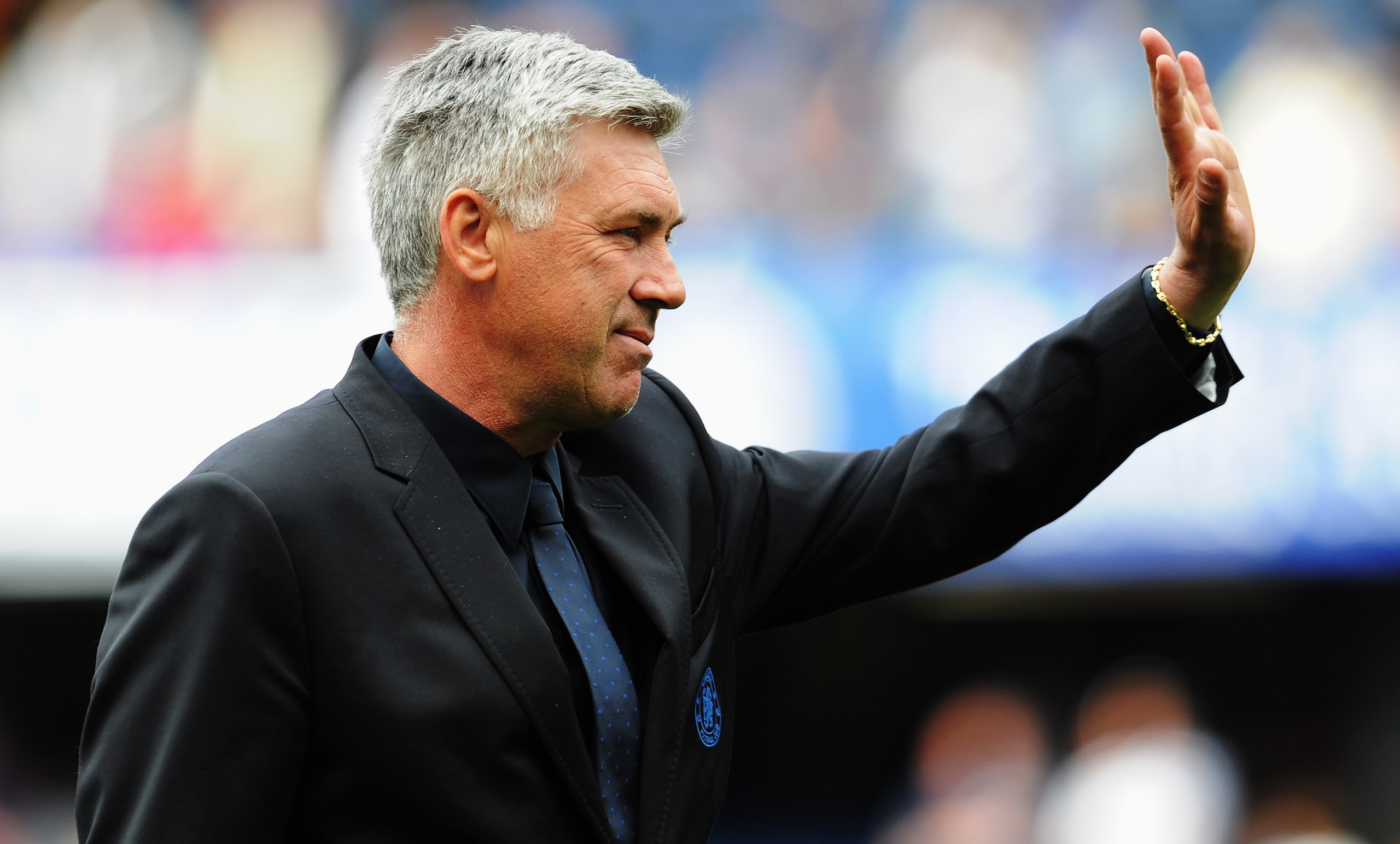
From one Italian manager to another, Carlo Ancelotti just pips Conte to top spot on account of his first season at Stamford Bridge.
Like Conte, who broke records en route to winning the Premier League in 2017, Ancelotti did things nobody before him had: He won the league-and-cup Double with the Blues.
Conte came within one game of repeating that success last season, so winning it the way he did in 2010 just outlines the genius of Ancelotti.
Chelsea hadn't been champions in three years. The Premier League was being dominated by Manchester United, and the Blues—despite heavy investment—were lagging. After years of bad appointments, Ancelotti put them back on top.
And he did so in style, winning the Premier League with a record goals haul of 103. No team had scored more than a ton before that.
That goals return outlines just how exciting Ancelotti's side was. Chelsea played with a freedom not seen since Mourinho's side of 2004/05, combining the talents of Lampard, Didier Drogba and Nicolas Anelka to good effect.
There was an effervescence about Chelsea under Ancelotti. Only Conte has come close to matching that, despite Mourinho's success in 2015.


.jpg?w=2560 "Mahomes' Wife Trolls Kubiak 💀")