
Upgrade or Downgrade: Comparing the 2026 USMNT World Cup Squad to 2022
The 2022 FIFA World Cup was supposed to be just the beginning for a generation of talented American players, with the 2026 tournament potentially representing a peak moment in the United States men's national team program.
Four messy years later, it's not entirely clear whether the program has made real steps forward since exiting the 2022 tournament in the round of 16.
Between the ugly scandal involving the families of 2022 manager Gregg Berhalter and now two-time World Cup midfielder Gio Reyna, an embarrassing exit from the 2024 Copa America at the group stage, and the at-times haphazard transition to Mauricio Pochettino, the 2026 cycle has been marked by anxiety.
All that said, the true definition of progress will be measured by how the team performs in June and hopefully July. And now that we know Pochettino's 26-man roster, we can begin to evaluate whether this group is better suited to reach just the nation's second quarterfinal in the program's modern era.
Here's how the 2022 and 2026 squads stack up, breaking it down by position, coaching and group draw.
Goalkeepers
1 of 6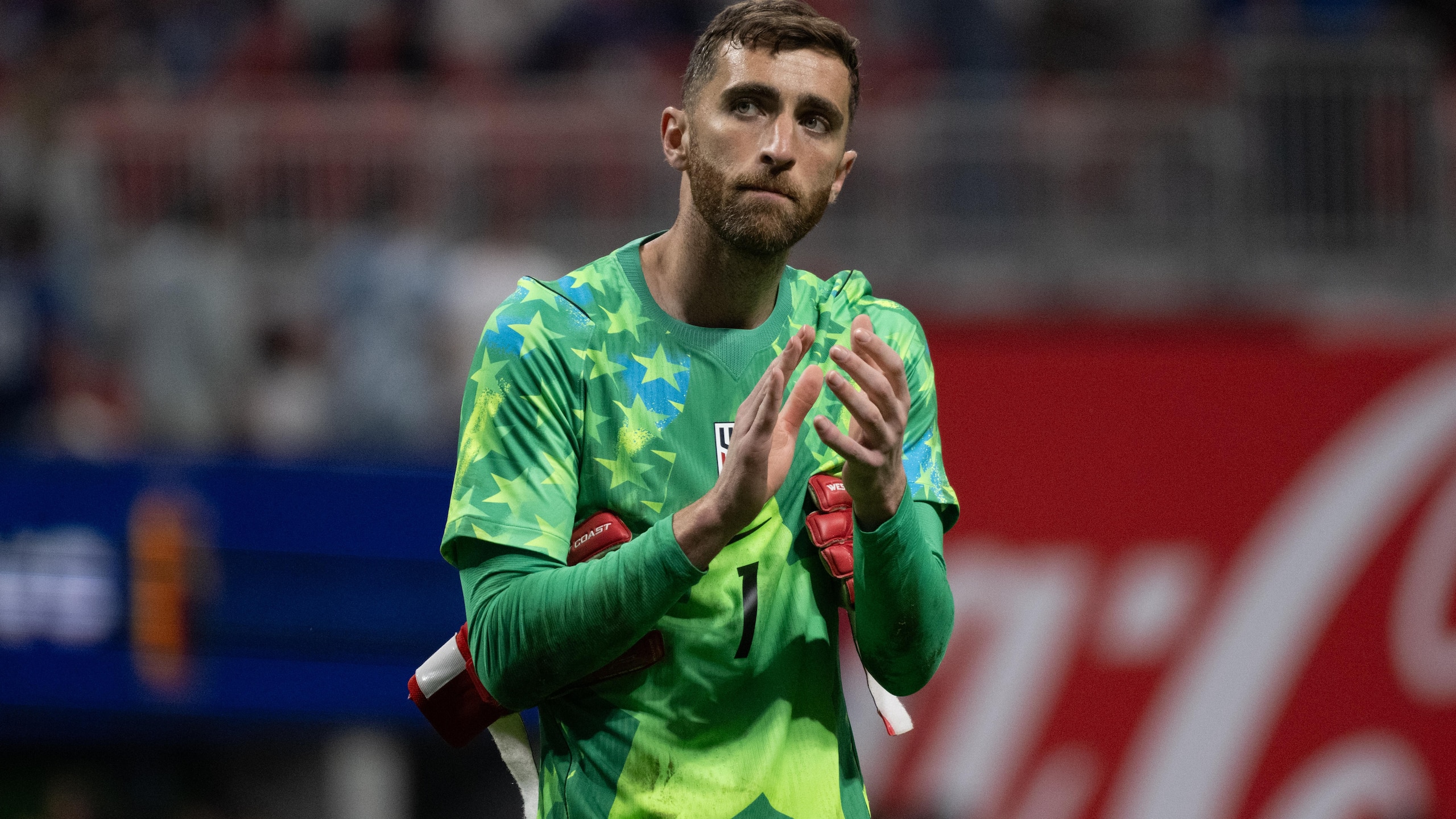
2022: Ethan Horvath, Sean Johnson, Matt Turner
2026: Chris Brady, Matt Freese, Matt Turner
Given that goalkeepers generally enjoy longer careers than outfield players, it's a little surprising that Turner is the only carryover from the 2022 group, and even more so that the 31-year-old appears to have lost his No. 1 place to Matt Freese during the Pochettino era.
But in 2022, Turner was playing his way into a move to Europe, thanks to his excellent form with the New England Revolution. In 2026, he was coming back across the Atlantic after his stint with Nottingham Forest went sideways and a move to Ligue 1 fell through.
Meanwhile, Freese seized the No. 1 honors during his time at the 2025 Concacaf Gold Cup, which included some penalty-kick heroics and a run to the final with a mostly MLS-based squad. But he arguably has also been in worse form in 2026 than in 2025 with New York City FC, and he has no career experience anywhere close to the visibility the World Cup brings.
While there remains potential within this group, it might be the area of greatest concern for Pochettino in 2026, and, until proved otherwise, one that has taken a step backward from 2022.
Verdict: Downgrade
Defenders
2 of 6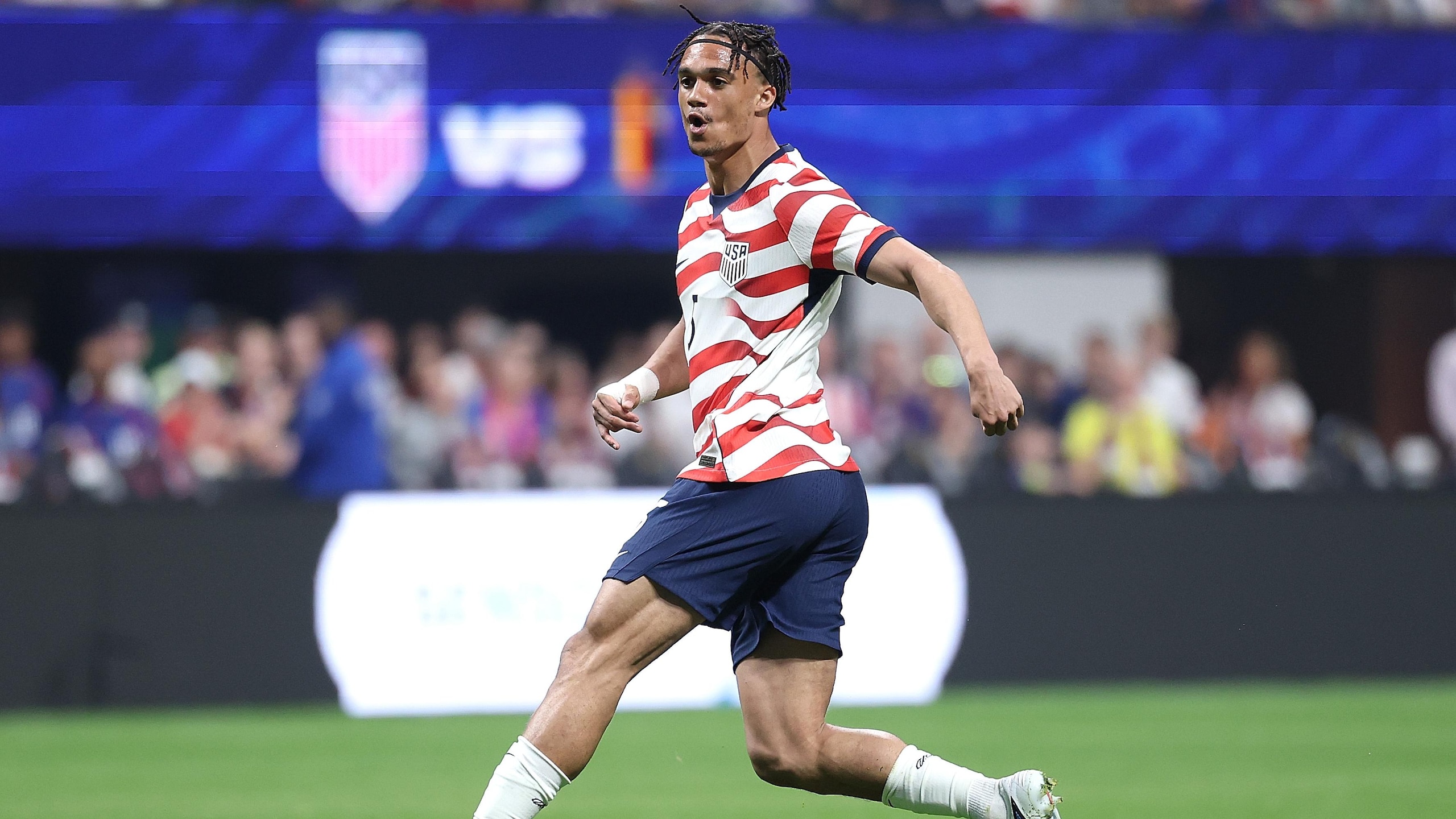
2022: Cameron Carter-Vickers, Sergiño Dest, Aaron Long, Shaq Moore, Tim Ream, Antonee Robinson, DeAndre Yedlin, Walker Zimmerman
2026: Max Arfsten, Sergiño Dest, Alex Freeman, Mark McKenzie, Tim Ream, Chris Richards, Antonee Robinson, Miles Robinson, Joe Scally, Auston Trusty
Dest, Ream, and Robinson are the only carryovers in this group, and that's probably a good thing. Despite questions about how Pochettino's backline will be set up, it's hard to deny that the 2026 defensive group's talent and depth are a solid step forward from the 2022 side in terms of pure talent.
Crystal Palace's Chris Richards is a better center back than anyone on the 2022 team. The 2026 version of Antonee Robinson has grown into one of the premier left backs on earth, so long as he's fit. And there's undeniably more depth and flexibility at outside back with the emergence of Alex Freeman and Max Arfsten.
The weakness is center-back depth, where there's a clear drop-off after Richards. Ream still brings quality, but he's not as complete a defender in his late 30s as he was four years prior. There's not a lot that differentiates Scally and Trusty, and Miles Robinson probably only fits in a three-center-back setup.
That's still a better situation than the Americans had in 2022.
Verdict: Upgrade
Midfielders
3 of 6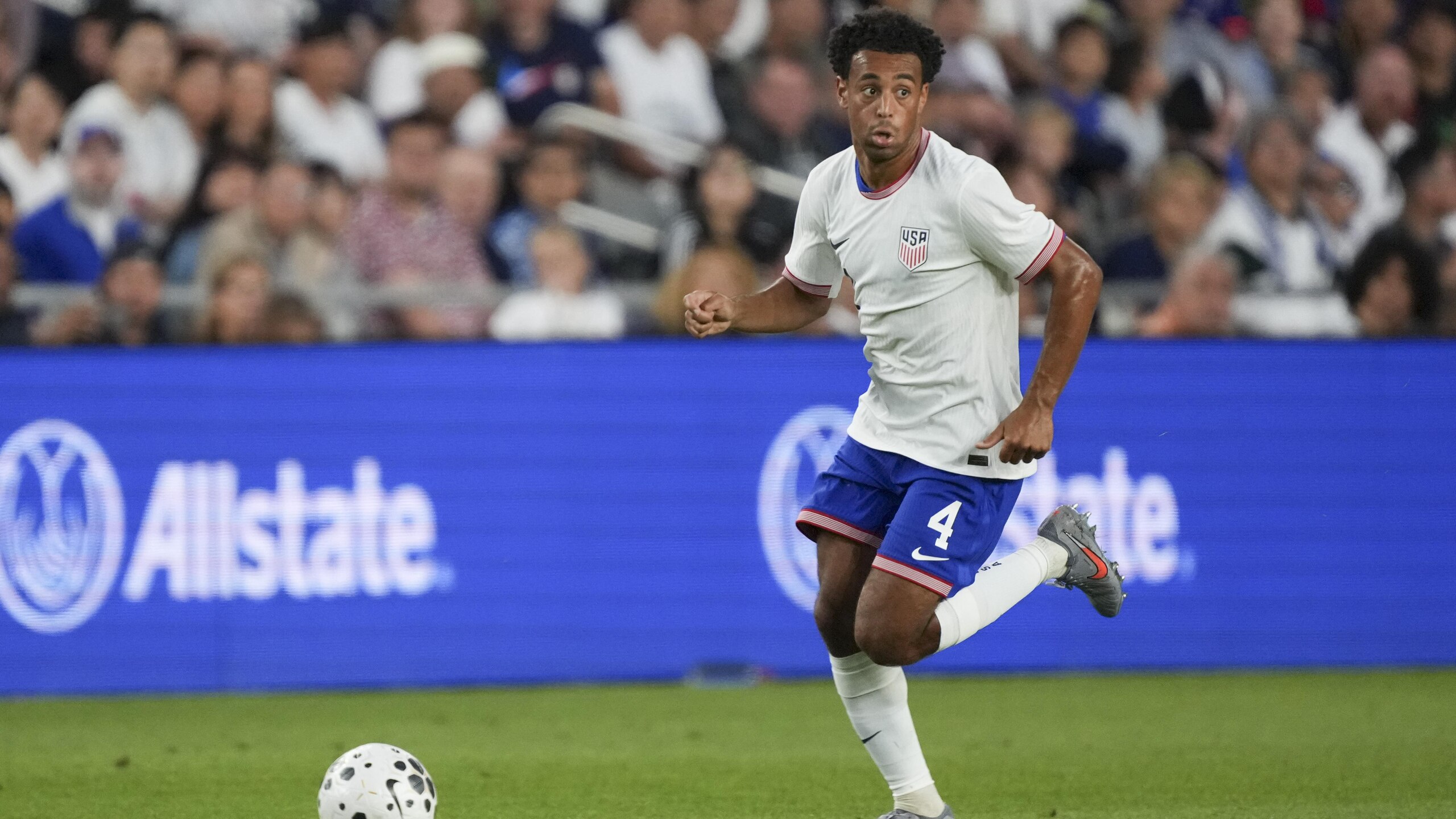
2022: Brenden Aaronson, Kellyn Acosta, Tyler Adams, Luca de la Torre, Weston McKennie, Yunus Musah, Christian Pulisic, Gio Reyna, Cristian Roldan
2026: Tyler Adams, Sebastian Berhalter, Weston McKennie, Gio Reyna, Cristian Roldan, Malik Tillman
The reduction in numbers is the obvious starting point, which—since two of the 2022 members are listed as forwards in 2026—is more indicative of possible tactics than of relative quality.
If Pulisic and Aaronson are listed as forwards now, it suggests this is a squad built to play out of a 3-4-3, where half the listed midfielders are actually wingbacks and half the front line functions as two attacking midfielders behind a striker.
Even so, there's a glaring absence of defensive midfield depth behind Tyler Adams, who remains excellent in the No. 6 role but also has a history of injuries and could be vulnerable to yellow-card suspension.
That said, McKennie in 2026 form is a step up from his 2022 version, and Malik Tillman offers more than his 2022 equivalent. So while there are concerns, it's not a definitive step backward.
Verdict: Even
Forwards
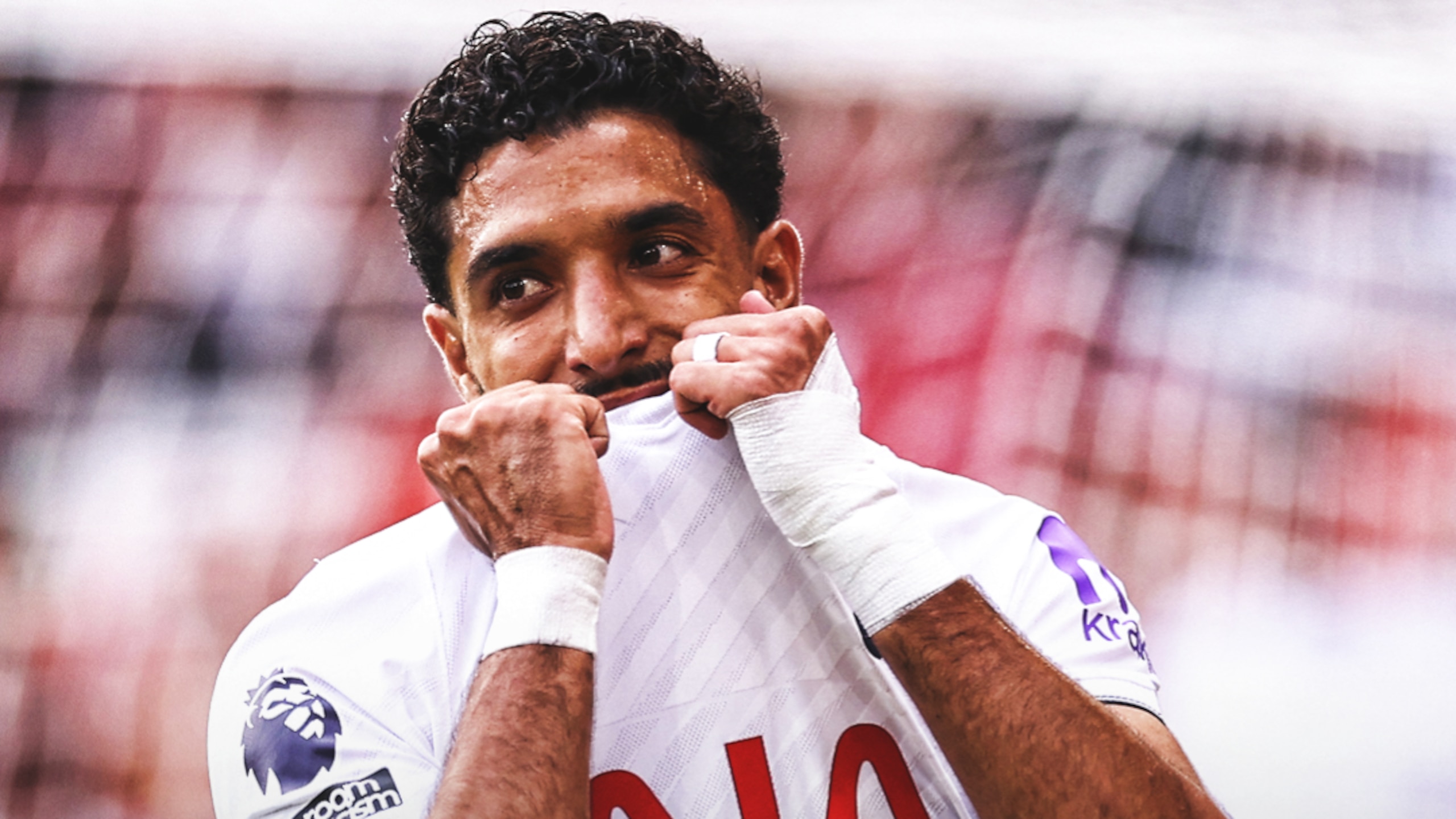
4 of 6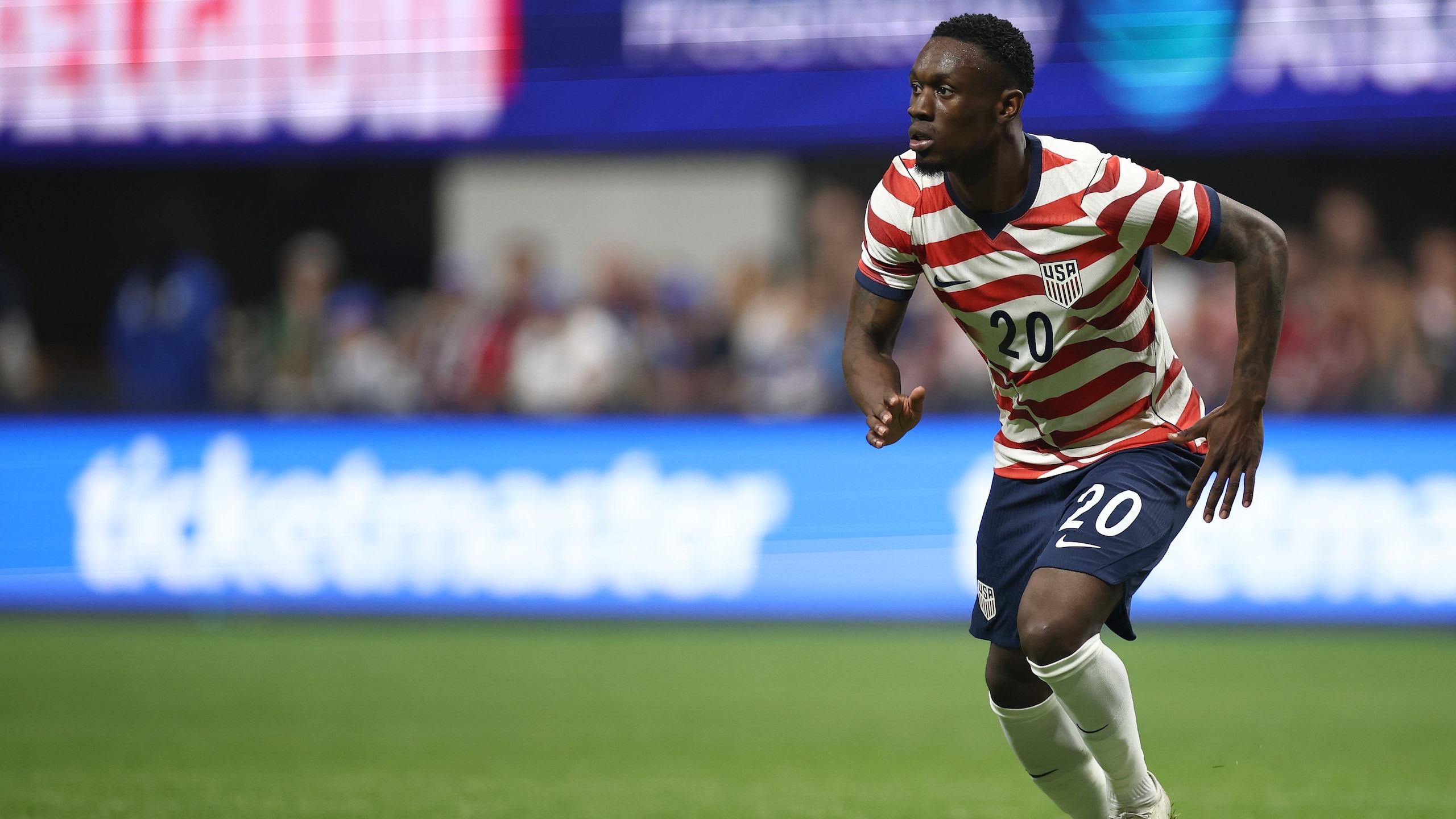
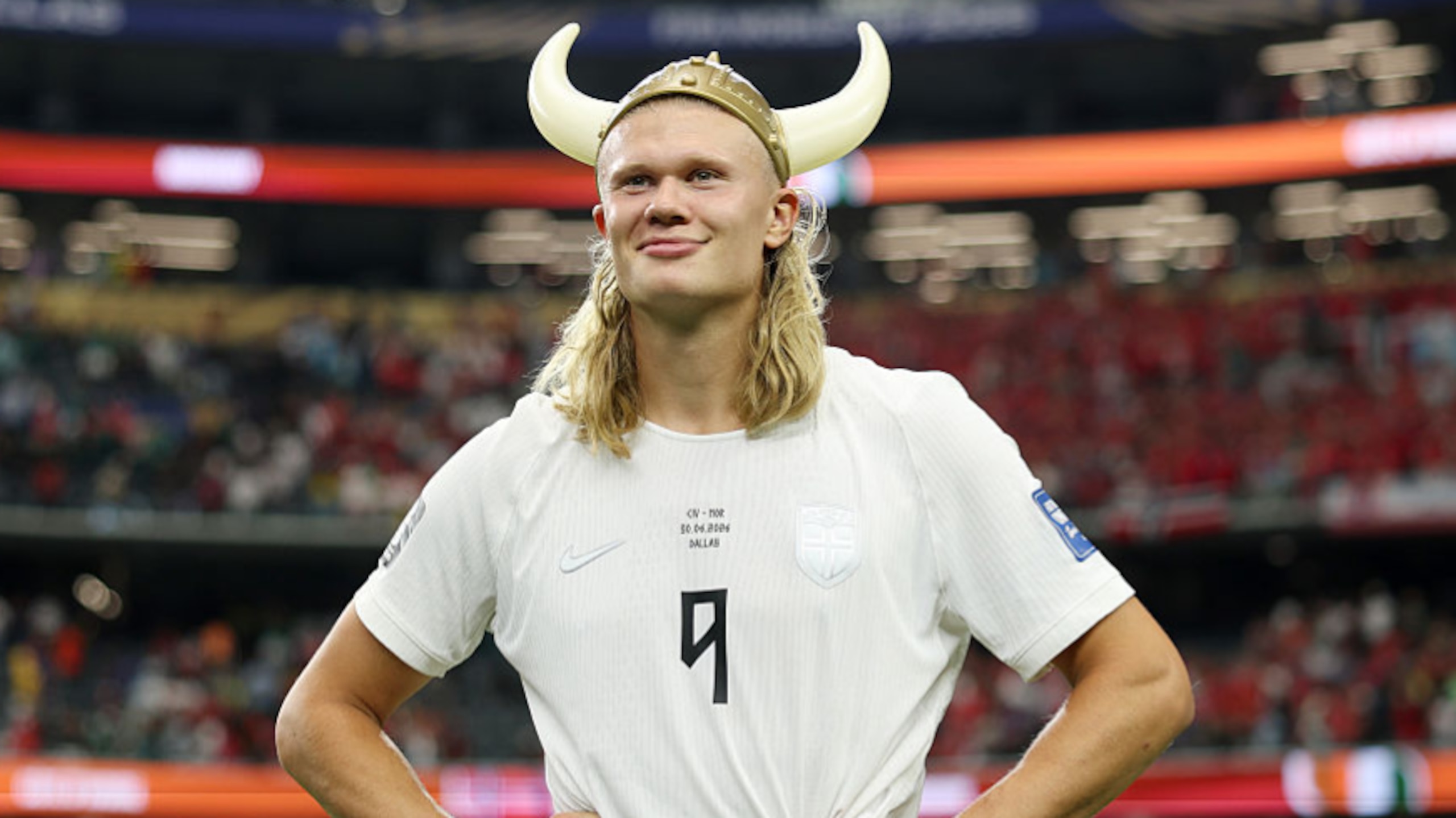
2022: Jesus Ferreira, Jordan Morris, Josh Sargent, Tim Weah, Haji Wright
2026: Brenden Aaronson, Folarin Balogun, Ricardo Pepi, Christian Pulisic, Tim Weah, Haji Wright, Alex Zendejas
The presence of Pulisic and Aaronson—both considered midfielders on the 2022 squad—adds bulk to the 2026 contingent. But let's discard them for a moment and look primarily at the trio of potential center forwards in Folarin Balogun, Ricardo Pepi and Haji Wright.
This is undeniably the single position of greatest growth since 2022. Berhalter had domestically-based strikers who weren't even lighting up MLS by the time the World Cup came around.
Pochettino has one striker who scored five UEFA Champions League goals this season (Balogun), another who has averaged more than a goal per 90 minutes for his entire Eredivisie career (Pepi) and a third (Haji) who was essential in Coventry City's successful quest for promotion to the Premier League.
Pepi and Wright haven't exactly replicated that level of productivity in their national team careers, but they haven't had many chances and arguably have never entered a tournament in better form.
That's no guarantee. But if you're using 2022 for comparison, this group of strikers is in a much better spot.
Verdict: Upgrade
Manager
5 of 6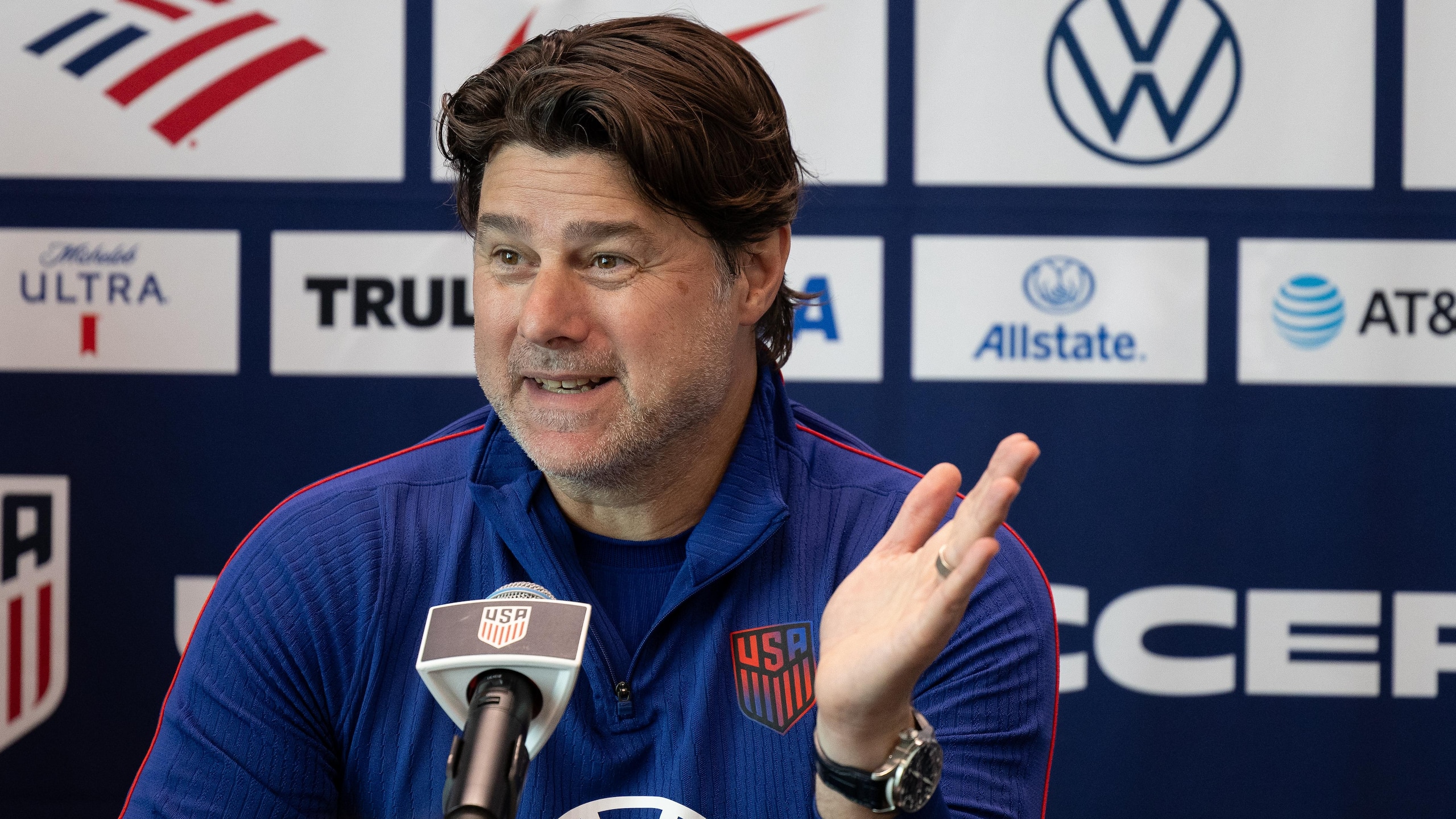
2022: Gregg Berhalter
2026: Mauricio Pochettino
One has famously steered Tottenham Hotspur, Paris Saint-Germain and Chelsea. The other's CV includes the Columbus Crew and the Chicago Fire. And yet it's not a guarantee that Pochettino will be a better World Cup manager than Berhalter.
The concern is not that Pochettino, at his best, is not an upgrade, but whether he will really be at his best. From the beginning, there have been questions about the Argentine's motivation for taking the job, and his willingness, during his USMNT tenure, to discuss his time at (and affection for) Tottenham in particular has not allayed those fears.
Some of the rumors of his next destination are part and parcel of hiring anyone with his cult of personality. Some of it is also human nature. It's not reasonable to ask any manager with Pochettino's experience to view the U.S. job with the same reverence that an experienced, far less traveled American coach would.
That said, Pochettino's lack of concern for outside noise should also free him from listening to the at-times toxic dialogue around the USMNT. That should lead to a clearer head and better decisions in the heat of the moment.
Verdict: Upgrade
Group-Stage Difficulty
6 of 6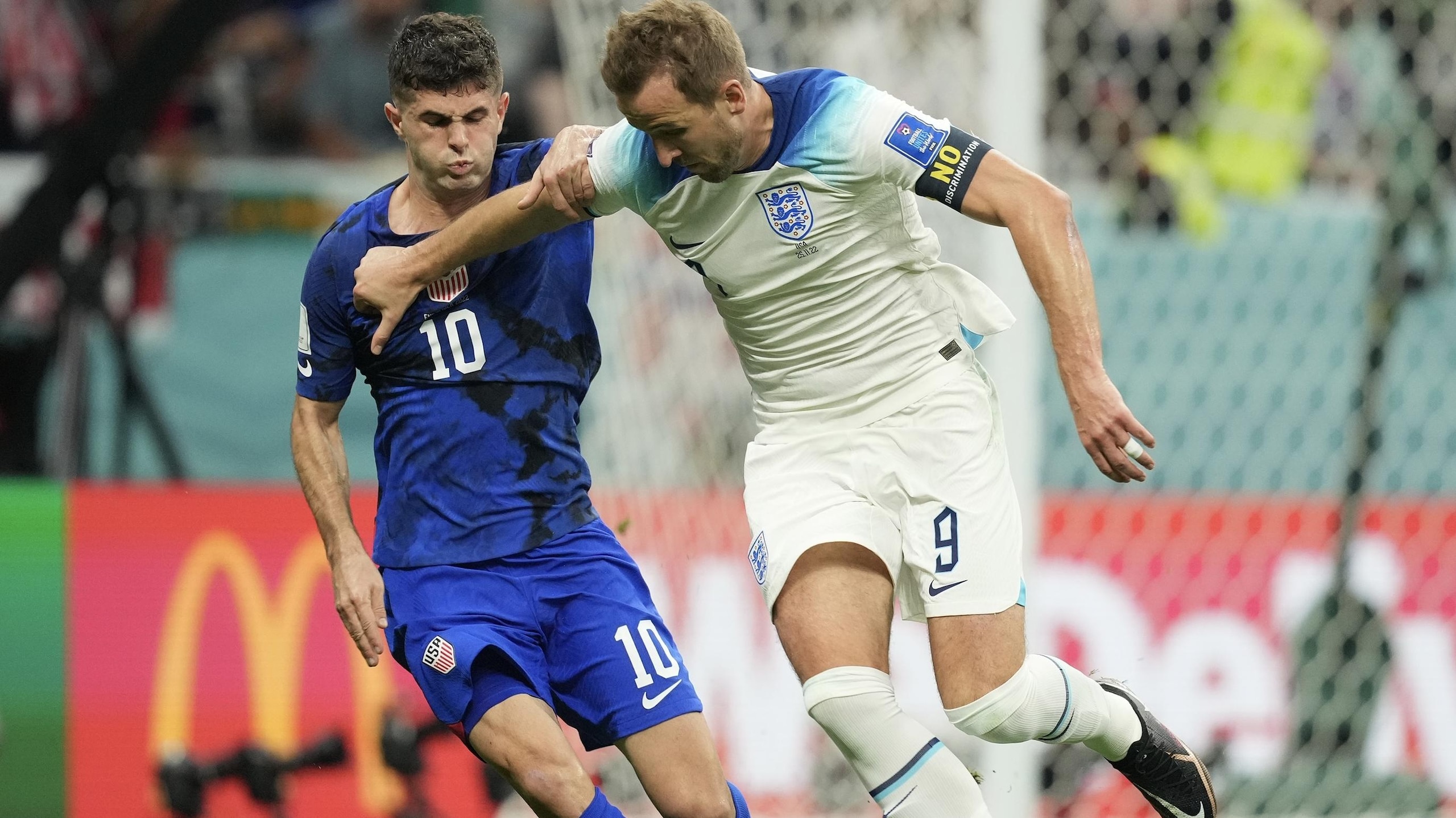
2022: Wales, England, Iran
2026: Paraguay, Australia, Turkey
In comparative terms, the United States clearly drew a far more difficult group than average in 2026. The Americans' foursome in 2026 has the highest average world ranking of any group at the tournament.
Yet in absolute terms, getting out of the group in 2026 should be a much more straightforward task, not because of relative group quality but because of the overarching change in tournament format.
With 48 teams, even a difficult four-team group at the World Cup is a lot easier than your run-of-the-mill foursome back when it was a 32-team event. Paraguay, Australia and Turkey deserve respect, but the Americans will not face an opponent where they are a decided underdog, as they were against England in 2022.
The process of getting out of the group is also more forgiving in 2026; the eight best third-place finishers will advance, in addition to the 24 teams that finish first or second. And home-field advantage is real -- just ask oddsmakers, who often consider soccer the strongest home-field advantage team sport.
No opponent should be taken lightly in 2026. But every game is winnable. That probably wasn't the case in 2022, when the Yanks were deeply satisfied following their 0-0 draw with the Three Lions.
Verdict: Upgrade