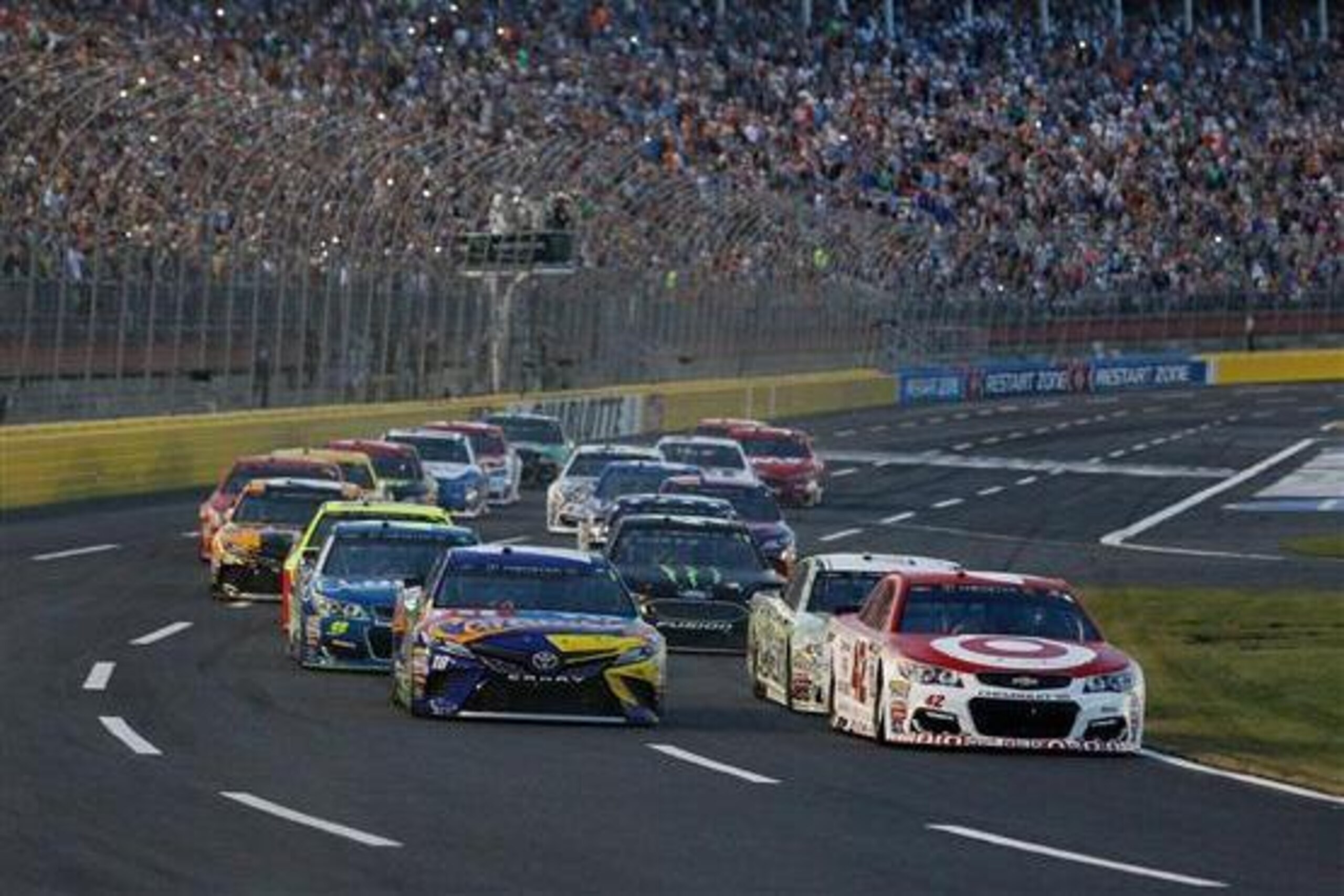

7 Changes NASCAR Has Made to Make the Sport Safer
When the National Association for Stock Car Auto Racing (NASCAR) was organized in Daytona Beach, Florida, on December 14, 1947, safety was one of the crucial topics as the organization's founder, William H.G. France, attempted to unify and standardize the sport.
NASCAR mandated the use of seatbelts by all competitors. That seems like the most minimum of requirements imaginable, but in those days, using belts was a matter of some dispute. Many drivers in open-wheeled racing believed it was safer to be thrown free of a crashing race car than to risk being crushed by it or consumed in flames.
In the beginning—the forerunner of what is now the Monster Energy NASCAR Cup Series began as the Strictly Stock division of 1949—the crash helmets required offered little more protection than leather football helmets. Seatbelts were just wrapped around a driver's midsection and attached to the frame or seat.
As speeds increased, so too did danger.
Today, drivers wear uniforms designed to protect them from fire and drive cars engineered to protect them. When they crash, they hit cushioned walls. They are protected by seven-point harnesses once known as seatbelts. They are kept aware of conditions around them via radio contact with spotters situated high above the tracks. Drivers once sat in cockpits that differed from passenger cars only with rudimentary roll bars. Now they sit in protected cocoons.
Danger cannot be completely eliminated. Serious injuries, though, are relatively rare nowadays. Two current NASCAR priorities are preventing and treating concussions and protecting drivers from back injuries. Safety is a moving target, and tragedies from the past have served to make the sport's governing body vigilant in instituting further advances and reforms.
Evolution of the Race Cars
1 of 7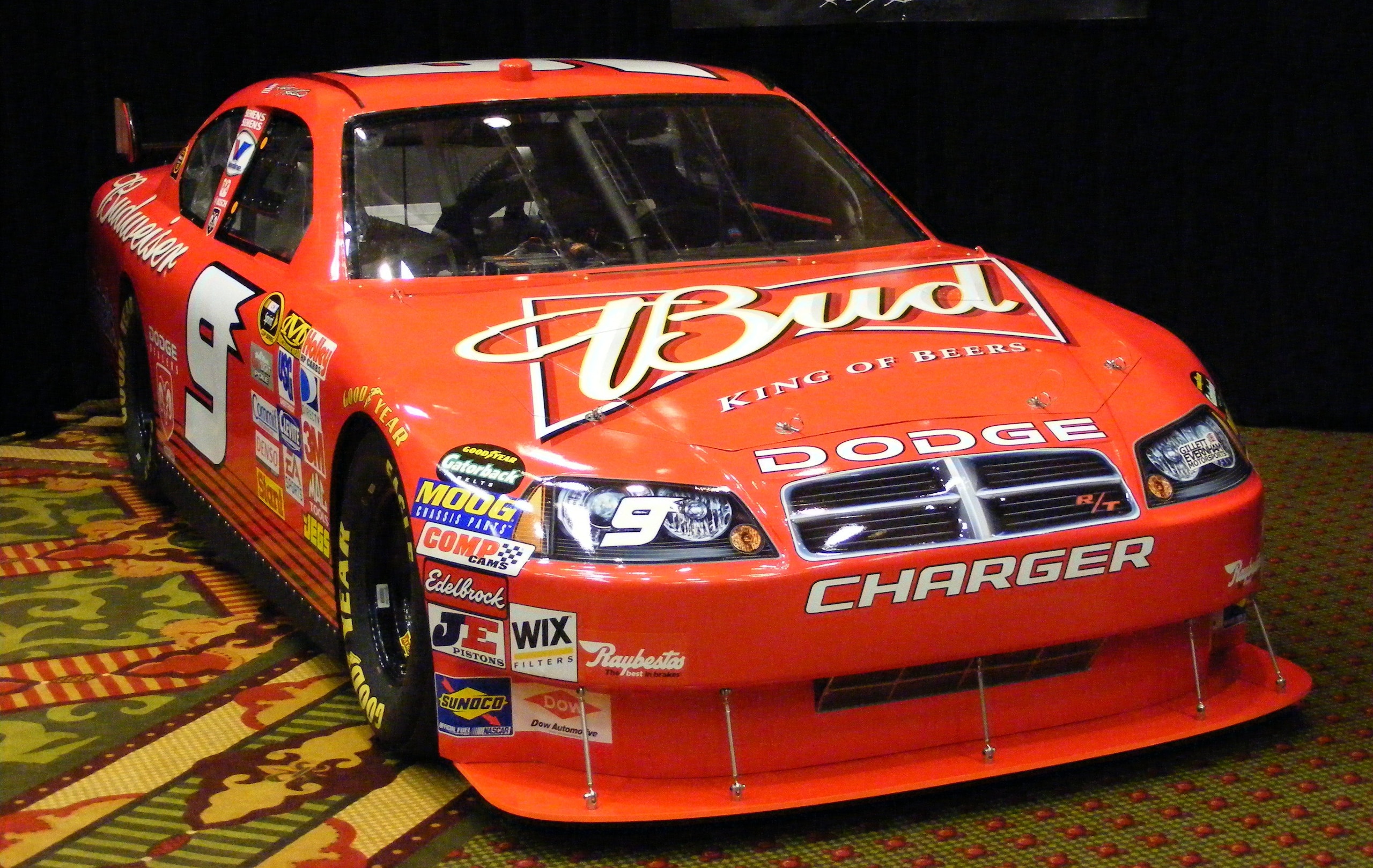
The "stock" in stock car racing was not always a misnomer. The Strictly Stock division became known as Grand National in 1950, which was succeeded by the Winston Cup Series in 1971. The current model is known as "Generation 6," or "Gen-6." Herewith is a description of the way NASCAR defines the gradual changes, advanced in the name of both speed and safety:
Generation 1 (1948-66): Strictly stock frame and body. Doors strapped shut. Seatbelts required.
Generation 2 (1967-80): Stock body with modified frame. Modified chassis becomes part of the sport.
Generation 3 (1981-91): Wheelbase reduced to 110 inches. Body panels still purchased from manufacturers.
Generation 4 (1992-06): Highly modified body. Bumpers, noses and tails composed of molded fiberglass.
Generation 5 (2007-12): New era of safety. Common body and chassis for all manufacturers.
Generation 6 (2013-present): Enlarged cockpit for driver that is four inches wider and 2 ½ inches taller. Double frame rail on the driver's side with steel plates covering the door bars to help prevent intrusion on contact. Energy-absorbing material installed between the roll-cage door bars and panels to attenuate energy upon impact.
Seatbelts and Cockpit Safety
2 of 7
The simple seatbelts of the 1940s, '50s and '60s have given way to sophisticated devices that offer protection that has been rigorously tested. Modern rules require a seven-point restraint system and recommends a nine-point design. Each belt includes, at minimum, two lap belts, two shoulder belts, two anti-submarine belts and one "negative-G" belt, all meeting at a single latching mechanism. Since 2015, seatbelts must be connected to the seat, not to the car frame through holes in the seat.
Over the past decade, the seats themselves have been upgraded and customized to promote safety.
Advanced window nets and laminate windshields present intrusion of foreign objects into the cockpit. The HANS (Head and Neck Support) device is a shoulder harness with tethers attached to each side of the driver's helmet. The seatbelt is placed over the HANS device to keep it close to the body.
Tires and Fuel
3 of 7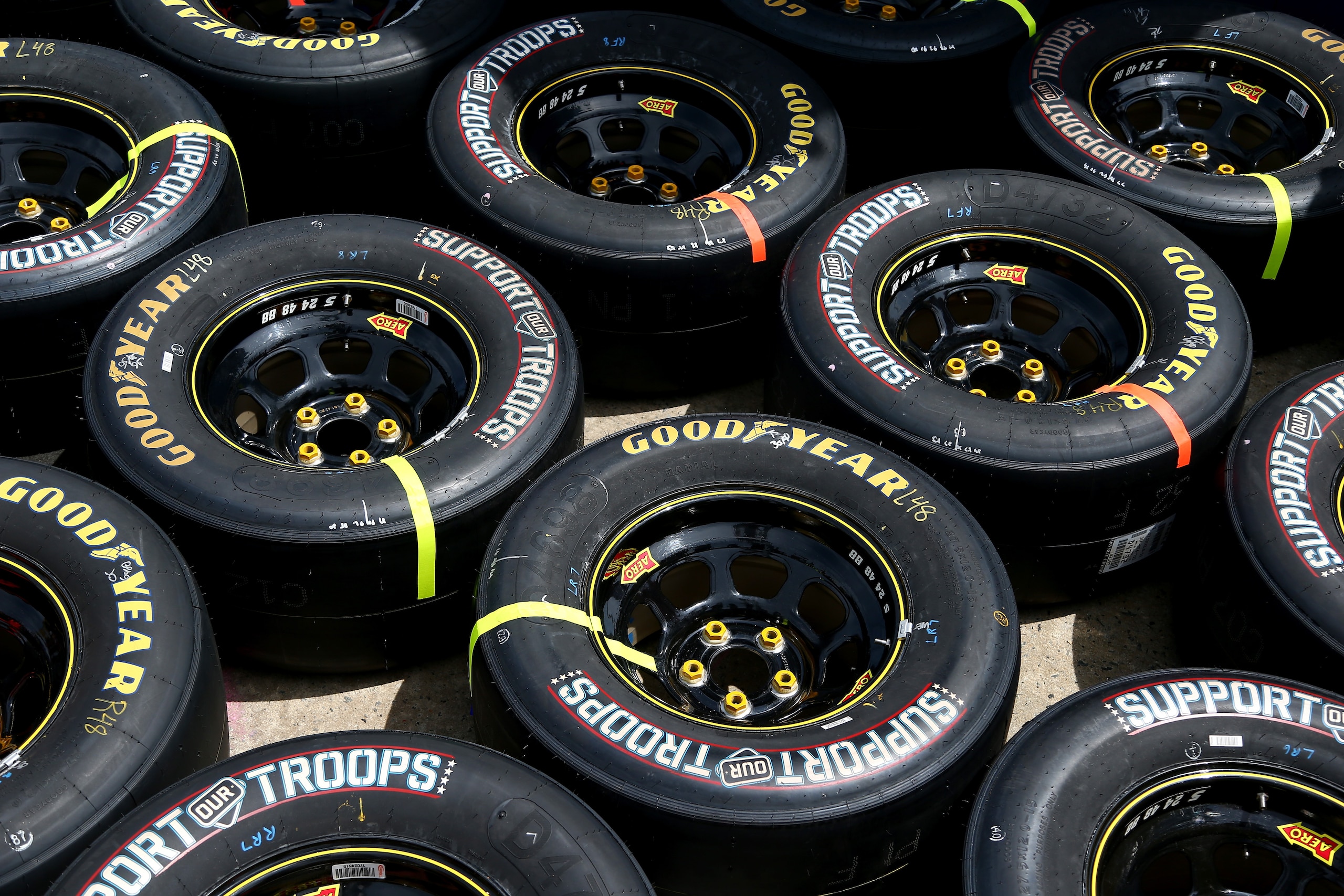
The 1960s were a grisly period in American motorsports in general. NASCAR lost two of its biggest names in 1964. A Riverside, California, crash killed two-time Cup champion Joe Weatherly, and Glenn "Fireball" Roberts died after suffering severe burns in Charlotte Motor Speedway's World 600.
The dual menaces were tires incapable of withstanding higher speeds and fires that resulted from ruptured fuel tanks. Goodyear Tire and Rubber developed an inner liner to prevent catastrophic tire failure. Two decades later, radials replaced bias-ply tires and enhanced reliability.
For more than a quarter century, Goodyear has been the exclusive provider of tires in NASCAR's major divisions. Competition between tire manufacturers once hindered safety efforts by creating competition for speed between companies. NASCAR's policy is that Goodyear's monopoly enables the company to place a priority on safety.
The Firestone Racesafe Fuel Cell Bladder was introduced in 1965, largely putting an end to the frightening threat of raging gasoline fires.


Pit Road Speed Limits and Procedures
4 of 7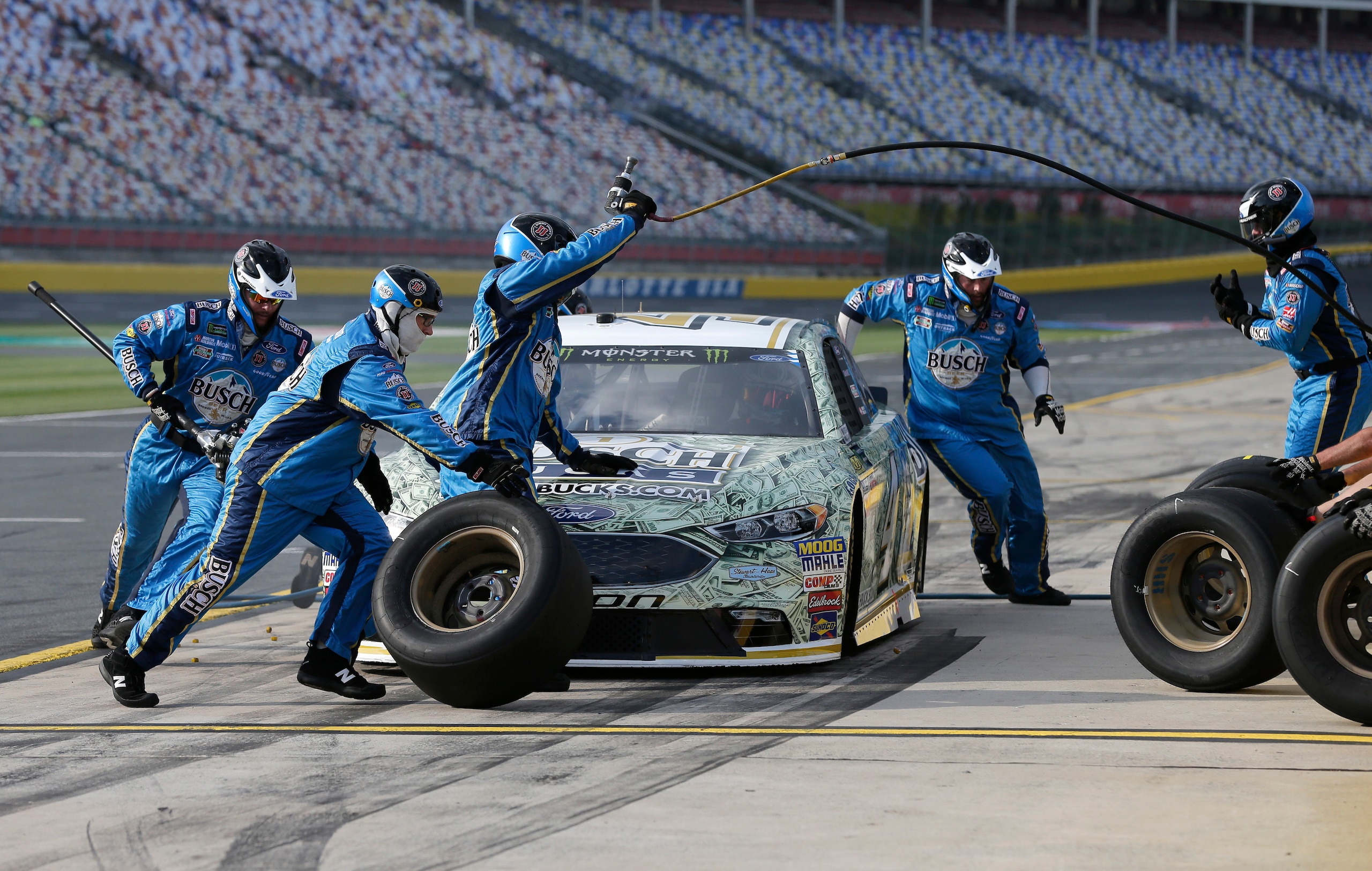
Efficient pit stops have always played a major role in NASCAR success. What was considered lightning quick in the 1960s—changing four tires and adding fuel in about 25 seconds—is now just over 40 percent of what was then crucial.
Until 1991, however, no speed limits were in place on pit road. Since the death of a crewman in a pit-road crash in 1990, NASCAR has mandated different speed limits based on the conditions of each track. Monitoring has grown more sophisticated, and it is not uncommon now to have as many as a dozen penalties issued in a single race.
NASCAR officials also closely regulate pit-road procedures regarding lug nuts left loose and other mistakes in the conduct of stops. Crewmen are required to abide by rigorous standards in terms of helmets, fireproof uniforms and limits on the number allowed to participate in the stops.
SAFER Barriers
5 of 7
NASCAR began using Steel and Foam Energy Reduction (SAFER) barriers in 2002 as a result of studies conducted in the aftermath of Dale Earnhardt's death in the 2001 Daytona 500. The barriers are applied to the existing concrete walls, adding about 30 inches in width. Between a wall of steel tubing and the old concrete, energy-absorbing foam pyramids are used to cushion the shock to drivers' bodies.
The barriers were developed by Dr. Dean Sicking of the University of Nebraska.
NASCAR works with each track to formulate an individual infrastructure safety plan to customize safety requirements to best serve the needs of each track. Tire packs and sand barrels are sometimes used to complement the SAFER barriers.
NASCAR R&D Center
6 of 7
The NASCAR Research & Development Center, in Concord, North Carolina, opened in January 2003. The 61,000-square-foot facility is the focal point of the sport's studies in innovation and safety. Among the projects related to safety are crash testing, post-race inspection, accident investigation, and rules and parts approvals.
NASCAR equips each car with an Incident Data Recorder (ICD) that is essentially the sport's "black box," mounted on the driver's side of the chassis in a "shoe" designed by safety engineers. During an accident, the ICD records 10,000 samples per second on three different axes. The R&D Center keeps all the information in an incident database in order to conduct future research in the interest of safety and future changes.
Spotters
7 of 7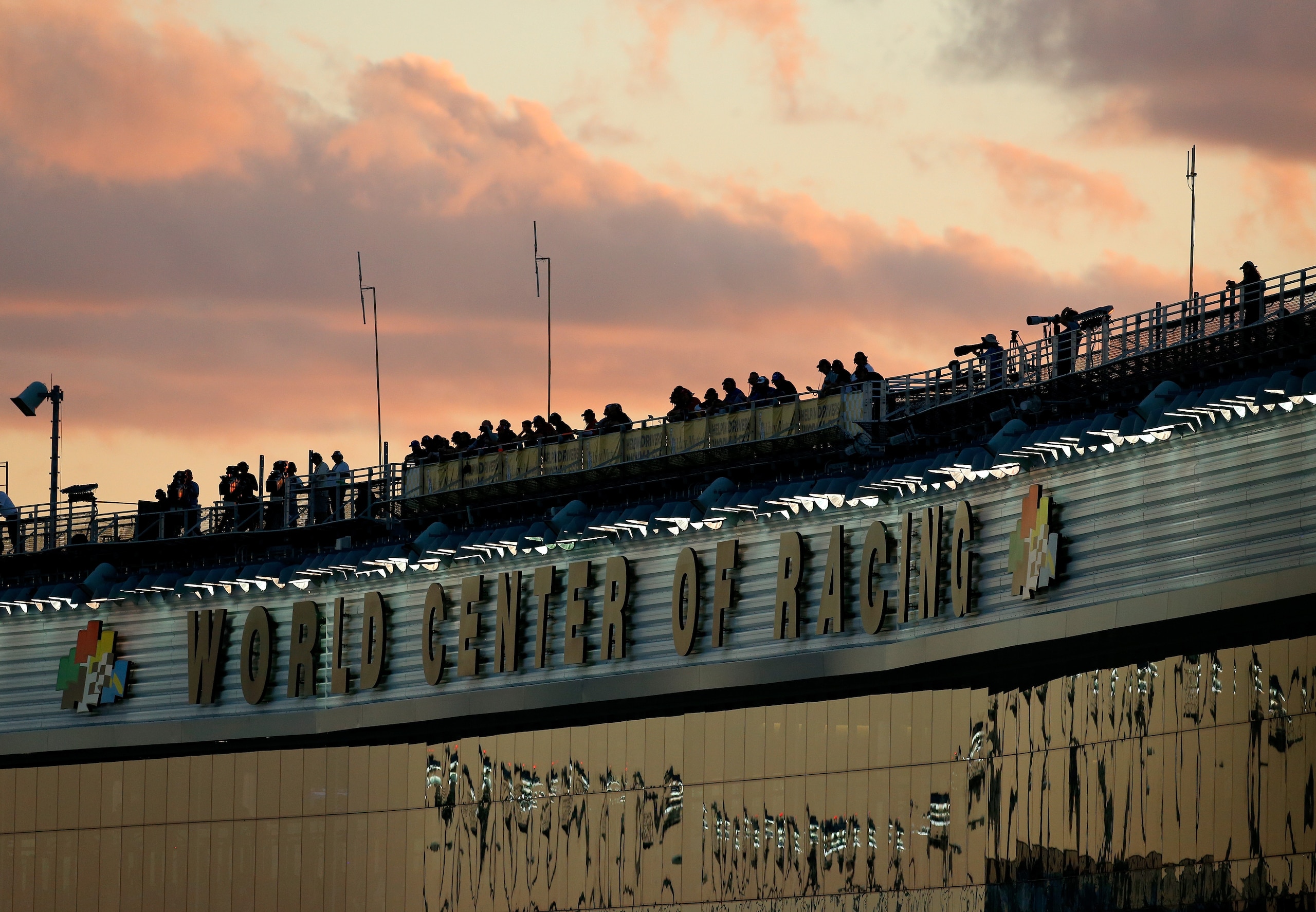
On September 9, 1959, at the Southern 500 in Darlington, South Carolina, Buddy Baker became the first NASCAR driver to communication with his team via two-way radio.
Radio is more than two ways now. Drivers listen to the commands and advice of their crew chiefs and owners. Perhaps the most crucial information imparted is between a trusted adviser standing typically on the roof of the press box.
The spotter tells the driver when he is free to change lanes, what other competitors are doing, and the information is as crucial to safety as to strategy. Spotters prevent lots of wrecks.