
Biggest Needs Pittsburgh Steelers Have Yet to Address This Offseason
The Pittsburgh Steelers have taken their typical measured approach to offseason business, making roster moves that are both modest and well-thought out.
They have signed just six free agents—two of their own (quarterback Landry Jones and tight end David Johnson) and four from the open market (receiver Justin Hunter, running back Knile Davis, defensive lineman Tyson Alualu and cornerback Coty Sensabaugh).
The Steelers also franchise-tagged running back Le'Veon Bell in hopes a long-term deal can be ironed out before the regular season begins and extended the contract of wideout Antonio Brown.
While these moves have addressed a few of the Steelers' clear and immediate needs, they do not address all of them.
Here are the six biggest that remain as the most active period in free agency winds down and with the 2017 NFL Draft is just over one month away.
The Running Back Depth Chart
1 of 6
The signing of free-agent running back Knile Davis on Monday improves the Steelers' depth at the position, but it does not guarantee that the player can be penciled in as Le'Veon Bell's backup for 2017.
The clues are myriad. For one, Davis' deal is for one year only. Another is that the player anticipates his role primarily as a kick returner, per Joe Rutter of the Pittsburgh Tribune-Review. And another is his stat line over the course of his four-year career, most of it spent with the Kansas City Chiefs.
Davis has appeared in 57 games over his career but had only two starts. He has rushed 250 times for 805 yards and 11 scores and has also caught 34 passes for 271 yards and one touchdown, giving him an average of 71 touches a season on offense.
Where he has been most effective is as a kick returner, with 73 returns netting him 1,960 yards and two scores. But the Chiefs no longer needed him for those duties last year after drafting Tyreek Hill; they traded Davis to the Green Bay Packers last October, a move that lasted only through the end of the month.
Davis' speed seems to translate best to the return game rather than as a No. 2 on the depth chart behind Bell. This would make him direct competition for the No. 3 spot—held a year ago by Fitzgerald Toussaint—rather than the man to take over DeAngelo Williams' former role.
Williams himself is unsure whether the Davis signing will affect his chances to be re-signed by Pittsburgh, where he spent the last two seasons.
But a greater influence over the Steelers' next move might be April's draft; they may want to have a younger back to serve behind Bell. Either way, the Davis signing adds depth but does not necessarily mean Pittsburgh wants him to be Bell's primary backup this season.
The Plan for the Tight End Position
2 of 6
The Steelers have three tight ends on their roster who, in a perfect world, would be the core of the position heading into the 2017 season.
Second-year player Jesse James can work as a both a blocker and receiver; 2016 free-agent signing Ladarius Green would be primarily a receiving target; and David Johnson, brought back on a two-year deal, would do his work as a blocker on run plays.
While James is still working to fulfill his potential, the Green signing in particular is what makes the Steelers' tight end position one that remains in flux.
Brought on via a four-year, $20 million deal a year ago, Green managed to appear in only six games in 2017, with the early part of his season marred by an ankle injury and the end of it by a concussion.
But when Green was healthy, he made a significant impact on Pittsburgh's offense. Of his 304 yards (and a touchdown on 18 catches), 274 of those came over the course of four games. He also "expect[s] to come back" in 2017 and to put his health concerns—which include having suffered multiple concussions in his four seasons with the San Diego Chargers—behind him, per ESPN.
The 2017 NFL draft class, however, is rife with tight end talent, with at least a dozen players at the position who could be Steelers' targets in rounds both early and later, ranking from Alabama's O.J. Howard, to Miami's David Njoku in Round 1 to Ashland's Adam Shaheen or even Michigan's Jake Butt (depending on the health of his knee) on the second day.
Depending on whether they choose to use a pick on a tight end this year and who that player ends up being, Green's roster spot could be in jeopardy. He has a $6,187,500 salary-cap hit in 2017 but costs only $3,562,500 in dead money to release, a number that drops all the way to $1,187,500 if cut with a June 1 designation.
If this year's draft were as bereft with tight end talent as the previous few years, then Pittsburgh's depth chart at the position wouldn't be as unsettled. But Green's injury history, plus the level of talent among the prospective rookie class, means the Steelers' business remains unfinished.
What's Next at Wide Receiver?
3 of 6
With the departure of Markus Wheaton in free agency, Martavis Bryant still under suspension by the league for violating its substance abuse policy and Sammie Coates missing time with various injuries in 2016 and undergoing offseason groin surgery, the Steelers had incentive to add to their receiving corps.
While Antonio Brown is the star of the show, without a supporting cast to draw defensive attention away from him and to serve as reliable playmakers for quarterback Ben Roethlisberger, Pittsburgh's offense can easily become pedestrian.
The Steelers took one step to mitigate this issue in the offseason by signing receiver Justin Hunter to a one-year, veteran-minimum deal worth $775,000 for 2017. But his arrival may not signal the end of wide receivers being sought by the Steelers.
Hunter has big-play ability. His 78 career receptions over four seasons have totaled 1,305 yards and 12 scores, and he has averaged 27.2 yards per reception.
When he catches the ball, he is a first-down and touchdown threat, but the operative word is "when;" Hunter has a career catch rate of just 48.5 percent, though quality of quarterbacks throwing his way should also be taken into account.
Hunter joins Eli Rogers, Cobi Hamilton, Darrius Heyward-Bey and Coates as the primary, non-Brown receivers on Pittsburgh's roster.
But the 2017 draft class boasts so much talent at the receiver position that it's hard to imagine the Steelers eschewing the addition of a new, young face to the roster and instead preferring to stand pat with the resources they currently possess.
Hunter isn't likely the only receiver to be signed by the Steelers this offseason.
.jpg?w=2560 "Rams Raiders Football")

What the Future Holds at Safety
4 of 6
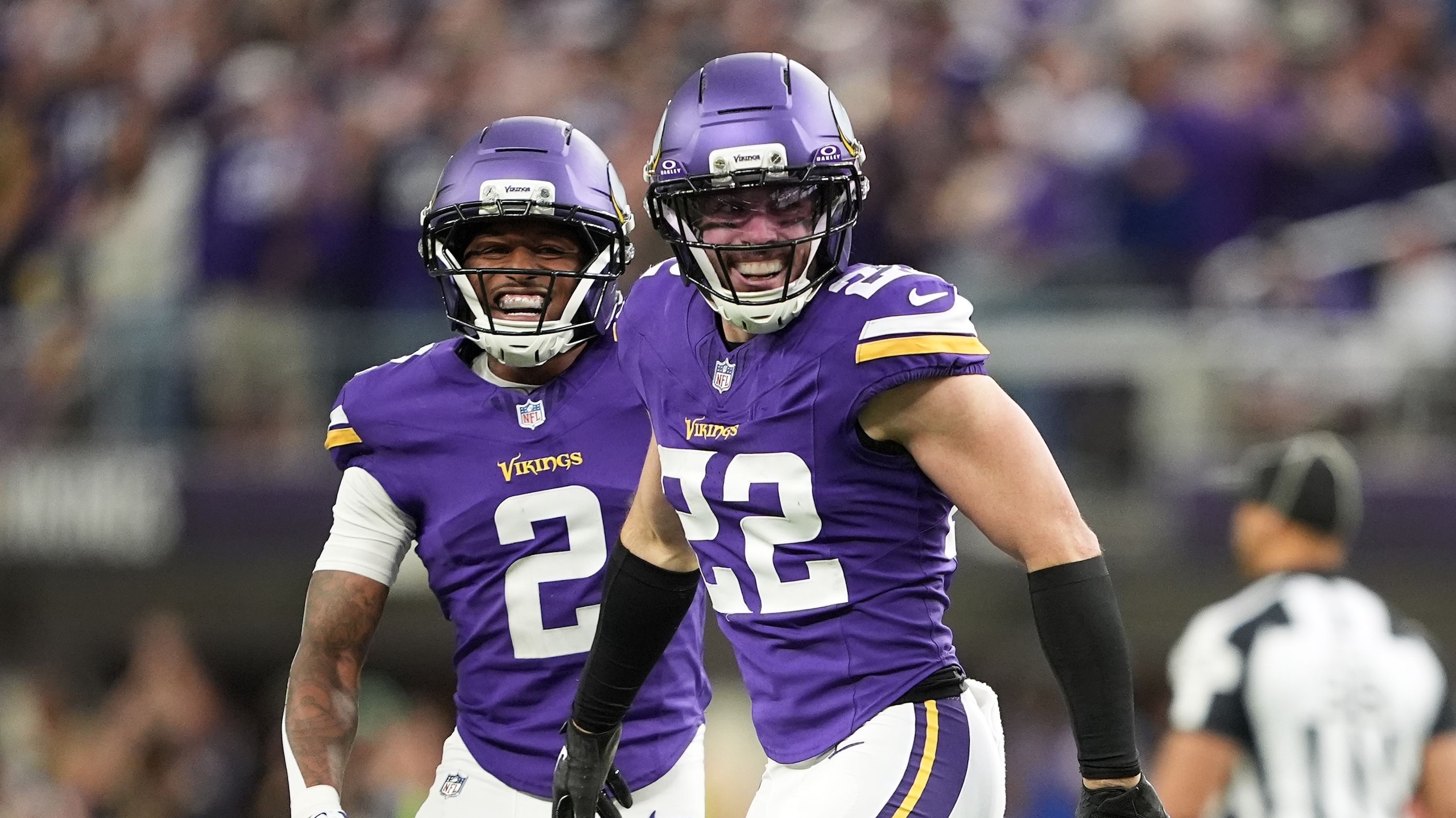
There should be no question who the Steelers' top two safeties will be in 2017—Mike Mitchell and Sean Davis, with Robert Golden and Jordan Dangerfield serving as the backups.
But after the upcoming season, the questions will start to mount. Davis should be able to hold on to his starting job, which he won as a rookie over Golden, but Mitchell may not be with the Steelers come 2018.
Mitchell, signed to a five-year, $25 million deal in 2014 after spending four years with the Oakland Raiders and one with the Carolina Panthers, turns 30 years old in June. He's set to make over $8 million in both 2017 and 2018, but next year it will cost just under $1.8 million to release (compared to twice that at present). If he struggles, Pittsburgh may have no issue releasing him.
And even if Mitchell plays out the final year of his deal in 2018, the Steelers may want to find his eventual replacement in 2017. Like the tight end position, the 2017 draft class is deep at safety; and also like the tight end position, that has been a rare occurrence in recent years.
Though drafting a safety this year may not change the complexion of the Steelers' secondary immediately, it could have a significant impact on the decisions they make in 2018.
Is the Backup Quarterback Situation Settled?
5 of 6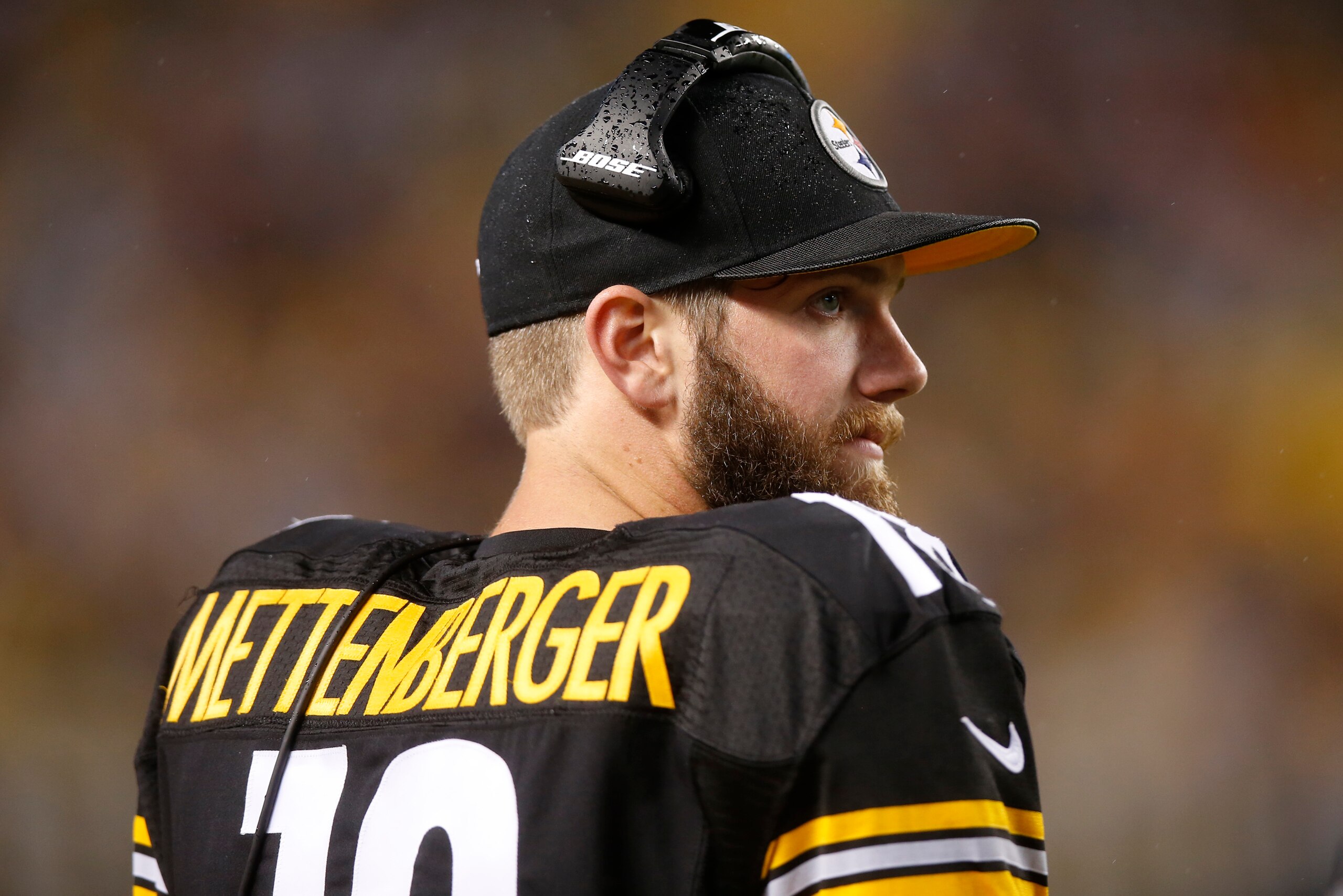
The Steelers chose to re-sign backup quarterback Landry Jones to a two-year contract early in the free agency period, ostensibly to continue to serve as the No. 2 to starter Ben Roethlisberger. Meanwhile, Zach Mettenberger remains on the roster, as the team's No. 3 quarterback.
But there's no guarantee that this setup will stay this way. At the very least, the Steelers should have interest in adding a fourth quarterback to the roster for OTAs, minicamps and training camp as its ranks will soon swell to 90 players. There's also a chance that the Steelers will want competition for Jones, or at least Mettenberger, as the offseason continues.
Pittsburgh is not currently in the market to find Roethlisberger's eventual replacement, which means any quarterback the Steelers could draft in April will not be one of the class's most notable names.
Further, Pittsburgh may choose to not use any draft resources on a third- to fourth-string quarterback and instead select "camp arm" types from the undrafted rookie pool.
It may be doubtful that the Steelers are looking for an upgrade over Jones, who, despite his weaknesses as a passer does have the advantage of being familiar with the inner workings of Pittsburgh's offense.
But anything is possible; rosters change and evolve so many times between the start of the league year and the start of the regular season that neither Jones nor Mettenberger can claim job security just yet.
Planning Ahead at Linebacker
6 of 6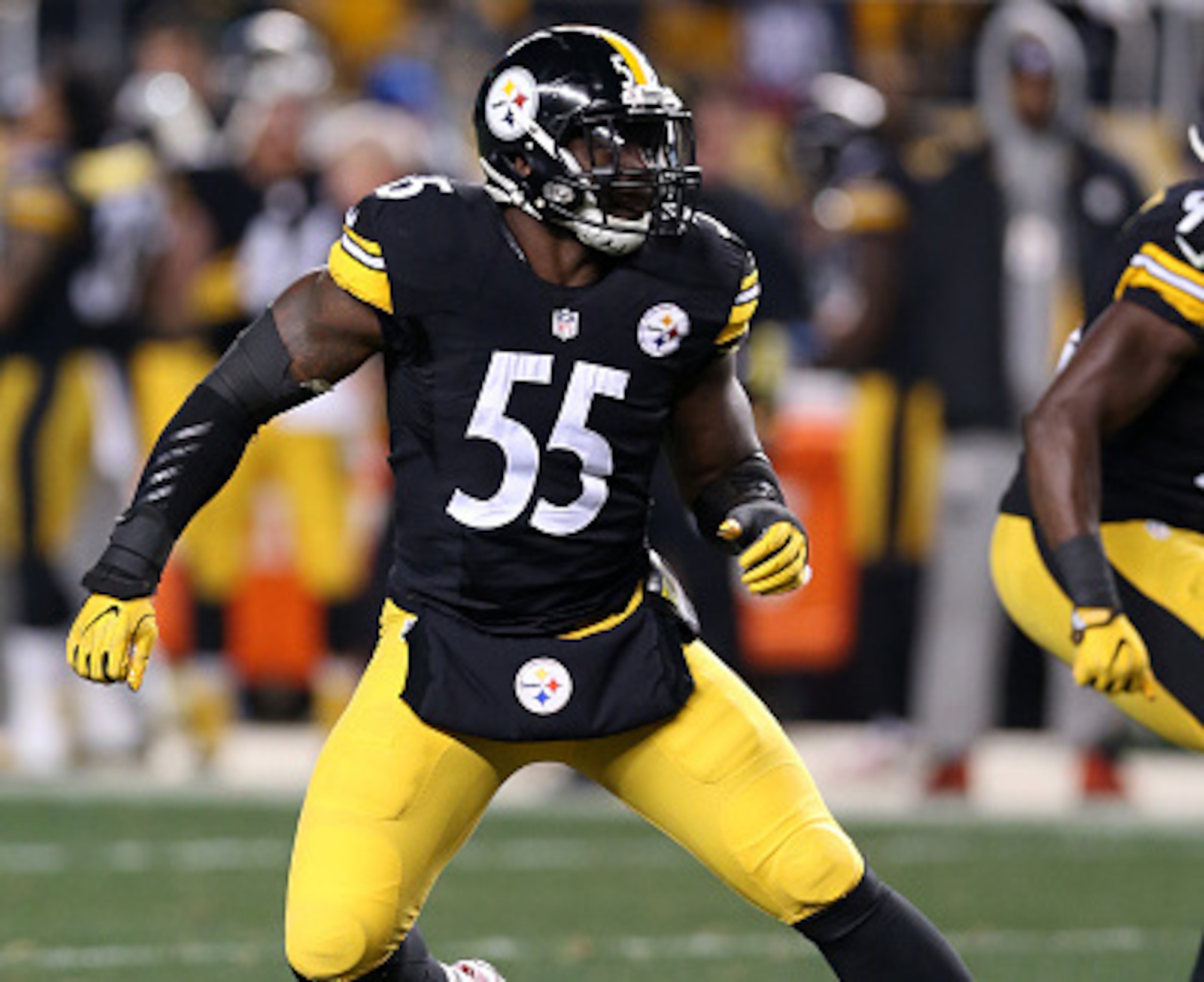
Much like at safety, the Steelers aren't in bad shape immediately at linebacker, whether on the outside or in the interior. But that doesn't mean they are completely sorted out, either.
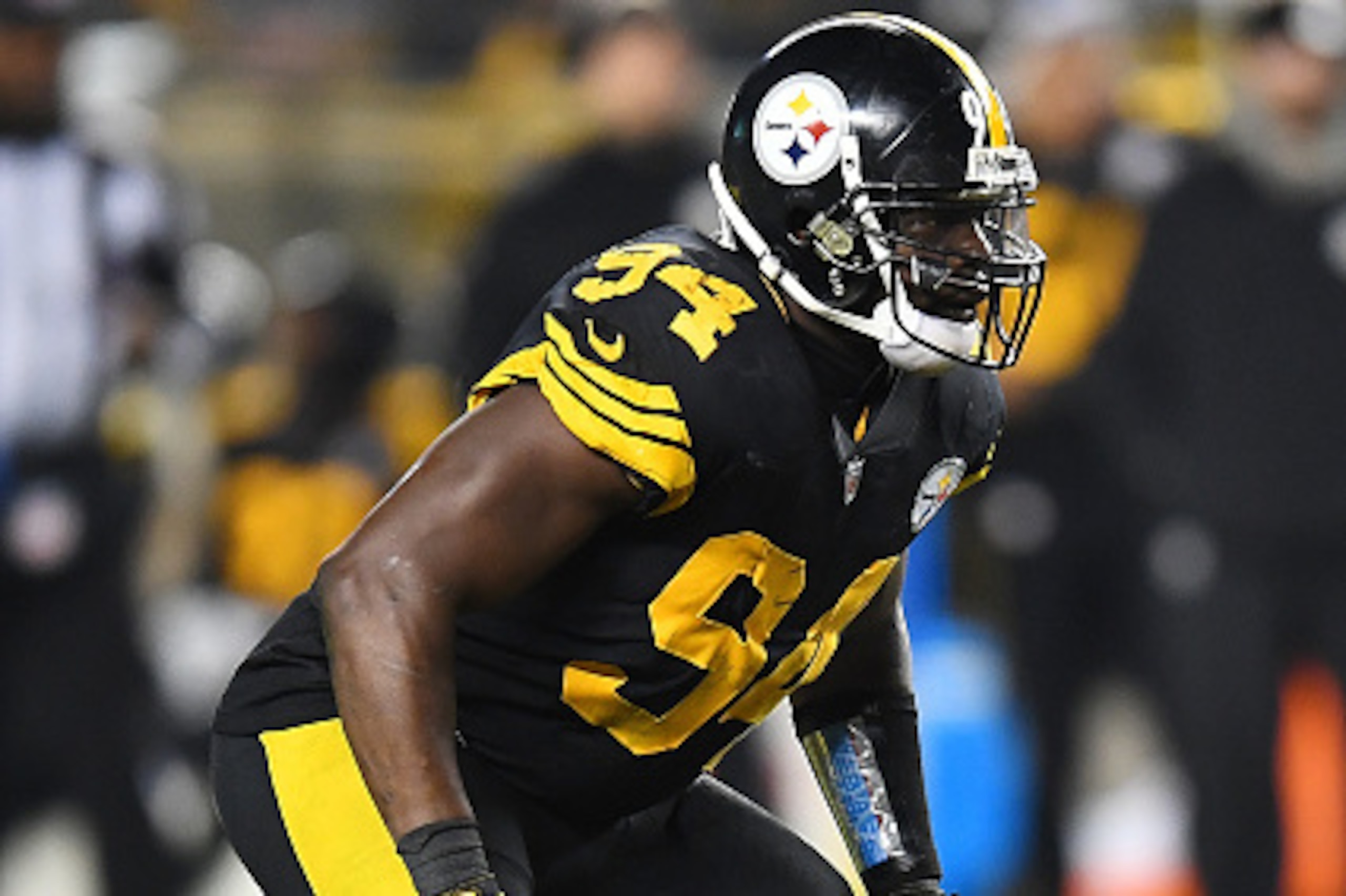
Pittsburgh's primary group of pass-rushers on the outside this year will be Bud Dupree, Arthur Moats and James Harrison. But Harrison turns 39 in May, while Moats is in the final year of his contract.
Meanwhile, on the inside the Steelers lost longtime starter Lawrence Timmons in free agency. Though Pittsburgh still boasts the speedy Ryan Shazier, second-year player Tyler Matakevich and the reliable Vince Williams, the Steelers should want to add not just depth but also talent at all linebacking positions.
One interesting option would be Michigan's Jabrill Peppers. The projected Round 1 pick worked out at both safety and linebacker at the NFL Scouting Combine and would fit the Steelers' usage of both positions.
The upcoming draft is much stronger at edge-rusher than it is at inside linebacker, so much so that the Steelers could be compelled to not just use an early draft pick on an outside linebacker but a later one as well.
Either way, Pittsburgh needs younger linebackers to groom into starters given how the roster could change significantly on the defensive side of the ball in a year's time.
.jpg?w=2560 "Steelers Saints Football")



.jpg?w=2560 "🚨 Week 8 AP Top 25 Poll")