

Seven Types of NFL Offseason: Which One Is Your Favorite Team Having?
Every NFL team enters the offseason with plans.
Those plans may be brilliant, foolish, patient, premature, meticulous or misguided. Ideally, there is one master plan, but sometimes a team has two or three plans, with the owner, general manager and coach paddling the canoe in different directions. Even the best-laid plans are often revised or thrown out the window the moment the Patriots call with a trade offer or the rookie GM discovers just how much it costs to sign a fullback.
But no matter how different each plan may be in the details, all NFL offseason strategies fall into seven basic categories.
TOP NEWS

New NFL Power Rankings 📊
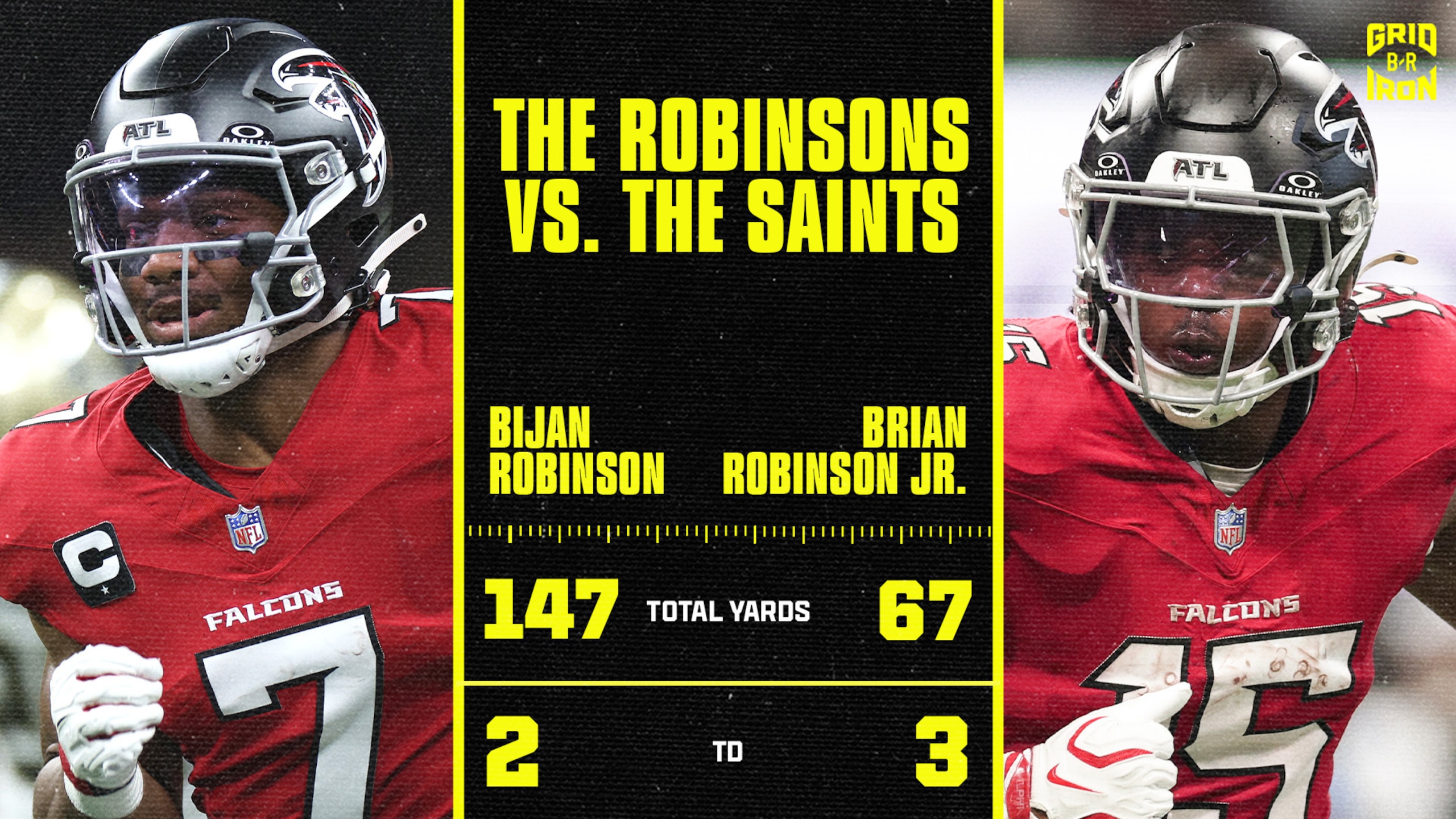
The Robinsons POUND the Rock 🪨
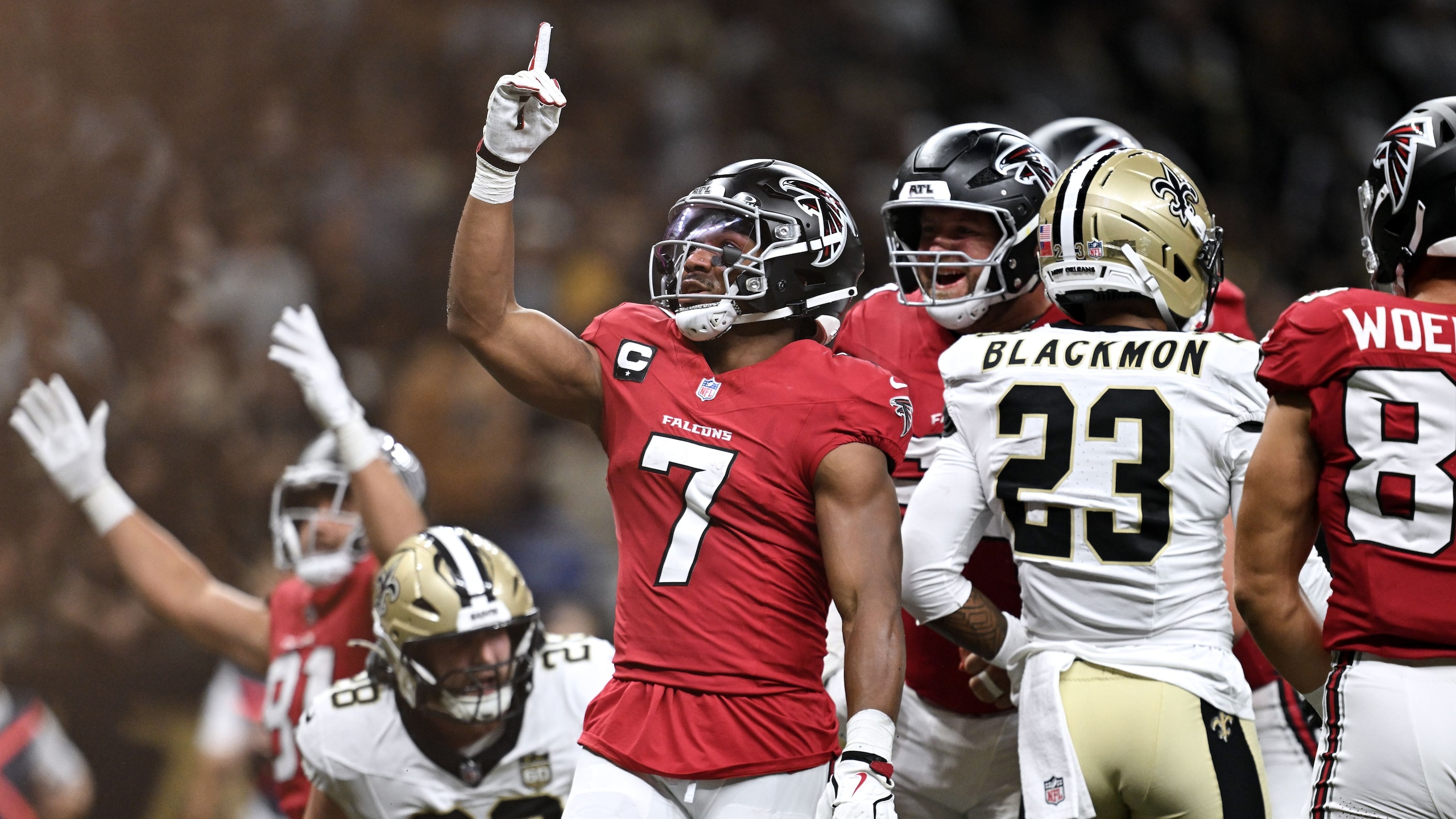
Takeaways from Falcons' dominant MNF win
With free agency winding down, it's time to find out just what kind of offseason your favorite team is experiencing. Yes, the draft could change things, and there are still some Hall of Famers on the unemployment line. But when a team falls into one of these seven "modes," it's likely to stay there until the day training camp opens.
Win Now Mode
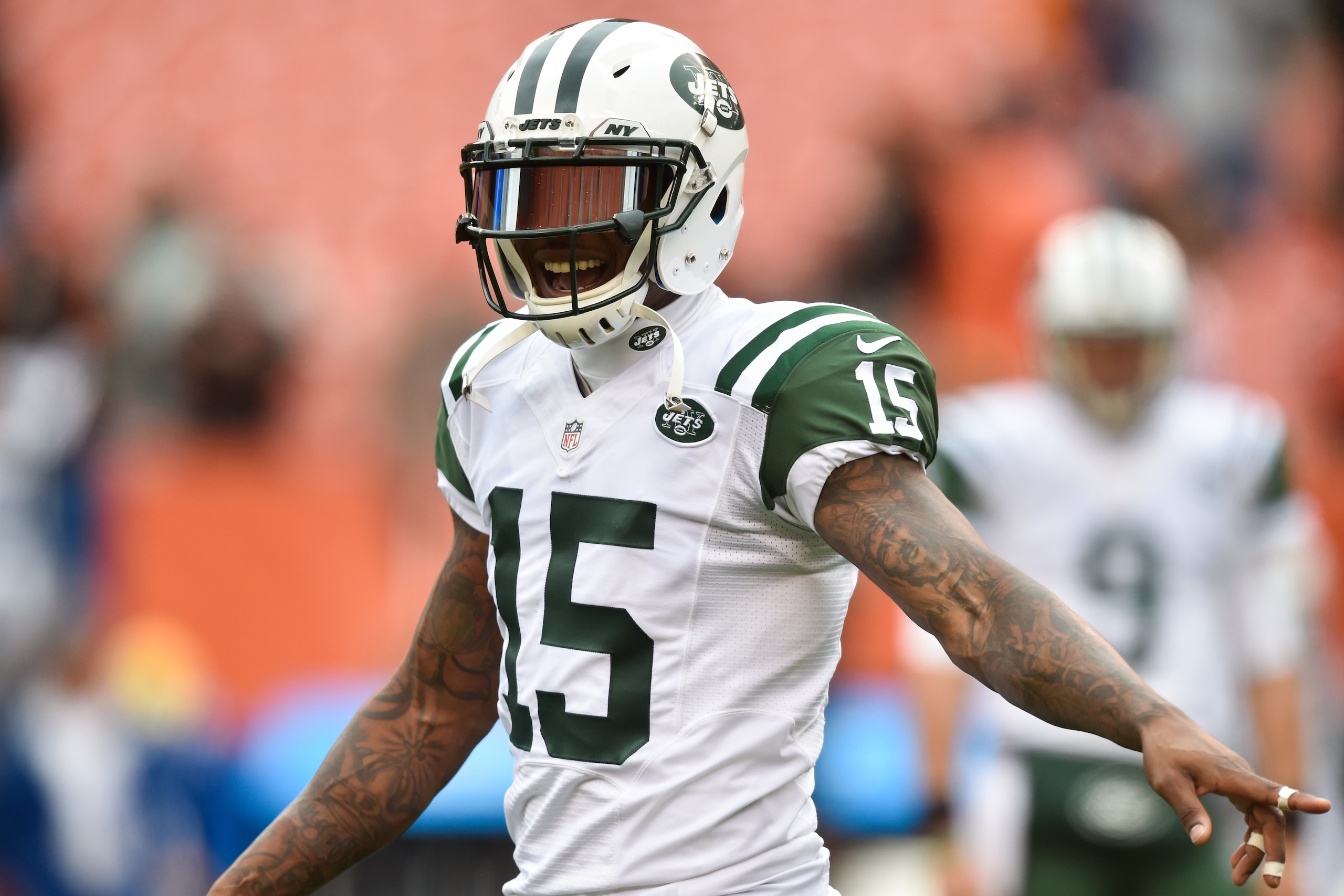
"Win Now Mode" doesn't mean a team maxes its credit cards on a doomed-to-fall Dream Team binge. It just means an organization already headed in the right direction abandons long-term goals for short-term success, whether by dealing draft picks for established players, luxury shopping for special teamers or just scraping the salary-cap ceiling and hoping to host a parade before the bills come due.
The Patriots are usually too busy winning now to adopt win-now tactics. But this offseason's moves, from the Brandin Cooks trade to signing Stephon Gilmore to hoarding as much of their defensive core as possible, suggest the team knows Tom Brady won't really be able to play until he's Old Man Logan.
The last time the Patriots were this aggressive in an offseason was when they acquired Randy Moss and Wes Welker in 2007. We all remember how that turned out.
Speaking of the 2007 Patriots, the Giants won two Super Bowls in the last decade using clenched-wallet, tortoise-beats-hare free-agency tactics. But this year's Giants doubled down on the splurge that helped them reach the playoffs last season by signing Brandon Marshall and D.J. Fluker while retaining Jason Pierre-Paul as part of their zillion-dollar defensive line. The Giants are wheeling and dealing like they know Eli Manning won't be around forever.
Not every team with a Win Now strategy is building around an old franchise quarterback. The Raiders shifted gears from "rebuilding" to "contending" this offseason, stocking their shelves with creature comforts like a Pro Bowl kick returner (Cordarrelle Patterson) and extra weapons for Derek Carr (tight end Jared Cook) while remaining big names in the Adrian Peterson lottery.
The Buccaneers are not nearly as close to the Super Bowl as the Giants or Raiders, but they made major investments in receiver DeSean Jackson and defensive tackle Chris Baker. They are also no longer dickering around with prospects at kicker, where veteran Nick Folk will challenge/replace Roberto Aguayo.
Similarly, the Titans plan to stomp on the accelerator as soon as Marcus Mariota is healthy enough to take the field, with Logan Ryan, Jonathan Cyprien and Sylvester Williams upgrading the defense and another jumbo-sized draft haul coming to fill in holes elsewhere.
It's year three for both Mariota and Jameis Winston: time for them to start doing what Carr did for the Raiders last year.
Hang on for Dear Life Mode
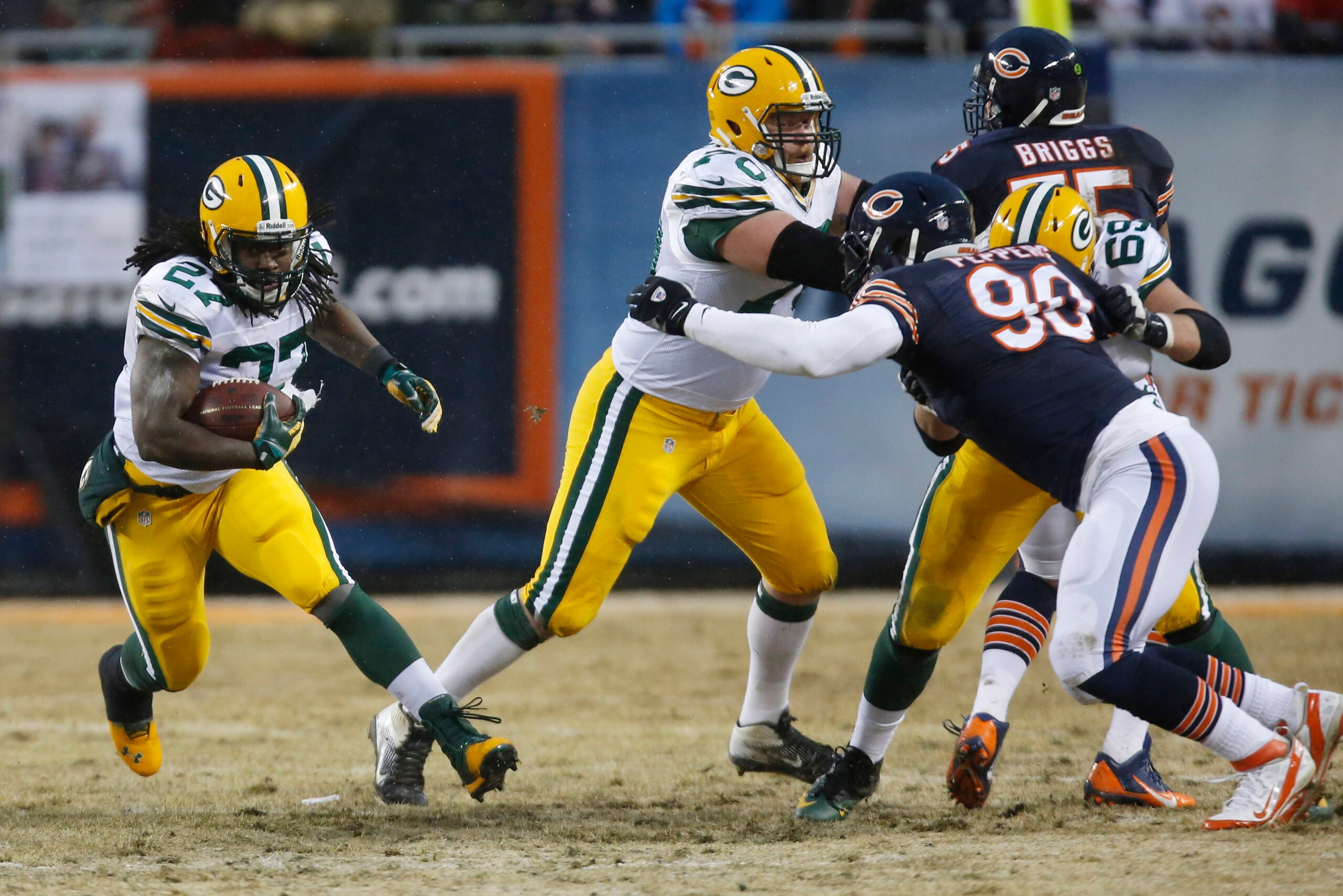
For every reloading contender like the Patriots, there are three or four playoff teams just trying to stem the tide of salary-cap and free-agency erosion. The best these teams can do is re-sign their most important players, make a token acquisition or two and hope their draft-and-develop game keeps them from getting devastated by veteran departures.
The Packers have been the NFL's inspirational kitten poster for years, dangling from the clothesline of contention thanks to Aaron Rodgers and their slow-and-steady developmental pipeline. General manager Ted Thompson actually splurged on two major free agents this year (tight end Martellus Bennett and cornerback Davon House), so he'll probably be nursing a hangover until June.
But the usual horde of Packers veterans skipped town: Eddie Lacy, T.J. Lang, Datone Jones, Julius Peppers, Micah Hyde, and so on. Everything will be A-OK as long as Rodgers is still around, but being A-OK is never quite the same as being spectacular.
The Cowboys can't find anyone to drag Tony Romo's salary away, and they take a monumental cap hit if they just leave it on cinder blocks on the lawn. So the Cowboys lost a slow drip of veteran talent this month, with Terrell McClain, Ronald Leary, Lance Dunbar, a big chunk of their secondary and others leaving Dallas. None of the losses are insurmountable, but ideally a 13-3 team should be a buyer in free agency, not a seller.
At least the Cowboys aren't backsliding. The Cardinals lost Calais Campbell, Tony Jefferson, Kevin Minter and a host of second-tier contributors but signed 42-year-old kicker Phil Dawson, 35-year-old linebacker Karlos Dansby and 32-year-old safety Antoine Bethea. That's technically "Win Yesterday" mode.
The Bengals are in the second year of Hanging on for Dear Life Mode, which is like the scene in the Road Runner cartoon when Wile E. Coyote holds up the toy umbrella and hopes it will slow his plummet off the cliffside.
The Bengals lost Kevin Zeitler, Andrew Whitworth, Domata Peko and several others in exchange for Kevin Minter, returnee Andre Smith and the knowledge they really made things interesting from 2011 through 2015.
Tread Water Mode
Somewhere between reloading and retreating lies treading water. These good-to-great franchises are trying to improve but are fighting the NFL's competitive balance tide. They must spend the offseason like snails climbing out of a well, hoping the six inches they climb upward with acquisitions by day offset the half-foot they slide backward in departures by night.
The Steelers are usually in Hang on for Dear Life Mode, but this season they mixed a few meaningful signings (Tyson Alualu, Justin Hunter, etc.) among some replaceable departures (aging Lawrence Timmons, perma-prospect Jarvis Jones).
The defending NFC champion Falcons won the Dontari Poe sweepstakes but have otherwise rearranged chairs in free agency, and the loss of Kyle Shanahan must be figured into their offseason equation.
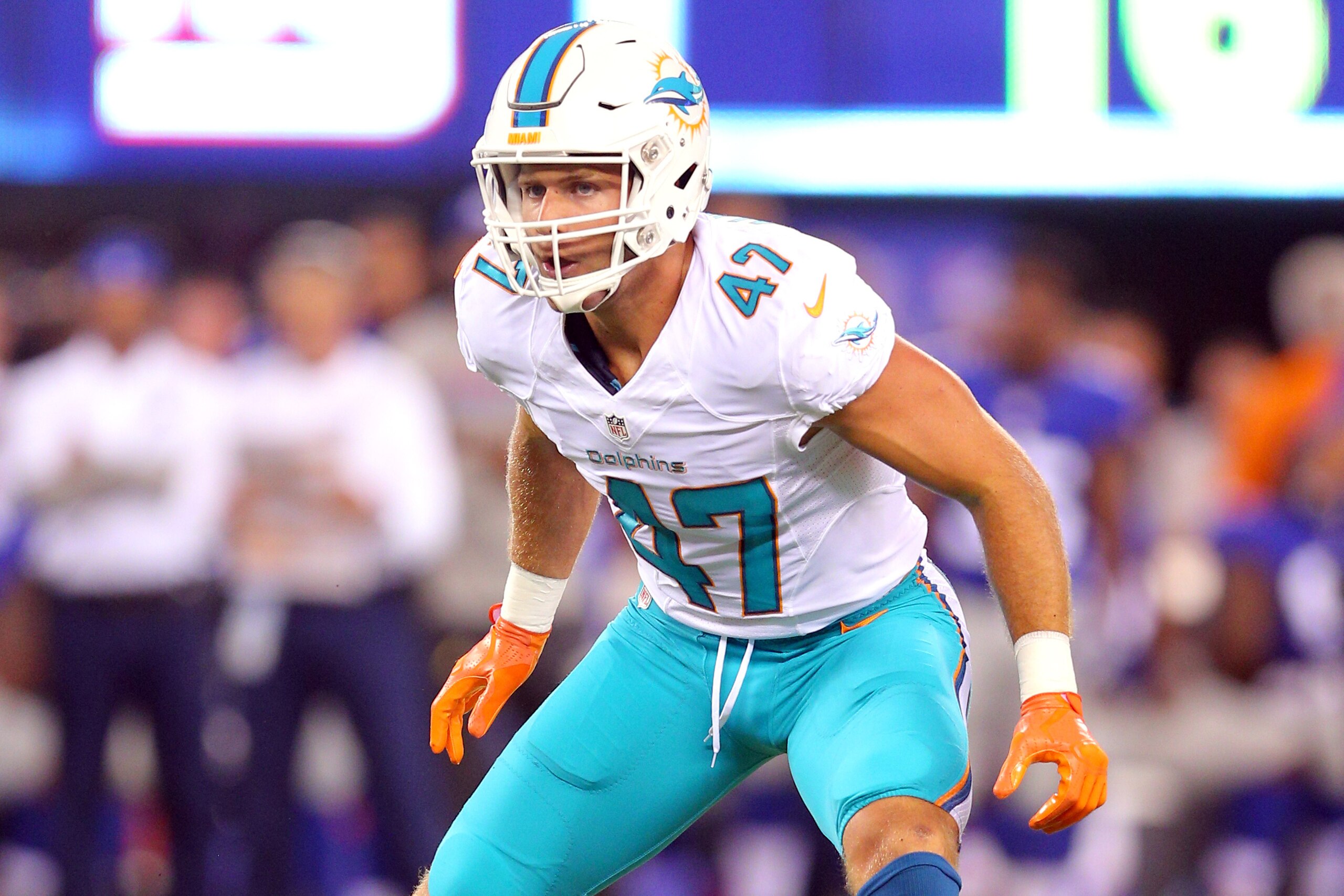
The Dolphins have focused most of their energy on re-signing incumbents like Kiko Alonso, Kenny Stills and others. It looks like a wise strategy until you realize they are a one-and-done playoff team in a division with King Kong. The Chiefs lost nose tackle Poe but gained Bennie Logan and are well built for another year as a playoff also-ran.
The Lions, Vikings and Panthers all made major moves intended to upgrade their offensive lines. But upon closer examination, they mostly just signed each other's linemen: Riley Reiff went from the Lions to the Vikings, Matt Kalil from the Vikings to the Panthers, Mike Remmers from the Panthers to the Vikings.
The Lions came out on top of the NFC offensive linemen swingers party by going outside the circle to obtain T.J. Lang and Ricky Wagner. But the Lions now look poised to go 9-7 on merit instead of luck, while the Vikings are still wondering what will happen at quarterback, and the Panthers somehow have fewer offensive playmakers than they started with.
The Seahawks may be treading water more successfully than the other NFC contenders with the signings of Eddie Lacy and Luke Joeckel (plus some in-house re-signings). On the other hand, they appear to just be grabbing inferior knock-off versions of their Super Bowl heroes. Similarly, the Broncos' Domata Peko and Ronald Leary signings are just hole-filling moves for a team that is replacing a Super Bowl-caliber coaching staff and waiting for something to happen at quarterback.
Epic Rebuilding Mode
Teams are more aggressive and less apologetic than they used to be about rebuilding. Informed fans would rather watch a 3-13 team with extra draft picks and future cap bucks in its pocket than a 5-11 team full of aging big names and hipster quarterbacks.
Did someone mention the Jets? They've embarked on their version of rebuilding this offseason, fumigating the roster of overpriced 30-somethings and signing Josh McCown to be their bridge quarterback between their last bridge quarterback and their next bridge quarterback.
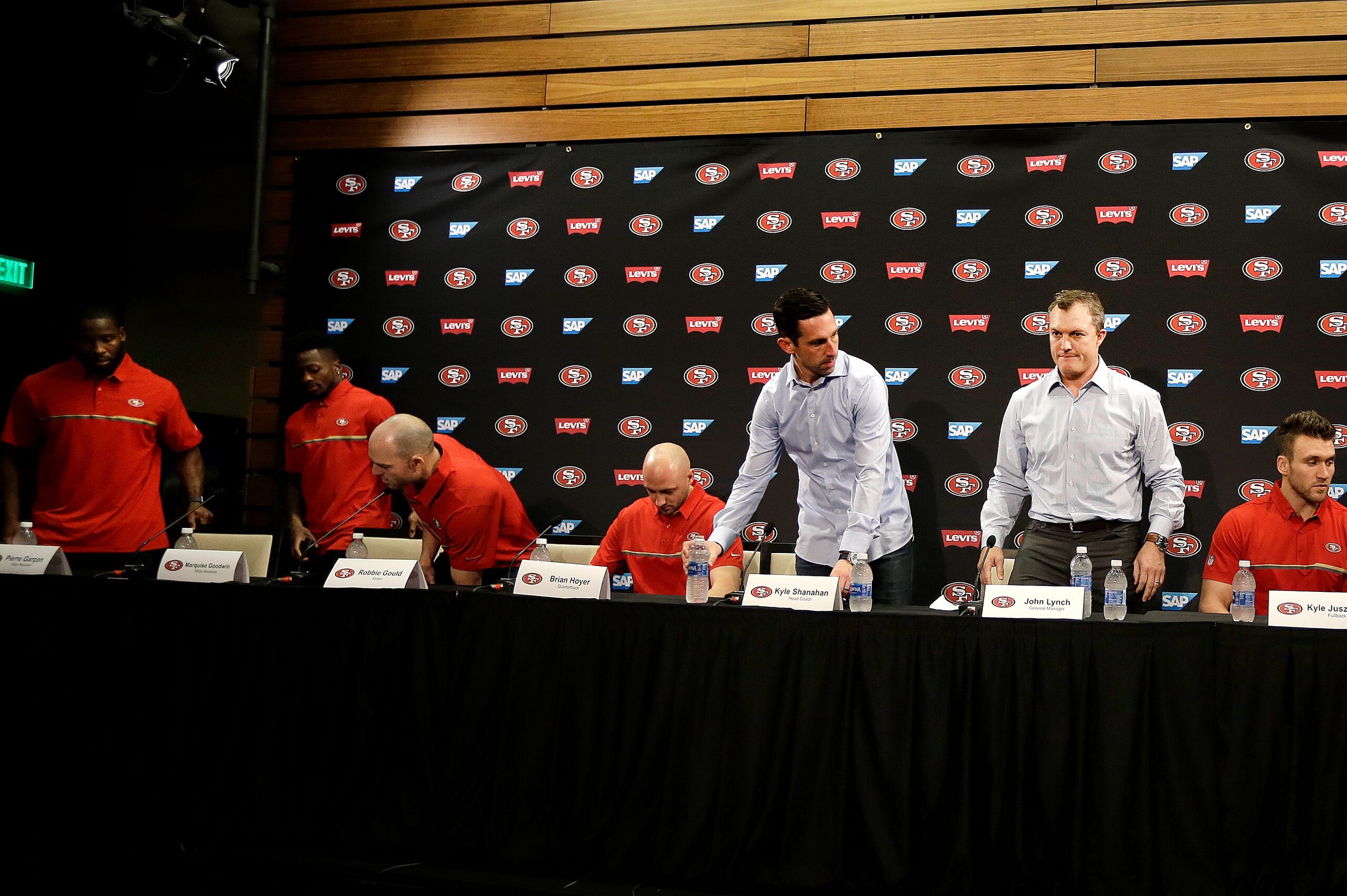
The 49ers jettisoned another payload of expensive veterans this offseason, completing a purge that began two hours after Jim Harbaugh left the building in December 2014. Beaucoup cap dollars and a spanking new front office resulted in an impressive (though pricey) free-agent haul: Pierre Garcon, Brian Hoyer, Malcolm Smith, Kyle Juszczyk and lots of veterans who won't be around by the time the Niners are competitive again but will provide some baseline professionalism while Kyle Shanahan and John Lynch sift through the organizational rubble.
The Browns are in the second year of their grand Moneyball experiment. They focused most of their effort on offensive line upgrades (Zeitler, JC Tretter, extending the contract of Joel Bitonio), meaning they still have cap space to burn and a jumbo bucket of draft picks to play with.
The Browns just need to remember that fans only buy the "free beer tomorrow" promises of massive rebuilds for two years, three at the most. And that owners are usually less patient than fans.
Turn the Page Mode
Some teams need a fresh start but not a complete demolition-and-renovation cycle. Teams in Turn the Page Mode make significant changes in the wake of coaching, front office or quarterback turmoil while still holding on to a recognizable talent core. These teams may be a year away from contention, but there's at least some evidence of forward progress.
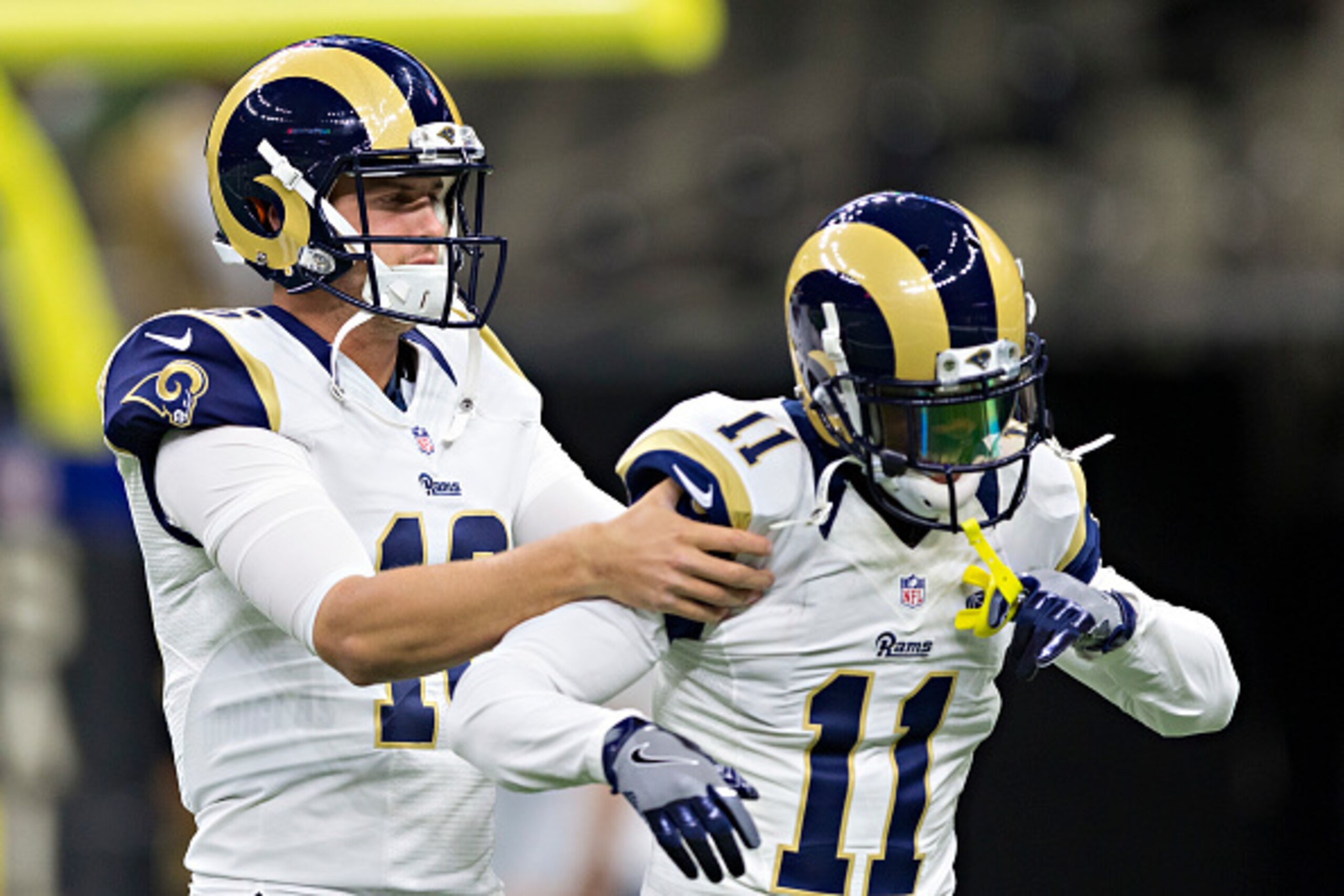
New Rams coach Sean McVay and his staff face the Herculean task of figuring out where Jeff Fisher's incompetence ended and the team's roster deficiencies began. Instead of taking a sledgehammer to the depth chart, the Rams made modest moves (Andrew Whitworth to stabilize the offensive line, Robert Woods to offset the loss of Kenny Britt, Lance Dunbar as a third-down safety valve) to give Jared Goff the best chance to prove his rookie year was just a Fisher thing.
The Colts are quietly sweeping some Ryan Grigson acquisitions out the door while new general manager Chris Ballard combs the free-agent market for faded prospects at discount prices (Margus Hunt, Barkevious Mingo, Sean Spence) and signs mid-tier veterans to keep the team competitive (John Simon, Jabaal Sheard). All the prove-it prospects will create competition that was absent when Grigson's hefty contracts gave free agents virtual tenure.
The Eagles are in their second year of Turn the Page Mode because Chip Kelly glued their book shut. Alshon Jeffery and Torrey Smith upgrade a receiving corps that made Eagles fans long for James Thrash and Todd Pinkston, while Kelly-era defensive stalwarts like Connor Barwin and Bennie Logan left town to be replaced by better Jim Schwartz system fits.
The Bills are going from having no one in charge to giving Sean McDermott the organizational reins. The team has made many lateral offseason moves—swapping Stephon Gilmore for Micah Hyde isn't going to help it catch the Patriots—but McDermott took a fire extinguisher to the Tyrod Taylor drama and is re-signing incumbents who fit both his system and culture. Sometimes, it's the moves a team doesn't make that defines it.
The Texans lost A.J. Bouye and have made no major acquisitions this offseason, but clearing Brock Osweiler off their roster and payroll was the very definition of a Turn the Page maneuver.
Look Busy Mode
This strategy looks similar to treading water except that the team using it is already submerged and possibly drowning. Some organizations approach the offseason like sweaty middle managers expecting a snap inspection from the big boss: They rush around causing as many problems as they solve, ultimately accomplishing nothing.
Three years into the John Fox-Ryan Pace era, the Bears have committed to Mike Glennon as a starting quarterback and replaced Alshon Jeffery at receiver with Markus Wheaton and Kendall Wright. These are the moves a team makes when its goal is to finish 7-9 and claim it was "a play here and a play there" away from the postseason.
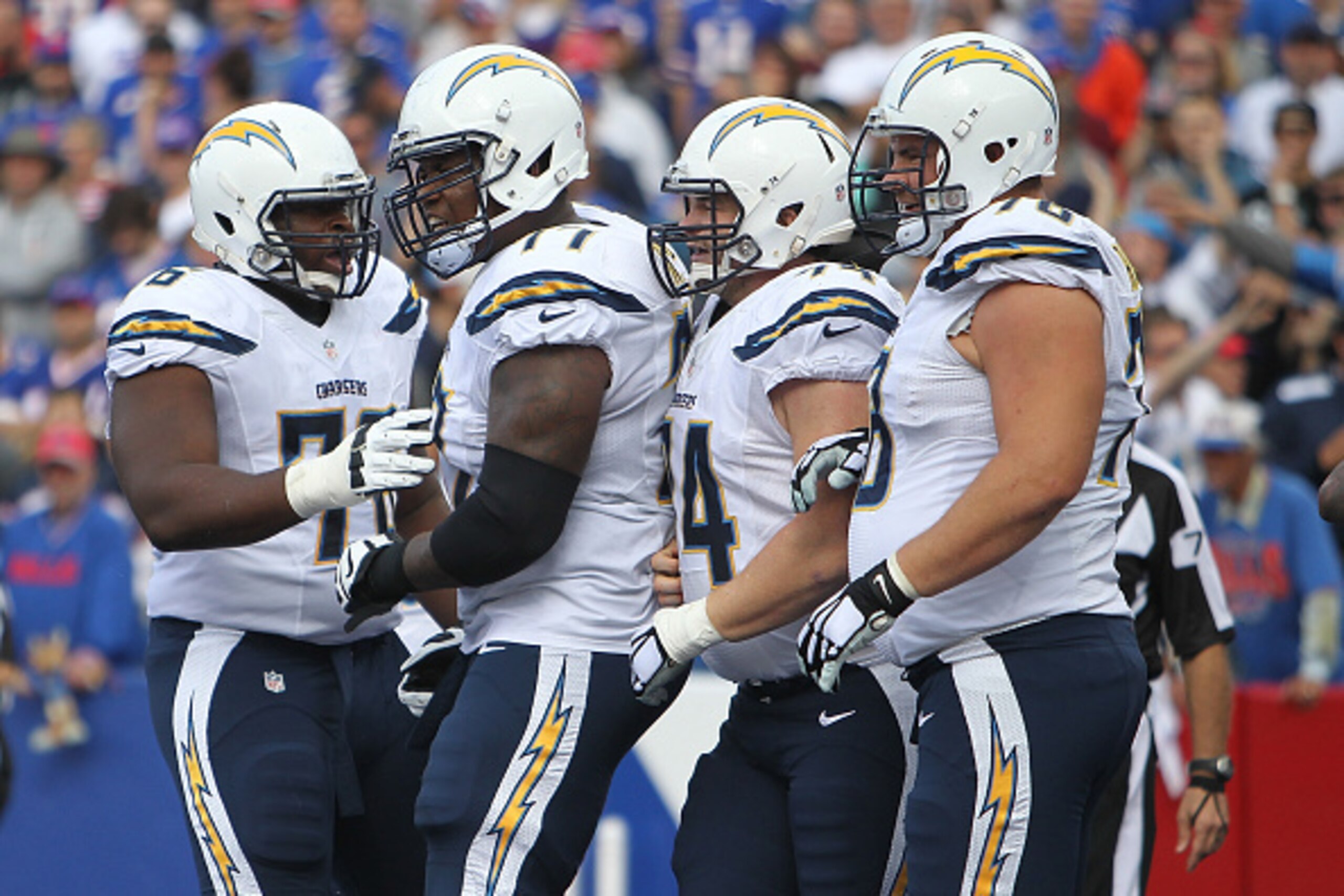
The Chargers have parted ways with King Dunlap, D.J. Fluker and Manti Te'o, adding Russell Okung in a strange case of a player with no agent joining a team with no home. The Chargers are just happy the NFL isn't a European soccer league that can drop them to a lower division.
The Ravens added defensive players but lost offensive players, because the Ravens want to go .500 by winning and losing 16-13 games until the heat death of the universe. Conversely, the Saints shifted resources from offense (trading Brandin Cooks for a first-round pick) to defense (Te'o, Alex Okafor, A.J. Klein, probably their first-round picks) in the hope of exchanging some 38-35 losses for 27-24 losses during Drew Brees' golden years.
No team typifies the spirit of Look Busy Mode like the Jaguars, the NFL's binge-and-purge dieters. The Jaguars' expensive free-agent splash of Calais Campbell and A.J. Bouye is just as sexy as their 2015 and 2016 splashes. Just ignore the fact that this year's departures (Luke Joeckel, Tyson Alualu, Prince Amukamara, Julius Thomas, Kelvin Beachum) were yesteryear's draft and free-agent solutions.
Self-Destruct Mode

What do you call a would-be contender that spends two years dithering over how to deal with its franchise quarterback, downgrades significantly at wide receiver (DeSean Jackson and Pierre Garcon for Terrelle Pryor), spins its wheels on defense and fires its general manager at the start of free agency amid a fetid cloud of scandal and innuendo?
Depending on your level of political correctness, you call them the Skins, the Washington football team or by their given name, the Washington Redskins.
Self-Destruct Mode is only a "strategy" in Mission: Impossible movies. It's a state of collapse, like the one the 49ers faced during the Harbaugh-Trent Baalke war and the Raiders were trapped in late in the Al Davis era. A team in Self Destruct Mode has no hope of contending, or even rebuilding. It can only wait for the dust to settle, then pick up the pieces.
Mike Tanier covers the NFL for Bleacher Report. Follow him on Twitter: @MikeTanier.

.jpg?w=2560 "Rams Eagles Football")
.jpg?w=2560 "Grading WWE Raw 🔠")


.jpg?w=2560 "2 NFL Officials Suspended")
