

Too Much of a Good Thing: The Negative Impact of WWE's PPV Schedule in 2016
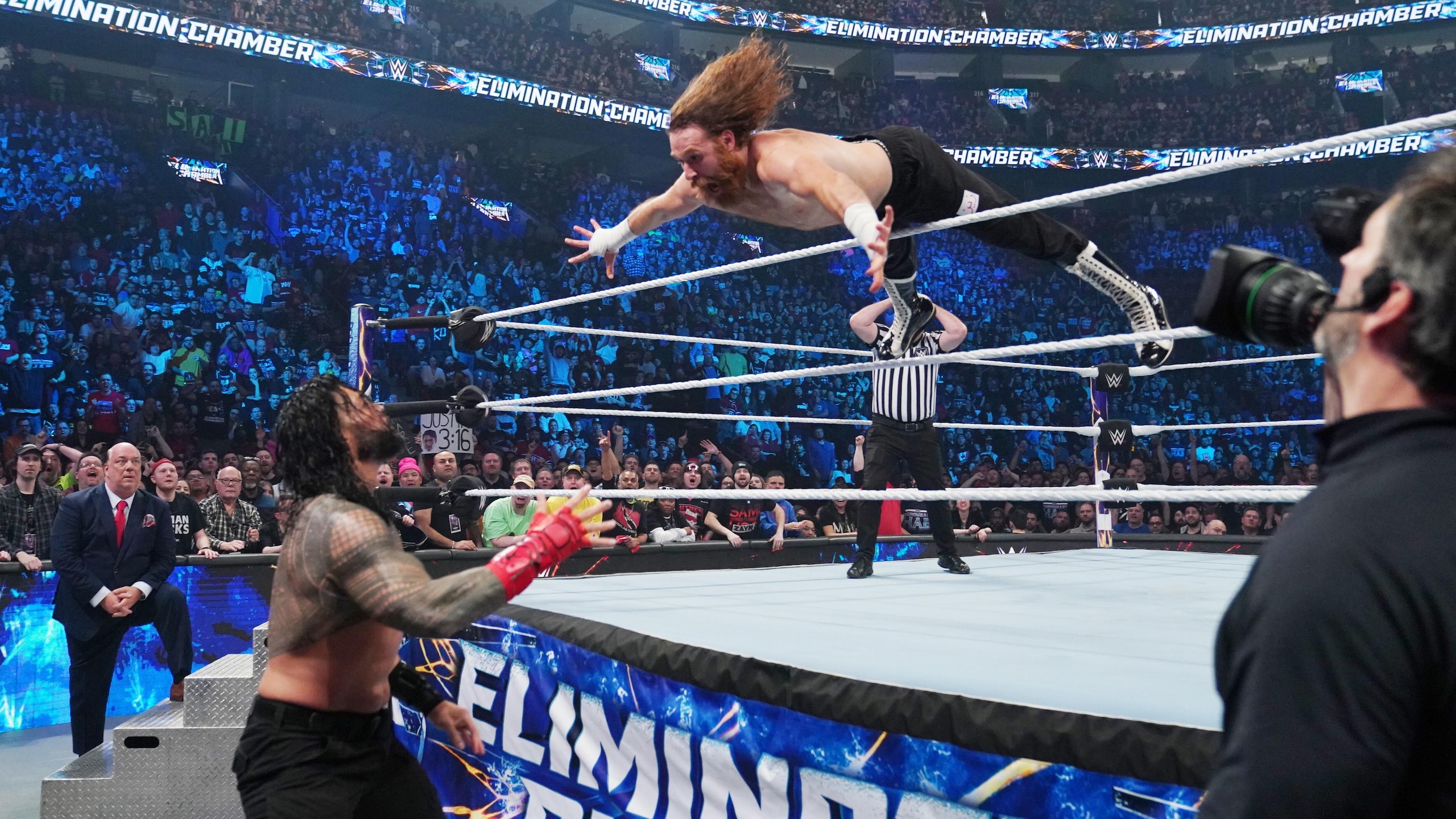
The brand extension may have brought with it the opportunity for WWE to create stars out of its underutilized talent pool, but it also necessitated an overabundance of pay-per-view presentations that have threatened story flow and the oversaturation of marquee events.
In scheduling monthly pay-per-views for its Raw and SmackDown Live brands, WWE has created a scenario in which burned-out fans are asked to watch even more than the five hours a week that are produced on free television.
The result?

Growing apathy toward the product.
| 1986 | 1 |
| 1996 | 12 |
| 2006 | 16 |
| 2016 | 16 |
Lack of Emphasis, and Enough is Enough
Three hours of Raw every Monday night is a daunting task for any loyal fan to endure. Factor in two hours of SmackDown, and the audience is faced with five full hours of television every week. Now add in the one-hour NXT show and the new 205 Live broadcast, and you have seven hours to get through.
That does not count any other promotions one may watch or historical content found on the WWE Network.
The company's inability to convince fans that shows such as No Mercy or Roadblock: End of the Line are important shows is a weakness cited by former WCW president Eric Bischoff during his podcast, Bischoff on Wrestling (h/t Nick Hausman of WrestleZone.com).
"That's a challenge now in 2016 with 24 PPVs a year that WWE has. How do you make those 24 PPVs, aside from the Big Four, how do you make them feel different and unique enough that people are compelled to reach in their wallet and spend money on it? That I think is the problem."
He has a point.
There is no reason to buy into those events as anything more than glorified episodes of the weekly episodic shows. Other than a special gimmick match, the bouts are the same repetitive ones fans are exposed to on Monday and Tuesday nights.
Even themed events like TLC: Tables, Ladders & Chairs and Hell in a Cell feel like B-level representations of WWE's most prestigious productions such as the Royal Rumble and Survivor Series. They are cheap imitations, and the result is a lack of interest in the shows.
Even if management had put greater significance on the shows, it may not have been enough to draw more eyes, something Bischoff alluded to:
"A personality, a mission involved in that PPV. In WWE they had WrestleMania and Royal Rumble. They had PPVs that were as they say in the entertainment industry "tent pole events." That even if you weren’t following the storyline you knew you were going to get a bang for your buck if you bought that particular event. That gets very, very difficult to do the more events you have.
"
The fact that so many shows exist, as Bischoff pointed out, is detrimental to the company's attempt to have them treated with any sort of respect by a fanbase spoiled by the sheer amount of professional wrestling it watches in any given week.
How to Fix It?
Eliminate shows.
Make the ones you do have more meaningful.
As fans witnessed with the Dolph Ziggler vs. The Miz storyline in the fall, the most rewarding programs are those that are allowed the chance to build over time before delivering a satisfactory conclusion. They take the time to build more complex and expansive stories before paying them off in a meaningful way.
NXT has perfected that formula with its TakeOver specials. Taking place only four to six times a year, the shows feature hotter feuds and more meaningful title clashes. Most importantly, they tout hotter crowds because fans have had the opportunity to invest in the characters and their stories.
When Shinsuke Nakamura had the opportunity to challenge Samoa Joe for the NXT Championship, those fans wanted nothing more than to see The King of Strong Style capture the title because they had that emotional investment in him and his journey to championship glory.
That is a formula that would work on the main roster. The talent is as strong as it has ever been, but fans have no reason to care because the speed of the storytelling is so fast that there is little time to digest what is going on from week to week.
By spreading out the brand-exclusive shows and presenting them every other month, if not every two months, the Superstars of Raw and SmackDown could benefit from drawn-out stories that feature a definitive beginning, middle and end rather than the mangled mess audiences are subjected to today.
Until that happens—or WWE Creative finds another method that increases the significance of shows such as Clash of Champions and Backlash—Superstars will see their hard work between the ropes go underappreciated by fans simply burned out on a product that is, at its best, creatively bankrupt at the moment.
.jpg?w=2560 "49ers LB Suspended for Headbutt")
.jpg?w=2560 "Buzz: MHJ Hired Agents for Trade")

.jpg?w=2560 "AD Trolls Bears WR on IG 😂")
.jpg?w=2560 "Commanders OL HEATED After Tie ▶️")