

Craig Sager's Embrace of Life and Career a Model for Every Reporter to Follow
Charles Barkley and Shaquille O'Neal, in discussing the passing of their TNT colleague, Craig Sager, noted that they'd never heard of anyone who didn't like Sager.
But there was someone, I must admit: me.
Many years ago, when I was an NBA beat writer for the San Jose Mercury News and then the Washington Post, I held a healthy skepticism of any "TV talking head," especially one that called himself a reporter yet wore outrageous look-at-me outfits. I had never had any interaction with Craig other than a courteous nod as we passed each other milling about before an NBA game, and I had no desire to get to know him.
TOP NEWS

Brown with an all-time summary of relationship with Tatum

Heat, Giannis were down by 20+ in each of their 3 losses

Power Ranking Every NBA Team's Starting Lineup 🔢
I was a young reporter in an era when the journalistic creed was more conservative, and it offended those journalist sensibilities that he or any reporter should seem to make himself part of the story. (I repeat: This was many, many years ago.)
When I heard that Sager had spent his undergrad years at Northwestern University as a mascot, it only fed my disdain. I snarkily tagged him as simply having traded his Willie the Wildcat costume for ones that didn't include a furry head.
But my view began to shift when I myself became a sideline reporter. Just like Sager.
I had been covering the NBA for nearly 15 years when I received my first sideline assignment for ESPN. There was no prep of any kind. I was fighting a cold and flew into Milwaukee for a playoff game. I was such a neophyte that I wore no anti-shine or makeup powder, and I didn't have the right cord to attach my earpiece to the portable battery pack clipped onto my belt. The sheen of sweat from having both butterflies and a cold made my forehead appear, under the camera lights, like a massive grease fire.
It was right around then my view of Sager began to shift. Of all the roles I've had covering sports—newspaper beat writer, senior magazine writer, author, stand-up TV news reporter, TV studio analyst, NBA draft reporter, radio talk-show host, video essayist and analyst—being a sideline reporter is by far the trickiest.
It is a role full of contradictions. You are labeled a reporter, but not in the fullest sense of the word—or as a newspaper reporter would define it—because you are part of a network's broadcast team, and the network is a business partner with the league. The play-by-play announcer and the analyst, because they describe what they see and think about what they see, rarely feel a conflict of interest.
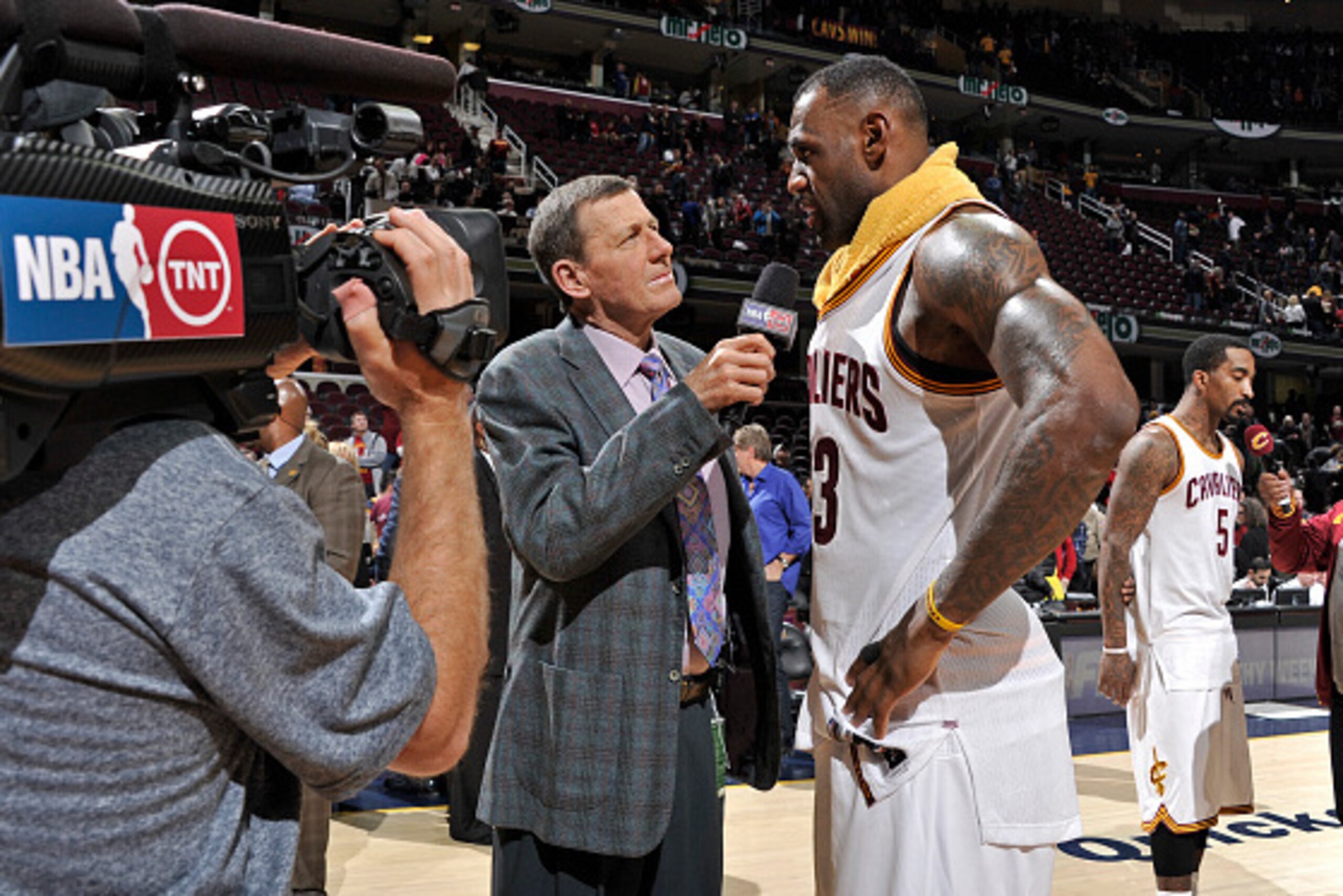
The reporter, on the other hand, is supposed to dig for behind-the-scenes information. As the TV sideline reporter, the objective is to be the best reporter on the scene, which means unearthing nuggets that none of the other dozen or more reporters at the game have discovered. Just make sure none of those nuggets are going to inspire a phone call from the league office.
The more sideline gigs I did, the more I came to appreciate how well Sager walked that line. Underneath those tapestry-inspired threads and inside those primary-colored dress shoes lived the no-frills work ethic of a gold miner, panning for anecdotes and storylines that expanded the viewer's appreciation for whatever was taking place on the court.
And unlike Mr. Milwaukee Grease Fire, Sager always looked as if he'd just leaped out of the makeup chair, tie perfectly knotted, hair casually but neatly parted, skin nicely muted under the lights.
Another line that has to be walked by a sideline reporter is the relationship with players and coaches. He or she is the only one who has to ask questions of the combatants with a camera capturing every word and facial expression, both theirs and the interviewee's. How a player or coach responds to a sideline reporter's questions often shapes what viewers—and even some producers/directors—think of that reporter. The TV sideline reporter is expected to ask insightful questions while not offending his subject.
No one achieved that balance better than Sager. Working for a network partner provides unique access to NBA players, coaches and executives. Relationships, if not friendships, develop that are much deeper than most media members enjoy.
Sager developed as many of those as anyone. He hung out after hours with many of the players and coaches who appeared on camera with him. Yet he was never afraid to ask the questions that needed to be asked or double back when someone tried to evade a subject. He rarely flinched if a player or coach refused to answer a question or even redirected the attention to Craig and his outfit. (See: Popovich, Gregg.)
By the time I opted to end my 14-year run at ESPN, my view of Sager had shifted. I saw his ridiculous outfits as an unfair distraction from someone who was truly a master of his craft. I went from wanting no part of him to, as a sideline reporter, studying what he did and how he did it.
Somewhere along the way I also realized that I had been taking his suits way more seriously than he did. Sager, more than anything, liked to make people happy. It dawned on me that no one, myself included, had ever seen him show up at a game and not smiled when they saw whatever he was wearing. It wasn't look-at-me narcissism at all; he was willing to have people make fun of him, or what he wore, because all that mattered was that they were having fun.
Then, when he got sick, those crazy patterns and retina-burning hues became a symbol of something a little more substantive. They became a symbol of a relentless, dogged spirit. They were a banner, readily visible from the top row and easily replicated by those supporting him, that boldly said, "F--k you, cancer. I'll decide when I go."
The last step of my conversion arrived with Sager's diagnosis of acute myeloid leukemia a couple of years ago. The effects of his illness and the treatment were apparent. I had been shocked when I first discovered he was in his 60s because he exuded an almost frat-boyish exuberance. He'd remained relatively slim as a devoted runner, but now he was gaunt. The exquisitely tailored shirts and suits hung off his broad shoulders. Fatigue circled his eyes. The skin not made up for the cameras looked paper thin and discolored.
None of that seemed to matter, maybe because we were seeing the man behind the gaudy threads in another way: as a family man.
I took note of how they rallied around him, the way his son stepped in for him as a sideline reporter at one point, the genuine affection he shared with his wife. I don't think you can suddenly conjure all that up when tragedy strikes. It showed that he had forged a home life, not always easy for someone whose availability is at the mercy of the sports calendar and requires crisscrossing the globe.
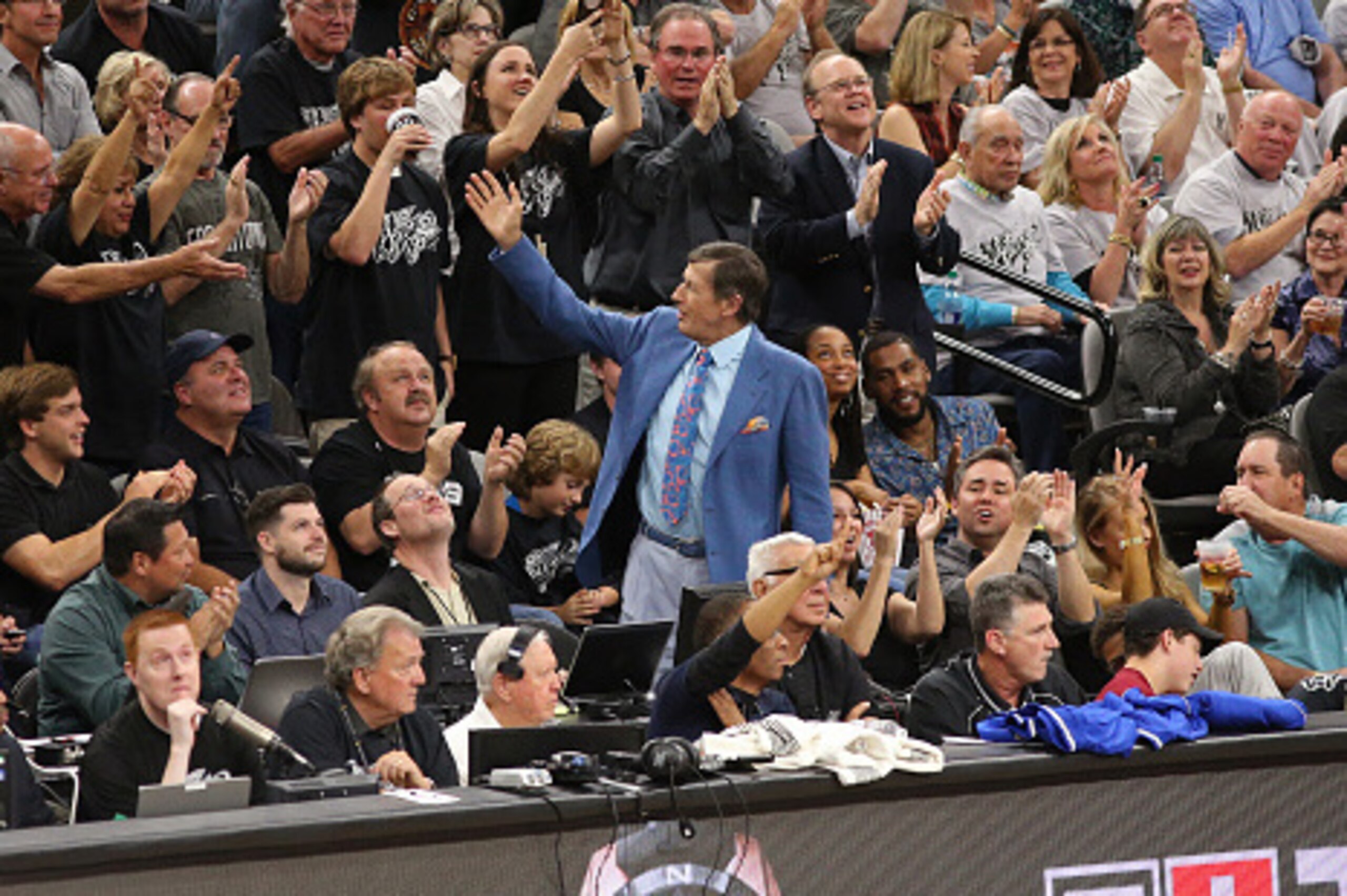
It's still hard for me to imagine that we'll never cross paths again at some NBA arena or another, that he is truly gone. Then again, while the first impression he made on me was all about our shared profession, my lasting image of him has nothing to do with a suit or a microphone or a camera. It's of Craig, looking up into the stands, acknowledging the crowd with a wave and a message: "No matter what happens, find a way to keep doing what you love to do. I am."
Now the same smug beat writer and exception to Charles and Shaq's contention about Craig finds himself thinking: I can only hope to do the same.
Ric Bucher covers the NBA for Bleacher Report. Follow him on Twitter: @RicBucher.


.jpg?w=2560 "Jonathan Taylor Landing Spots 📍")



