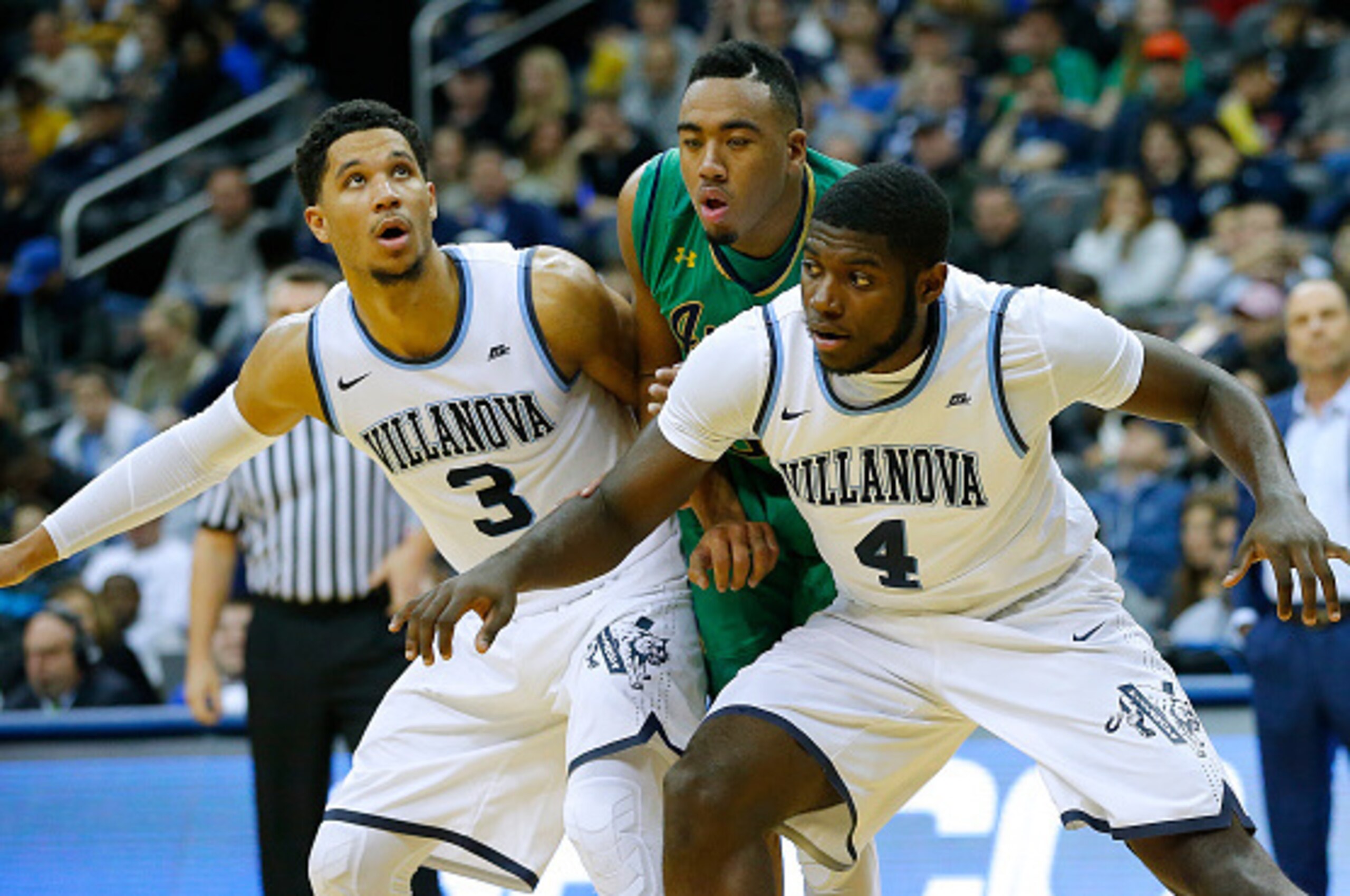

One Thing We Learned About Each Top 25 College Basketball Team in Opening Month
More than a month of college basketball is in the books, but is it enough time to definitively judge how the 2016-17 season will go? Nope, but it is quite adequate for the purposes of assessing how well things have gone so far and enough to figure if certain trends can continue.
Some teams are excelling in a certain statistical area or struggling to live up to what we thought they'd be so far. The same goes for certain players, ones we had high hopes for entering the season and others who have been pleasant surprises. The one thing they all have in common is there's something about them, player or team, that's enabled them to stand out from the pack.
Using the latest Associated Press Top 25 as a guide, we've picked out one thing we've learned about each ranked team. Take a look and then give us your thoughts in the comments section.
No. 25 Cincinnati
1 of 25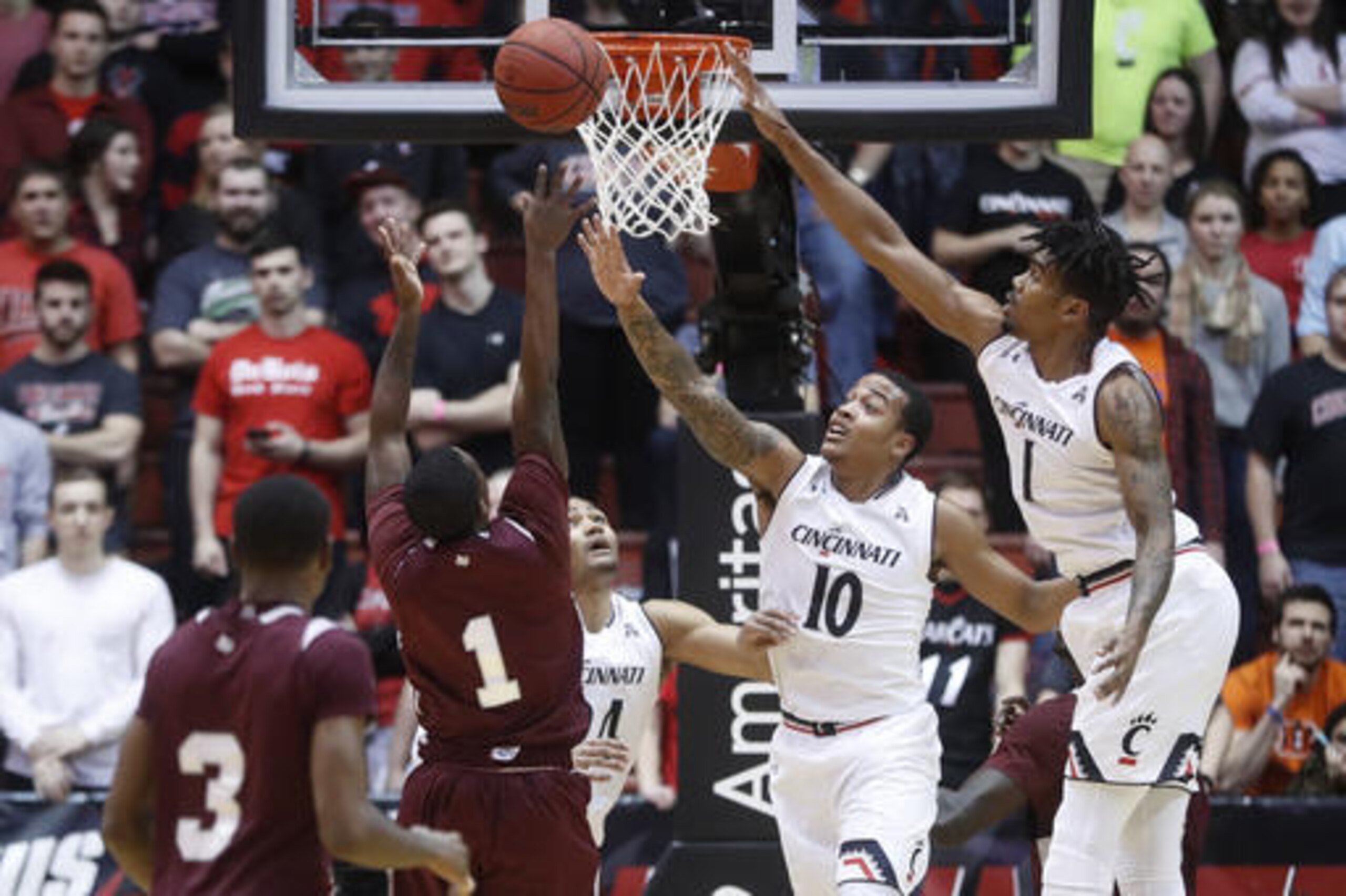
Defense will be what gets Bearcats a conference title
Cincinnati has won at Iowa State, one of the more difficult places to play in the country, and hung with Butler for most of last week's 10-point road loss. Only three of the Bearcats' 10 opponents have managed to score more than 58 points, and six have failed to shoot better than 36.8 percent.
And that's before getting into American Athletic Conference play, where the competition isn't looking to be particularly tough. Only two of the other 10 teams in the league have a KenPom rating of in the top 60, making up four of Cincinnati's 18 conference games, but another seven are against foes rated 141st or worse.
There's a late January game against rival Xavier mixed in there, but otherwise, Cincinnati is in good shape to win the league if its strong play on defense and the combination of guard Jacob Evans and forward Kyle Washington keeps scoring 15 points apiece per game.
No. 24 USC
2 of 25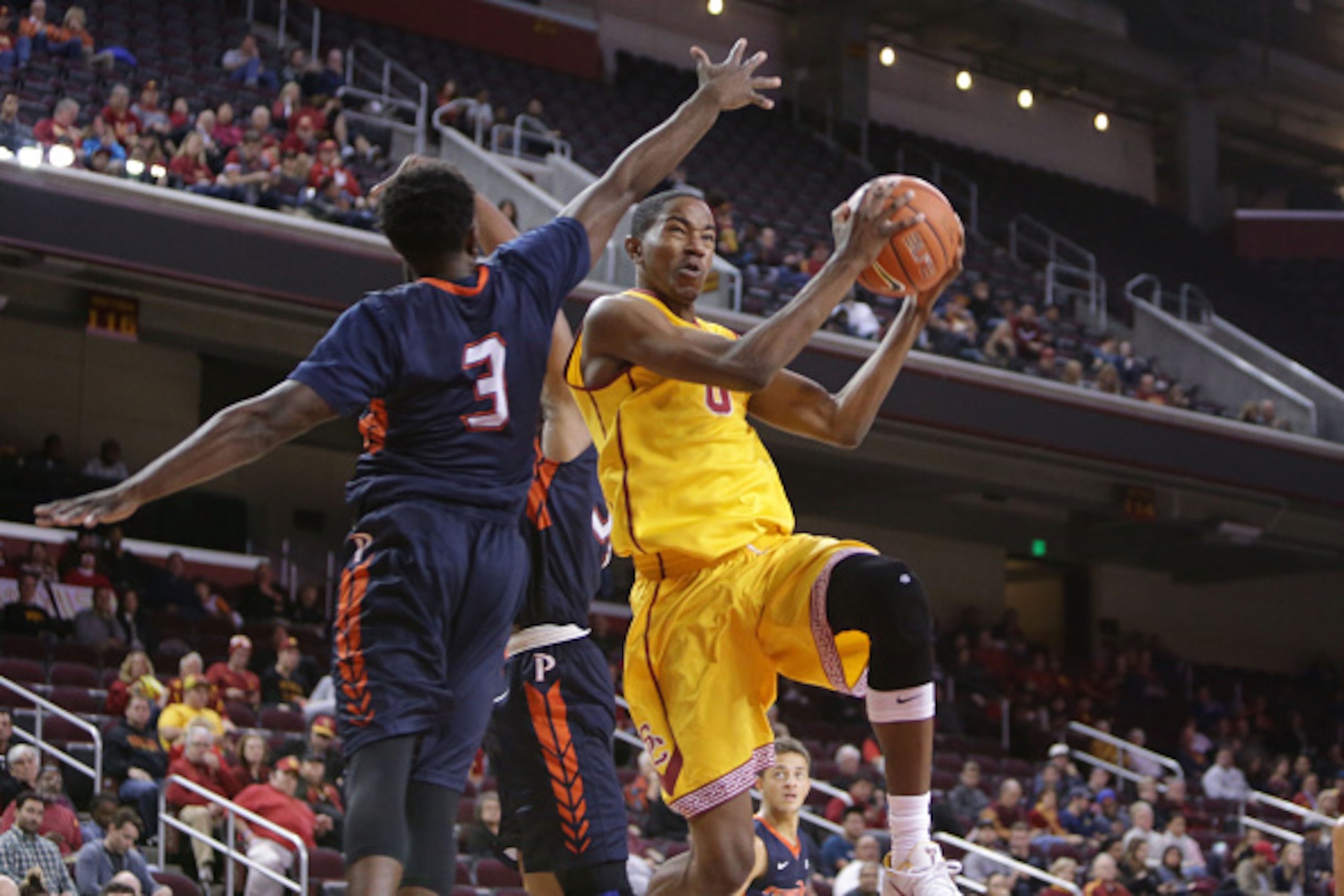
Offseason transfers weren't a death knell
Reports of USC's short stay among the national elite seems to have been premature. At 9-0, the Trojans are one of six unbeaten teams left in Division I, despite two players from last year's NCAA tournament team turning pro and another four transferring.
Those departures haven't seemed to matter so far, rather they've made it more possible for newcomers like former Louisville guard Shaqquan Aaron and a trio of freshmen to get valuable minutes. It's also helped that returning junior guards Jordan McLaughlin and Elijah Stewart picked up where they left off, as have sophomore big men Bennie Boatwright and Chimezie Metu.
USC is averaging 82.7 points per game and beating opponents by 15.9 points, winning at Texas A&M and also posting victories over SMU and BYU.
No. 23 Florida State
3 of 25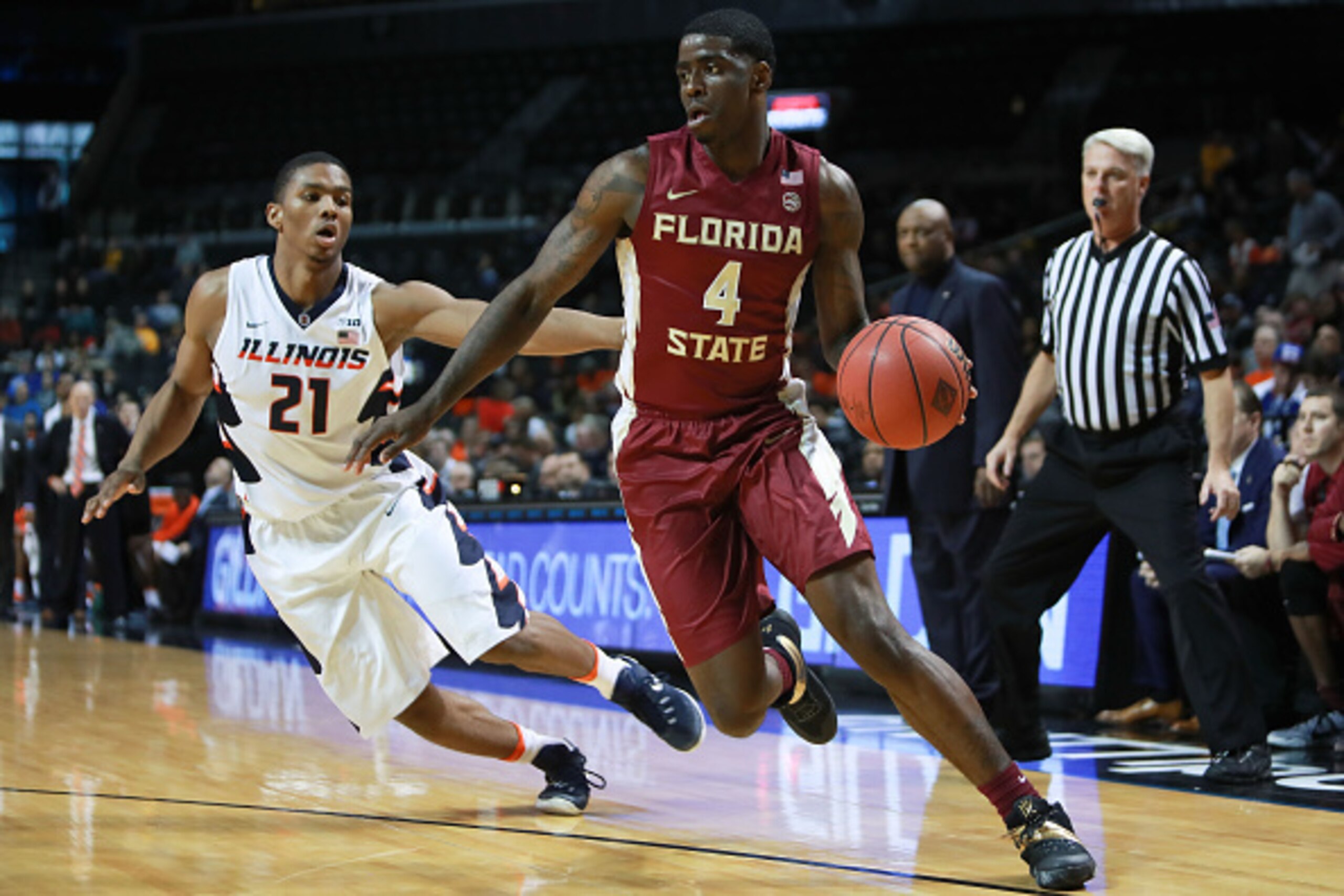
Dwayne Bacon doesn't need Malik Beasley
There were 15 freshmen in college basketball last season who averaged at least 15 points and five rebounds, and two were from Florida State. Despite what Bacon and Beasley did, though, the Seminoles failed to make the NCAA tournament.
Beasley's departure for the NBA left Bacon without someone of his ilk working the perimeter with him, but so far that hasn't been a problem. The 6'7” guard is averaging 17.3 points per game and shooting 50.4 percent overall with 37.5 percent accuracy on three-pointers, each stat an improvement over 2015-16.
Having freshman forward Jonathan Isaac (14.4 points, 7.1 rebounds per game) on the inside helps, but Bacon has been FSU's driving force. It is 10-1 with only a three-point loss to Temple at the NIT Season Tip-Off preventing it from having a perfect record.


No. 22 Oregon
4 of 25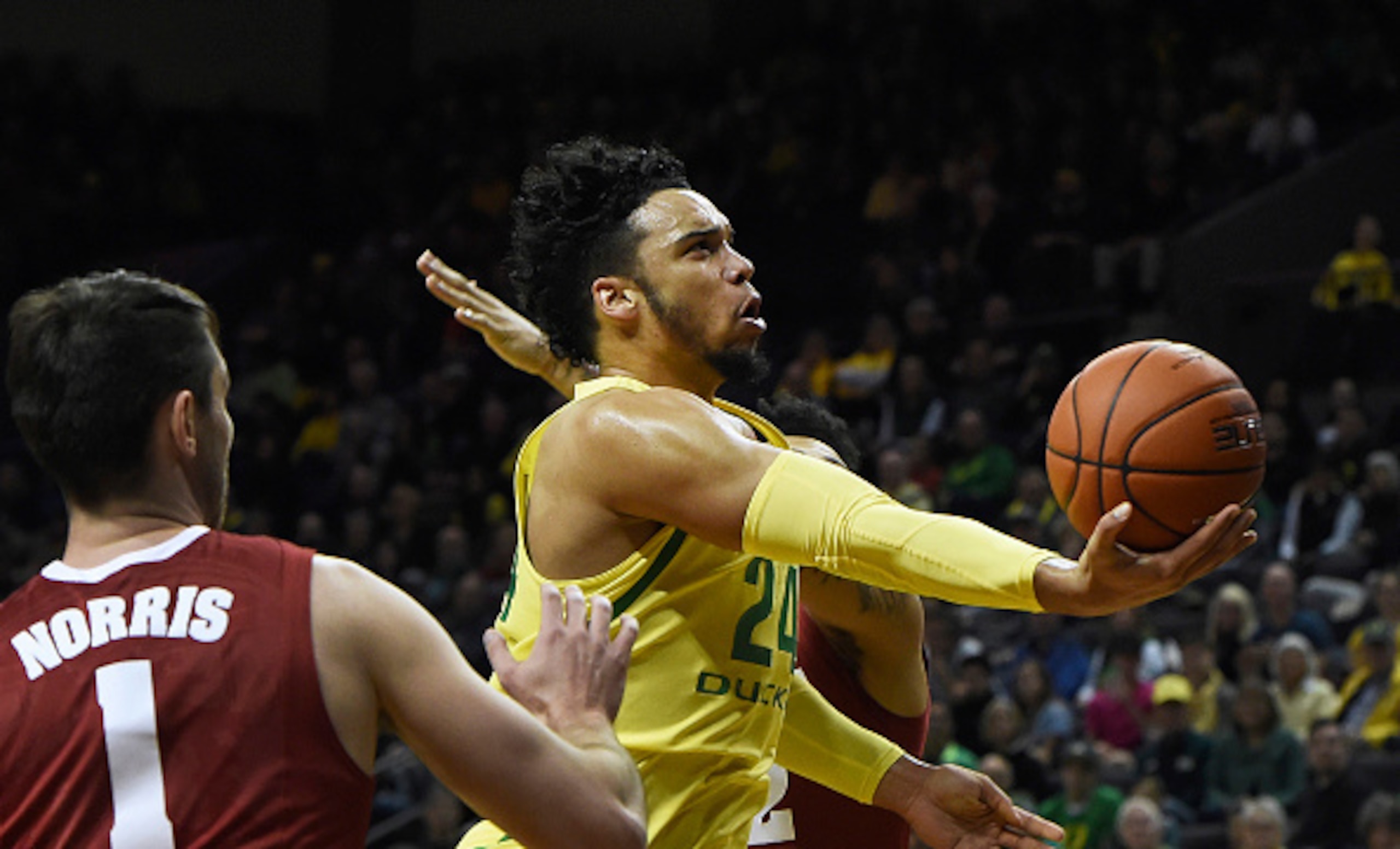
Dillon Brooks still isn't 100 percent
A foot injury this summer knocked Brooks out of action for offseason workouts and all of Oregon's preseason preparation. He also missed the Ducks' first three games, making his debut in the Maui Invitational.
Since then, he's been slowing coming back to the level he was at last season when as a sophomore he averaged 16.7 points, 5.4 rebounds and 3.1 assists per game. He's at 12.3, 2.0 and 2.9 this season but is playing just 19.3 minutes per game off the bench compared to 32.8 in 2015-16.
Brooks' two best games have come against the weakest foes he's faced since returning, scoring 21 on 8-of-13 shooting against Division II Western Oregon and scoring 22 on 8-of-12 shooting three days later against Savannah State. Against everyone else, he's averaging 9.2 points and shooting 35.3 percent.
Once Brooks gets to where he can put up Savannah State-type numbers against formidable competition, he will have Oregon back to the team that was picked to win the Pac-12.
No. 21 Notre Dame
5 of 25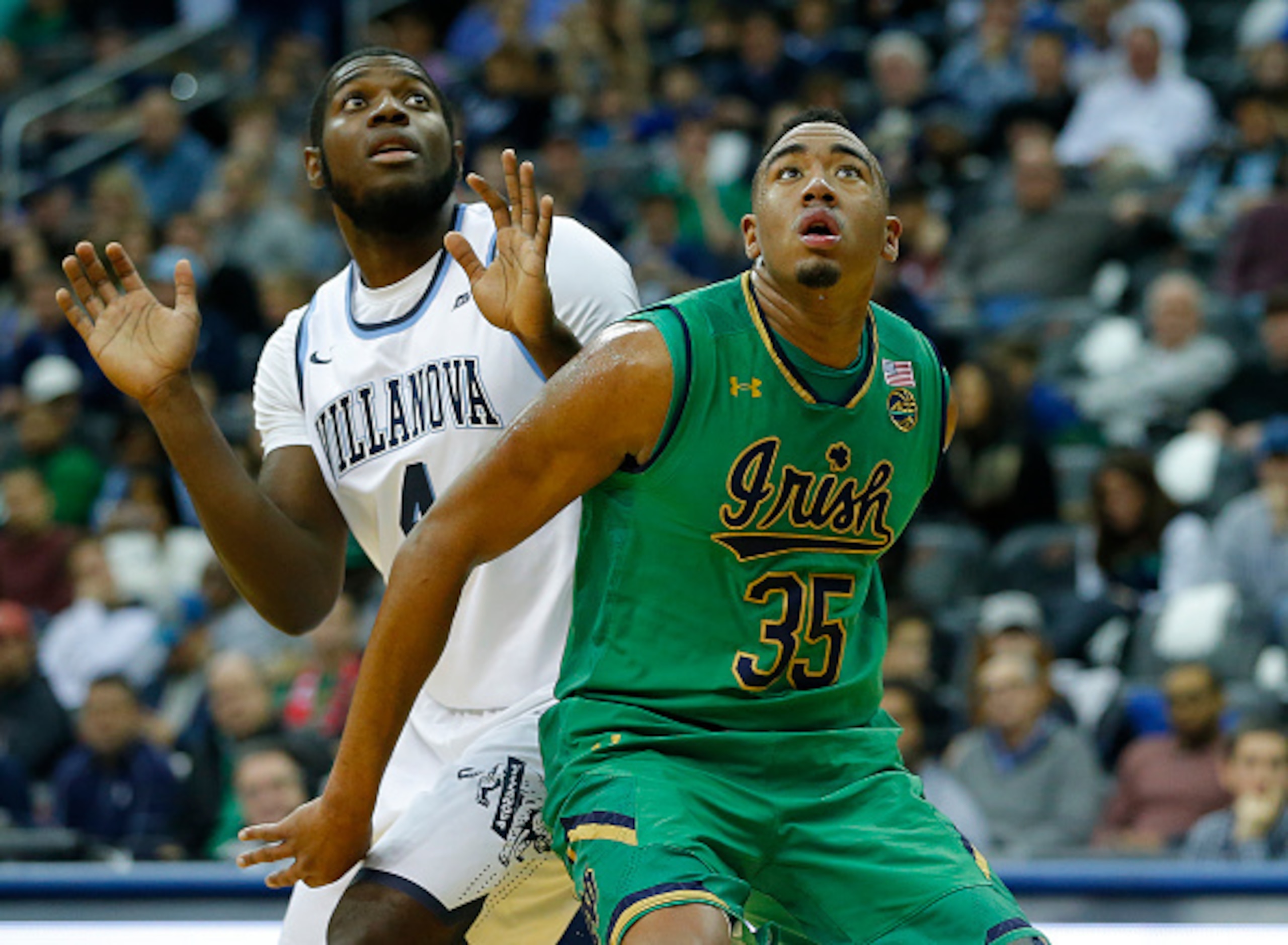
Mike Brey can develop players
Notre Dame's top four scorers are juniors and seniors, just like it was last year. And in most seasons under Brey, who at 9-1 is well on his way to winning at least 20 games for the 10th time in 11 years, he uses a tried-and-true system of developing players during their early years and getting the most out of them as upperclassmen.
Senior Steve Vasturia is scoring 16.6 points per game and shooting 44.4 percent from three, both career highs as he's shown improvement each season with more playing time. The same goes for senior forward V.J. Beachem, junior forward Bonzie Colson and junior guard Matt Farrell. Farrell is the Fighting Irish player making the biggest leap this season, his 13 points and 5.5 assists per game way up from 2.6 and 1.6 as a sophomore.
Under this trend, expect the same in 2017-18 from sophomores Rex Pflueger and Matt Ryan and possibly freshman guard Temple Gibbs. They're getting some run now, combining for 45 minutes per game, but in the future will be even more essential as they build off their experience learning Brey's system.
No. 20 Saint Mary's
6 of 25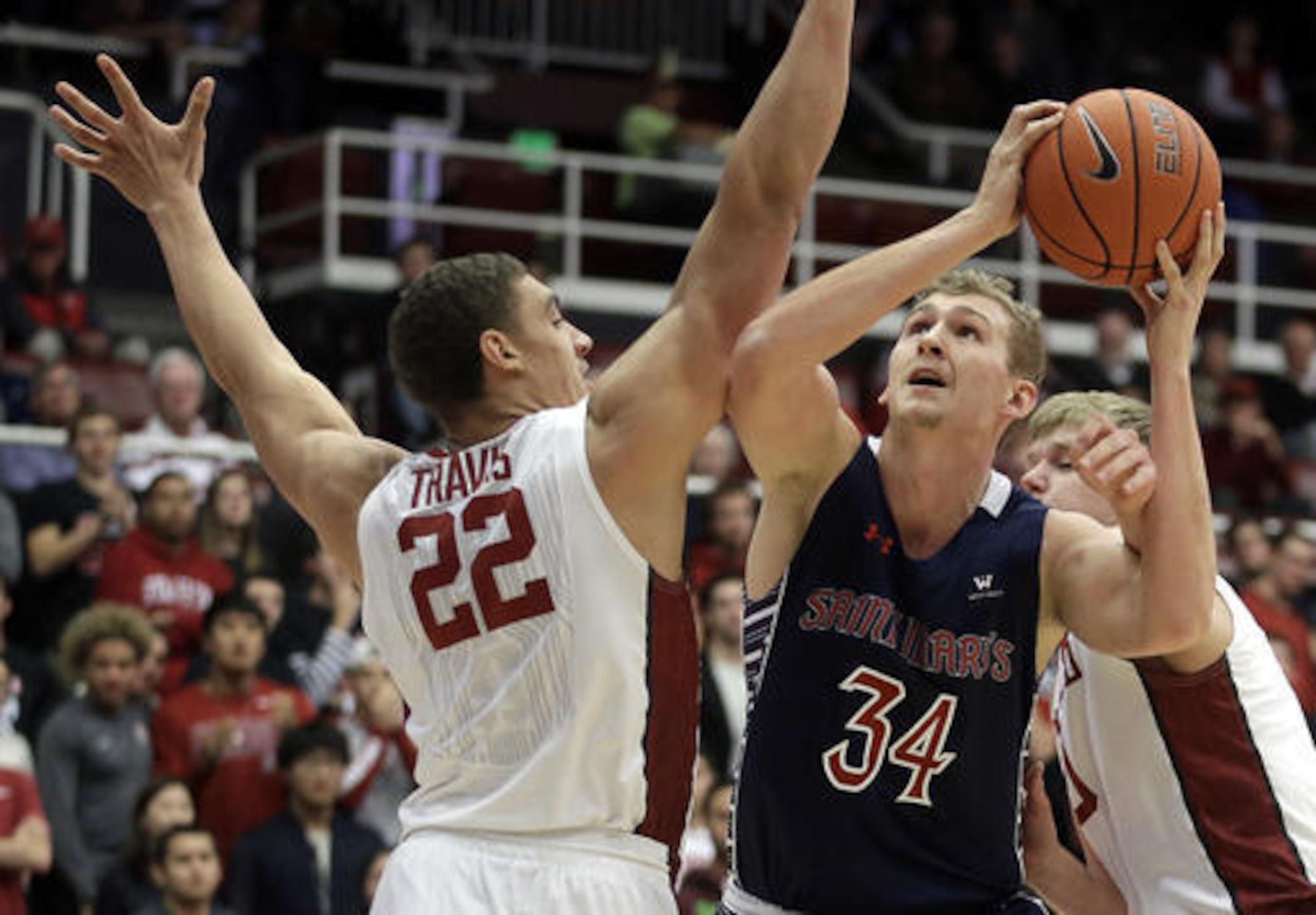
Jock Landale is a breakout Player of the Year candidate
Just the name warrants getting some attention, but then you look at his numbers and wonder how much more people would be raving over Landale if he weren't playing at tiny Saint Mary's. The fact the Gaels are ranked doesn't change much since few of their games are on TV and none are aired outside of the late-night window.
That's a shame, because Landale has been fun to watch if you can find one of his games online. The 6'11”, 255-pound junior center from Australia is averaging 18 points, nine rebounds and 1.2 blocks per game while shooting 65.7 percent. He was 76.2 percent during a 6-0 start before going 3-of-10 in a home loss to Texas-Arlington.
Landale has two double-doubles and at least 13 points and seven rebounds in every game. Last year, he hit that scoring mark just five times and had the rebounding number on four occasions, once in the same game.
No. 19 Arizona
7 of 25
Lauri Markkanen can't afford to have bad games
Down to seven scholarship players who aren't hurt—sitting out per NCAA transfer rules or being held out for unspecified reasons—Arizona can ill afford anyone to have an off night. This doubly applies to Markkanen, a 7-foot freshman who has been thrust into a much larger role than anyone could have predicted before the season.
Markkanen, from Finland, averages team highs in points (16.3) and rebounds (7.2) while shooting 49.1 percent overall and 44.9 percent from three-point range. His 22 threes are seven more than any other Wildcat and his 52 free throw attempts are 12 more than the pack, with Markkanen making a team-best 82.7 percent.
Until sophomore guard Allonzo Trier's status is cleared up and junior point guard Parker Jackson-Cartwright returns from a high ankle sprain, Markkanen will be far and away Arizona's most important player. If he struggles, the entire time figures to follow suit.
No. 18 Butler
8 of 25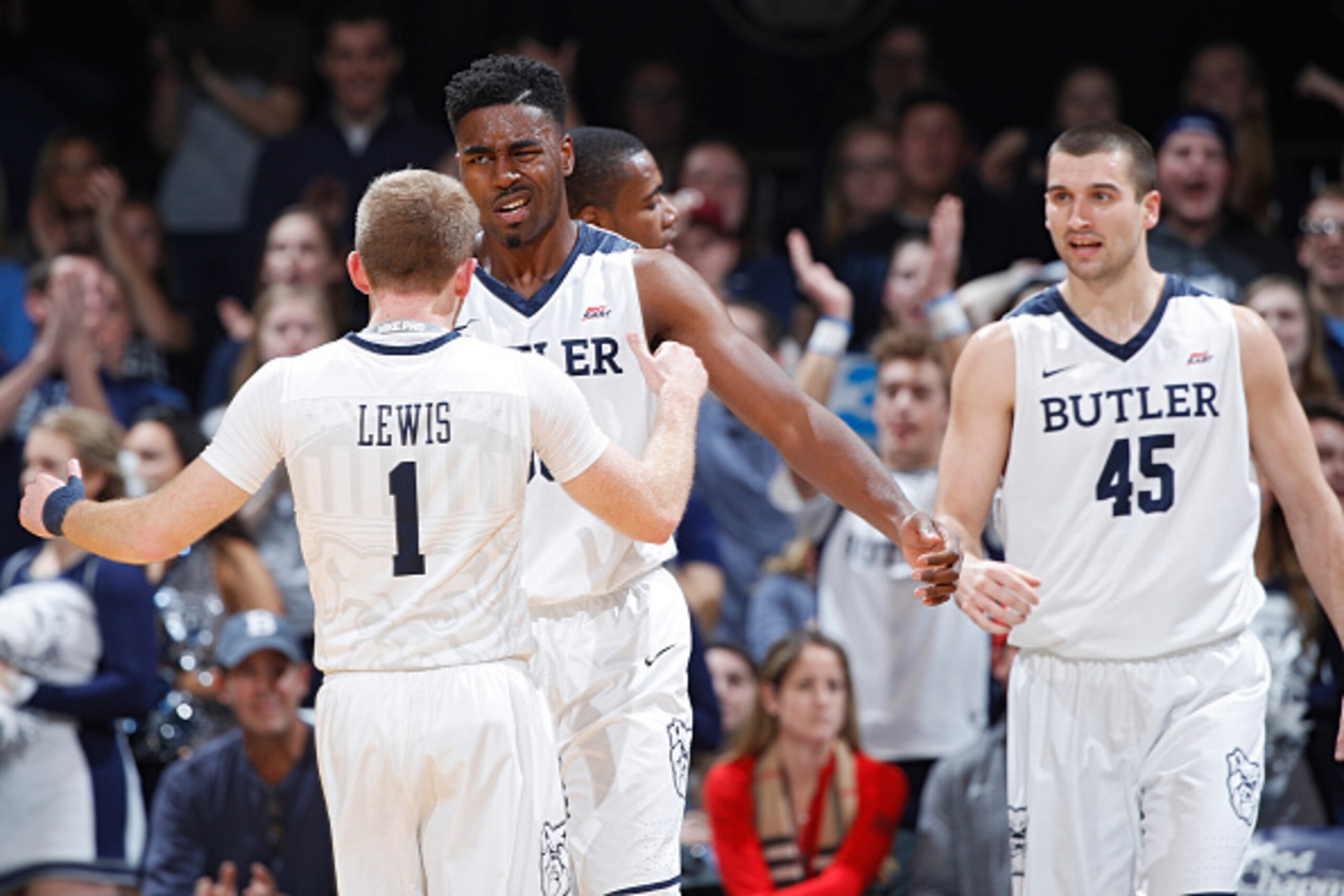
Bulldogs could be the Big East's best defensive team
Based on how the polls look heading into the holidays, the Big East is going to be one of the more top-heavy leagues in the country. It's certainly not going to be a cakewalk for Villanova to win it again, not with three other ranked teams behind it.
Butler (9-1) is the lowest of that group but wasn't ranked at all to start the season, then the Bulldogs beat Northwestern, Vanderbilt, Arizona and Utah (the latter on the road) to get noticed. Since then, they fell by one at Indiana State and rebounded to beat Cincinnati in a defensive slugfest.
Those are the kind of games Butler can be successful in this season, because almost every regular player is heavily devoted to playing hard on that side of the ball. Topping that list is Kamar Baldwin, a 6'0” freshman guard whose defensive rating of 83.9 is the result of 22 steals in 217 minutes of play.
No. 17 Xavier
9 of 25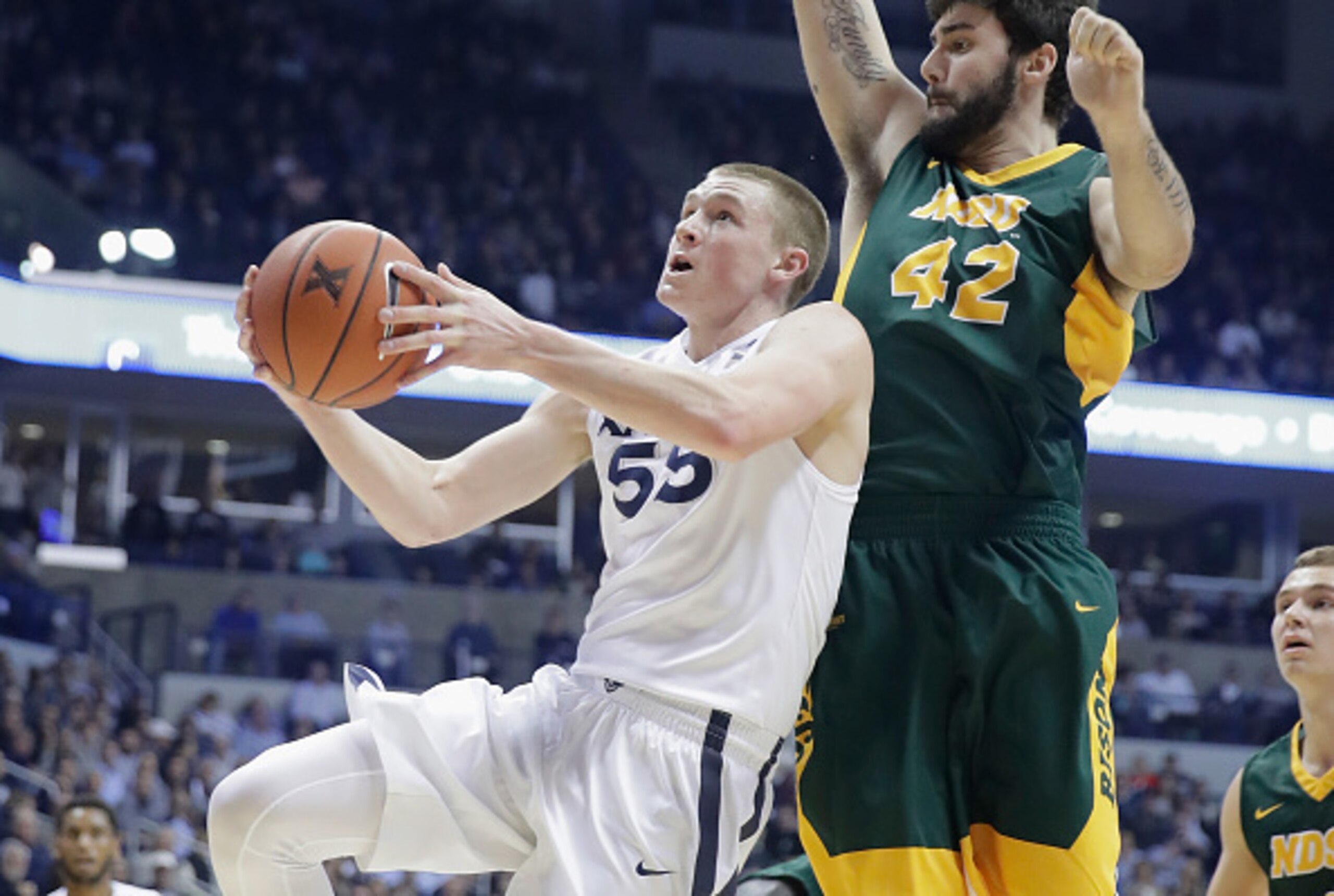
Rebounding hasn't been an issue
Its two best rebounders from last season having moved on, Xavier's ability to pull down missed shots and protect the rim were major concerns heading into 2016-17. The Musketeers instead look like a team that's spent a lot of time practicing how to handle the boards despite not much size to speak of.
The addition of graduate transfer RaShid Gaston, a 6'9”, 240-pound forward, has helped fill the void lost by James Farr and Jalen Reynolds. He's averaging 7.4 rebounds per game, with 34 offensive rebounds, all six of Xavier's top six scorers are also contributing at least three rebounds per game.
Xavier (8-2) lost at Baylor and Colorado but still out-rebounded those opponents and every other foe. And four of those teams have rebounding rates of 53 percent of better.
No. 16 South Carolina
10 of 25
P.J. Dozier's improved shooting has been key to strong start
South Carolina is coming off its first loss of the season, a three-point defeat to Seton Hall on Monday in New York City. It was the second game in a row senior Sindarius Thornwell missed due to a suspension, and since then, news has broke that Thornwell was arrested in May on a marijuana charge. David Cloninger of The State reported the suspension isn't related to that incident, but it's still unknown when the Gamecocks will get back their leading scorer.
That makes the major improvement Dozier has shown with his shot so much more important to South Carolina (8-1) keeping things going and not going into a backslide.
Dozier, a 6'7” guard, is shooting 45.5 percent overall and 41.2 from three-point range while scoring 13.6 points per game. In eight more minutes per game, he's more than doubled his scoring rate because he's not shooting 21.3 percent from outside and going through stretches of 19 consecutive games without making a three as he did as a freshman in 2015-16.
No. 15 Purdue
11 of 25
Boilermakers share the ball well for a team without a true point guard
So who is Purdue's starting point guard, after all? And does it matter?
Guards Dakota Mathias and P.J. Thompson have started all 10 games for the Boilermakers while freshman Carsen Edwards was added to the lineup for the last three in place of forward Vince Edwards. All four are averaging at least two assists per game as is sophomore power forward Caleb Swanigan, who dishes out 3.4 per game.
All told, Purdue has assisted on 69.2 percent of its made field goals, fourth-best in the country. And though its 18.2 percent turnover needs some improvement, having so many players handle the ball can lead to those mistakes.
Far more turnovers might occur if Purdue did more one-on-one plays on offense.
No. 14 Wisconsin
12 of 25
Nigel Hayes might have finally accepted his role
Hayes is 6'8” and 235 pounds, a solidly built senior forward who has the body and strength to bang around inside and still produce on offense. In the pros, he may need to play further from the basket, but with Wisconsin, his best fit is as an interior guy.
Yet for most of the past two seasons, and the early part of this year, Hayes kept trying to prove he could be a perimeter scorer. And the results kept getting worse.
Hayes shot 29.3 percent from three last year, lowering his overall rate to 36.8 percent. He's making 35.1 percent of his threes this season, but he made just nine of his first 31 attempts before giving up on that shot and moving back toward the paint. The result has been 17.7 points and 4.0 assists per game compared to his season averages of 14.2 and 3.3, and he's gone 26-of-45 from the field in Wisconsin's last four games.
He's only taken six threes in the last six games, making four of them, being more selective with that and maximizing his best assets as a power forward.
No. 13 Virginia
13 of 25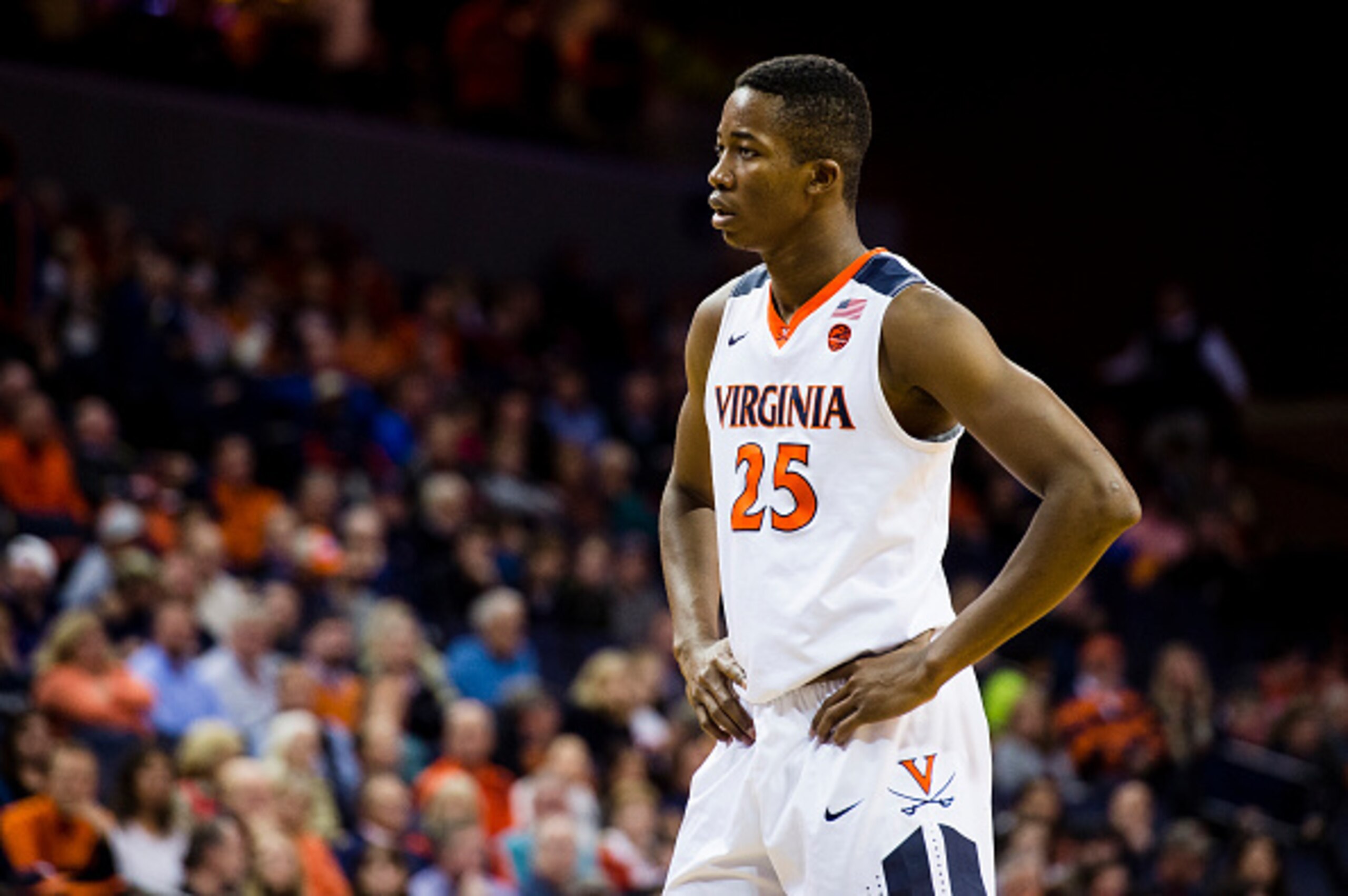
Offensive efficiency doesn't extend to foul line
At 117.9 points per 100 possessions, Virginia is again among the most efficient offenses in the country. The Cavaliers (8-1) rank 17th in that statistic, shooting 50.1 percent from the field and 38.7 percent from three-point range. Combine that with their punishing defense, which holds foes to 35 percent shooting and 47.6 points per game, and they're tough to beat.
But not unbeatable, as West Virginia showed in a 66-57 home setback on Dec. 3. The Mountaineers weren't able to force as many turnovers as normal, just 14, which was a season high for Virginia but not the only reason they lost.
Going 7-of-13 from the foul line was just as responsible for the result, and it could lead to other losses if that continues to be a problem. For the year, Virginia is shooting 68.2 percent, down from 75.2 percent a year ago, but with Malcolm Brogdon no longer around and London Perrantes shooting a career-low 63.6 percent (compared to 80.3 percent in 2015-16), the Cavs don't have the foul line as somewhere they can be confident.
No. 12 West Virginia
14 of 25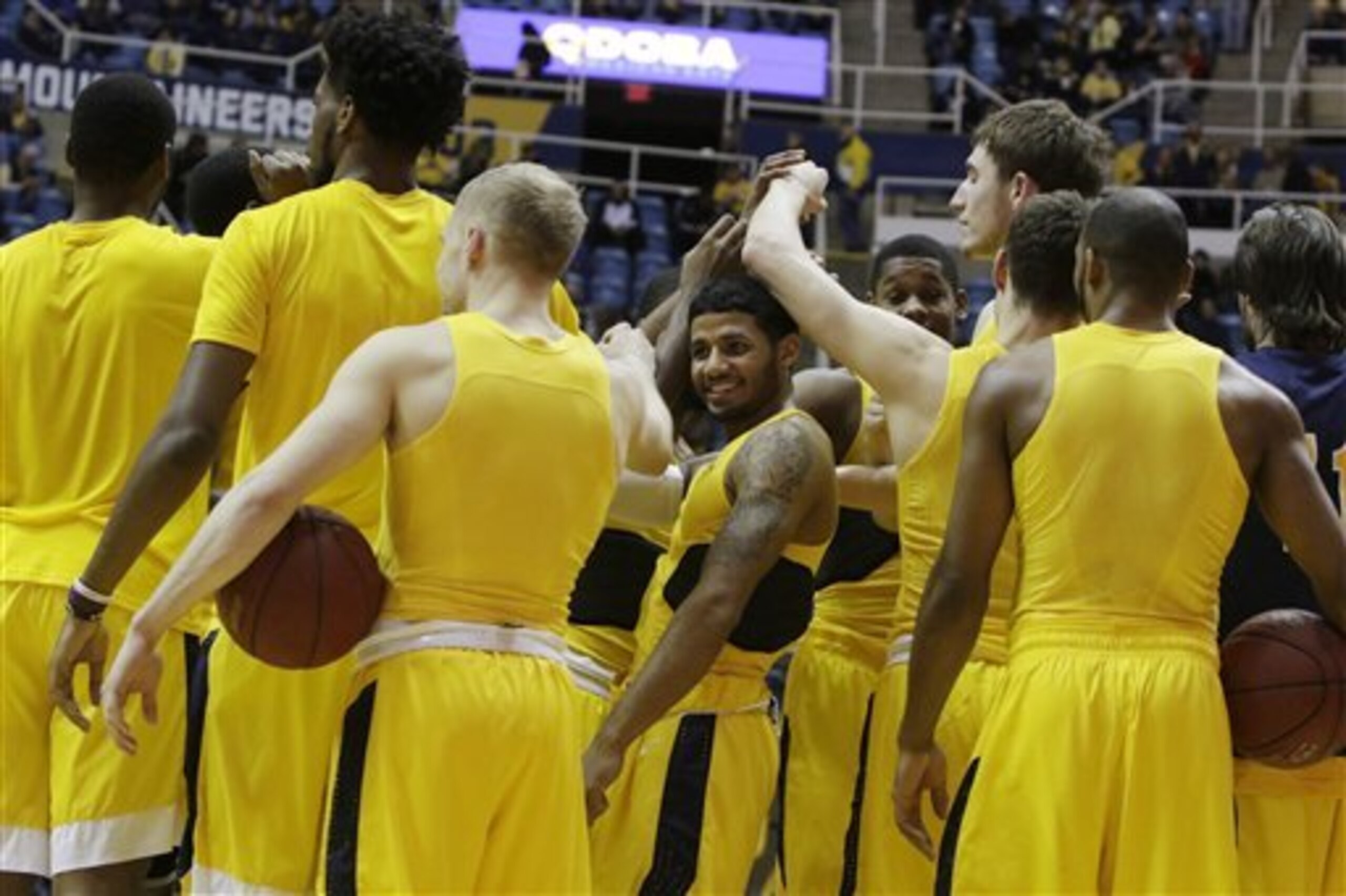
Turnover records could keep falling
It is imperative that opponents take care of the ball if they want to be able to beat West Virginia. It's almost nearly impossible.
The Mountaineers have been ridiculously good at forcing turnovers this season, inducing a school-record 40 in a November win over Manhattan and topping the 30-turnover mark two others times. Their opponent turnover rate of 30.2 percent is far and away best in the country, as is their 18.2 percent steal rate.
Through nine games, West Virginia (8-1) has forced 234 turnovers and turned it over 100 times, a margin of 14.9 per game. The Division I record is 11, set by Long Island in 1998, and that LIU team also set the steals-per-game record with 14.94. West Virginia is at 13.67, which if maintained over the course of the season could put it in contention to break the Division I steals mark of 490 by VMI in 2007.
No. 11 Louisville
15 of 25
Incredible defense is making up for poor offense
Defense wins championships, right? If so, Louisville is looking pretty good to make a deep run despite the fact it's been quite ugly on the offensive end in starting 9-1.
The Cardinals are scoring 77.6 points per game, but so much of that production is coming as the result of their defense, which is allowing 59.7 per game on 36 percent shooting. Only three of their games have been against top-100 teams in the KenPom rankings, with wins over Purdue and Wichita State and a loss to Baylor showing far less ability to generate points without some help.
Louisville has managed to win games while shooting 29.7 percent, as it did against Old Dominion in the Battle 4 Atlantis tourney, and by hitting just 36.5 percent of its shots against Wichita State because it held Wichita to 31.8 percent shooting.
With upcoming games against Kentucky, Virginia and Indiana, though, more than just strong defense is going to be needed to get the job done.
No. 10 Creighton
16 of 25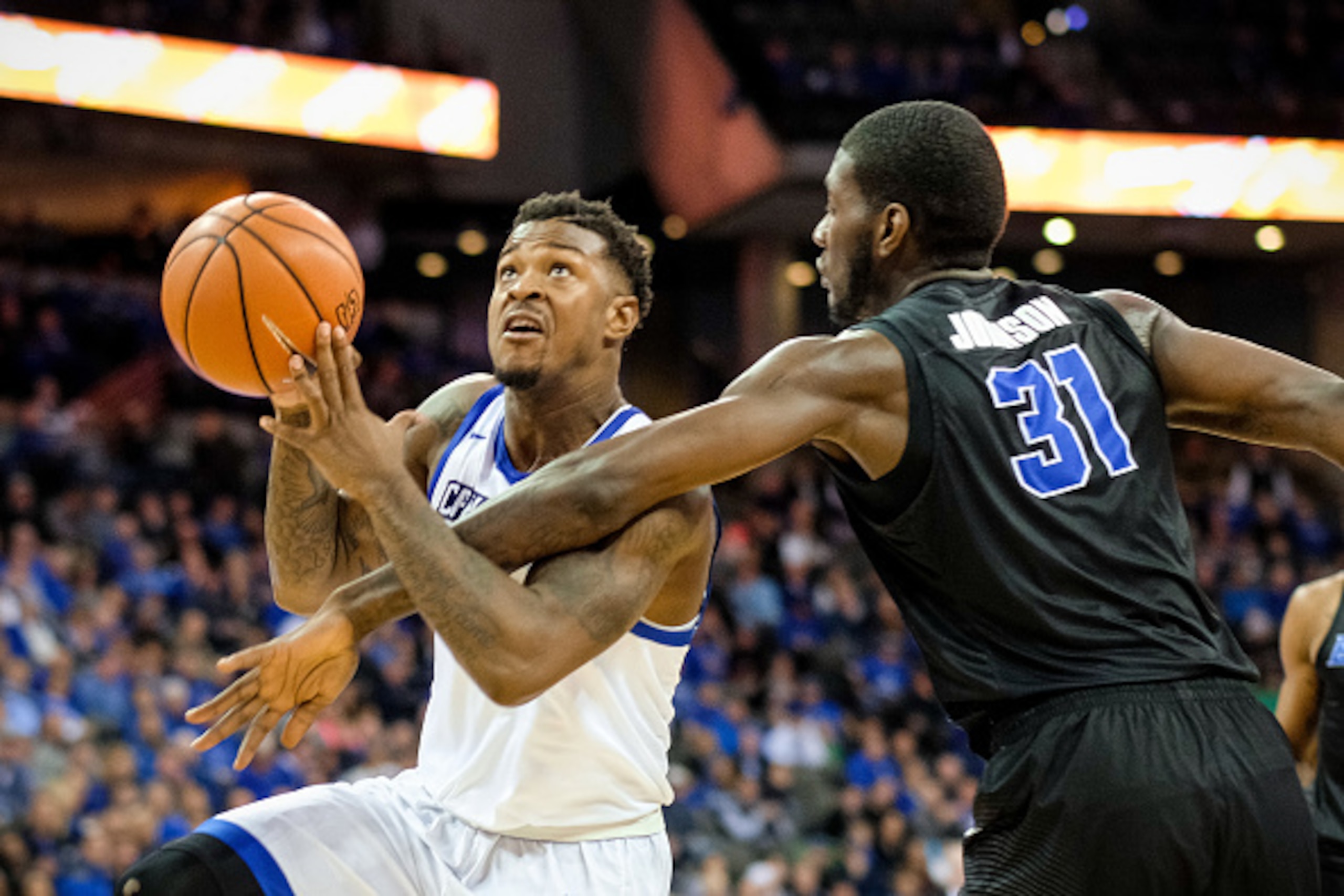
Marcus Foster was the missing piece
When Creighton secured a commitment from Foster in April 2015, the move was widely praised for how it would help the Blue Jays when he became eligible in the 2016-17 season. ESPN's Fran Fraschilla said the ex-Kansas State guard would “get back to being [a] scorer” like he did as a freshman, giving Creighton a much-needed perimeter weapon to compliment point guard Maurice Watson.
And that's what it has gotten. The 6'3” junior is averaging a team-best 17.8 points per game while shooting 50.8 percent overall and 40.3 percent from three-point range. That's enabled Watson to focus more on running the offense and less on a need to create for himself, resulting in a jump from 6.5 to 9.1 assists per game, best in Division I.
Watson has the Blue Jays (10-0) off to their best start since 2003-04. They're halfway to last year's 20 victories and are winning by 20.5 points per game.
No. 9 Indiana
17 of 25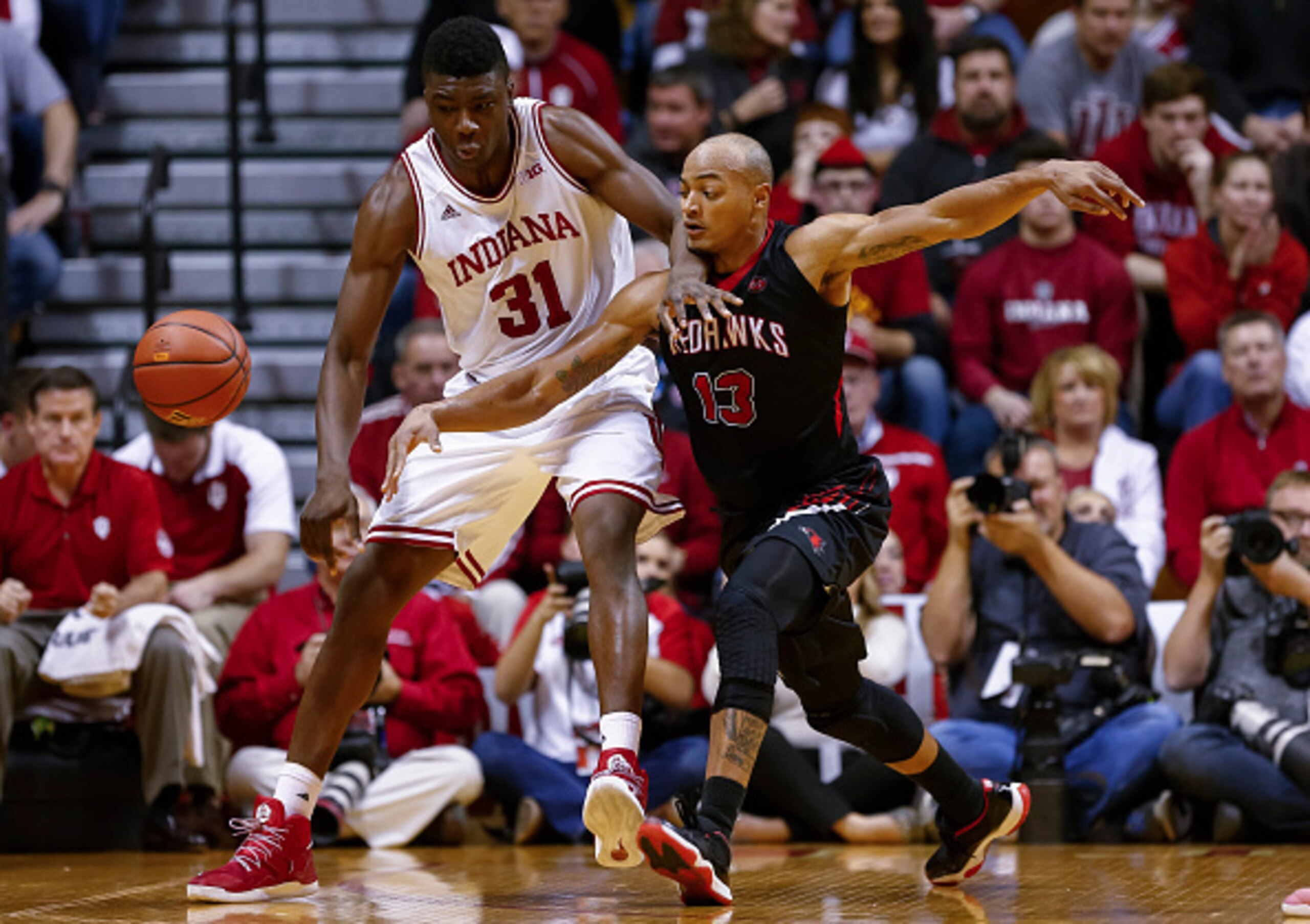
Thomas Bryant is best suited as a defensive specialist
Bryant was one of the most accurate shooters in the country a season ago, his 70.7 percent rate on two-pointers fifth-best in Division I. But he only attempts 230 shots in 35 games, nowhere near the No. 1 offensive option on a team loaded with other guys who could shoot and score.
When the 6'10” forward opted to return for his sophomore season without even testing the NBA draft waters, there was wonder about whether Indiana coach Tom Cream might revolve more possessions around getting him the ball inside to take advantage of his efficiency. Instead, the Hoosiers are very much like they were a year ago, and that means getting Bryant the ball on occasion but leaning on him more for his defense and rebounding.
Bryant is averaging 11.9 points per game, same as in 2015-16, but playing 4.5 more minutes per game. He's upped his rebounding from 5.8 to 8.4 per game and has more than doubled his blocks from 0.9 to 1.9. That's translated into an 82.8 defensive rating that's best among Indiana's main players and is just outside the top 20 nationally.
No. 8 Gonzaga
18 of 25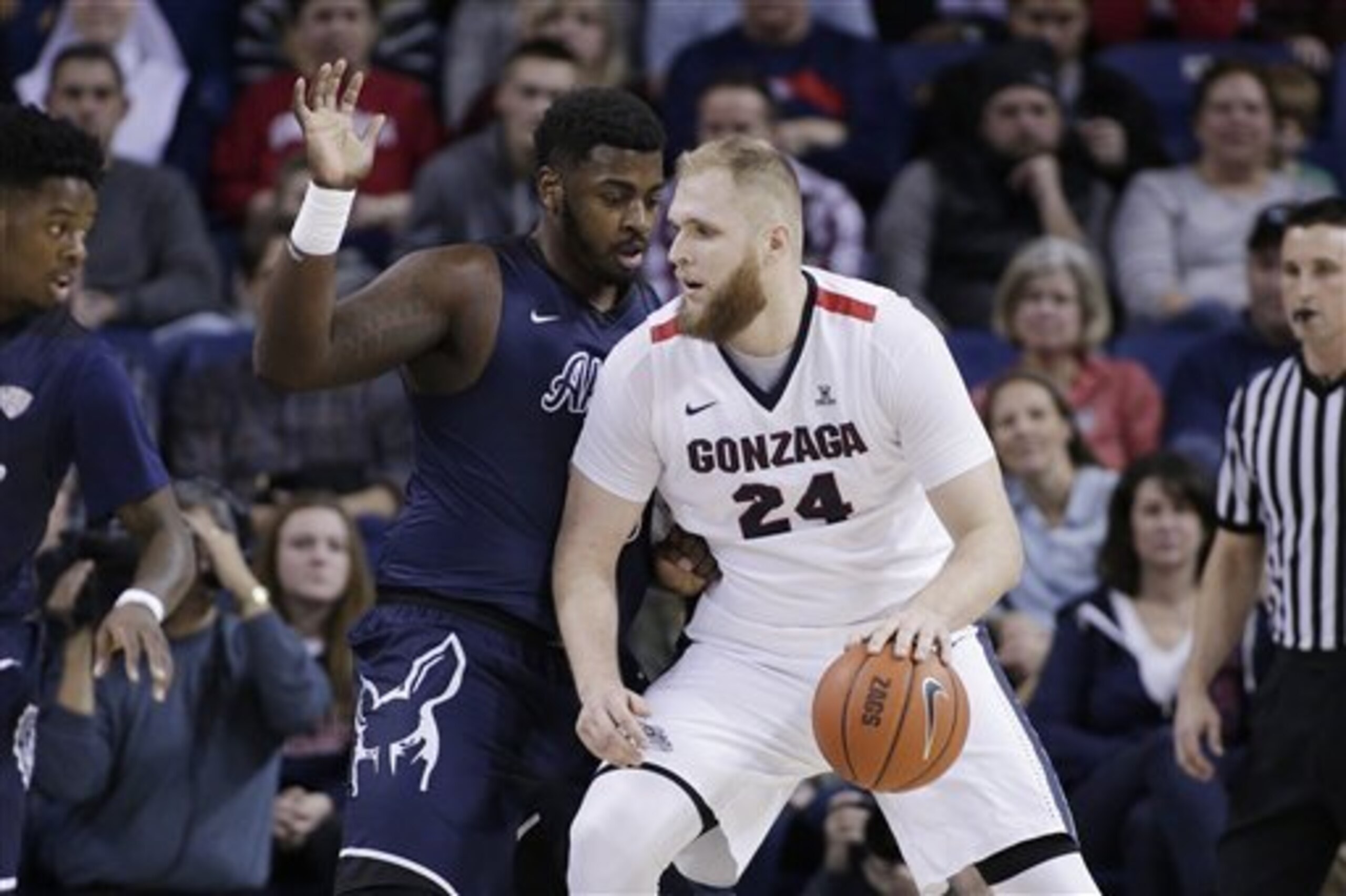
Przemek Karnowski looks better than ever
Other than the feet, injuries to the back are the biggest concern for basketball big men because of the difficulty that comes with returning to action and avoiding further injury. So far so good for Karnowski, who was knocked out because of back surgery last season after give games.
You could hardly tell the 7-footer missed any time by how he's looked during Gonzaga's 10-0 start. He's averaging 12.4 points, 6.2 rebounds and 1.1 blocks per game in just 21 minutes of action, per-40 rates (23.6/11.8/2.1) that are all the best of his career.
Karnowski is shooting 55.6 percent, which is a career low but still good for someone who's not relying on dunks and two-foot layups. And combined with freshman Zach Collins (10 points, 5.4 rebounds per game in 16.7 minutes), the Bulldogs have quite a formidable frontcourt to deal with.
No. 7 North Carolina
19 of 25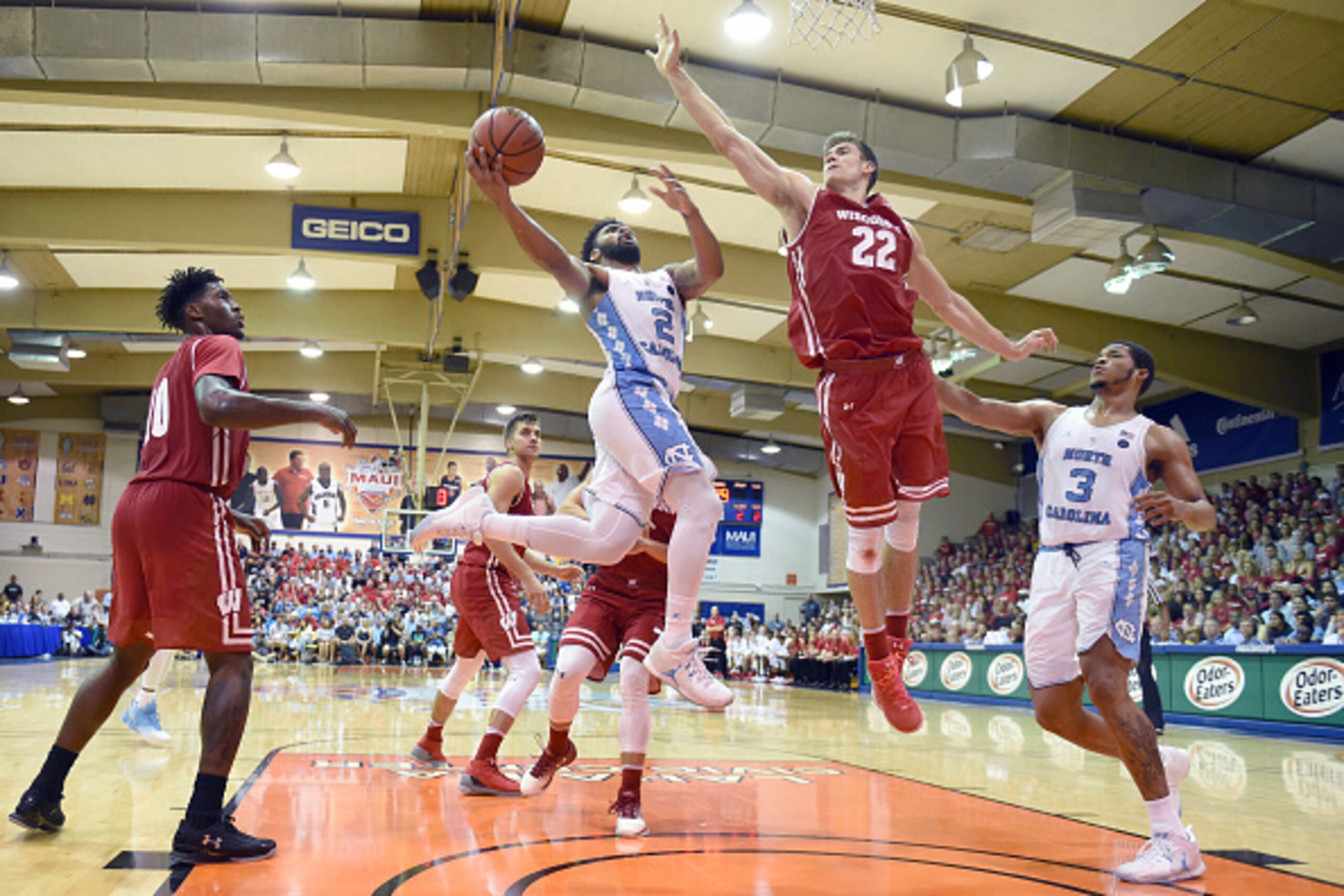
Joel Berry is Tar Heels' most indispensable player
After tearing through the field to win the Maui Invitational, North Carolina looked to be far and away the most complete team in the country. The Tar Heels, who lost to Villanova in the national championship game, were winning by an average of almost 30 points per game.
Then came a loss at Indiana that led to some reassessing of UNC's strengths and weaknesses, followed by an ankle injury to Berry that has made them suddenly look very vulnerable in the backcourt.
Berry, who has missed the past two games, was averaging 14.8 points, 3.8 rebounds and 4.7 assists while shooting 41.9 percent from three-point range before getting hurt. In his absence, the Heels struggled to beat Davidson and Tennessee at home and its backcourt of senior Nate Britt, sophomore Kenny Williams and others have been far less efficient.
Britt is 4-of-22 from the field the past two games and the Heels were 2-of-17 from three against Tennessee. UNC badly needs Berry back, and until that happens, it's going to have difficulties shooting and moving around the ball.
No. 6 Kentucky
20 of 25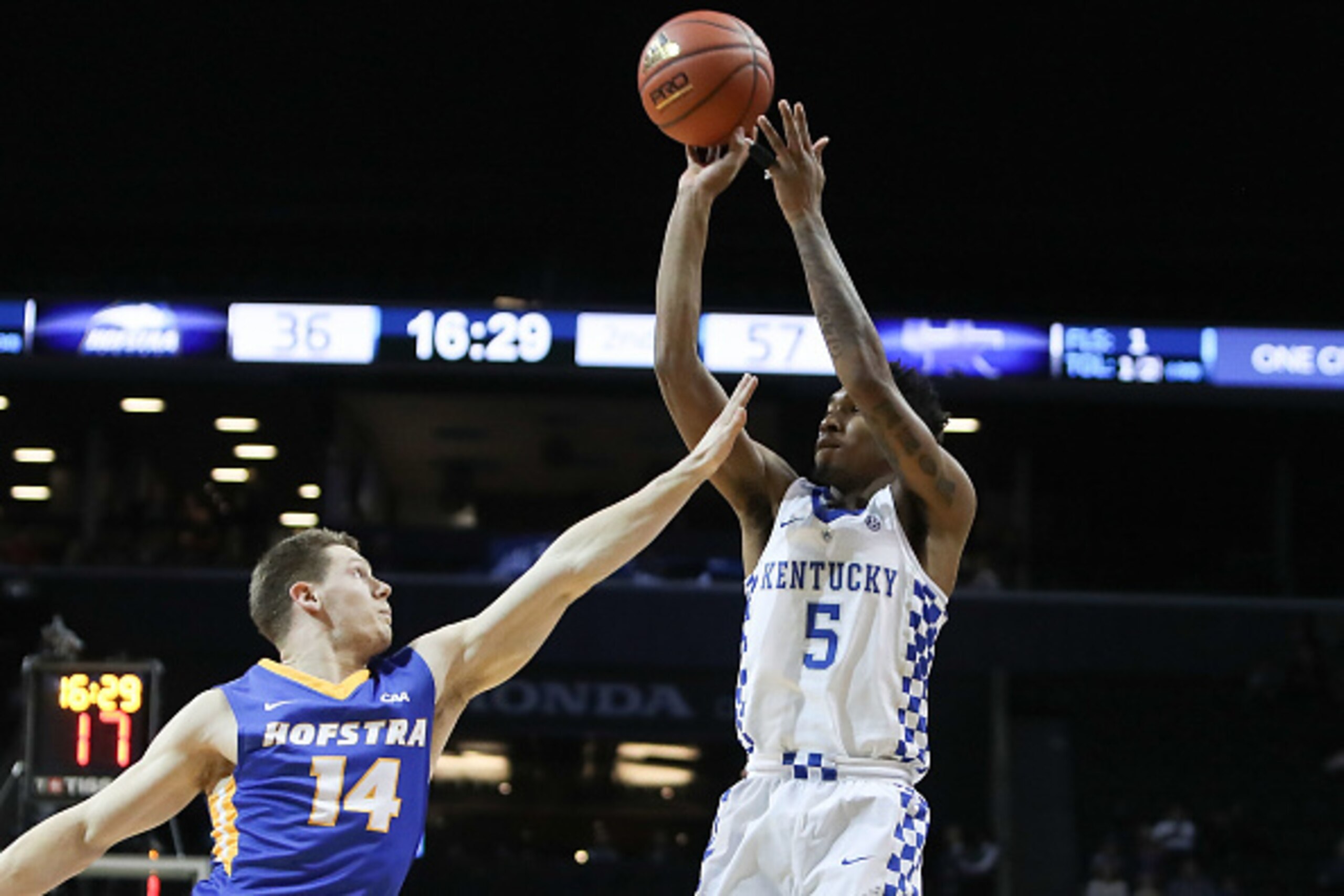
Perimeter shooting is not a strong suit
From an overall standpoint, the 2016-17 Kentucky team that's overly reliant on freshmen is in much better shape than last year's youthful version. The Wildcats (9-1) average 94.4 points per game, third-best in the country, while shooting 48.5 percent overall, and while they've been out-rebounded in a few games, the physicality of their big men is much better than in 2015-16.
But then there's the three-point shooting, which after being pretty good a year ago has been far from impressive this fall. Kentucky is shooting 32.4 percent from the perimeter, its best performance an 11-of-28 (39.3 percent) effort in the blowout of Arizona State in the Bahamas just after Thanksgiving.
Outside of freshman Malik Monk, who has made 38.5 percent of his 78 attempts, only seniors Mychal Mulder (16-of-39) and Derek Willis (10-of-28) are above 35 percent. Freshman De'Aaron Fox has made only three of 21 attempts while sophomore Isaiah Briscoe is 4-of-17, but that's actually a major improvement from his 5-of-37 performance as a freshman.
No. 5 Duke
21 of 25
Luke Kennard is the early-season MVP
Three of its four highly regarded freshmen began the season on the bench nursing injuries, with one still yet to make his debut. The top scorer from a year ago, who many national outlets (including Bleacher Report) tabbed as the preseason Player of the Year, has been hot and cold while also dealing with an injury. And while senior Amile Jefferson has been great in his return from a broken foot, he's not someone Duke can build its team around.
But Kennard can be, and so far he has. Though it probably won't stay that way, the sophomore guard has far and away been Duke's best player and the one who's been most integral to their early success.
Kennard is averaging 20 points, 6.1 rebounds and 3.2 assists while shooting 52 percent overall and 40.9 percent from three-point range. A year ago, his numbers were 11.8 points, 3.6 rebounds and 1.5 assists while shooting 42 and 31.8 percent, respectively.
Freshman forward Jayson Tatum is close to 100 percent and has looked good in his last two games, while Grayson Allen is coming off a career-high 34 points against UNLV and figures to return to his old form. Kennard may not remain the Blue Devils' leading scorer for long, but his overall value won't diminish.
No. 4 Baylor
22 of 25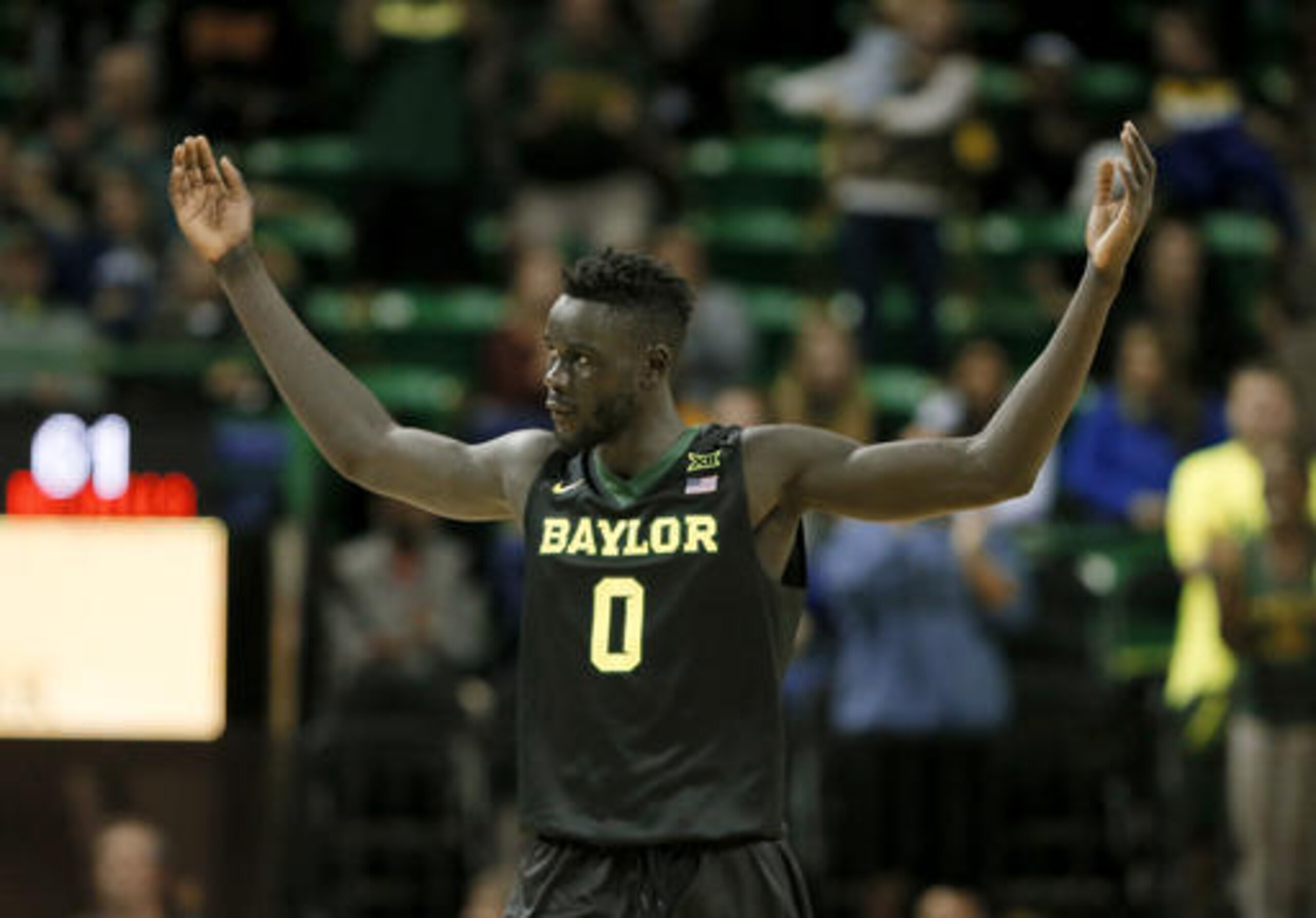
Bears are capable of dethroning Kansas
Every year, in previewing the Big 12 Conference, we search for a team that could finally be the one to knock Kansas off and end its run of consecutive regular-season titles. And every year those picks end up not panning out as the Jayhawks have won at least a share of the last 12 championships.
This season Kansas was again picked to finish first, with West Virginia and Texas the closest in the voting. And way down in fifth was Baylor, which is already looking like it was way underrated for 2016-17.
The Bears (9-0) have the best collection of nonconference wins in the country, having already beat four ranked opponents (Louisville, Michigan State, Oregon and Xavier) with three of those in the Top 10 at the time. Their win against Louisville, to claim the Battle 4 Atlantis title, saw them rally from down 22.
Unranked to begin the season, Baylor has been efficient on offense and smothering on defense. If that continues when Big 12 play begins in a few weeks, the Bears will be a strong contender to challenge Kansas for the top spot, with their first meeting set for Feb. 1 in Lawrence.
No. 3 Kansas
23 of 25
Hack-a-Jayhawk might become a thing
In many cases, fouling is meant to be a last-ditch effort to prevent a team from scoring what otherwise would be an easy basket. The hope is the opponent may miss some of those free throws, thus making it worthwhile to commit fouls.
The best teams render this strategy ineffective by draining their foul shots, and the ones who struggle at the line end up finding themselves in trouble in close games where those points at the line can mean the difference.
Early on, Kansas (9-1) is looking like one of those teams. And that's not normal.
The Jayhawks have shot 58.8 percent from the line so far, which ranked fifth-worst in Division I entering Thursday's games. A year ago, Kansas shot 71.3 percent, but its two best shooters (Perry Ellis and Brannen Greene) aren't around. Guards Frank Mason and Devonte' Graham remain very accurate but freshman guard Josh Jackson has shot 54.7 percent so far.
No. 2 UCLA
24 of 25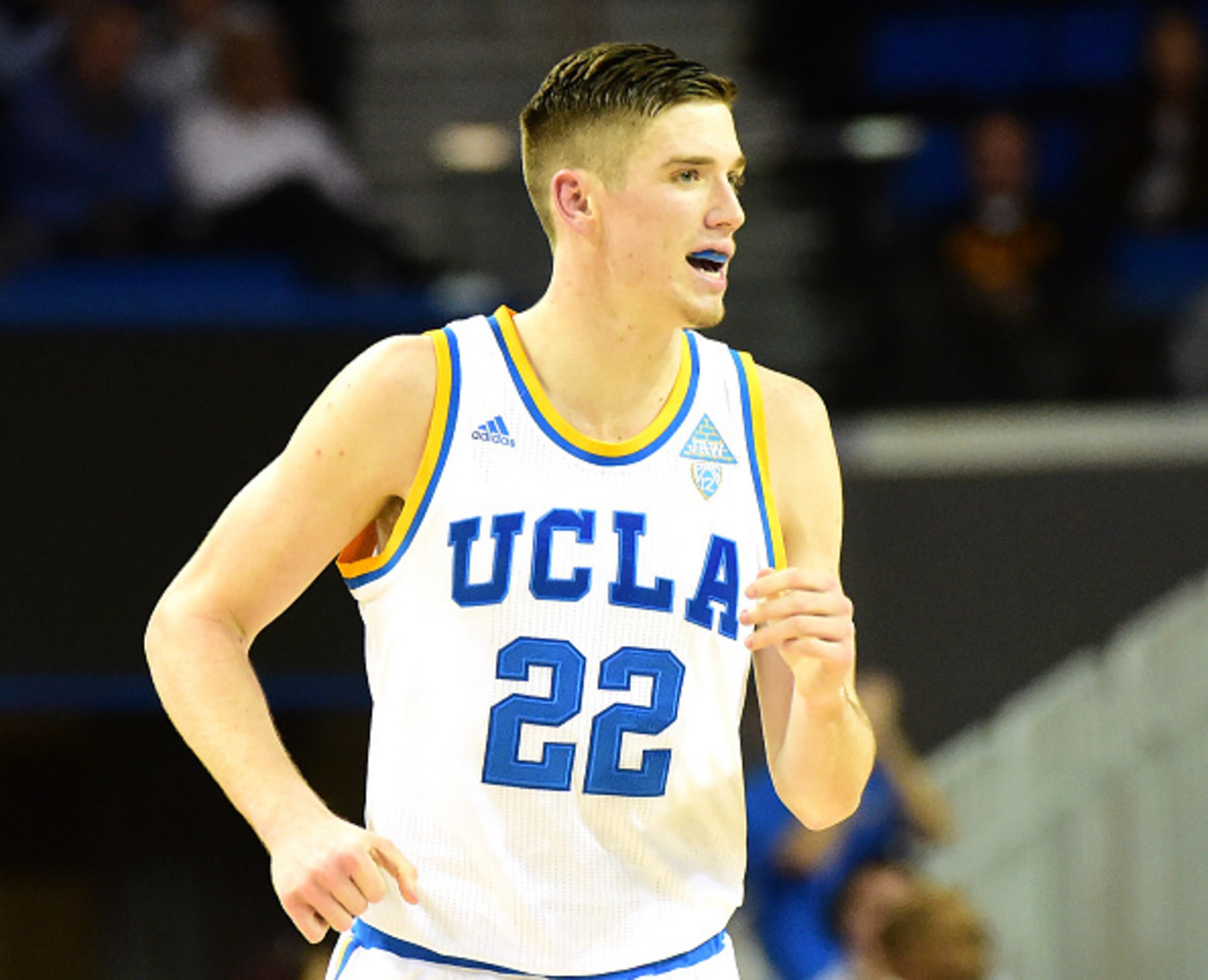
T.J. Leaf deserves as much attention as Lonzo Ball
Yes, Ball has been tremendous and is arguably the best freshman in the country. But to give all credit to UCLA's hot start to 2016-17 solely to the point guard is an insult to the rest of the Bruins (11-0), particularly to one of their other newcomers.
Leaf, a 6'10” forward, is averaging a team-high 18.3 points, and his 9.4 rebounds per game is second to junior Thomas Welsh (9.6). He's shooting 67.5 percent from the field, has made 13 of 24 three-pointers and is also chipping in 3.2 assists per game.
In Wednesday's blowout win over UC Santa Barbara, Leaf had 25 points (on 11-of-17 shooting) with 10 rebounds and a career-high eight assists. It was his fifth double-double of the season, the last coming in UCLA's win at then-No. 1 Kentucky, and his ability to dish out indicates a triple-double should be coming in the near future.
Leaf is still a big part of UCLA's early success with his 14.8 points, 5.6 rebounds and 8.6 assists per game, but without Leaf's work on the interior, the overall team results might have been far different.
No. 1 Villanova
25 of 25
There's no complacency after winning it all
The last time a defending national champion made it past the Sweet 16 was in 2007, when Florida repeated to become the first back-to-back champs since Duke in 1991-92. It's far too early to think Villanova is going to end this skid, but the early results indicate the Wildcats don't just expect to coast through this season.
At 11-0 following Tuesday's 78-57 win over Temple, Villanova is off to the best start for a defending champ since Duke won its first 15 games in 2011 (only to lose in the Sweet 16). And the Wildcats have looked really good in doing so, beating ranked Purdue and Notre Dame teams and sweeping their Big 5 opponents for the fourth consecutive season.
It helps that Villanova returned much of the team that beat North Carolina for the title in April, making it possible to tap into that experience. Instead of looking to flip a switch when it matters most, the Wildcats have given full effort in every game, winning by an average of 17.6 points per game. And for the past eight, they've done that without junior guard Phil Booth, who had 20 in the NCAA final.
All statistics courtesy of Sports-Reference.com, unless otherwise noted. All recruiting information courtesy of Scout.com, unless otherwise noted.
Follow Brian J. Pedersen on Twitter at @realBJP.

.jpg?w=2560 "Colts Football")





